









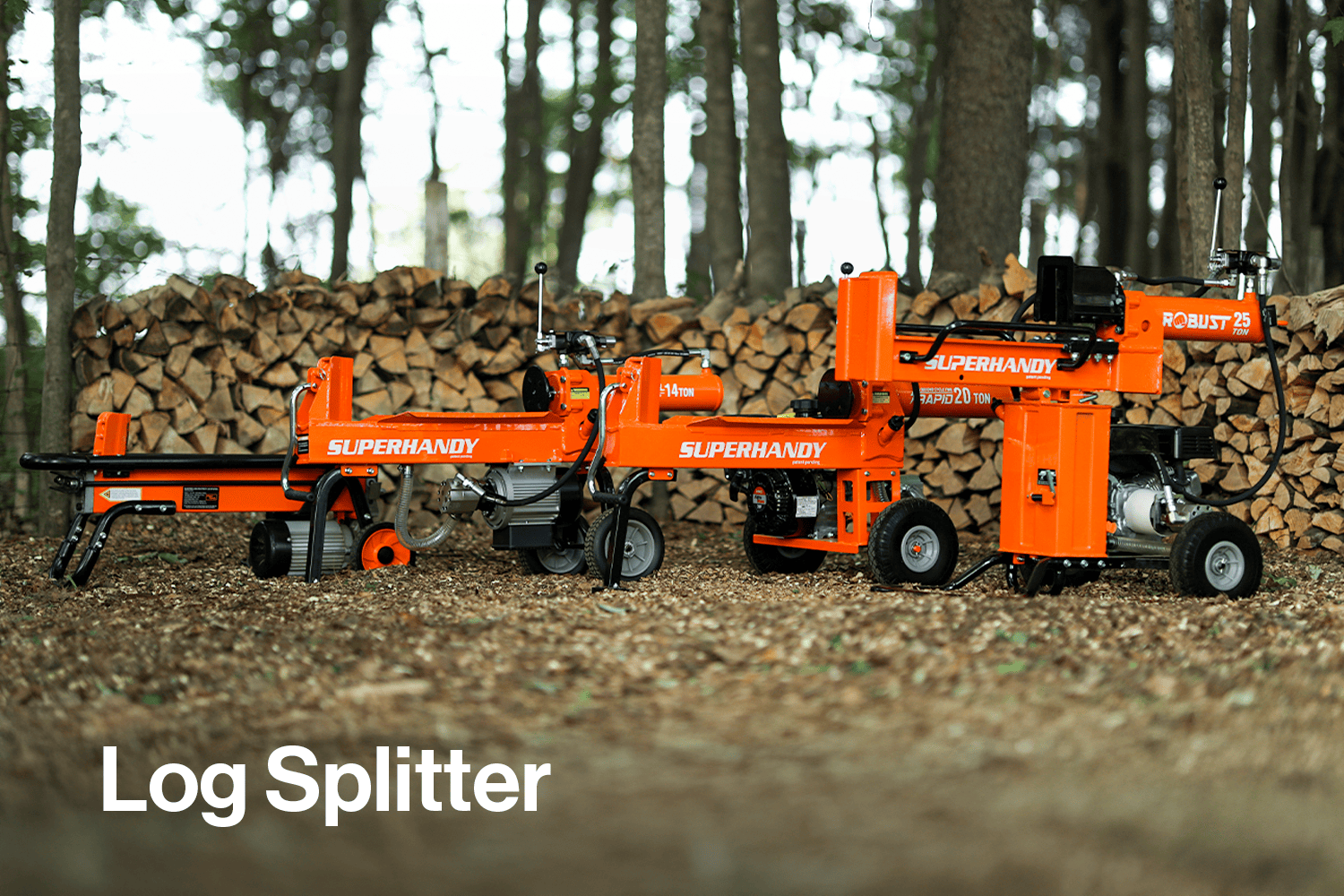
Why Invest in a Log Splitter: Is It Right for Your Wood Splitting Tasks?
Splitting wood by hand with an axe or maul is a classic, time-honored task. It’s also physically demanding, time-consuming, and can be risky. If you heat your home with a wood stove, enjoy frequent bonfires, or need to clear fallen trees from your property, you know just how much work goes into creating a well-stocked woodpile. This is where a log wood splitter becomes an invaluable tool, not a luxury.
Investing in a log splitter is about reclaiming your time and saving your back. What might take an entire weekend of grueling manual labor can often be accomplished in just a few hours with the right machine. A quality wood splitter provides consistent, powerful force that makes quick work of even tough, knotty rounds. Furthermore, it offers a more controlled and predictable process than swinging an axe, which can help reduce the risk of strain or injury. Prioritizing the safe use of household equipment is a key part of home consumer product safety, and a splitter automates the most strenuous part of the job. If you find yourself splitting more than a handful of logs each year, a log splitter is a wise investment in efficiency and well-being.

Understanding Log Splitter Types: Which Mechanism Suits Your Needs?
Once you’ve decided to make the switch from manual labor, the next step is choosing the right type of log splitter. The primary difference between models comes down to their power source, which dictates their strength, portability, and ideal working environment. The main categories you’ll encounter are electric, gas-powered, and manual.
Each type is designed for different scenarios, from occasional use in a suburban backyard to heavy-duty work on a large, wooded property. Understanding the fundamental differences in how they operate is the first step toward narrowing down your options and finding the perfect machine for your woodpile. Before we dive into the details, you can get a sense of the variety by exploring our full collection of Log Splitters.
Electric Log Splitters: Power, Portability, and suitable for Smaller Jobs
Electric log splitters are the perfect solution for most homeowners with moderate wood-splitting needs. They are significantly quieter than their gas counterparts, produce no exhaust fumes, and require minimal maintenance. This makes them ideal for use in residential areas, garages, or workshops where noise and emissions are a concern.
Powered by either a standard wall outlet or a rechargeable battery system, electric models offer push-button convenience and are typically lighter and more compact. While they generally have less splitting force (tonnage) than gas units, a quality electric wood splitter has more than enough power to handle the seasoned logs up to 10-12 inches in diameter that you’d typically use in a fireplace or wood stove. If you value ease of use, low maintenance, and a quieter work environment for smaller-to-medium jobs, an electric log splitter is an excellent choice.
Gas-Powered Log Splitters: useful Strength for Tougher Wood and Larger Volumes
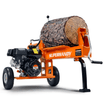
When raw power and untethered portability are your top priorities, nothing beats a gas-powered log splitter. These machines are the workhorses of the wood-splitting world, engineered to tackle the biggest, toughest, and most demanding jobs. Equipped with powerful gasoline engines, they generate immense splitting force capable of blasting through large-diameter rounds, green (unseasoned) wood, and stubborn, knotty pieces that would stop a lesser machine in its tracks.
Because they don’t rely on an electrical cord, gas splitters can be towed or wheeled anywhere on your property, making them suitable for clearing land or processing wood far from a power source. This power comes with trade-offs: they are louder, produce exhaust fumes (requiring outdoor use), and demand more regular maintenance like oil changes and fuel management. For anyone with a large property, commercial needs, or the task of processing multiple cords of wood each year, the useful strength of a gas log splitter is essential.
Manual vs. Powered Log Splitters: Making the Initial Choice
Your first major decision in the log splitter journey is choosing between manual and powered operation. The right choice depends entirely on your workload, budget, and physical preference.
Manual log splitters are the simplest and most affordable option. These tools rely on your own strength, using mechanisms like foot pumps or long-handled levers to drive a wedge through wood. They are quiet, highly portable, and require no fuel or electricity, making them ideal for small, occasional jobs like splitting a bit of kindling or wood for a backyard fire pit. However, they are significantly slower and require considerable physical effort, making them impractical for processing large quantities of wood.
Powered log splitters, on the other hand, do the hard work for you. These machines use a hydraulic pump, powered by either an electric motor or a gas engine, to generate immense force. Powered log splitters, which fall under general OSHA hand and power tool safety guidelines, automate the process and can handle everything from small rounds to large, knotty logs with ease. They are the go-to choice for anyone heating with wood or needing to process more than a small pile. The trade-off is a higher initial cost, more maintenance, and the noise associated with their operation.

Key Log Splitter Specifications to Consider: What Matters Most?
Once you’ve decided between manual and powered, it’s time to compare the technical specifications. Understanding these key metrics is crucial for selecting a machine that matches your specific needs and the type of wood you'll be splitting. The most important specs—tonnage, cycle time, and log capacity—determine the power, speed, and versatility of the various Log Splitters available. Let’s break down what each one means for you.
Splitting Force (Tonnage): Matching Power to Wood Density and Size
Perhaps the single most important specification is the splitting force, measured in tons. This number tells you the maximum amount of force the log wood splitter’s ram can exert on a log. Choosing the right tonnage is a balancing act; too little, and you’ll struggle with tough logs, but too much is an unnecessary expense.
Your wood type is the primary factor.
- 4-9 Tons: suitable for splitting smaller-diameter (up to 12 inches) green logs and softwoods like pine, fir, and spruce.
- 10-19 Tons: A great all-around range for most homeowners, capable of handling freshly cut hardwoods like oak and maple.
- 20+ Tons: Necessary for large-diameter, seasoned, or knotty hardwoods. If you regularly split tough, dense wood like hickory, elm, or locust, a high-tonnage model is essential for efficient and effective work.
Cycle Time: How Quickly Can You Get Through Your Woodpile?
Cycle time is the total time it takes for the wood splitter’s ram to extend fully and then retract to its starting position. It’s a direct measure of how quickly you can work. A shorter cycle time means you can split more logs in less time, dramatically increasing your productivity.
Most consumer-grade log splitters have cycle times ranging from about 10 to 20 seconds. While a fast 10-second cycle time is tempting, it’s not the only factor. You must ensure the machine also has enough tonnage to split your logs in a single pass. A splitter with a fast cycle time but insufficient power will get stuck, forcing you to retract the ram and try again, which ultimately slows you down more than a powerful machine with a slightly longer cycle time.
Splitting Force (Tonnage): Matching Power to Wood Density and Size
Perhaps the single most important specification is the splitting force, measured in tons. This number tells you the maximum amount of force the log wood splitter’s ram can exert on a log. Choosing the right tonnage is a balancing act; too little, and you’ll struggle with tough logs, but too much is an unnecessary expense.
Your wood type is the primary factor.
- 4-9 Tons: suitable for splitting smaller-diameter (up to 12 inches) green logs and softwoods like pine, fir, and spruce.
- 10-19 Tons: A great all-around range for most homeowners, capable of handling freshly cut hardwoods like oak and maple.
- 20+ Tons: Necessary for large-diameter, seasoned, or knotty hardwoods. If you regularly split tough, dense wood like hickory, elm, or locust, a high-tonnage model is essential for efficient and effective work.
Cycle Time: How Quickly Can You Get Through Your Woodpile?
Cycle time is the total time it takes for the wood splitter’s ram to extend fully and then retract to its starting position. It’s a direct measure of how quickly you can work. A shorter cycle time means you can split more logs in less time, dramatically increasing your productivity.
Most consumer-grade log splitters have cycle times ranging from about 10 to 20 seconds. While a fast 10-second cycle time is tempting, it’s not the only factor. You must ensure the machine also has enough tonnage to split your logs in a single pass. A splitter with a fast cycle time but insufficient power will get stuck, forcing you to retract the ram and try again, which ultimately slows you down more than a powerful machine with a slightly longer cycle time.
Log Capacity: Maximum Diameter and Length Your Splitter Can Handle
Beyond sheer force, a log splitter's physical dimensions—its log capacity—determine what size wood it can actually process. This specification is typically defined by two measurements: the maximum log length and the maximum log diameter the machine can accommodate. Most Log Splitters are designed to handle logs up to around 20-25 inches in length, which is standard for firewood. The diameter capacity is often a reflection of the splitter's tonnage but also relates to the physical opening. While a high-tonnage splitter can crack dense wood, the log still has to fit on the beam. Before buying, measure the typical length and diameter of the rounds you plan to split to ensure they will fit your chosen model.
Log Splitter Orientation: Horizontal vs. Vertical - Which is Better for You?
The orientation of a wood splitter dictates how you load and operate it, significantly impacting ergonomics and workflow.
-
Horizontal Log Splitters: On these models, you lift a log and place it horizontally onto the splitting beam. The ram then pushes the log into a stationary wedge. This design is common for electric and smaller gas-powered splitters. It’s an excellent choice if you primarily work with smaller, lighter-weight logs that are easy to lift to waist height.
-
Vertical Log Splitters: These machines split wood in a vertical position. You place the log on a plate at the base and the wedge drives down from above. The major advantage here is ergonomics—you don’t have to lift heavy, large-diameter rounds. You can simply roll them into place, making vertical splitters ideal for processing large, tough wood with minimal back strain.
-
Convertible Splitters: Offering the best of both worlds, some gas-powered models can switch between horizontal and vertical operation. This provides the ultimate flexibility, allowing you to use the horizontal position for smaller logs and easily switch to vertical for heavy, unwieldy rounds.

Portability and Storage: Wheels, Weight, and Ease of Movement
Consider where you'll be using and storing your log wood splitter. If you need to move it around a large property or transport it between locations, portability is key. Look for models equipped with large, durable wheels—pneumatic (air-filled) tires are best for navigating uneven terrain, grass, and gravel.
Weight is another major factor. Electric splitters are generally lighter and more compact, making them easier to move by hand and store in a garage or shed. Gas-powered splitters are heavier due to their larger engines and more robust frames. Many larger gas models are designed for towing and come with a standard ball hitch coupler, allowing you to easily transport them behind an ATV or lawn tractor. Always check a splitter's dimensions and weight to ensure you have adequate space for storage.
Safety Features to Look for in a Log Splitter: Protecting Yourself and Others
Operating a log splitter involves immense force, making safety paramount. Reputable manufacturers incorporate several key features to minimize risk. One of the most important is two-handed operation, which requires you to use both hands to engage the ram—one on the hydraulic control lever and the other on the power switch. This design ensures your hands are safely away from the wedge and ram during splitting.
Other crucial features include log cradles or log catchers, which are trays that prevent split pieces of wood from falling on your feet or the ground. An automatic ram return is both a convenience and a safety feature, as it automatically retracts the wedge after the split, allowing you to prepare the next log without manually reversing it. According to OSHA guidance on hand and power tool safety, proper machine guarding is essential, so ensure all moving parts are adequately covered. Always complement these built-in features by wearing personal protective equipment (PPE), including safety glasses, durable gloves, and steel-toed boots.
Maintenance and Durability: Ensuring Your Log Splitter Lasts
A log splitter is a significant investment, and with proper care, it can serve you for many seasons. Durability starts with the build—look for heavy-gauge steel frames, quality welds, and components from reputable manufacturers. But longevity is ultimately secured through consistent maintenance.
For any type of wood splitter, routine checks are crucial. Before each use, inspect the machine for loose bolts, cracked hoses, or any signs of wear. Keeping the machine clean from wood debris and sap prevents buildup that can interfere with moving parts. According to the Occupational Safety and Health Administration's hand and power tool safety guidance, maintaining tools in good condition is a critical step in preventing accidents and ensuring reliable operation. Sharpening the splitting wedge periodically will also ensure clean, efficient cuts and reduce strain on the machine.
A close-up shot of someone checking the hydraulic fluid level on a log splitter.
Maintenance tasks vary slightly between types:
- Gas Log Splitters: These require engine care similar to a lawnmower. Regularly check and change the oil, clean the air filter, and inspect the spark plug.
- Electric Log Splitters: While lower maintenance, you should still keep the motor housing's vents clear of dust and debris to prevent overheating.
- Hydraulic System (All Powered Models): The hydraulic fluid is the lifeblood of your splitter. Regularly check the fluid level and top it off as needed with the manufacturer-recommended type. Inspect hoses for leaks or cracks and plan to change the fluid and filter according to the schedule in your owner's manual.
Top Log Splitter Brands and Models to Consider
Navigating the market for the perfect log wood splitter can be daunting, but a few brands consistently stand out for their quality, innovation, and performance. The "best" brand for you will ultimately depend on your specific needs for power, portability, and volume.
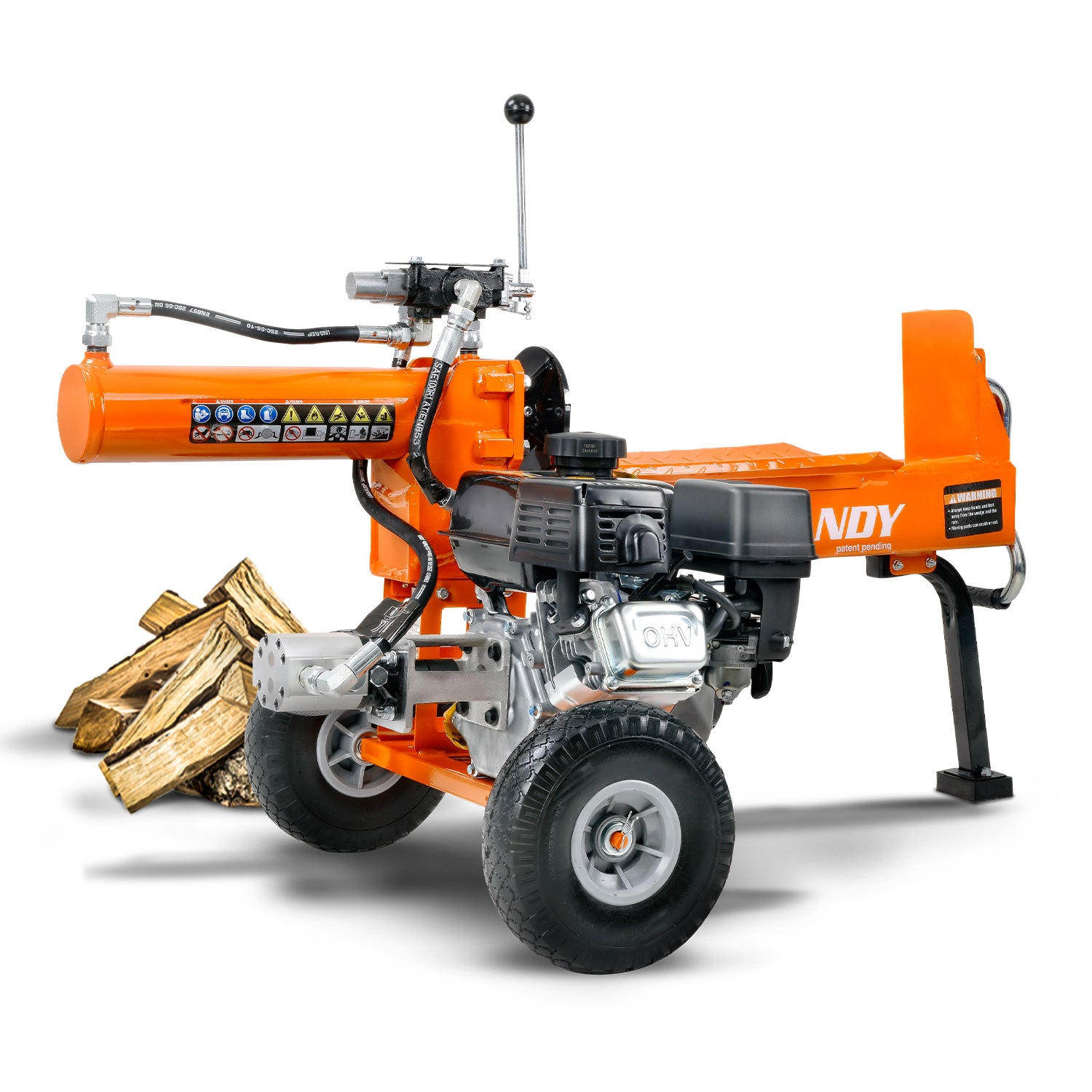
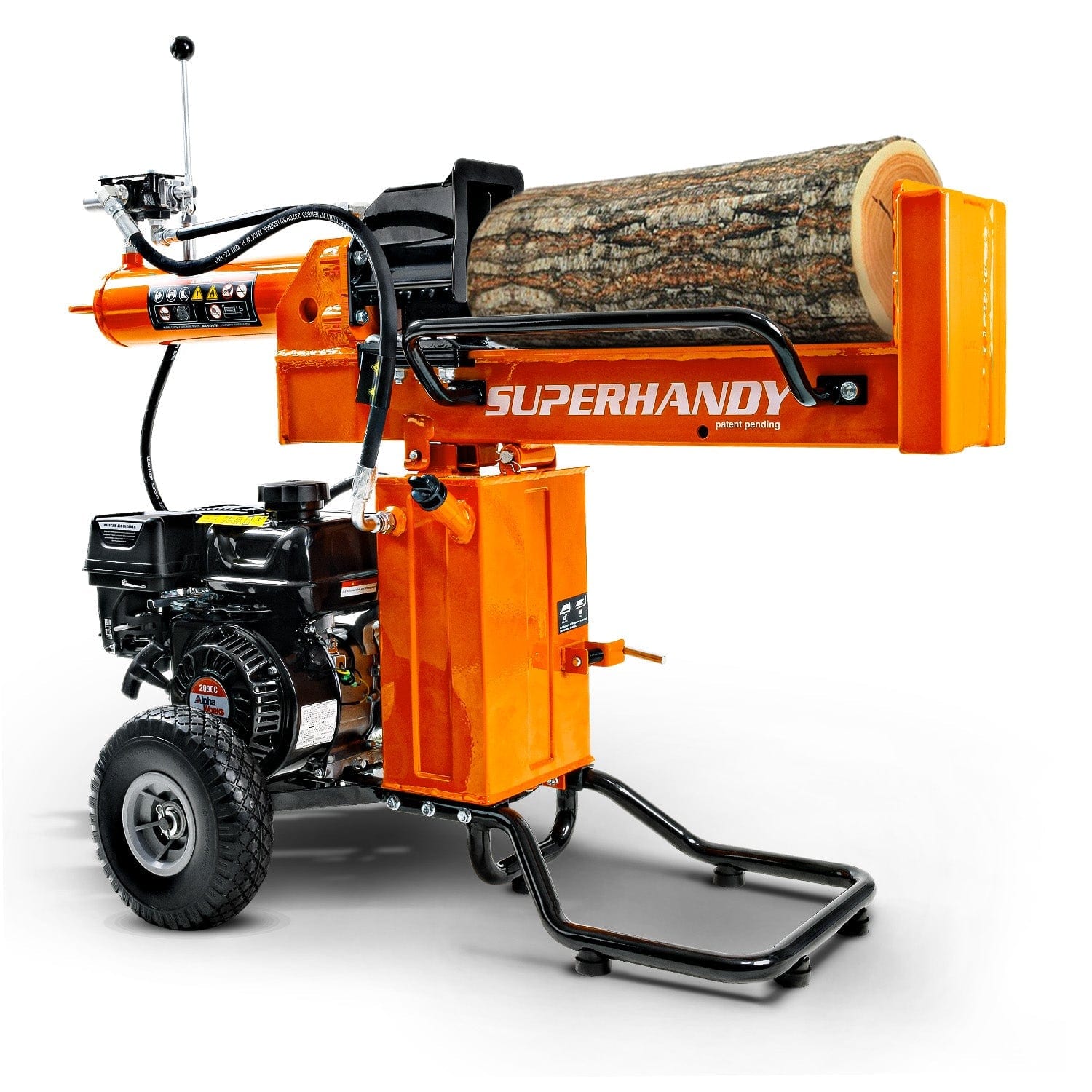
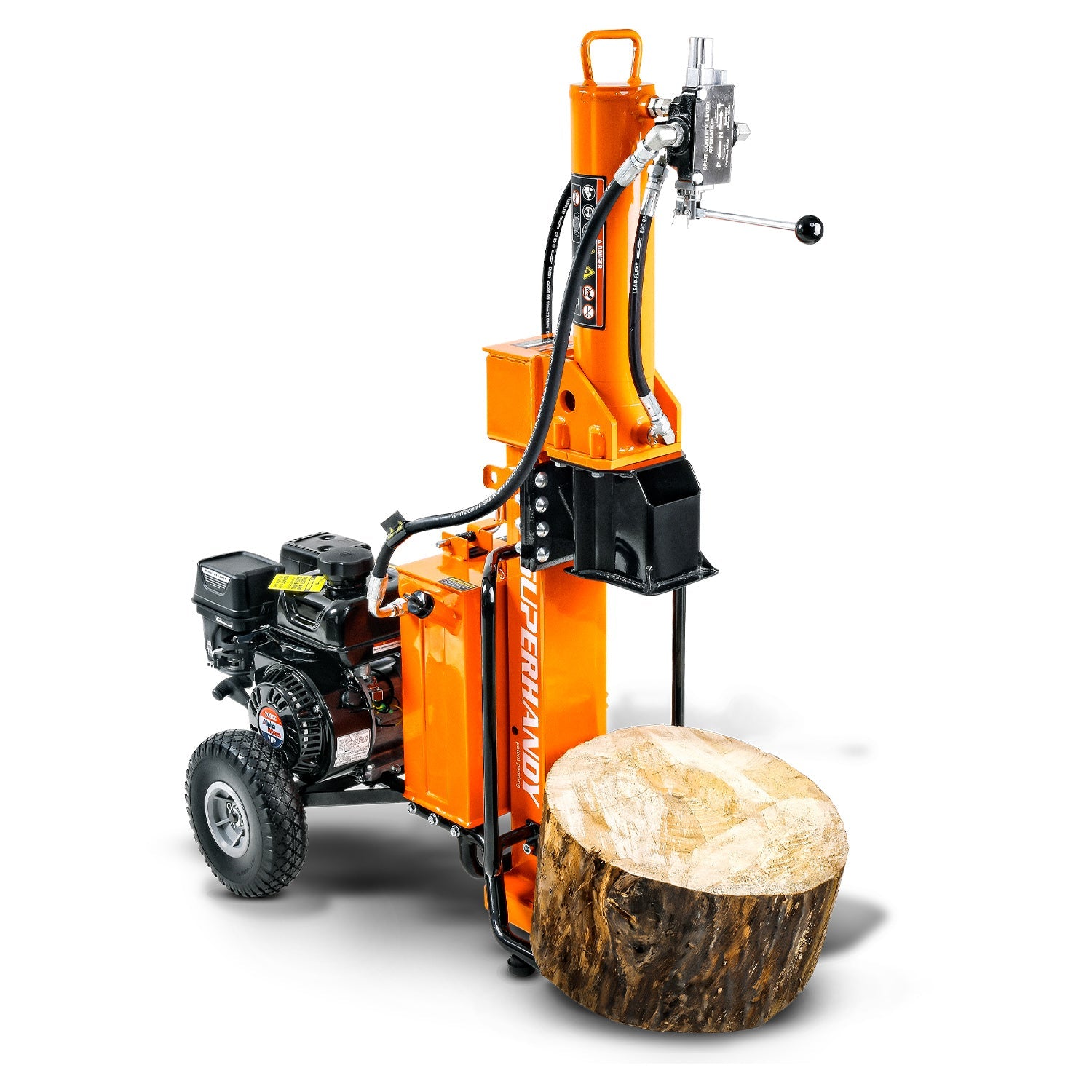
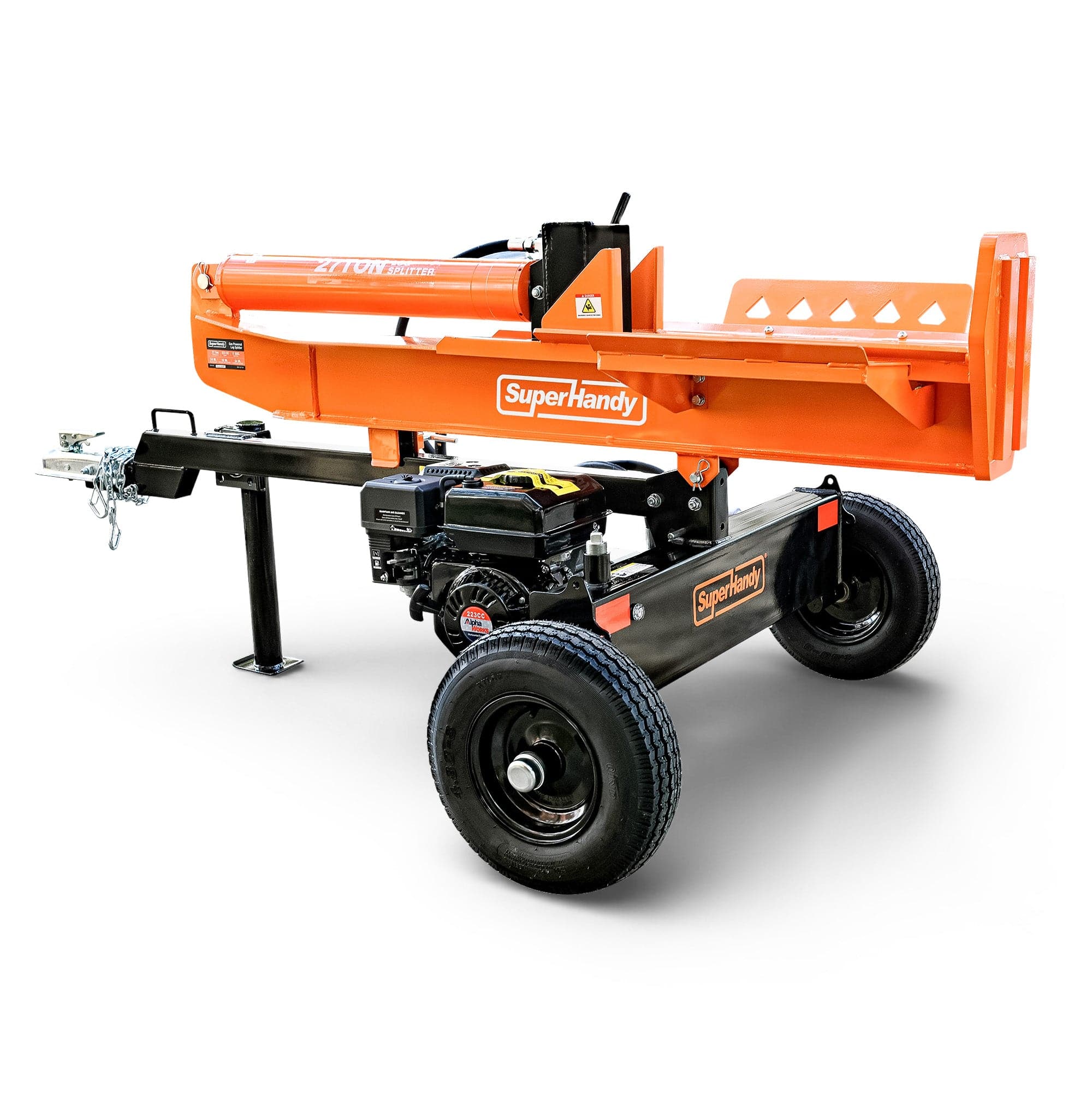
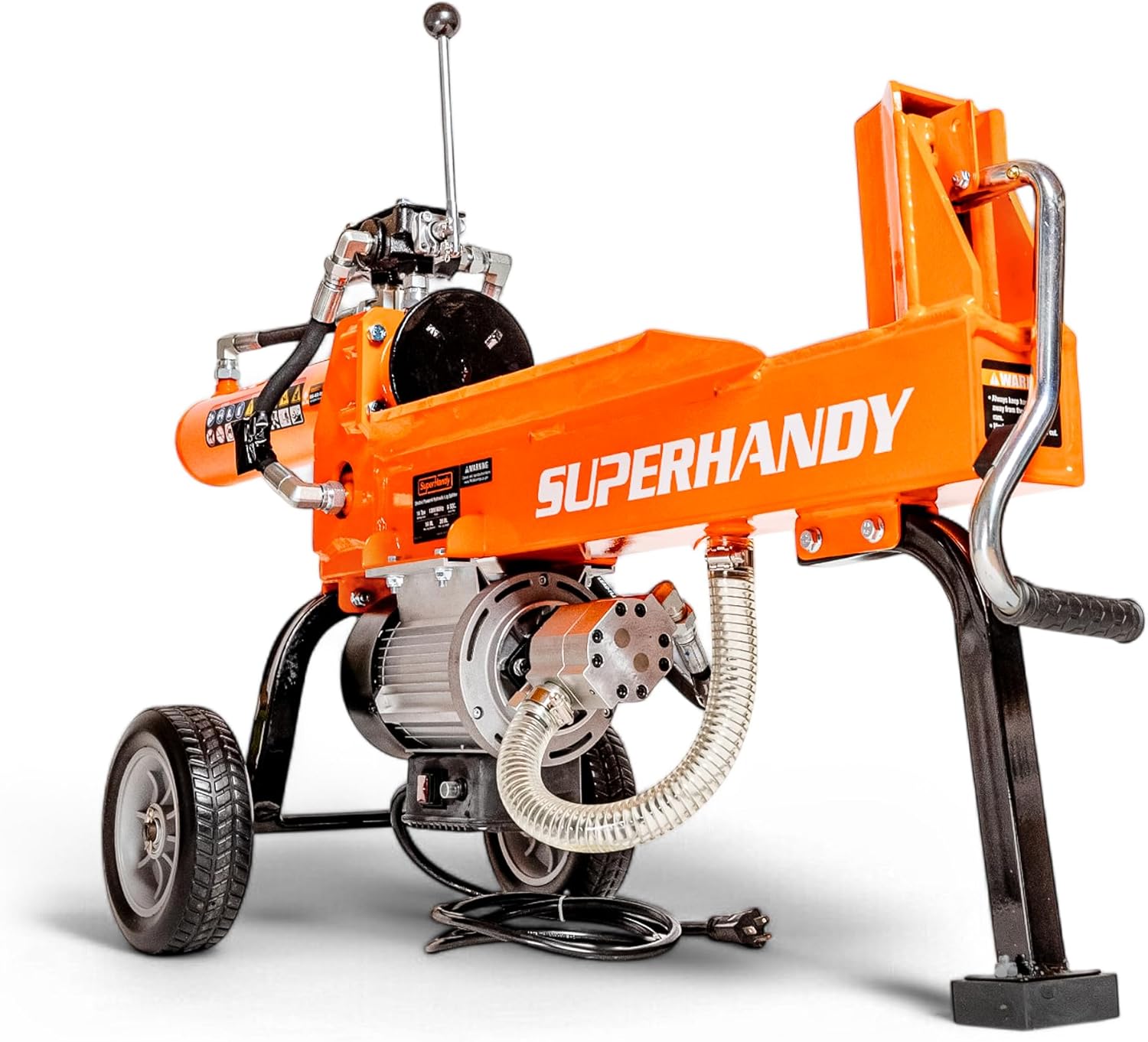
Here at SuperHandy, we pride ourselves on designing a diverse lineup of Log Splitters that cater to a wide range of users. Our compact electric models are suitable for homeowners with occasional splitting needs, offering portability and quiet operation without sacrificing efficiency. For those tackling larger projects, our more powerful gas and electric options provide the tonnage and speed required to build a serious woodpile.
While we are confident in our products, the log splitter landscape also includes other respected names like Champion Power Equipment, often recognized for their powerful gas-powered units, and WEN, which offers a variety of budget-friendly electric and gas options suitable for home use. By comparing features like tonnage, cycle time, and portability across brands, you can find the ideal machine to make your wood-splitting tasks easier and faster.

Frequently Asked Questions About Choosing and Using a Log Splitter
What tonnage do I need in a log splitter? Tonnage directly translates to splitting force. For smaller, seasoned softwoods like pine, a 5- to 10-ton splitter is often sufficient. For larger rounds or dense, knotty hardwoods like oak and hickory, you'll want 20 tons or more to split the wood effectively without bogging down the machine.
Is an electric wood splitter powerful enough? Absolutely, for the right job. Modern electric log splitters can generate significant force, often between 5 and 20 tons. They are more than capable of handling the splitting needs of most homeowners who process logs up to 12 inches in diameter. They are quieter, produce no fumes, and are ideal for use in garages, sheds, or residential areas.
How do I use a log splitter safely? Safety is paramount. Always operate your splitter on level, stable ground. Wear personal protective equipment (PPE), including safety glasses, gloves, and sturdy footwear. Use the two-handed control system as designed, which ensures your hands are clear of the wedge and ram during operation. Never allow children or untrained individuals to operate the machine.
Can I split green, unseasoned wood? You can, but it’s much more difficult. Green wood contains a lot of moisture and has stringy fibers, requiring significantly more force to split. It also puts more strain on your log splitter. For best results and less wear on your machine, it's always recommended to split wood that has been seasoned for at least six to twelve months.
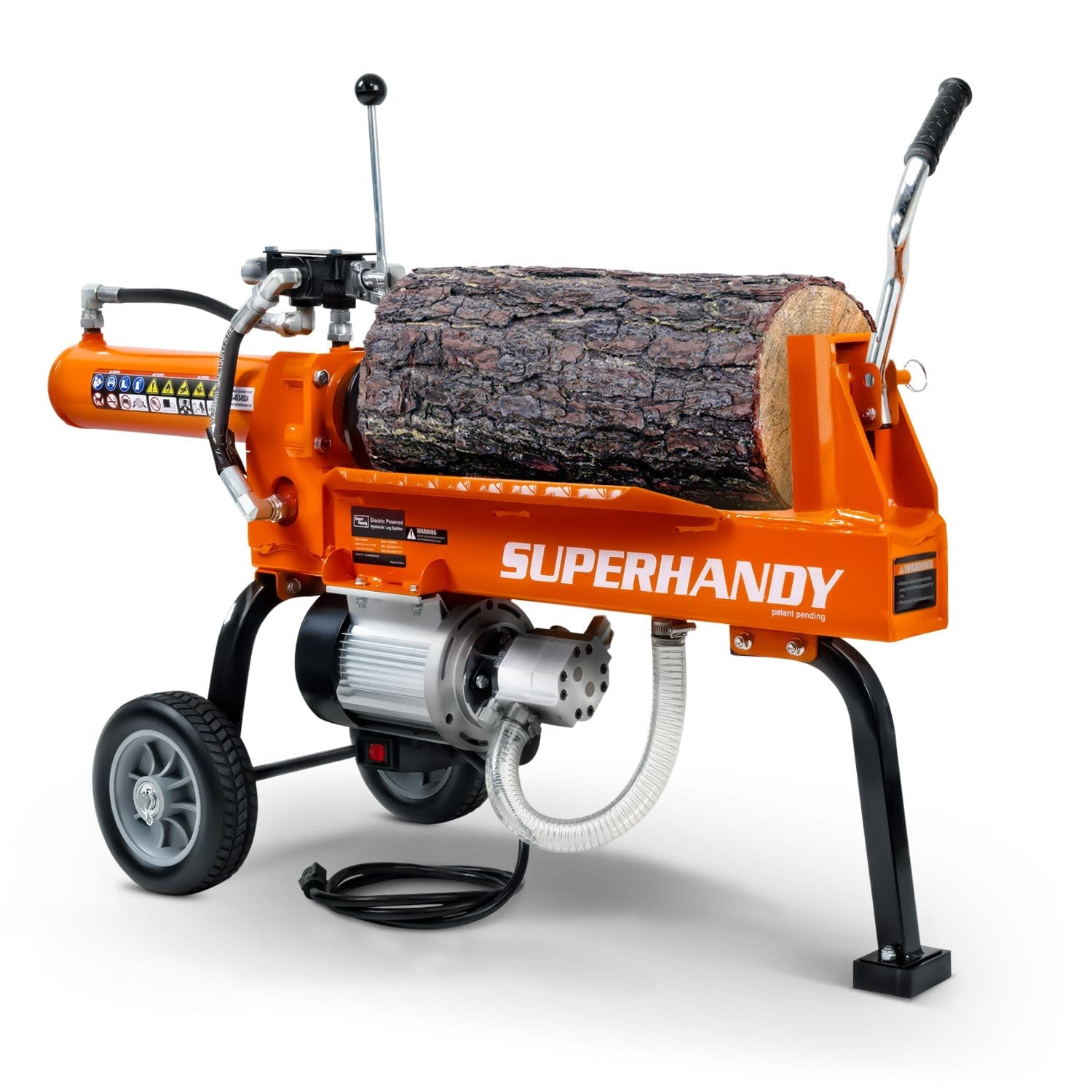
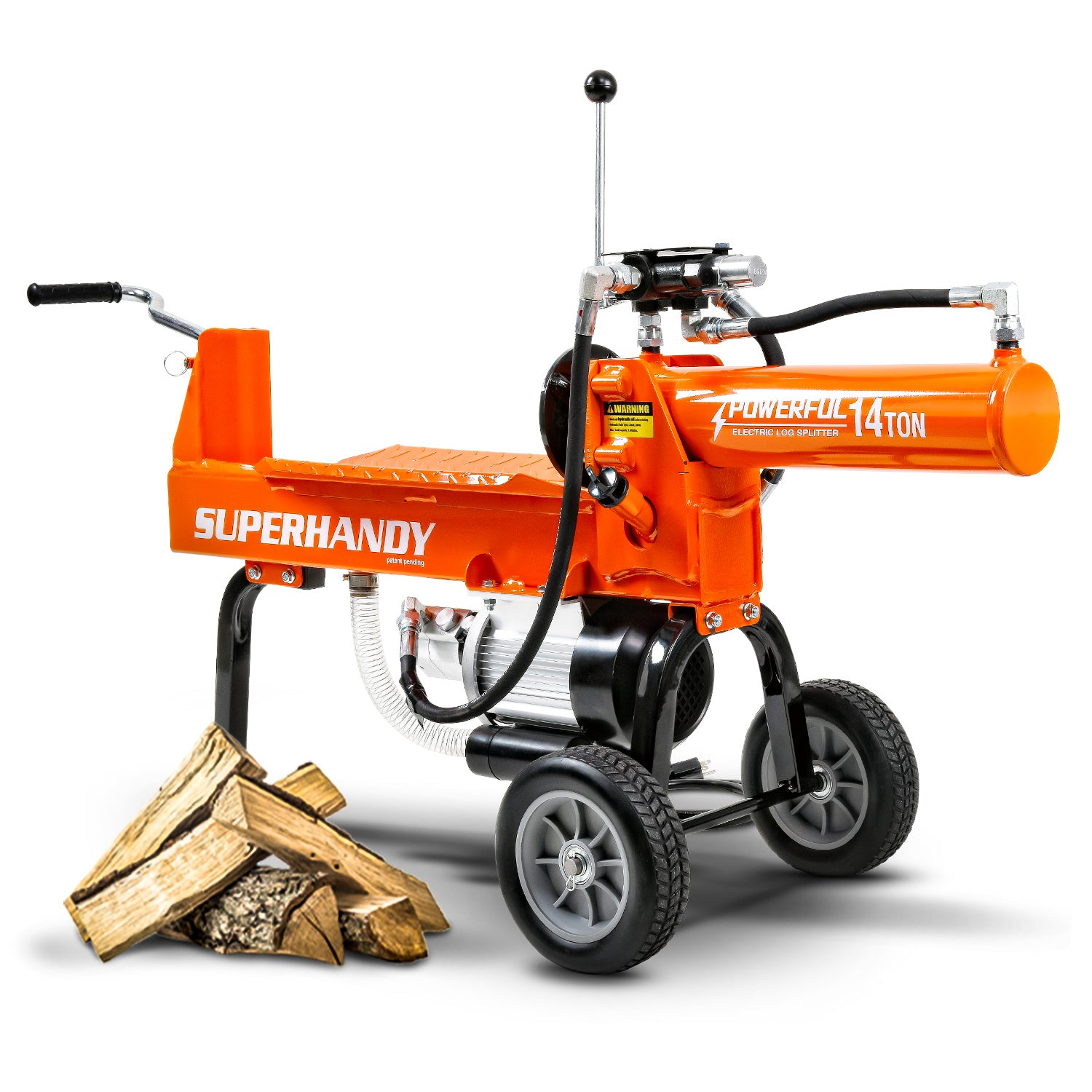
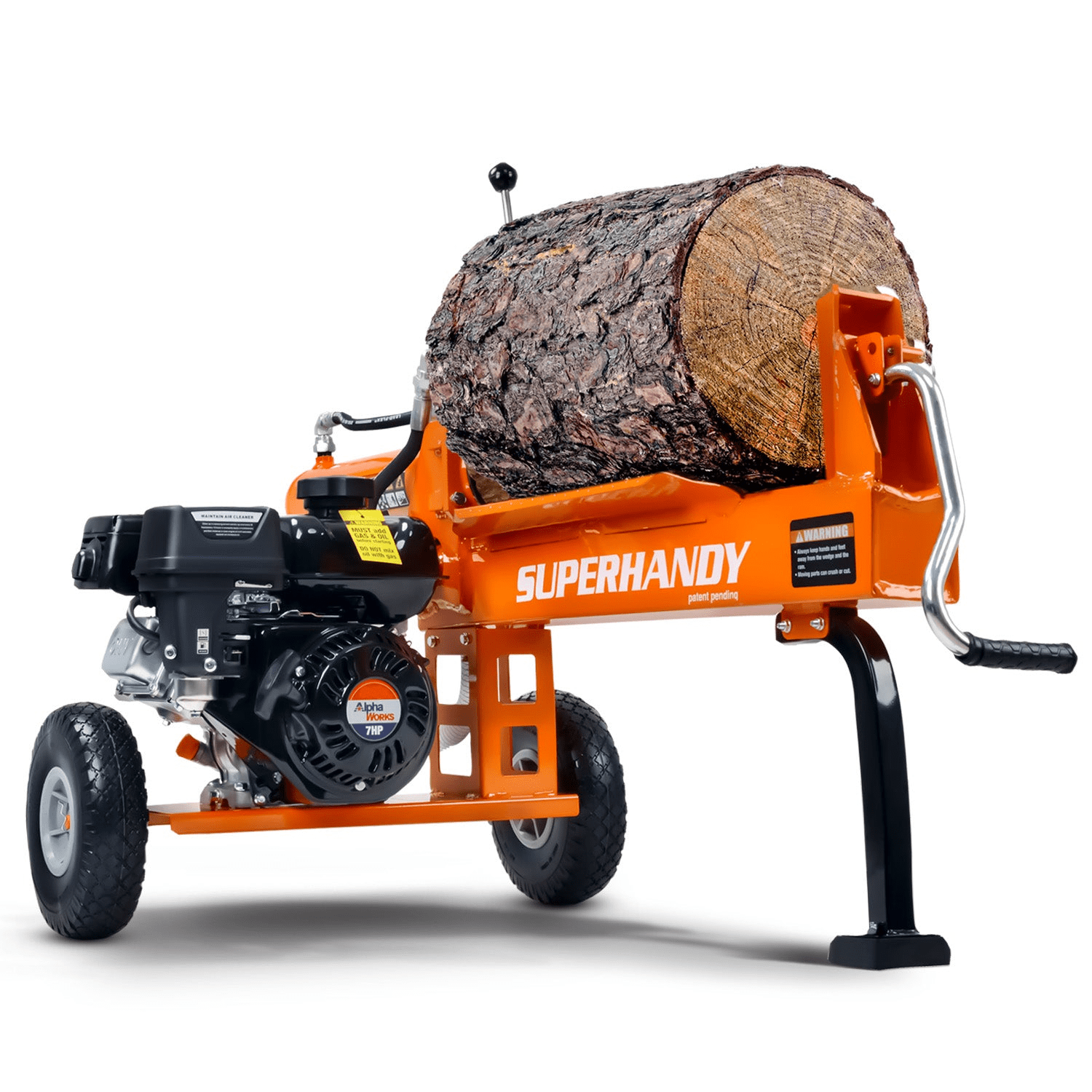
Related Products

Leave a comment
All comments are moderated before being published.
This site is protected by hCaptcha and the hCaptcha Privacy Policy and Terms of Service apply.