











Understanding the Core Functionality: How Leaf Vacuum Mulchers Work
At its heart, a leaf vacuum mulcher is a powerful 3-in-1 tool designed to streamline yard cleanup. It combines the functions of a leaf blower, a vacuum, and a shredder. The process is brilliantly simple:
- Vacuum: The machine creates powerful suction, pulling leaves, small twigs, and other light yard debris up from your lawn, patio, or driveway.
- Mulch: As the debris is sucked in, it passes through a high-speed impeller. This component, which is essentially a set of durable blades, acts as a leaf shredder mulcher, chopping and dicing the material into fine pieces.
- Collect/Blow: The shredded material is then deposited into an attached collection bag. Most models also allow you to switch the function to a blower, using a directed stream of air to gather leaves into a manageable pile before you vacuum them up.

Types of Leaf Vacuum Mulchers: Choosing Your Ideal Machine
Leaf vacuum mulchers come in several designs, each suited for different yard sizes and user needs. Understanding the main types is the first step in narrowing down your search.
- Handheld: These are the most common and portable option. Ideal for smaller yards, clearing decks, patios, and getting into tight spaces like flower beds. They are lightweight and easy to maneuver, and many lightweight electric models offer excellent performance for typical residential tasks.
- Walk-Behind: For medium to large-sized lawns, a walk-behind unit is a significant step up. These machines resemble a lawnmower and are pushed across the yard, vacuuming a wide path of leaves. They offer more power and much larger collection bags than handhelds, drastically reducing the number of times you need to stop and empty the contents.
- Chipper Shredder Combo: For the largest properties or tougher jobs involving branches and woody debris, heavy-duty chipper shredders are the ultimate solution. These powerful, often gas-fueled machines can handle not only massive volumes of leaves but also branches up to several inches in diameter, turning all your yard waste into a uniform mulch.
[IMAGE PLACEHOLDER]
Powering Your Mulcher: Electric vs. Gas vs. Battery-Powered Options
The power source is one of the most critical decisions you'll make, as it directly impacts the machine's performance, mobility, and maintenance requirements.
-
Electric (Corded): Corded electric models are a popular choice for suburban homes. They are typically the most lightweight and affordable option. They start with the push of a button, require virtually no engine maintenance, and produce zero emissions. The primary drawback is the power cord, which limits your range and can be cumbersome to manage around trees and other obstacles.
-
Gas-Powered: If you need maximum power and untethered mobility, a gas-powered leaf vacuum mulcher is the way to go. These machines can tackle wet, heavy leaves and larger debris with ease, making them suitable for large properties or professional use. However, they are heavier, much louder, require regular engine maintenance (like oil and gas), and produce exhaust fumes.
-
Battery-Powered (Cordless): Offering the best of both worlds, battery-powered models provide the freedom of a gas machine with the low-maintenance, low-noise benefits of an electric one. They are suitable for small to medium-sized yards where a cord is impractical. The main considerations are battery runtime and power—you may need a second battery for larger jobs, and they may not match the sheer shredding force of a high-end gas model.
Key Features to Prioritize: What Makes a Leaf Vacuum Mulcher Stand Out
Beyond the basic power source and type, several key features separate an average leaf vacuum mulcher from a great one. Paying attention to these details will ensure you get a machine that’s not just powerful, but also versatile and effective for your specific yard.
- Variable Speed Control: Not all yard cleanup tasks are the same. Variable speed gives you the finesse to vacuum leaves from delicate flower beds without disturbing mulch, and the maximum power needed to lift wet, matted leaves from the lawn.
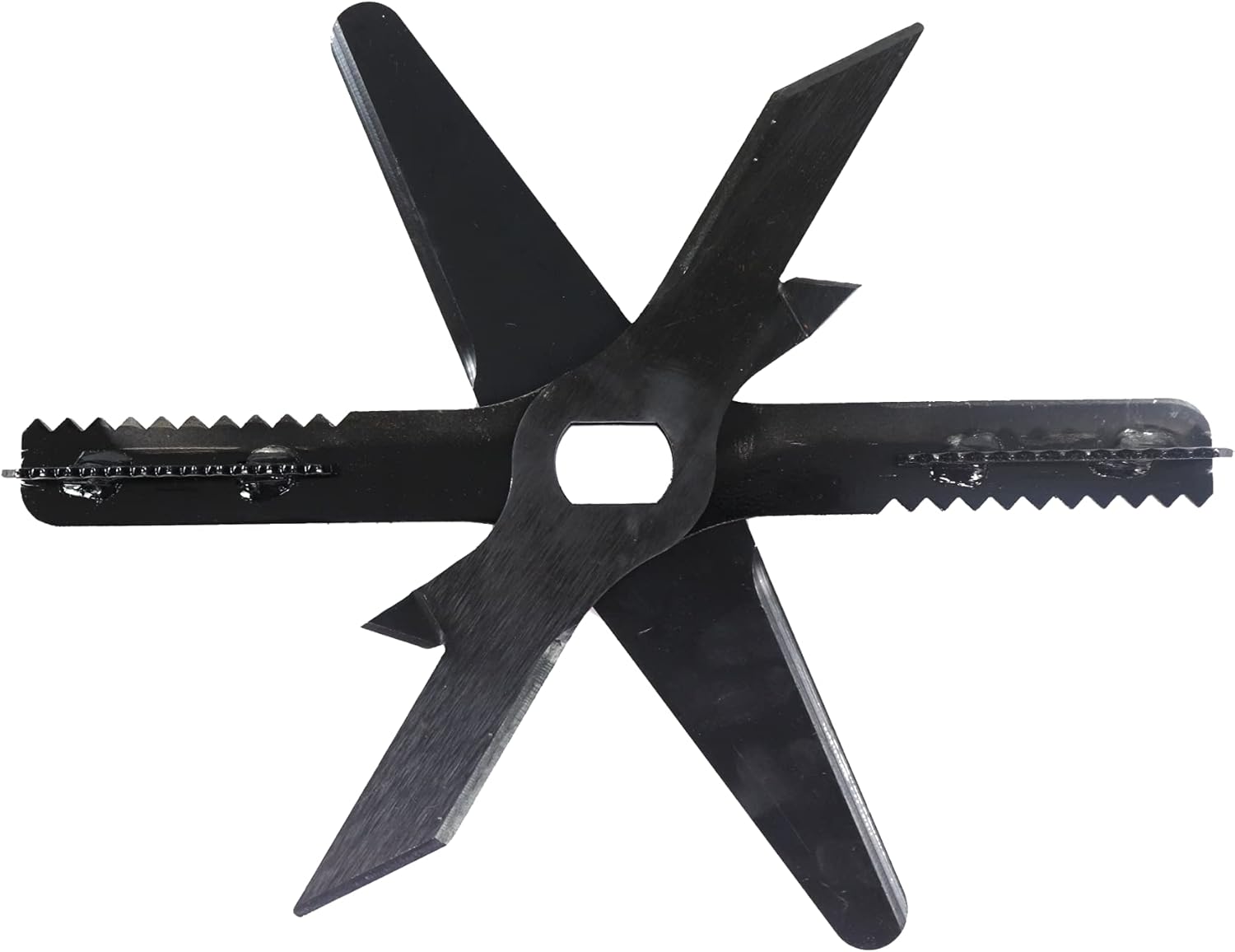
- Metal Impeller: The impeller is the component that shreds the leaves. Models with plastic impellers are cheaper but can easily crack or break if they suck up a small rock or acorn. A durable metal impeller—often made of steel or aluminum—is essential for longevity and reliable performance, turning your tool into a true leaf shredder mulcher.
- 3-in-1 Functionality: Many of the best leaf vacuums are combination units that also function as a leaf blower. This versatility allows you to blow leaves from decks, driveways, and tight corners into a single pile before vacuuming and mulching them, streamlining your entire workflow with one tool.
[IMAGE PLACEHOLDER]
Bagging vs. Baggerless: Evaluating Collection and Mulching Systems
Once the leaves are shredded, they have to go somewhere. The collection system is a critical feature that directly impacts convenience and how you use the resulting mulch.
Most handheld and walk-behind leaf vacuums use a collection bag. The main advantage is that all the shredded debris is neatly contained, ready for transport to your compost bin or for use in garden beds. When evaluating a bagging system, consider the bag’s capacity—measured in gallons or bushels. A larger bag means fewer trips to empty it, but it will also be heavier when full. For heavy-duty jobs, a powerful walk-behind unit like a SuperHandy Leaf Vacuum Wood Chipper often comes with a high-capacity collection bag designed to handle significant volume.
Baggerless systems, which are less common, deposit the mulched material directly back onto the ground. This is ideal for a "mulch-in-place" approach, where you want to return the fine, nutrient-rich organic matter directly to your lawn. While this saves the step of emptying a bag, it offers less control over where the mulch ends up.
Ergonomics and Ease of Use: Comfort for Extended Yard Tasks
A powerful machine is only effective if you can use it comfortably for the duration of your task. Good ergonomic design minimizes fatigue and makes yard work less of a chore.
For handheld models, overall weight and balance are paramount. A well-balanced tool feels lighter in your hands and is easier to maneuver. Look for padded, anti-vibration handles that reduce strain on your hands and arms. A shoulder strap or harness is another game-changing feature, distributing the machine’s weight across your body to prevent back and shoulder pain during longer cleanup sessions. If you’re considering a 3-in-1 model, check how easy it is to switch between blower and vacuum modes. A tool-free conversion mechanism will save you significant time and frustration.
Durability and Build Quality: Investing in a Long-Lasting Tool
A leaf vacuum mulcher is an investment, and you want one that will last for many seasons. Build quality is a direct indicator of a tool's lifespan and its ability to handle tough jobs.
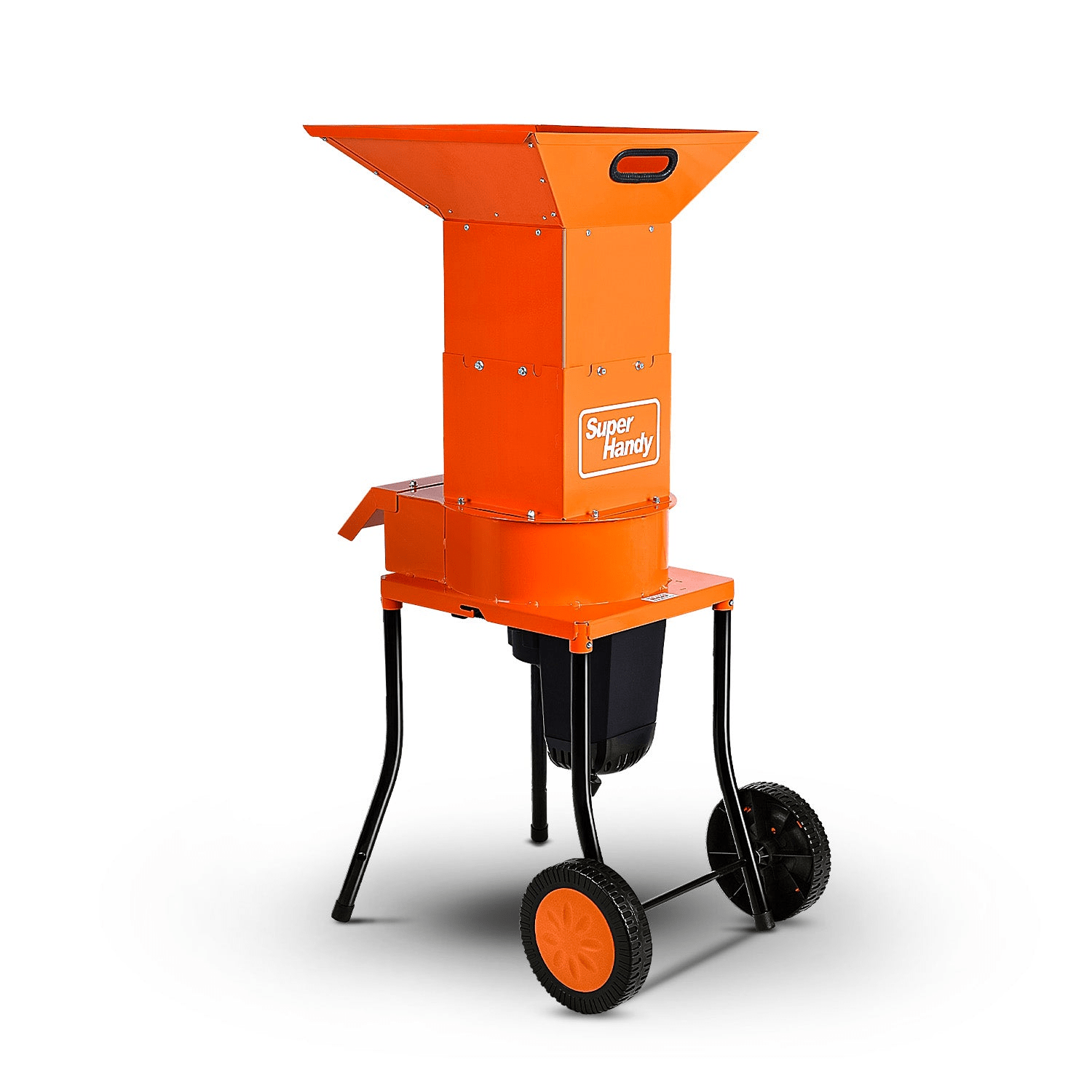
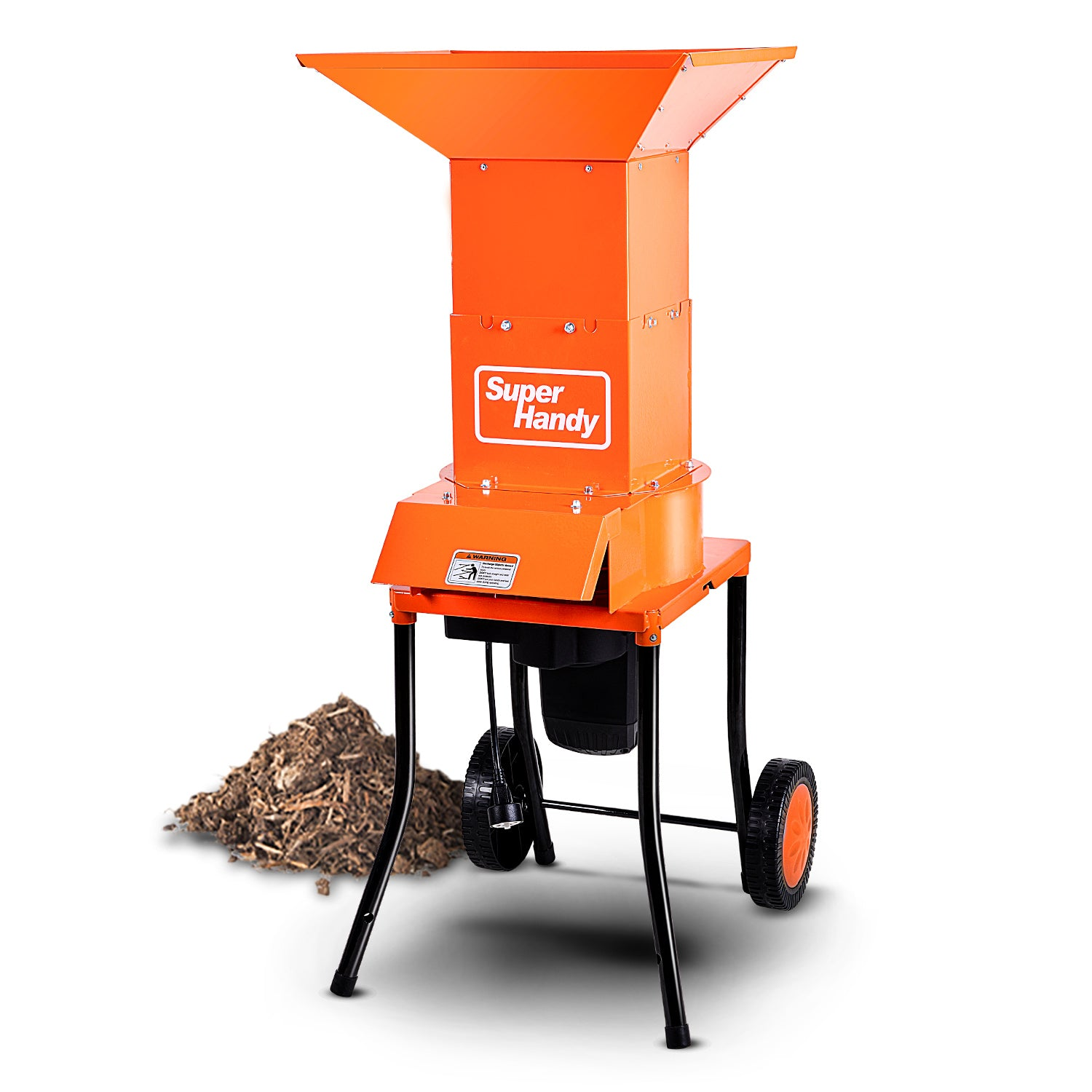
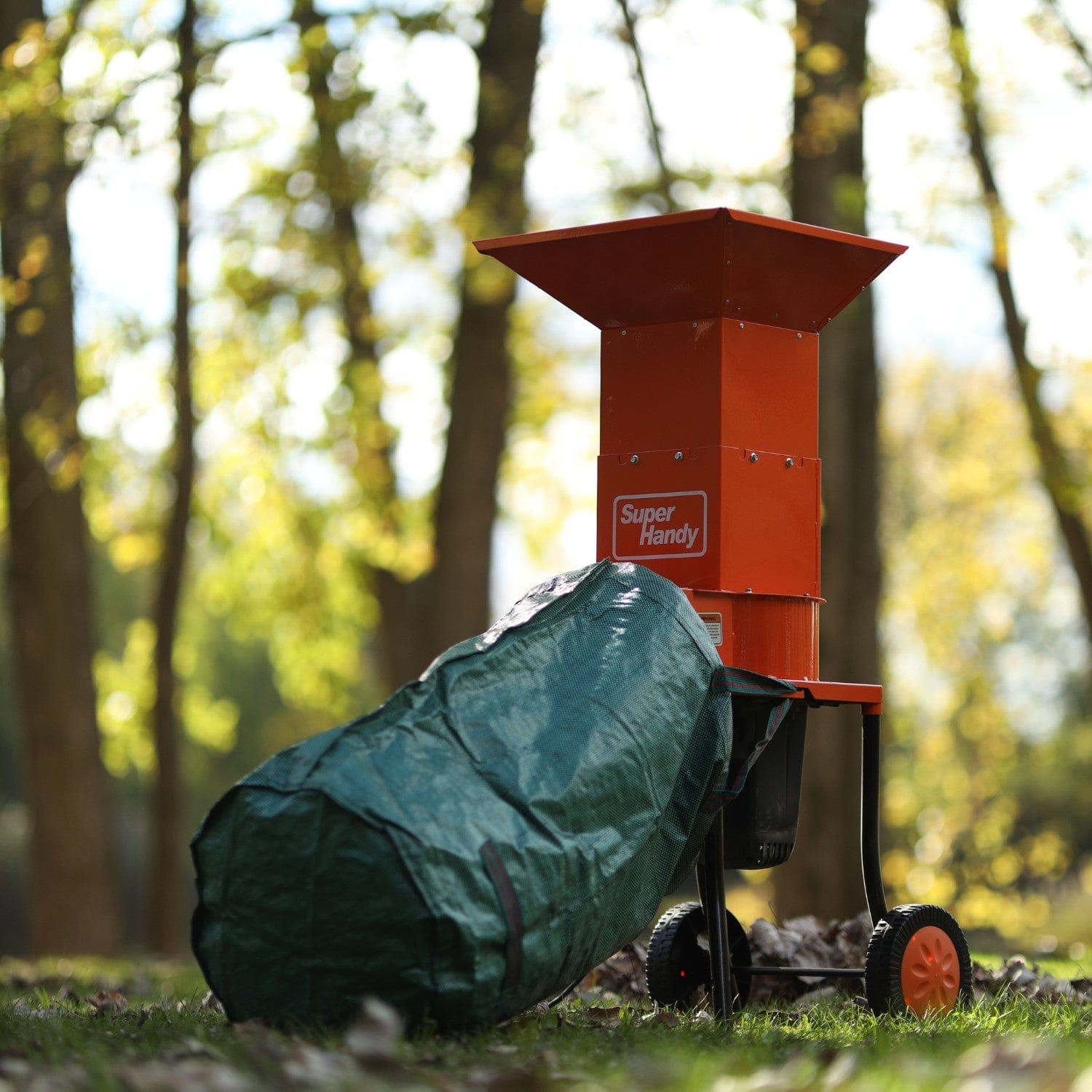
As mentioned earlier, the single most important component for durability is a metal impeller. It’s the heart of the mulching action and takes the most abuse. Beyond that, examine the housing material. High-impact, durable plastics or metal casings will better withstand accidental bumps and drops. For stationary units designed for heavy-duty shredding, robust steel construction is the gold standard. A dedicated SuperHandy Leaf Mulcher Shredder, for example, is built with a sturdy frame and powerful motor intended for processing large piles of yard waste season after season. While a well-built machine may have a higher upfront cost, it will save you money in the long run by avoiding costly repairs and early replacements.
Noise Levels and Environmental Impact: Making a Responsible Choice
When selecting a leaf vacuum mulcher, the noise it produces and its effect on the environment are significant considerations. Gas-powered models are notoriously loud, often exceeding 100 decibels (dB), which is comparable to a motorcycle or a rock concert. This level of noise can be disruptive to neighbors and requires hearing protection for the operator. Many communities have noise ordinances that may restrict the hours you can use such loud equipment. In contrast, electric and battery-powered leaf shredder mulchers are significantly quieter, typically operating in the 65-75 dB range. This makes them a more considerate choice for suburban areas with close neighbors.
From an environmental standpoint, the difference is just as stark. Gas engines produce harmful emissions, including carbon monoxide and hydrocarbons, contributing to air pollution. Electric models, whether corded or battery-powered, produce zero direct emissions, making them a much greener choice. While their electricity is generated at a power plant, the local impact on your yard and neighborhood air quality is nonexistent. If a quieter, more eco-friendly operation is a priority, an electric or battery-powered unit is the clear winner.
Understanding Mulching Ratios: How Fine Will It Grind?
The mulching ratio is one of the most important specifications on a leaf vacuum mulcher. This figure, often expressed as 10:1, 16:1, or even higher, tells you how effectively the machine reduces the volume of your leaves. For example, a 16:1 ratio means the machine can condense 16 bags of whole leaves into just one bag of finely chopped mulch. A higher ratio indicates a finer grind, which is beneficial for several reasons.
Finely shredded leaves decompose much faster, making them an excellent addition to your compost pile or a nutrient-rich top dressing for your lawn and garden beds. A finer mulch also takes up significantly less space, meaning fewer bags to haul to the curb or more efficient use of your compost bin. The quality of the impeller plays a huge role here; machines with metal impellers tend to achieve higher and more consistent mulching ratios than those with plastic components, as they are more durable and can shred material more aggressively.
Essential Safety Features Every Leaf Vacuum Mulcher Should Have
Operating any power tool requires a focus on safety, and a leaf shredder mulcher is no exception. Modern machines come with several built-in features designed to protect the user from injury. One of the most critical is an automatic shut-off mechanism that kills power to the motor if the impeller housing or collection bag is opened or improperly attached. This prevents accidental contact with the fast-spinning blades.
Look for sturdy guards over the vacuum inlet and shredder chute to keep hands and loose clothing away from the machine's inner workings. Good ergonomics, including well-placed handles and a balanced design, are also safety features, as they reduce fatigue and help you maintain control of the unit. For corded electric models, a built-in cord retainer is essential to prevent the plug from accidentally disconnecting during use. Regardless of the machine's features, always wear personal protective equipment, including safety glasses, durable gloves, and, for gas models, hearing protection.
Budgeting for Your Purchase: Finding the Right Price Point
Leaf vacuum mulchers are available at a wide range of price points, so it’s important to align your budget with your yard’s specific needs.
- Entry-Level (Under $150): In this range, you’ll primarily find corded electric handheld models. These are best suited for small yards, patios, and light-duty tasks. They are lightweight and easy to store but may have plastic impellers and smaller collection bags.
- Mid-Range ($150 - $400): This category offers the best balance of performance and value for the average homeowner. You can find powerful corded electric models, capable battery-powered units, and even some stationary electric options like the SuperHandy Leaf Mulcher Shredder. These machines often feature more durable metal impellers, better mulching ratios, and more comfortable designs.
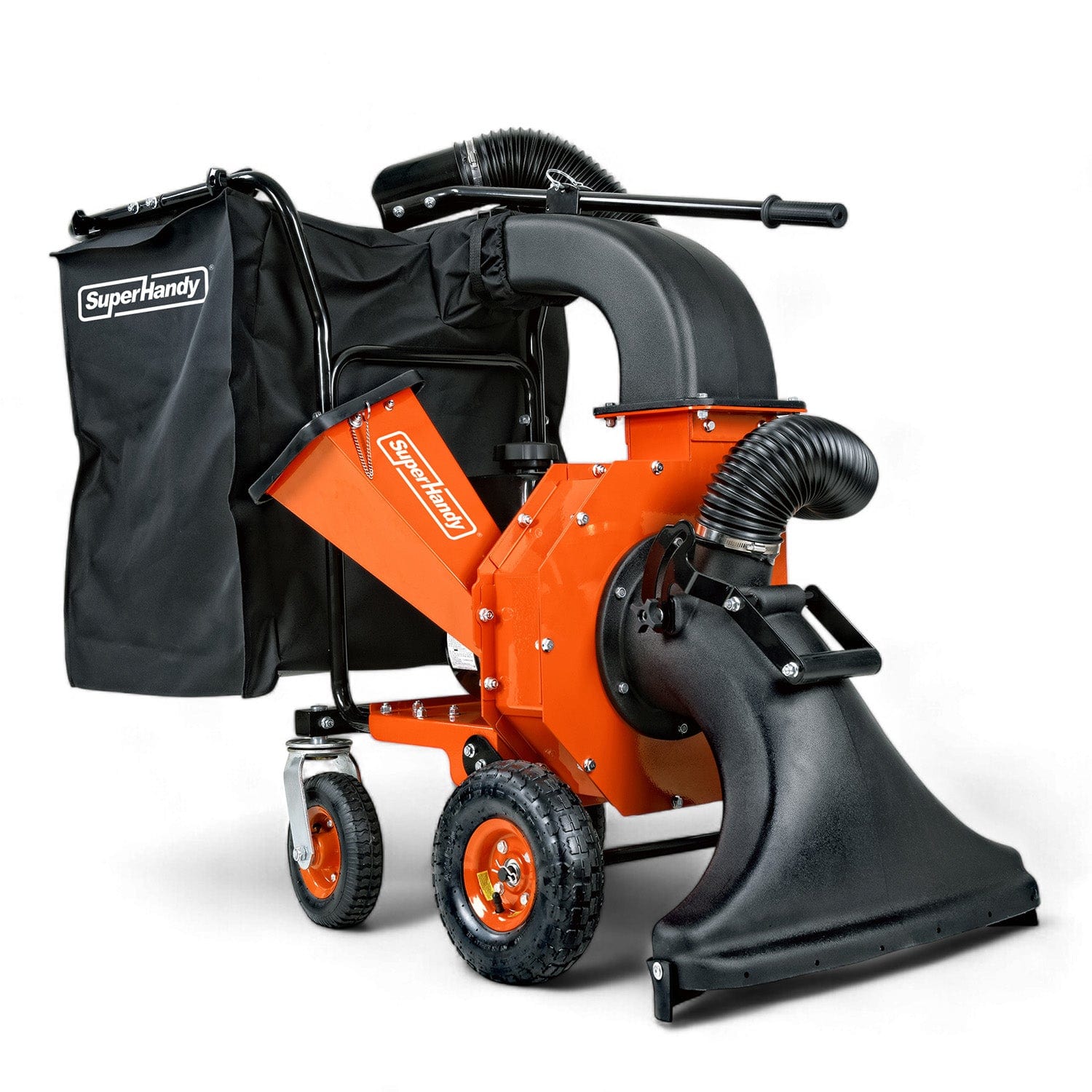
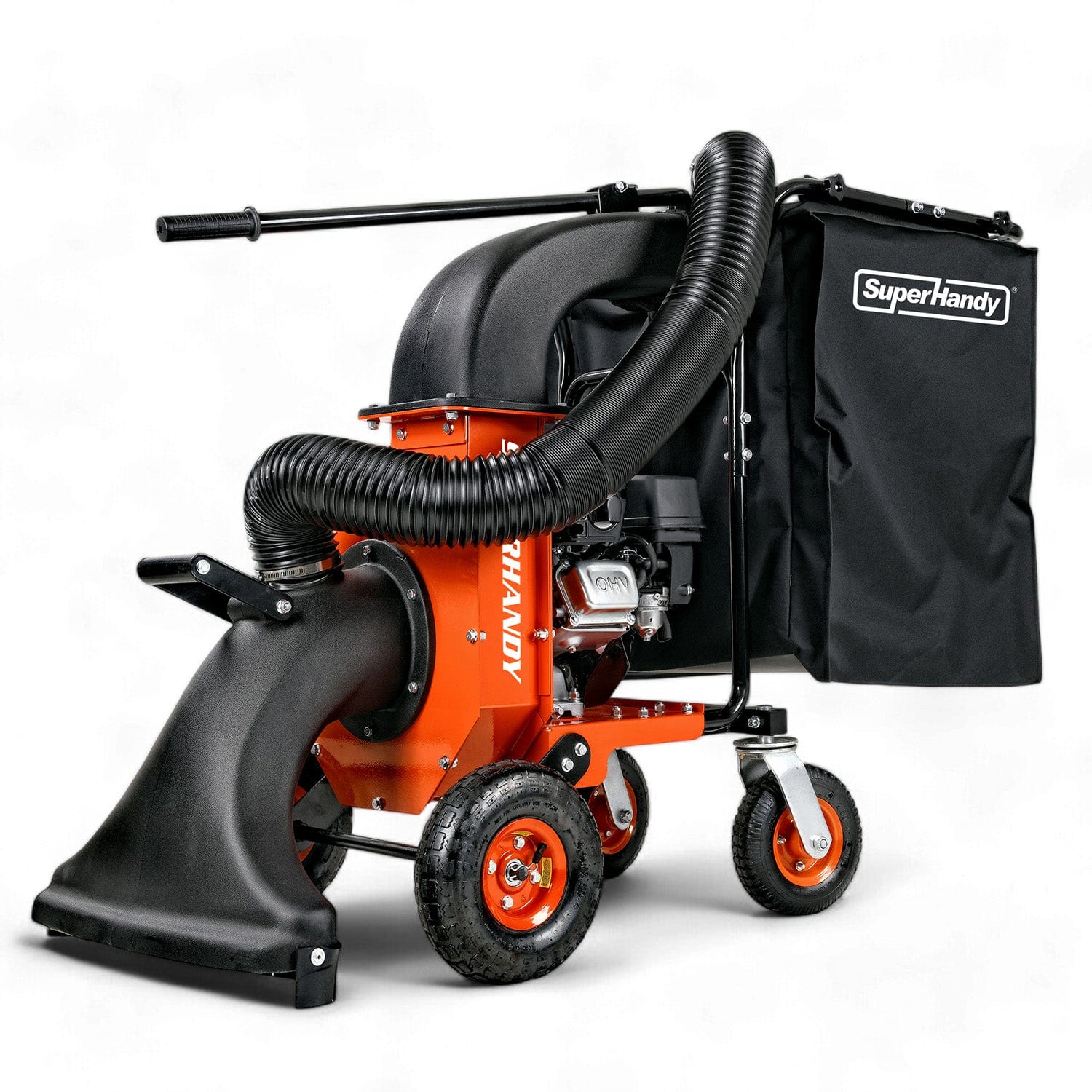
- High-End ($400+): For those with large properties, heavy leaf fall, or a need for maximum power, the high-end market is the place to look. This tier is dominated by powerful gas-powered machines, including walk-behind and chipper-capable models. A robust unit like the SuperHandy 7HP Leaf Vacuum Chipper can handle leaves, twigs, and small branches, making it a versatile tool for serious yard cleanup. These models offer the highest capacity and performance but come with a higher price tag and greater maintenance needs.
Top Brands and Models to Consider
Navigating the market for a new leaf vacuum mulcher can be overwhelming, but a few brands consistently stand out for their performance, reliability, and innovation. While legacy brands like Toro and BLACK+DECKER offer a range of options, it's crucial to look at manufacturers who specialize in powerful, practical equipment for homeowners and professionals alike.
SuperHandy has carved out a niche by focusing on robust and efficient designs that get the job done without fuss. For those with small-to-medium-sized yards who prefer the convenience of electric power, a versatile 3-in-1 unit is often the perfect fit. The SuperHandy Electric Leaf Blower, Vacuum, and Mulcher is an excellent example, combining blowing, vacuuming, and shredding into one lightweight, easy-to-handle tool. It’s ideal for clearing patios, decks, and smaller lawns where maneuverability is key.
For larger properties with a massive volume of leaves or tougher debris, a gas-powered machine is often necessary. These units offer unparalleled power and cordless freedom to cover extensive areas. If you need a heavy-duty solution, consider a model that combines vacuuming with wood-chipping capabilities. A powerful workhorse like the SuperHandy 3-in-1 Leaf Vacuum and Wood Chipper can handle not just leaves and twigs but also branches up to 3 inches in diameter, making it a comprehensive tool for serious fall cleanup.
Maintenance and Care: Keeping Your Leaf Vacuum Mulcher in Top Shape
A leaf vacuum mulcher is a powerful investment, and proper maintenance is the key to ensuring it runs efficiently and safely for years to come. Neglecting basic care can lead to poor performance, clogs, and even permanent damage. By following a simple routine, you can keep your machine in peak condition.
After Every Use: The most critical maintenance step is cleaning the machine after each use. Before doing any cleaning, always disconnect the power source: unplug an electric model, remove the battery from a cordless one, or disconnect the spark plug wire on a gas engine.
- Clear Debris: Empty the collection bag and inspect it for rips or tears. Thoroughly clear any compacted leaves, twigs, or wet debris from the vacuum tube, impeller housing, and discharge chute. A buildup of debris can obstruct airflow, reduce suction power, and put unnecessary strain on the motor.
- Wipe It Down: Use a cloth or brush to wipe down the exterior of the machine, removing dust and sap.
Periodic & Seasonal Maintenance:
- Check the Impeller/Blades: Periodically inspect the impeller or mulching blades for wear and tear. Sharp blades are essential for a fine mulch. If they are dull or chipped, they may need to be sharpened or replaced according to the manufacturer's instructions.
- Inspect Fasteners: Vibrations can loosen nuts and bolts over time. Give your machine a quick check to ensure all fasteners are secure.
- Gas Engine Care: If you have a gas model, follow the engine manual for periodic maintenance, which typically includes checking and changing the oil, cleaning or replacing the air filter, and replacing the spark plug annually.
Frequently Asked Questions About Leaf Vacuum Mulchers
Can a leaf vacuum mulcher handle wet leaves? While some powerful models can, it is generally not recommended. Wet leaves are heavy, sticky, and tend to clog the vacuum tube and impeller chamber. They also don’t shred as effectively, resulting in a coarse, clumpy mulch. For the best results and to prevent machine strain, it’s always better to vacuum dry or slightly damp leaves.
What does the mulching ratio (e.g., 16:1) actually mean? The mulching ratio, also called a reduction ratio, indicates how effectively the machine reduces leaf volume. A ratio of 16:1 means the leaf shredder mulcher can reduce 16 bags of unmulched leaves down to a single bag of shredded material. A higher first number signifies a finer mulch and greater volume reduction.
Can I use my leaf vacuum mulcher on pine needles or small twigs? Most leaf vacuum mulchers are capable of handling pine needles, grass clippings, and small twigs mixed in with leaves. However, attempting to vacuum large piles of only twigs or small branches can damage standard models. For tougher debris, you’ll need a heavy-duty gas-powered unit designed for that purpose. Always consult your owner’s manual for specific limitations.
How do I safely unclog my leaf vacuum mulcher? First and foremost, always stop the engine and disconnect the power source completely. Never try to clear a clog with your hands while the machine is on or even just plugged in. Once it is safely off, use a stick or a long tool to dislodge the compacted debris from the tube or impeller area.
Related Products

Leave a comment
All comments are moderated before being published.
This site is protected by hCaptcha and the hCaptcha Privacy Policy and Terms of Service apply.