










Why Investing in a Log Splitter Makes Sense
Splitting firewood with an axe is a timeless, but grueling, task. A modern log splitter transforms this back-breaking chore into a fast, efficient, and far less physically demanding job. By investing in a wood splitter, you not only save significant time and energy but also produce consistently sized firewood that stacks neatly and burns more evenly. It’s a smart upgrade for anyone who regularly heats with wood or enjoys a backyard fire pit.
Understanding the Different Types of Log Splitters
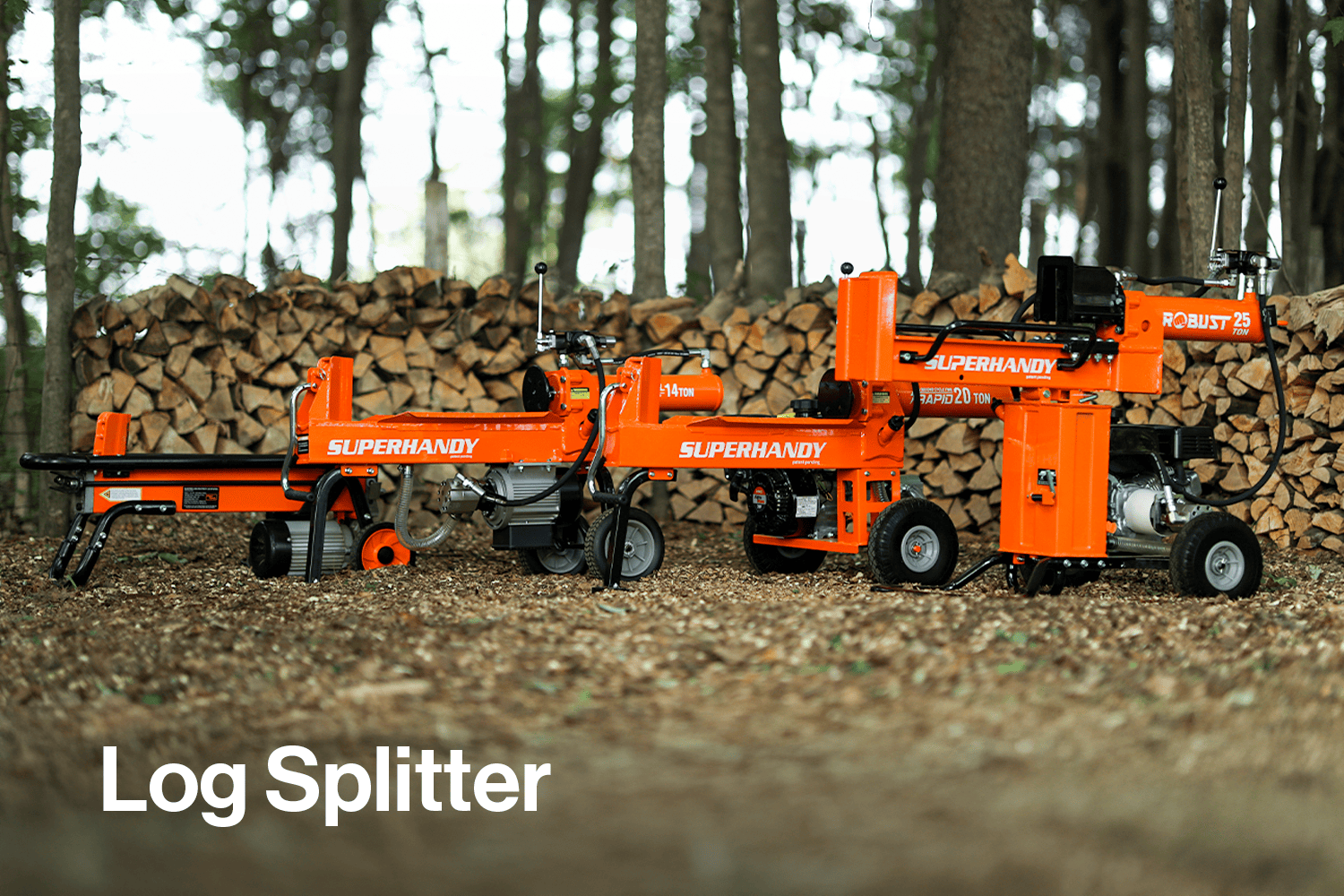
Log splitters primarily fall into three categories: manual, electric, and gas-powered. Each type is designed for different scales of work. Your choice will depend on how much wood you need to split, where you'll be working, and the type of wood you're dealing with.
Electric Log Splitters: Powering Through Smaller Jobs
Electric log splitters are an excellent choice for homeowners with moderate firewood needs. They are relatively lightweight, require less maintenance than gas models, and run quietly without producing fumes, making them ideal for use in a garage, shed, or covered patio. While they need to be near a power outlet and typically offer less splitting force than their gas counterparts, they provide more than enough power for processing smaller-diameter logs for your fireplace or wood stove.

Gas-Powered Log Splitters: The Workhorses for Serious Splitting
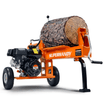
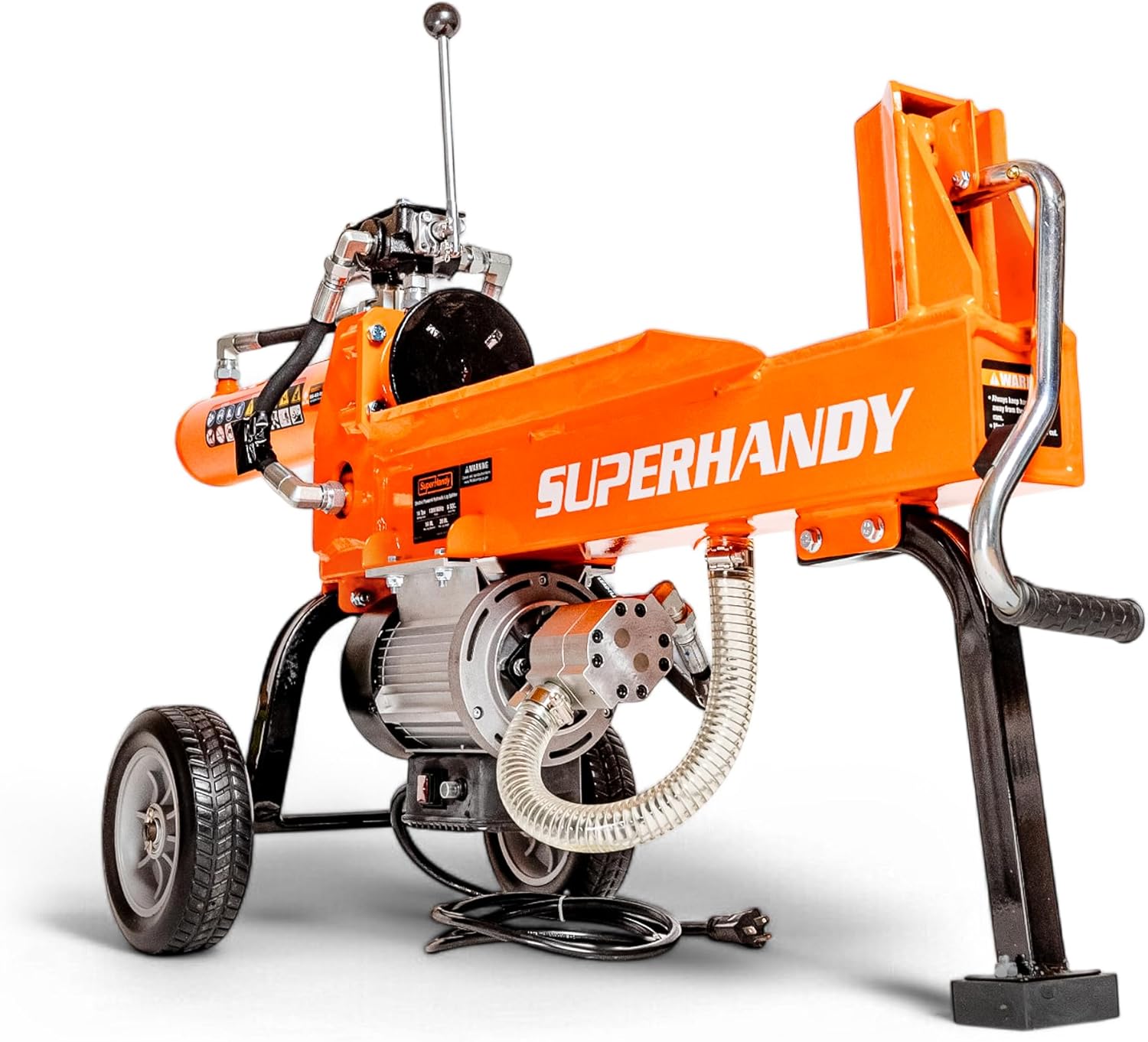
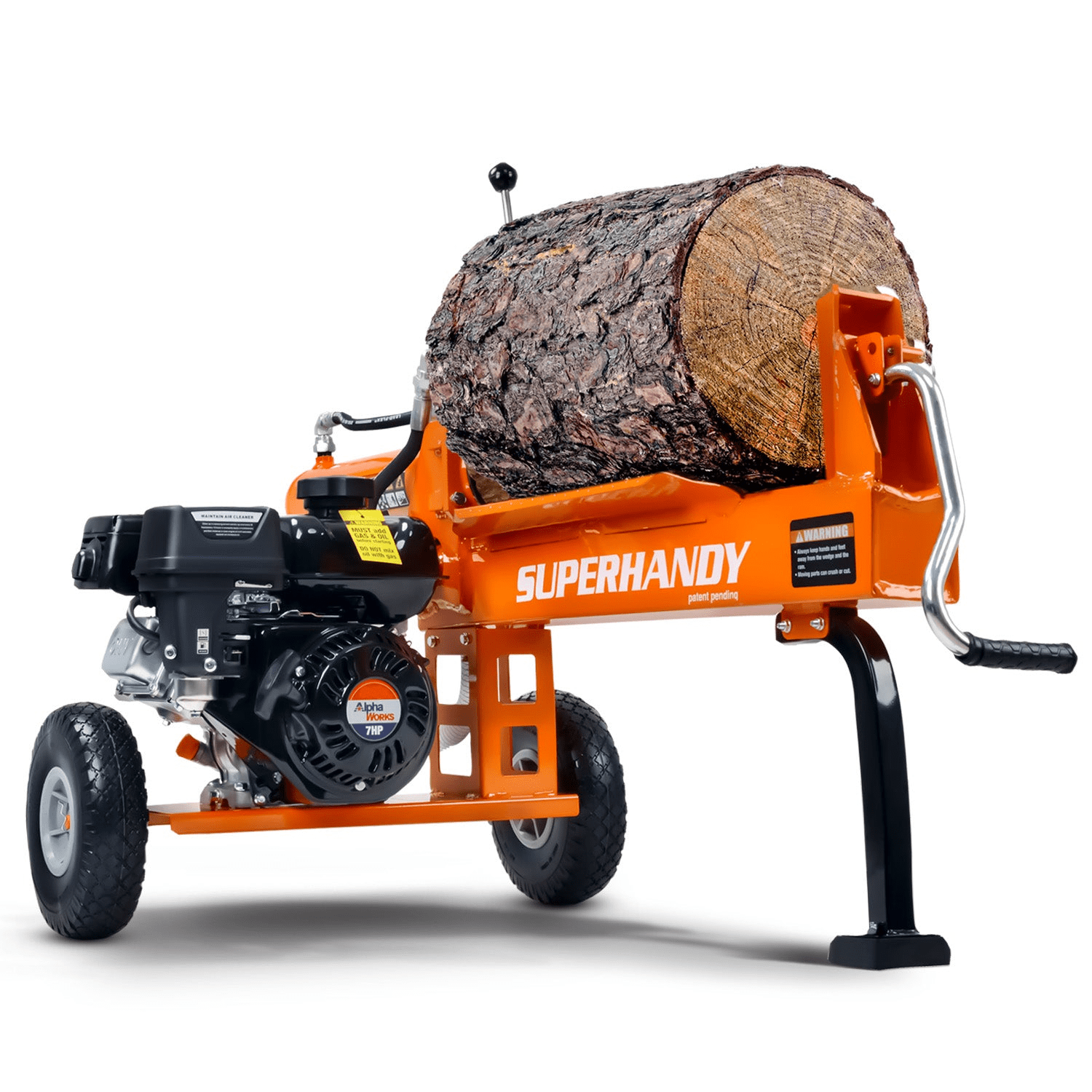
When you have large piles of wood to get through, a gas-powered log splitter is your best ally. These machines are the workhorses of the wood-splitting world, offering superior power (tonnage) to slice through large, tough, or green logs with ease. Because they aren’t tethered to a cord, you can take them directly to your woodpile anywhere on your property. Models like the SuperHandy 20 Ton Gas Log Splitter - 7HP 209CC, 20" Max Log Length deliver the robust performance needed for serious splitting tasks. As with any heavy machinery, it's essential to follow all operational guidelines and adhere to general OSHA hand and power tool safety guidance to ensure safe use.
Hydraulic Log Splitters: Understanding the Core Mechanism
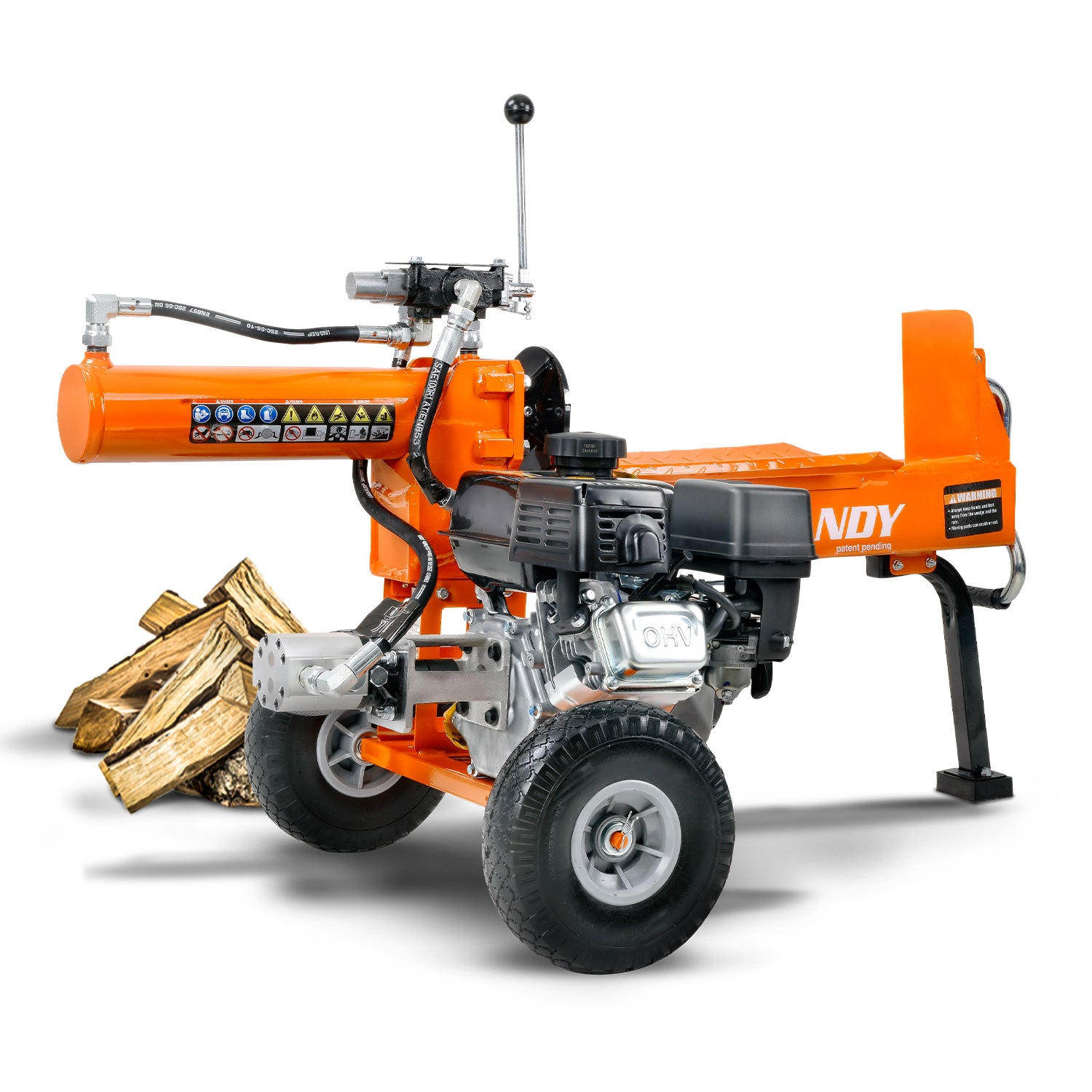
Whether you choose an electric or gas-powered model, the heart of nearly every modern wood splitter is its hydraulic system. This powerful mechanism is what generates the immense force needed to slice through dense logs with ease. The process begins when the engine or motor powers a hydraulic pump. This pump pushes specialized hydraulic fluid into a cylinder, creating intense pressure that drives a piston forward. Attached to the end of this piston is a steel wedge, which is forced into the log, splitting it apart. Once the split is complete, the valve is reversed, and the fluid flows out, allowing the piston and wedge to retract for the next cycle.
Key Factors to Consider When Selecting Your Log Splitter
With a basic understanding of how a log splitter works, you can now focus on the key performance metrics that differentiate one model from another. Choosing the right machine means matching its capabilities to the type and volume of wood you plan to split. The most critical factors to evaluate are the splitter’s force (tonnage), its cycle time, and its log capacity. Getting these right will ensure you have a tool that is both effective and efficient for your specific needs.

Splitting Force (Tonnage): Matching Power to Wood Type
The splitting force of a log splitter is measured in tons and represents the maximum amount of pressure the ram can exert on a log. This is arguably the most important factor to consider, as it directly determines what kind of wood you can split. For smaller, seasoned softwoods like pine or fir, a 4 to 7-ton splitter is often sufficient. However, for larger rounds or dense, stringy hardwoods like oak, hickory, or maple, you’ll need significantly more power. A machine like a SuperHandy 20 Ton Gas Log Splitter provides the necessary force to tackle tough, green, or knotty wood without stalling.
Cycle Time: How Quickly Can You Get the Job Done?
Cycle time is the total time it takes for the log splitter’s ram to extend fully to split a log and then retract completely to its starting position, ready for the next piece of wood. This is measured in seconds, with typical times ranging from 10 to 20 seconds. While a difference of a few seconds might not seem like much, it adds up quickly when you have a large pile of rounds to process. A faster cycle time translates directly to higher productivity, allowing you to split more firewood in less time. If you’re processing cords of wood each season, a lower cycle time should be a high priority.
Log Capacity: Size Matters for Your Firewood Needs
Beyond pure power, a log splitter’s capacity determines the maximum size of the wood it can handle. This is defined by two key measurements: the maximum log length and, to a lesser extent, the diameter. Most wood splitters are designed to accommodate logs up to 25 inches long, which is suitable for most standard fireplaces and wood stoves. Before you buy, measure your firebox to determine your ideal firewood length. For instance, a model like the SuperHandy 20 Ton Gas Log Splitter handles logs up to 20 inches, making it a versatile choice for common firewood needs. Always choose a splitter that can comfortably handle the length and diameter of the wood you process most often.

Portability and Storage: Where Will You Use and Keep It?
Consider where you'll be splitting wood and storing your machine. Electric log splitters are typically smaller, lighter, and easier to move around a garage or patio. Heavy-duty gas-powered models, on the other hand, are built for bigger jobs and are often much heavier. Look for features like large, durable tires and a well-placed handle that make maneuvering easier. Many gas splitters are towable, allowing you to take them directly to your woodpile in the field. Also, think about storage. Some models can be stored vertically to save precious floor space in your shed or garage.
Safety Features: Essential Considerations for Injury Prevention
Operating a log splitter requires your full attention and respect for its power. Modern wood splitters incorporate several safety features to minimize risk. A two-handed operating system is one of the most important, as it requires both of your hands to be on the controls and away from the splitting wedge during operation. Other features to look for include log cradles or trays to prevent split wood from falling on your feet and an automatic ram return that brings the wedge back to the starting position. Always supplement these features by following OSHA hand and power tool safety guidance and wearing personal protective equipment (PPE), including safety glasses, durable gloves, and steel-toed boots.
Maintenance and Durability: Ensuring Long-Term Performance
A well-maintained log splitter will provide reliable service for years. The maintenance routine depends on the type of splitter. For gas models, this includes regular engine oil changes, checking the spark plug, and cleaning the air filter. For all hydraulic splitters, you’ll need to monitor the hydraulic fluid level and keep the beam and wedge clean and free of debris. Sharpening the wedge periodically ensures clean, efficient splits and reduces strain on the machine. Look for models built with heavy-gauge steel and quality welds, as these are key indicators of a durable machine that can withstand the rigors of splitting tough, dense wood season after season.
Frequently Asked Questions About Log Splitters
Navigating the world of wood splitters can bring up a lot of questions. We've compiled answers to some of the most common ones to help you make an informed decision.
What's the difference between a log splitter and a wood splitter? There is no difference! The terms "log splitter" and "wood splitter" are used interchangeably to describe the same powerful machine. Both refer to equipment designed to split logs into smaller, more manageable pieces of firewood.
How much tonnage do I really need for my wood? Tonnage refers to the amount of splitting force the machine can exert. The right amount depends on the type and size of wood you'll be splitting. For smaller, seasoned softwood logs (under 12 inches in diameter), 5-10 tons is often sufficient. For larger, denser hardwoods like oak or hickory, or for green wood, you'll want more power. A versatile machine like a SuperHandy 20 Ton Gas Log Splitter provides ample force for tackling the toughest jobs.
Can I split green or wet wood? Yes, you can split green wood, but it requires significantly more force than dry, seasoned wood. Green wood's high moisture content makes it stringy and resistant to splitting. While a powerful log splitter can handle it, you'll have an easier time and get cleaner splits by allowing your wood to season (dry out) for at least six to twelve months first.

How does a hydraulic log splitter work? The core of most modern log splitters is a hydraulic system. An engine or electric motor powers a hydraulic pump, which pressurizes hydraulic fluid and forces it into a cylinder. This action drives a piston forward, pushing a steel wedge into a log with immense force and splitting it apart. This simple but powerful mechanism is the key to choosing a log splitter and understanding how it works to get your firewood processed efficiently.
What safety gear should I wear when operating a wood splitter? Safety should always be your top priority. When operating any log splitter, it is essential to wear the proper personal protective equipment (PPE). According to OSHA hand and power tool safety guidance, this includes sturdy, closed-toe footwear (preferably steel-toed boots), heavy-duty work gloves to protect from splinters, and safety glasses or goggles to shield your eyes from flying debris. Always keep your hands clear of the wedge and ram during operation.
Related Products

Leave a comment
All comments are moderated before being published.
This site is protected by hCaptcha and the hCaptcha Privacy Policy and Terms of Service apply.