



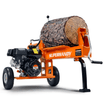







Understanding Your Wood Splitting Needs: How Much Wood Do You Need to Split?
Before you can compare tonnage or cycle times, you need a clear picture of your workload. The amount of wood you process annually is the single biggest factor in determining which type of Log Splitters is right for you. Firewood is typically measured in cords, with a full cord being a stacked pile of wood measuring 4 feet high, 4 feet wide, and 8 feet long.
- Light Use (1-5 Cords per Year): If you only split wood occasionally for a backyard fire pit or a few cozy nights by the fireplace, a smaller electric model is likely your best bet. These are suitable for homeowners who need a simple, efficient solution without the demands of a larger machine.
- Moderate Use (5-10 Cords per Year): For those who rely on wood to supplement their home's heating, a more robust electric or a small-to-mid-range gas log splitter is ideal. You’ll need a machine that can handle a consistent workload without being overworked.
- Heavy Use (10+ Cords per Year): If wood is your primary heat source, you’re in the heavy-duty category. A powerful gas-powered firewood splitter is essential to process large quantities of wood efficiently. These machines are built for endurance and raw power.
Log Splitter Power Sources Explained: Electric, Gas, and PTO
Once you know your volume, the next step is choosing a power source. Each type offers a distinct blend of power, convenience, and portability.
- Electric: Powered by a standard household outlet or a rechargeable battery, electric splitters are quiet, emission-free, and low-maintenance. They are best suited for smaller logs and residential use.
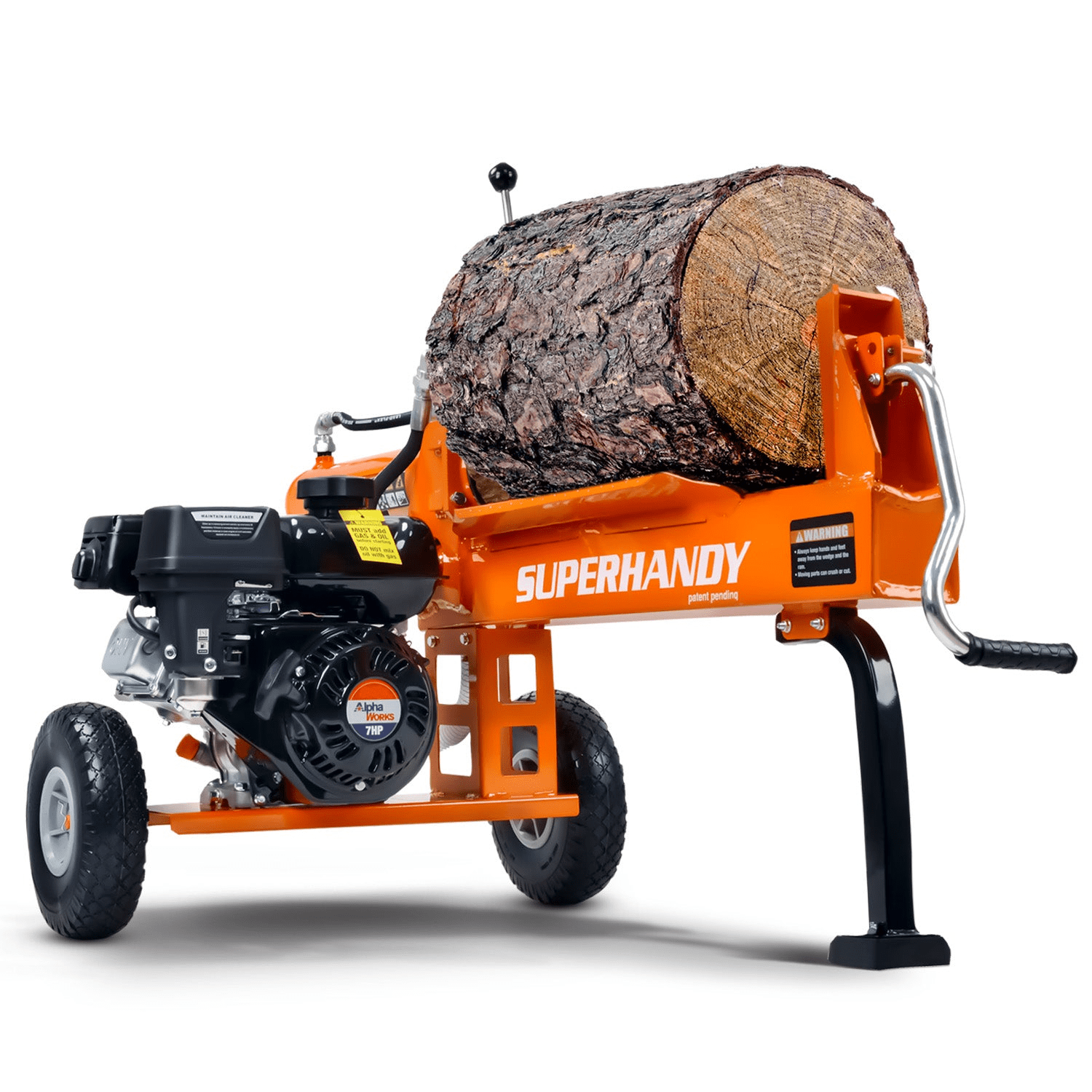
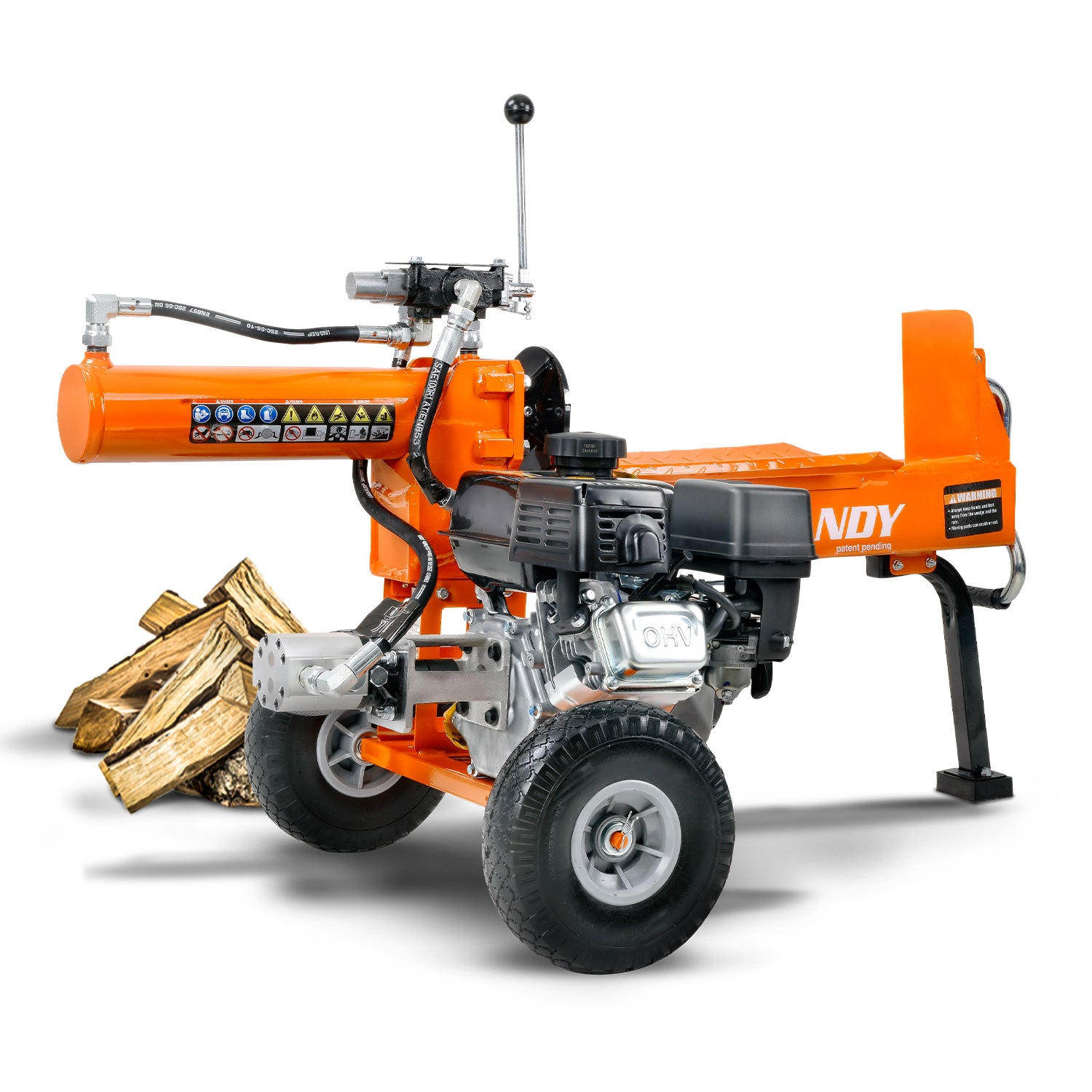
- Gas: Fueled by gasoline, these are the workhorses of the log-splitting world. They offer superior power and are completely portable, allowing you to work anywhere on your property.
- PTO (Power Take-Off): These heavy-duty units don't have their own engine. Instead, they connect to a tractor's PTO driveshaft, using the tractor's engine to power the hydraulic pump. They are designed for agricultural and commercial-scale operations.
Electric Log Splitters: Pros, Cons, and Best Use Cases
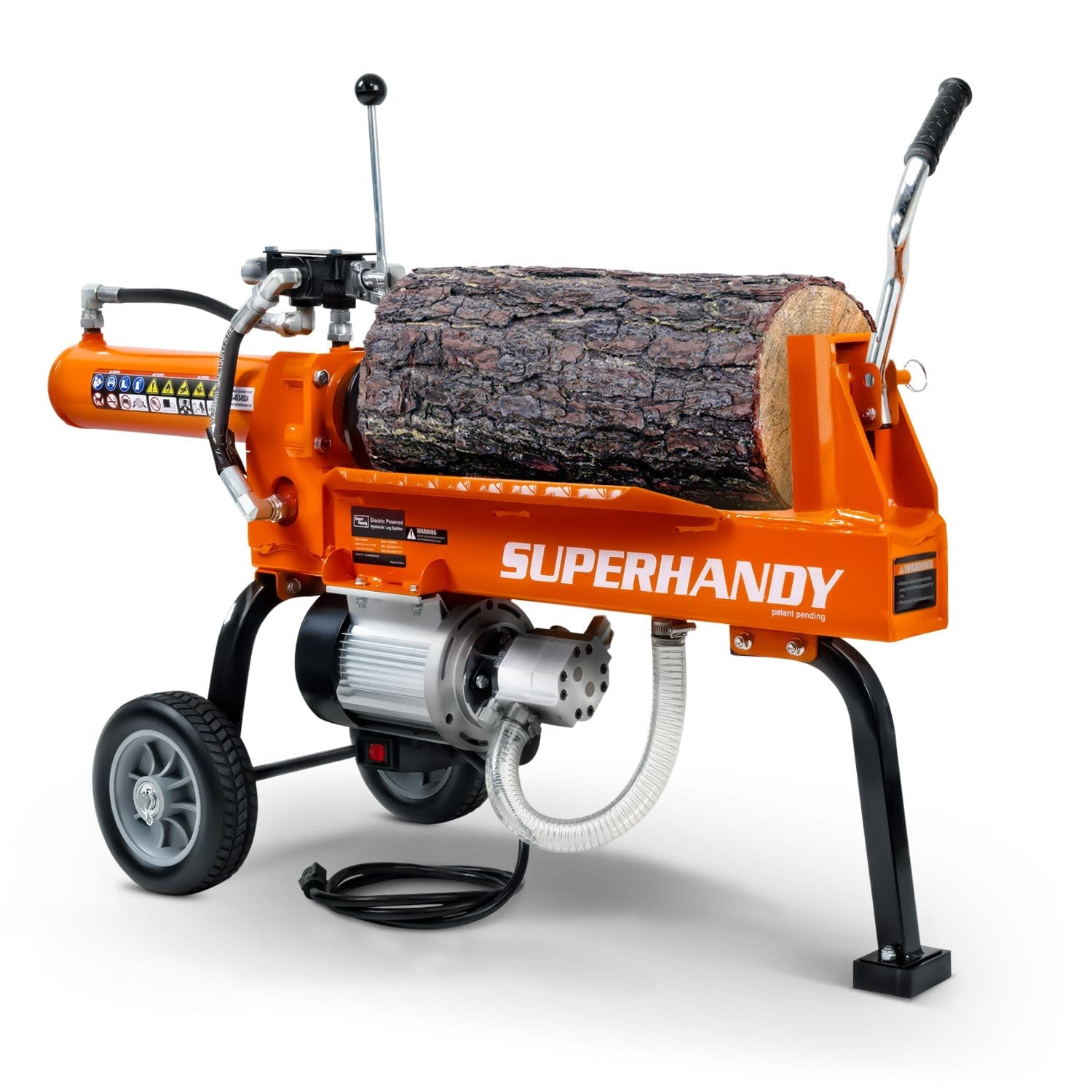
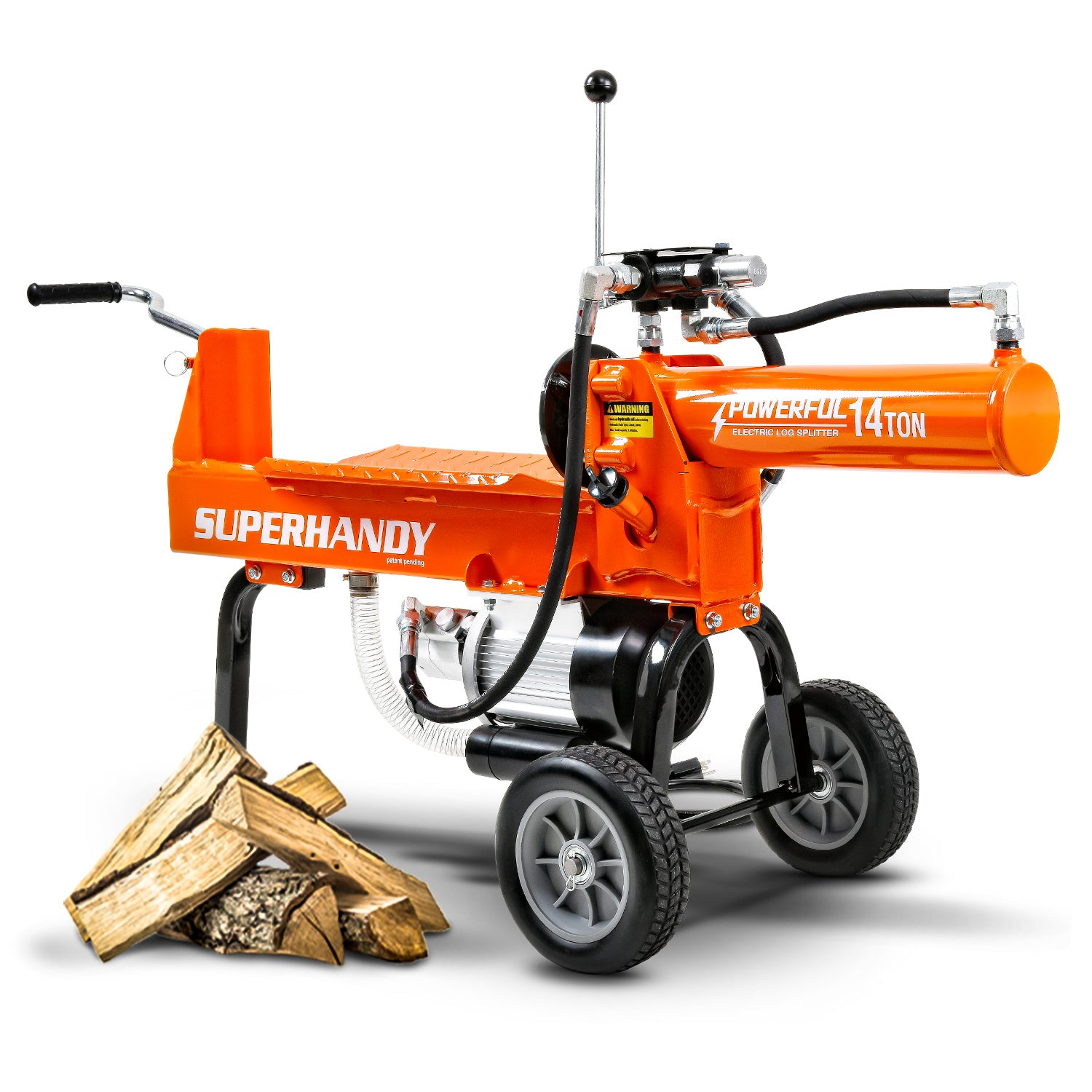
Electric log splitters have become incredibly popular with homeowners for their simplicity and ease of use. If you’re working in a garage, shed, or backyard, an electric model offers significant advantages.

Pros:
- Quiet Operation: They are significantly quieter than gas models, making them neighbor-friendly.
- No Fumes: Since they don’t burn fuel, you can safely use them in enclosed or poorly ventilated spaces like a garage or barn.
- Low Maintenance: No oil changes, spark plugs, or fuel stabilizers to worry about. For battery-powered models, following best practices for charging and storage is key to extending the lifetime of lithium-ion batteries.
- Lightweight & Portable: Generally smaller and lighter, they are easy to move around and store.
Cons:
- Limited Power: They typically have lower tonnage ratings, making them unsuitable for very large, green, or knotty hardwood logs.
- Power Cord Limitation: Corded models require you to be within range of an electrical outlet, limiting their portability.
Best for: Homeowners splitting less than 5 cords of seasoned softwood or smaller hardwoods per year. They are the perfect tool for occasional use and convenient, low-impact wood processing.
Gas-Powered Log Splitters: When to Choose Raw Horsepower
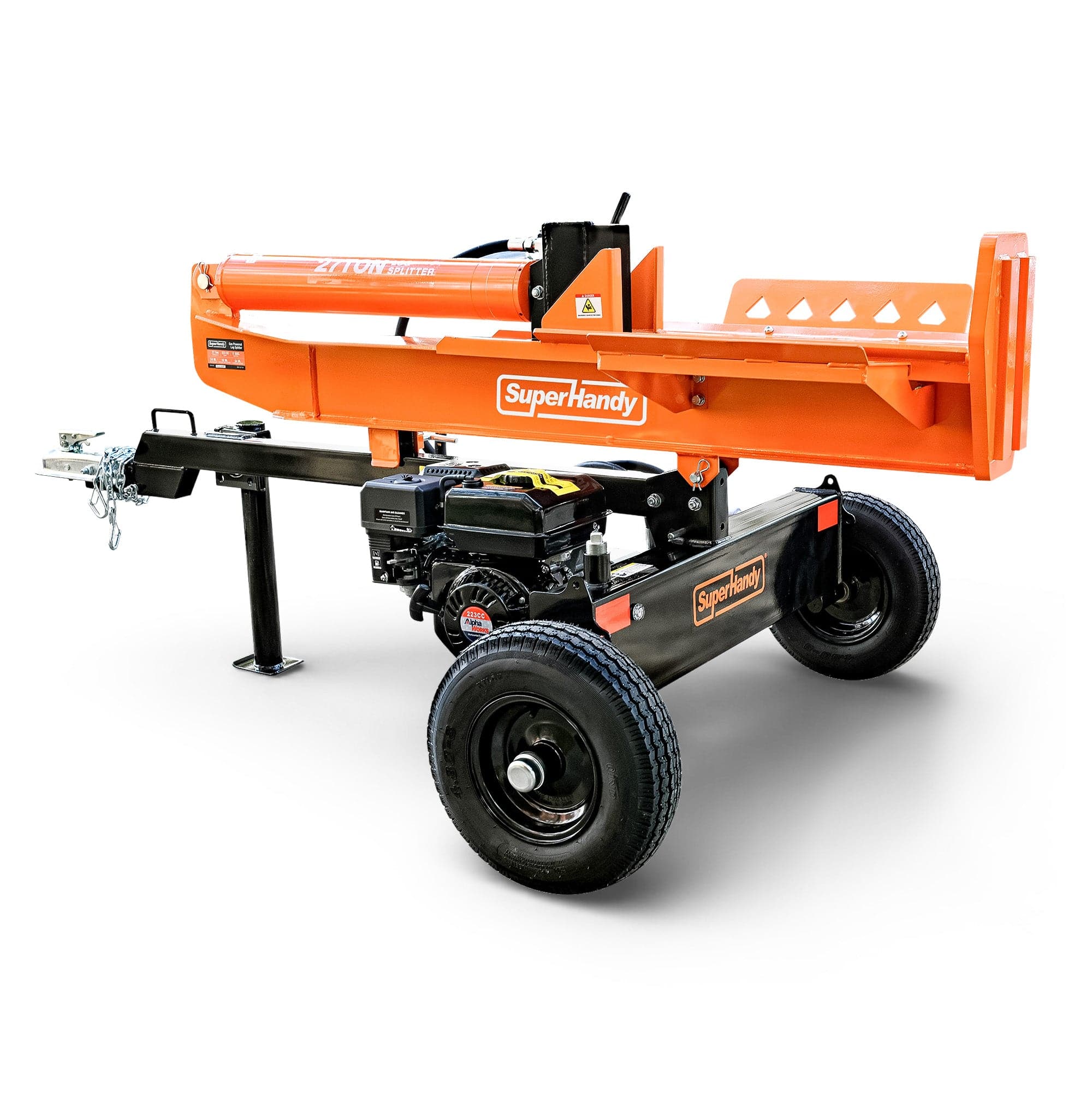
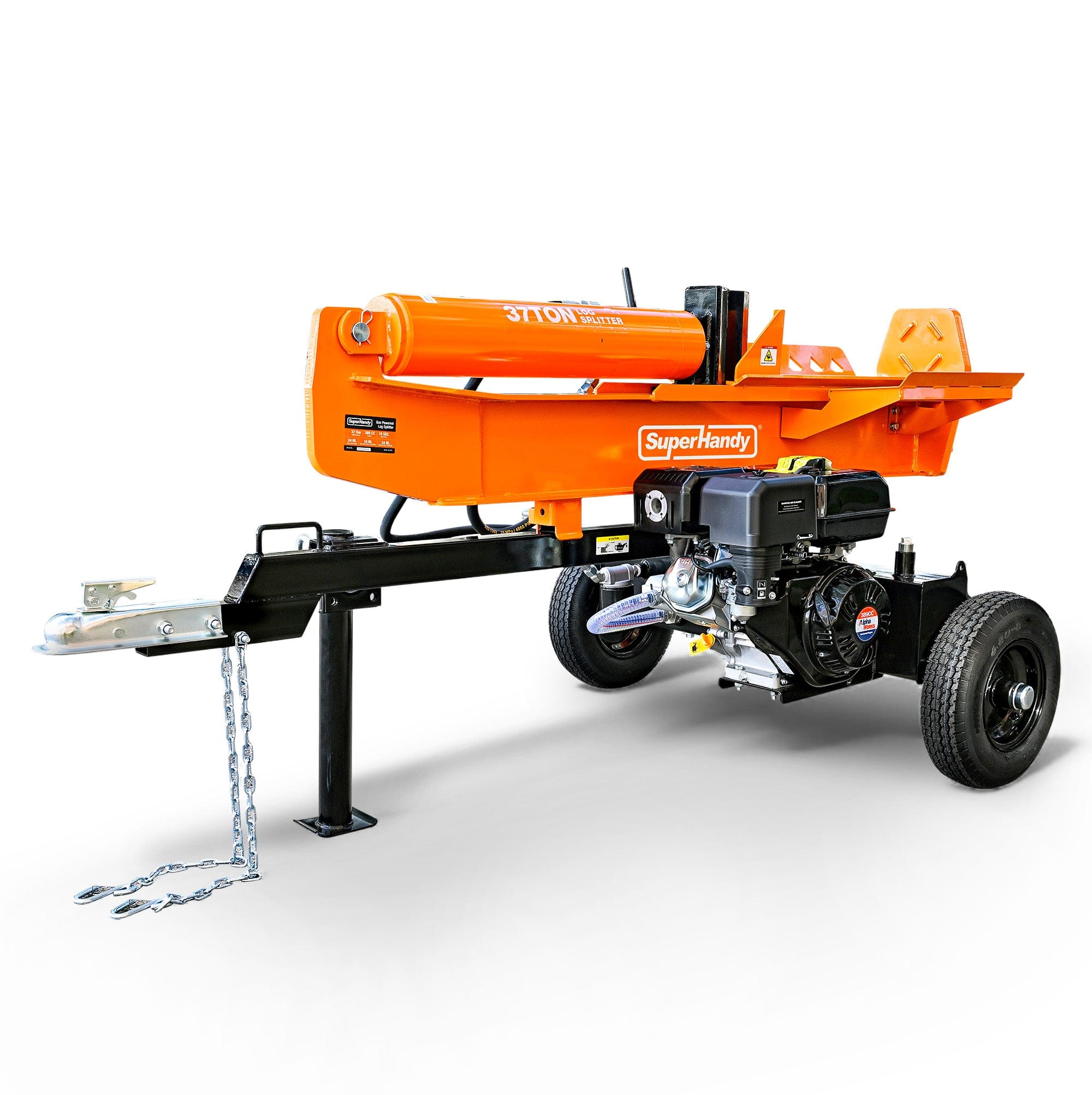
When you need pure, uncompromising power and the freedom to work anywhere, a gas-powered log splitter is the only way to go. These machines are built to tackle the toughest jobs, from large-diameter rounds to dense, stringy hardwoods.

Pros:
- Maximum Power: Gas engines provide the high tonnage needed to split virtually any type of wood you can throw at them, including green, wet, or knotty logs.
- Complete Portability: Untethered by cords, you can tow your firewood splitter deep into your property, right to where the trees were felled.
- Speed and Efficiency: They often boast faster cycle times, allowing you to process large volumes of wood much more quickly than with an electric model.
Cons:
- Noise and Fumes: The engine is loud and produces exhaust, requiring outdoor use in a well-ventilated area.
- Heavier Maintenance: They require regular engine maintenance, including oil changes, air filter cleaning, and proper fuel management.
Best for: Anyone splitting more than 5-10 cords per year, those who heat their homes primarily with wood, or property owners who need to process large, tough logs in remote locations.
PTO Log Splitters: The Heavy-Duty Option for Tractors
If you own a compact or utility tractor, a Power Take-Off (PTO) log splitter is an incredibly efficient and powerful option. Unlike standalone gas or electric models, a PTO firewood splitter doesn't have its own engine. Instead, it attaches to your tractor's three-point hitch and connects to the PTO driveshaft, using the tractor's engine to power its hydraulic pump.
This design makes them ideal for farmers, ranchers, and owners of large, wooded properties who need to process high volumes of wood. The primary advantages are immense power—often exceeding 30 tons—and simplified maintenance, as you only have one engine (the tractor's) to service. The downside is a complete lack of portability without the tractor, but for those working on a large farm or estate, this is rarely an issue.

Log Splitter Force: What Ton Rating Do You Actually Need?
The single most important specification for any log splitter is its force rating, measured in tons. This number tells you how much pressure the machine’s ram can exert to split a log. Choosing the right tonnage is critical for both efficiency and safety. An underpowered machine will struggle and stall, while an overpowered one might be overkill for your needs. While there are many types of powerful Log Splitters available, matching the force to the job is key.
Choosing the right tonnage isn't just about efficiency; it's also about safety. An underpowered splitter can stall or fail to split a log, creating potentially hazardous situations. The Consumer Product Safety Commission emphasizes using products as intended to prevent injuries, which includes matching your log splitter's force to the wood you're splitting.
Use this general guide to match tonnage to your wood:
- 4 to 9 Tons: Best for splitting small rounds (up to 12 inches in diameter) of soft, seasoned wood like pine or fir. This range is typical for smaller electric splitters.
- 10 to 20 Tons: A versatile range for the average homeowner. This force is sufficient for splitting most seasoned hardwoods like oak and maple up to 18 inches in diameter.
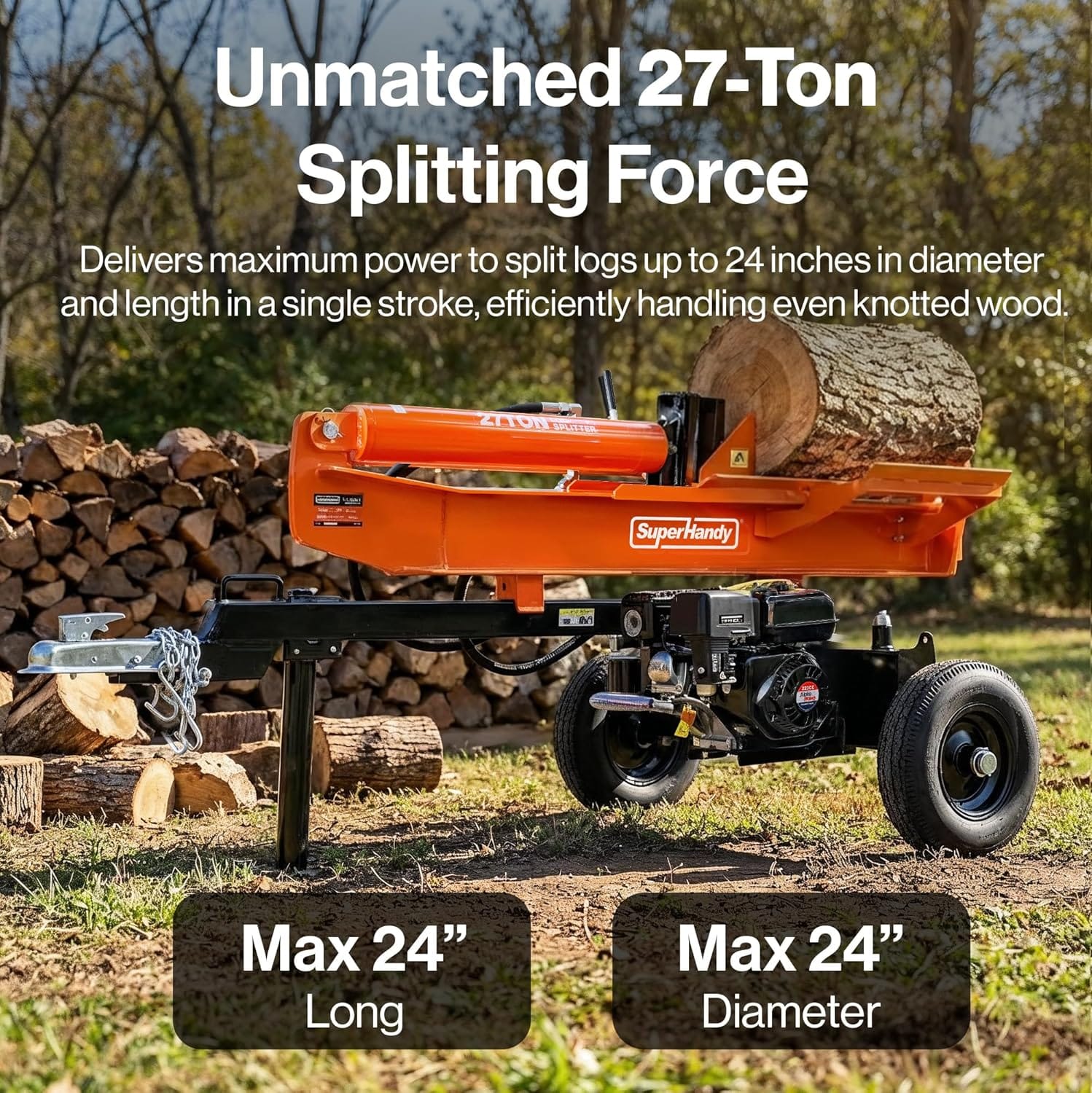
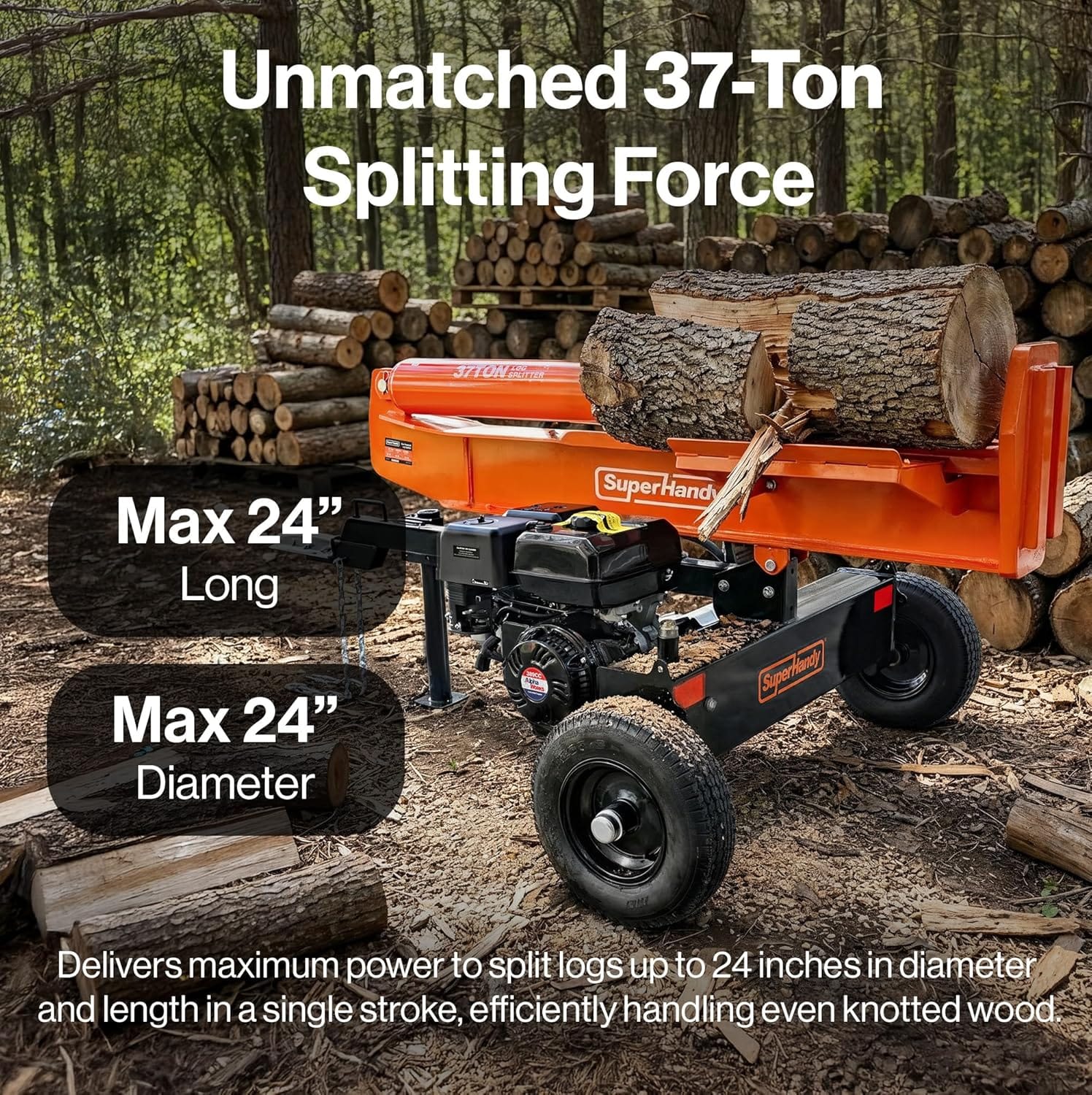
- 22 to 37+ Tons: This is the heavy-duty category. If you plan to split large (24+ inches), green, knotty, or particularly dense hardwoods like hickory or elm, you need the raw power of a high-tonnage gas or PTO log wood splitter.
When in doubt, it’s always better to choose a splitter with slightly more tonnage than you think you’ll need.
Cycle Time: How Fast Can a Log Splitter Work?
Cycle time is the total time it takes for the splitter’s ram to extend fully to split a log and then retract completely, ready for the next one. This spec is a direct measure of your potential productivity. A shorter cycle time means you can split more wood in less time.
Cycle times can range from as slow as 25 seconds to as fast as 3 seconds. For a homeowner splitting a few cords of wood each year, a cycle time of 15-20 seconds is perfectly adequate. However, if you are processing wood commercially or have a massive pile to get through, every second counts. A machine with a 10-second cycle time can theoretically split 360 logs per hour, while a 20-second machine can only split 180. Many modern gas splitters feature a 2-stage hydraulic pump, which allows the ram to move quickly when there's no resistance and then automatically switch to a high-pressure, lower-speed mode to power through the log, optimizing the cycle time.
Log Size Capacity: Will It Handle Your Kind of Wood?
Beyond tonnage, you need to consider the physical dimensions of the wood your splitter can handle. This comes down to two key measurements: maximum log length and maximum log diameter.
- Max Log Length: This is determined by the length of the splitter’s beam and is a hard limit. Most splitters are designed to accommodate standard firewood lengths between 18 and 25 inches. Before you buy, measure the length you typically cut your logs to and ensure it fits within the machine's specifications.
- Max Log Diameter: This specification is more of a guideline and is directly related to the splitter's tonnage. A manufacturer might state their 20-ton splitter can handle a 24-inch diameter log, but that assumes it's a straight-grained, seasoned piece of wood. That same splitter will struggle if the 24-inch log is knotty, green oak. Always prioritize the tonnage rating as the true indicator of what diameter a log splitter can conquer.
Log Splitter Orientation: Horizontal vs. Vertical Splitters
One of the most fundamental choices you'll make is the orientation of your log wood splitter. This feature dictates how you'll handle logs and impacts your workflow, especially with larger, heavier rounds.
-
Horizontal Splitters: With a horizontal log splitter, you lift a log and place it on the machine's beam. The hydraulic ram then pushes the log into a stationary wedge. This design is common for electric and smaller gas models and is perfectly suited for splitting logs that are light enough to lift comfortably. They are often more compact and easier to store.
-
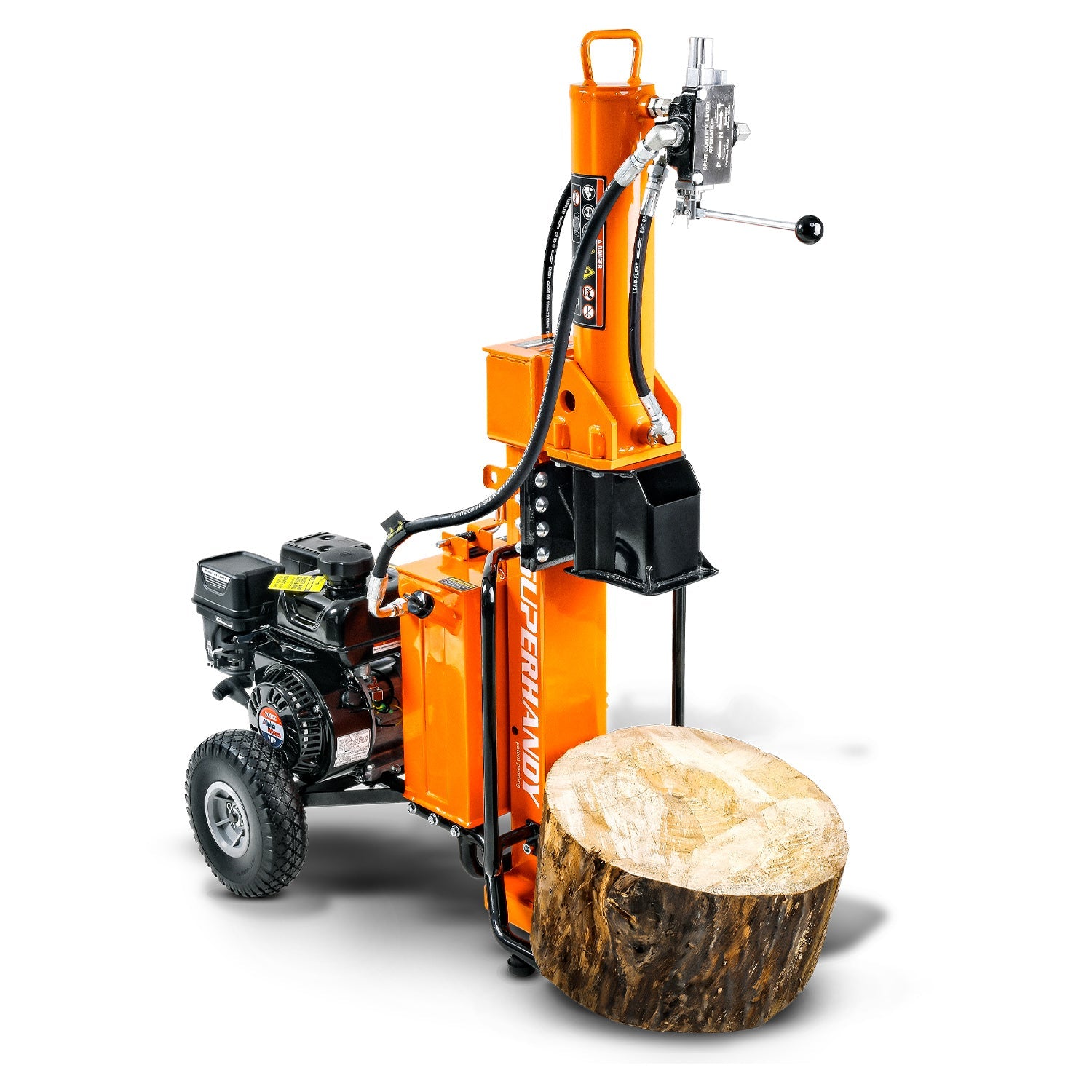
Vertical Splitters: A vertical log splitter allows you to work with logs that are too heavy or awkward to lift onto a beam. You simply roll the round onto the base plate at ground level, and the wedge drives down from above to split it. This is a back-saving feature for anyone dealing with massive logs.
-
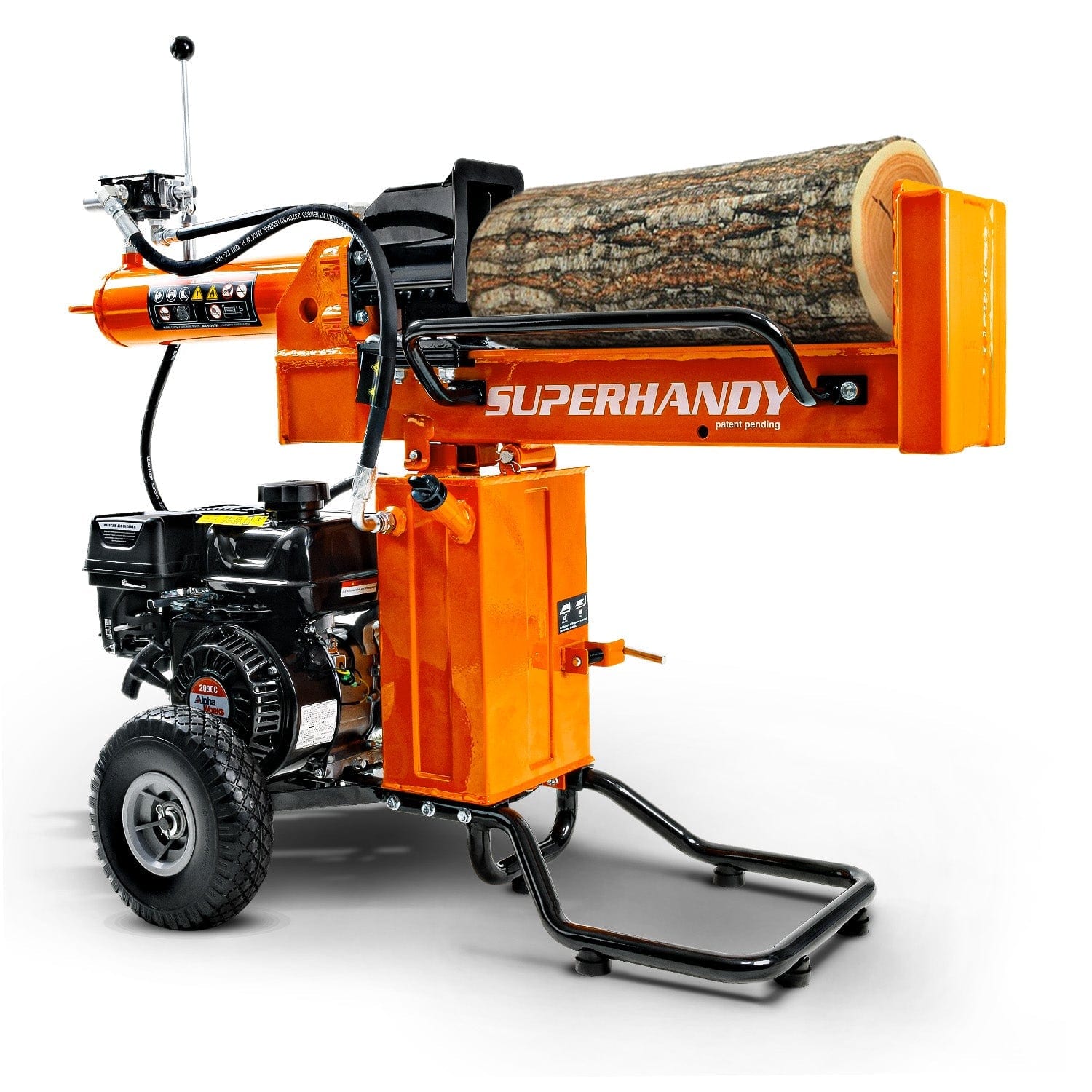
Convertible Splitters: Offering the best of both worlds, many gas-powered splitters can operate in both horizontal and vertical positions. A single pin or lever allows you to pivot the beam from horizontal for smaller logs to vertical for the big, tough ones. This versatility makes them a popular choice for users who process a wide variety of wood sizes.
A side-by-side comparison image showing a log being placed on a horizontal splitter and a large round being split on a vertical splitter.

Key Features to Look For: Wheels, Handles, and Safety Guards
Beyond the core specs of power and orientation, several key features dramatically improve a log splitter's usability, portability, and safety.
- Wheels and Portability: Unless your splitter will live permanently in one spot, you need to be able to move it. Look for large, durable wheels—pneumatic (air-filled) tires are great for absorbing shock on uneven ground, while "never-flat" solid tires eliminate the risk of a puncture. A tow hitch that is rated for appropriate speeds is also essential for towing gas models behind an ATV or lawn tractor on your property.
- Ergonomic Handles: Well-placed handles make a world of difference when maneuvering a heavy machine into position or tilting a convertible model. They provide the leverage you need to move the splitter safely and with less strain.
- Safety Features: A quality firewood splitter is designed with your protection in mind. Two-handed operation is a common feature that requires both of your hands to be on the controls to engage the ram, keeping them clear of the splitting area. Log cradles or tables help catch the split halves, preventing them from falling on your feet. Always ensure the machine has proper guards around the engine and moving parts. Following established OSHA hand and power tool safety guidance is crucial for preventing workplace-style injuries, even at home.
Maintenance Essentials: Keeping Your Log Splitter Running Smoothly
Proper maintenance is the key to ensuring your log splitter provides years of reliable service. A few simple, regular checks will protect your investment and keep it running at peak performance.
First, pay close attention to the hydraulic system. Regularly check the hydraulic fluid level and top it off as needed with the manufacturer-recommended fluid type. Inspect hoses for any cracks, abrasions, or leaks. Over time, the fluid will need to be completely changed, along with the hydraulic filter, so consult your owner's manual for the recommended service interval.
For gas-powered models, treat the engine with the same care you would any other piece of outdoor power equipment. This includes regular oil changes, checking and cleaning the air filter, and inspecting the spark plug.
Finally, the business end of the machine—the wedge—needs to be kept sharp. A dull wedge crushes wood rather than splitting it, which puts unnecessary strain on the entire machine and produces messy, splintered firewood. A quick touch-up with a file or grinder can keep the edge keen and your splits clean.
Brand Spotlight: Top Log Splitter Manufacturers and Their Offerings
The log splitter market includes several established brands known for their heavy-duty gas-powered machines, such as Champion, Dirty Hand Tools, and CountyLine, which are often found at big-box and farm supply stores. These brands typically focus on high-tonnage, tow-behind models designed for processing large quantities of wood.
At SuperHandy, we carve our own path by specializing in powerful, efficient, and user-friendly electric models designed for the modern homeowner. We believe that splitting firewood shouldn't require the maintenance and noise of a gas engine. Our range of electric Log Splitters delivers impressive tonnage in a more compact, portable, and environmentally friendly package. From lightweight models suitable for clearing up fallen limbs to robust units capable of tackling seasoned hardwoods, SuperHandy provides a smart solution for your firewood needs without the hassle.
Budgeting for Your Log Splitter: Price Ranges and Value
Investing in a log splitter is about saving your time and your back. The price can range from a few hundred to several thousand dollars, so it's crucial to understand what you're getting for your money. Think of it not as a cost, but as an investment in efficiency.
- Entry-Level Electric Models ($300 - $700): In this range, you'll find compact electric log splitters, typically offering 5 to 10 tons of force. They are suitable for homeowners with a fireplace who split a few cords of seasoned, smaller-diameter wood each year. They are quiet, require minimal maintenance, and are easy to store.
- Mid-Range Electric & Entry-Level Gas Models ($700 - $1,500): This is the sweet spot for many serious firewood users. You'll find powerful electric models and entry-level gas-powered log splitters. Expect tonnage ratings from 10 to over 20 tons. These machines can handle larger, tougher logs and are built for more frequent use. Gas models in this range offer portability and power for properties without easy access to an outlet.
- High-Performance Gas & PTO Models ($1,500+): For those processing many cords of wood per year or dealing with large, green, or knotty hardwood, this is the necessary tier. These are almost exclusively gas-powered or PTO-driven machines with 25 tons of force or more, faster cycle times, and often the ability to switch between horizontal and vertical splitting. They are built for durability and high-volume work.

Frequently Asked Questions About Choosing a Log Splitter
What's the difference between a log splitter and a firewood splitter? There is no difference! The terms "log splitter," "firewood splitter," and "log wood splitter" are used interchangeably to describe the same machine. They all refer to a piece of equipment designed to split logs into smaller, more manageable pieces for firewood.
Is a log splitter dangerous? Like any power tool, a log splitter requires safe operation. The main hazard comes from the immense force exerted by the ram. Always keep hands and feet clear of the splitting area, wear appropriate personal protective equipment (PPE) like safety glasses and gloves, and never operate the machine with another person in the immediate vicinity. Following established guidelines for hand and power tool safety is essential for preventing injuries. Ensure all guards are in place and never bypass safety features.
Can I split green or unseasoned wood? Yes, you can, but it will be more difficult. Green wood contains a lot of moisture and has more elastic fibers, meaning it requires significantly more force to split than dry, seasoned wood. If you plan to split a lot of green wood, you should choose a log splitter with a higher tonnage rating than you would for seasoned wood of the same diameter.
How do I store my log splitter? Proper storage protects your investment. Always store your splitter in a dry, covered area like a garage or shed to protect it from the elements. For gas models, it's good practice to either run the carburetor dry or use a fuel stabilizer if it will be stored for more than a month. Clean any wood debris from the machine before storing it.
Making Your Final Decision: A Step-by-Step Checklist
Feeling ready to choose? Use this final checklist to confirm you've covered all your bases and are picking the perfect firewood splitter for your needs.
- Assess Your Wood Volume: How many cords do you split annually? (Less than 2 cords = Electric; 2+ cords = Gas/PTO).
- Identify Your Wood Type: Are you splitting softwoods or hardwoods? Seasoned or green? (Hardwoods and green wood require more tonnage).
- Measure Your Logs: What is the typical diameter and length of the logs you'll be splitting? Ensure the machine's capacity matches.
- Choose Your Power Source: Do you need the quiet, low-maintenance operation of electric or the go-anywhere power of gas?
- Determine Required Force: Match the tonnage to your wood type and diameter. Don't overbuy, but don't come up short. A 20-ton splitter is a powerful and versatile choice for most.
- Consider Key Features: Do you need a vertical splitting option? Are wheels for portability a must?
- Set Your Budget: Find the intersection of your needs and your budget, focusing on long-term value and durability over the lowest initial price.
- Explore Your Options: With your criteria set, you're ready to find the perfect machine.
Now that you're armed with the knowledge, com/collections/log-splitters) to find the model that's right for you.
Related Products



Leave a comment
All comments are moderated before being published.
This site is protected by hCaptcha and the hCaptcha Privacy Policy and Terms of Service apply.