












Understanding Your Mobility Needs: What to Consider Before Buying
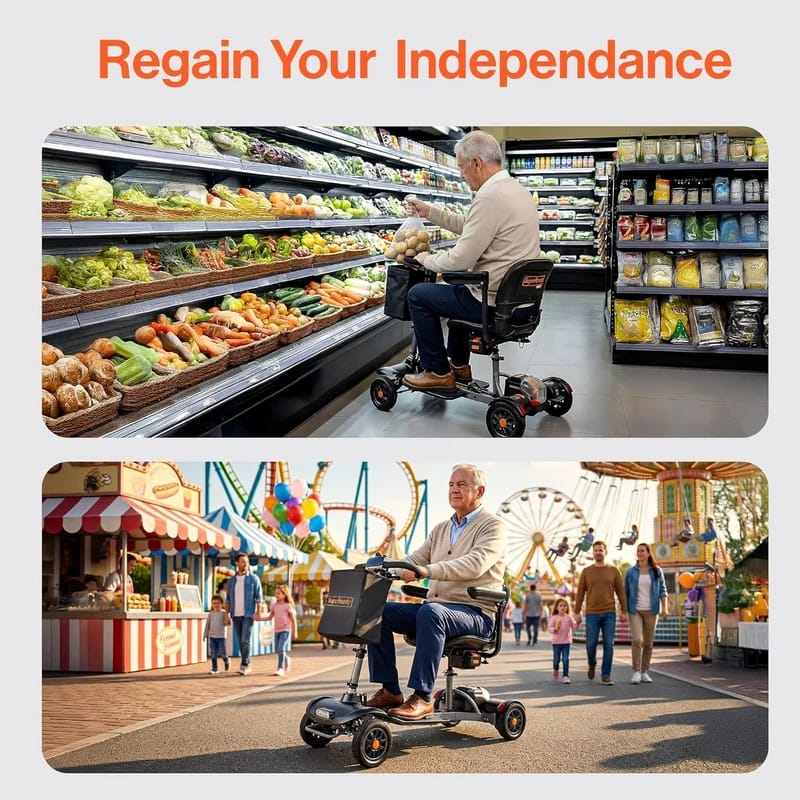
Choosing the right mobility scooter begins with a clear understanding of your personal needs and daily routines. Before you start comparing models, take a moment to reflect on how you plan to use it. Will it be primarily for short trips indoors, like navigating your home or a shopping mall? Or will you be venturing outdoors on sidewalks, park paths, or uneven terrain? Consider your physical condition, including your strength, balance, and endurance. A mobility scooter is one of several types of mobility aids designed to help individuals regain independence, so it's crucial to select one that complements your abilities and lifestyle, rather than complicating them. Answering these questions first will create a strong foundation for finding a scooter that truly enhances your freedom.

Types of Mobility Scooters: Finding the Right Fit for Your Lifestyle
Once you've assessed your needs, you can explore the different types of mobilized scooters. While there are many variations, most fall into three main categories. Let's explore the main categories of Mobility Scooter models available to find your perfect fit.
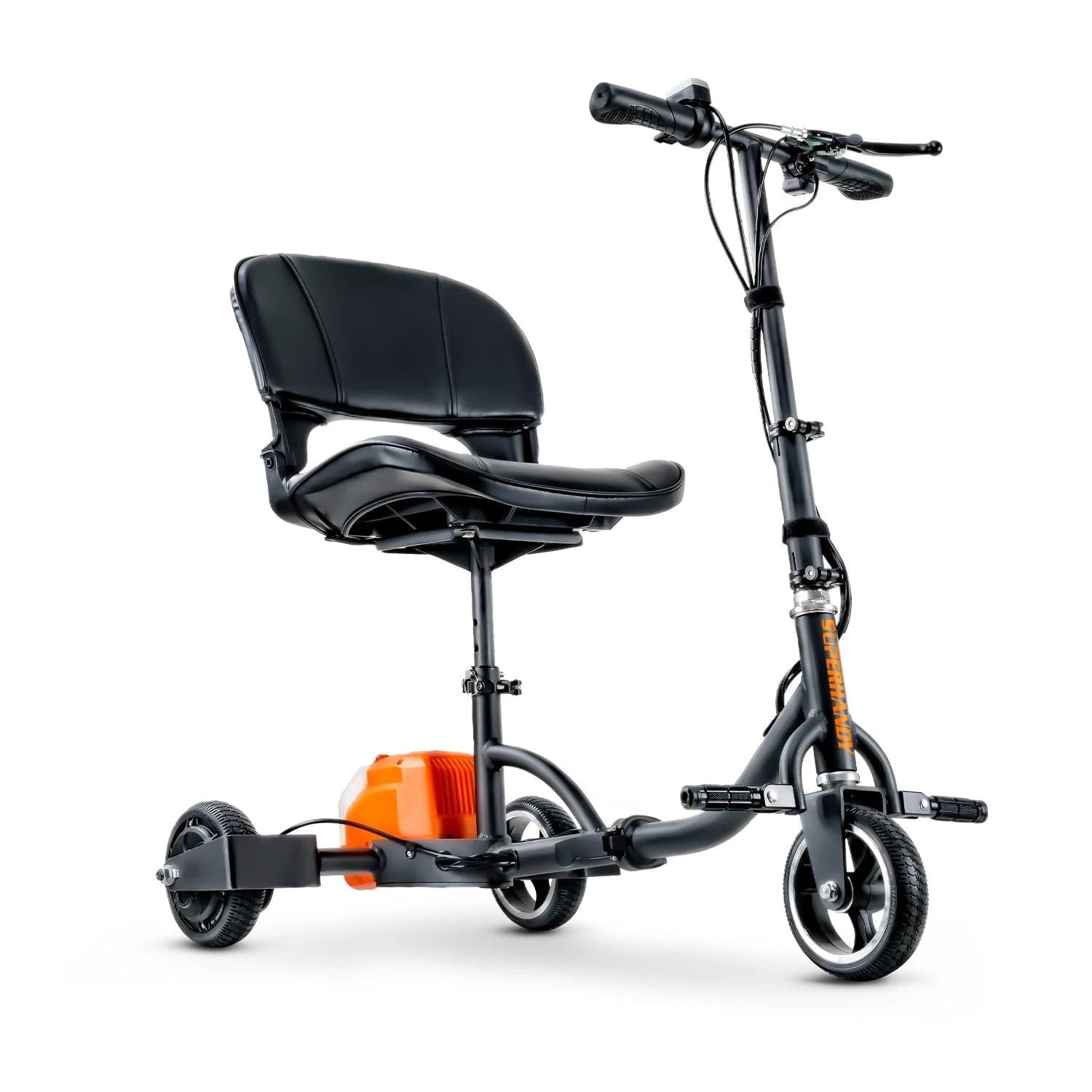
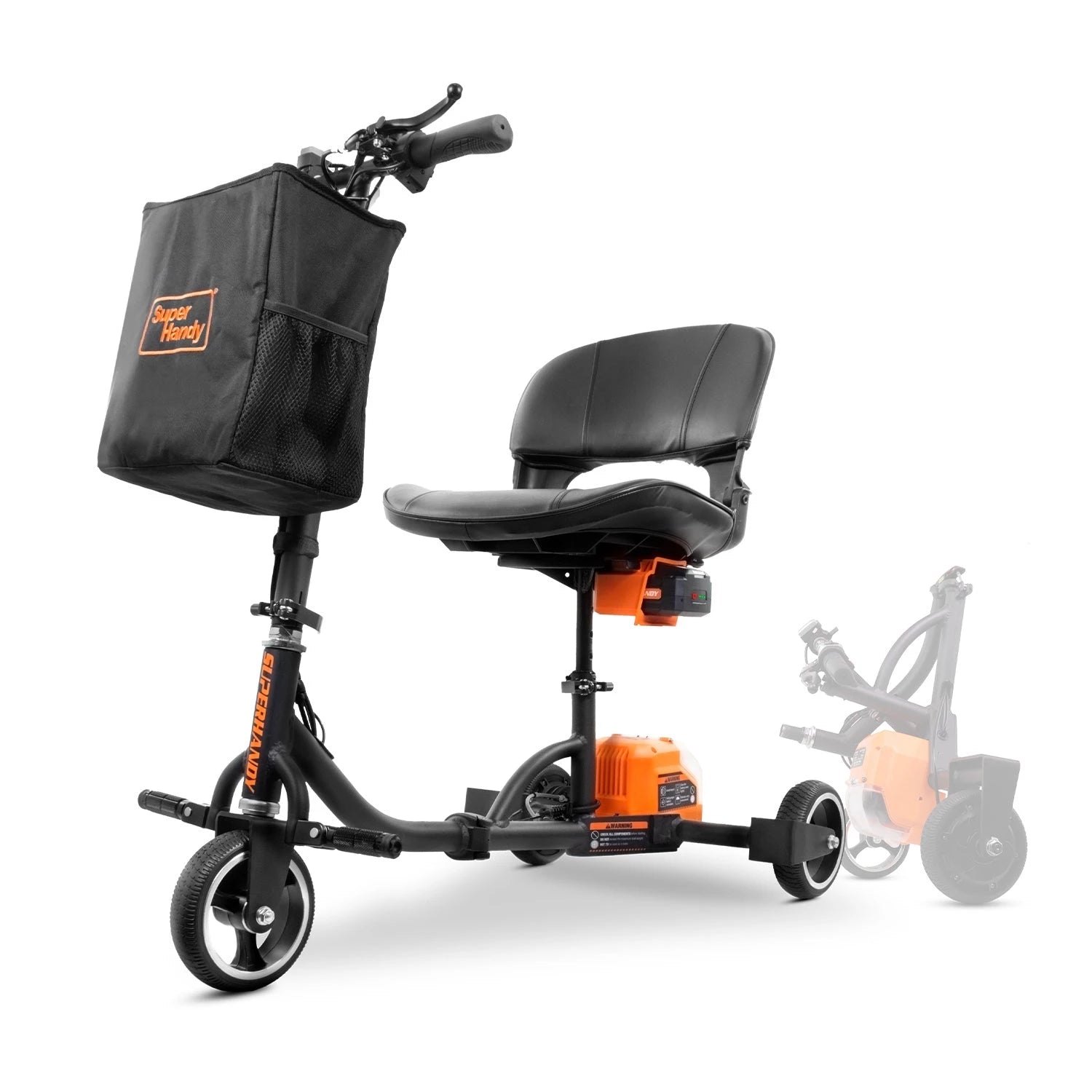
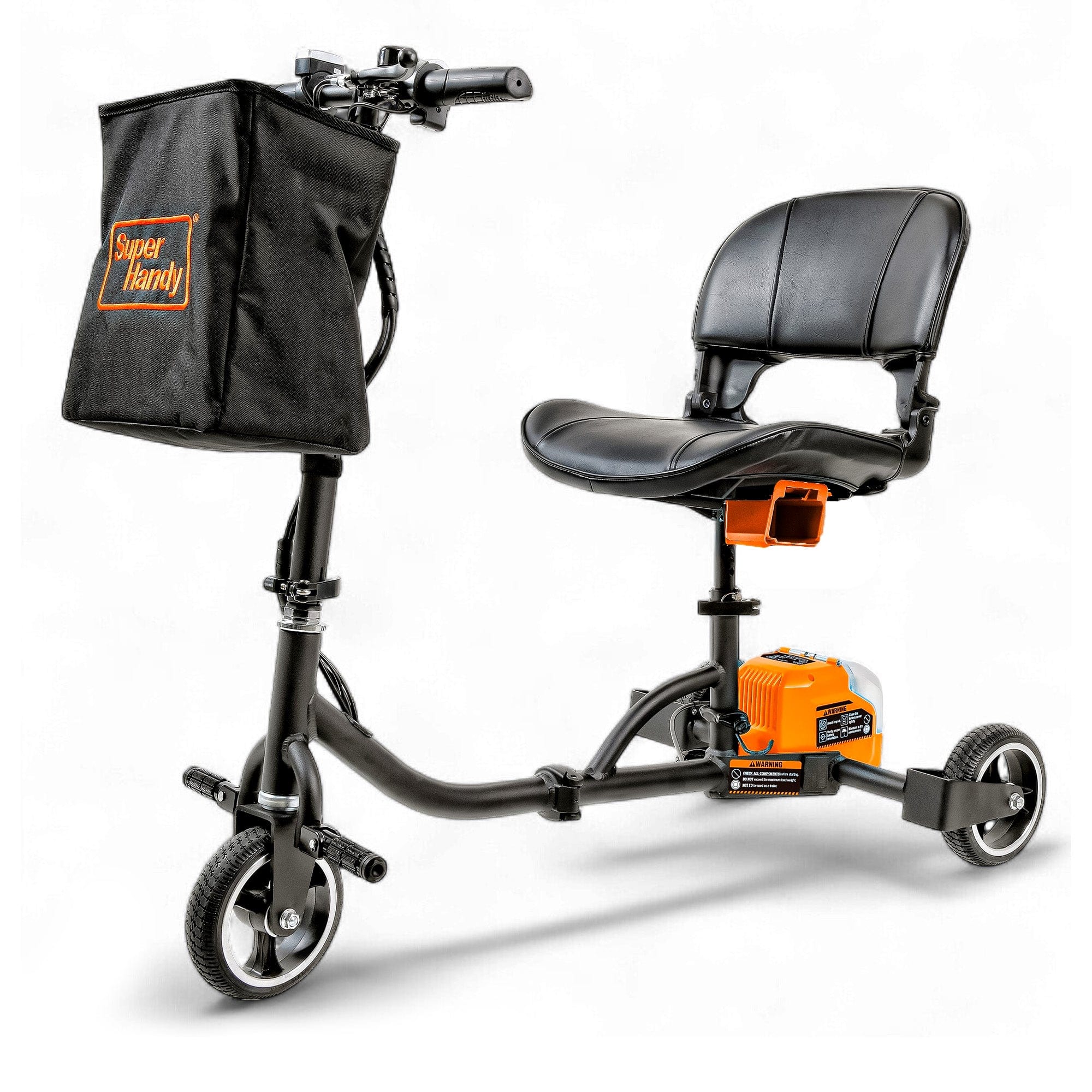
- 3-Wheel Mobility Scooters: These are known for their excellent maneuverability and tighter turning radius, making them ideal for indoor use in homes, apartments, and stores with narrow aisles. They typically offer more legroom, which can be a significant comfort factor for taller individuals.
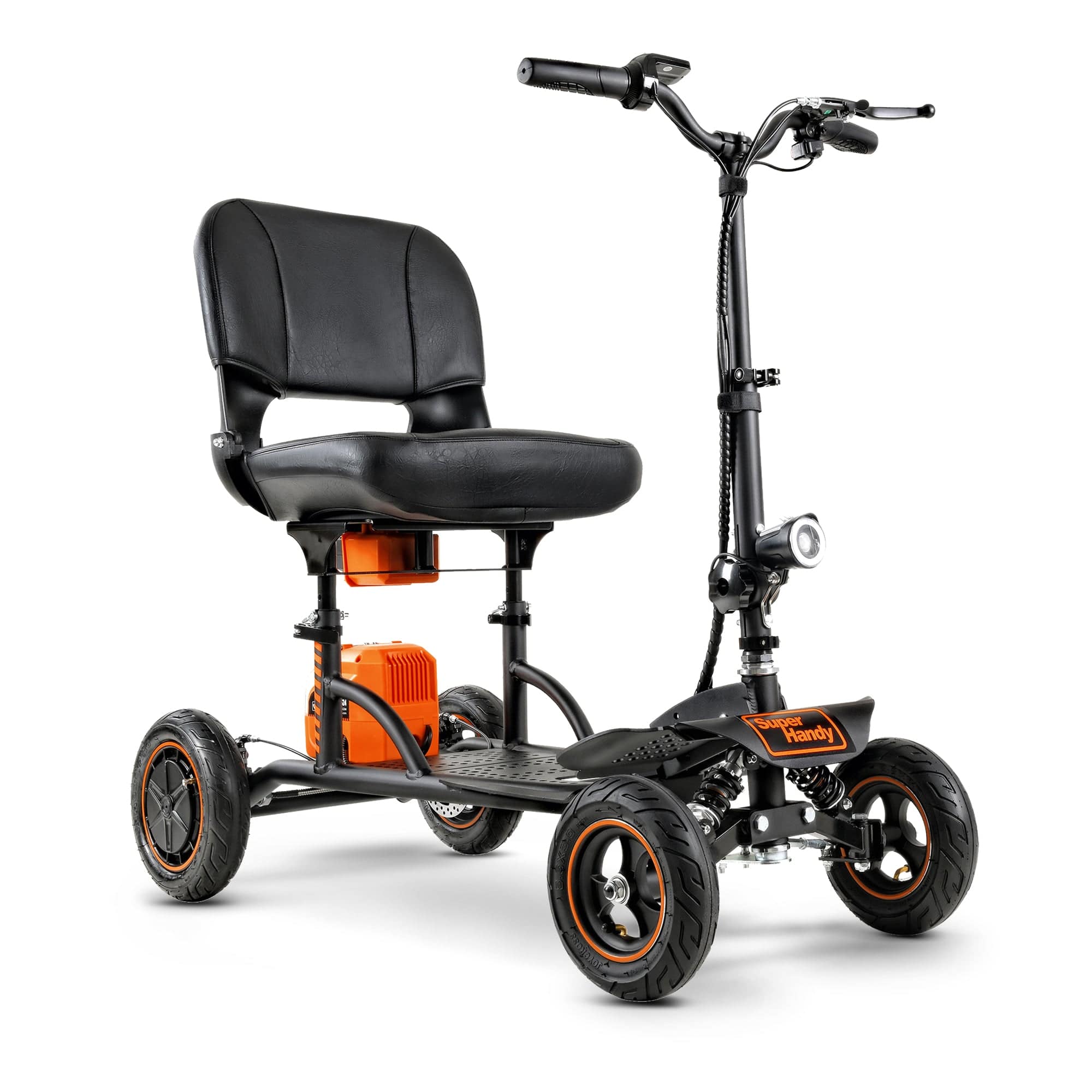
- 4-Wheel Mobility Scooters: The primary advantage of a 4-wheel scooter is its superior stability. With a wider base, these models provide a secure and confident ride, especially over varied outdoor terrain like cracked sidewalks, grassy areas, and small inclines. They are the go-to choice for users who prioritize safety and a sturdy feel.
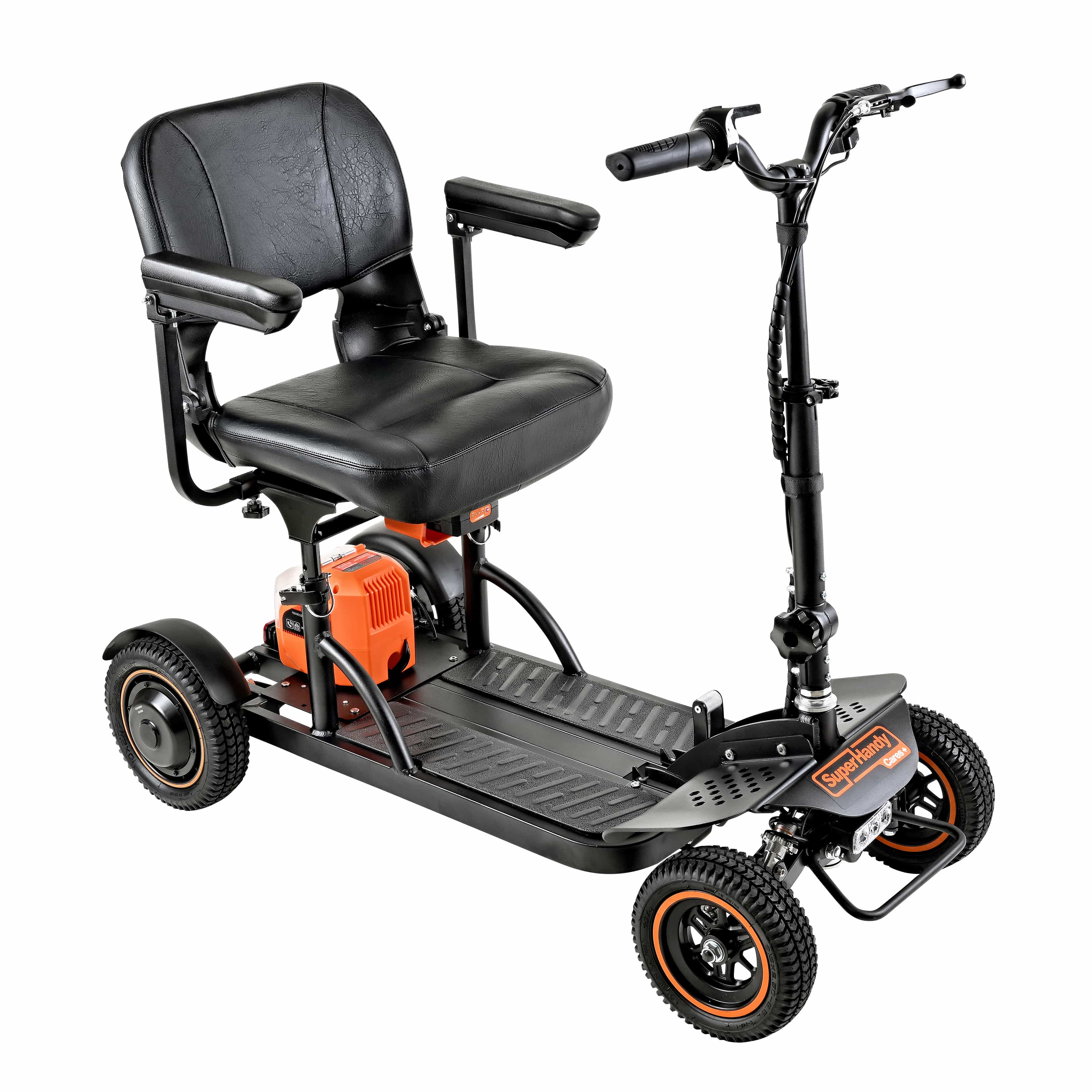
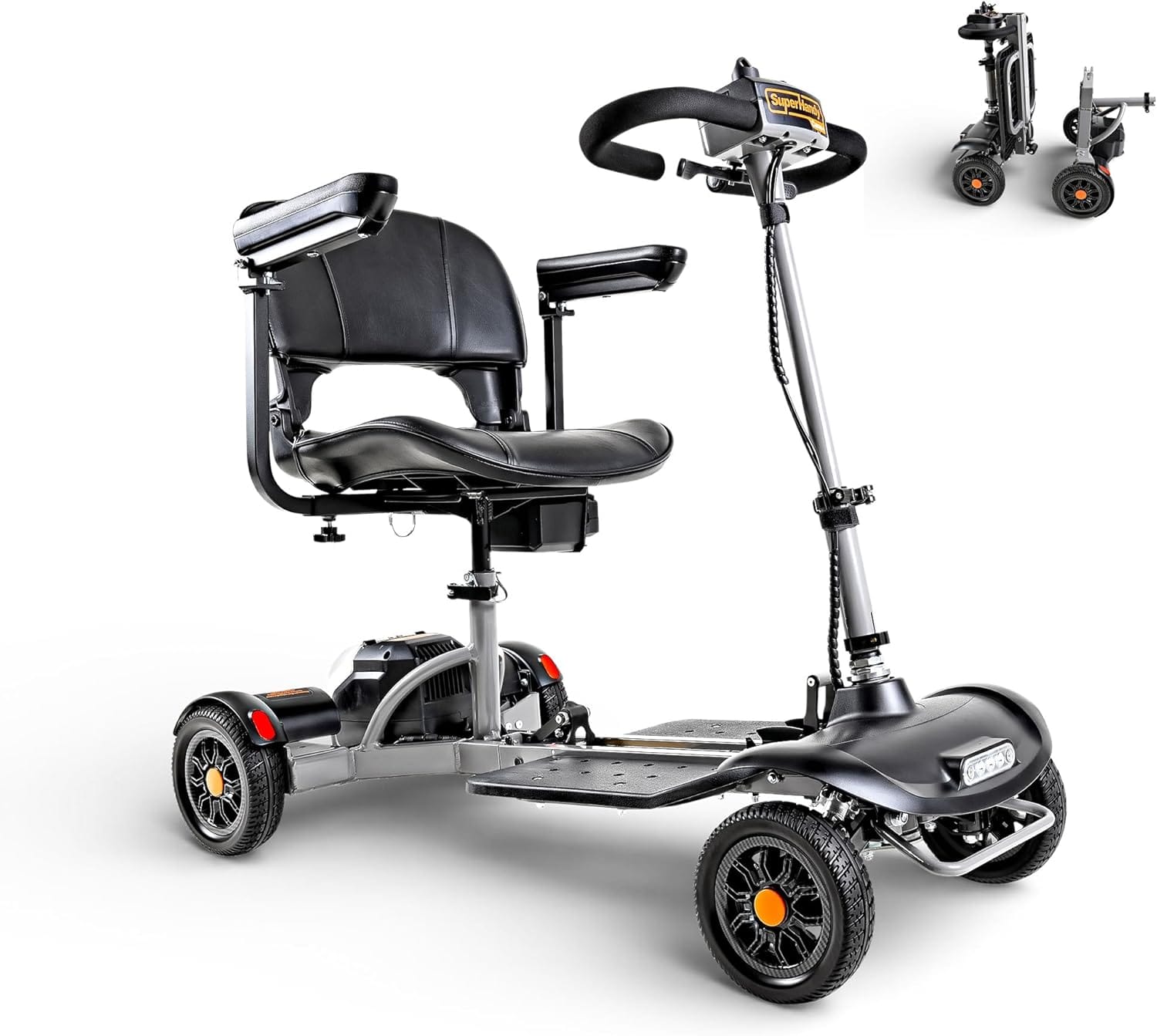
- Travel/Folding Mobility Scooters: Designed for life on the go, these scooters are lightweight and can be easily disassembled or folded. This makes them suitable for stowing in a car trunk for day trips, errands, or taking on vacation. While they may have a smaller battery and less rugged features, their portability is useful.
Key Features to Compare: Navigating the Technical Specifications
When you start browsing mobility mobility scooters, the list of technical specifications can seem overwhelming. To simplify the process, focus on the key features that will have the biggest impact on your daily use. These include the scooter's maximum speed, range per charge, and turning radius. Also, pay close attention to the tire type (solid, pneumatic, or foam-filled) and whether the scooter includes a suspension system, as these will directly affect ride comfort. We will dive deeper into these critical features, but keeping them in mind as you compare models will help you narrow down your options effectively.
Weight Capacity and Stability: Ensuring Safety and Reliability
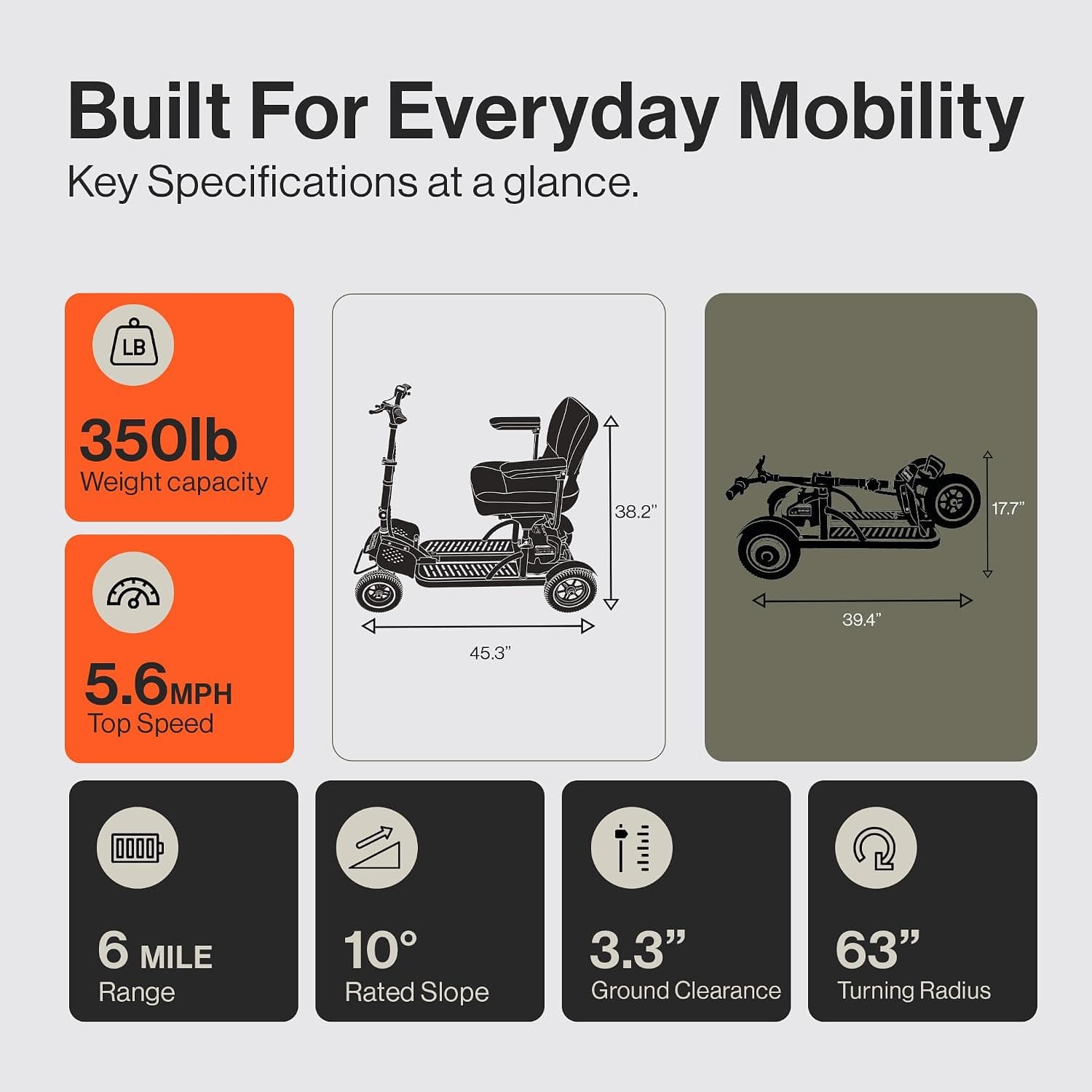
One of the most critical safety specifications to check is the scooter's weight capacity. This number indicates the maximum weight the scooter can safely support, which includes the user and any items you plan to carry, such as shopping bags, an oxygen tank, or a purse. It is essential to choose a model with a capacity that comfortably exceeds your own weight. Overloading a scooter can strain the motor, damage the frame, and significantly compromise its stability, increasing the risk of tipping. A scooter with an appropriate weight capacity ensures the brakes, frame, and motor will perform reliably, providing a safe and dependable ride every time.
Battery Life and Charging: How Mobility Scooters Support Daily Travel
A mobility scooter's battery is its heart, determining how far you can travel on a single charge. This range, typically measured in miles, is a critical factor for your freedom and independence. Most scooters use one of two main battery types: Sealed Lead Acid (SLA) or Lithium-ion. SLA batteries are a cost-effective and reliable standard, while Lithium-ion options are lighter, charge faster, and offer a longer overall lifespan. When planning trips, especially by air, it's essential to know your battery type and your airline's policies; you can review the general guidelines in the FAA's rules for transporting wheelchairs and mobility devices. To maximize your daily range, consider your typical usage. If you only plan short trips around the neighborhood, a 10-15 mile range may be sufficient. However, for a full day of activities, look for a model that offers 20 miles or more.

Charging your mobility scooter is usually a simple overnight task. Most models can be plugged directly into a standard wall outlet. Some travel scooters feature removable battery packs, allowing you to bring just the battery inside to charge instead of the entire scooter. To preserve battery health, it's best to charge it fully after each significant use and avoid letting it drain completely. Consistent charging ensures your mobilized scooter is always ready for your next adventure, giving you the confidence to go wherever you need to.
Tire Types and Suspension: Comfort and Performance on Different Terrains
The tires and suspension on your mobility scooter are the foundation of a smooth and comfortable ride. They determine how well the scooter handles different surfaces, from smooth indoor floors to bumpy outdoor paths. You will generally encounter two types of tires: solid and pneumatic. Solid, foam-filled tires are puncture-proof and require virtually no maintenance, making them ideal for indoor use or travel on paved surfaces. Pneumatic, or air-filled, tires provide superior cushioning and traction, acting as a natural shock absorber. This makes them the preferred choice for those who frequently travel over grass, gravel, or uneven sidewalks, as they deliver a much more comfortable journey.
Suspension systems further enhance ride quality by absorbing shocks and vibrations from the ground. While basic, compact travel scooters may not have suspension, many mid-size and all-terrain models include it on the front, rear, or both. For users with back pain, arthritis, or other sensitivities, a scooter with a full suspension system can make a world of difference. When evaluating your options, think about where you'll be riding most often. A combination of the right tires and a good suspension system will ensure your comfort and your scooter's performance across any terrain.
Maneuverability and Turning Radius: Navigating Tight Spaces with Ease
How easily you can navigate through doorways, store aisles, and crowded spaces depends on your scooter's maneuverability, which is primarily measured by its turning radius. A smaller turning radius means the scooter can make sharper turns, a crucial feature for indoor use. Generally, 3-wheel mobility mobility scooters offer a tighter turning radius compared to their 4-wheel counterparts, making them exceptionally nimble for navigating tight corners in a home or shopping center.
However, there's a trade-off to consider. While 3-wheel models excel in maneuverability, 4-wheel models provide a wider base of support and greater stability, which is often preferred for outdoor use on uneven ground. When choosing, consider your primary environment. If you need a Mobility Scooter mainly for getting around your house or the local grocery store, a 3-wheel model with a low turning radius is an excellent choice. If your plans involve more outdoor excursions, the added stability of a 4-wheel scooter might be more important, even with a slightly larger turning radius.
Seating and Comfort Options: Personalizing Your Riding Experience
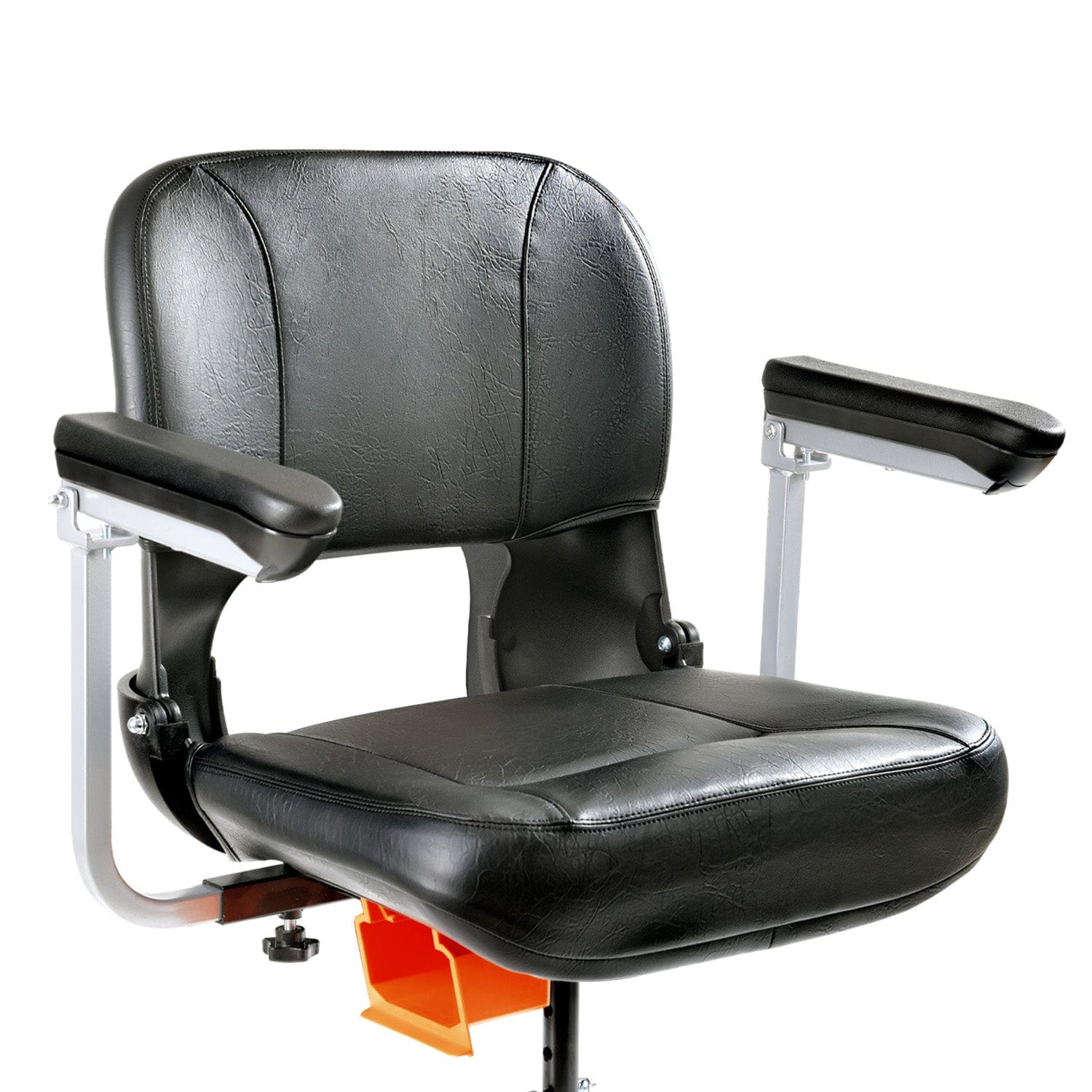
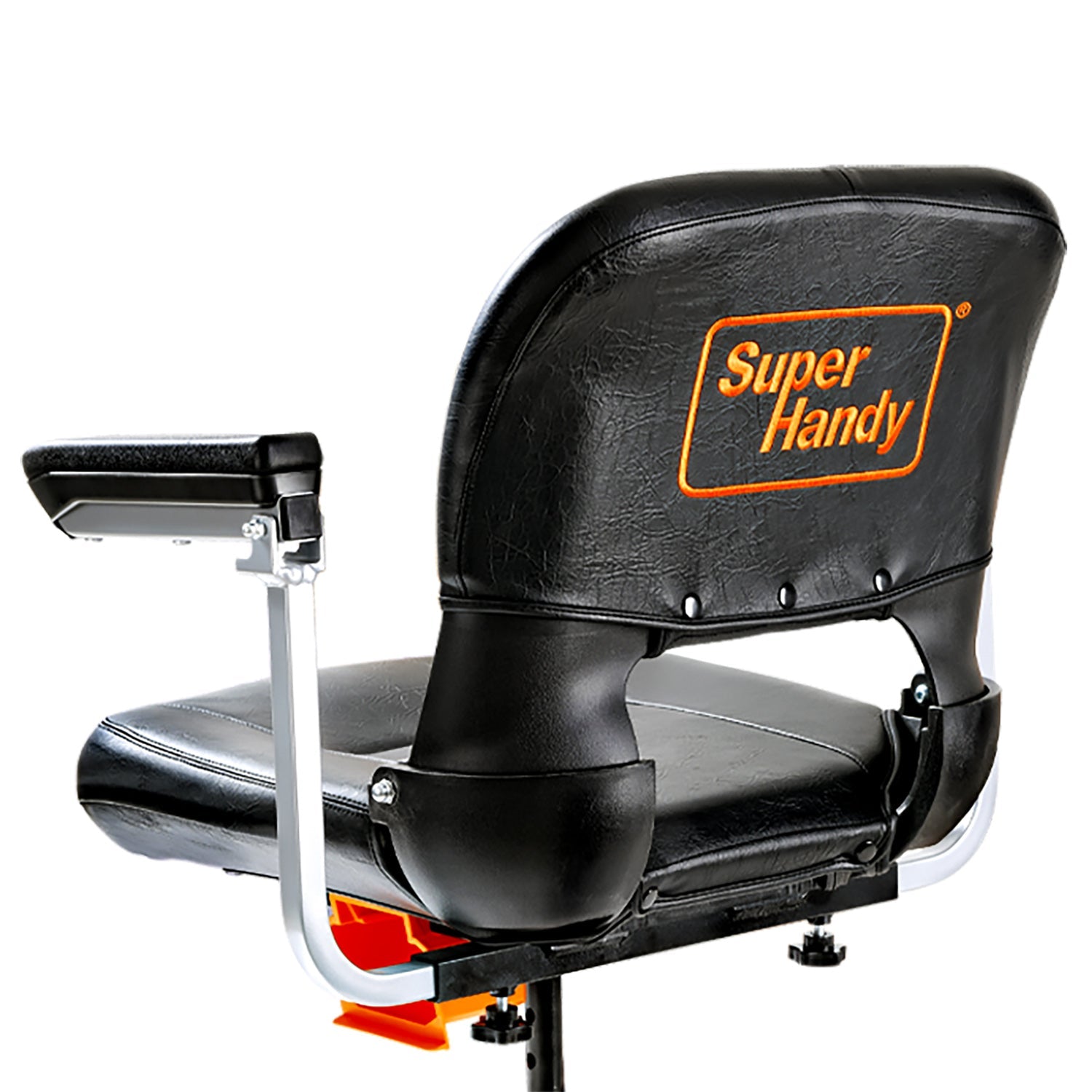
Since you may be spending considerable time in your scooter, the seat's comfort and ergonomics are paramount. A well-designed seat can prevent fatigue and discomfort, making every ride more enjoyable. Look for seats with ample padding and a supportive backrest. Many models feature stadium-style or captain's seats, which offer enhanced cushioning and contouring for long-term use. Seat width is another key factor—ensure it’s wide enough to be comfortable but not so wide that it feels unsupportive.

Beyond basic padding, look for adjustability features that allow you to personalize your fit. A swivel seat is a game-changer, as it allows you to rotate the chair to face sideways, making it significantly easier and safer to get on and off the scooter. Other essential features include height-adjustable seats, flip-up armrests that can be moved out of the way for transfers, and an adjustable tiller that lets you position the steering controls at a comfortable distance. These personalized adjustments ensure proper posture and reduce strain, allowing you to ride in complete comfort.
Storage and Portability: Taking Your Scooter Wherever You Go
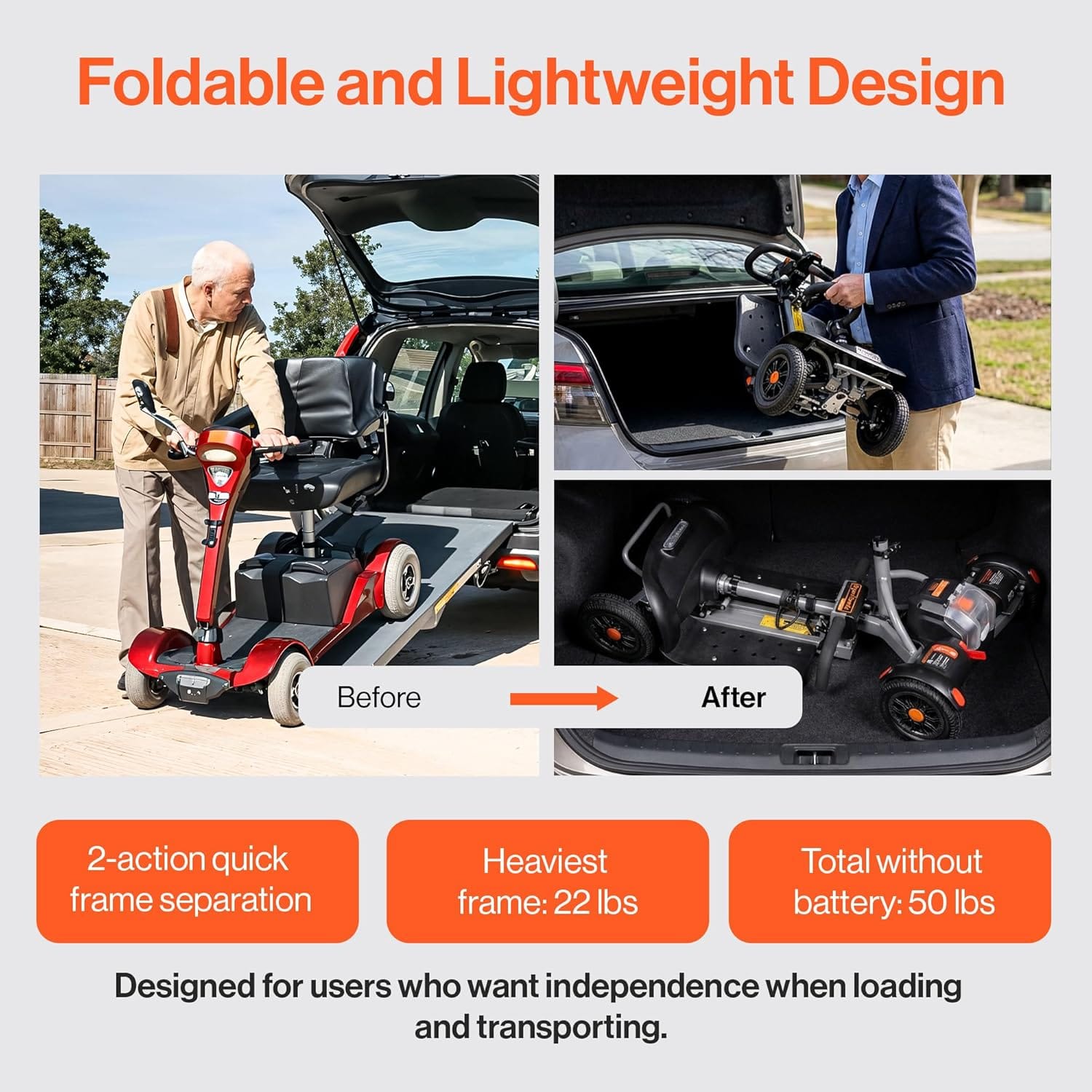
Your independence shouldn't be confined to your home. For many, the true value of a mobility scooter lies in its ability to accompany them on daily errands, social visits, and even vacations. This is where storage and portability become critical factors. If you plan to transport your scooter in a vehicle, you'll need a model designed for it. Portable or travel scooters are engineered to be compact and lightweight, easily fitting into most car trunks.
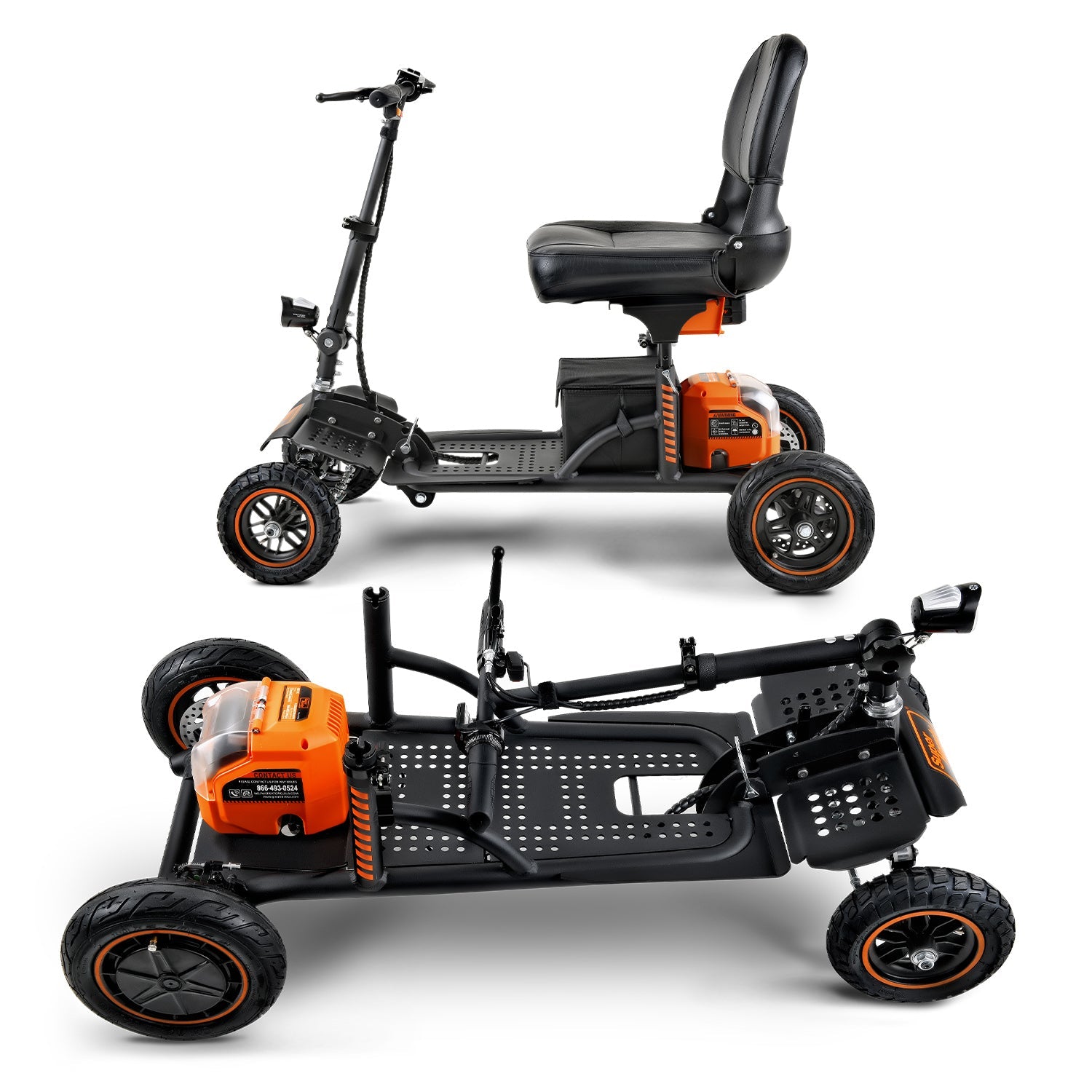
These models fall into two main categories: those that fold and those that disassemble. Folding scooters collapse into a single, compact unit, often with the ease of pulling a lever. Disassembling scooters, also known as travel scooters, break down into several smaller, more manageable pieces. The right choice depends on your physical ability to lift and your vehicle's storage space.

Understanding Weight and Disassembly for Transport
When evaluating a portable mobility scooter, don't just look at the total weight. Pay close attention to the "weight of the heaviest piece." For a disassembling model, this is typically the front or rear section of the frame after the seat and battery have been removed. This number is a much better indicator of how manageable the scooter will be to lift into a car. Many modern mobilized scooters are designed for tool-free disassembly, allowing you to break them down in under a minute.
Folding scooters offer an alternative by eliminating disassembly altogether. However, you will have to lift the entire unit at once, which can still be heavy. Before purchasing, consider who will be lifting the scooter and their comfort level with the weight. If you plan on air travel, you'll also need to check with your airline about their specific policies, as the FAA has PackSafe rules for wheelchairs and mobility devices concerning batteries, particularly lithium-ion types.
Understanding Weight and Disassembly for Transport
When evaluating a portable mobility scooter, don't just look at the total weight. Pay close attention to the "weight of the heaviest piece." For a disassembling model, this is typically the front or rear section of the frame after the seat and battery have been removed. This number is a much better indicator of how manageable the scooter will be to lift into a car. Many modern mobilized scooters are designed for tool-free disassembly, allowing you to break them down in under a minute.
Folding scooters offer an alternative by eliminating disassembly altogether. However, you will have to lift the entire unit at once, which can still be heavy. Before purchasing, consider who will be lifting the scooter and their comfort level with the weight. If you plan on air travel, you'll also need to check with your airline about their specific policies, as the FAA has PackSafe rules for wheelchairs and mobility devices concerning batteries, particularly lithium-ion types.
Budgeting for Your Mobility Scooter: Cost Factors and Value
The price of mobility scooters can range from several hundred to many thousands of dollars. Understanding the factors that influence cost will help you find the best value for your needs. Key cost drivers include the scooter's type, features, and brand reputation. Compact travel scooters are generally the most affordable, while heavy-duty, all-terrain models with advanced features sit at the higher end of the price spectrum.
Features like a longer battery range, higher top speed, full suspension systems, and deluxe captain's seats will all increase the price. While it's tempting to opt for the cheapest model, it's crucial to consider long-term value. A scooter that reliably meets your daily needs and provides a comfortable, safe ride is a far better investment than a less expensive one that falls short. In some cases, if a doctor prescribes a scooter as a medical necessity for use within the home, you may be able to get financial assistance. It's wise to check the official Medicare.gov wheelchair and scooter coverage criteria to see if you qualify for reimbursement or coverage.
Where to Buy: Online Retailers vs. Local Dealerships
Once you've narrowed down your choices, you need to decide where to make your purchase. Both online retailers and local brick-and-mortar dealerships offer distinct advantages.
Online stores often provide a wider selection and more competitive pricing due to lower overhead. Shopping online allows you to easily compare models, read reviews, and find the perfect Mobility Scooter from the comfort of your home. The main drawback is that you can't test-drive the scooter before buying, and some minor assembly may be required upon delivery.
Local dealerships, on the other hand, offer a hands-on experience. You can test-drive different mobility mobility scooters, get personalized advice from sales staff, and often receive professional delivery and setup. They also provide a convenient option for future maintenance and repairs. However, this personalized service usually comes at a higher price, and their selection may be limited to the brands they carry. Ultimately, the best approach is to do your research online and, if possible, test a similar model locally before making your final purchase from the retailer that offers the best combination of price, support, and confidence.
Essential Accessories to Enhance Your Mobility Scooter Experience
Once you've chosen your core Mobility Scooter, the right accessories can transform it from a functional device into a personalized extension of your lifestyle. These additions improve convenience, safety, and utility, allowing you to get the most out of every trip. Think about your daily routines and what would make them easier.

Consider these popular enhancements:
- Storage Solutions: While most scooters have a standard front basket, you might need more space. Rear baskets, under-seat bags, and saddlebags provide ample room for groceries, personal items, or shopping bags.
- Holders and Mounts: A cup holder is a simple but invaluable accessory for staying hydrated on the go. You can also find mounts for your smartphone, cane, crutches, or even an oxygen tank, ensuring your essential items are secure and within reach.
- Weather Protection: Don't let a little rain or intense sun keep you indoors. A scooter canopy or a simple waterproof cover can protect both you and your vehicle's electronics from the elements.
- Safety Upgrades: For increased visibility, especially during dawn, dusk, or on overcast days, a tall safety flag is a must. You can also add extra LED lights and reflective tape to ensure you are easily seen by pedestrians and drivers.
Frequently Asked Questions About Choosing a Mobility Scooter
Navigating the world of mobilized scooters can bring up a lot of questions. Here are answers to some of the most common queries we hear from customers.
Question: Will my insurance or Medicare cover a mobility scooter? Answer: This is a critical question for many. In some cases, yes. Medicare Part B may cover a portion of the cost for a scooter if it is prescribed by a doctor and deemed a medical necessity for use within your home. Your scooter would need to meet specific criteria to be classified as durable medical equipment. Private insurance policies vary widely, so it's essential to contact your provider directly to understand your coverage.
Question: Can I travel with my mobility scooter on a bus or airplane? Answer: Generally, yes. Public transportation like buses and trains are required to be accessible. For air travel, you absolutely can bring your scooter, but you must contact the airline well in advance of your flight. They will have specific procedures for stowing the scooter and handling its batteries, especially if they are lithium-ion. Always check with your specific carrier for their rules.
Question: What's the real difference between a 3-wheel and a 4-wheel scooter? Answer: The primary difference is the balance between maneuverability and stability. A 3-wheel mobility scooter has a much tighter turning radius, making it ideal for navigating narrow indoor spaces like hallways and store aisles. A 4-wheel mobility scooter provides a wider base of support, offering superior stability for outdoor use on uneven sidewalks, park paths, and varied terrain.
Making Your Final Decision: A Checklist for Confidence
Choosing the right mobility scooter is a major decision that directly impacts your freedom and independence. To ensure you've covered all your bases, run through this final checklist before you buy.
- Primary Use: Have I determined if I’ll be using it mostly indoors, outdoors, or a mix of both?
- Weight Capacity: Does the scooter’s maximum weight limit safely accommodate my body weight plus anything I plan to carry?
- Portability: Do I need a scooter that is lightweight, foldable, or easily disassembled for transport in a car?
- Battery Range: Will a single charge last for my typical daily errands and activities?
- Terrain: Are the tires and suspension suitable for the surfaces I’ll be traveling on most often (smooth floors, pavement, grass, gravel)?
- Comfort: Is the seat the right size, sufficiently cushioned, and adjustable for my needs?
- Budget: Have I accounted for the cost of the scooter and any essential accessories?
By thoughtfully answering these questions, you can move forward with your purchase, confident that you’ve selected the perfect Mobility Scooter to power your independence and enhance your daily life.
Related Products



Leave a comment
All comments are moderated before being published.
This site is protected by hCaptcha and the hCaptcha Privacy Policy and Terms of Service apply.