











Understanding Your Leaf Blower Vacuum Mulcher: Key Components and Functions
Before you can master your tool, it helps to know what’s under the hood. While designs vary, most electric or gas-powered leaf blower mulcher units share a few core components that work together to blow, vacuum, and shred yard debris.
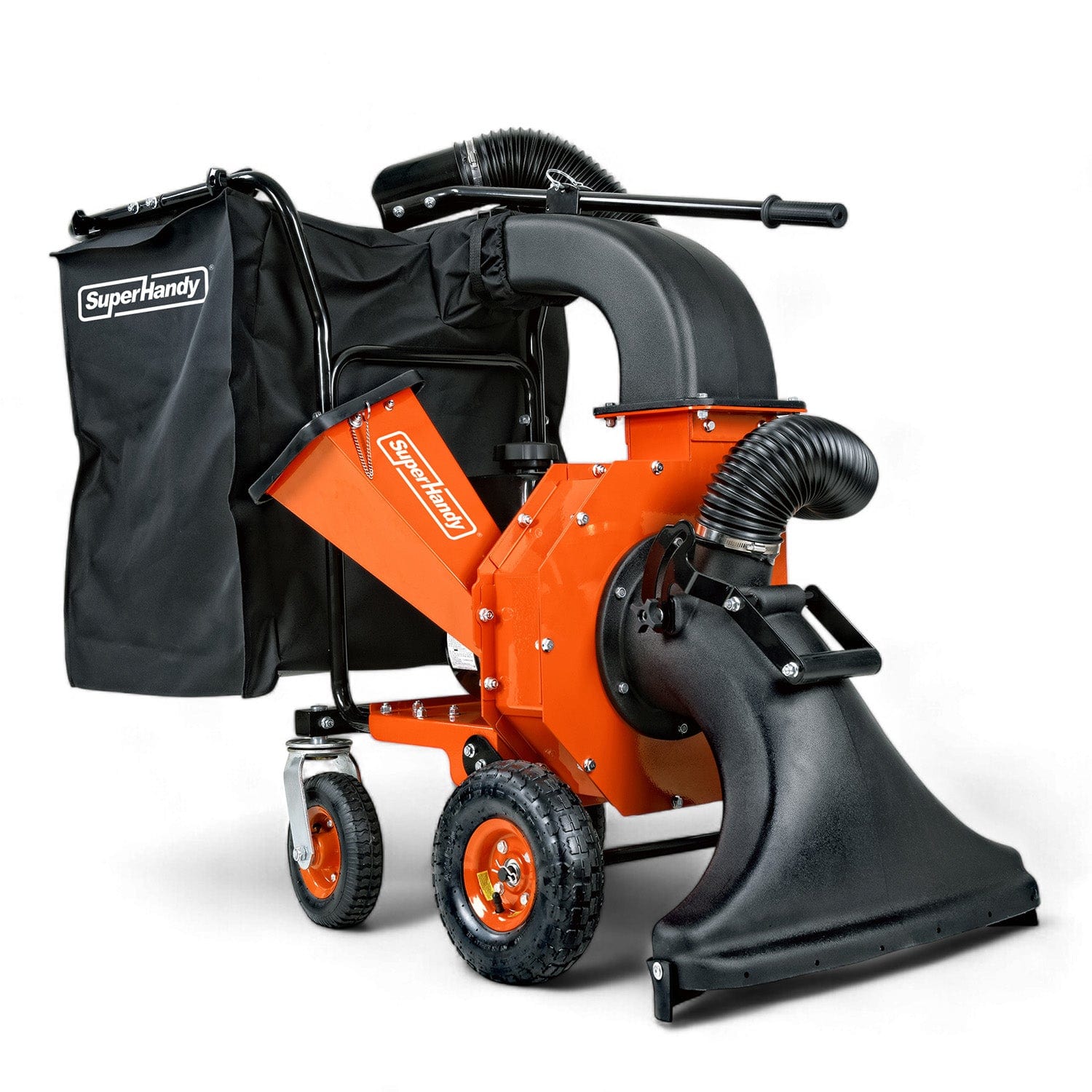
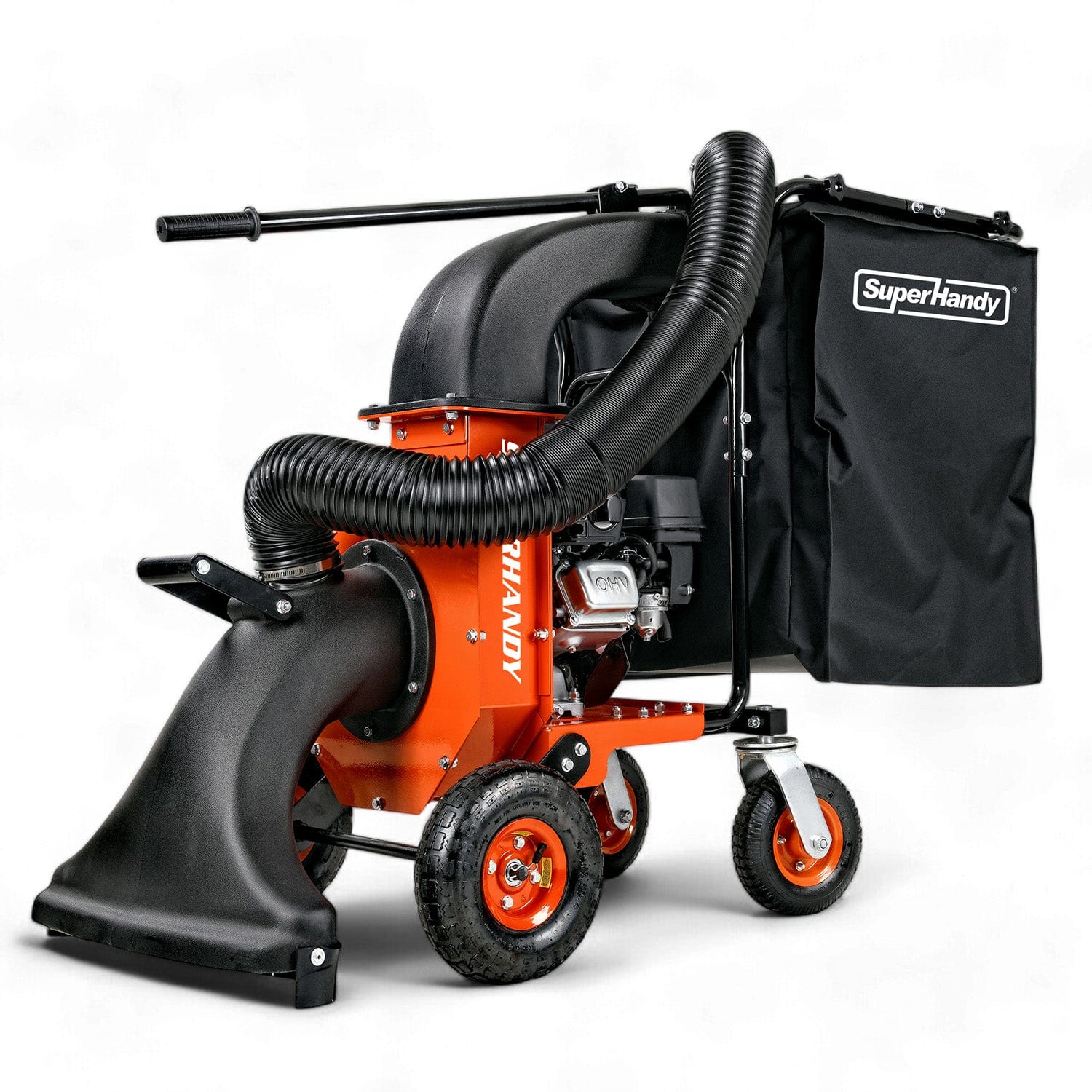
- Motor/Engine: This is the heart of your machine, providing the power for all its functions. It can be a gas engine, a corded electric motor, or a cordless battery-powered motor.
- Impeller: A powerful fan, often made of durable metal, is the key to this tool’s versatility. When in blower mode, it generates a high-speed stream of air. In vacuum mode, it creates suction and pulls debris inward, chopping it into fine pieces as it passes through. This shredding action is what makes it so much more than a simple yard vac, performing a similar job to dedicated Leaf Mulchers.
- Blower & Vacuum Tubes: Your machine will come with at least two interchangeable tubes. The narrower blower tube concentrates air for maximum force, while the wider vacuum tube is designed to suck up large volumes of leaves without constant clogging.
- Collection Bag: This durable, detachable bag connects to the machine in vacuum mode to collect the shredded leaf material, which is now ready for your compost pile or garden beds.
Choosing the Right Tool for the Job: Blower vs. Vacuum vs. Mulcher Modes
Your leaf blower vacuum mulcher is essentially three tools in one. Knowing when to use each mode is the secret to maximum efficiency.
- Blower Mode: This is your go-to for the first phase of cleanup. Use the blower to quickly clear large, open areas like lawns and driveways. It’s suitable for moving leaves out from under bushes, from delicate flower beds, and off of patios. Think of this as the "herding" phase, where you gather all the scattered leaves into a few manageable piles.
- Vacuum Mode: Once you have your leaves piled up, it’s time to switch to vacuum mode. This function is ideal for precise, targeted collection. Use it to suck up your consolidated leaf piles, clean out tight corners, or remove debris from gravel paths and rock gardens where a blower would send stones flying.
- Mulcher Mode: The mulcher function works automatically whenever you are in vacuum mode. As the leaves are sucked through the machine, the impeller shreds them into a fine, nutrient-rich mulch. This dramatically reduces the volume of your debris—often by a ratio of 10:1 or more—meaning fewer bags to haul to the curb.

Mastering the Blower Function: Clearing Paths and Hard Surfaces Effectively
Using your blower like a pro is about strategy, not just raw power. A little technique goes a long way in reducing your cleanup time.
First, check the wind direction and work with it, not against it. Let nature give you a helping hand. Start at the edges of your property, like along fences, garden beds, and the foundation of your house. Blow all the debris toward the center of your lawn or an open area. Use a low, steady, sweeping motion with the nozzle, as if you were using a broom. Pointing the nozzle straight down will only scatter the leaves and create more work. Your goal is to create one or two large, consolidated piles, which will make the next step—vacuuming—much quicker.
Optimizing Vacuum Mode: Collecting Leaves Without Clogging
Clogging is the most common frustration when using a leaf vacuum mulcher, but it’s almost always preventable. To ensure a smooth, uninterrupted workflow, follow these simple tips.
The single best way to avoid clogs is to work with dry leaves. Wet, matted leaves are heavy and stick together inside the vacuum tube and around the impeller. If you can, wait for a sunny or windy day to dry the leaves out before you begin. Before tackling a pile, do a quick visual scan for large sticks, pinecones, rocks, or other hard debris. Your vacuum is tough, but it’s designed for leaves and small twigs; larger objects can jam the tube or damage the impeller. Instead of plunging the tube into the center of a huge pile, work from the edges and draw the leaves in steadily. This "nibbling" approach maintains consistent airflow and prevents the tube from getting overwhelmed. For public access decisions, ADA.gov explains how covered entities evaluate wheelchairs and other power-driven mobility devices.
The Power of Mulching: How to Reduce Debris Volume Significantly
The "mulcher" in your leaf blower vacuum mulcher is a game-changing feature that transforms yard cleanup. Instead of just collecting bulky leaves, the mulching function shreds them into a fine, manageable material. As leaves are vacuumed up the tube, they pass through a high-speed impeller—a fan with sharp, durable blades—that chops and dices them before depositing them into the collection bag.
The primary benefit is a dramatic reduction in volume. Many models boast a mulching ratio of 10:1 or even higher, meaning they can reduce 10 bags of whole leaves down to just one bag of mulch. This not only saves you countless trips to the curb or compost pile but also makes the debris much easier to handle and store. This powerful shredding action is what separates a basic leaf vacuum from high-efficiency Leaf Mulchers. The resulting nutrient-rich mulch is suitable for enriching your garden soil, protecting plant roots over the winter, or accelerating your compost pile.

Safety First: Essential Precautions for Operating Your Leaf Blower Vacuum Mulcher
Operating any power tool requires your full attention and respect for its capabilities. A leaf blower vacuum mulcher is no exception. Before you even start the engine or plug in the cord, prioritizing safety is crucial to prevent injury. According to the Occupational Safety and Health Administration's guidance on power tools, users should always wear appropriate personal protective equipment (PPE) and inspect their tools before use.
Follow these essential precautions every time you work:
- Wear Protective Gear: Always wear safety glasses or goggles to protect your eyes from flying debris. Hearing protection, such as earplugs or muffs, is highly recommended due to the loud noise produced. Sturdy, closed-toe shoes and long pants will shield your legs and feet, while gloves improve your grip and protect your hands.
- Clear the Area: Before you begin, scan your yard for rocks, sticks, toys, and other hard objects that could become dangerous projectiles or damage the machine's impeller. Also, ensure that pets and other people are a safe distance away.
- Handle with Care: Use both hands to operate the tool for maximum control. Maintain a firm footing and balanced posture to avoid slips and falls, especially on uneven or wet ground.
- Never Reach Inside: Never put your hands or any other object into the blower or vacuum tubes while the machine is running. If a clog occurs, turn the unit off and unplug it or remove the battery before attempting to clear the obstruction.
- Read the Manual: Your manufacturer's manual is the ultimate guide to your specific model's features, assembly, and safety warnings. Read it thoroughly before your first use.
Pre-Operation Checklist: Ensuring Your Tool is Ready for Action
A quick 5-minute check before you start can save you time and prevent interruptions later. Run through this simple checklist to ensure your leaf blower vacuum mulcher is in prime condition for the job ahead.
- Inspect the Collection Bag: Make sure the bag is completely empty and securely zipped or latched. Check for any rips, holes, or worn seams that could allow dust and debris to escape. A damaged bag should be replaced.
- Secure Tubes and Nozzles: Confirm that the blower tube or vacuum tube assembly is correctly installed and locked firmly into place for your intended function. A loose tube can detach during operation.
- Check Your Power Source:
- Corded Electric: Inspect the entire length of the power cord for any cuts, frays, or exposed wires. Use only a heavy-duty outdoor-rated extension cord.
- Cordless/Battery: Ensure your battery is fully charged for maximum runtime and power.
- Gas-Powered: Check that you have the correct fuel/oil mixture and that the tank is filled.
- Clear Vents and Guards: Verify that all safety guards are in place. Clear any leaves or dirt from the motor's air intake vents to prevent overheating.
- Visually Inspect the Impeller: With the unit turned off and disconnected from its power source, look into the inlet to ensure the impeller is free from any wrapped-up debris or caked-on gunk from a previous job.
Step-by-Step Guide: Efficiently Clearing Your Lawn with Your Leaf Blower Vacuum Mulcher
Ready to tackle that leafy lawn? Following a strategic process will help you clear your yard faster and more effectively.
Step 1: Start with Blower Mode Don't begin by vacuuming. It's far more efficient to use the powerful blower function first. Work with the wind, not against it, to make your job easier. Start at the perimeter of your lawn, blowing leaves away from flower beds, fences, and your home's foundation toward an open, central area.
[IMAGE PLACEHOLDER]
Step 2: Create Manageable Piles Instead of trying to create one gigantic mountain of leaves, aim for several smaller, more manageable piles. This prevents the bottom leaves from getting too compacted and makes the vacuuming process much quicker. A good strategy is to create a new pile every 15-20 feet.
Step 3: Switch to Vacuum/Mulch Mode Once your leaves are piled up, turn off the machine and disconnect it from power. Safely switch the configuration from blower to vacuum mode by swapping the tubes and securely attaching the collection bag.
Step 4: Vacuum and Mulch the Piles Turn the unit back on and begin vacuuming your piles. For best results, attack the pile from the edges and work your way inward. This prevents the nozzle from getting overwhelmed and clogging. Listen to the sound of the motor; if it starts to strain, pull the nozzle back to allow it to catch up.
Step 5: Empty the Bag Regularly For optimal suction and mulching performance, empty the collection bag when it is about two-thirds full. A completely full bag reduces airflow, decreases efficiency, and can become very heavy and awkward to carry.
Step 6: Use Your Mulch You're done! Now you have a bag full of nutrient-rich mulch. You can add it to your compost bin, spread it around the base of trees and shrubs to retain moisture and suppress weeds, or till it into your garden beds to improve soil structure.
Advanced Techniques: Tackling Wet Leaves and Difficult Debris
While your leaf blower vacuum mulcher is a champion with dry leaves, wet leaves and other debris like pine needles can pose a challenge. Don't worry—with the right approach, you can conquer them, too.
Wet leaves are heavy and tend to stick together, making them a primary cause of clogs. The secret is not to tackle a soggy pile head-on. First, use the blower function on a high setting to spread the wet leaves into a thinner, more even layer. This exposes more surface area to the air, allowing them to dry out partially. Once they are merely damp instead of soaked, switch to vacuum mode. Work in smaller sections and move the nozzle slowly to avoid overwhelming the impeller. This patient approach prevents clogs and ensures your machine works efficiently.
For difficult debris like pine needles, acorns, and small twigs, a combination of blowing and vacuuming is most effective. Use the blower to gather them into a concentrated pile away from delicate garden beds. Then, switch to vacuum mode to collect the pile. Be aware that larger twigs and nuts can damage the impeller, so it's always best to rake those out of the pile by hand before vacuuming.

Maintenance Matters: Keeping Your Leaf Blower Vacuum Mulcher in Top Condition
A well-maintained tool is a reliable and safe tool. Just a few minutes of care after each use will dramatically extend the life of your leaf blower mulcher and ensure it’s ready to go when you need it.
- Clean After Every Use: After powering down and disconnecting the power source, wipe down the exterior of the machine. Empty the collection bag completely and turn it inside out to shake out any lingering dust and debris. Check the vacuum and blower tubes for any stuck leaves or twigs and clear them out.
- Inspect the Impeller: The impeller is the heart of your machine, responsible for chopping leaves into fine mulch. Before inspecting it, always ensure the unit is unplugged or the battery is removed. According to the OSHA hand and power tool safety guidance, keeping tools in good condition through regular maintenance is a critical part of preventing injuries. Carefully check the impeller fins for caked-on debris, which can cause imbalance and reduce performance. Use a stiff brush and a wooden stick (never your hands) to dislodge any stubborn material.
- Battery Care (for Cordless Models): To maximize the life of your lithium-ion battery, store it in a cool, dry place away from direct sunlight. Avoid leaving it on the charger for extended periods after it's fully charged, and don't store it in a fully discharged state.
- Check Your Bag: Inspect the collection bag regularly for any rips, tears, or worn seams. A damaged bag can leak dust and debris, reducing suction and creating a mess.
Troubleshooting Common Issues: What to Do When Things Go Wrong
Even with perfect maintenance, you might occasionally run into a snag. Here’s how to troubleshoot the most common problems with your leaf blower vacuum mulcher.
Problem: The unit has no power or won't start.
- Solution (Cordless): Ensure your battery is fully charged and properly seated in the tool. Listen for the "click" to confirm it's locked in.
- Solution (Corded): Check that the plug is firmly connected to both the tool and the extension cord. Make sure the outlet is working and that you haven't tripped a circuit breaker.
Problem: The vacuum has poor suction.
- Solution: This is almost always caused by one of two things: a full collection bag or a clog. First, empty the bag. If suction doesn't improve, turn off and disconnect the power, then inspect the vacuum tube and the inlet to the impeller housing for an obstruction.
Problem: The machine is vibrating excessively.
- Solution: Turn off the unit immediately. Excessive vibration is often a sign of a damaged or unbalanced impeller. Disconnect the power and inspect the fins. If they are chipped, bent, or have debris caked on one side, this is the likely cause. Clean it thoroughly. If the impeller is damaged, it will need to be replaced before further use.
Extending the Life of Your Mulch: Creative Uses for Your Mulched Leaves
Don't let that "black gold" you just created go to waste! The finely shredded leaves from your leaf blower vacuum are an excellent resource for your yard and garden. For those tackling even bigger cleanup jobs with thicker branches, dedicated Leaf Mulchers can produce even more valuable material for your landscape.
Here are a few creative ways to use your mulch:
- Enrich Your Garden Beds: Apply a 2-3 inch layer of mulched leaves around your perennials, shrubs, and vegetables. This natural mulch helps retain soil moisture, suppresses weed growth, and insulates plant roots from extreme temperatures.
- Supercharge Your Compost: Mulched leaves are a perfect "brown" material for a compost pile. They break down much faster than whole leaves, providing the carbon needed to balance "green" materials like grass clippings and kitchen scraps.
- Feed Your Lawn: Spread a very thin layer of your leaf mulch across your lawn. As the tiny pieces decompose, they will return valuable nutrients to the soil, acting as a slow-release natural fertilizer.
Frequently Asked Questions
Even the most seasoned yard work enthusiast has questions. Your leaf blower vacuum mulcher is a versatile tool, and understanding its nuances can make all the difference in your efficiency and the final result. In this section, we'll answer some of the most common questions we hear from users to help you get the most out of your machine.
FAQ: What is the ideal speed setting for blowing leaves?
Finding the perfect speed setting on your leaf blower mulcher isn't about a single "correct" number; it's about matching the power to the task at hand. Using a variable speed setting effectively will save you time, give you better control, and prevent you from making a bigger mess.
-
Low Speed: Use a gentle airflow for delicate jobs. This setting is suitable for clearing leaves from around fragile flowerbeds, out of rock gardens, or off gravel paths without scattering your landscape materials everywhere. It’s also ideal for dusting off patios, decks, and outdoor furniture.
-
Medium Speed: This is your go-to, all-purpose setting for general yard cleanup. Medium speed provides enough power to move dry leaves across your lawn efficiently without being so aggressive that you lose control of the pile. It’s the sweet spot for herding leaves into manageable groups before vacuuming.
-
High Speed / Turbo Mode: Reserve the highest setting for your toughest challenges. Use full power to dislodge large, heavy piles of leaves, especially if they are damp or matted down. This setting is also effective for clearing wide-open spaces quickly or for blasting stubborn debris like twigs and pinecones from the grass. Be mindful that high speeds can kick up a lot of dust and small debris, so always wear safety glasses.

Ultimately, the best approach is to start low and gradually increase the speed until you find the minimum power necessary to move the debris effectively. This gives you maximum control and extends the runtime on battery-powered models.
FAQ: How often should I clean the impeller/fan?
The impeller is the heart of your leaf vacuum mulcher’s shredding capability. It’s a fan with metal or high-impact plastic blades that shreds leaves and debris as they are vacuumed up. A clean, unobstructed impeller is crucial for performance, so regular cleaning is non-negotiable.
As a general rule, you should inspect and clean the impeller after every few significant uses, or at a minimum, before you store it at the end of the season. However, certain signs will tell you it's time for an immediate cleaning:
- Reduced suction power: If the vacuum feels weak, the first thing to check is the impeller.
- Unusual vibrations: A buildup of debris can unbalance the fan, causing the unit to vibrate excessively.
- A change in motor sound: Clogs can strain the motor, often resulting in a higher-pitched or struggling sound.
If you are vacuuming wet, sappy leaves or pine needles, you should clean the impeller after each use. This type of debris creates a sticky residue that can quickly harden, clog the system, and even lead to corrosion over time. Before performing any maintenance, it is absolutely essential to disconnect the tool from its power source—either by unplugging it or removing the battery. This prevents accidental startups, a critical step outlined in OSHA hand and power tool safety guidance for preventing injuries.

Keeping this component clean ensures your leaf blower vacuum mulcher operates at peak efficiency and achieves the best possible reduction ratio. A well-maintained machine is the key to creating the fine, nutrient-rich material that makes modern Leaf Mulchers so valuable for your garden and compost pile.
FAQ: What is the ideal speed setting for blowing leaves?
Finding the perfect speed setting on your leaf blower mulcher isn't about a single "correct" number; it's about matching the power to the task at hand. Using a variable speed setting effectively will save you time, give you better control, and prevent you from making a bigger mess.
-
Low Speed: Use a gentle airflow for delicate jobs. This setting is suitable for clearing leaves from around fragile flowerbeds, out of rock gardens, or off gravel paths without scattering your landscape materials everywhere. It’s also ideal for dusting off patios, decks, and outdoor furniture.
-
Medium Speed: This is your go-to, all-purpose setting for general yard cleanup. Medium speed provides enough power to move dry leaves across your lawn efficiently without being so aggressive that you lose control of the pile. It’s the sweet spot for herding leaves into manageable groups before vacuuming.
-
High Speed / Turbo Mode: Reserve the highest setting for your toughest challenges. Use full power to dislodge large, heavy piles of leaves, especially if they are damp or matted down. This setting is also effective for clearing wide-open spaces quickly or for blasting stubborn debris like twigs and pinecones from the grass. Be mindful that high speeds can kick up a lot of dust and small debris, so always wear safety glasses.

Ultimately, the best approach is to start low and gradually increase the speed until you find the minimum power necessary to move the debris effectively. This gives you maximum control and extends the runtime on battery-powered models.
FAQ: How often should I clean the impeller/fan?
The impeller is the heart of your leaf vacuum mulcher’s shredding capability. It’s a fan with metal or high-impact plastic blades that shreds leaves and debris as they are vacuumed up. A clean, unobstructed impeller is crucial for performance, so regular cleaning is non-negotiable.
As a general rule, you should inspect and clean the impeller after every few significant uses, or at a minimum, before you store it at the end of the season. However, certain signs will tell you it's time for an immediate cleaning:
- Reduced suction power: If the vacuum feels weak, the first thing to check is the impeller.
- Unusual vibrations: A buildup of debris can unbalance the fan, causing the unit to vibrate excessively.
- A change in motor sound: Clogs can strain the motor, often resulting in a higher-pitched or struggling sound.
If you are vacuuming wet, sappy leaves or pine needles, you should clean the impeller after each use. This type of debris creates a sticky residue that can quickly harden, clog the system, and even lead to corrosion over time. Before performing any maintenance, it is absolutely essential to disconnect the tool from its power source—either by unplugging it or removing the battery. This prevents accidental startups, a critical step outlined in OSHA hand and power tool safety guidance for preventing injuries.

Keeping this component clean ensures your leaf blower vacuum mulcher operates at peak efficiency and achieves the best possible reduction ratio. A well-maintained machine is the key to creating the fine, nutrient-rich material that makes modern Leaf Mulchers so valuable for your garden and compost pile.
Related Products



Leave a comment
All comments are moderated before being published.
This site is protected by hCaptcha and the hCaptcha Privacy Policy and Terms of Service apply.