










Understanding the Energy Sources Powering Your Log Splitter
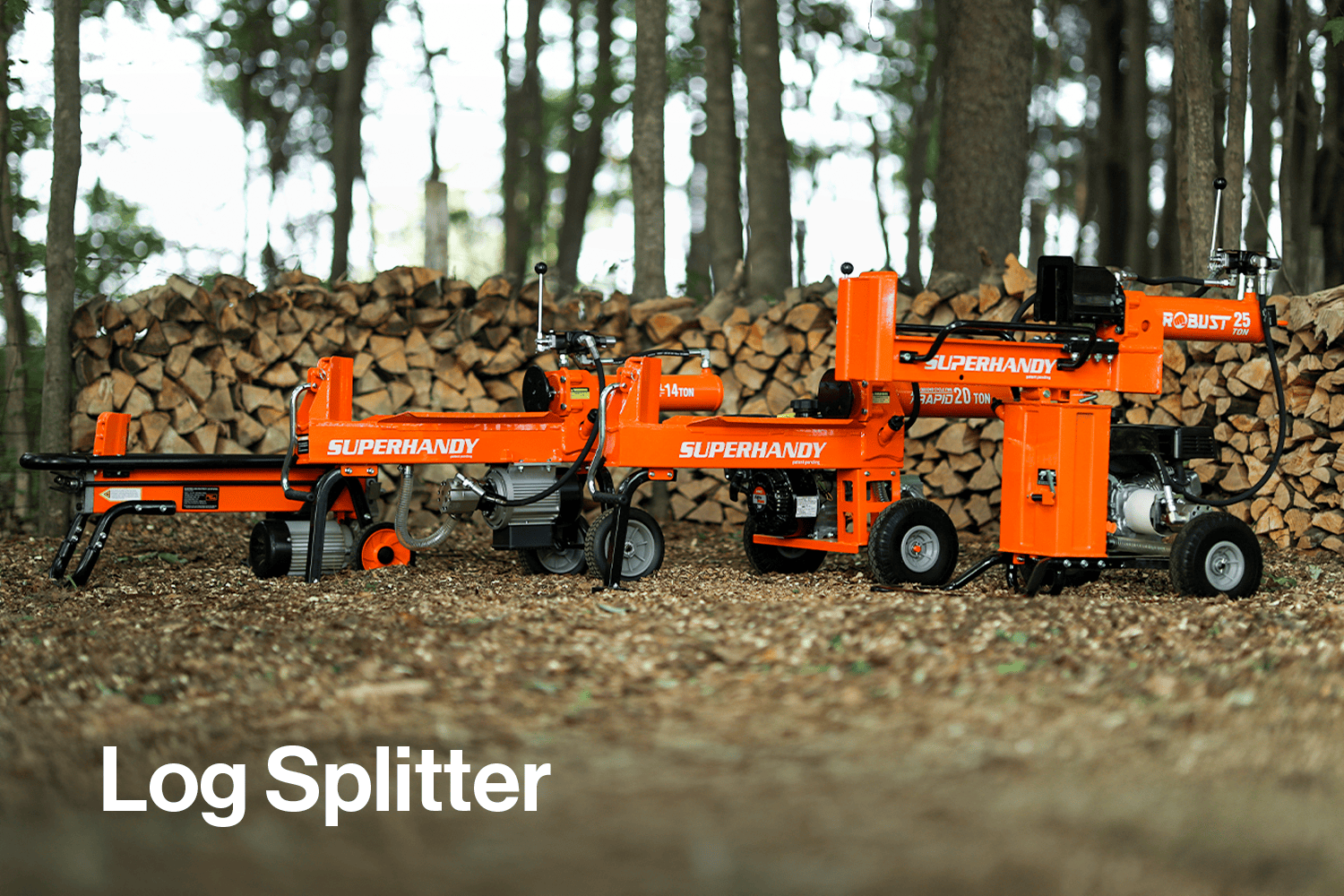
The first and most significant factor in a splitter's environmental impact is its power source. Log splitters generally fall into three categories: gas-powered, electric-powered, and manual. Each draws its energy from a vastly different well, with equally different consequences.
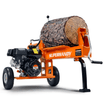
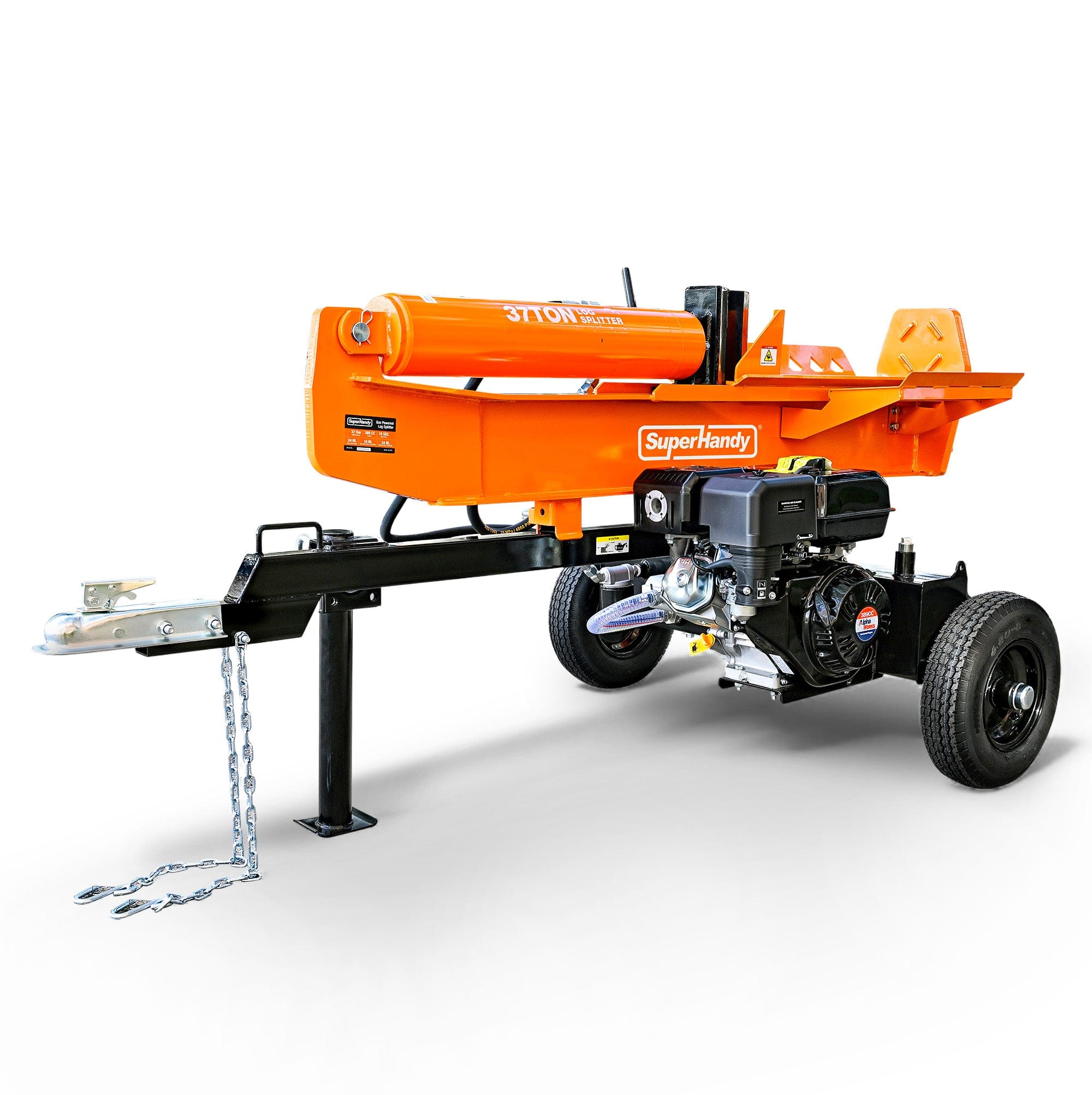
- Gas-Powered: These machines are the workhorses of the splitting world, offering immense power and portability. However, they run on gasoline, a fossil fuel. Their operation is directly dependent on a non-renewable resource, and the engine's combustion process releases emissions straight into the atmosphere.
- Electric-Powered: An electric wood splitter plugs into a standard wall outlet. Its direct environmental impact at your home is zero—no fumes, no messy fuel. However, its "green" credentials depend entirely on how your local electricity is generated. If your power grid relies heavily on coal or natural gas, the splitter has an indirect carbon footprint. Conversely, if your electricity comes from solar, wind, or hydroelectric sources, its impact is minimal.
- Manual-Powered: This category includes hydraulic hand-pump splitters and non-hydraulic tools like a kindling splitter. These rely on human power. From a pure energy consumption standpoint, they are the most environmentally friendly option, producing no emissions and using no external resources.
Assessing the Carbon Footprint: Fuel Consumption and Emissions
Drilling down from the energy source, we get to the specific carbon footprint. This is where the difference between gas and electric models becomes most apparent. A gas-powered log splitter is equipped with a small internal combustion engine, similar to a lawnmower. During operation, this engine burns gasoline and releases greenhouse gases, including carbon dioxide (CO2), as well as other air pollutants like nitrogen oxides (NOx) and particulate matter. While a single-use session may seem small, the cumulative effect over a machine's lifetime contributes to air pollution.

In contrast, electric log splitters are celebrated for their zero-emission operation. At the site of use, they produce no harmful fumes, making them a cleaner choice for both the user's health and the immediate environment. The carbon cost is displaced to the power plant. This means your choice has a geographic and ethical dimension: using an electric model in a region powered by renewables is a significantly cleaner act than using one in a region powered by fossil fuels. When comparing different types of log splitters, understanding this distinction between direct and indirect emissions is crucial for making an informed, eco-conscious decision.
The Noise Pollution Factor: Impact on Local Wildlife and Communities
An often-overlooked environmental impact is noise pollution. The loud, engine-driven roar of a gas-powered log splitter can be highly disruptive. In residential or suburban areas, this noise can easily exceed local ordinances and create tension with neighbors. It's more than just a nuisance; it's a form of environmental pollution.
For local wildlife, the impact can be severe. The sudden, loud, and repetitive noise can cause significant stress to animals, interrupting their natural feeding, mating, and nesting patterns. Birds may abandon nests, and mammals like deer can be driven from their core habitat to avoid the disturbance. If you plan to split wood in a rural area or near a forest, the quiet operation of an electric or manual splitter is a far more considerate choice for the ecosystem you inhabit. Electric models produce only a low hum from the motor and hydraulics, which is a fraction of the noise a gas engine creates.
Land Use and Habitat Disruption: Where Does Your Splitting Happen?
Finally, consider the broader context of land use. The log splitter itself occupies a tiny footprint, but the wood it processes comes from a much larger one. The environmental impact here is tied directly to your wood sourcing practices. If you are clearing healthy, mature forests to create firewood, the negative impact on the habitat, biodiversity, and carbon sequestration is immense and far outweighs any benefit of using the wood for fuel.
However, this is also where a log splitter can be part of a sustainable solution. By using your machine to process wood that is already down—such as trees felled by storms, deadfall cleared for fire prevention, or limbs from routine property maintenance— you are making use of a resource that would otherwise rot or be discarded. In this context, the splitter becomes a tool for responsible land management and fuel self-sufficiency, allowing you to turn local, salvaged wood into a sustainable heat source while avoiding the habitat destruction associated with irresponsible logging.
Waste Generation: Sawdust, Wood Scraps, and Packaging
While a log splitter is a machine of production, it’s also a machine of—well, mess. Every time you split a log, you generate waste. The most obvious byproduct is sawdust. While it can seem like a nuisance, sawdust is entirely biodegradable and can be repurposed. Many users collect it to use as mulch in garden beds, add it to compost piles to balance nitrogen-rich green materials, or even mix it with wax to create effective fire starters.
Beyond sawdust, you'll also have small wood scraps and bark that fly off during splitting. Like sawdust, these are organic materials that can be easily repurposed. The smaller bits make excellent tinder for starting fires, and larger, awkward chunks can be used as kindling. The primary environmental concern regarding waste comes from the initial purchase. Your new wood splitter will arrive in a combination of cardboard, plastic wrap, and foam inserts. Responsible disposal is key; recycle the cardboard and check with your local waste management service on how to properly handle the plastic and foam packaging.
The Upside: Sustainable Fuel and Reduced Transportation Emissions
One of the most significant environmental benefits of processing your own firewood is the drastic reduction in transportation emissions. When you purchase pre-split firewood from a big-box store or gas station, that wood has likely traveled hundreds of miles on a diesel truck. It’s been processed at a central facility, packaged (often in plastic), and distributed across a wide region. By using a log splitter to process wood sourced from your own property or a local supplier, you effectively eliminate these "fuel miles."
Furthermore, firewood itself can be a sustainable, carbon-neutral fuel source. When a tree grows, it absorbs carbon dioxide from the atmosphere. When you burn its wood, it releases that same amount of carbon back into the air. As long as the wood comes from a sustainably managed source—such as fallen trees after a storm or selective clearing to promote forest health—it is considered a renewable resource. This stands in stark contrast to fossil fuels like natural gas or oil, which release ancient carbon that has been locked away for millions of years.

Comparing Log Splitters to Alternative Wood Processing Methods
Before the advent of hydraulic machines, the axe and splitting maul were the only tools for the job. From a purely environmental standpoint, manual splitting is the champion—it runs on human power, creates no emissions, and is relatively quiet. However, it is incredibly labor-intensive, time-consuming, and carries a significant risk of physical strain or injury. For anyone needing to process more than a small handful of logs, it’s simply not a practical option.
A log splitter automates this process, offering a powerful and efficient middle ground. It allows a single person to process a full cord of wood in a fraction of the time it would take with an axe, making heating with wood a more accessible option. While it consumes energy, its overall impact must be weighed against its utility and safety benefits. A specialized tool like a kindling splitter offers a safer, more controlled way to create smaller pieces than a hatchet, further refining the wood processing workflow.
Electric vs. Gas-Powered Log Splitters: An Environmental Showdown
The single biggest factor determining your splitter’s environmental impact is its power source. The debate between gas and electric models is a classic environmental showdown.
Gas-powered log splitters are the traditional workhorses. They are typically more powerful, capable of splitting large, dense hardwoods with ease. Their main advantage is portability, as they can be used anywhere without needing an electrical outlet. However, this power comes at an environmental cost. Gas engines produce direct emissions, including carbon monoxide and other pollutants that contribute to local air pollution. They are also significantly louder, creating noise pollution that can disturb both neighbors and wildlife, and they carry the risk of fuel or oil spills.
Electric log splitters, on the other hand, are the clear winners for local environmental health. They produce zero direct emissions, making the air around your workspace cleaner and safer to breathe. They are also dramatically quieter, operating at a volume that is much less disruptive. While their power is typically measured in tons of force, modern electric models are more than capable of handling the needs of most homeowners. When choosing between the various log splitters for sale, consider that an electric model's primary environmental drawback is indirect; the electricity it uses may be generated by fossil fuel power plants. However, if your home is powered by renewable energy like solar or wind, your electric splitter runs with a near-zero carbon footprint.
Best Practices for Minimizing the Environmental Impact of Your Log Splitter
Owning a log splitter gives you control over your firewood supply, but how you use it significantly influences its environmental toll. Adopting a few best practices can dramatically reduce energy consumption and waste, regardless of whether you own a gas or electric model.
First, work efficiently by batching your tasks. Instead of starting the machine for a few logs here and there, dedicate specific times to split a large quantity of wood. This simple habit minimizes the number of cold starts for a gas engine—a period of higher emissions—and reduces overall energy use for an electric unit. Consider the condition of your wood as well. While seasoned wood burns cleaner, splitting slightly green wood (if your machine is powerful enough) can sometimes require less force, saving fuel or electricity. Finally, match the tool to the job. Using a heavy-duty 20-ton splitter for small branches is overkill; a smaller, more efficient electric or manual kindling splitter is a much greener choice for lighter work.
Maintenance Matters: How Proper Care Extends Lifespan and Reduces Waste
A well-maintained machine is an efficient, safe, and long-lasting machine. Neglecting basic upkeep not only shortens your log splitter's life, leading to premature replacement and manufacturing waste, but it also increases its immediate environmental impact. A dull splitting wedge or low hydraulic fluid forces the engine or motor to work harder, consuming more fuel or electricity to achieve the same result. Regularly sharpening the wedge and keeping hydraulic systems topped off with the correct fluid ensures every cycle operates at peak efficiency.
Proper maintenance is also crucial for preventing direct pollution. For gas and hydraulic models, routinely inspect hoses, fittings, and seals for any signs of wear or leaks. A single drip of oil or gasoline can contaminate a surprising amount of soil and groundwater. Furthermore, keeping a machine in good working order is a key safety measure. According to the Consumer Product Safety Commission, regular equipment checks are a vital part of preventing accidents and ensuring safe operation. By taking care of your equipment, you protect both the environment and yourself, all while reducing the demand for replacement parts and new machines.
The Role of Renewable Energy in Powering Electric Log Splitters
One of the most significant environmental advantages of electric log splitters is their potential to be powered by clean energy. While a gas splitter will always rely on fossil fuels, an electric model’s carbon footprint is tied directly to its electricity source. If your home is powered by a utility that invests heavily in wind, solar, or hydroelectric power, the operational emissions of your splitter are already very low.
You can take this a step further by creating a truly zero-emissions wood processing system. Homeowners with rooftop solar panels can run their electric log splitters during the day using self-generated, 100% renewable energy. The rise of portable power stations and solar generators also offers a fantastic off-grid solution. You can charge a power station with solar panels and then use it to run your splitter anywhere on your property, completely independent of the grid and fossil fuels. As the nation's energy grid continues to incorporate more renewables, the environmental case for electric equipment becomes stronger every year.
Long-Term Considerations: Durability and End-of-Life Disposal
The environmental impact of a tool begins with its production and ends with its disposal. To minimize this lifecycle footprint, prioritize durability from the start. Investing in a high-quality, robustly built log splitter made from heavy-gauge steel means it will withstand years of hard work, reducing the need for frequent replacements and the associated manufacturing emissions. Look for brands that have a reputation for reliability and offer accessible spare parts, which empowers you to repair rather than replace the unit.
Even the most durable machine will eventually reach the end of its useful life. Responsible disposal is the final step in environmental stewardship. The good news is that log splitters are highly recyclable. The main frame and components are typically made of steel, which is a valuable material for scrap metal recyclers. Before taking it to a recycling center, be sure to drain all fluids, including engine oil and hydraulic fluid. These must be taken to a designated hazardous waste collection facility to prevent soil and water contamination. Tires and plastic guards can often be recycled as well, so check with your local waste management authority for proper procedures.
Frequently Asked Questions about Log Splitter Environmental Impact
When you're committed to sustainable living, every tool and process comes under scrutiny. Here are answers to some of the most common questions we hear about the environmental footprint of splitting your own wood.
Is using a log splitter more environmentally friendly than buying firewood?
This is a fantastic question, and the answer is often yes, but it depends heavily on a few key factors. Using a log splitter can be a significantly greener choice primarily due to two things: transportation and sourcing.
Commercially sold firewood, especially the plastic-wrapped bundles you find at gas stations and grocery stores, can have a surprisingly large carbon footprint. This wood is often harvested, processed, and then transported hundreds of miles by heavy-duty trucks to reach distribution centers and final retail locations. This transportation chain burns a substantial amount of fossil fuel.
When you split your own wood, you slash those "wood miles" to nearly zero. If you are using wood from your own property—like a fallen tree from a storm—or sourcing it from a local arborist, you are eliminating the largest source of emissions associated with firewood. You also avoid the plastic packaging waste common with store-bought bundles. The energy used by your wood splitter is a factor, but it's typically a much smaller environmental cost compared to the extensive commercial supply chain. Ultimately, local processing of local wood is almost always the more sustainable option.

What are the main environmental concerns associated with gas-powered log splitters?
While powerful and portable, gas-powered log splitters present the most significant environmental concerns compared to electric or manual models. Their impact can be broken down into four main areas:
-
Air Pollution: The internal combustion engine is the primary culprit. Gas engines release greenhouse gases like carbon dioxide (CO2), which contributes to climate change. They also emit other harmful pollutants, including carbon monoxide (CO), nitrogen oxides (NOx), and particulate matter, all of which degrade local air quality and can contribute to respiratory issues and smog.
-
Noise Pollution: Gas-powered equipment is notoriously loud. The intense noise from a gas wood splitter can be highly disruptive to both human communities and local wildlife. For animals, loud, unnatural noises can interfere with communication, disrupt breeding patterns, and cause stress that forces them to abandon their habitats.
-
Fossil Fuel Dependency: By their very nature, these machines run on gasoline and require engine oil—non-renewable resources. The entire lifecycle of these fuels, from extraction and refining to transportation, carries its own massive environmental baggage.
-
Risk of Contamination: Maintenance and refueling create opportunities for spills. Gasoline and oil can contaminate soil and seep into groundwater, posing a direct threat to the local ecosystem, including plants, insects, and water sources. Careful handling is essential to prevent this type of localized pollution.
Is using a log splitter more environmentally friendly than buying firewood?
This is a fantastic question, and the answer is often yes, but it depends heavily on a few key factors. Using a log splitter can be a significantly greener choice primarily due to two things: transportation and sourcing.
Commercially sold firewood, especially the plastic-wrapped bundles you find at gas stations and grocery stores, can have a surprisingly large carbon footprint. This wood is often harvested, processed, and then transported hundreds of miles by heavy-duty trucks to reach distribution centers and final retail locations. This transportation chain burns a substantial amount of fossil fuel.
When you split your own wood, you slash those "wood miles" to nearly zero. If you are using wood from your own property—like a fallen tree from a storm—or sourcing it from a local arborist, you are eliminating the largest source of emissions associated with firewood. You also avoid the plastic packaging waste common with store-bought bundles. The energy used by your wood splitter is a factor, but it's typically a much smaller environmental cost compared to the extensive commercial supply chain. Ultimately, local processing of local wood is almost always the more sustainable option.

What are the main environmental concerns associated with gas-powered log splitters?
While powerful and portable, gas-powered log splitters present the most significant environmental concerns compared to electric or manual models. Their impact can be broken down into four main areas:
-
Air Pollution: The internal combustion engine is the primary culprit. Gas engines release greenhouse gases like carbon dioxide (CO2), which contributes to climate change. They also emit other harmful pollutants, including carbon monoxide (CO), nitrogen oxides (NOx), and particulate matter, all of which degrade local air quality and can contribute to respiratory issues and smog.
-
Noise Pollution: Gas-powered equipment is notoriously loud. The intense noise from a gas wood splitter can be highly disruptive to both human communities and local wildlife. For animals, loud, unnatural noises can interfere with communication, disrupt breeding patterns, and cause stress that forces them to abandon their habitats.
-
Fossil Fuel Dependency: By their very nature, these machines run on gasoline and require engine oil—non-renewable resources. The entire lifecycle of these fuels, from extraction and refining to transportation, carries its own massive environmental baggage.
-
Risk of Contamination: Maintenance and refueling create opportunities for spills. Gasoline and oil can contaminate soil and seep into groundwater, posing a direct threat to the local ecosystem, including plants, insects, and water sources. Careful handling is essential to prevent this type of localized pollution.
Related Products



Leave a comment
All comments are moderated before being published.
This site is protected by hCaptcha and the hCaptcha Privacy Policy and Terms of Service apply.