














Understanding Your Mobility Scooter's Key Components for Maintenance
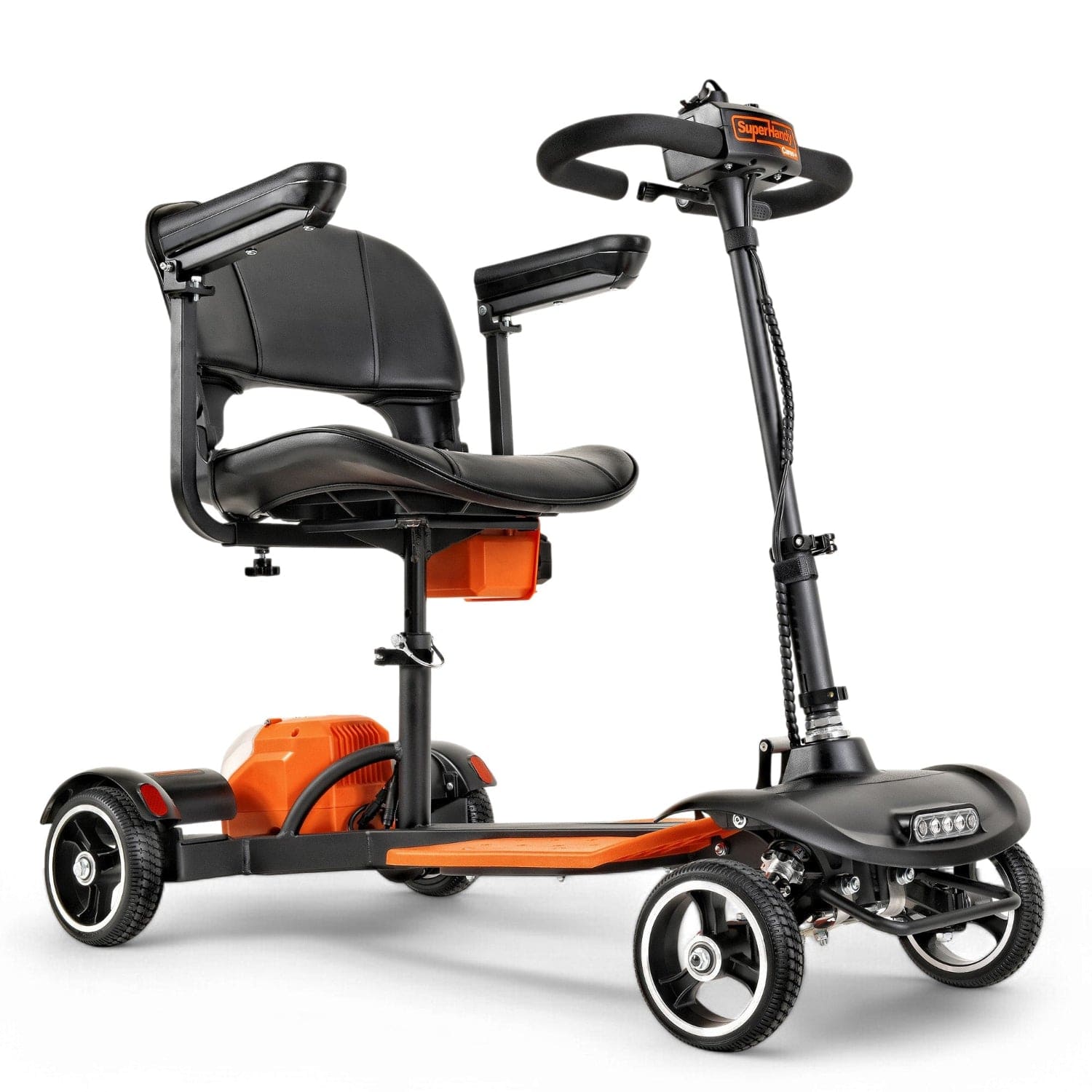
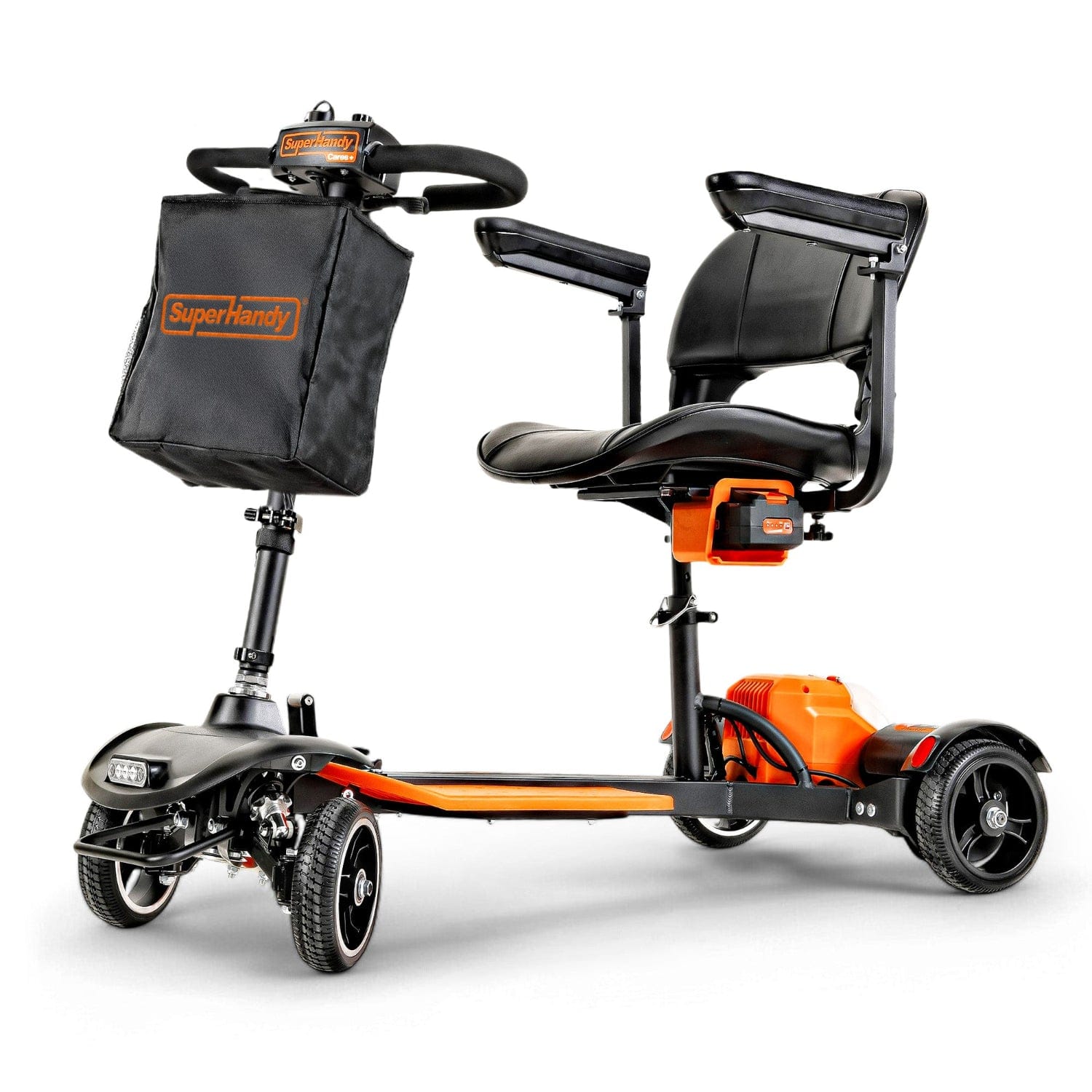
Familiarizing yourself with the main parts of your mobility scooter is the first step toward effective maintenance. While models vary, most share a common anatomy. Think of it as getting to know your vehicle so you can spot issues before they become major problems.
- The Tiller: This is the steering column at the front, which houses the controls, including the throttle, speed dial, horn, and battery gauge. Keeping this area clean and dry is crucial for the electronics.
- The Battery and Charger: The powerhouse of your scooter. Understanding your battery type (usually Sealed Lead Acid or Lithium-Ion) and its specific charging needs is the single most important aspect of maintenance.
- The Drivetrain: This includes the motor, transaxle, and brakes. While much of this is sealed, you should listen for any unusual noises that could indicate a problem.
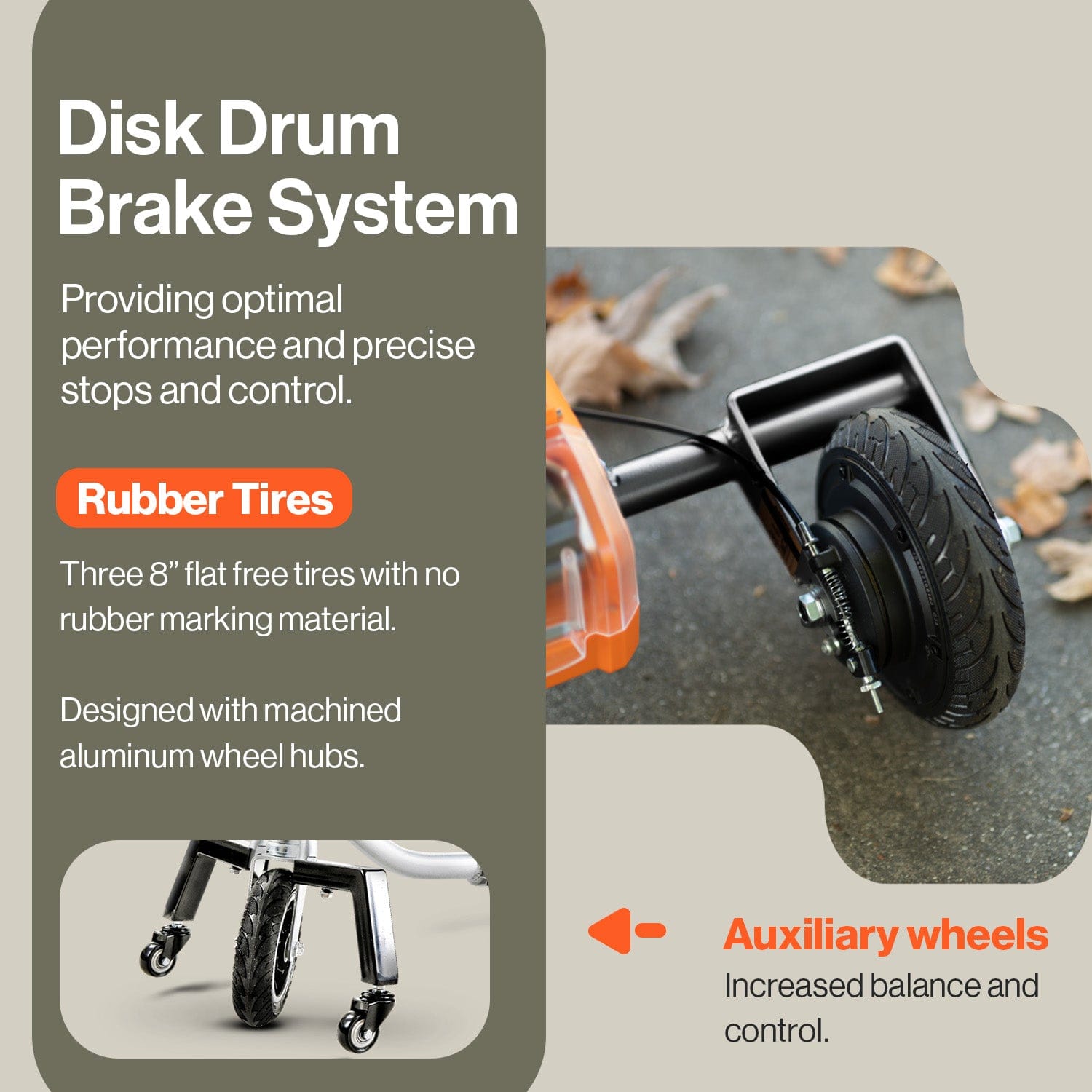
- Tires and Wheels: Your scooter’s connection to the ground. Whether they are solid or air-filled (pneumatic), their condition directly impacts ride comfort, traction, and safety.
- The Seat and Frame: The seat provides comfort and support, while the frame is the scooter’s skeleton. Regular checks for loose bolts or cracks will keep your ride stable and secure.

Essential Pre-Ride Checks: Ensuring Safety and Readiness Every Time
Just like a pilot performs a pre-flight check, a quick inspection before each ride can prevent unexpected issues and ensure your journey is a safe one. Make this 2-minute routine a habit.
- Battery Gauge: Glance at the battery indicator. Is there enough charge for your planned trip and a little extra?
- Tire Inspection: Quickly look at the tires. Do they look properly inflated (if pneumatic)? Are there any visible signs of damage or excessive wear?
- Brake Test: As you start to move slowly, gently engage the brakes to ensure they are responsive and bring you to a smooth, firm stop.
- Tiller and Controls: Check that the tiller is locked securely in place. Test the horn and lights to confirm they are working.
- Listen for Noises: Pay attention to any new clicks, squeaks, or grinding sounds. Your scooter should operate smoothly and quietly.
Battery Care: Maximizing Lifespan and Charging Best Practices
The battery is the heart of your mobility scooter, and its health dictates your scooter's range and reliability. Following best practices for charging can double your battery's lifespan and save you from the cost and inconvenience of a premature replacement. The golden rule is to keep it charged.
For most mobility mobility scooters with Sealed Lead Acid (SLA) batteries, it’s best to charge the unit after every use, no matter how short the trip. This prevents the battery from sitting in a discharged state, which can cause permanent damage. Always use the manufacturer-provided charger, as it’s designed to deliver the correct voltage and amperage. Avoid letting the battery drain completely, and plan for an overnight charge (typically 8-10 hours) to ensure it reaches its full capacity. For public access decisions, ADA.gov explains how covered entities evaluate wheelchairs and other power-driven mobility devices.

Tire Maintenance: Inflation, Tread, and Replacement When Needed
Your scooter’s tires are critical for safety, efficiency, and ride quality. Neglecting them can lead to poor handling, reduced battery range, and even a dangerous blowout. Maintenance depends on whether you have solid (puncture-proof) or pneumatic (air-filled) tires.
For pneumatic tires, proper inflation is key. Check the pressure weekly using a simple tire gauge, and inflate them to the PSI level recommended on the tire’s sidewall. Under-inflated tires can decrease your battery range and make steering difficult, while over-inflation can create a harsh, bumpy ride. For all tire types, regularly inspect the tread. Once the tread pattern becomes smooth or you see cracks, bald spots, or damage, it’s time for a replacement. Worn tires significantly reduce traction, especially on wet or uneven surfaces, compromising the safety of your mobilized scooters.
Brake System Inspection: Keeping Your Scooter Safe to Operate
Your mobility scooter’s brake system is arguably its most critical safety feature. Most modern mobility scooters use an automatic, electromagnetic braking system. This system engages automatically whenever you release the throttle lever, bringing the scooter to a smooth and controlled stop. You can test this by driving at a slow speed on a flat, clear surface and letting go of the throttle. You should hear a distinct "click" as the brake engages and feel the scooter decelerate promptly. If you notice a delay, a grinding noise, or if the scooter fails to stop quickly, it's a sign that the brake needs professional service immediately. Some models also have a manual hand brake for emergencies or parking; ensure this lever moves freely and holds the scooter firmly in place when engaged.
Cleaning and Detailing: Protecting Your Scooter's Exterior and Functionality
Regular cleaning does more than just keep your mobilized scooter looking new; it's a crucial part of preventative maintenance. Dirt, dust, and grime can work their way into moving parts and electronic components, causing premature wear and potential malfunctions. To clean your scooter, use a soft, damp cloth with a solution of mild soap and water to wipe down the plastic shrouds, tiller, and seat. Never use a high-pressure hose or douse your scooter with water, as this can force moisture into the sensitive electronics and wheel bearings, leading to costly damage. For coverage planning, Medicare.gov outlines when wheelchairs and scooters may qualify as durable medical equipment.

Pay special attention to the dashboard and control levers, using a barely damp cloth to avoid introducing moisture into the controls. Use a soft brush to clear away debris from the wheels and the area around the motor and transaxle. After wiping it down, dry the entire scooter with a clean, soft towel. Applying a coat of automotive wax to the plastic body panels can provide an extra layer of protection against UV rays and make future cleanings easier.
Understanding and Addressing Common Mobility Scooter Noises
Your mobility scooter will make normal operational sounds, but new or unusual noises can be an early warning of a developing issue. Learning to identify them can save you from a breakdown.
- Squeaking: A squeak is often caused by plastic parts rubbing together or a dry bushing. If the noise comes from the seat post, try tightening it or applying a small amount of lubricant (check your owner’s manual for recommended types). Squeaking from the wheels could indicate dry bearings that need service.
- Clicking: A single click when you release the throttle is the normal sound of the electromagnetic brake engaging. However, if you hear persistent clicking while in motion, stop and check your tires for a stone or other debris stuck in the tread. If the tires are clear, the noise could be coming from the motor or transaxle and should be inspected by a technician.
- Beeping: Constant beeping is your scooter's way of communicating a problem. These are diagnostic codes. A series of beeps (e.g., two, five, or seven) corresponds to a specific fault, such as a low battery, a disconnected component, or a throttle fault. Consult your owner's manual to decipher the beep code and find the recommended solution.
Troubleshooting Minor Issues: What You Can Fix Yourself
Before calling for service, there are several simple troubleshooting steps you can take to resolve common issues with many mobility mobility scooters. Being able to perform these quick checks can get you moving again without a long wait or expensive service call.
Problem: The scooter won’t turn on.
- Check the Basics: Is the key fully inserted and in the "on" position?
- Check the Battery: Ensure the battery pack is seated correctly and the connectors are secure. Is the battery fully charged?
- Check the Breaker: Most scooters have a main circuit breaker reset button, often located near the battery pack. If it has popped out, push it back in.
- Check the Freewheel Lever: The scooter will not power on if the freewheel lever (which disengages the motor to allow for manual pushing) is in the "neutral" or "freewheel" position. Make sure it is set to "drive."
Problem: The scooter is running slower than usual.
- Check the Speed Dial: You may have accidentally turned the speed control knob to a lower setting.
- Check Battery Charge: A low battery will significantly reduce your scooter’s power and top speed. Give it a full charge.
- Check Tire Pressure: For scooters with pneumatic (air-filled) tires, low pressure can create drag and slow you down. Ensure they are inflated to the recommended PSI.
When to Call a Professional: Recognizing the Limits of DIY Maintenance
While routine checks and minor fixes are well within the grasp of most owners, it's crucial to recognize when a problem requires professional expertise. Your mobility scooter is a sophisticated piece of equipment and, for many, a vital one among various assistive devices that support independence. Attempting complex repairs without the right tools or knowledge can lead to further damage or, worse, compromise your safety.
You should contact a qualified technician if you encounter any of the following issues:
- Persistent Electrical Problems: If your scooter won’t turn on, the battery won’t hold a charge despite following best practices, or the console lights flicker erratically, it could signal a problem with the wiring, controller, or transaxle that needs professional diagnosis.
- Motor or Transaxle Noises: Any loud grinding, whining, or clunking sounds from the motor area are red flags. These often indicate internal gear or bearing failure that requires specialized repair.
- Brake System Failure: If your brakes feel weak, unresponsive, or make scraping sounds, do not use the scooter. A professional must inspect and repair the electromagnetic braking system to ensure it can operate safely.
- Frame or Steering Column Damage: Any cracks, bends, or significant damage to the scooter’s frame, chassis, or steering column compromises its structural integrity and must be assessed by a professional.
Seasonal Maintenance Tips for Different Climates
The environment where you use your mobility scooter plays a significant role in its maintenance needs. Adjusting your care routine based on the season will protect your investment and ensure reliable performance year-round.
For Hot, Sunny, and Dry Climates:
- Battery Protection: Heat is a battery’s enemy. Avoid leaving your scooter in direct sunlight for extended periods and never charge the battery in a hot, unventilated space. High temperatures can shorten its lifespan.
- Tire Pressure: Heat causes the air in your tires to expand. Check the tire pressure more frequently to ensure it remains within the manufacturer's recommended PSI, preventing potential blowouts.
- Dust and Debris: Dust can accumulate in the charging port, motor housing, and other crevices. Regularly wipe down your scooter and use compressed air to gently clean out hard-to-reach electronic components.
For Cold, Wet, and Snowy Climates:
- Battery Performance: Cold temperatures can temporarily reduce your battery's capacity and overall range. Store and charge your scooter in a temperate, dry location. If you must ride in the cold, be aware that you may not get as far on a single charge.
- Moisture Control: When it comes to mobility, mobility scooters are not fully waterproof. After riding in rain or snow, thoroughly wipe the entire machine dry, paying special attention to the control panel, charging port, and battery connections to prevent rust and electrical shorts.
- Tire Tread and Cleaning: Ensure your tires have ample tread for better traction on wet surfaces. Additionally, road salt used in winter is highly corrosive. Clean the undercarriage and frame of your mobilized scooter regularly to wash away salt and grime.
Storage Best Practices: Preserving Your Scooter During Downtime
If you won't be using your mobility scooter for a month or longer, proper storage is essential to prevent deterioration. Simply parking it in a corner can lead to a dead battery and flat-spotted tires.
Follow these steps for effective long-term storage:
- Clean It Thoroughly: Before storing, give your scooter a complete cleaning to remove any dirt, moisture, or corrosive substances.
- Charge the Battery Correctly: Do not store the scooter with a fully drained or a fully charged battery. For most battery types, a charge level between 50% and 80% is ideal for long-term health. Check your owner’s manual for specific recommendations.
- Choose the Right Location: Store the scooter in a climate-controlled, dry environment, such as a garage or a shed. Avoid areas with extreme temperature fluctuations or high humidity. Keep it out of direct sunlight.
- Elevate the Scooter: If possible, use blocks to lift the frame and take the weight off the tires. This prevents flat spots from developing, which can cause a bumpy ride when you use the scooter again.
- Perform Periodic Charges: Even in storage, a battery will slowly lose its charge. To prevent it from draining completely, plug it in to top it off for a few hours every 3-4 weeks.
Accessorizing for Durability: Choosing Protective Covers and Carriers
The right accessories do more than add convenience—they play a key role in protecting your scooter from wear and tear. Investing in high-quality protective gear is a smart way to extend the life of your machine.
A heavy-duty, weather-resistant cover is one of the most important accessories. Whether you park your scooter outside a shop for a few minutes or on a covered porch overnight, a cover shields it from rain, dust, and damaging UV rays that can fade paint and crack plastic components. Look for one made of durable, waterproof material with a soft inner lining to prevent scratches.
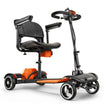
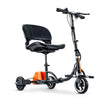
For those who transport their scooter by car, a robust vehicle carrier is essential. A well-designed carrier secures the scooter safely, preventing it from shifting and sustaining damage during transit. It also protects your vehicle from scuffs and scratches. When exploring different Mobility Scooters, consider how you plan to transport them and what accessories will best support their longevity. Smaller items like a tiller cover or a control panel protector can also guard sensitive electronics against unexpected downpours.
Frequently Asked Questions About Mobility Scooter Maintenance
Even with a detailed maintenance schedule, specific questions often arise as you get to know your mobility scooter. To help you keep your device in peak condition, we’ve compiled answers to some of the most common inquiries we receive. Proper care is essential for all types of Mobility Scooters, ensuring you can rely on your mobilized scooter for daily freedom and independence. Addressing these common concerns will help you perform routine upkeep with confidence, extending the life and performance of your investment.
FAQ: How often should I charge my mobility scooter battery?
This is one of the most critical questions for any mobility scooter owner, and the answer is simple: you should charge your battery after every use, no matter how short the trip was. Most mobility scooters use Sealed Lead Acid (SLA) or Absorbent Glass Mat (AGM) batteries, which perform best when kept at or near a full charge. Unlike older battery types, these do not have a "memory effect," so you don't need to fully drain them before recharging. For air travel, FAA PackSafe lists battery and handling rules for wheelchairs and mobility devices.

Consistently leaving your battery in a partially discharged state can lead to sulfation, a process where lead sulfate crystals build up on the battery plates, permanently reducing its capacity and lifespan. The best routine is to plug your scooter in to charge overnight. Most modern mobility mobility scooters come with a smart charger that automatically shuts off once the battery is full, preventing overcharging and making the process safe and effortless. Following this simple rule is the single most effective thing you can do to maximize your battery's longevity and ensure your mobility scooter is always ready for your next outing.
FAQ: What are the signs of a worn-out mobility scooter tire?
Your scooter's tires are its only point of contact with the ground, making their condition vital for safety, stability, and ride comfort. Regular inspection is key to identifying wear before it becomes a problem. Be on the lookout for several tell-tale signs that it's time for a replacement.
First, check the tread. Just like a car tire, your scooter's tires have grooves designed to channel water and provide grip. If these grooves have become very shallow or the tire surface looks smooth and bald, your traction will be significantly reduced, especially on wet or uneven surfaces. Another major red flag is visible cracking or crazing on the tire's sidewalls. This indicates the rubber is drying out and becoming brittle—a condition known as dry rot—which can lead to a sudden blowout.
Also, inspect for any bulges, blisters, or areas of uneven wear. A bulge signifies a weak spot in the tire's structure, while uneven wear might point to an alignment issue or chronic under-inflation. For air-filled (pneumatic) tires, experiencing frequent flats is another sign that the tire is compromised and needs replacement. Even if you have solid, foam-filled tires that can't go flat, you should still replace them if they are chunked, severely worn down, or provide an uncomfortably harsh ride, as their ability to absorb shock will be diminished.
Related Products


Leave a comment
All comments are moderated before being published.
This site is protected by hCaptcha and the hCaptcha Privacy Policy and Terms of Service apply.