













The Pre-Mover Struggle: Wrestling with the Trailer
If you’ve ever tried to back a travel trailer into a tight campsite, you know the routine. It’s a frustrating dance of inches, involving a spotter shouting directions, endless pulling forward to correct the angle, and the constant fear of hitting a tree, a picnic table, or the site’s power pedestal. For my wife and I, this was the most stressful part of every trip. The "trailer tango," as we called it, often ended in frayed nerves and a less-than-perfectly-parked rig. We’d settle for "good enough," even if it meant our awning was too close to a neighboring fire pit or the slide-out had barely enough clearance. The physical effort of manually pushing and pulling on the hitch to make tiny adjustments was exhausting and, frankly, felt like a recipe for a pulled muscle.

Discovering the Electric Trailer Mover: A Game Changer
Our breakthrough came during a trip to a packed national park. We watched in awe as a solo RVer, with a trailer larger than ours, unhitched and then effortlessly guided it into a seemingly impossible spot using a small, remote-controlled device. There was no shouting, no seven-point turns with the truck, just smooth, quiet precision. He parked it perfectly on the first try. We had to know what that magical gadget was. A quick chat revealed the secret: an electric powered trailer dolly. That evening, we dove into online research and discovered a whole world of these incredible tools designed to take the struggle out of trailer placement. It was the solution we didn't even know we were looking for.
Choosing the Right Mover: Key Features to Consider
Not all trailer movers are created equal, and we quickly learned that choosing the right one meant matching it to our specific needs. The first and most critical factor was towing capacity. It’s essential to select a mover rated to handle your trailer's Gross Vehicle Weight Rating (GVWR), not just its dry weight, to ensure safe operation. Next, we considered the power source. Many modern movers use powerful and rechargeable lithium-ion batteries. To get the most out of them, it's helpful to follow best practices for charging and storage, as proper care can significantly extend the lifetime of lithium-ion batteries. We also looked at tire design—all-terrain, deep-tread tires were a must for us, as we often encounter gravel, grass, and uneven dirt surfaces at campsites. Finally, we compared control features, prioritizing a model with intuitive forward and reverse controls and variable speed for maximum maneuverability.
Installation and First Impressions: Getting Started with the Mover
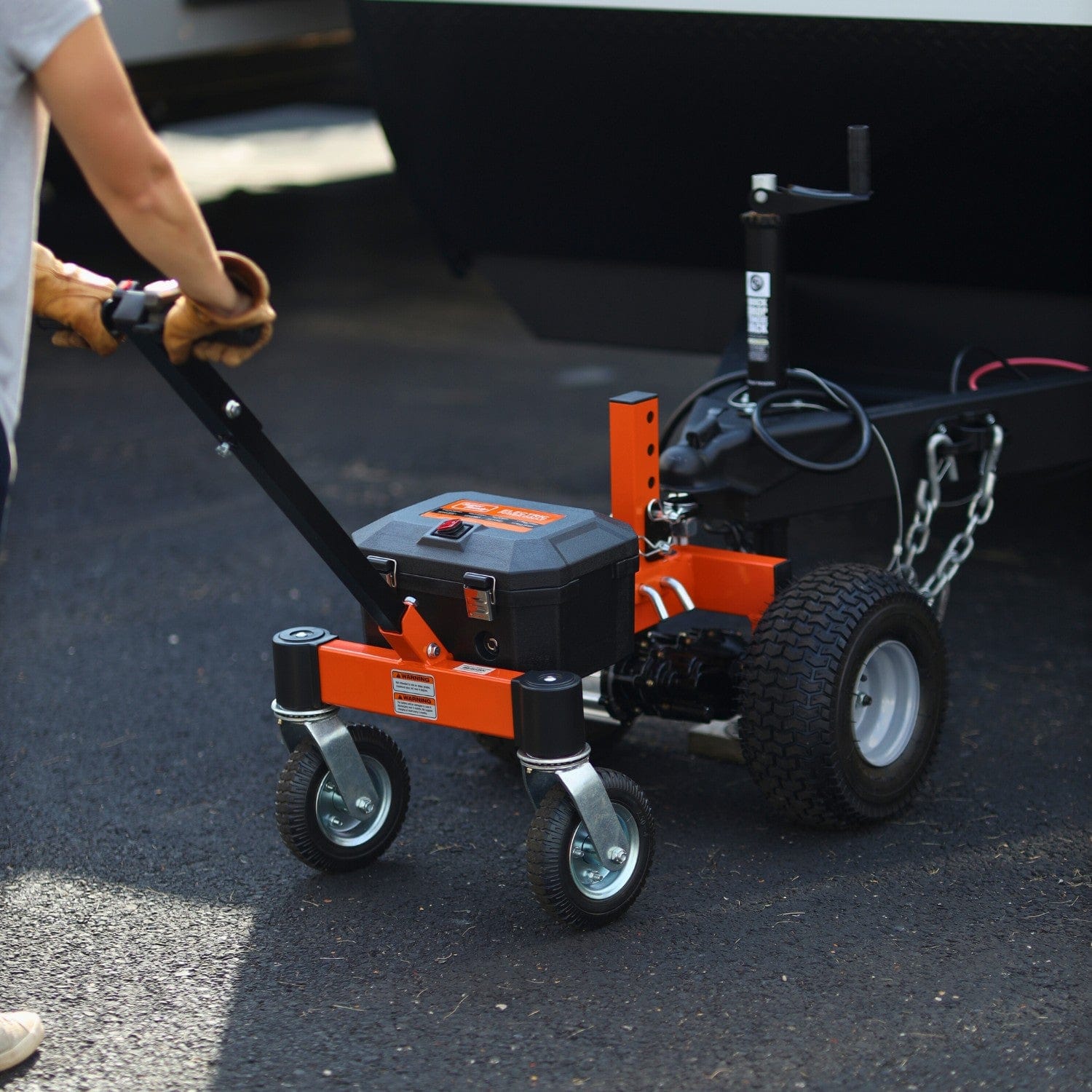
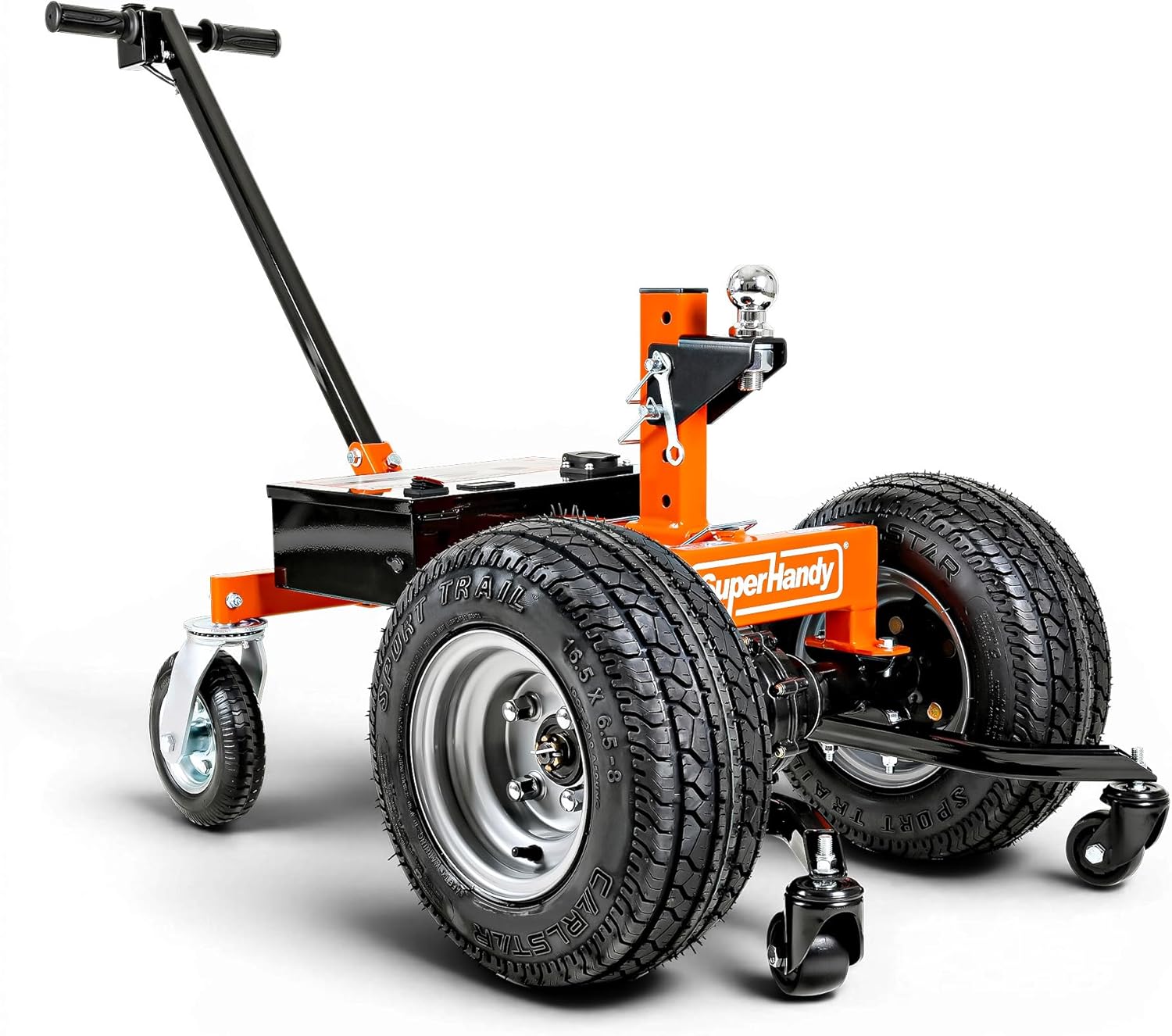
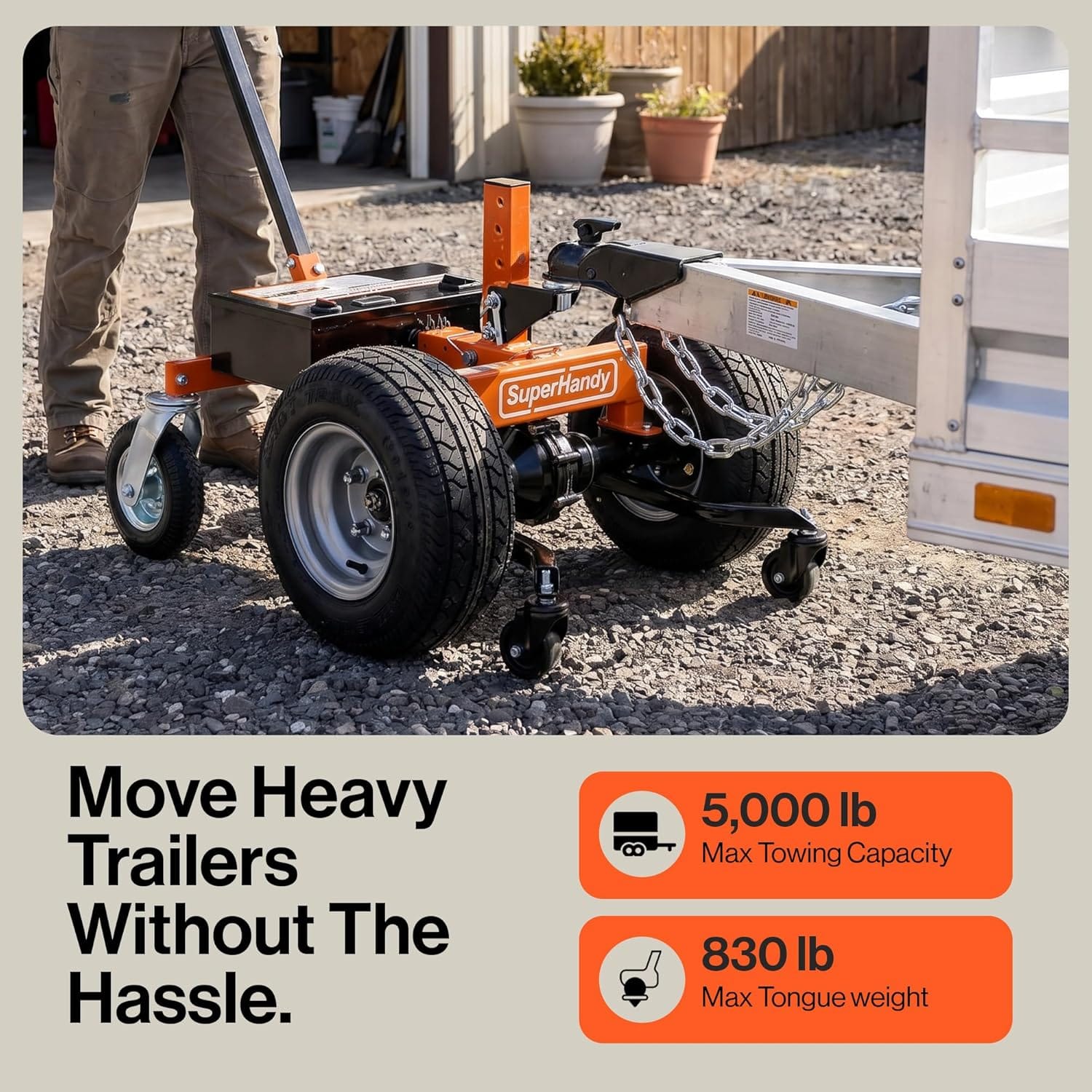
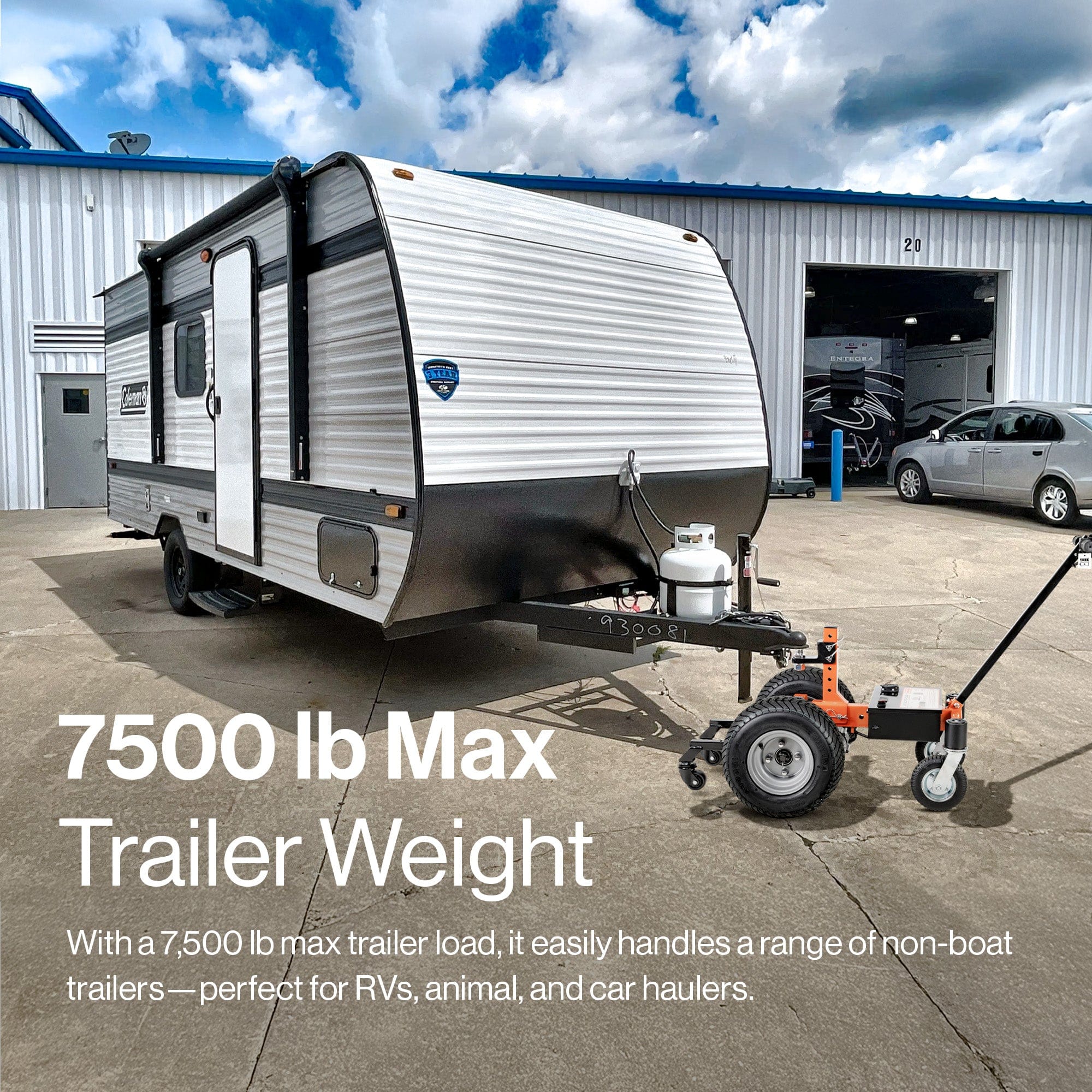
When our Electric Trailer Dolly arrived, I was pleasantly surprised by how straightforward the assembly was. The instructions were clear, and within about 20 minutes, it was ready to go. The real test, however, was attaching it to the trailer. The mover clamps onto the trailer's A-frame, and a specialized ball mount attachment connects directly to the trailer coupler. With the mover secured, I gripped the handle, pressed the "forward" button, and held my breath. The response was immediate and powerful. The mover engaged, and with a low hum, our 5,000-pound trailer began to glide forward. The sense of control was incredible. I could walk alongside the trailer, making micro-adjustments with my thumb. That first impression was one of pure empowerment—the dreaded "trailer tango" was officially a thing of the past.
The Campsite Challenge: Navigating Tight Spots with Ease
We’ve all been there. You pull up to a beautiful, secluded campsite, only to find it’s guarded by a narrow, winding path, a few poorly-placed trees, and a concrete pad that seems impossibly angled. My wife and I used to call this the "moment of truth." It involved a lot of shouting, a dozen back-and-forths with the truck, and the dreaded audience of fellow campers watching the show. Getting our trailer into tight spots was, without a doubt, the most stressful part of our trips.
That all changed with the trailer mover. The first time we faced a challenging back-in spot with our new dolly, the tension was gone. Instead of trying to maneuver a 25-foot trailer with a 20-foot truck, I was standing right at the hitch, guiding it with a simple remote. I could see every inch, walking alongside the trailer as it crept perfectly around a tight corner, missing a tree by a foot and a picnic table by inches. It turned an obstacle course into a simple walk in the park.
Precision Parking: Achieving the Perfect Trailer Placement
Getting into the campsite is one thing; getting the trailer exactly where you want it is another. Before, "good enough" was our motto. We'd get the trailer roughly on the pad, often crooked, and then spend ages trying to level it on uneven ground. The hookups would be a stretch, or the slide-out would be dangerously close to a bush.

With an Electric Trailer Dolly, I’ve become a parking perfectionist. I can now make millimeter-precise adjustments, moving the trailer forward or backward an inch at a time to line it up perfectly with the sewer connection. I can nudge it sideways to center it on the pad, ensuring the awning has maximum clearance and the steps land on solid ground. This level of control means setup is no longer a series of compromises. The trailer lands exactly where it needs to be on the very first try.
Reduced Physical Strain: A Boon for RVers of All Ages
Let's be honest: wrestling a multi-ton trailer, even just by the tongue, is hard work. For years, I’d end our setup process with an aching back and sore shoulders from cranking the jack and trying to manually push the hitch a few inches to align with the truck. The risk of sprains and strains from manhandling heavy equipment is a real concern for many. According to the U.S. Consumer Product Safety Commission, taking simple precautions and using the right tools for the job is a key part of injury prevention.
An electric powered trailer dolly has been a complete game-changer for my physical well-being. The machine does all the heavy lifting. My job is simply to guide it, which requires no more effort than pushing a shopping cart. It has made RVing more sustainable for me long-term, and it's a feature that makes the lifestyle more accessible to everyone, including solo travelers, older adults, or anyone who doesn't want to risk injury just to park their rig. My back sends its thanks after every trip.
Time Savings on Setup: More Time for Adventure
When you add up the time spent on multiple attempts to back in, the struggle to get perfectly level, and the effort to align the hitch, old-school setup could easily eat up an hour of our precious vacation time. That’s an hour of frustration, stress, and physical exertion before we could even start relaxing.
Now, our arrival is a smooth, efficient, and even enjoyable process. Parking the trailer takes about 10 minutes flat. That extra 45-50 minutes we get back is pure gold. It’s time for cracking open a cold drink, getting the campfire started before sunset, or taking a walk to explore the campground. The trailer mover didn't just make parking easier; it fundamentally changed the rhythm of our arrival day. It replaced stress with serenity and gave us back the one thing every RVer wants more of: time to enjoy the adventure.
Enhanced Safety: Preventing Accidents and Damage
Let’s be honest: maneuvering a large trailer with a tow vehicle, especially in reverse, is a high-stakes operation. Blind spots are huge, communication with a spotter can be fraught with tension, and a small miscalculation can lead to a costly dent in your RV or, worse, your truck. An electric trailer mover fundamentally changes this dynamic by improving safety on multiple fronts. By detaching the process from the tow vehicle, you can stand beside your trailer and get a 360-degree view of every obstacle. This eliminates the dangerous blind spots responsible for so many low-speed collisions. The slow, controlled movement prevents the sudden jerks and over-corrections that can cause jackknife situations or damage to hitches.
Furthermore, the physical risks to you and your partner are drastically reduced. Manually pushing or wrestling with a trailer, even for a minor adjustment, can lead to severe back strain, hernias, or crushing injuries if the trailer rolls unexpectedly. Using the right tool for the job is a core principle of injury prevention and consumer product safety. A powered dolly takes the strain, allowing you to guide thousands of pounds with the simple press of a button, protecting your body from the strenuous effort that often leads to accidents.
Real-World Scenarios: Overcoming Difficult Terrain
The perfect campsite—level, paved, and spacious—is more of a dream than a reality. More often, we’re faced with challenges that can turn setup into a nightmare. This is where a quality trailer mover proves its mettle.
Imagine arriving at a beautiful, wooded site, but the only available spot requires you to navigate between two large trees and back up a slight, grassy incline. With a truck, this would involve a dozen back-and-forths, churning up the ground and risking a collision. With a trailer mover, you simply unhitch in an open area, engage the dolly, and walk your trailer precisely through the gap and up the slope. The mover’s powerful motor and rugged, all-terrain tires provide the necessary traction on grass, gravel, or packed dirt, giving you control where a tow vehicle would be clumsy and oversized. Another common scenario is a tight, 90-degree back-in spot off a narrow campground road. Instead of blocking traffic and performing a multi-point turn, you can use the mover to pivot the trailer on a dime and guide it straight in.
The Long-Term Value: Is an Electric Trailer Mover Worth It?
When considering any significant purchase for your RV setup, the ultimate question is always about value. An electric trailer mover is an investment, but one that pays dividends in several ways. Financially, the cost of the mover can be easily offset by preventing a single accident. The repair bill for a minor scrape on your trailer’s gel coat or a dented truck bumper can quickly exceed the price of the dolly. It’s an insurance policy against those frustrating and expensive "oops" moments.
Beyond the monetary calculation is the value of your physical well-being and enjoyment. RVing is supposed to be relaxing. If every arrival is filled with stress, arguments, and physical exhaustion from wrestling the trailer, it diminishes the entire experience. By eliminating that strain, the mover can extend your RVing years and ensure you have the energy left to hike, fish, or simply relax by the fire. When you factor in the time saved, the arguments avoided, and the damage prevented, an Electric Trailer Dolly isn't just a gadget; it's a tool that enhances the entire RV lifestyle, making it a truly worthwhile investment for any serious RVer.
Beyond Campsites: Other Uses for Your Electric Mover
The utility of an electric powered trailer dolly doesn't end when your camping trip is over. Its versatility makes it an invaluable tool at home and for other hobbies. For many RV owners, the biggest challenge is parking the trailer in a tight storage space, a narrow side yard, or a packed garage. Maneuvering with a truck in these confined areas is often impossible. The dolly allows you to neatly tuck your trailer away for the season without needing a huge turning radius.
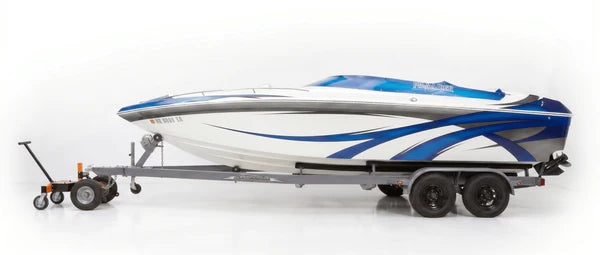
This usefulness extends to other types of trailers as well. Do you have a boat you need to get into the garage for the winter? The mover can handle it. What about a utility trailer full of landscaping materials that needs to be positioned perfectly in your backyard, or a small horse trailer that needs to be moved around the barn? An electric powered trailer dolly provides the muscle and precision for all these tasks, making it a year-round workhorse that adds value far beyond the campground.
Frequently Asked Questions about Electric Trailer Movers
Even after seeing how much an electric trailer mover can transform the RV experience, it's natural to have a few questions. This technology is a significant investment in your convenience and safety, so understanding the nuts and bolts is key. We've gathered some of the most common questions we hear from fellow RVers to help you get a clearer picture of how these powerful tools work and what it takes to keep them running smoothly.
How does an electric trailer mover actually work?
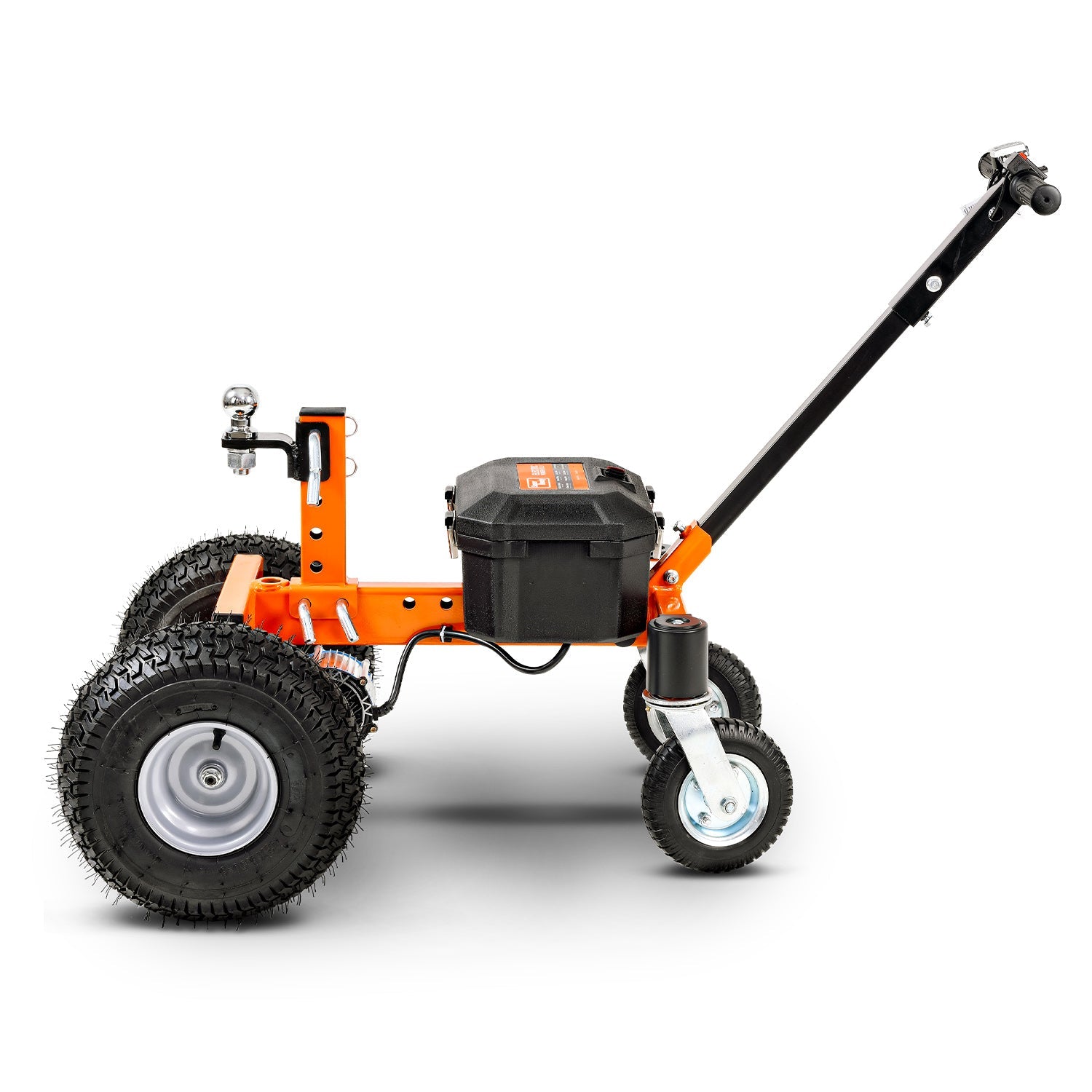
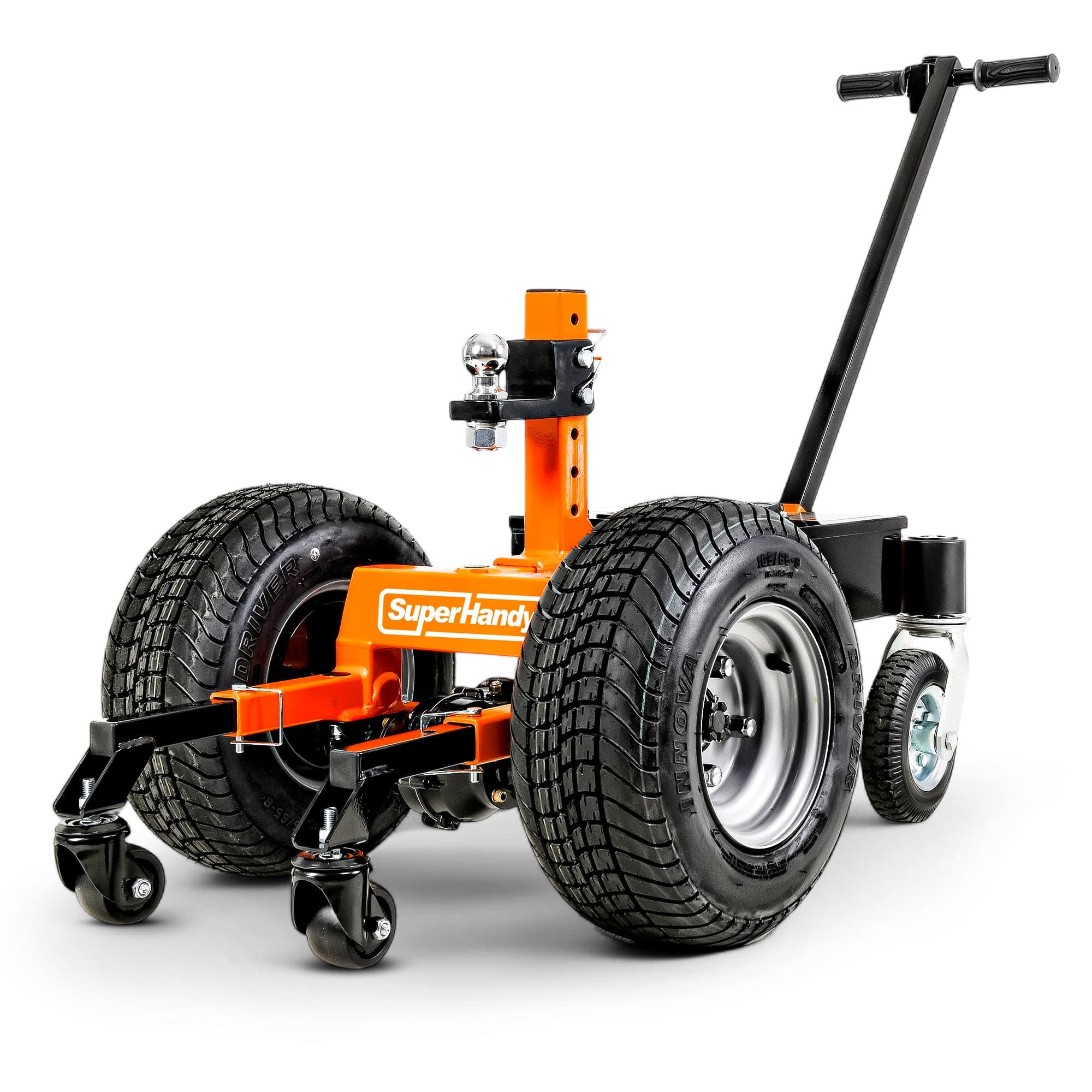
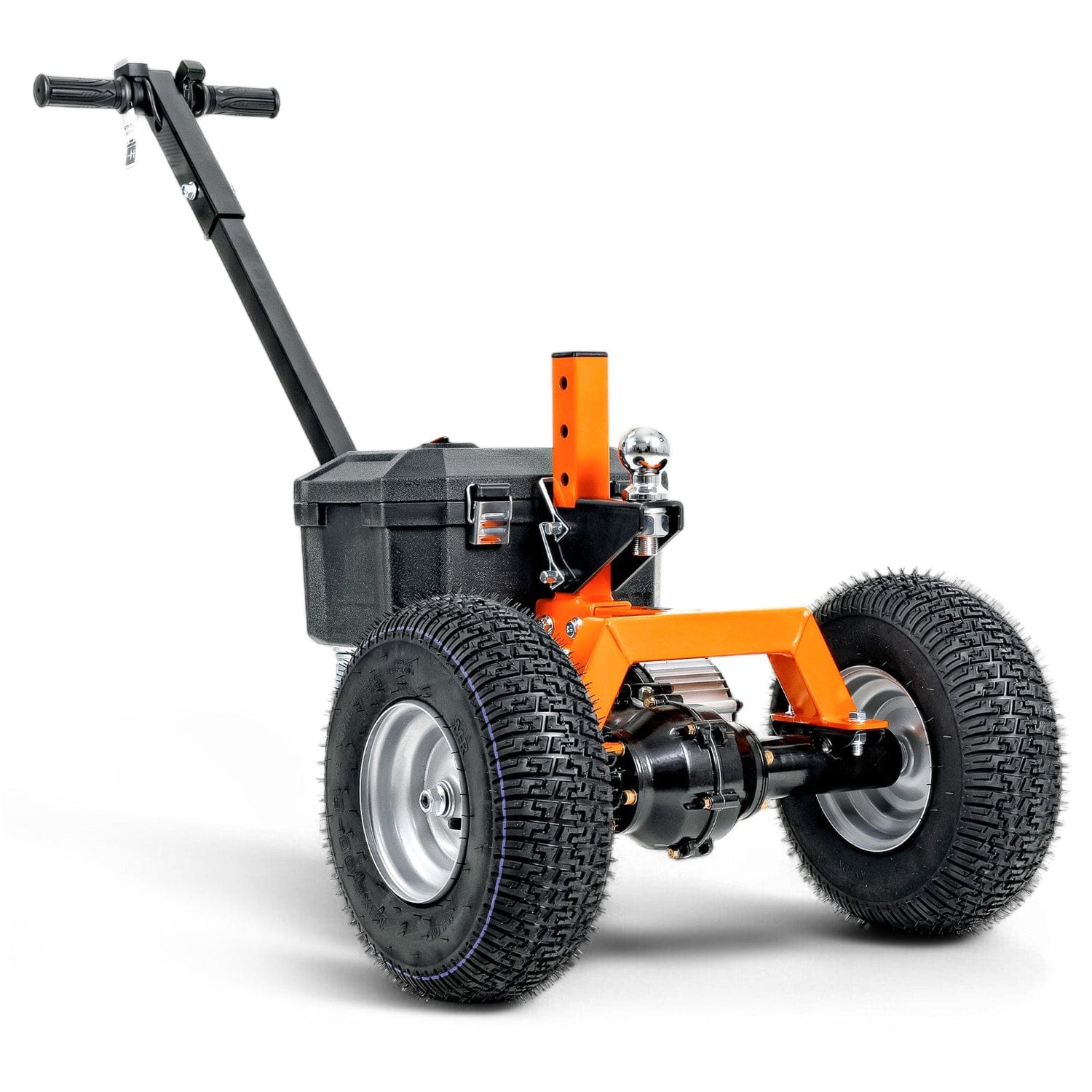
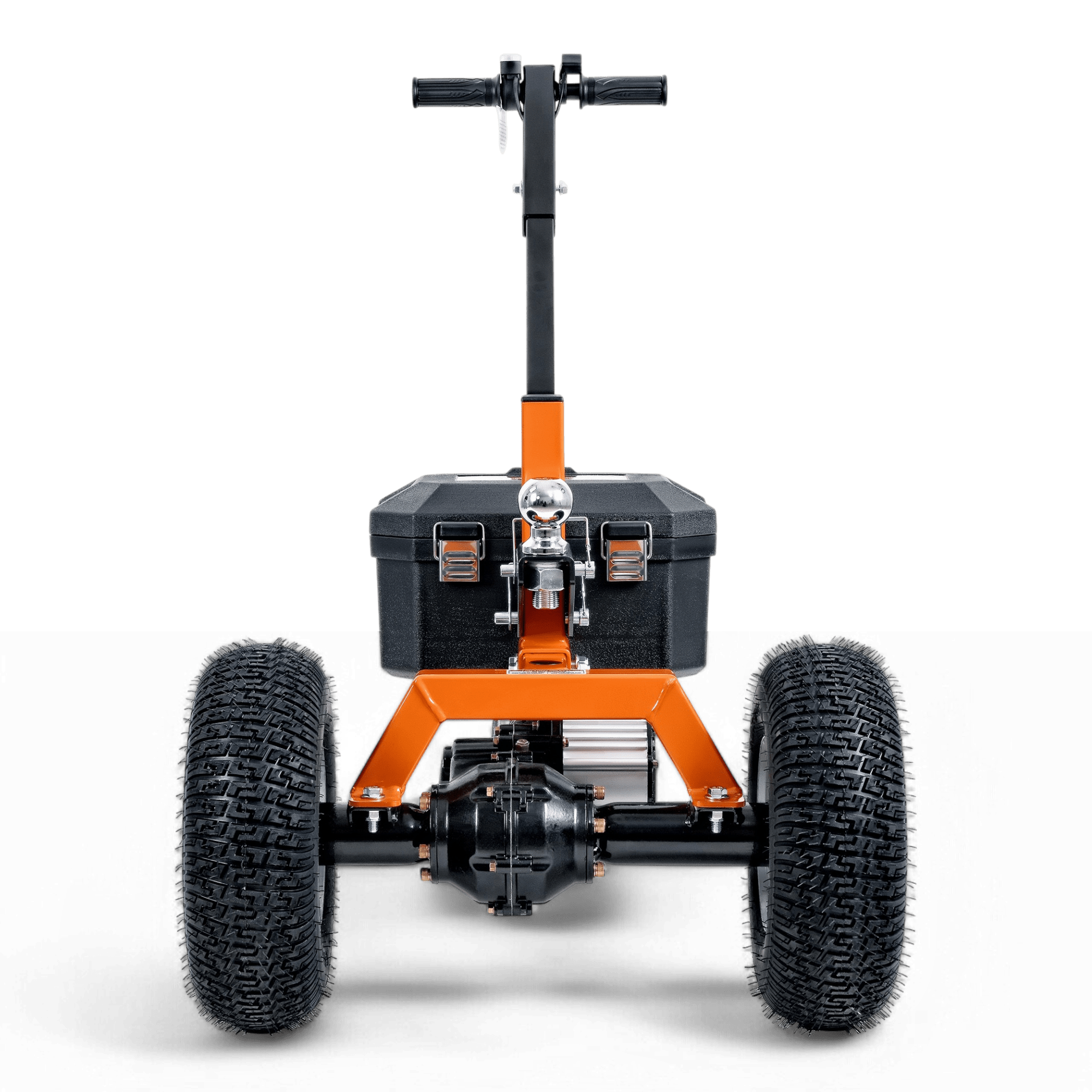
At its core, an Electric Trailer Dolly is a compact, powerful, and intelligent machine designed to do the heavy lifting for you. Think of it as a remote-controlled powerhouse for your trailer. The device operates on a simple yet brilliant principle, combining an electric motor with a robust drive system to give you precise control over your trailer's movements without needing it to be hitched to a tow vehicle.
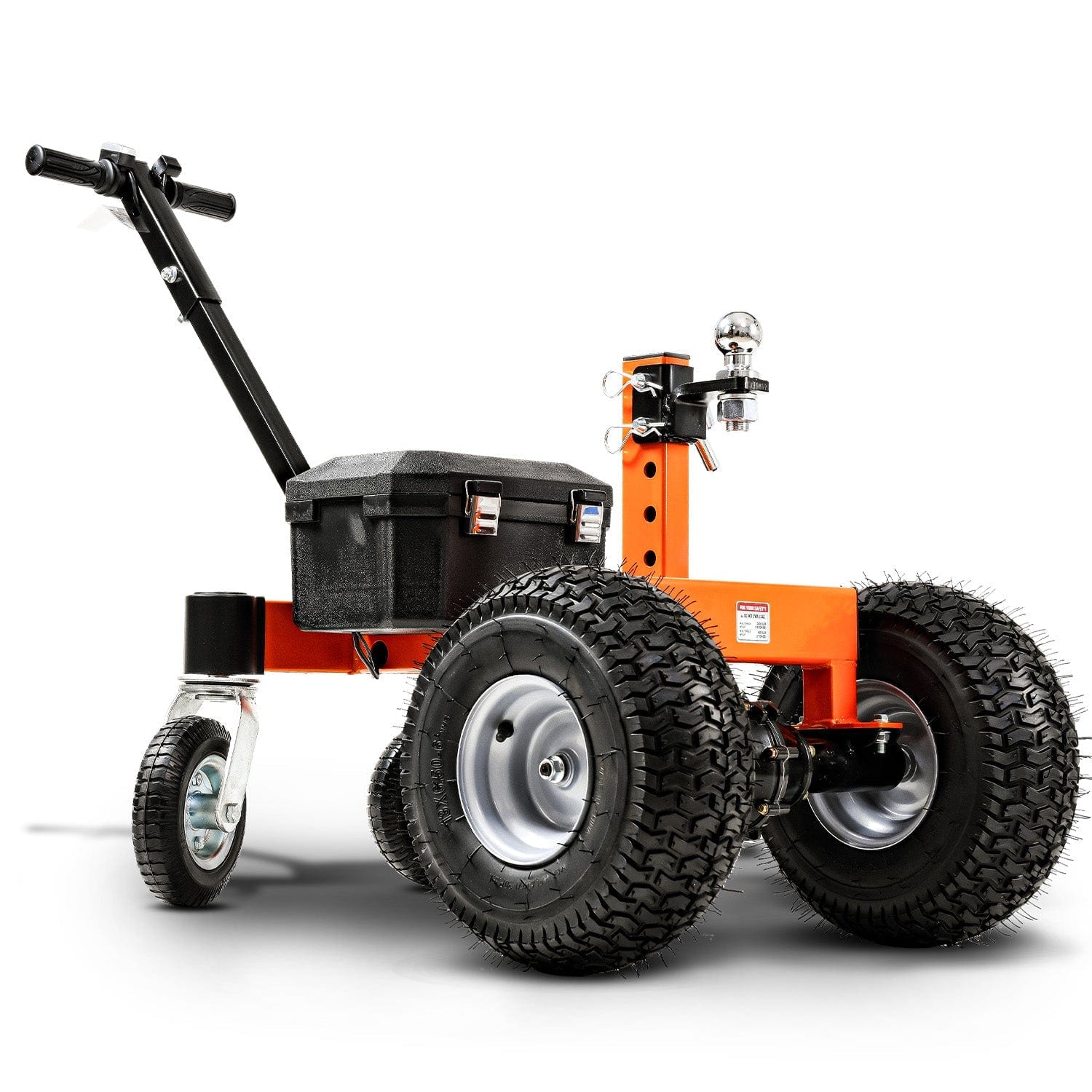
The process starts when you attach the mover's ball mount to your trailer's tongue coupler, just as you would with your truck's hitch. Once secured, the real magic begins. The unit is powered by a high-torque electric motor, which gets its energy from a rechargeable battery pack, typically lithium-ion. Using a control panel located on the ergonomic handle, you can direct the mover to go forward or reverse and steer left or right. The motor transfers power to its heavy-duty, all-terrain wheels, which grip the ground and slowly, but very powerfully, propel the trailer in your desired direction. This low-speed, high-torque design is what allows for the incredible precision needed to navigate tight campsite spots or maneuver a trailer into a packed garage.
What kind of maintenance is required for an electric trailer mover?
One of the best features of a modern electric powered trailer dolly is its relatively low-maintenance design. However, performing a few simple checks and following proper care guidelines will ensure your mover provides reliable service for years to come. The most critical component to maintain is the battery. Most movers use lithium-ion batteries, which are prized for their power and longevity. To maximize their lifespan, it's best to avoid storing the battery in a fully discharged state for extended periods and to keep it away from extreme heat or cold during charging and storage. Following established best practices provides many tips for extending the lifetime of lithium-ion batteries and ensures you get the most out of your investment.
Beyond battery care, routine maintenance is straightforward. Before and after each use, give the unit a quick visual inspection. Check the tires for proper inflation (if pneumatic) and look for any signs of excessive wear or damage. Clear away any caked-on mud, rocks, or debris from the wheels and undercarriage, as this can impede performance and cause unnecessary strain on the motor. Periodically, you should also check that all bolts and hardware are tight and that the hitch ball mechanism is clean and functions correctly. A quick wipe-down after use, especially in wet conditions, will help prevent corrosion and keep your trailer mover looking and working like new.
Related Products

Leave a comment
All comments are moderated before being published.
This site is protected by hCaptcha and the hCaptcha Privacy Policy and Terms of Service apply.