










The Essential Tools for Effortless Log Splitting: Axe, Maul, or Splitting Wedge?
Before you take your first swing, you need to select your weapon of choice. While they might look similar, the axe, maul, and splitting wedge are designed for very different jobs.
- Splitting Axe: An axe has a relatively sharp, thin, tapered head. It’s designed to chop across wood grain, making it ideal for felling trees or limbing branches. While it can split small, straight-grained, and well-seasoned pieces of wood, its sharp edge is more likely to get stuck in larger, denser rounds.
- Splitting Maul: This is the true workhorse of manual log splitting. A maul features a much heavier, wider, and duller head than an axe. Its V-shape is designed to force the wood fibers apart with a powerful wedging action rather than cutting them. The sheer weight of the maul head (typically 6-8 pounds) does most of the work for you.
- Splitting Wedge: For the toughest, most stubborn logs—those that are large, knotty, or stringy—the splitting wedge is your best friend. This simple but effective tool allows you to apply immense force to a specific point. You start a crack with your maul, insert the wedge, and then drive it deep into the log with a sledgehammer.
Choosing the Right Splitting Tool for Your Wood Type and Strength Level
The best tool for the job depends on two key factors: what you’re splitting and who is doing the splitting. For softwoods like pine or fir that are straight-grained and dry, a good splitting axe might be all you need. However, for dense hardwoods like oak, maple, or hickory, a splitting maul is essential. Its weight and shape are necessary to bust through the tough fibers. If you encounter logs with large knots or twisted grain that cause your maul to bounce off, it's time to bring in the splitting wedges. For anyone processing significant quantities of hardwood, a mechanical firewood splitter quickly becomes the most efficient and body-friendly option. Your physical strength also plays a role; a lighter 6-pound maul allows for better control and faster swings, while a heavier 8-pound maul delivers more splitting force but can cause fatigue more quickly.

Mastering the Technique: How to Swing an Axe or Maul for Maximum Power and Safety
Proper technique is about working smarter, not harder. A good swing harnesses gravity and your body’s momentum to split wood efficiently and safely. Start with a solid stance, feet shoulder-width apart on level ground. Grip the maul with your non-dominant hand at the base of the handle and your dominant hand near the head. As you lift the tool straight overhead, focus on your target—aim for existing cracks or fissures in the wood. During the downswing, slide your dominant hand down to meet your other hand at the bottom of the handle. This motion accelerates the maul head, generating maximum power upon impact. Let the tool's weight do the work; your role is to guide it accurately. According to OSHA's guidance on hand and power tools, ensuring you have a clear work area and are wearing appropriate personal protective equipment like safety glasses and sturdy boots is fundamental to preventing injury.
Splitting Wedge Mastery: Techniques for Tackling Tougher Logs
When a maul alone won’t cut it, a splitting wedge provides the focused power needed to conquer difficult rounds. Never use a wedge on a log that isn't on a stable base, like the ground or a very low, wide chopping block. Start by using your maul to create a small crack or "purchase" along the outer edge of the log. Place the sharp end of the wedge into this starter crack. Using a sledgehammer—never the back of your maul, as this can damage it—drive the wedge into the wood. You’ll hear the fibers begin to pop and tear. If the log is particularly large or stubborn, the crack may open up enough to insert a second wedge a few inches away from the first. By driving them in alternately, you can create an unstoppable separating force that will split even the most challenging log wood splitter projects.
Understanding Wood Grain: How to Identify the Easiest Way to Split Each Log
Working with nature, not against it, is the secret to efficient firewood splitting. Every log has a "grain," which is the direction of its wood fibers. Splitting along this grain is exponentially easier than trying to cut across it. Before you raise your axe, take a moment to "read" the log. Look for small cracks, known as "checks," that often radiate from the center (pith) towards the bark. These checks are natural weak points and your primary targets.
Always place the log on your chopping block and aim to strike along one of these existing lines. By doing so, you’re simply helping the wood do what it already wants to do: separate along its fiber lines. If no checks are visible, aim to split the log directly through the middle, from one side to the other. Trying to split a log at a random, off-center point without a pre-existing crack is a recipe for a stuck maul and wasted energy.
Beyond the Swing: Advanced Techniques for Difficult Rounds and Knots
Not all wood is created equal. You will inevitably encounter stubborn rounds with twisted grain, large knots, or sheer size that seem to defy a clean split. When a straight-down-the-middle swing isn’t working, it’s time to change your strategy. Instead of aiming for the center, try "peeling" the log by striking near the edge. This allows you to slab off smaller, more manageable pieces from the outside, working your way in.
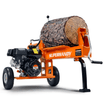
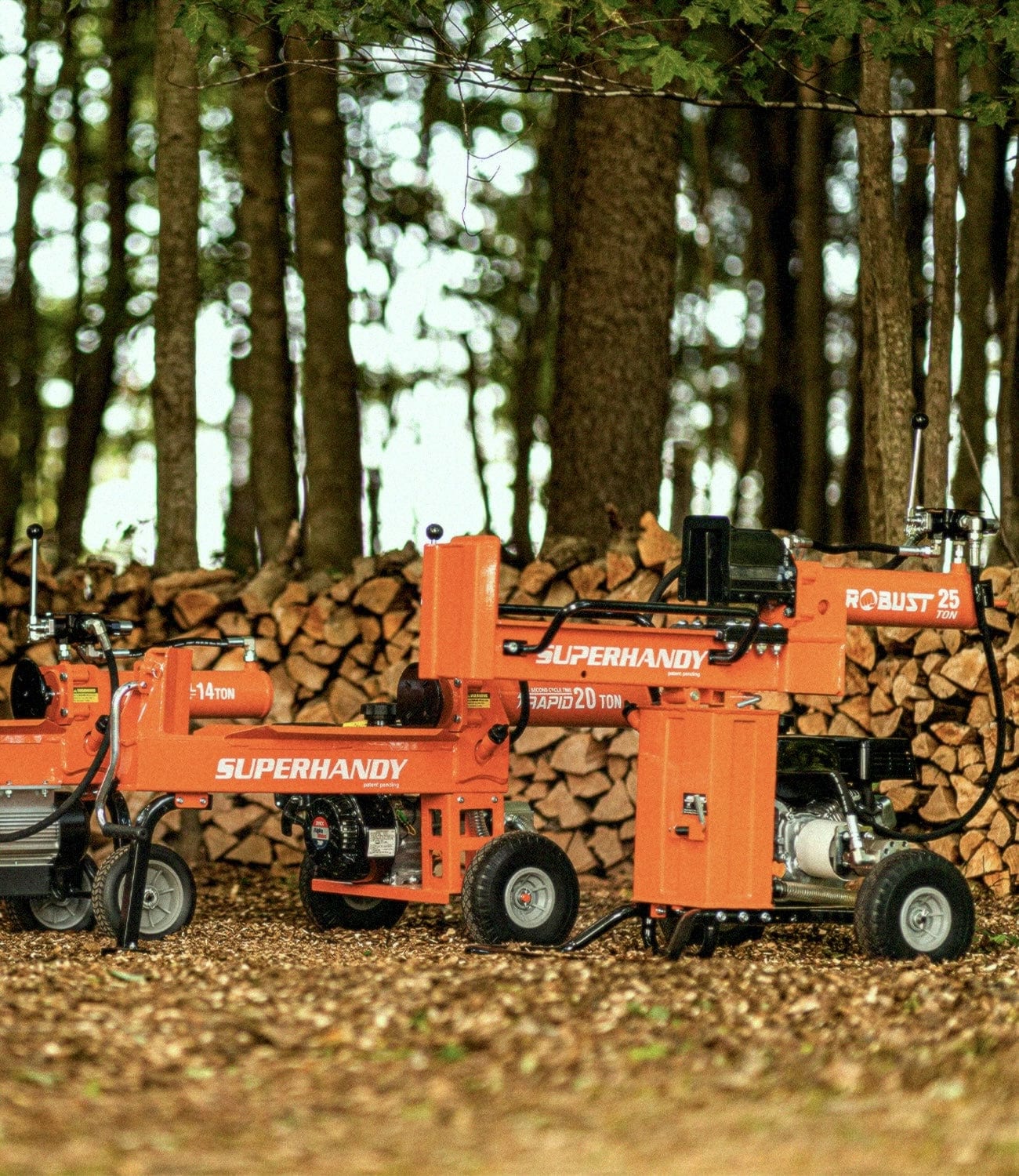
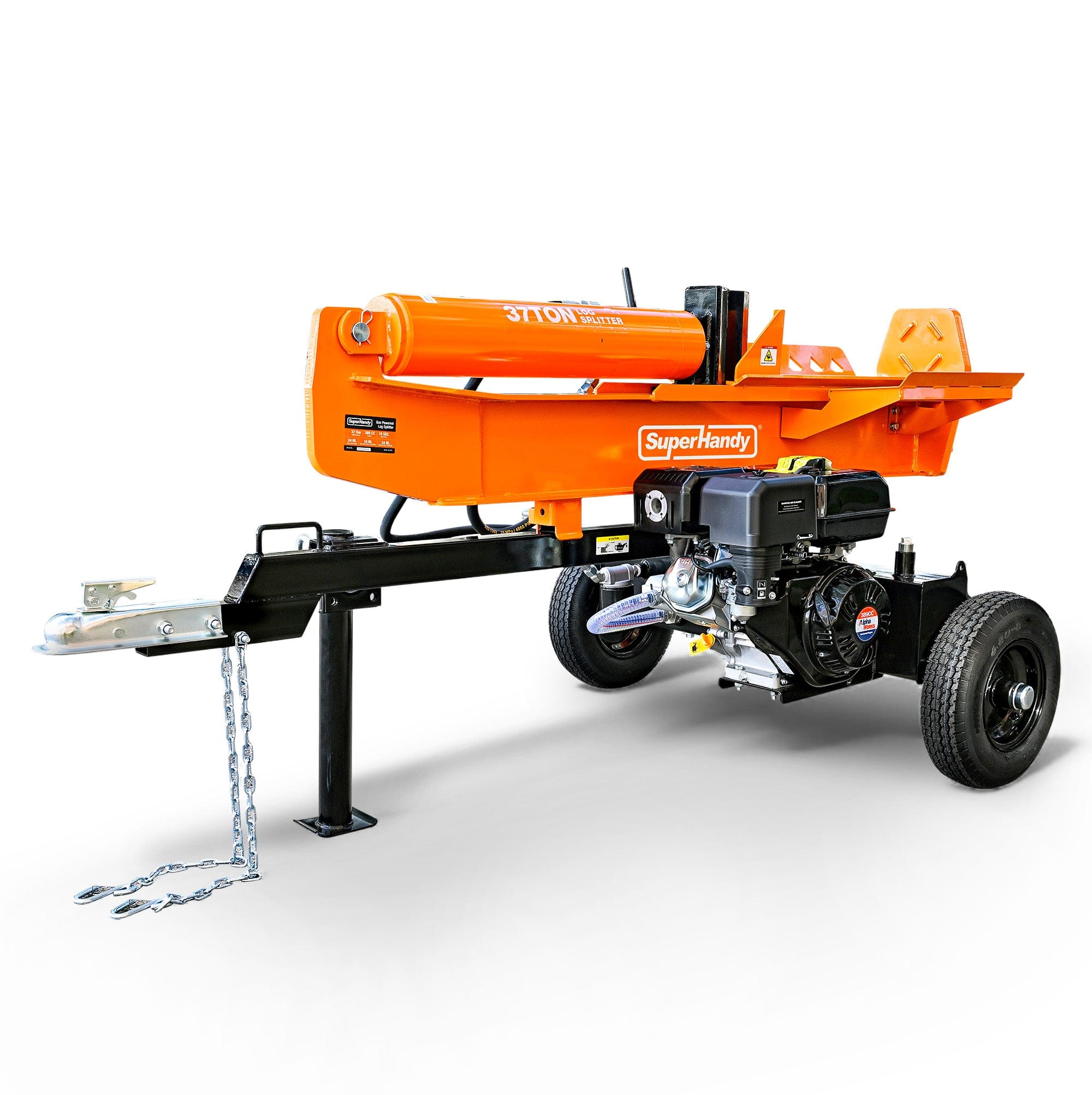
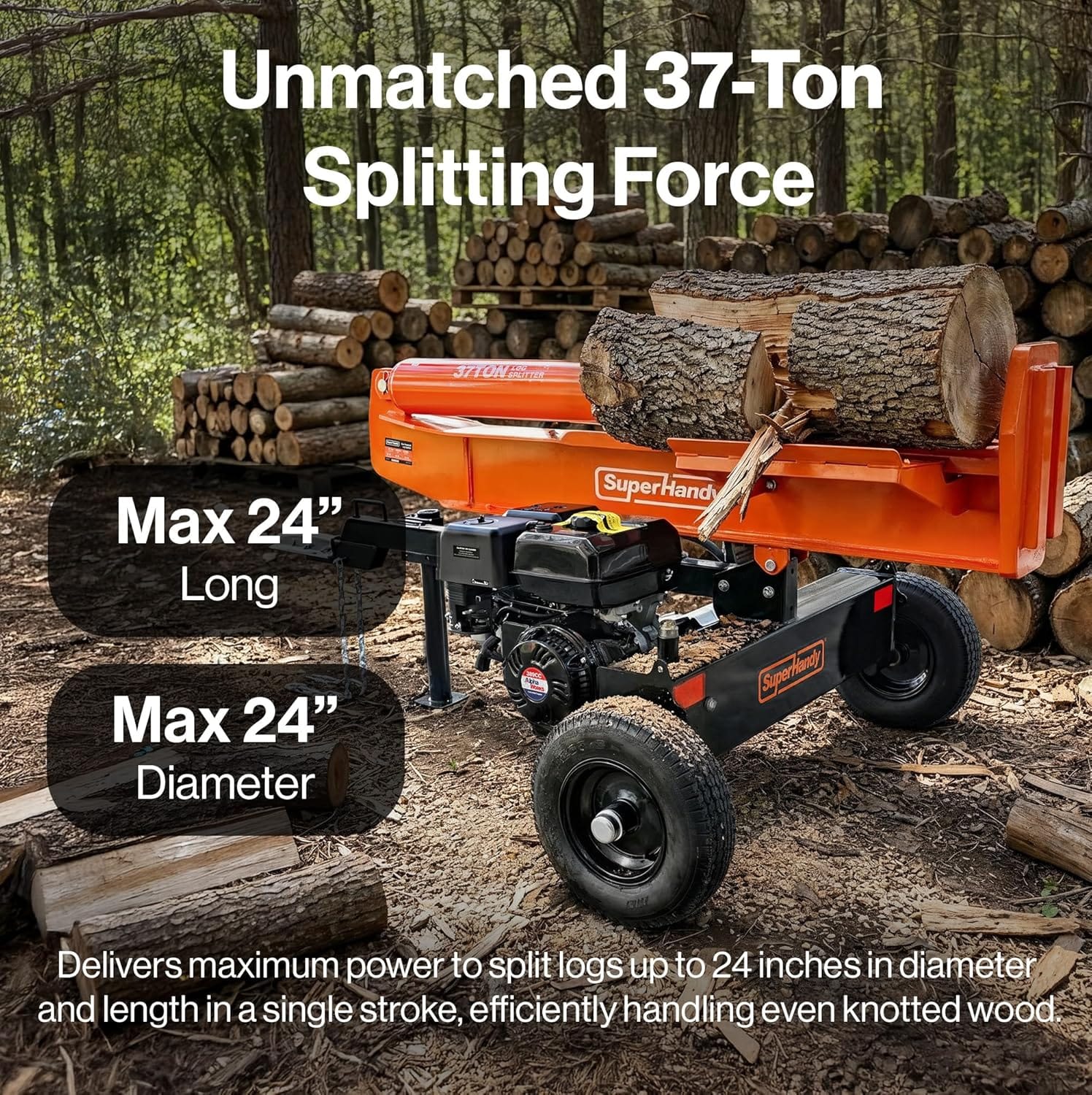
For particularly gnarly or dense hardwoods, a single splitting wedge may not be enough. Drive one wedge into a promising crack until it’s snug. If it stops making progress, don't just keep wailing on it. Instead, drive a second wedge into the same crack a few inches away from the first. The combined force will often pop the round open. For those who process large amounts of difficult wood, the ultimate advanced technique is upgrading your toolset. Powerful and efficient Log Splitters use hydraulic force to drive a wedge through knots and twisted grain with ease, turning a frustrating task into a simple one. A quality firewood splitter can save your back and countless hours of labor.
Safety First: Essential Precautions to Prevent Injuries While Splitting Firewood
Splitting firewood is a rewarding activity, but it involves powerful forces and sharp tools that demand respect. A moment of carelessness can lead to serious injury. Before you start, always prioritize safety by following these essential precautions. According to the Occupational Safety and Health Administration, proper tool use is a cornerstone of injury prevention, and their hand and power tool safety guidance provides a strong framework for staying safe, even on personal projects at home.
- Wear Personal Protective Equipment (PPE): At a minimum, wear steel-toed boots to protect your feet from dropped logs or a deflected axe, safety glasses to shield your eyes from flying wood chips, and heavy-duty gloves to prevent blisters and splinters.
- Establish a Safe Zone: Work on a solid, level surface. Use a wide, low log as a chopping block—never split wood directly on the ground. Ensure your swing area has at least a 10-foot clearance in all directions, free of people, pets, and tripping hazards.
- Use Proper Form: Stand with your feet shoulder-width apart for a stable base. When you swing, focus on accuracy over pure power. Never swing an axe or maul if you are tired, as fatigue leads to poor form and mistakes.
Maintaining Your Splitting Tools: Keeping Your Edge Sharp and Your Maul Head Secure
Well-maintained tools are not only more effective but also significantly safer. A dull axe or maul is more likely to glance off a log and cause an accident, while a loose head can fly off during a swing with dangerous force.
To keep your edge, use a mill bastard file. Secure the axe or maul in a vise with the edge facing up. Push the file along the edge, moving away from your body and following the tool’s existing bevel. Work from one side until you feel a slight burr on the opposite edge, then switch sides to remove the burr and finish the sharpening. A sharp edge bites into the wood, transferring your energy efficiently and preventing dangerous deflections.
Periodically inspect the head of your maul or axe. Wood handles can shrink in dry weather, causing the head to become loose. If you notice any wobble, address it immediately. Soaking the head in boiled linseed oil for a day can swell the wood and tighten the fit. For handles with a metal wedge, you may need to gently tap the wedge deeper to re-secure the head. Finally, protect the handle itself by lightly sanding away any splinters and wiping it down with linseed oil to keep it from drying out and cracking.
Storing Your Split Firewood for Optimal Seasoning and Burnability
Splitting wood is only half the battle; proper storage is what transforms fresh, green logs into perfectly seasoned firewood that burns hot and clean. The goal of seasoning is to reduce the wood's moisture content from over 50% to below 20%. Burning wet wood is inefficient, creates excessive smoke and creosote buildup in your chimney, and produces very little heat.
To achieve optimal seasoning, follow three key principles: elevate, cover, and give it air.
- Elevate: Never stack firewood directly on the ground. This traps moisture and invites pests and rot. Use a dedicated firewood rack, or lay down a pallet or a pair of 2x4s to create a base that allows air to flow underneath the stack.
- Cover: Protect your woodpile from rain and snow by covering the top. A tarp or a simple sloped roof works well. However, avoid wrapping the entire pile, as this will trap moisture and prevent it from drying. You only need to cover the top third of the stack.
- Airflow: Stack your split logs in a single row with the split side facing down, if possible. Leave space between logs to promote air circulation. The ideal location is a sunny, breezy spot away from the side of your house to discourage pests. Most hardwoods, like oak and maple, require at least six to twelve months to season properly, while some dense woods may take up to two years.

Estimating Your Firewood Needs: How Much Wood Do You Really Need?
Before you start splitting, it’s wise to estimate how much firewood you’ll actually need. Firewood is typically measured in a "cord," which is a stacked volume of 128 cubic feet. A standard cord measures 4 feet high, 4 feet wide, and 8 feet long.
The amount of wood you need depends on several factors:
- Your Climate: Colder regions with longer winters obviously require more fuel.
- Heating Frequency: Is firewood your primary heat source, or do you just use your fireplace for ambiance on occasional weekends? A home relying solely on wood heat might burn through three to six cords a winter, while a casual user might only need one.
- Home Insulation: A well-insulated, modern home will retain heat much better and require less wood than an older, drafty house.
- Stove/Fireplace Efficiency: Newer, EPA-certified wood stoves are far more efficient than older models or open fireplaces, extracting more heat from every log.
As a general rule, start with a conservative estimate of one to two cords and see how quickly you go through it. It’s always better to have a little extra than to run out in the middle of a cold snap.
Troubleshooting Common Splitting Problems: When Wood Just Won't Budge
Even with the best technique, you'll eventually encounter a stubborn round that refuses to split. These frustrating logs often have interlocking grain, hidden knots, or are simply too stringy. When your axe or maul just bounces off, it's time to troubleshoot.
First, inspect the log. If you see a large knot or a "Y" branch (a crotch), don't try to split through it. Instead, try splitting around it or from the opposite side. For extremely fibrous and stringy woods like elm or sweetgum, manual splitting can be nearly impossible. This is where the consistent power of a mechanical Log Splitters becomes invaluable. A quality firewood splitter applies tons of force directly where you need it, powering through complex grain that would exhaust you with a maul.
If your wood is otherwise straight-grained but still won't split, your tool might be the problem. A dull axe or wedge is ineffective and dangerous. Take a moment to sharpen your tools. For particularly large or tough rounds, using multiple splitting wedges can be effective. Start one wedge, and once it's driven in, start a second one in the same crack to force the wood apart. If all else fails, a powerful electric or gas log wood splitter will make short work of almost any log you throw at it.
The Environmental Impact of Firewood Harvesting: Sustainable Practices for the Future
Heating with wood can be a sustainable, carbon-neutral practice, but only when done responsibly. The key is to source your wood in a way that doesn't harm the long-term health of our forests.
The most sustainable firewood comes from standing dead trees (deadfall), limbs that have fallen naturally, or trees that need to be cleared for safety or land management reasons. When harvesting live trees, practice selective thinning rather than clear-cutting. This involves removing weaker, smaller, or overcrowded trees to allow healthier ones more room to grow, which can actually improve the overall health of the forest. For medical context, MedlinePlus summarizes common mobility aids such as canes, walkers, wheelchairs, and scooters.
Avoid transporting firewood over long distances (more than 50 miles). This is a primary way that invasive species, such as the Emerald Ash Borer and Asian Longhorned Beetle, spread to new areas and devastate local ecosystems. Always try to source your wood locally. By burning wood harvested responsibly from nearby sources, you can enjoy a warm fire knowing you are using a renewable resource with minimal environmental impact.
Maximizing Your Efficiency: Setting Up a Productive Splitting Station
The difference between a long, frustrating day of splitting wood and a quick, productive session often comes down to your setup. An efficient splitting station minimizes wasted movement and energy, letting you work smarter, not harder. The key is to create a logical workflow that reduces bending, carrying, and unnecessary steps.
Arrange your workspace in a "U" or "L" shape. Place your large pile of unsplit rounds on one side, your splitting block or log splitter in the center, and the area where you'll stack the split firewood on the other side. This assembly-line layout allows you to grab a round, split it, and toss the finished pieces onto the pile with a simple pivot of your body. Ensure your work area is on firm, level ground and free of debris to prevent trips and falls, a core tenet of OSHA hand and power tool safety guidance. By batching your tasks—moving all rounds to the station, splitting the entire pile, then stacking—you establish a rhythm that dramatically boosts your output.

Frequently Asked Questions About Firewood Splitting
Q: Is it better to split wood when it's green or dry? A: For most wood types, it's significantly easier to split them while they are "green," or freshly cut. The high moisture content makes the wood fibers separate more readily. However, some dense, stringy hardwoods like elm or sweetgum can be challenging either way, while oak may sometimes split more cleanly after it has seasoned for a few months and developed checks (cracks) in the ends.
Q: What's the ideal height for a splitting block? A: Your splitting block should be stable and wide enough to hold a large round securely. The ideal height is at or just below your knee. A block that is too low forces you to bend over, straining your back, while a block that is too high reduces the power of your swing. A knee-high block allows for a comfortable, powerful, and safe downward arc.
Q: Can I split wood with knots in it? A: You can, but it is extremely difficult and can be dangerous with an axe or maul, as the tool can glance off unpredictably. It's always best to try splitting around the knots if possible. For logs that are particularly large, knotty, or tough, a hydraulic or electric log wood splitter is the often a practical choice. The consistent, immense force of these machines makes short work of difficult rounds that would exhaust you by hand.
Q: How small should I split my firewood? A: The ideal size depends on your wood stove or fireplace, but a general rule is to split logs to a diameter between 3 and 6 inches. This size provides a good surface-area-to-volume ratio, allowing for sufficient airflow to sustain a hot, clean, and efficient fire. Smaller pieces are great for kindling, while larger pieces are good for long, overnight burns.
What is the most efficient way to split firewood?
The "most efficient" method for splitting firewood truly depends on the volume of wood you need and your personal preference for physical labor. There is no single right answer, but there is a clear winner when it comes to speed and power.
For those processing small amounts of wood (one or two cords per season) and who enjoy the physical exercise, a sharp splitting maul paired with good technique and an organized station is a highly efficient manual method. It's a satisfying process that connects you directly to the work.
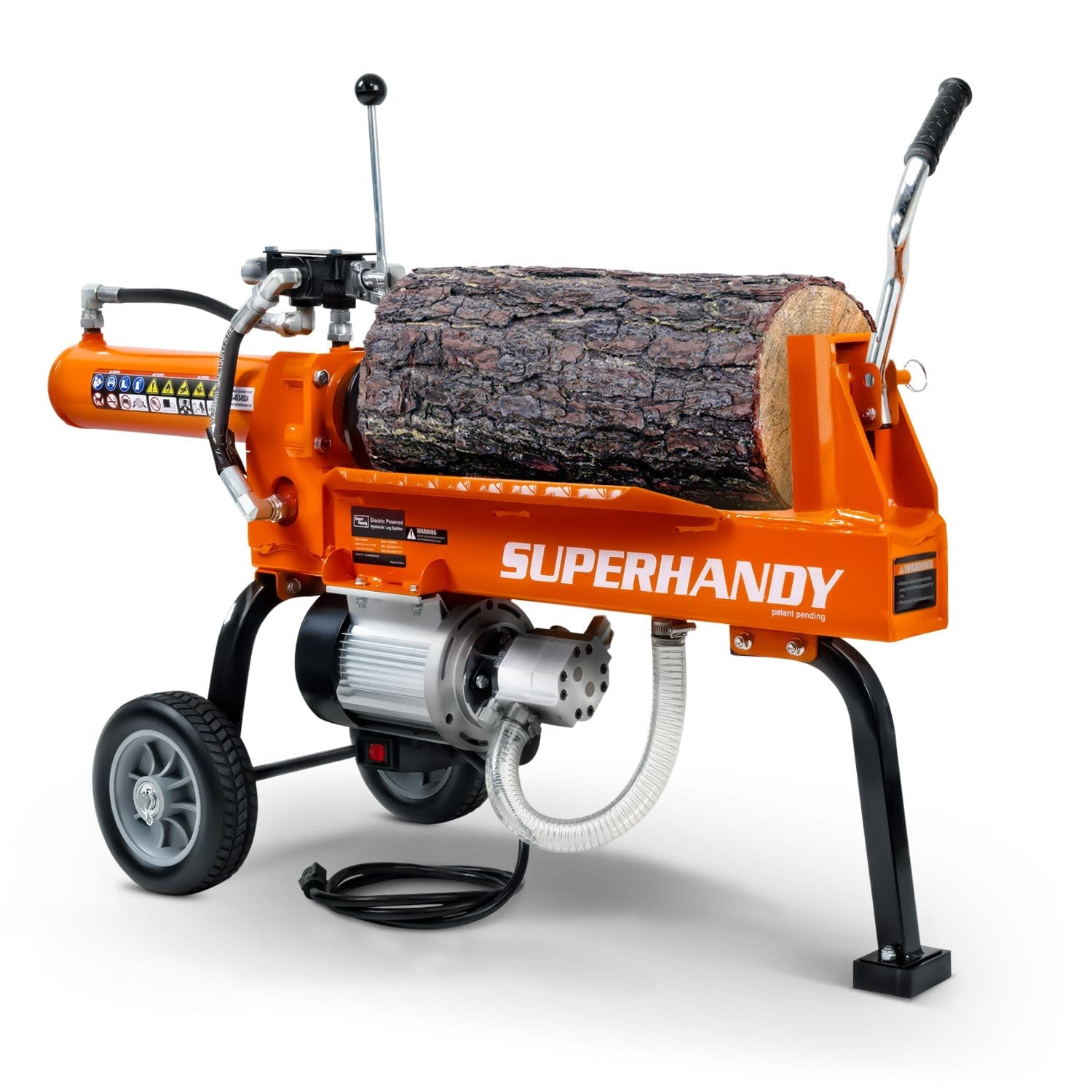
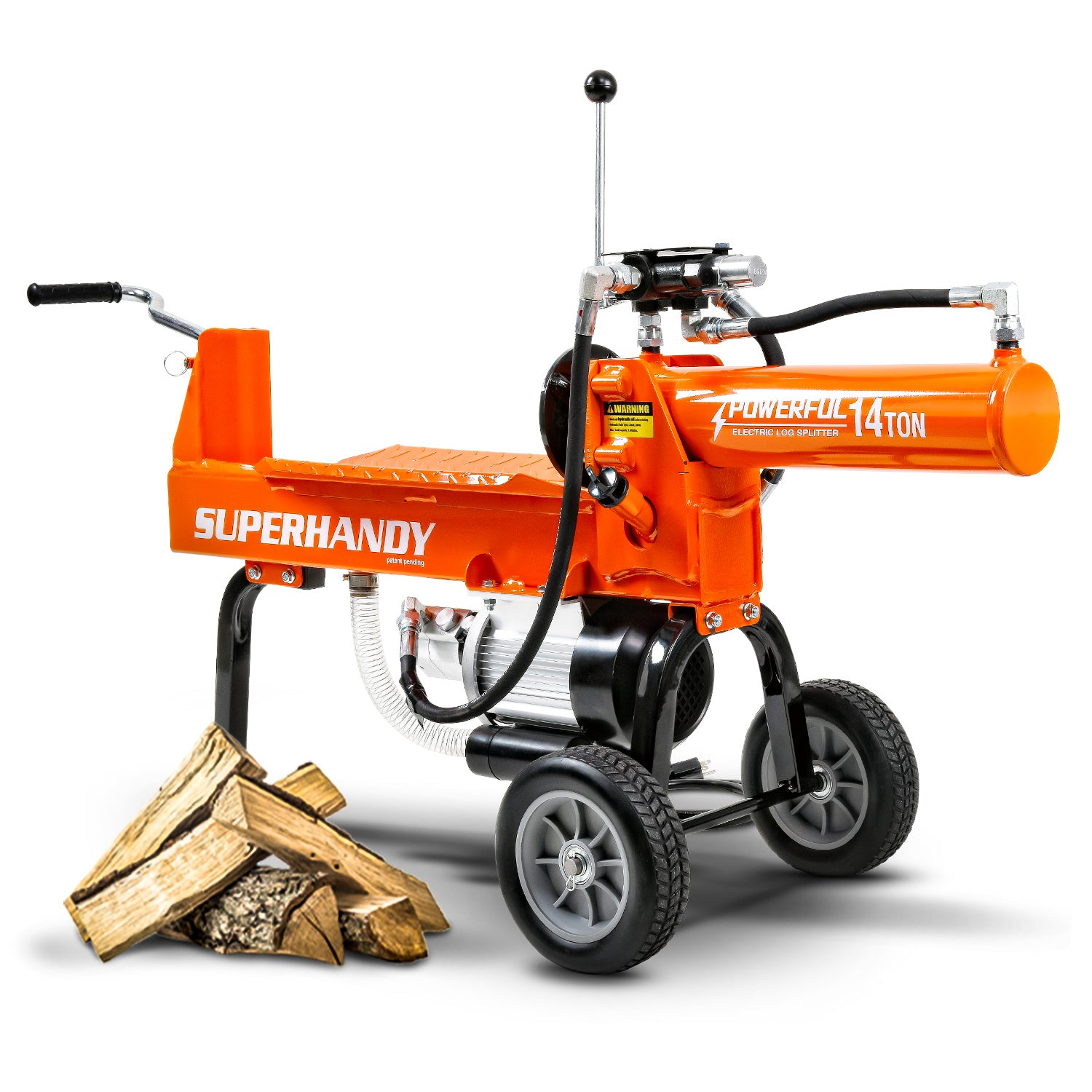
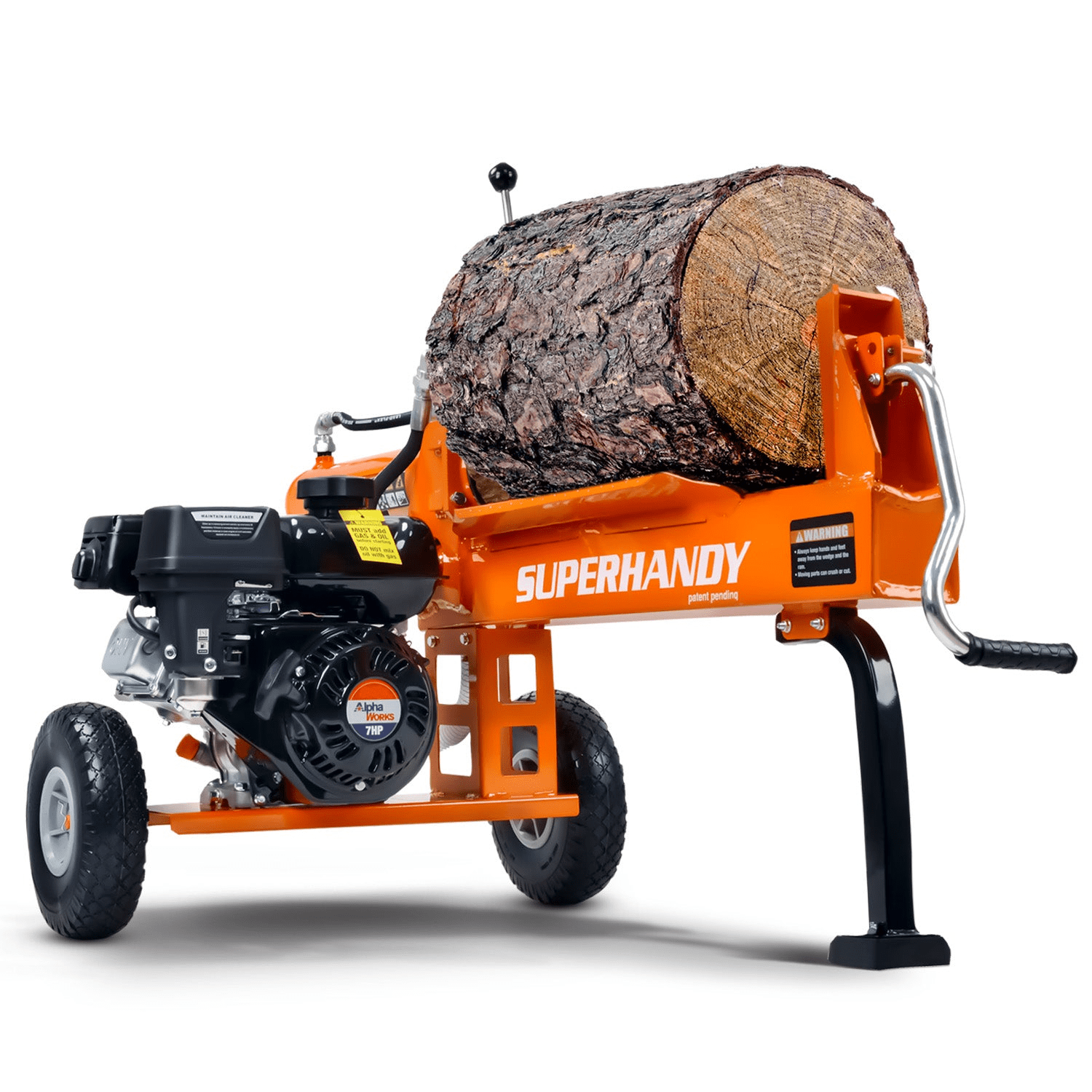
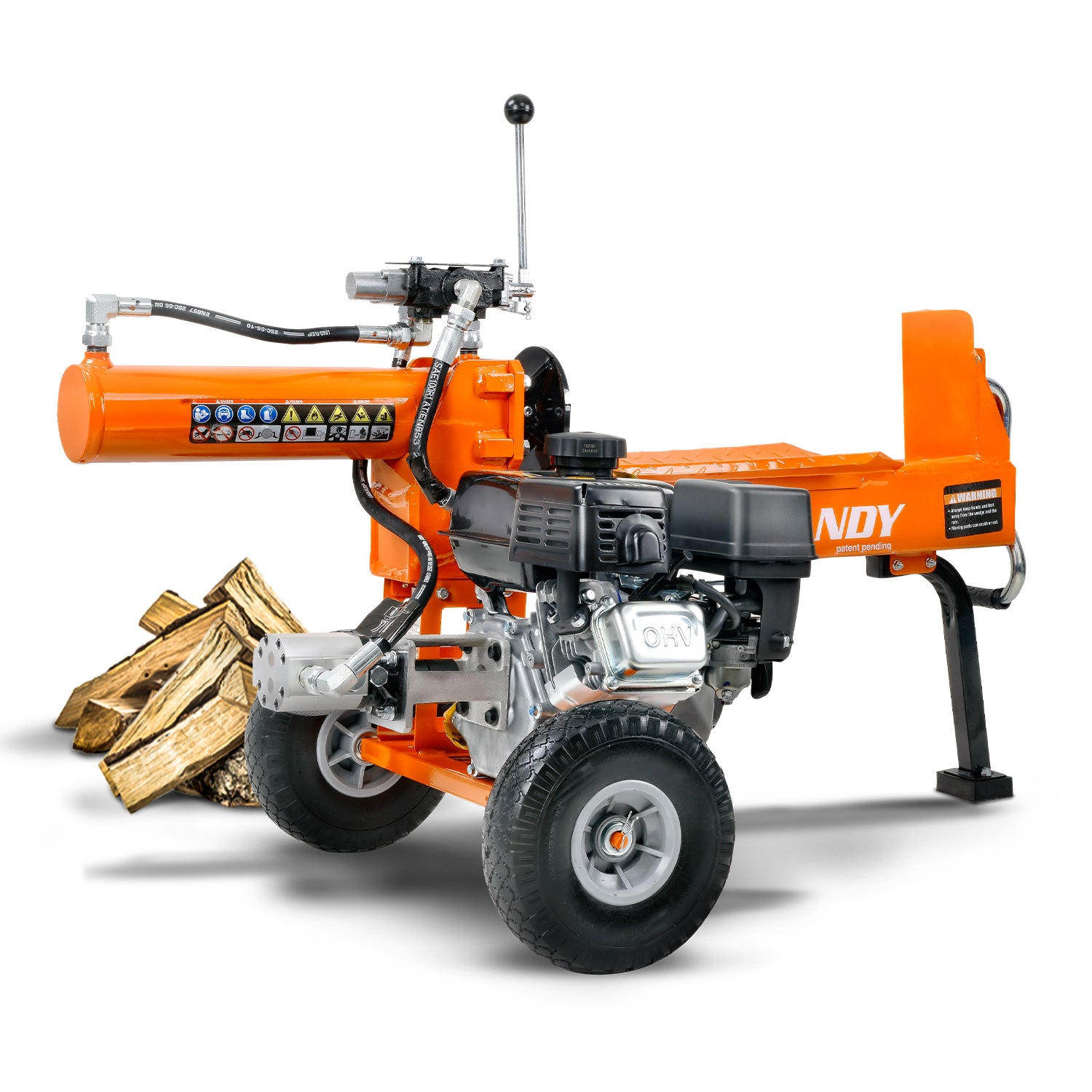
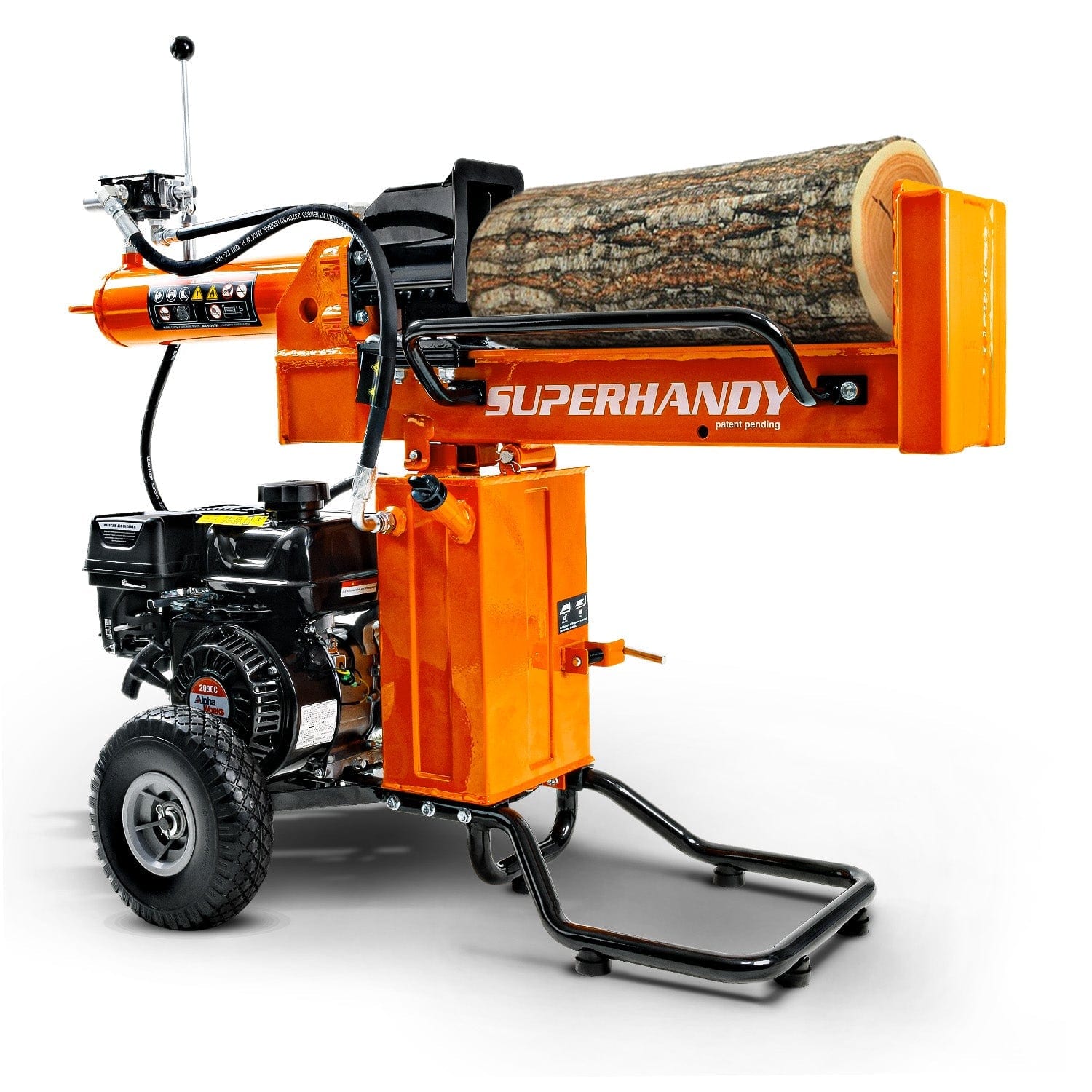
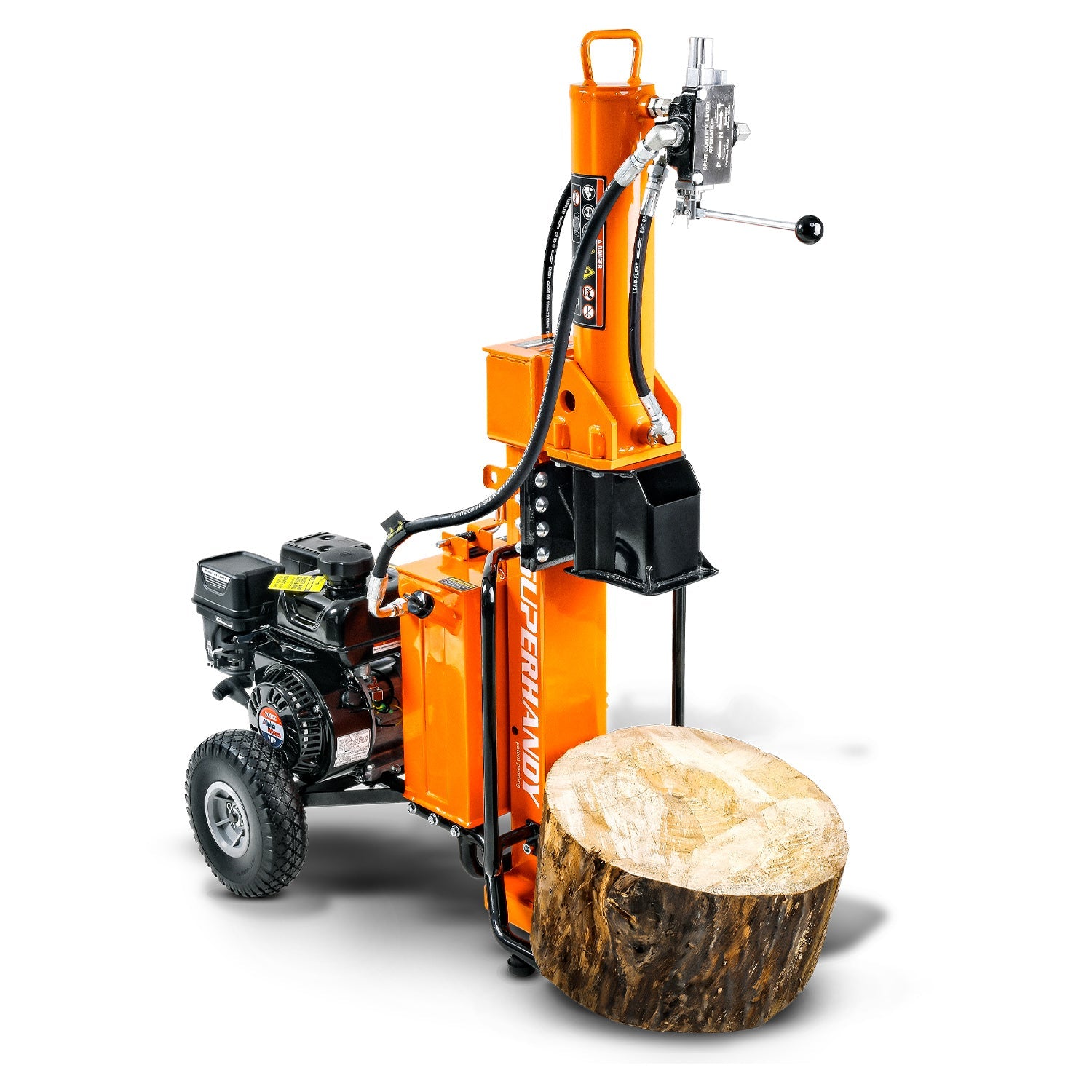
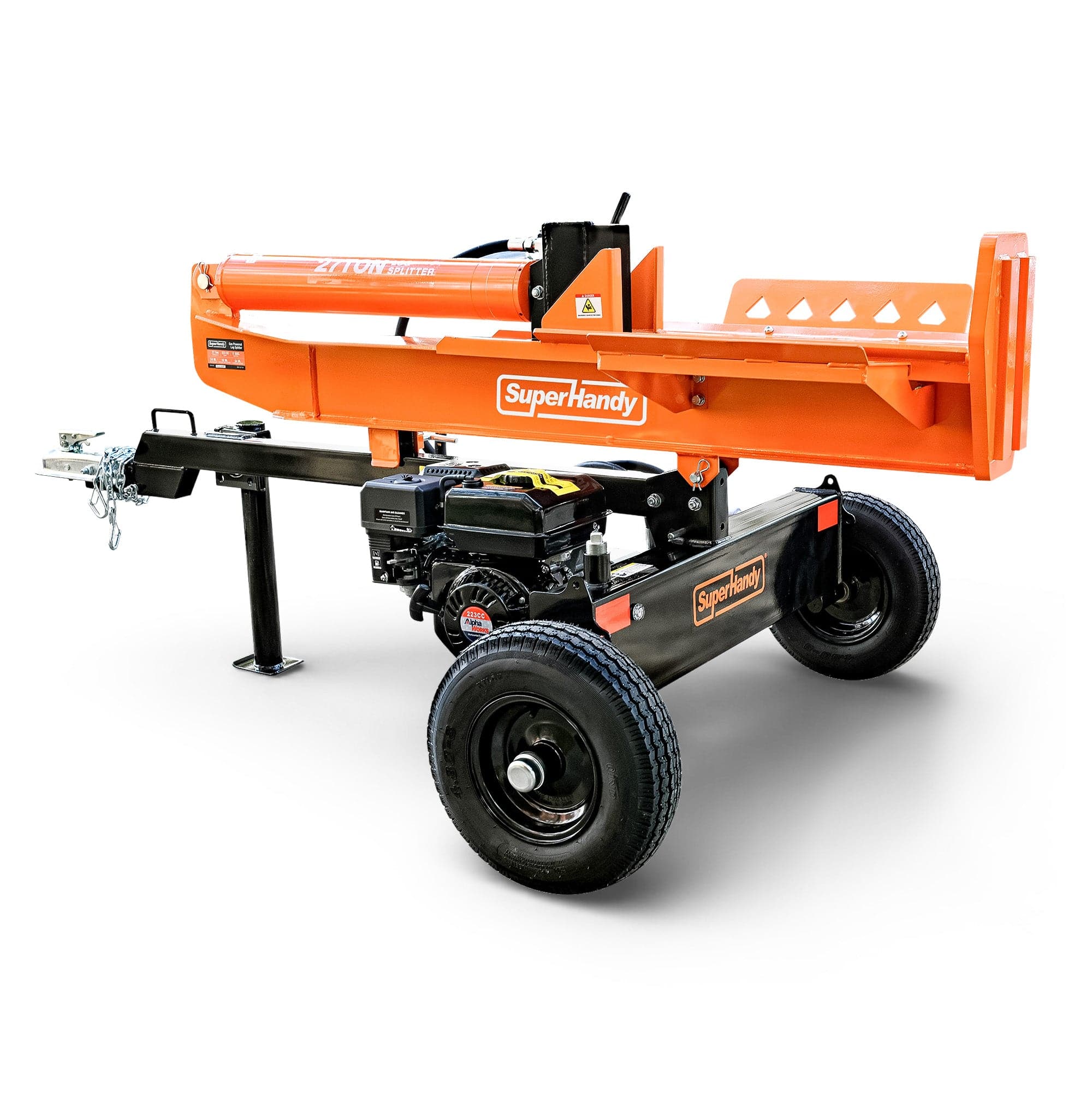
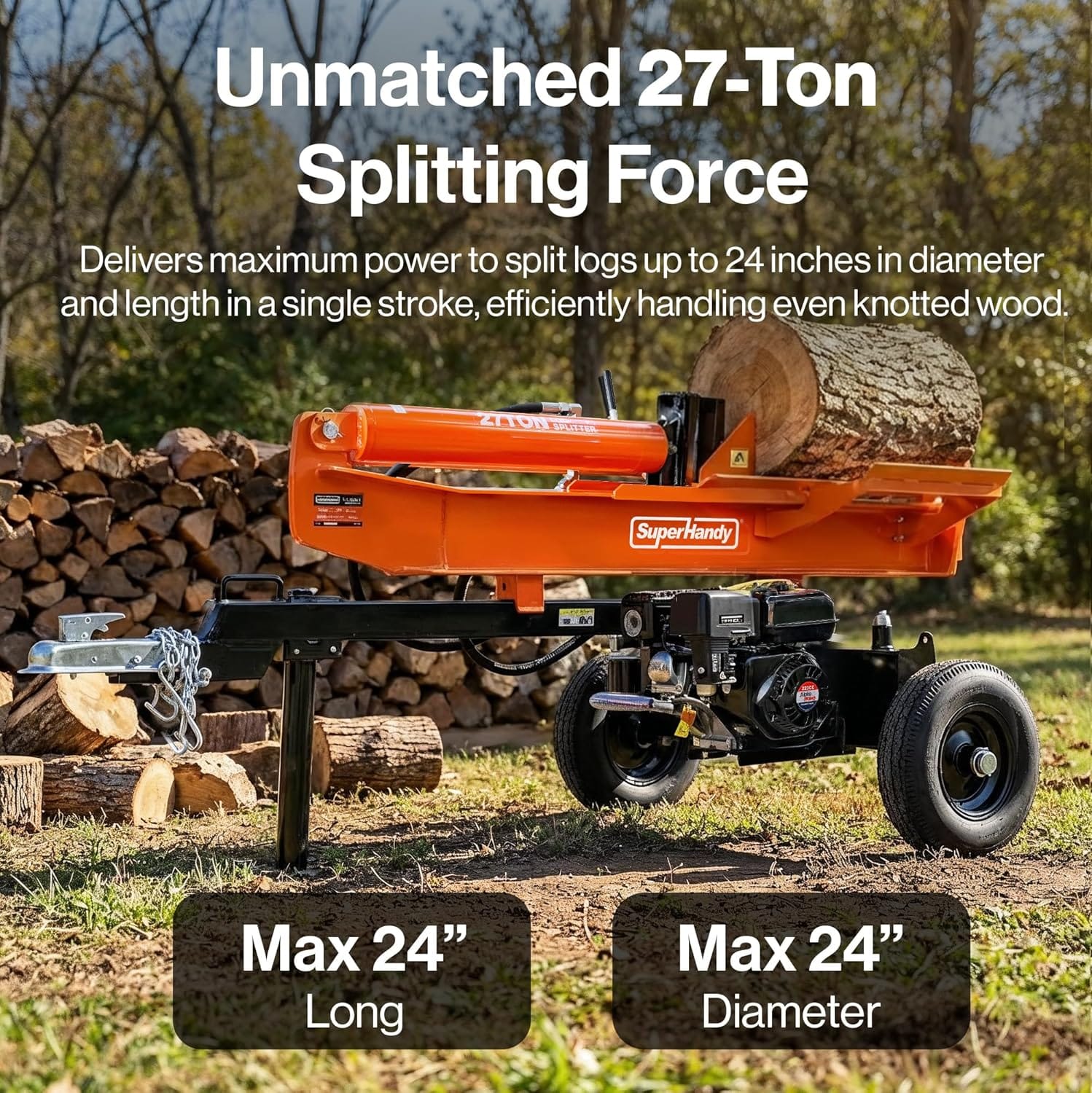
However, for anyone processing large volumes of firewood, dealing with tough hardwoods, or looking to save their back and joints, the most efficient tool is undoubtedly a mechanical firewood splitter. A hydraulic or electric Log Splitters offers unparalleled advantages:
- Power: It applies tons of consistent force, effortlessly splitting large, knotty, and dense rounds that would be nearly impossible to split by hand.
- Speed: A good log splitter can process an entire cord of wood in a fraction of the time it would take with a maul, dramatically increasing your productivity.
- Safety & Ergonomics: It eliminates the high-impact, repetitive motion of swinging a maul, reducing the risk of muscle strain, back injury, and miss-swings.

Ultimately, maximizing your firewood splitting efficiency is about combining the right tool for your needs with a smart, streamlined workflow.
Related Products


Leave a comment
All comments are moderated before being published.
This site is protected by hCaptcha and the hCaptcha Privacy Policy and Terms of Service apply.