











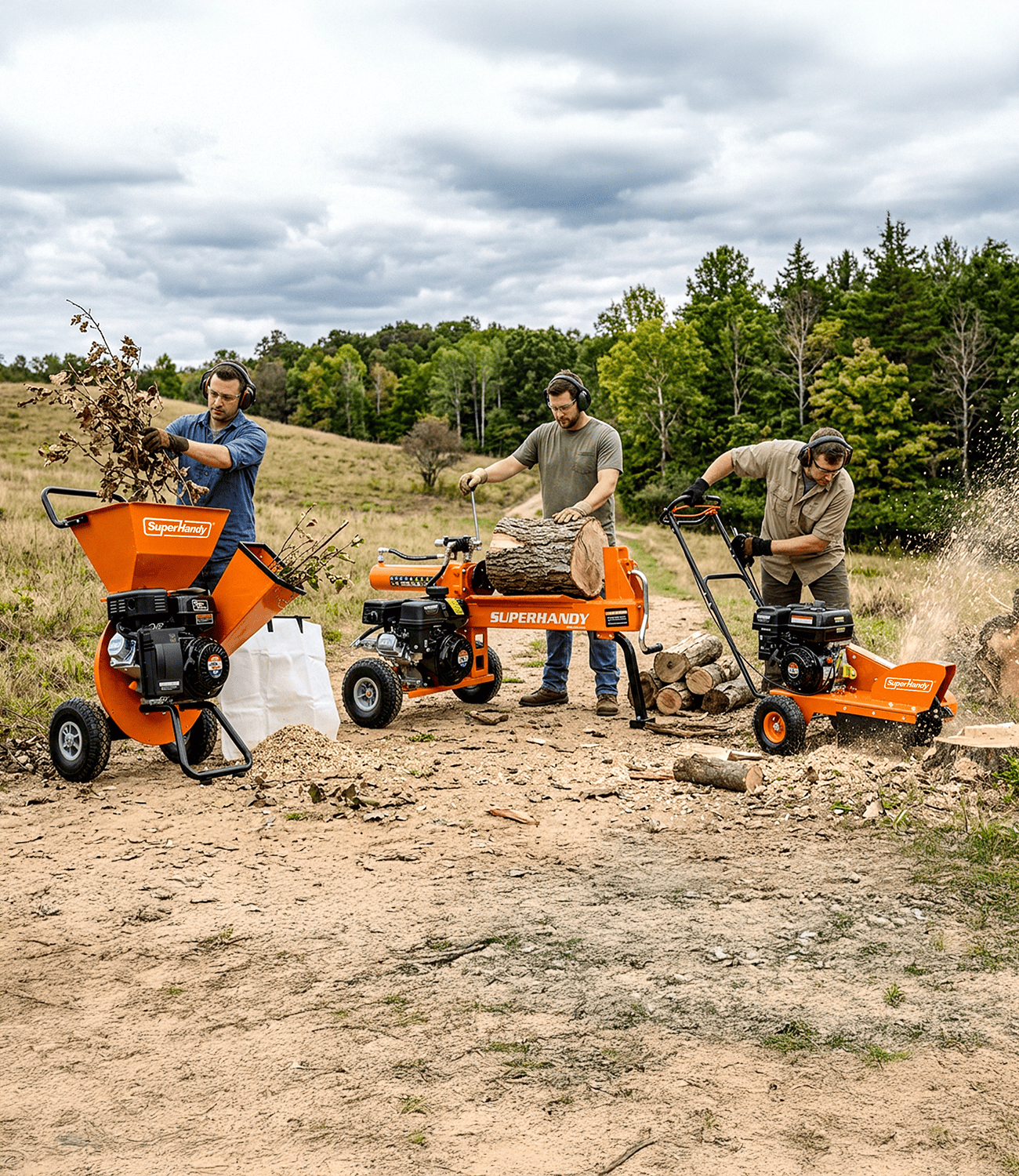
Unlocking the Potential: Why Rethinking Wood Chipper Debris Matters
If you’ve ever spent a day clearing brush and feeding it into a wood chipper, you know the satisfaction of turning a chaotic pile of branches into a neat mound of uniform chips. But then comes the question: what now? For many, the answer is simply "mulch." While that’s a great start, that pile of freshly chipped wood is a resource brimming with untapped potential. Rethinking wood chipper debris means looking at it not as waste, but as a valuable raw material for projects all around your home and garden.
Beyond the Garden Bed: Surprising Applications for Wood Chips
Spreading chips around your flower beds and trees is a fantastic way to retain soil moisture and suppress weeds. But that’s just scratching the surface. From fueling your campfire to building your soil and creating safe, natural surfaces, the uses for wood chipper debris are as varied as your imagination. Let's dive into some creative applications that will make you see that pile of chips in a whole new light.
DIY Fire Starters: Harnessing the Flammable Nature of Dry Wood Chips
One of my favorite ways to use up the smallest, driest bits of debris is to create powerful DIY fire starters. They’re suitable for campfires, wood stoves, or backyard fire pits. Simply take your driest wood chips and mix them with melted wax—old candles or paraffin wax work perfectly. Pack the waxy mixture into a cardboard egg carton or paper muffin cups and let it cool. Each segment will act as a long-burning, waterproof fire starter that catches kindling with ease. It’s a simple, zero-waste project that puts that flammable nature to good use.
Composting Powerhouse: Accelerating Decomposition with Wood Chip Additions
A healthy compost pile needs a balance of "green" materials (like grass clippings and kitchen scraps) and "brown" materials. Wood chips are the ultimate "brown," providing the carbon that microorganisms need for energy. Adding a layer of wood chips from your gas wood chipper every time you add a layer of greens has two major benefits. First, it balances the carbon-to-nitrogen ratio, preventing smelly, slimy compost. Second, the coarse texture of the chips creates air pockets, which are essential for aerobic decomposition. This aeration speeds up the entire composting process, helping you create rich, nutrient-dense soil much faster. It's one of the best ways to process the output from your Wood Chippers & Leaf Mulchers.
Natural Pathways and Playgrounds: Creating Eco-Friendly Surfaces
One of my favorite ways to use the output from my wood chipper is to create soft, natural pathways through my garden and wooded areas. Forget expensive pavers or gravel; a thick layer of wood chips creates a beautiful, rustic path that feels great underfoot. It also does a fantastic job of suppressing weeds and retaining moisture in the soil beneath. I’ve even used a deep, 6-inch layer to create a soft, impact-absorbing surface for my kids' play area under their swing set. It's a simple, eco-friendly solution that puts all that "waste" to wonderful use.

Animal Bedding Benefits: A Sustainable Choice for Livestock and Pets
If you have chickens, goats, or other small livestock, you’re sitting on a goldmine of free bedding. After I run branches through my wood chipper 4inch model, I get a pile of perfect bedding material. Wood chips are highly absorbent, help control odors in the coop or stall, and break down nicely over time in a deep litter method. Just be sure you’re chipping clean, untreated wood and avoid toxic varieties like Black Walnut. It’s a huge money-saver compared to buying bags of pine shavings from the feed store.
Erosion Control Solutions: Stabilizing Slopes and Preventing Soil Loss
After a big storm, I used to worry about the steep, bare slope at the back of my property. Now, I fire up my gas wood chipper and turn the downed limbs into an instant solution. Spreading a thick blanket of wood chips over a vulnerable hillside is an incredibly effective way to prevent soil erosion. The chips interlock, slowing down rainwater and allowing it to soak into the ground instead of washing your topsoil away. It’s a practical and immediate way to protect your landscape using the very debris the storm created. This is where having reliable Wood Chippers & Leaf Mulchers really pays off.
Crafting and Decor: Incorporating Wood Chips into Artistic Projects
Don’t forget the small-scale possibilities! While most of my wood chips go to bigger projects, I always set a small bucket aside for crafting and decor. The finer chips make a wonderful, natural-looking base layer in terrariums and potted plant arrangements. I’ve also filled clear glass vases with them to create rustic centerpieces for my patio table. You can even dye them with food coloring for colorful kids' art projects. It’s a fun way to bring a touch of nature indoors and use every last bit of your chipped wood.
The Environmental Edge: How Repurposing Debris Benefits the Planet
Every time you fire up your wood chipper, you're not just clearing brush—you're creating a valuable resource. Repurposing those wood chips is a powerful environmental win. Instead of sending yard waste to a landfill where it would decompose and release methane, a potent greenhouse gas, you're keeping that carbon locked up on your property. This "carbon sequestration" is a small but meaningful way to combat climate change. You also reduce the demand for commercially produced, plastic-bagged mulches and soil amendments, which cuts down on transportation emissions and plastic waste.
Assessing Your Debris: What Makes Wood Chips Suitable for Different Uses
Not all wood chips are created equal, and their best use depends on their characteristics.
- Fresh vs. Aged: Fresh, or "green," chips from recently cut branches are high in nitrogen. While great for kickstarting a compost pile, they can temporarily "rob" nitrogen from the soil if used as a top mulch, potentially harming plants. Aged, or "brown," chips that have sat for a few months are more stable and suitable for garden beds and pathways.
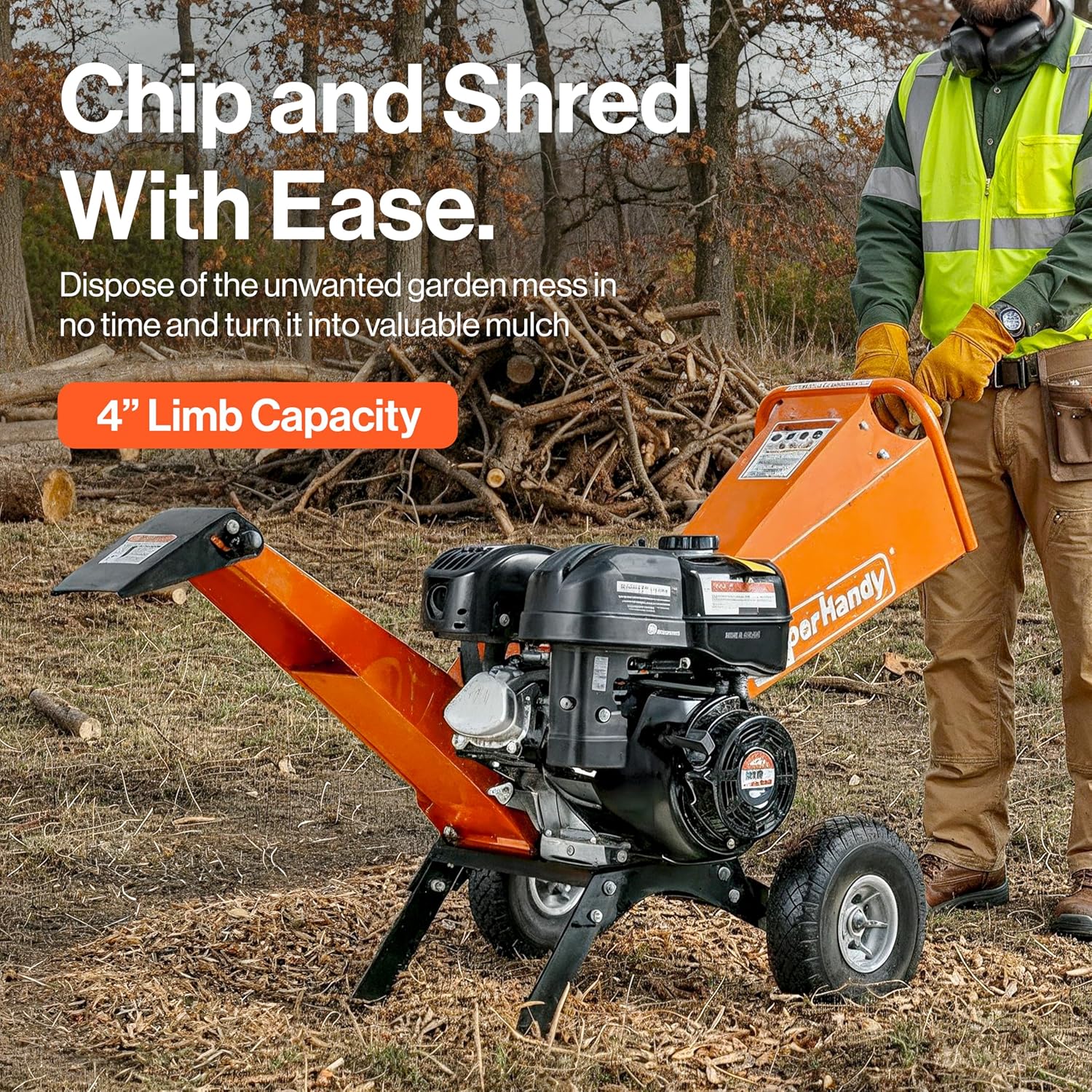
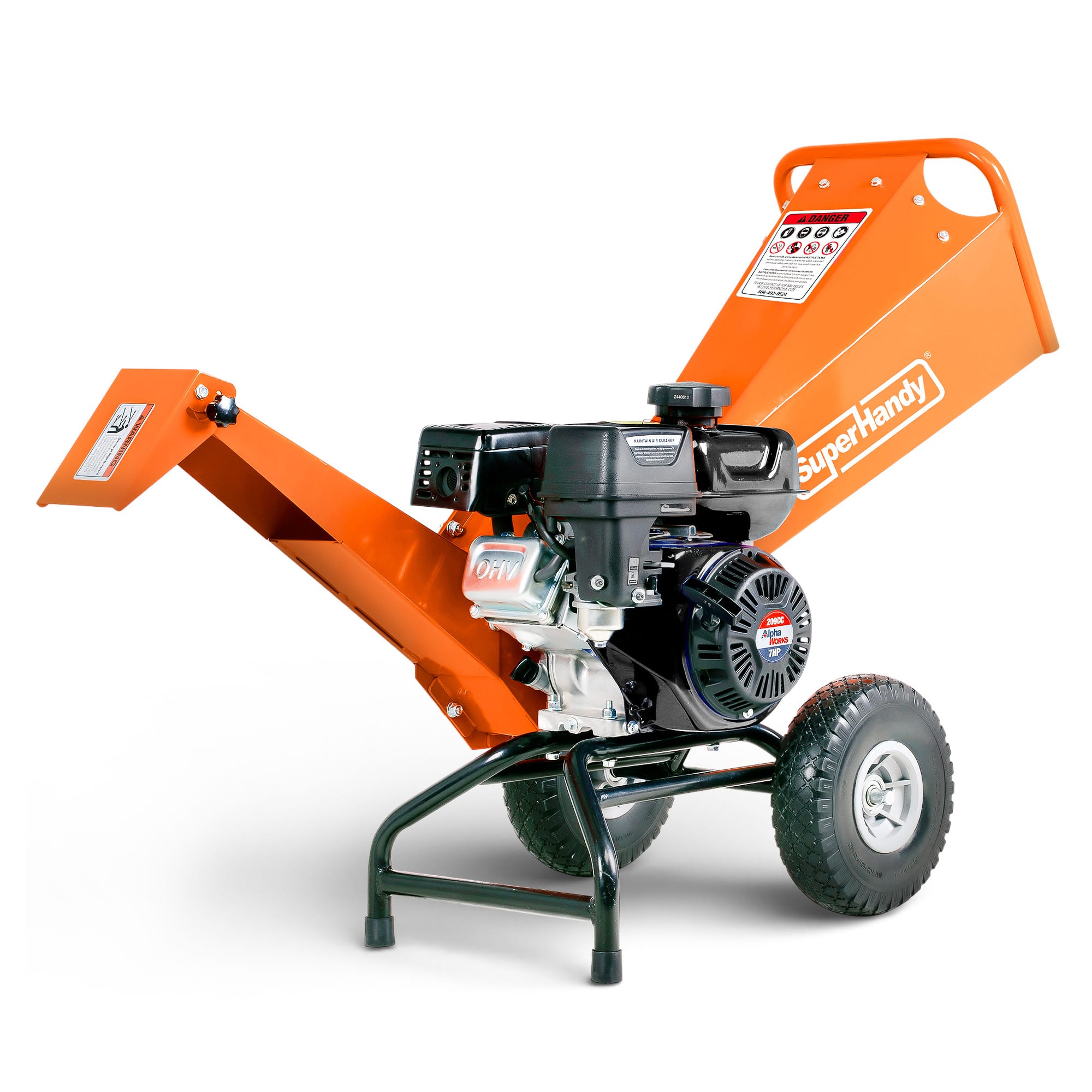
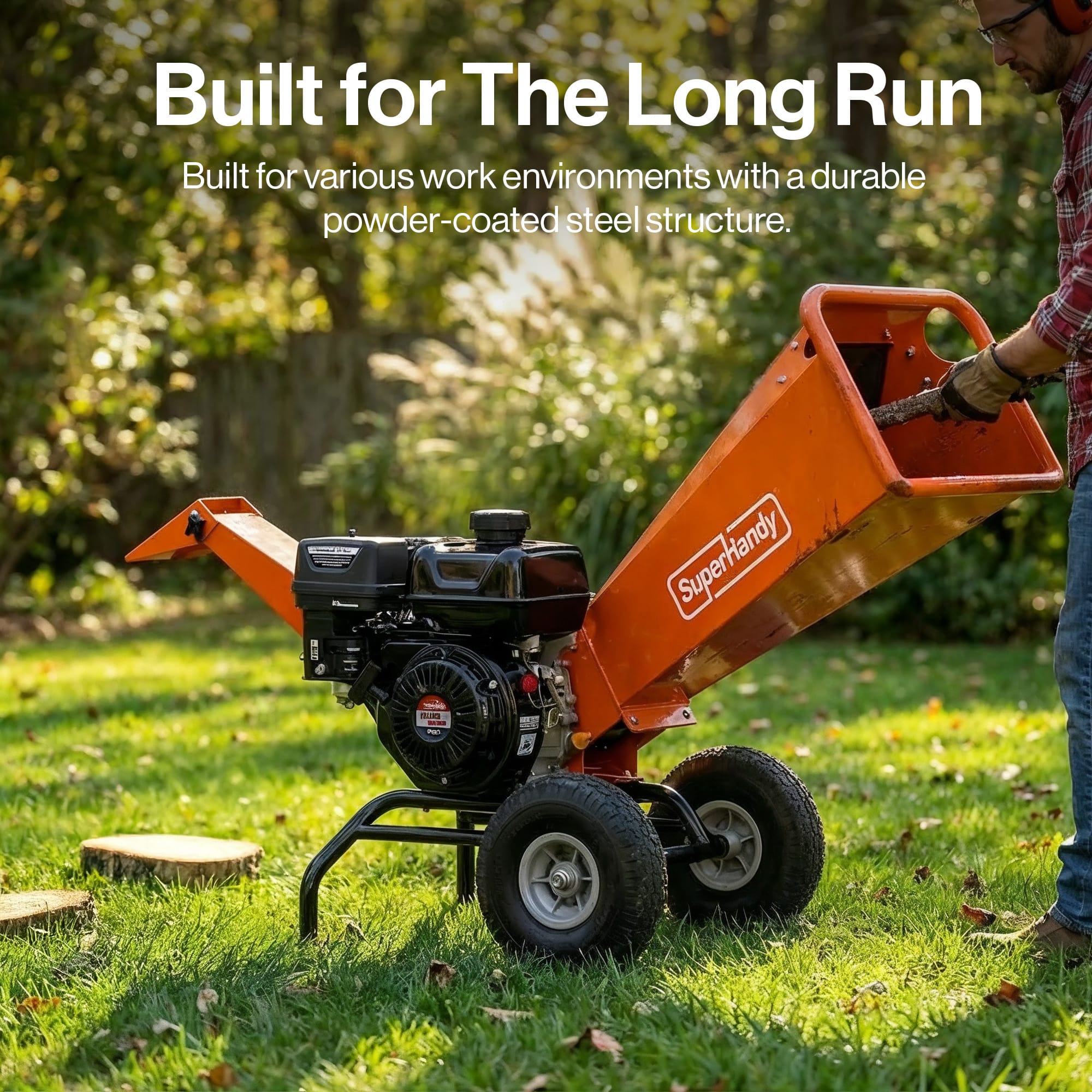
- Chip Size & Type: The consistency of your output, often determined by your Wood Chippers & Leaf Mulchers, is key. Fine, shredded material is ideal for absorbent animal bedding or as a "brown" layer in compost. Coarser chips from a powerful gas wood chipper that can handle branches up to 4 inches are better for durable pathways and effective erosion control.
-
Wood Species: Be mindful of what you chip. Woods like black walnut contain natural chemicals that can inhibit the growth of other plants (allelopathy), so avoid using them fresh in vegetable or flower gardens.

Safety First: Handling and Storing Wood Chipper Debris Responsibly
Your safety commitment doesn't end when the chipper is off. When handling and spreading wood chips, always wear sturdy gloves and eye protection to guard against splinters and dust. The most significant safety concern is storage. A large pile of fresh wood chips can generate a surprising amount of heat as it decomposes. Never stack a fresh, deep pile directly against your home, garage, or other flammable structures. To prevent the risk of spontaneous combustion, keep piles in an open, well-ventilated area and turn them occasionally if they feel hot to the touch.
Scaling Up: Commercial and Community-Level Applications
The benefits of repurposing wood chips extend far beyond the individual yard. Municipalities use large-scale chippers to process tree trimmings into mulch for public parks, community gardens, and trail surfaces. Arborists and tree care companies often have programs to deliver chips to local farms and residents, creating a fantastic circular economy. On farms, wood chips are used in massive quantities for livestock bedding, creating stable pathways in muddy areas, and even as a key component in large-scale biomass energy production.
Frequently Asked Questions about Wood Chipper Debris
What types of wood are best for chipping for these uses?
When it comes to what I feed into my gas wood chipper, I've found that the type of wood really dictates the best end use for the chips. With a capable wood chipper 4inch model, I can handle a good variety of branches. For long-lasting pathways or mulch that I don't want to replace every year, hardwoods like oak, maple, and hickory are my top choice. They're dense and break down slowly. On the other hand, if I need material for my compost pile or want to make some quick-and-easy fire starters, I'll go for softwoods like pine or fir. Their resinous nature helps them ignite, and they decompose much faster, adding valuable carbon to my compost.
There are a few things I always avoid chipping, no matter what. Pressure-treated wood is a big no-no because of the chemicals, which you don't want in your garden or air. I also steer clear of black walnut, as it contains a natural toxin called juglone that can harm many plants. And definitely, never chip poison ivy, oak, or sumac—the irritating oils can remain on the chips and cause a rash later.
How long does wood chipper debris last as mulch or in other applications?
People often ask me how long their hard-earned wood chips will last. The answer really depends on what you're using them for and the type of wood. As a garden mulch, I find that a nice layer of hardwood chips can last a good two to four years before it's broken down enough to need a fresh layer. Softwood chips, in contrast, might only last one or two seasons.
For pathways, the lifespan is similar to mulch, though heavy foot traffic can compact them and speed up decomposition a bit. If I'm using wood chips to supercharge my compost pile, their 'lifespan' isn't really the point. They're there to provide carbon and structure, and they'll be completely broken down along with everything else by the time the compost is ready. The key to getting consistent, useful chips for any of these projects is starting with the right equipment. A good collection of Wood Chippers & Leaf Mulchers ensures you get uniform pieces that perform predictably, whether you need them to last for years or break down quickly.
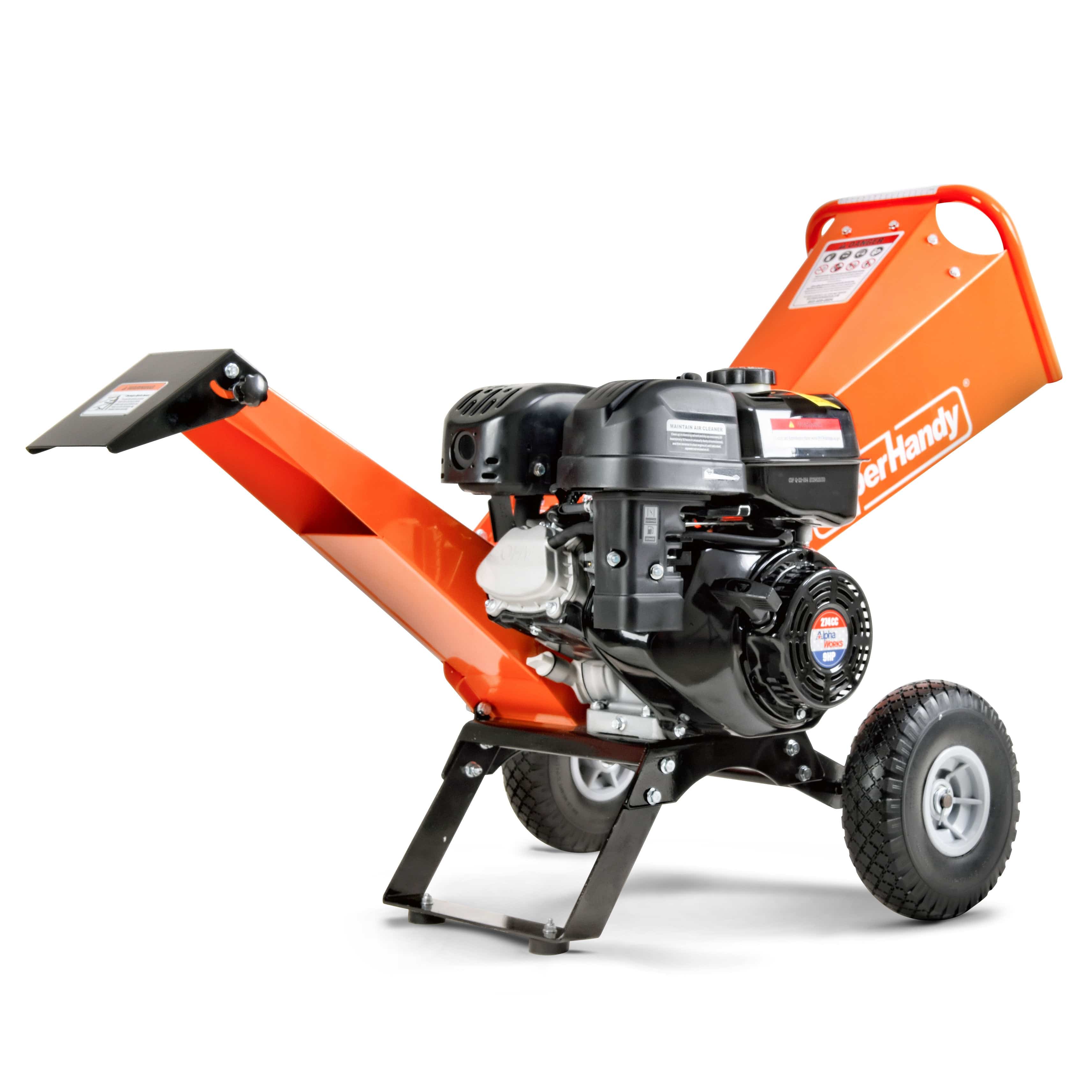
Related Products


Leave a comment
All comments are moderated before being published.
This site is protected by hCaptcha and the hCaptcha Privacy Policy and Terms of Service apply.