














Understanding Your Gas Log Splitter: The Heart of the Operation
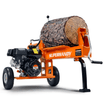
Before you can master splitting, you need to understand the machine. A gas log splitter is a marvel of hydraulic power. At its core, a gas engine drives a hydraulic pump, which pressurizes fluid and sends it to a cylinder. This hydraulic force extends a piston, or ram, that pushes the log into a stationary wedge, splitting it apart.
The key specification you’ll always see is "tonnage." This number represents the maximum amount of splitting force the machine can generate. A smaller 20Ton log splitter is perfect for homeowners splitting softer woods like pine or smaller diameter hardwoods. For tougher jobs involving large, dense logs from trees like oak, hickory, or elm, a more powerful machine like a 37Ton log splitter provides the necessary muscle to get the job done without stalling. Understanding your machine’s power is the first step to using it efficiently.
Choosing the Right Wedge: The Key to Effortless Splitting
The wedge is where the magic happens. It’s the sharpened steel component that concentrates all the machine's tonnage into a fine edge to tear the wood fibers apart. Most gas log splitters come with a standard, built-in wedge that is highly effective for general use.
However, for a major boost in efficiency, consider a 4-way wedge attachment. This accessory slides over the standard wedge and allows you to split a single round into four pieces with one pass of the ram. While it requires more power from your machine and is best suited for straight-grained, knot-free logs, a 4-way wedge can cut your splitting time in half.
The condition of your wedge is also critical. A dull or damaged wedge will crush the wood fibers rather than splitting them, requiring more force and potentially stalling the machine. Keep your wedge sharp and free of nicks for clean, easy splits.

Pre-Split Log Preparation: Setting Yourself Up for Success
The work you do before you even start the engine can make a huge difference. Proper log preparation ensures safety, speed, and better results.
- Cut to Length: First, ensure your logs are cut to a manageable length that fits your splitter's beam capacity. Most splitters accommodate logs up to 24-26 inches.
- Square the Ends: Use your chainsaw to make the ends of each round as flat and square as possible. A log with angled ends is unstable and can shoot out from the machine under pressure, creating a serious safety hazard.
- Read the Wood: Take a moment to inspect each log. Look for existing cracks or "checks" that have formed as the wood dried. By positioning the log so the wedge aligns with these natural weak points, you give the splitter a head start and make its job much easier.
- Clear Your Workspace: Maintain a clean, level area around your log splitter. Tripping hazards like stray branches, wood chips, or uneven ground can be dangerous when you're focused on operating the machine.
Mastering the Splitting Technique: Power and Precision
With your logs prepared, it’s time to split. Following the correct technique not only improves efficiency but is also crucial for your safety.
- Position the Log: Place the log securely on the beam. It should sit flat against the footplate at the end of the beam, centered in front of the wedge. Never try to split a log that is rocking or unstable.
- Use Both Hands: Modern gas log splitters are designed with two-handed controls for safety. One hand operates the hydraulic valve, while the other engages the ram. This ensures your hands are clear of the splitting area.
- Engage and Split: Gently engage the ram until it makes firm contact with the log. Once the log is held securely between the ram and the wedge, apply full pressure to drive it through. Most logs will split with a satisfying crack.
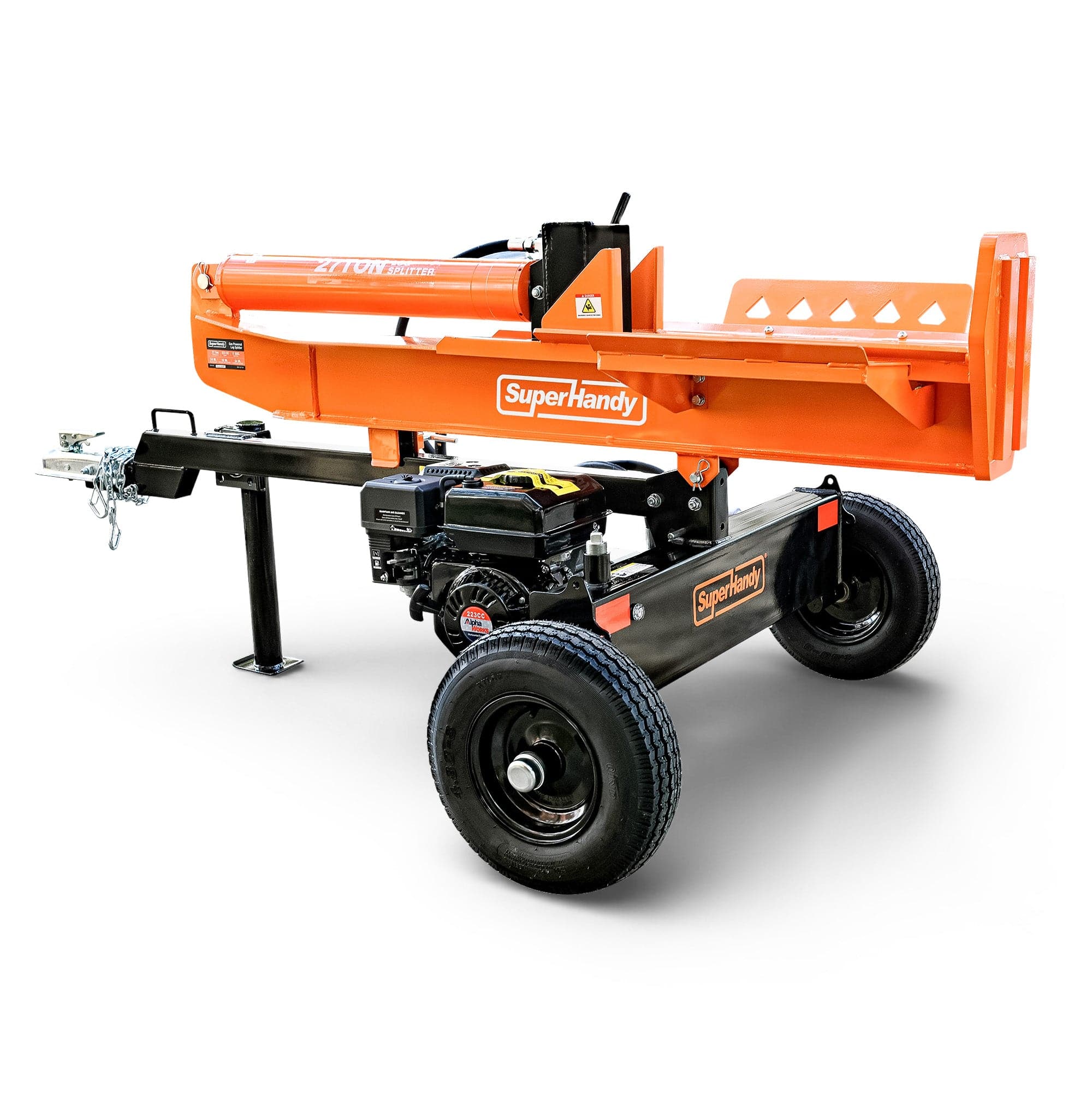
- Handle Heavy Logs: For massive, heavy rounds that are difficult to lift onto the beam, a splitter with vertical operation is a back-saver. Models like the 27Ton log splitter can be tilted upright, allowing you to simply roll the log into place without any heavy lifting. This feature is a must-have for anyone processing large quantities of wood. A quality 25Ton log splitter also provides ample power for most residential splitting tasks.
If a log doesn’t split on the first try, retract the ram completely. Don't try to force it. Instead, rotate the log 90 degrees and try splitting it from a different angle, ideally along a natural check in the wood.
Tackling Tough Logs: Advanced Strategies for Difficult Wood
Even with a powerful gas log splitter, you'll eventually encounter a round that refuses to cooperate. Woods with fibrous, interlocking grain like elm, sweetgum, or black gum are notoriously stubborn. When your splitter stalls or the wood just groans and flexes, it’s time to switch from brute force to smart strategy.
First, "read the wood." Before placing a log on the beam, inspect it for any existing cracks or checks. These are natural weaknesses. Position the log so the wedge aligns with a pre-existing crack to give it a head start. If the log is particularly large in diameter, don't aim for the center. Instead, split off slabs from the outside, working your way in. This reduces the resistance and is often more effective than trying to power through the entire core at once.
Sometimes, simply flipping the log over and approaching it from the other end can make all the difference. The grain structure may be weaker on the opposite side. If a log is exceptionally difficult, you may need to bring in reinforcements. For the gnarliest blocks, a sledgehammer and a pair of splitting wedges can be invaluable. While a powerful 37Ton log splitter can handle most things, some knot-filled logs may need to be "unzipped" by using the splitter to start a crack and then driving in manual wedges to finish the job, as noted in tips from wood stove manufacturer Jøtul.
Dealing with Knots: The Ultimate Log Splitting Challenge
Knots are the bane of anyone splitting wood. Formed where a branch grew from the trunk, a knot is a dense swirl of chaotic, interlocked wood grain. Trying to force a wedge directly through a large knot is often a futile effort that can stall your machine or, in a worst-case scenario, damage it. The key is to work around them.
According to the University of Missouri Extension, it's best to position the log so the splitter's wedge strikes perpendicular to the direction the branch was growing. If that's not possible, you should offset your split as far from the knot as you can. In other words, don't aim for the knot; aim for the clear wood beside it. This allows the split to run past the knot, isolating it on one of the resulting pieces.
For logs with a "Y" shape or a large crotch, position the log upside down on the splitter. This forces the wedge to work with the grain fibers as they diverge, rather than against them. If a round is riddled with knots, you may need a machine with significant tonnage, like a 27Ton log splitter, and a lot of patience. Sometimes, the most efficient strategy is to accept that some pieces are too gnarly to split and set them aside for an outdoor fire pit where they can be burned whole.
Splitting Green vs. Seasoned Wood: What's the Difference?
The moisture content of your wood dramatically affects the splitting process. Understanding the difference between green and seasoned wood will help you work more efficiently.
-
Green Wood: This is freshly cut wood with a high moisture content (often over 50%). For straight-grained species like oak, maple, and ash, green wood often splits very easily. The wet fibers separate with less resistance. The downside is that stringy woods like elm can be even more fibrous when green, leading to incomplete splits that don't separate cleanly. The major advantage of splitting green is that it vastly accelerates the drying time by exposing more surface area to the air.
-
Seasoned Wood: This is wood that has been cut, split, and stacked to dry for at least 6-12 months. It's harder, lighter, and more brittle. Seasoned wood often splits with a satisfying "pop," breaking cleanly into pieces. However, if the wood has dried and hardened around twisted grain or knots, it can become incredibly tough—sometimes even harder to split than when it was green. A versatile machine like a 25Ton log splitter has the power to handle both types effectively.
Ultimately, the best time to split depends on the wood type and your timeline. For most hardwoods, splitting them green and letting the pieces season is the most efficient path to good firewood.
Safety First: Essential Precautions for Gas Log Splitter Use
A gas log splitter is a powerful tool that makes quick work of a woodpile, but it demands your full attention and respect. Never become complacent. Following these essential safety rules is non-negotiable every time you use your machine.
1. Wear Your PPE: Always wear Personal Protective Equipment. This includes:
- Safety Glasses: To protect your eyes from flying wood chips and debris.
- Sturdy Gloves: To prevent splinters and improve your grip on logs.
- Steel-Toed Boots: To protect your feet from falling logs.
- Hearing Protection: Gas engines are loud; protect your hearing during long sessions.
2. Create a Safe Workspace: Operate your splitter on level, stable ground to prevent it from tipping. Keep the area clear of clutter, children, and pets. Log splitting is a one-person job. Only the operator should be within the machine's safety zone.
3. Hands-Off Operation: Use the splitter's control handles to operate the ram. Never hold the log in place with your hands or feet as the wedge advances. Keep your hands clear of all moving parts at all times.
4. Know Your Machine's Limits: Only split logs that fit your machine's specifications for length and diameter. Trying to split an oversized or awkwardly shaped piece can create dangerous situations. Even a capable 20Ton log splitter has its limits.
5. Shut It Down: Always turn the engine off completely before refueling, making adjustments, or attempting to clear a jammed log. Never try to dislodge a stuck log while the engine is running or the hydraulic system is pressurized.
Routine Maintenance: Keeping Your Splitter in Peak Condition
A gas log splitter is a powerful workhorse, but like any piece of heavy equipment, it requires regular care to perform reliably and safely. Neglecting maintenance not only shortens the life of your machine but can also lead to decreased performance and potential hazards. By incorporating a simple routine, you can ensure your log splitter is always ready for the job.
- Check Fluids Regularly: Before each use, check the engine oil and hydraulic fluid levels. Running the engine with low oil can cause catastrophic failure, while low hydraulic fluid will result in weak splitting force and can damage the pump.
- Keep the Wedge Sharp: A dull wedge crushes wood rather than splitting it, which puts unnecessary strain on the engine and hydraulic system. Use a flat file to sharpen the cutting edge of the wedge periodically. A few minutes of filing can make a world of difference in splitting efficiency.
- Inspect Hydraulic Hoses: Look for any signs of cracking, abrasion, or leaks in the hydraulic hoses. A failed hose under pressure is extremely dangerous. Replace any damaged hoses immediately.
- Clean the Machine: After each use, clear wood debris from the beam, engine, and around the ram. Sawdust and wood chips can hold moisture, leading to rust, and can also become a fire hazard around a hot engine.
- Engine Care: Follow the manufacturer's recommendations for engine maintenance. This typically includes cleaning the air filter, checking the spark plug, and using fresh, stabilized fuel.

Troubleshooting Common Gas Log Splitter Issues
Even with perfect maintenance, you might occasionally run into a problem. Here are some common issues and how to troubleshoot them:
-
Problem: The engine won't start.
- Solution: First, check the basics. Is the ON/OFF switch in the "ON" position? Is there fresh fuel in the tank? Is the choke set correctly for a cold or warm start? If these are all correct, check that the spark plug wire is securely attached. A fouled or old spark plug may also need to be replaced.
-
Problem: The splitting wedge moves slowly or lacks power.
- Solution: This is almost always a hydraulic issue. The most common cause is low hydraulic fluid. Check the reservoir and top it off if necessary. If the fluid level is correct, there may be air in the system. To purge the air, extend and retract the ram fully several times with no log in place. Finally, a clogged hydraulic filter can also restrict flow and reduce power.
-
Problem: The log splitter is making a whining noise.
- Solution: A whining or screeching sound from the pump area often indicates aerated or cavitating hydraulic fluid, usually caused by a low fluid level or a leak on the suction side of the pump. Immediately shut down the splitter, check the fluid level, and inspect all hose connections for tightness.
Maximizing Efficiency: Tips for Splitting More Wood Faster
Splitting a large pile of wood can be a daunting task, but with the right strategy, you can significantly increase your productivity.
- Set Up an Efficient Workspace: Use the "three-pile" method. Create one large pile of unsplit rounds within easy reach, operate your log splitter in the middle, and stack the split wood in a third pile on the other side. This minimizes wasted movement and keeps your area organized.
- Sort Your Logs: Before you start, quickly sort your logs by diameter. Begin with the smaller, straight-grained logs. This allows you to get into a rhythm and quickly build a satisfying pile of split wood. Save the large, knotty, and difficult logs for last when you are fully warmed up.
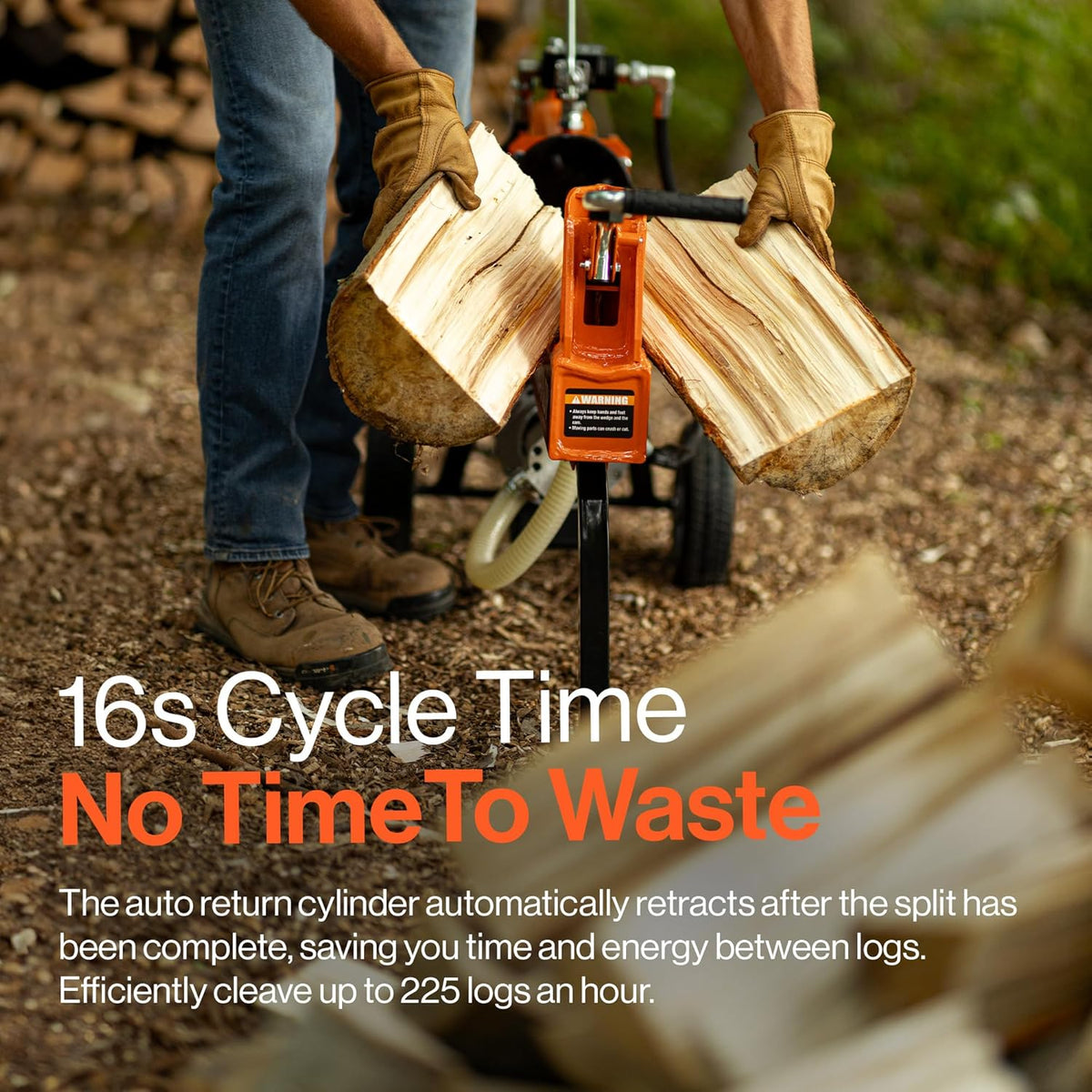
- Let the Auto-Return Work for You: Most modern gas log splitters have an auto-return feature on the control valve. As the ram is retracting on its own, use that time to grab the next round and place it on the beam. This simple timing trick can nearly double your output.
Choosing the Best Gas Log Splitter for Your Needs
Selecting the right gas log splitter depends entirely on the type and amount of wood you plan to split. The most important specification to consider is tonnage, which measures the amount of splitting force the machine can generate.
- For Occasional Use and Softwoods: If you primarily split smaller rounds (under 12 inches in diameter) of softer woods like pine or fir for your fireplace, a 20Ton log splitter provides ample power without being overkill.
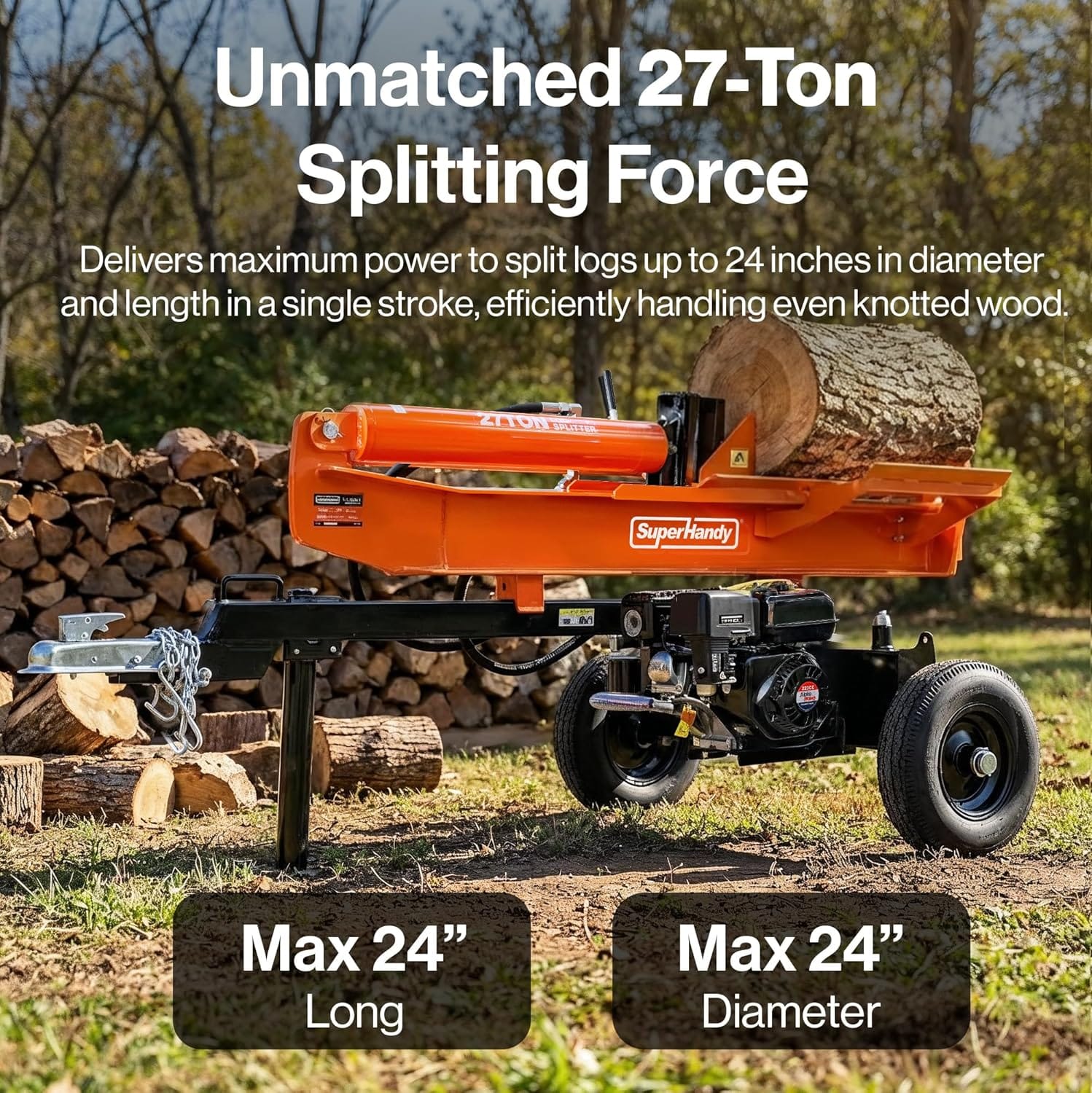
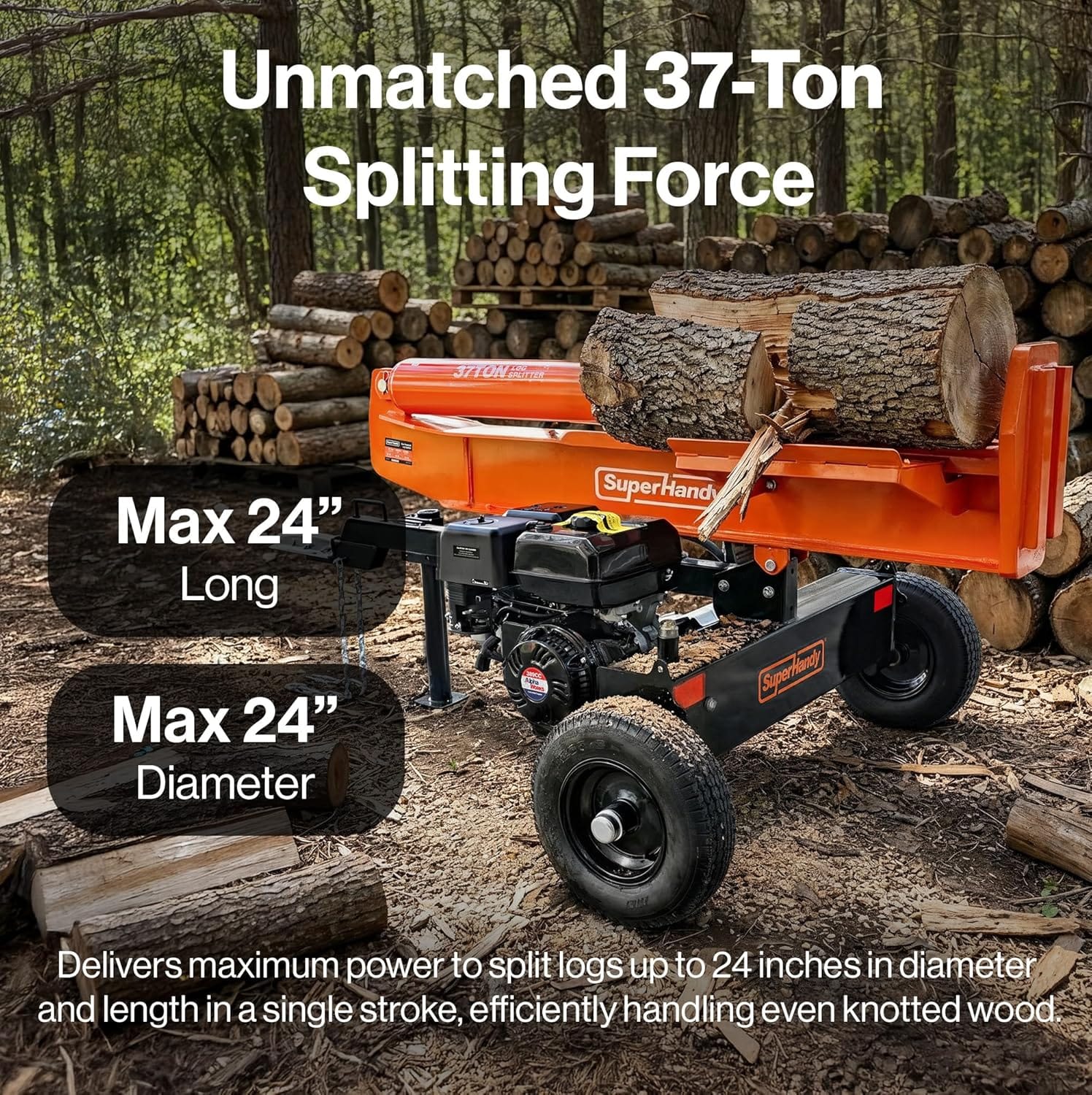
- For All-Around Farm and Home Use: For those who heat with wood and regularly tackle hardwoods like oak and maple, stepping up in power is a wise investment. A 25Ton log splitter or a 27Ton log splitter offers the versatility needed for tougher, more fibrous wood up to 24 inches in diameter.
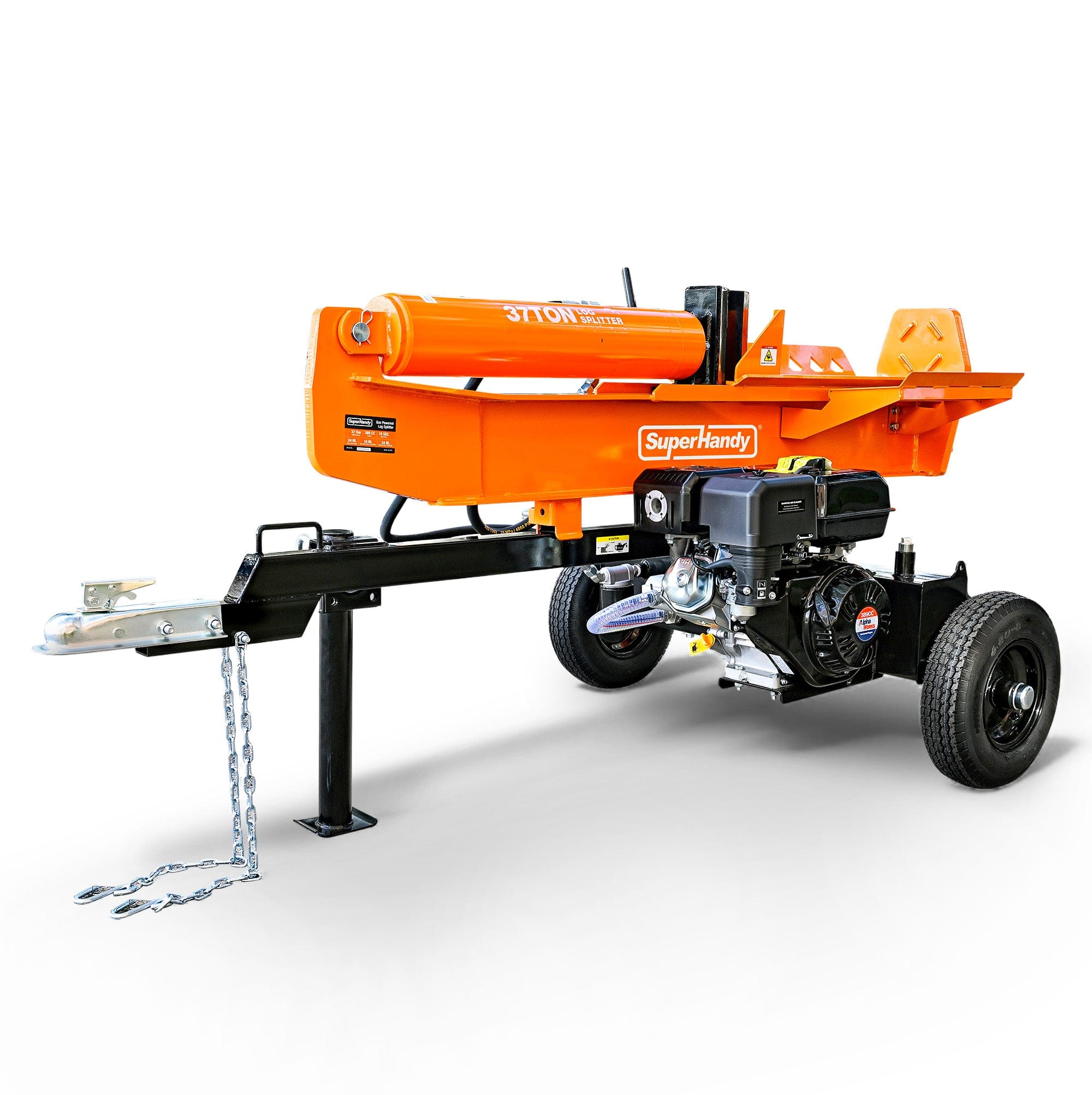
- For Professional and Extreme Demands: When dealing with large, knotty, and dense hardwoods, maximum power is essential. A commercial-grade 37Ton log splitter will power through the most challenging logs without hesitation.
Beyond tonnage, consider features like cycle time (a lower number means faster splitting) and vertical/horizontal operation. A splitter that can tilt into a vertical position is a back-saver, as it allows you to roll massive, heavy rounds into place rather than lifting them.
Frequently Asked Questions about Gas Log Splitters
Have a question about your gas log splitter? We’ve compiled answers to some of the most common queries to help you get the most out of your machine.
What tonnage do I need for my gas log splitter?
Choosing the right tonnage is crucial for efficient and effective splitting. Tonnage refers to the amount of force the splitter can exert. The right choice depends on the type and condition of the wood you'll be splitting:
- For smaller rounds and seasoned softwoods (like pine, fir, or cedar), a machine in the 20-ton range is often perfectly adequate. A 20Ton log splitter can handle typical firewood needs for many homeowners.
- For medium-to-large diameter seasoned hardwoods (like oak, maple, or ash), you'll want more power. A 25Ton log splitter or a 27Ton log splitter provides the extra force needed to bust through denser wood without bogging down.
- For large, knotty, or green hardwoods, investing in a high-tonnage model is the best strategy. A powerful 37Ton log splitter has the raw power to tackle the most challenging logs you can throw at it.
When in doubt, it’s always better to have more power than not enough.

What is the difference between horizontal and vertical splitting?
Many modern gas log splitters can operate in both horizontal and vertical positions.
- Horizontal Splitting: This is the traditional configuration where you lift a log round onto the beam. It’s ideal for most logs that are a manageable size and weight.
- Vertical Splitting: In this mode, the beam pivots downward so the wedge strikes from above. This is a back-saving feature designed for massive, heavy logs that are too difficult to lift. You simply roll the log into position on the ground plate and split it where it stands.
Is it better to split wood when it's green or seasoned?
This is a classic debate. While seasoned wood is lighter and often cleaner to handle, splitting wood while it's still green is generally more efficient for the overall process. Green wood contains a lot of moisture, which can make some species (like oak) split more easily. The primary benefit, however, is that splitting green wood dramatically accelerates the seasoning process. Split logs have far more surface area exposed to air, allowing moisture to evaporate much faster than it would from a whole round.
How often should I change the hydraulic fluid?
Regular fluid changes are vital for your splitter's health. Always consult your owner's manual for the manufacturer's specific recommendations. As a general rule of thumb, most manufacturers suggest changing the hydraulic fluid and filter after the first 25 hours of operation to remove any metal particles from the break-in period. After that, a change every 100-150 operating hours or at least once per year is a good practice to ensure the system runs smoothly and powerfully.
Can I tow my log splitter on the highway?
Not all "towable" log splitters are created equal. Many models are designed with wheels simply for easy movement around your property at low speeds (typically under 15 mph). Towing these on public roads can be unsafe and illegal. For highway towing, a splitter must be equipped with DOT-approved tires rated for higher speeds, a proper suspension system, and often a lighting kit (brake lights, turn signals). Always check the specifications and towing speed limit in your log splitter’s manual before attempting to tow it on any public road.
Related Products


Leave a comment
All comments are moderated before being published.
This site is protected by hCaptcha and the hCaptcha Privacy Policy and Terms of Service apply.