









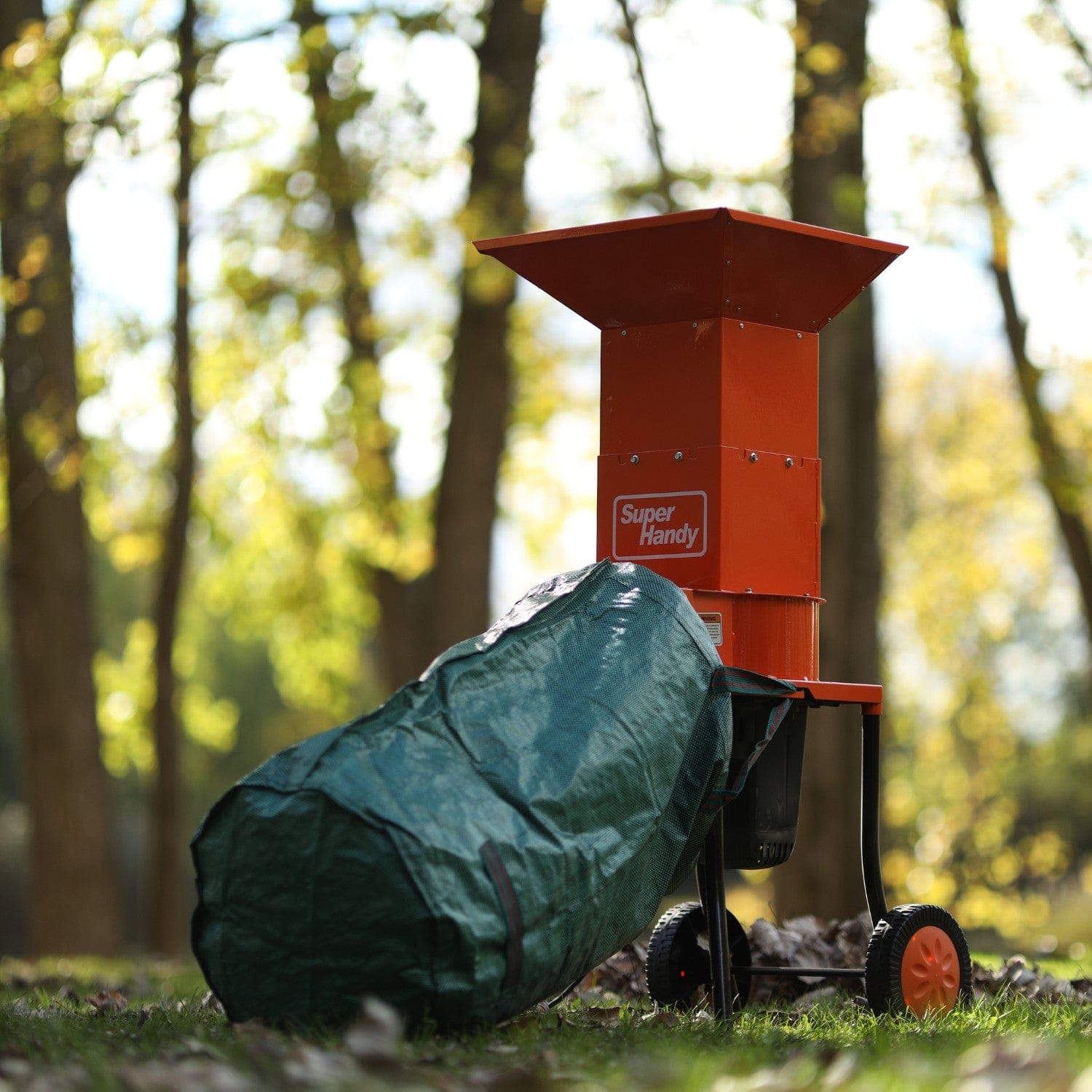
Why Your Garden Needs Leaf Mulch: The Unsung Hero of Soil Health
Before you even plug in a mulcher, it’s important to understand why leaf mulch is so beneficial. Those fallen leaves are packed with nutrients that the tree drew from the soil. When you return them to your garden beds as mulch, you're completing a natural cycle that enriches your soil in several key ways.
First, a layer of leaf mulch acts as a natural blanket for your soil. It insulates plant roots from extreme temperature swings, keeping them cooler in the summer and warmer in the winter. This layer also helps retain soil moisture by reducing evaporation, which means you'll need to water less often. Furthermore, a good 2-3 inch layer of mulch is one of the best ways to suppress weeds, saving you time and back-breaking effort.
As the shredded leaves decompose, they release valuable organic matter and nutrients like carbon, nitrogen, and phosphorus directly into the soil. This process improves soil structure, promotes beneficial microbial activity, and creates a healthier environment for your plants to grow. Instead of sending this free, high-quality fertilizer to the landfill, you can use it to build a more resilient and vibrant garden.

Choosing the Right Electric Leaf Mulcher: Key Features to Consider
When you’re ready to invest in an electric leaf mulcher, you’ll find several options available. Choosing the right one depends on your yard size, leaf volume, and personal preferences. Here are the key features to look for:
- Power and Performance: Electric leaf mulchers are powered by robust motors, typically measured in amps. A higher amperage, like a 15-amp motor, provides more power to shred leaves and even small twigs and branches efficiently. Look for a model with a high reduction ratio, such as 16:1. This means the machine can reduce 16 bags of whole leaves down to just one bag of fine mulch, saving you significant space and creating a better product for your garden.
- Hopper Size: The hopper is where you feed the leaves into the machine. A larger hopper diameter (e.g., 13 inches) allows you to process more leaves at once without them getting clogged, speeding up your workflow.
- Cutting Mechanism: Most electric mulchers use a durable cutting line system, similar to a heavy-duty string trimmer, to shred leaves. Check for models that use standard, easy-to-replace trimmer line, which makes maintenance simple and affordable.
- Portability and Storage: Since you’ll be moving the mulcher around your yard, look for a lightweight design with sturdy wheels. A model that is easy to assemble and disassemble is also a huge plus for compact, off-season storage. When looking for a powerful and efficient model, consider a leaf mulcher that combines a high-power motor with a user-friendly, portable design.
Safety First: Essential Precautions for Operating Your Leaf Mulcher
An electric leaf mulcher is a powerful piece of equipment, and operating it safely is paramount. Before you start, always familiarize yourself with the manufacturer's specific instructions and safety warnings in the user manual. Adhering to these guidelines will protect you from injury and ensure your machine runs properly.
Always wear the proper Personal Protective Equipment (PPE). This includes safety glasses or goggles to protect your eyes from flying debris, heavy-duty gloves to protect your hands, and closed-toe shoes. Because leaf mulchers can be loud, hearing protection is also recommended. In addition to personal gear, it's vital to follow general hand and power tool safety guidance for all your yard work. This includes being aware of your surroundings and ensuring your equipment is in good working order before each use.
When operating the mulcher, keep a safe distance and never put your hands or any other body part inside the hopper or discharge chute while it is running. If you need to clear a jam, always turn off and unplug the machine first. Keep the work area clear of children, pets, and other obstacles. Finally, operate your mulcher on a flat, stable surface to prevent it from tipping over during use.
Step-by-Step Guide: Transforming Piles of Leaves into Garden Gold
With your new mulcher chosen and your safety gear on, you’re ready to turn those leaf piles into black gold for your garden. Follow these simple steps for a smooth and productive mulching session.
- Prepare Your Workstation: Set up your electric leaf mulcher on a level piece of ground near your leaf pile. If you have a corded model, use a heavy-duty outdoor extension cord that is rated for the amperage of your machine. Attach your collection bag or place a large yard waste bin or wheelbarrow directly under the discharge chute.
- Get Your Leaves Ready: For the best results, use leaves that are dry or slightly damp. Soaking wet leaves can clump together and clog the machine. If your leaves are wet, spread them out to dry for a day or feed them into the mulcher in smaller handfuls mixed with dry leaves. Remove any large sticks, rocks, or other debris that could damage the cutting mechanism.
- Power On and Mulch: Put on your safety glasses and gloves. Turn the machine on and wait for it to reach full speed. Begin feeding leaves into the hopper in manageable amounts. Don't overstuff it; let the machine pull the leaves in at its own pace for the most efficient shredding.
- Monitor the Output: Keep an eye on your collection bag or bin. Once it’s full, turn off and unplug the mulcher. Carefully detach the bag and empty the fresh mulch into a wheelbarrow or onto a tarp. Reattach the bag and continue the process until your leaf pile is gone.
- Apply Your Mulch: Your freshly shredded leaves are ready to use immediately! Spread a 2-3 inch layer around trees, in flower beds, and over your vegetable garden. Keep the mulch a few inches away from tree trunks and plant stems to prevent moisture buildup and potential rot.

Optimizing Leaf Mulching: Tips for Different Leaf Types and Conditions
Not all leaves are created equal, and your electric leaf mulcher’s performance can vary based on what you’re feeding it. By adjusting your technique for different leaf types and conditions, you can ensure a smooth, efficient process and a high-quality end product.
-
Dry vs. Wet Leaves: The golden rule of leaf mulching is to work with dry leaves whenever possible. Dry leaves are brittle, shred easily, and flow through the machine with minimal effort. Wet or damp leaves, on the other hand, can form a dense mat, leading to clogs and straining the motor. If you must mulch damp leaves, work in smaller handfuls and try mixing them with any dry leaves or yard clippings you have available to improve airflow.
-
Tough, Waxy Leaves: Leaves from trees like oaks, magnolias, and southern live oaks have a tough, leathery texture that can be more challenging to break down. While a powerful leaf mulcher can handle them, you may get a coarser mulch on the first go. For a finer texture, consider running these tougher leaves through the machine a second time.
-
Pine Needles: Pine needles can be mulched, but they require a slightly different approach. On their own, their stringy nature can sometimes wrap around the cutting mechanism. The best strategy is to mix them with a larger volume of broadleaves (like maple or birch). This combination helps the machine process everything more uniformly. Remember that pine needles are acidic, so the resulting mulch is best used for acid-loving plants like azaleas, rhododendrons, and blueberries.
Beyond Mulch: Creative Uses for Your Shredded Leaves
Your pile of freshly shredded leaves is far more versatile than you might think. While it’s an excellent top-dressing for garden beds, its benefits extend throughout your entire yard and garden ecosystem. Here are a few creative ways to use your "garden gold."
-
Compost Pile Supercharger: Shredded leaves are the perfect "brown" material for a healthy compost bin. Whole leaves can take a year or more to decompose, but shredding them dramatically increases the surface area, allowing beneficial microbes to get to work much faster. Mix your shredded leaves with "green" materials like kitchen scraps and grass clippings for a balanced, nutrient-rich compost that will be ready in a fraction of the time.
-
Winter Insulation for Tender Plants: Protect your delicate perennials, roses, and shrubs from harsh winter freezes and thaws. After the first hard frost, pile a thick, fluffy layer of shredded leaves (6-12 inches deep) around the base of the plants. This blanket insulates the root zone, preventing damage from extreme temperature fluctuations.
-
Natural Soil Amendment: Improve your garden soil’s structure for next season. In the fall, spread a 2-3 inch layer of shredded leaves over your empty vegetable or annual beds and till it directly into the top 6-8 inches of soil. The leaves will decompose over the winter, adding valuable organic matter that enhances aeration, water retention, and nutrient availability for spring planting.
-
Pathway and Weed Suppressant: Create natural, attractive pathways in your garden or suppress weeds in established beds by laying down a thick layer of shredded leaves. This dense mat blocks sunlight, preventing weed seeds from germinating, and it will slowly break down to enrich the soil beneath.
Troubleshooting Common Leaf Mulcher Issues: What to Do When Things Go Wrong
Even the most reliable electric leaf mulcher can run into an occasional hiccup. Before calling for help, here are a few common issues and simple troubleshooting steps you can take. Important: Always unplug your machine from the power source before performing any inspection or clearing a jam.
-
Problem: The Mulcher Won’t Start.
-
Solution: Start with the most obvious culprits. Is the power cord firmly plugged into both the machine and a working wall outlet? Check your home’s circuit breaker to ensure it hasn’t tripped. If you’re using an extension cord, make sure it’s rated for outdoor use and for the amperage of your mulcher. For cordless models, confirm the battery is fully charged and seated correctly in its housing.
-
Problem: The Motor Hums but the Cutting Lines Don’t Spin.
-
Solution: This almost always indicates a jam. Immediately turn off and unplug the unit. Wet leaves, a hidden stick, or feeding too much material at once can compact in the shredding chamber and stop the cutting head. Carefully clear the obstruction from the hopper and cutting chamber using a wooden dowel or sturdy stick—never your hands.
-
Problem: The Mulcher’s Performance is Slow or Inefficient.
-
Solution: If your mulcher seems to be struggling, the cutting lines are likely worn out. Unplug the machine and inspect the lines. If they are frayed, broken, or worn down to a short length, replace them according to your owner’s manual. Inefficiency can also be caused by processing very wet leaves or trying to feed material too quickly. Slow down and let the machine catch up.

Maintaining Your Electric Leaf Mulcher for Longevity and Performance
Proper maintenance is the key to ensuring your electric leaf mulcher operates safely and effectively for many autumns to come. A few minutes of care after each use will prevent most common problems and extend the life of your investment.
- Clean After Every Use: Once you’ve unplugged the machine, give it a thorough cleaning. Use a stiff brush, a shop towel, or a leaf blower to remove all leaf dust and debris from the hopper, legs, and especially the motor housing vents. Caked-on debris can trap moisture, leading to rust, and blocked air vents can cause the motor to overheat.
-
Periodic Inspections: Before each use, do a quick visual check. Ensure the cutting lines are in good condition and not excessively worn. Check that all nuts, bolts, and other hardware are tight, as the machine’s vibration can sometimes loosen them over time. For corded models, inspect the entire length of the power cord for any nicks or frays.
-
Battery Care (for Cordless Models): If your leaf mulcher is battery-powered, proper battery care is crucial. Avoid storing the battery in extreme temperatures, such as a freezing garage or a hot car trunk. According to the U.S. Department of Energy, high and low temperatures can shorten the lifespan and reduce the capacity of lithium-ion batteries, so it's best to store them in a cool, dry place. Don’t leave a fully charged battery sitting on the charger for extended periods.
-
End-of-Season Storage: Before you put your mulcher away for the winter, give it one final, deep cleaning. Ensure it is completely dry. Store it in a sheltered location like a garage or shed where it will be protected from moisture and extreme temperatures.
The Environmental Benefits of Mulching Leaves Instead of Disposing of Them
When you see a pile of autumn leaves, what comes to mind? For many, it’s a chore—something to be raked, bagged, and left at the curb. But shifting your perspective reveals a powerful environmental opportunity. Using an electric leaf mulcher to process those leaves isn't just a convenient way to clean your yard; it's a profound act of conservation that benefits the planet in multiple ways.
1. You Dramatically Reduce Landfill Waste
Every year, municipalities spend significant resources collecting and transporting yard waste. Leaves and other organic materials make up a substantial portion of the solid waste stream heading to landfills. When you bag your leaves, you contribute to this problem. By mulching them instead, you keep a valuable resource out of the landfill, freeing up space and reducing the burden on municipal waste systems. A single large oak tree can drop hundreds of pounds of leaves, all of which can be recycled directly in your yard instead of being hauled away.
2. You Decrease Harmful Greenhouse Gas Emissions
Leaves and other organic materials need oxygen to decompose properly. In your garden or compost pile, they break down aerobically, releasing a small, harmless amount of carbon dioxide. However, when compacted in a landfill and buried under layers of other trash, they are deprived of oxygen. This forces them to decompose anaerobically, a process that produces methane—a greenhouse gas over 25 times more potent at trapping heat in the atmosphere than carbon dioxide. Mulching your leaves on-site prevents the generation of this harmful gas.
3. You Conserve Water in Your Garden
A two-to-three-inch layer of leaf mulch spread over your garden beds and around the base of trees and shrubs is one of the best ways to conserve water. This natural blanket shades the soil from the sun, significantly reducing evaporation. It also helps break up heavy clay soils and improve the structure of sandy soils, allowing them to absorb and retain moisture more effectively. The result is a reduced need for supplemental watering, which saves a precious natural resource and lowers your water bill.
4. You Eliminate the Need for Chemical Fertilizers
Why buy synthetic fertilizers when nature provides a perfect alternative for free? As leaf mulch breaks down, it slowly releases a treasure trove of essential nutrients—including nitrogen, phosphorus, and potassium—directly into the soil. This process, known as nutrient cycling, feeds your plants and enriches the soil's organic content. By creating your own nutrient-rich soil amendment, you reduce your reliance on chemical fertilizers, the production of which is energy-intensive and whose runoff can pollute local waterways.
5. You Foster a Thriving Soil Ecosystem
Healthy soil is a living ecosystem teeming with beneficial microorganisms, fungi, and earthworms. These organisms are the engines of soil fertility, breaking down organic matter and making nutrients available to plants. A layer of leaf mulch provides the perfect food and habitat for this subterranean community. It keeps the soil insulated, moist, and full of the organic material they need to thrive. Using an leaf mulcher to create this mulch is a direct investment in the long-term health and resilience of your garden's soil.
Frequently Asked Questions About Electric Leaf Mulchers and Leaf Mulching
Thinking about adding an electric leaf mulcher to your tool shed? Here are answers to some of the most common questions homeowners have.
What's the difference between an electric leaf mulcher and a leaf shredder?
The terms are often used interchangeably, as both tools reduce the volume of leaves. However, there's a key distinction. A dedicated leaf mulcher is typically a stationary, standalone unit with a hopper on top where you feed in leaves. It's designed for processing large quantities of leaves efficiently and producing a consistent, fine mulch. A "shredder" function is often included on 3-in-1 leaf blower/vacuum tools. While these are convenient for smaller jobs, a dedicated mulcher offers more power, a higher volume capacity, and a better reduction ratio for serious yard cleanup and mulch production.
Can I mulch wet leaves?
While you technically can, it's not recommended. For the best results, you should mulch leaves that are dry or only slightly damp. Wet, heavy leaves tend to clump together and can clog the mulcher's intake and shredding chamber, forcing you to stop and clear it frequently. They also don't shred as finely as dry leaves, resulting in a coarser, soggier output. If your leaves are soaked from rain, spread them out on a tarp for a few hours on a dry, breezy day to let them dry out before mulching.
How can I extend the life of my cordless electric leaf mulcher's battery?
Proper battery care is crucial for the longevity of any cordless tool. Most modern electric leaf mulchers use lithium-ion batteries, which benefit from specific handling. To get the most out of your battery, avoid draining it completely before recharging. It's also best not to store the battery for long periods (like over the winter) at a full 100% or empty 0% charge; a storage level of around 40-50% is ideal. According to the U.S. Department of Energy, a key to extending the lifetime of lithium-ion batteries is to keep them from getting too hot or too cold, so store your batteries indoors in a climate-controlled space rather than in a frigid or sweltering garage.
What else can I put in my leaf mulcher besides leaves?
Always consult your owner's manual for a specific list of approved and prohibited materials. Generally, most leaf mulchers can handle other soft, organic yard debris mixed in with your leaves. This includes pine needles, small, pliable twigs (typically no thicker than a pencil), and grass clippings. However, you should never feed hard items into your mulcher. Materials like rocks, acorns, walnuts, thick branches, plastic, or metal will damage the cutting lines or blades and can become dangerous projectiles.
Is an electric leaf mulcher loud?
Compared to their gas-powered counterparts, electric leaf mulchers are significantly quieter. You won't have to deal with the loud roar and fumes of a gas engine, making the task much more pleasant for you and your neighbors. That said, it is still a powerful piece of equipment and does generate noise. It's always a good practice to wear hearing protection, along with safety glasses and gloves, when operating any power tool.
How fine should the mulch be for my garden?
The ideal fineness of your mulch depends on its intended use.
- Fine Mulch: A high reduction ratio (e.g., 16:1 or higher) creates a very fine, soil-like material. This is suitable for mixing directly into garden soil to improve its structure or for use as a "green" layer in a compost pile, as it will decompose very quickly.
- Coarser Mulch: A slightly coarser mulch is excellent for spreading as a top-dressing on garden beds. It lasts longer, providing a durable barrier that is highly effective at suppressing weeds and retaining soil moisture throughout the season.
Related Products

Leave a comment
All comments are moderated before being published.
This site is protected by hCaptcha and the hCaptcha Privacy Policy and Terms of Service apply.