










Understanding the Different Types of Log Splitters Available
When you begin your search, you'll find that log splitters primarily fall into three categories based on their power source: electric, gas, and manual. Manual splitters rely on human-powered hydraulic or kinetic force and are best for very light, occasional use. For most homeowners, the choice comes down to electric versus gas. Each type offers a distinct set of advantages tailored to different needs, from the size of your property to the type of wood you’ll be splitting. Understanding the core differences is the first step in selecting the right Log Splitter for your woodpile.

Electric Log Splitters: Power, Portability, and Best Use Cases
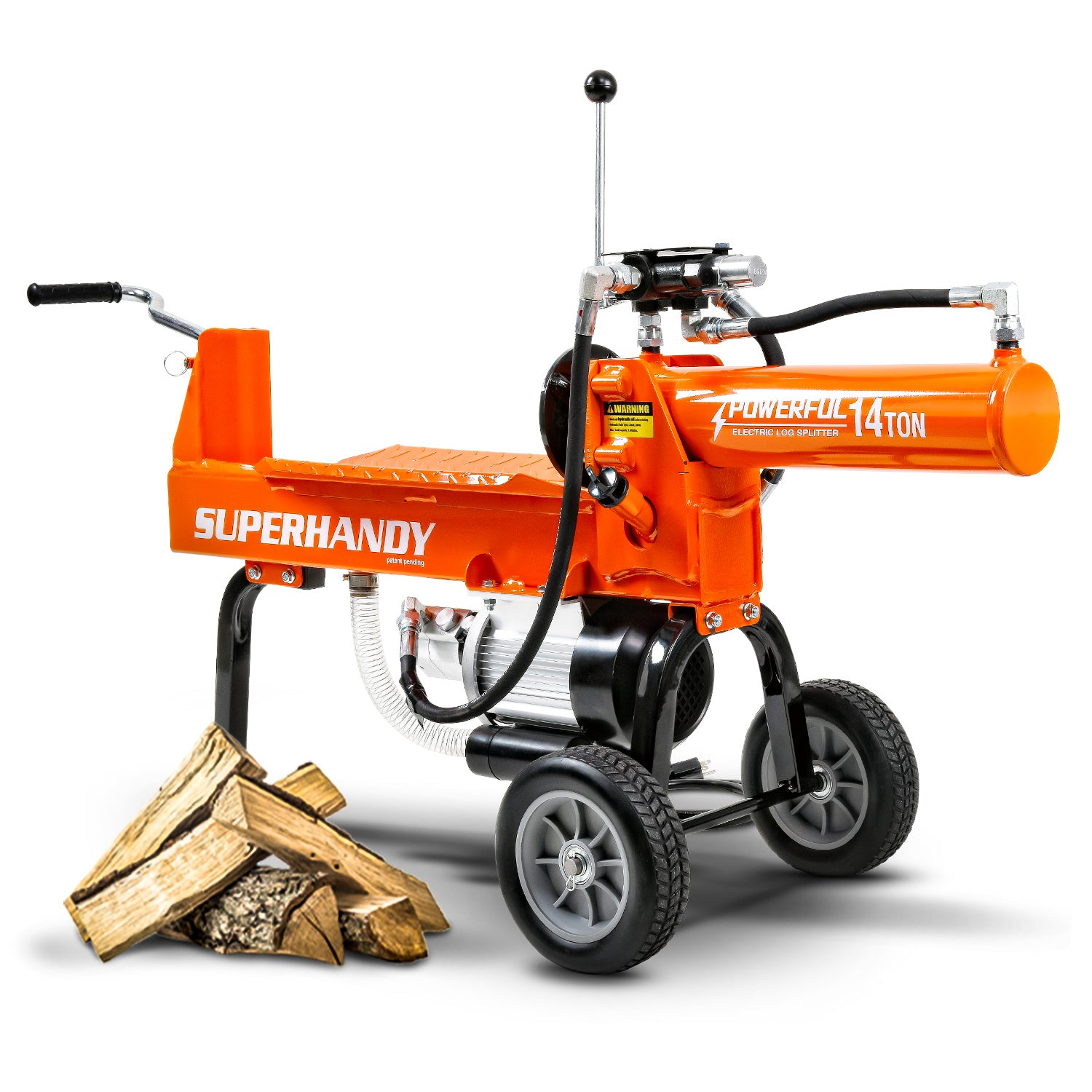
For many homeowners, an Electric Log Splitter is the perfect solution for processing firewood. These machines are prized for their convenience and ease of use. Since they run on standard household electricity, you can simply plug one in and get to work without worrying about fuel, oil changes, or difficult cold starts. They operate much more quietly than their gas counterparts and produce no exhaust fumes, making them an excellent choice for use in a garage, shed, or residential area where noise might be a concern. While they typically offer less tonnage (splitting force) than gas models, electric splitters are more than capable of handling the seasoned, small-to-medium-sized logs most commonly used for home heating. Their lighter weight and compact design also make them highly portable and easy to store.
Gas-Powered Log Splitters: Raw Strength for Tough Jobs
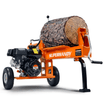
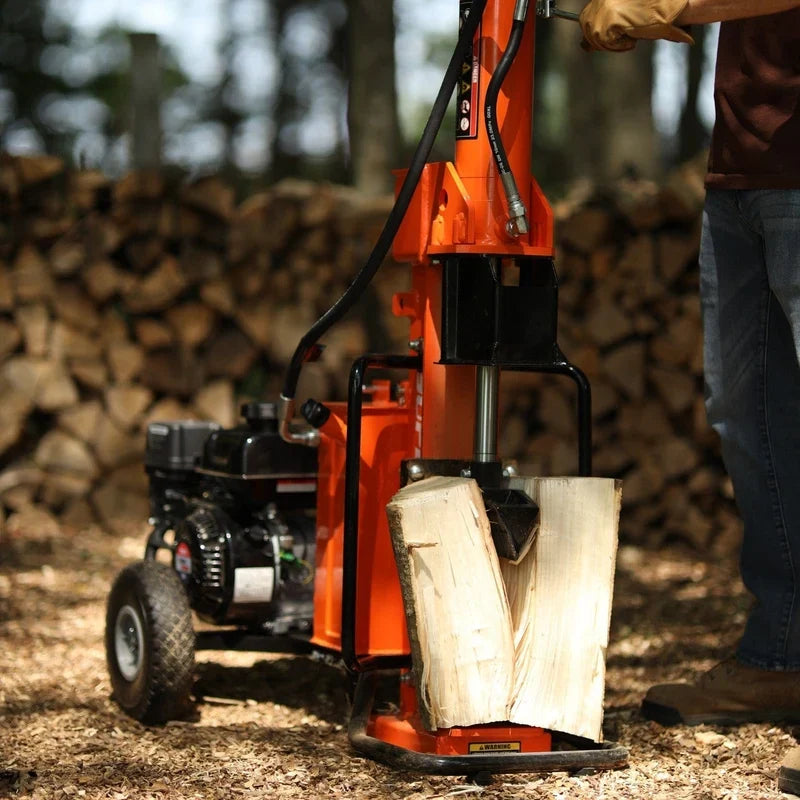
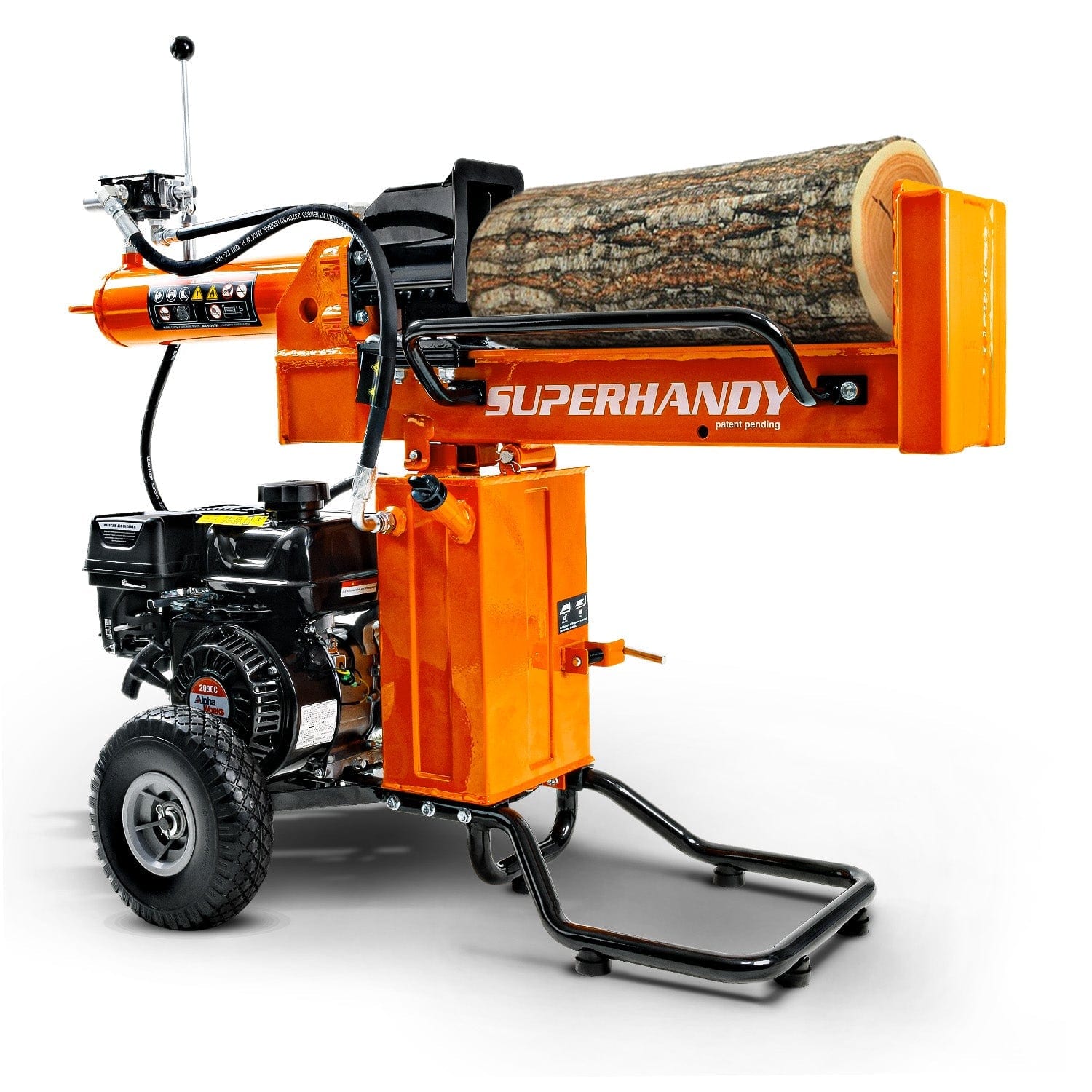
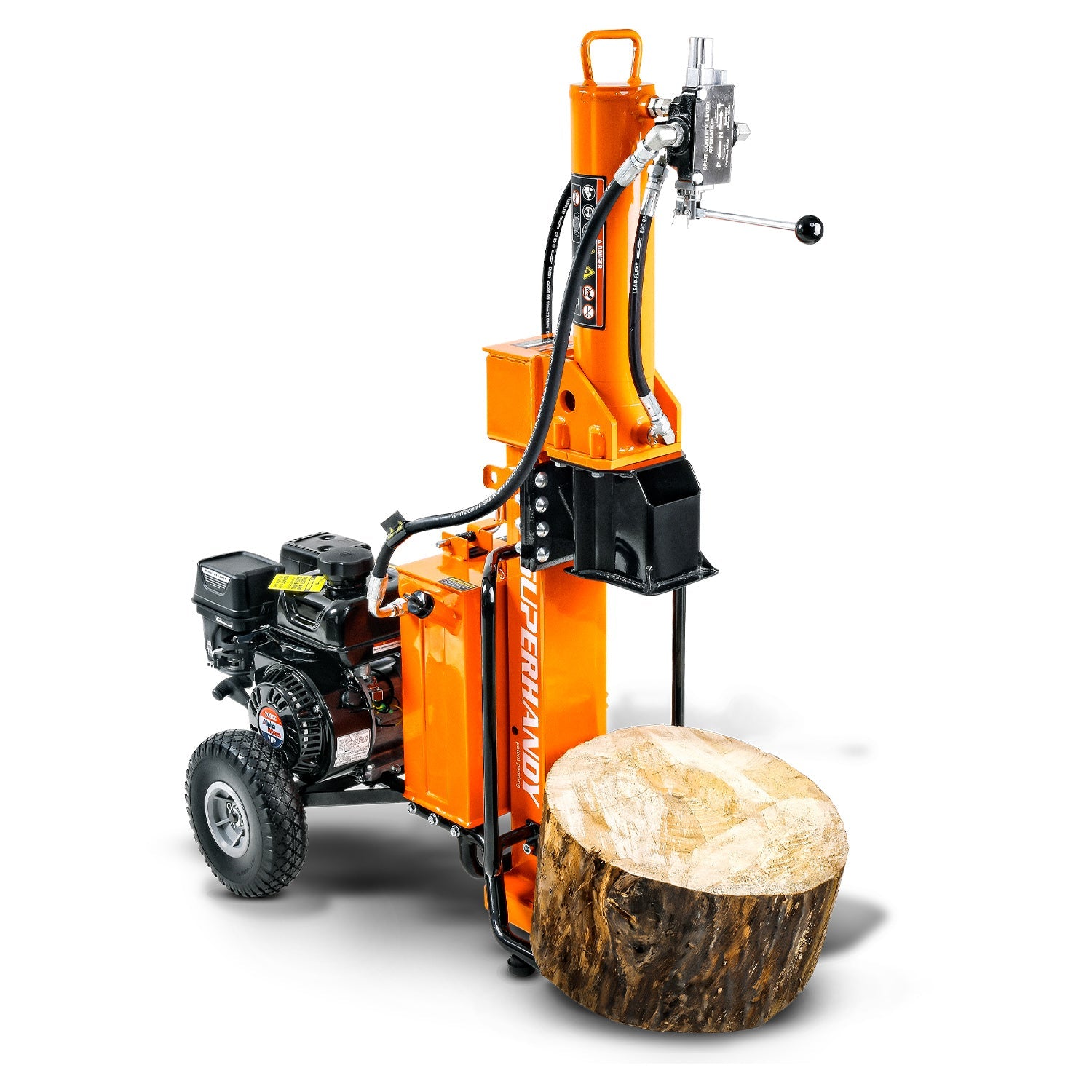
When your firewood needs involve large quantities, massive rounds, or tough, green, and knotty hardwoods, a Gas Log Splitter is the undisputed champion. Powered by robust gasoline engines, these machines deliver immense splitting force that can power through virtually any log you throw at them. Because they aren’t tethered to an electrical outlet, gas splitters offer complete portability, allowing you to work anywhere on your property, from the back forty to the driveway. While they are louder and require more maintenance—like oil changes and fuel management—their raw power and untethered freedom are essential for serious wood processing. The significant power of these machines also underscores the importance of adhering to proper hand and power tool safety guidance to ensure safe operation. If you need to split large volumes of wood quickly and efficiently, a gas-powered model is the ultimate tool for the job.
Manual vs. Powered Log Splitters: Which Offers the Best Value?
When you’re ready to graduate from a splitting maul, you’ll face a key choice: manual or powered? While manual splitters—which use hydraulic foot or hand pumps—are the cheapest entry point, their value is limited. They are quiet and require no fuel, but they are also slow, physically demanding, and lack the power for tough, knotty, or large-diameter rounds. For anyone processing more than a small bundle of wood once or twice a year, the "value" equation quickly shifts.
Powered log splitters, both electric and gas, represent a massive leap in efficiency and capability. The initial investment is higher, but the return on that investment is measured in hours of saved time and spared back pain. A powerful Electric Log Splitter, for instance, offers a perfect blend of convenience and strength for most homeowners, tackling typical firewood logs with quiet, emission-free operation. For true off-grid power and the ability to handle virtually any wood you throw at it, a gas model is unbeatable. Ultimately, the best value comes from the tool that lets you get the job done quickly and safely, and for the vast majority of users, that means a powered wood splitter.

Key Specifications to Consider When Comparing Log Splitters
Once you've decided to go with a powered log splitter, the spec sheet can feel a little intimidating. However, understanding a few key numbers will help you choose the perfect machine for your needs. Think of it as decoding the performance DNA of a splitter. The most important specifications to compare are the splitting force (tonnage), log size capacity (length and diameter), cycle time, and power source. Let's break down what these mean for you and your woodpile.
Log Splitting Force (Tonnage): How Much Power Do You Really Need?
Tonnage is the single most-talked-about spec, representing the maximum splitting force the machine’s hydraulic system can generate. More tons mean more power to split larger, denser, and greener wood. The key is to match the tonnage to the type of wood you’ll be splitting most often.
- 5-10 Tons: This range, common for electric splitters, is suitable for most homeowners. It has ample power for splitting seasoned softwoods (like pine and fir) and many hardwoods (like birch and ash) up to 12 inches in diameter.
- 12-20 Tons: Stepping up in power, this range handles tougher, seasoned hardwoods like oak and maple with ease. It’s a great all-around choice if you consistently work with dense wood or slightly larger logs.
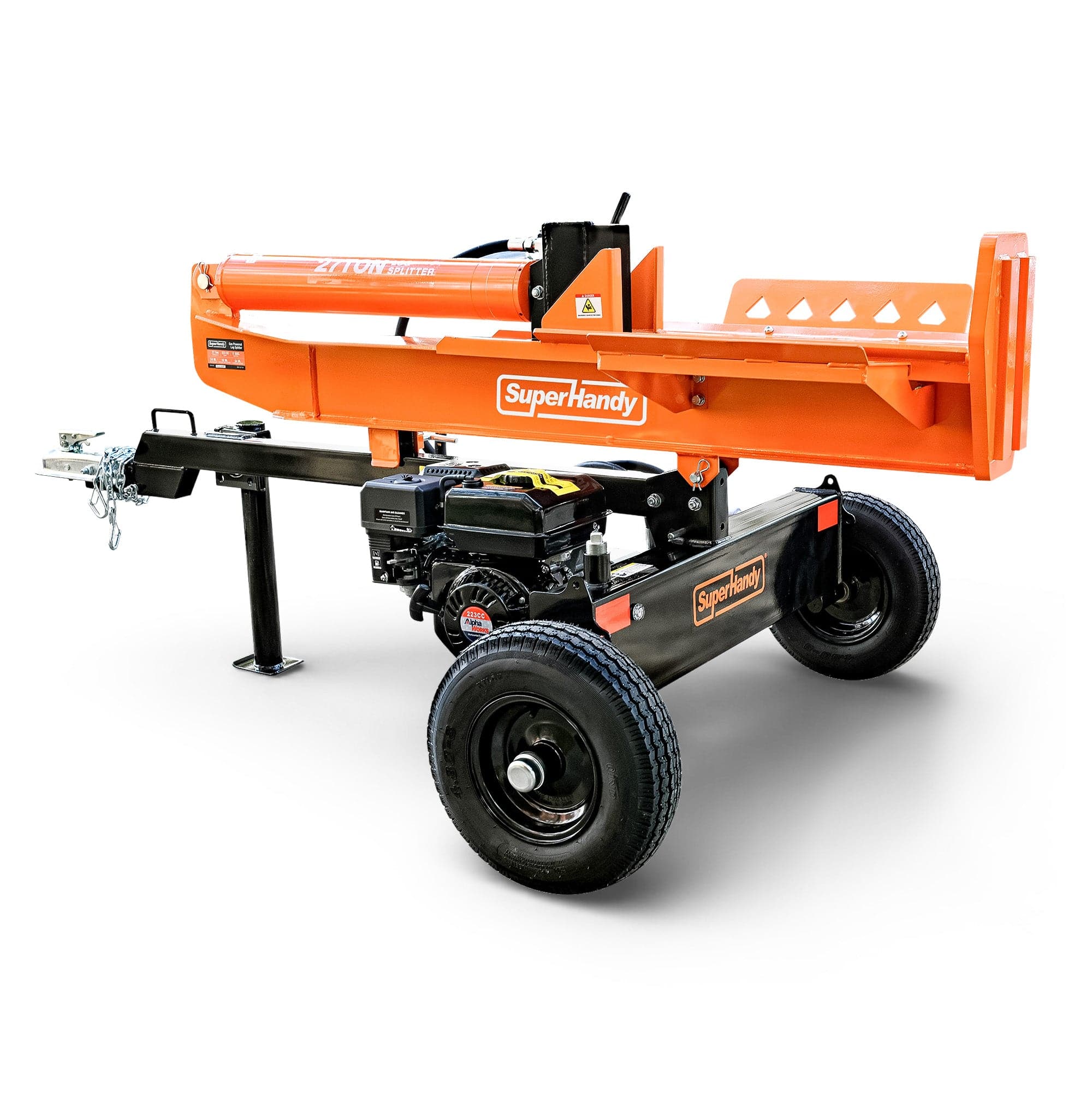
- 22+ Tons: This is heavy-duty territory, dominated by gas-powered models. If you plan to split large quantities of green wood, knotty rounds, or massive logs over 20 inches in diameter, you'll need this level of force. A high-tonnage Gas Log Splitter ensures you won’t get stalled on the toughest jobs.
Remember, buying too much tonnage means a heavier, more expensive machine than you need. It’s better to choose a splitter that matches your actual workload.
Log Size Capacity: Matching the Splitter to Your Firewood Dimensions
Beyond pure force, your splitter must physically accommodate the logs you want to process. This comes down to two measurements: maximum log length and diameter.
- Max Log Length: This is determined by the length of the splitter's I-beam and the ram's travel distance. Most splitters are designed to handle logs between 16 and 25 inches, which covers virtually all standard firewood applications. Before you buy, measure the inside of your fireplace or wood stove to determine the ideal length for your firewood.
- Max Log Diameter: This spec is more of a guideline and is directly tied to tonnage and wood type. A 7-ton splitter might be rated for a 12-inch log, but it will handle a 12-inch seasoned pine log much more easily than a 12-inch knotty oak log. Don’t be afraid to tackle logs slightly larger than the rated diameter; you can often split them by working from the edges rather than trying to force the wedge through the center on the first pass.
Your goal is to find a Log Splitter that can comfortably accept the length and diameter of the wood you process most frequently, ensuring a smooth and efficient workflow.
Cycle Time: How Quickly Can You Process Your Woodpile?
When you have a large pile of logs to get through, speed matters. In the world of log splitters, that speed is measured by "cycle time." This is the total time it takes for the hydraulic ram to extend fully, split a log, and then retract completely to its starting position, ready for the next piece of wood. A shorter cycle time means higher productivity and less time spent working on your woodpile.
Most electric and smaller gas-powered log splitters have a cycle time between 10 and 20 seconds. While a difference of a few seconds might not seem like much, it adds up significantly over hundreds of logs. For the average homeowner splitting wood for a fireplace or wood stove, a cycle time of around 15 seconds is an excellent benchmark that balances efficiency with power.
Power Source and Engine Details: What to Look for in Electric and Gas Models
The "engine" of your wood splitter is its heart, and the details vary significantly between electric and gas models.
For an Electric Log Splitter, you’ll want to look at the motor's power, typically measured in amperage. A 15-amp motor, for example, is robust and can run on a standard household circuit, providing consistent power without the hassle of fuel. If you're considering a cordless electric model, pay attention to the battery's voltage (V) and amp-hours (Ah). Higher voltage generally means more power, while higher amp-hours translate to longer runtimes between charges.
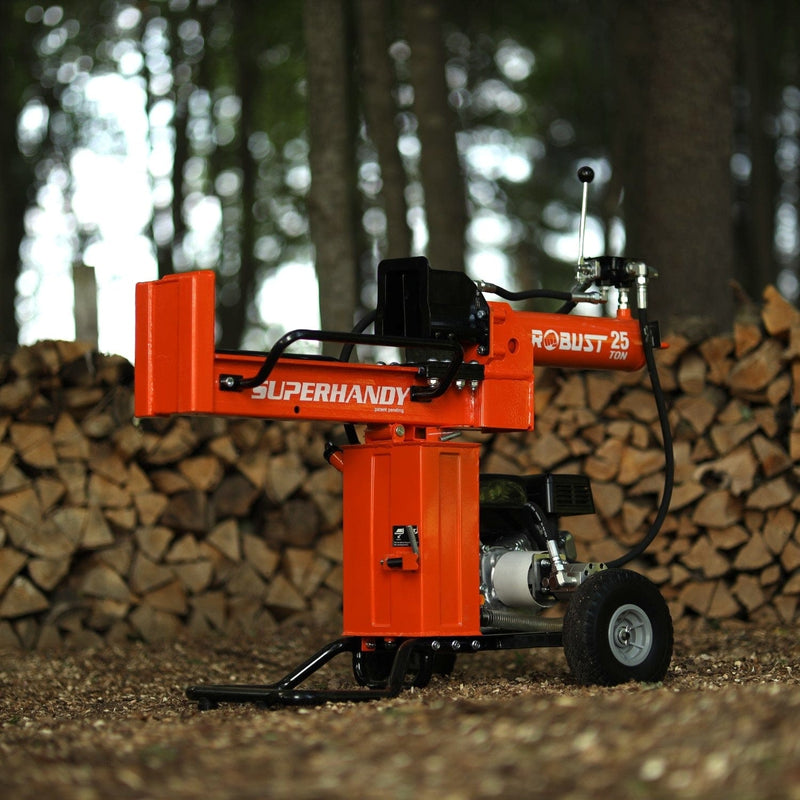
For a Gas Log Splitter, the key specification is engine displacement, measured in cubic centimeters (cc). A larger cc engine can generate more hydraulic pressure, leading to higher tonnage and the ability to split tougher wood. Look for reliable engine designs, such as 4-stroke overhead valve (OHV) engines, which are known for their fuel efficiency, quieter operation, and longevity compared to older designs.
Portability and Ease of Use: Wheels, Weight, and Assembly Considerations
A powerful Log Splitter is only useful if you can get it where you need it. Portability is a major factor, especially if you plan to move the machine around your property. Look for models equipped with large, durable wheels—at least 6-8 inches in diameter—that can handle uneven terrain like grass, gravel, and dirt. "Never-flat" or solid tires are a great feature, as you'll never have to worry about a puncture delaying your work.
Weight is another key consideration. Electric splitters are typically much lighter and more compact than their gas-powered counterparts, making them easier to store and maneuver in smaller spaces. Gas models are heavier due to the engine and robust frame, but well-designed handles and good balance can make them surprisingly easy to tilt and roll into position. Finally, consider assembly. Most splitters require some minor assembly, but the best designs are intuitive and can be put together quickly with basic tools.
Safety Features Every Log Splitter Should Have
Operating any power equipment requires a focus on safety, and a log splitter is no exception. Modern splitters are designed with several key features to protect the user. One of the most important is two-handed operation, commonly found on electric models. This design requires you to use one hand on the power switch and the other on the hydraulic control lever, ensuring your hands are safely away from the ram and splitting wedge during operation.
Other crucial safety components include log cradles or side trays. These features prevent a split log from falling off the machine, which could otherwise land on your feet or create a tripping hazard. An automatic ram return, which brings the wedge back to the starting position as soon as you release the controls, also enhances both safety and efficiency. Beyond the machine's built-in features, always follow the OSHA hand and power tool safety guidance by wearing proper personal protective equipment (PPE), including impact-resistant safety glasses, heavy-duty gloves, and steel-toed boots.
Maintenance Tips to Keep Your Log Splitter Running Smoothly
A well-maintained log splitter is a safe, efficient, and long-lasting machine. Investing a few minutes in upkeep before and after each use will prevent costly repairs and ensure your splitter is ready to work when you are. Follow these essential maintenance tips to keep your equipment in peak condition.
- Check Hydraulic Fluid: The hydraulic system is the heart of your splitter. Before each use, check the fluid level and top it off if necessary, using only the type recommended by the manufacturer. Change the hydraulic fluid and filter according to the service schedule in your owner's manual to prevent contamination and wear.
- Inspect Hoses and Fittings: Look over all hydraulic hoses for cracks, abrasions, or leaks. Tighten any loose fittings to prevent fluid loss and ensure the system maintains pressure. A leaking hose can be a serious safety hazard and will dramatically reduce performance.
- Keep the Wedge Sharp: A dull splitting wedge crushes wood rather than splitting it, which puts unnecessary strain on the engine and hydraulic system. Regularly inspect the wedge and sharpen it with a file or grinder as needed. A sharp wedge makes cleaner splits and improves overall efficiency.
- Clean the Machine: After you’re done splitting, take a moment to clean off wood chips, bark, and dirt from the beam, wedge, and engine area. This prevents rust and corrosion and keeps moving parts free from debris.
- Perform Regular Engine/Motor Care: For a Gas Log Splitter, this means checking the engine oil, cleaning the air filter, and inspecting the spark plug. For an Electric Log Splitter, ensure the motor housing is clean for proper cooling and check the power cord for any signs of damage.
- General Safety and Hardware Check: Before starting work, give the entire machine a quick once-over. Ensure all nuts, bolts, and safety guards are secure and in their proper place. According to the Occupational Safety and Health Administration's guidance on hand and power tool safety, keeping tools in good condition through regular maintenance is a critical part of preventing accidents.
[IMAGE PLACEHOLDER]
Frequently Asked Questions About Choosing and Using Log Splitters
Navigating the world of wood splitters can bring up a lot of questions. Here are answers to some of the most common ones we hear.
How much tonnage do I really need? Tonnage directly relates to the force the splitter can exert. For splitting smaller logs and softwoods like pine or fir, a 5- to 10-ton electric model is usually sufficient. For common hardwoods like oak and maple, you’ll want between 10 and 20 tons. For large-diameter, knotty, or green hardwood logs, a gas-powered splitter with 20 tons or more is the best choice to avoid stalling.
Can I use an electric log splitter in the rain? Absolutely not. Operating any electric power tool in wet conditions poses a severe risk of electric shock and can permanently damage the motor. Always use your electric log splitter in a dry, well-ventilated area, like a garage or a covered patio, and store it away from the elements.
What's the difference between a full-beam and half-beam design? This refers to the main frame of the log splitter. A full-beam splitter has the engine, hydraulic pump, and splitting ram all mounted on a single, continuous I-beam, which provides maximum strength and rigidity, ideal for heavy-duty tasks. A half-beam design is typically more compact, with components mounted on a smaller frame, often prioritizing portability and easier storage.
Is it better to split wood when it's green or seasoned? Seasoned (dried) wood is much easier to split because it is more brittle and has less moisture content. However, splitting wood while it's still green can be beneficial, as it exposes more surface area to the air and can significantly speed up the drying process. Just be aware that green wood requires more splitting force (tonnage).
Making Your Final Decision: A Step-by-Step Checklist
Feeling ready to choose? Use this final checklist to confirm you’ve covered all the bases and are selecting the perfect machine for your needs.
- Assess Your Wood Source. Define the primary type of wood you’ll be splitting (hardwood vs. softwood), its typical condition (green vs. seasoned), and the maximum diameter and length. This will determine your required tonnage and log capacity.
- Select Your Power Source. Decide where you'll be doing most of your splitting. If you're near an outlet and value quiet operation, an Electric Log Splitter is a great fit. If you need maximum power for tough logs and the freedom to work anywhere on your property, a Gas Log Splitter is the way to go.
- Compare Critical Specifications. Once you’ve narrowed down the type, compare the tonnage, cycle time, and horizontal/vertical splitting capabilities of different models. A faster cycle time means more wood split in less time.
- Evaluate Portability and Storage. Consider the splitter's weight, wheel size, and overall dimensions. Ensure you have a suitable place to store it and that you can comfortably move it to your work area.
- Confirm Safety Features. Prioritize models with essential safety features like two-handed operation, automatic ram return, and log cradles or trays to prevent split logs from falling on your feet.
- Align with Your Budget. Balance the features you need with your budget. Remember that a quality wood splitter is a long-term investment in saving you time, effort, and back strain for many winters to come.
Related Products


Leave a comment
All comments are moderated before being published.
This site is protected by hCaptcha and the hCaptcha Privacy Policy and Terms of Service apply.