











Why Won't My Gas Log Splitter Start? Essential Checks
Before diving into complex engine components, always start with the basics. These simple oversights are surprisingly common reasons for a gas log splitter failing to start. Before performing any maintenance, always disconnect the spark plug wire to prevent accidental starting and consult your owner’s manual for model-specific instructions. Adhering to fundamental guidelines for consumer product safety is crucial when working on any powered equipment.
- Engine Switch: Is the main engine switch in the "ON" position? It’s an easy detail to miss in the rush to get started.
- Fuel Level: Check the fuel tank. An engine can't run without fuel, so make sure you have enough fresh gasoline.
- Fuel Shut-Off Valve: Most gas log splitters have a fuel valve between the tank and the carburetor. Ensure this valve is in the open position to allow fuel to flow.
- Choke Position: For a cold engine, the choke must be in the "CLOSED" or "START" position. This creates a richer fuel-air mixture needed for ignition. If the engine is already warm, the choke should be "OPEN."
- Throttle Control: Set the throttle to the "START" position, which is usually about one-third to one-half of the way to full speed.
Troubleshooting a Gas Log Splitter That Won't Start: Fuel System Issues
If the basic checks don’t solve the problem, the issue likely lies within one of the engine's three core systems: fuel, ignition, or air. About 80% of small engine starting problems are fuel-related.
- Stale Fuel: Gasoline can degrade in as little as 30 days, losing its combustibility and leaving behind gummy deposits that clog the fuel system. If your log splitter has been sitting for a month or more, the fuel is likely stale. Drain the tank and carburetor completely and refill with fresh gasoline (87 octane or higher).
- Clogged Fuel Filter: The fuel filter prevents debris from entering the carburetor. If it becomes clogged, it can starve the engine of fuel. Replace the fuel filter if it looks dirty or if you suspect it's the original one on an older machine.
- Blocked Fuel Line: Disconnect the fuel line from the carburetor inlet and place the end into a container. Open the fuel valve. If fuel doesn't flow freely, the line is clogged or kinked and needs to be cleared or replaced.
-
Dirty Carburetor: This is a very common culprit. Stale fuel can clog the tiny jets and passages inside the carburetor. You can sometimes resolve a minor clog by tapping the carburetor bowl lightly. For a more thorough fix, remove and clean the carburetor bowl. If the problem persists, the carburetor may need a full cleaning or rebuild, which involves disassembling it and cleaning every component with a specialized solvent.

Troubleshooting a Gas Log Splitter That Won't Start: Ignition System Problems
If the fuel system is clear, the next step is to ensure the engine is getting a spark to ignite the fuel. Ignition system problems on a powerful machine like a 25Ton log splitter usually trace back to the spark plug.
- Dirty or Fouled Spark Plug: Remove the spark plug and inspect it. If the electrode is covered in black, oily, or carbon deposits, it won't be able to create a strong spark. You can try cleaning it with a wire brush and brake cleaner, but spark plugs are inexpensive, and replacing it is often the best and easiest solution. Ensure you purchase a new plug with the correct gap setting for your engine.
- No Spark: To check for a spark, reconnect the plug to the ignition wire, then hold the threaded metal base of the plug firmly against a clean, unpainted metal part of the engine block. Pull the starter cord. You should see a bright blue spark jump across the electrode gap. If you see no spark or a weak, orange spark, the plug is bad, or there's a deeper issue.
- Faulty Ignition Coil: If a new spark plug doesn't produce a spark, the ignition coil may have failed. This component generates the high voltage needed for the spark. Replacing an ignition coil is a more involved repair that may require professional assistance.
Troubleshooting a Gas Log Splitter That Won't Start: Airflow and Compression Concerns
Finally, an engine needs a steady supply of clean air and proper compression to run. These issues are less common than fuel or ignition problems but are still important to check.
- Clogged Air Filter: The air filter prevents dust and debris from being sucked into the engine. A dirty, clogged filter restricts airflow, effectively choking the engine and preventing it from starting. Remove the air filter cover and inspect the filter. Paper filters that are dirty should be replaced. Foam filters can often be washed with soap and water, dried completely, and lightly re-oiled before reinstallation.
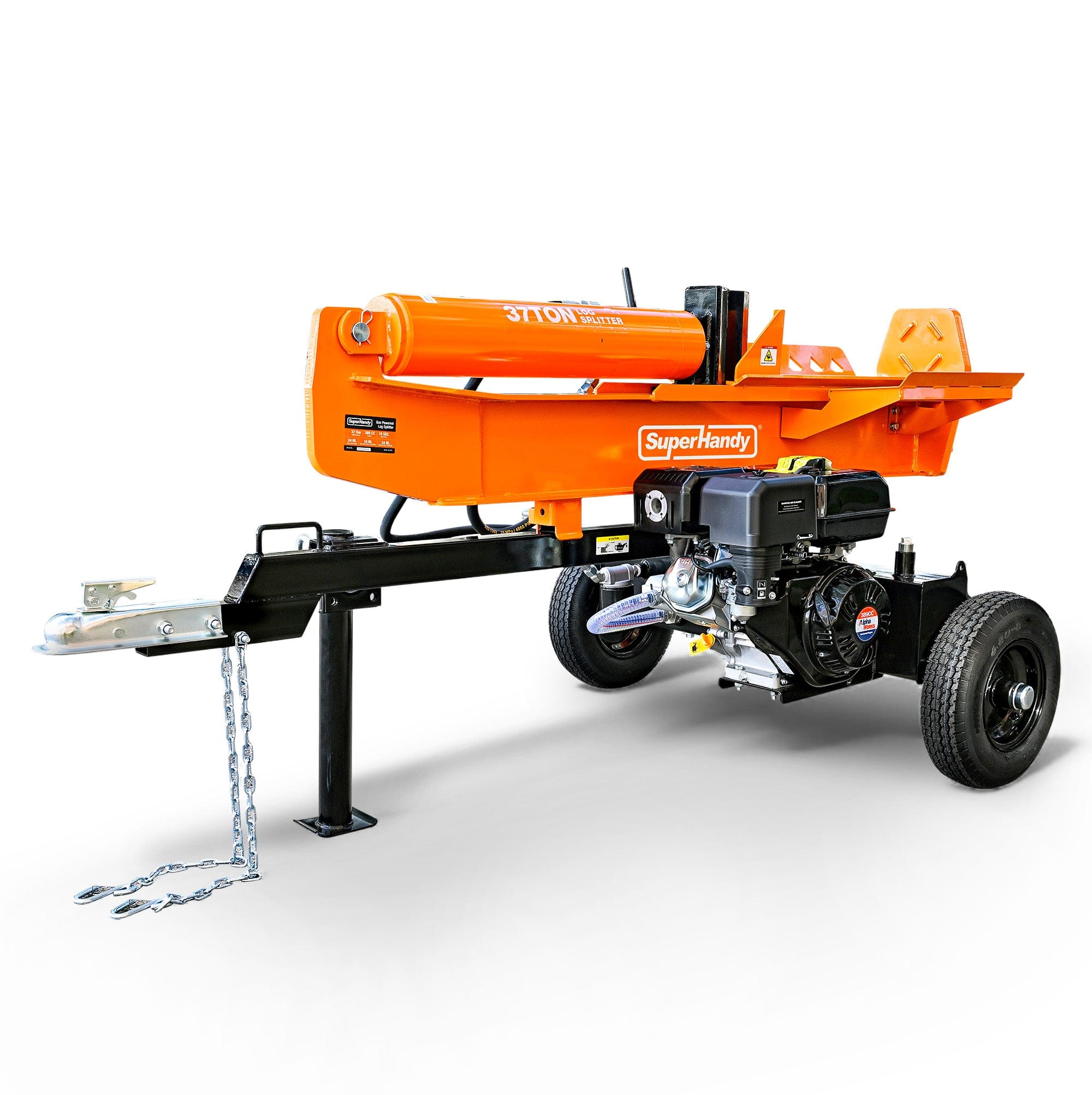
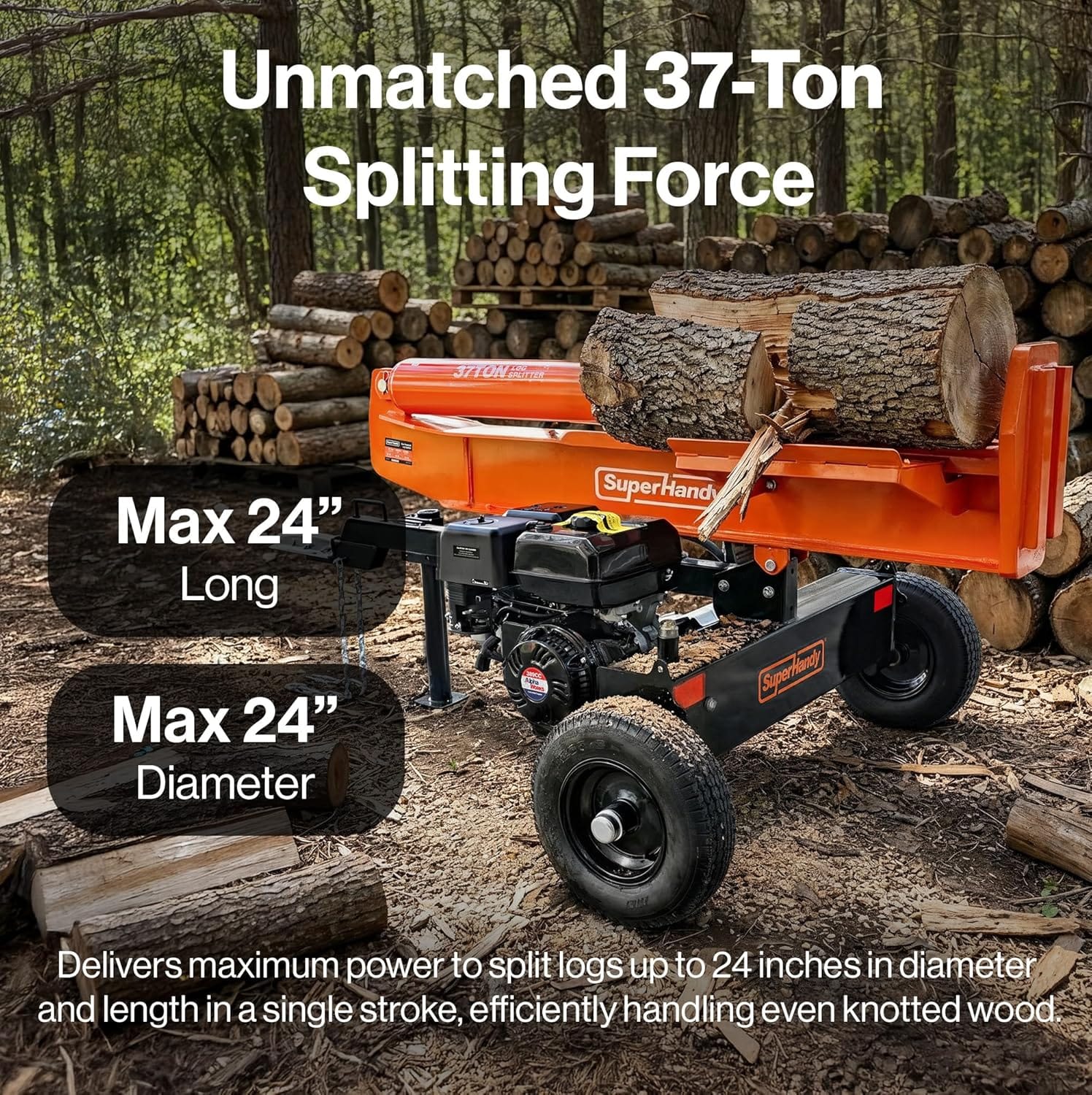
- Low Compression: Compression is the pressure built up inside the cylinder that is necessary for combustion. If you pull the starter rope and feel very little resistance, it could signal a lack of compression. This is a serious internal engine problem, often caused by a worn piston ring, a stuck valve, or a blown head gasket. Diagnosing and fixing low compression on a robust machine like a 37Ton log splitter typically requires a professional mechanic.
My Gas Log Splitter Loses Power Mid-Split: Common Causes and Solutions
There's nothing more frustrating than your gas log splitter engaging with a log, only to bog down and lose power before it can finish the job. When your machine stalls under load, it's a clear sign that something is preventing it from delivering its full force. This issue typically stems from either the engine or the hydraulic system.
- Engine-Related Power Loss: A common culprit is a fuel or air delivery problem that only becomes apparent when the engine is stressed. A dirty air filter can starve the engine of oxygen, while a clogged fuel filter or stale fuel can restrict gas flow. A fouled spark plug may also fail to produce a strong enough spark under load. Start by cleaning or replacing the air filter and spark plug, and ensure you are using fresh, clean fuel.
- Hydraulic System Issues: If the engine sounds fine but the ram still stalls, the problem likely lies with the hydraulics. Low hydraulic fluid is a primary cause; if the level is too low, the pump can draw in air (cavitation), which dramatically reduces its ability to build pressure. Also, check if you are attempting to split wood that is too large, green, or knotty for your machine's capacity. A log that's a simple task for a 25Ton log splitter might be too much for a smaller model, causing the pressure relief valve to engage and stop the ram.
Addressing Overheating Issues in Your Gas Log Splitter
A gas log splitter generates a significant amount of heat during normal operation, but excessive heat can damage the engine and hydraulic components. If your machine feels unusually hot to the touch or starts to smoke, shut it down immediately to diagnose the cause.
Overheating can originate from two main sources: the engine or the hydraulic system. For the engine, the most frequent cause is a buildup of sawdust, dirt, and other debris on the cooling fins. These fins are designed to dissipate heat, and when they are covered, the engine can't cool itself effectively. Low engine oil can also lead to increased friction and heat.
For the hydraulic system, the number one cause of overheating is a low fluid level. The hydraulic fluid not only transmits power but also serves as a coolant for the pump and other components. When the level is low, the remaining fluid circulates more rapidly and can't shed heat efficiently. A clogged hydraulic filter can also cause the pump to work harder, generating excess heat. To prevent overheating, regularly clean your engine's cooling fins and ensure both engine oil and hydraulic fluid are at their recommended levels. On very hot days, consider working in shorter intervals to give the machine—and yourself—a break.

Why Is My Gas Log Splitter Leaking Hydraulic Fluid? Identifying and Fixing Leaks
A hydraulic fluid leak is a serious issue that cripples your log splitter's performance and creates a dangerous work environment. Even a small leak can lead to low fluid levels, causing slow operation and overheating. Before you can fix a leak, you must find its source. Start by thoroughly cleaning the entire machine to remove any built-up grime and old fluid, then run it for a few minutes and look for fresh signs of oil.
Common leak points on a gas log splitter include:
- Hoses and Fittings: Constant vibration can cause threaded fittings to loosen over time. Check all connection points and gently tighten any that are loose. Hoses themselves can become brittle, cracked, or chafed from rubbing against the frame. A damaged hose must be replaced.
- Cylinder Seals: The seals at either end of the main hydraulic cylinder can wear out, causing fluid to seep out around the ram. This repair often requires a specific seal kit for your model.
- Pump or Valve Seals: Less common but more complex, seals within the control valve or the hydraulic pump can fail. These leaks often appear directly at the body of the component.
Fixing a loose fitting is simple, but replacing hoses and seals requires more care. Always top off the hydraulic fluid after a repair. Maintaining a clean, slip-free workspace is a critical part of consumer product safety when operating powerful equipment. Routinely inspecting your 20Ton log splitter for any signs of leaks can prevent major failures down the road.
Understanding and Resolving Slow or Ineffective Splitting on Your Log Splitter
If your log splitter's ram moves much slower than it used to or struggles with logs it once handled easily, it's a sign of lost hydraulic efficiency. This slow, weak performance can make a day's work take twice as long. The problem almost always lies within the hydraulic system.
First and foremost, check the hydraulic fluid level. As we've seen, a low fluid level is the root of many problems, and slow cycle times are a classic symptom. If the pump can't draw a full, uninterrupted supply of fluid, it can't generate the flow and pressure needed for proper speed and force.
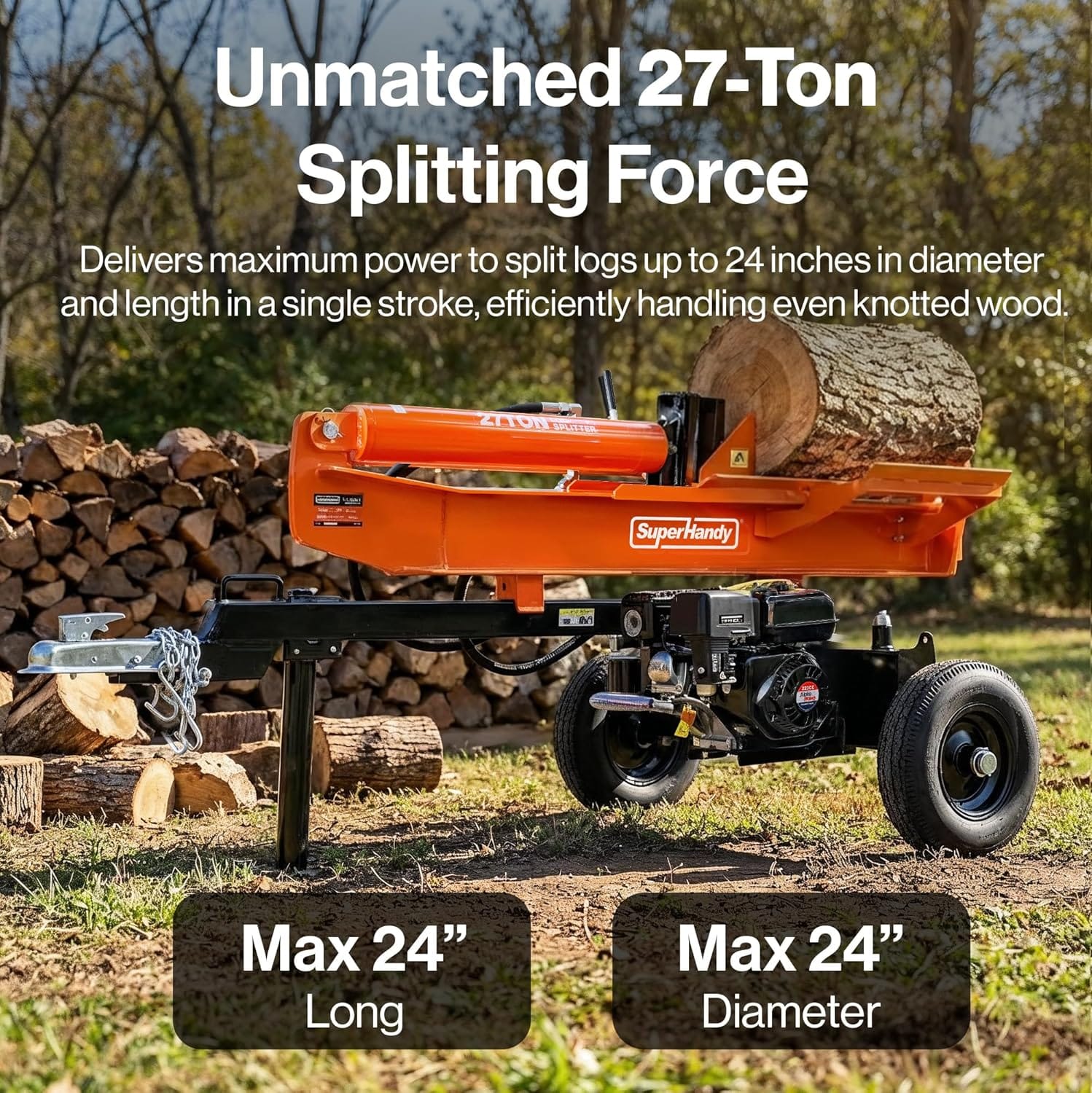
If the fluid level is correct, the next item to inspect is the hydraulic filter. A clogged filter severely restricts the flow of fluid to the pump, effectively starving it. This not only slows down the ram but also puts a major strain on the pump, which can lead to premature failure. Check your owner's manual for the recommended filter replacement interval. Finally, ensure the engine is running at the proper speed. The engine must be at or near full throttle to drive the hydraulic pump at its designated rate. If these simple checks don't solve the problem, you may be facing a worn-out pump, which may require professional service. If you're consistently splitting tough, oversized hardwoods, your machine may simply be underpowered for the task, and an upgrade to a more robust 27Ton log splitter could be the most effective long-term solution.
Dealing with Excessive Vibration or Noise from Your Gas Log Splitter
A gas log splitter will always produce a certain level of noise and vibration; it's the nature of a powerful engine and hydraulic system at work. However, if you notice a sudden increase in vibration or hear new, alarming sounds like squealing, grinding, or loud clunking, shut the machine off immediately. These are often warning signs of an underlying problem.
- Excessive Vibration: The most common cause of new vibrations is simply loose hardware. The engine's operation can loosen nuts and bolts over time. Carefully inspect the engine mounting bolts, wheel nuts, and any bolts securing the beam and hydraulic components. Another culprit is an unstable operating surface. Always use your log splitter on firm, level ground to ensure stability.
- Unusual Noises: A high-pitched squeal often points to a problem with the hydraulic pump, possibly from low hydraulic fluid causing it to run dry. A grinding or clunking noise could indicate a more serious internal problem with the engine or pump. Before restarting, check both your engine oil and hydraulic fluid levels. Running the machine with low fluids can cause catastrophic damage.
Preventative Maintenance Tips to Avoid Future Gas Log Splitter Problems
The most effective way to troubleshoot your gas log splitter is to prevent problems from happening in the first place. A consistent preventative maintenance schedule will keep your machine running reliably for years and ensure it’s ready to work whenever you are. Whether you have a nimble 20Ton log splitter or a heavy-duty model, these tips are universal.
Follow this simple maintenance checklist. Always consult your owner's manual for specific intervals and fluid types for your model.
- Before Each Use:
- Check the engine oil level.
- Check the hydraulic fluid level.
- Inspect for any fluid leaks on or under the machine.
- Give the machine a quick visual inspection for loose bolts or damaged hoses.
- After Every 25 Hours of Use:
- Clean or replace the air filter. A dirty filter restricts airflow and reduces engine performance.
- Check the spark plug for fouling or wear.
- Seasonally or After Every 100 Hours:
- Change the engine oil.
- Change the hydraulic fluid and replace the hydraulic filter. This is critical for the longevity of your pump and ram.
- Replace the spark plug.
- Sharpen the splitting wedge for cleaner, more efficient splits.
- If storing the machine for more than 30 days, add a quality fuel stabilizer to the gas tank and run the engine for a few minutes to circulate it.
When to Call a Professional for Your Gas Log Splitter Repair
While many issues can be fixed with basic tools and troubleshooting, some repairs are best left to a qualified small engine mechanic. Knowing your limits is key to avoiding more expensive damage or, more importantly, personal injury. Any repair involving the structural integrity of the machine, for instance, has serious implications for consumer product safety.
Consider calling a professional if you encounter these situations:
- Major Engine Failure: If you've checked the fuel, air, and spark systems and the engine still won't start or runs with a loud internal knocking sound, it likely has an internal problem like a damaged piston or valve.
- Hydraulic Pump or Valve Replacement: If the hydraulic ram won't move, makes a loud whining noise despite having proper fluid levels, or fluid is leaking directly from the pump or control valve body, these components likely need replacement. This is a complex job that requires precision and knowledge of hydraulic systems.
- Bent Beam or Cracked Welds: If the main I-beam is bent from a tough log or you notice any cracks in the frame's welds, do not use the machine. This structural damage compromises the splitter's integrity and is extremely dangerous.
- You're Uncomfortable with the Repair: There is no shame in calling for help. If a repair is beyond your skill set or you don't have the right tools, a professional can complete the job safely and correctly.
Frequently Asked Questions About Gas Log Splitter Troubleshooting
What are the most common reasons a gas log splitter won't start?
The vast majority of no-start issues on a gas log splitter trace back to three things: fuel, spark, or air. Start by checking for old or contaminated fuel, as gasoline can go bad in as little as 30 days. Ensure the fuel line and filter are clear. Next, check the spark plug to see if it's fouled or damaged and confirm you are getting a spark. Finally, inspect the air filter; a clogged filter can choke the engine. Don't forget to check the engine oil level, as many splitters have a low-oil sensor that will prevent the engine from starting to avoid damage.
How often should I change the hydraulic fluid in my log splitter?
As a general rule, you should change the hydraulic fluid and filter in your log splitter after every 100-150 hours of operation, or at least once a year, whichever comes first. However, you should always check the owner's manual for your specific model, as recommendations can vary between a 25Ton log splitter and a larger 37Ton log splitter. Also, inspect the fluid periodically. If it looks milky (indicating water contamination) or smells burnt, change it immediately, regardless of hours used.
Can I use regular gasoline in my log splitter, or does it need a specific type?
Yes, most modern gas log splitters are equipped with 4-stroke engines designed to run on standard unleaded gasoline with an octane rating of 87 or higher. The most important factor is to use fresh, clean fuel. Avoid gasoline that is more than a month old unless you have treated it with a fuel stabilizer. It is also critical to avoid fuel with high ethanol content; while gasoline containing up to 10% ethanol (E10) is generally safe, you should never use E15 or E85 fuel unless your owner's manual explicitly states it is acceptable.
FAQ: What are the most common reasons a gas log splitter won't start?
When your gas log splitter refuses to start, the problem usually traces back to one of four key areas: fuel, spark, air, or a simple operator oversight. As we’ve detailed in the sections above, a systematic check can quickly pinpoint the issue. Here’s a quick summary of the most frequent culprits:
- Fuel System Problems: This is the number one cause of starting issues. An empty fuel tank is the most obvious, but stale gasoline is a close second. Gas can degrade in as little as 30 days, causing varnish buildup that clogs the carburetor and fuel lines. A blocked fuel filter or a closed fuel shut-off valve will also prevent the engine from getting the gas it needs to run.
- Ignition System Faults: Without a spark, there’s no combustion. A fouled, damaged, or disconnected spark plug is a common problem. The spark plug wire could also be loose, or the engine's ignition coil may have failed.
- Safety and Operator Settings: Modern log splitters have several safety features that can prevent them from starting. The engine kill switch might be in the "off" position, or the low-oil sensor may have shut the engine down to prevent damage. Always consult official consumer product safety guidelines and your manual to ensure all controls are set correctly before attempting to start your equipment.
- Airflow and Compression: The engine needs to breathe. A dirty or clogged air filter can restrict airflow, choking the engine and preventing it from starting. While less common, a loss of engine compression can also be the root cause, often indicating more serious internal engine wear. For a powerful machine like a 37Ton log splitter, ensuring these basic systems are in order is the first step to reliable operation.

FAQ: How often should I change the hydraulic fluid in my log splitter?
The maintenance schedule for hydraulic fluid can vary between models, so your owner’s manual is the ultimate authority. However, a good general rule is to change the hydraulic fluid after every 100 to 150 hours of operation. If you use your log splitter less frequently, a once-a-year change before your main splitting season is a solid preventative practice.
Why is this so important? Over time and with use, hydraulic fluid breaks down and loses its viscosity, reducing its ability to lubricate and protect the system’s components. It also becomes contaminated with microscopic metal particles from normal wear and tear, as well as moisture from condensation. This contaminated fluid can cause premature wear on the hydraulic pump, valves, and seals, leading to costly repairs. When checking your fluid, look for a milky or foamy appearance, which indicates water contamination. If the fluid looks dark or has a burnt smell, it's definitely time for a change. Regular fluid changes are a small investment to protect the heart of your 25Ton log splitter and ensure it delivers consistent power.
FAQ: Can I use regular gasoline in my log splitter, or does it need a specific type?
For the vast majority of modern gas log splitters, including models from a compact 20Ton log splitter to a heavy-duty 27Ton log splitter, you can and should use standard unleaded gasoline. However, there are two critical factors to keep in mind: ethanol content and freshness.
Most small engines are designed to run on gasoline containing no more than 10% ethanol (E10). This is the most common type of gasoline available at the pump. Avoid using fuels with higher ethanol content, such as E15 or E85, as the increased alcohol concentration can corrode and damage sensitive fuel system components like rubber hoses, gaskets, and carburetor parts. Always check your owner’s manual for the manufacturer’s specific fuel and octane rating recommendations.
Equally important is fuel freshness. Gasoline begins to degrade and go stale after about 30 days. Stale fuel creates varnish and gummy deposits that can clog the carburetor, leading to hard starting, rough running, and a loss of power. To avoid this, only buy as much gas as you plan to use in a month. If you need to store the log splitter for longer, it's essential to add a quality fuel stabilizer to the tank according to the product's directions. This will keep the fuel fresh for months and ensure your log splitter starts easily when you need it next.
Related Products

Leave a comment
All comments are moderated before being published.
This site is protected by hCaptcha and the hCaptcha Privacy Policy and Terms of Service apply.