











Understanding Your Firewood Needs: How Much Wood Do You Actually Split?
Before deciding between building and buying, you must honestly assess your workload. Are you splitting a few logs for the occasional backyard fire pit, or are you processing multiple cords of wood to heat your home all winter? A casual user might only need to split one or two cords a year, whereas a heavy user could be tackling five or more. The volume and frequency of your splitting tasks will be the primary factor in determining whether a simple manual splitter, a small electric model, or a heavy-duty gas-powered wood splitter is right for you.
The Cost Breakdown: Comparing DIY Build Expenses to Commercial Purchase Prices
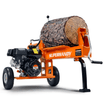
While building a log splitter seems like a cost-saving venture, the expenses can add up surprisingly fast. A DIY project requires sourcing a hydraulic pump, cylinder, control valve, engine or motor, and steel for the frame. These components alone can easily run from $800 to over $1,500, often approaching the price of a reliable entry-level commercial model. In contrast, you can find a range of ready-to-use commercial Log Splitters that come with a warranty and tested safety features, providing clear value from day one.
DIY Log Splitter: Is It a Feasible Project for Your Skill Level?
A DIY wood splitter is a complex undertaking that demands a specific skill set. You'll need proficiency in welding, metal fabrication, and a solid understanding of hydraulic systems and small engine mechanics. Assembling these high-pressure components without proper knowledge can create a significant safety hazard. If your experience with these disciplines is limited, a DIY build may be more of a risk than a reward.
Assessing the Time Investment: Building vs. Buying a Log Splitter
Consider the value of your time. Purchasing a commercial log splitter means you can be splitting wood within an hour or two of getting it home. Building one, however, is a major time commitment. The process involves weeks or even months of researching plans, sourcing parts, fabrication, assembly, and inevitable troubleshooting. If your goal is to get firewood processed efficiently, buying is the far quicker path.
Commercial Log Splitters: The Advantages of Off-the-Shelf Solutions
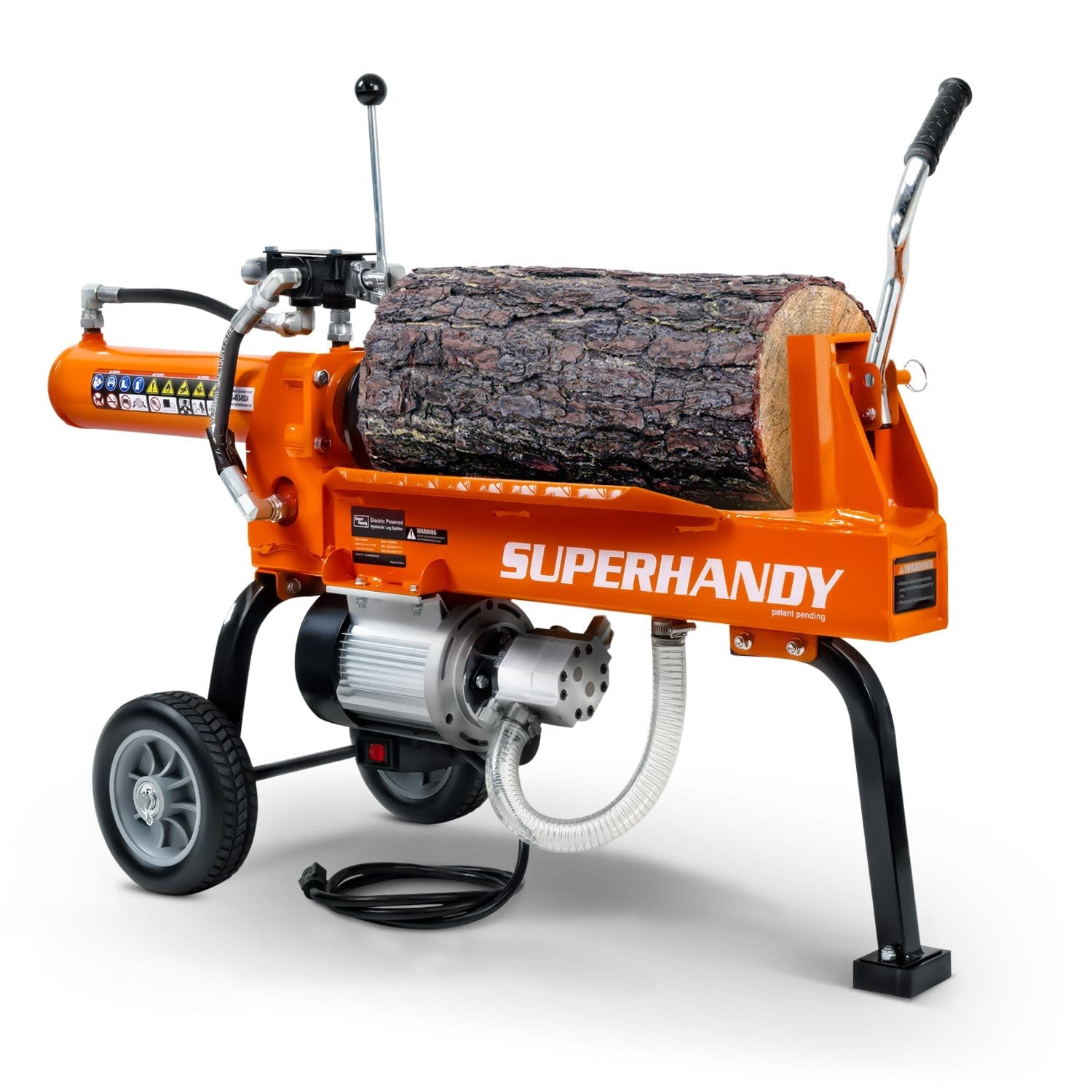
While a DIY project can be rewarding, the primary advantage of a commercial wood splitter is immediate, reliable performance. These machines are professionally engineered, tested, and ready to use right out of the box. You benefit from established designs that prioritize efficiency and user safety, backed by a manufacturer's warranty and customer support. This peace of mind is invaluable, as it eliminates the guesswork and potential design flaws of a home build. For those who need to start processing firewood immediately, a commercial unit is the most direct path to a well-stocked woodpile.
Powering Your Splitter: Electric, Gas, and Manual Options Explained
The power source of your Log Splitters dictates its performance, portability, and ideal working environment.
- Electric: Quieter and emission-free, electric log splitters are perfect for use in garages, sheds, or residential areas where noise is a concern. They require a nearby power outlet but are low-maintenance and highly effective for small to medium jobs.
- Gas: Offering superior power and complete portability, gas-powered splitters are the go-to for handling large volumes of hardwood or working in remote locations without electricity.
- Manual: These splitters use hydraulic or kinetic force generated by the operator. They are silent, highly portable, and require no fuel or electricity, but demand more physical effort.
Safety First: Essential Considerations for Both DIY and Commercial Models
Whether you build or buy, safety is non-negotiable. Commercial splitters typically include integrated safety features like two-handed operation, which ensures your hands are clear of the ram during splitting. For a DIY wood splitter, you are the safety engineer. It is critical to incorporate features like a pressure relief valve for hydraulic systems and secure guards over moving parts. For both types, always wear personal protective equipment (PPE), including safety glasses, gloves, and sturdy footwear.
Performance Metrics: Splitting Force, Cycle Time, and Log Capacity
Understanding key performance metrics helps you match a splitter to your needs.
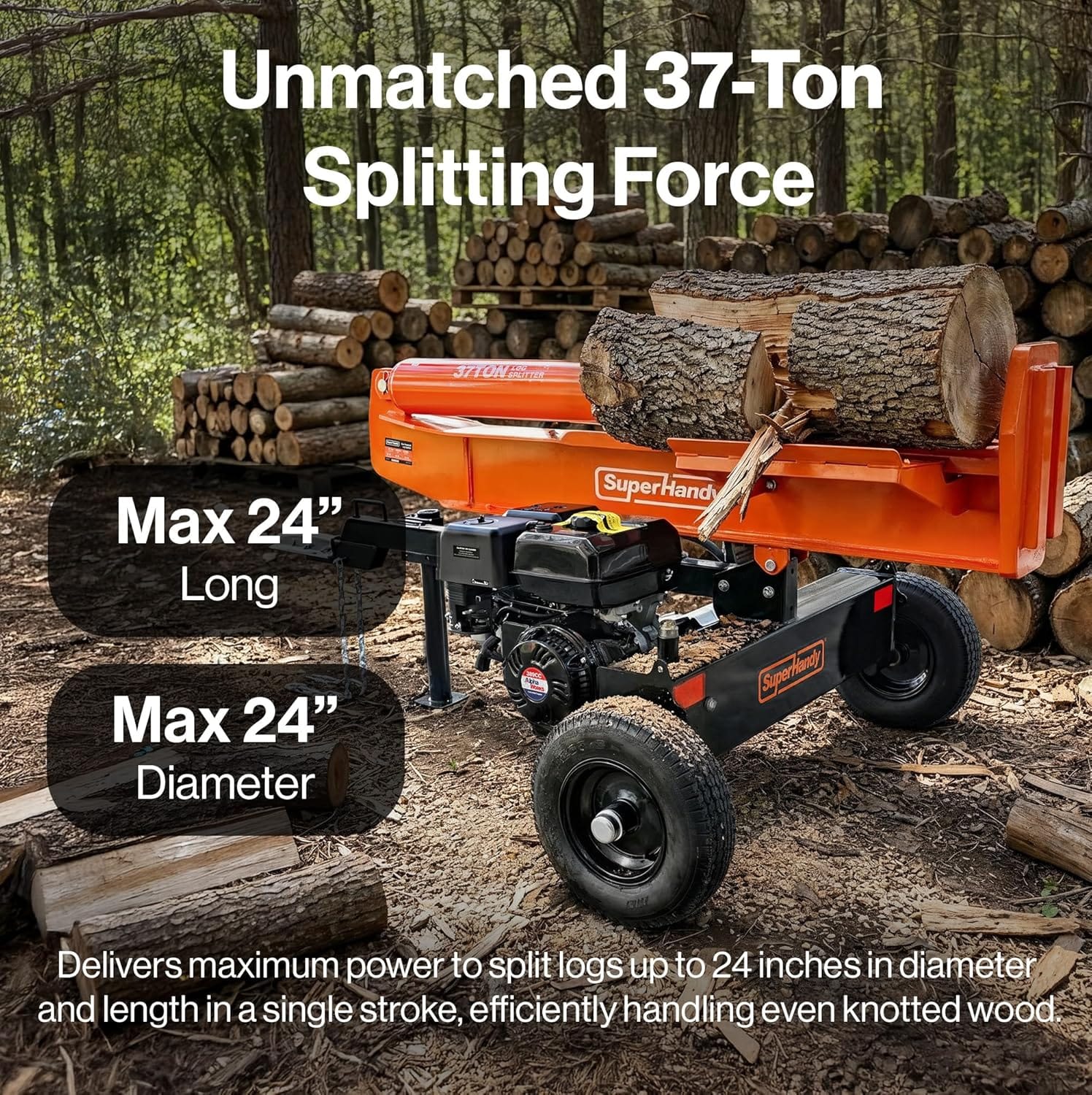
- Splitting Force: Measured in tons, this indicates the power the ram exerts. Higher tonnage is needed for green, knotty, or dense hardwoods.
- Cycle Time: This is the time, in seconds, for the ram to extend and retract. A faster cycle time means you can process more wood in less time.
- Log Capacity: This defines the maximum log length and diameter the machine can accommodate. Ensure it matches the size of the wood you typically handle.
Maintenance and Durability: What to Expect from Each Option
A commercial log splitter is designed for durability and straightforward maintenance. With standardized parts, clear instructions for tasks like changing hydraulic fluid, and often a manufacturer's warranty, upkeep is predictable. These machines are engineered and tested to withstand years of regular use. A DIY wood splitter’s durability, however, is a direct reflection of your design, materials, and fabrication skills. While a well-built custom machine can be incredibly robust, sourcing a specific replacement part years later can become a difficult scavenger hunt.

Resale Value: Will Your DIY or Commercial Splitter Hold Its Worth?
When it comes to resale, commercial log splitters hold their value remarkably well. A recognized brand name gives buyers confidence in the machine's performance, safety features, and parts availability. In contrast, a DIY log splitter has very little, if any, resale value. Buyers are understandably wary of a homemade machine due to unknown build quality, potential safety hazards, and the lack of any warranty or official support.
When Building a DIY Log Splitter Makes the Most Sense
Building your own log splitter is the right choice only in a few specific scenarios. It makes sense if:
- You are a skilled welder and fabricator with a deep understanding of hydraulics.
- You have access to free or very cheap components (e.g., I-beam, engine, hydraulic pump).
- You need a highly customized splitter for unique log sizes or power requirements.
- The project itself is a hobby you find rewarding, regardless of time and cost.
When Purchasing a Commercial Log Splitter is the Smarter Choice
For the vast majority of users, buying a commercial unit is the smarter, safer, and more efficient option. You should purchase a commercial model if you prioritize your time and want to start splitting wood immediately. It’s also the best choice if you value tested safety features, a manufacturer's warranty, and easy access to customer support and replacement parts. Ultimately, professionally manufactured Log Splitters provide proven reliability and peace of mind.
Frequently Asked Questions about DIY vs. Commercial Log Splitters
How much money can I realistically save with a DIY log splitter?
The potential savings on a DIY wood splitter vary dramatically. If you can source major components like a functional engine, hydraulic cylinder, and I-beam from scrap or used equipment, you could save over 50% compared to a new machine. However, if you have to purchase all new parts, the total cost can easily approach or even exceed that of an entry-level commercial unit, especially when you factor in welding consumables, paint, and potential design mistakes.
Are DIY wood splitters as safe as commercial models?
Generally, no. Commercial Log Splitters are engineered to meet specific safety standards, often including features like two-handed operation, protective guards, and automatic ram returns to keep the operator safe. A DIY project’s safety is entirely dependent on the builder's design and expertise. Without professional engineering and testing, homemade machines carry a significantly higher risk of hydraulic failure, structural collapse, or operator injury.
What's the most difficult part of building a DIY log splitter?
For most amateur builders, correctly designing and assembling the hydraulic system is the greatest challenge. Calculating the right combination of pump flow rate (GPM), cylinder bore size, and system pressure (PSI) to achieve your desired splitting force and cycle time requires a solid understanding of fluid dynamics. Improperly matched components can lead to poor performance or catastrophic failure. Fabricating a strong, square frame that can withstand tons of force is a close second.
Related Products


Leave a comment
All comments are moderated before being published.
This site is protected by hCaptcha and the hCaptcha Privacy Policy and Terms of Service apply.