










Understanding Trailer Dollies: What They Are and Why You Need One
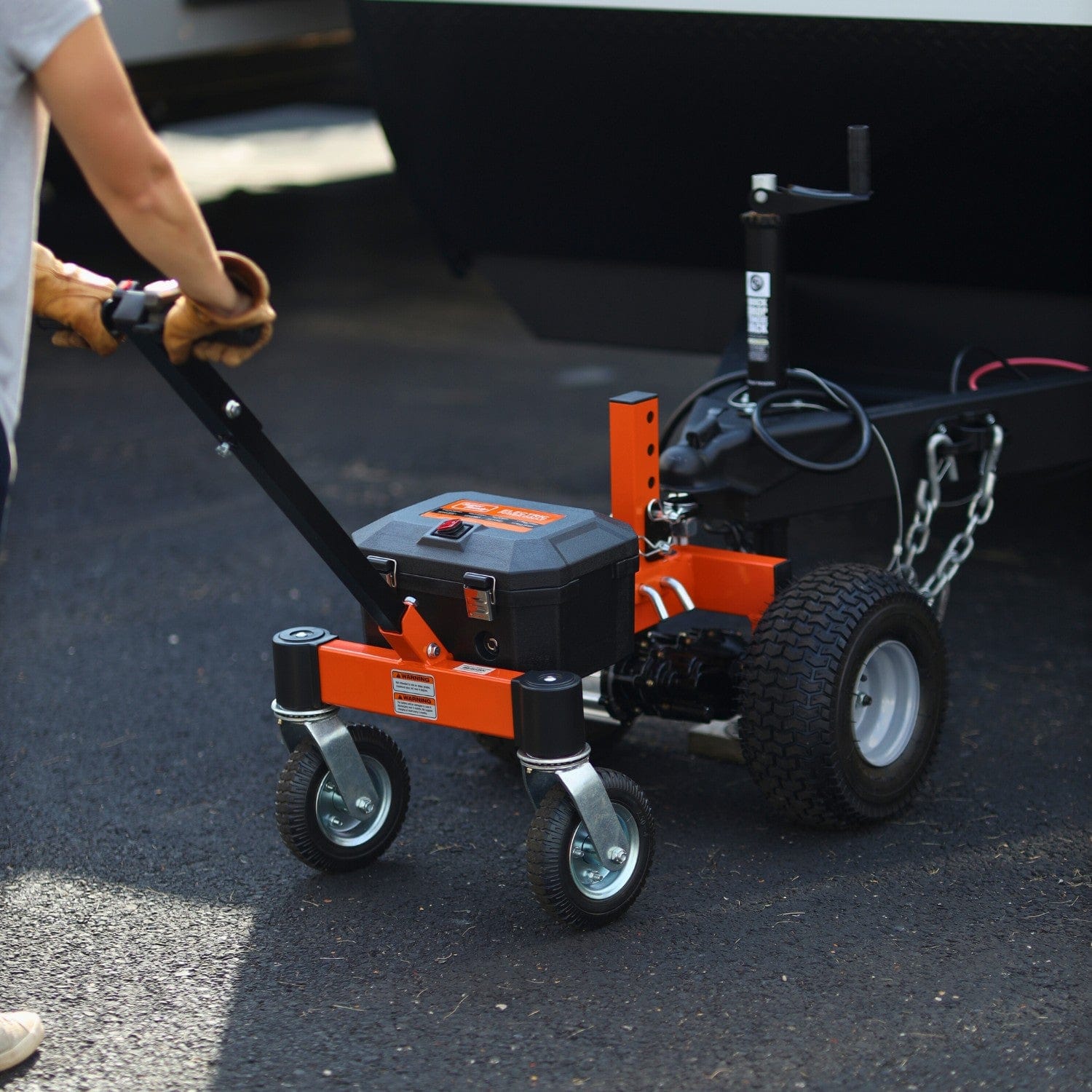
If you've ever tried to wrestle a heavy trailer into a tight parking spot, a narrow garage bay, or around a sharp corner, you know the frustration. Hitching up your tow vehicle for a five-foot adjustment is impractical, and trying to push it by hand is a recipe for a strained back. This is where a trailer dolly becomes an essential piece of equipment. A trailer dolly is a simple yet powerful device, consisting of a frame, wheels, and a trailer ball, designed to let you move your trailer without being attached to a vehicle.
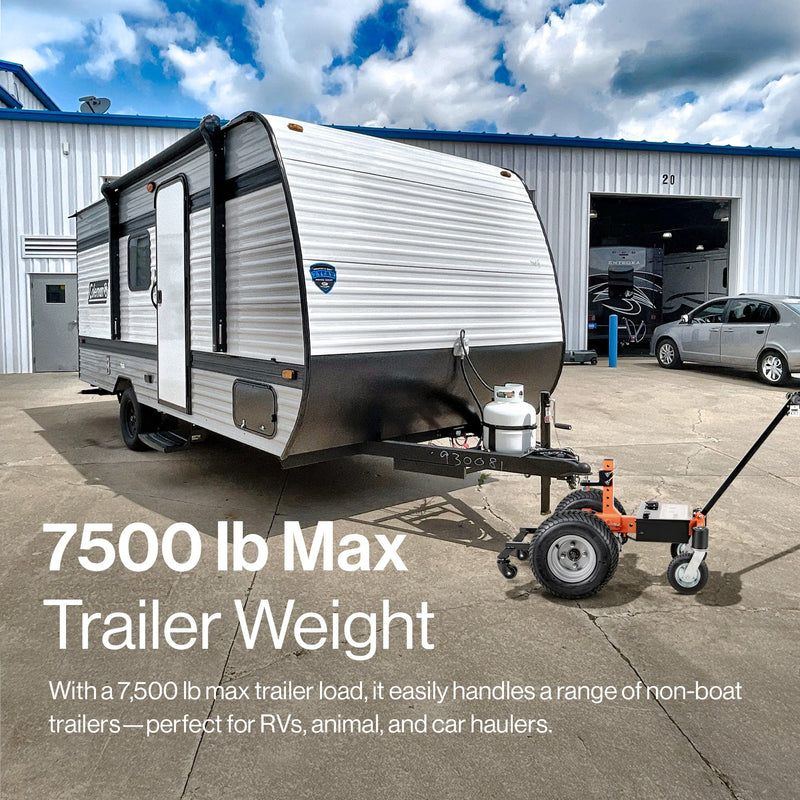
The primary benefit is precision. A trailer dolly gives you unparalleled control to pivot and park your boat, camper, or utility trailer with pinpoint accuracy. But beyond convenience, a major reason to use a dolly is safety. Manually pushing or pulling a trailer, even on seemingly flat ground, can exert tremendous force on your body, risking muscle strains, sprains, or more serious injuries. Using the right tool for the job is a core principle of consumer product safety education, and a trailer dolly is the right tool for safely maneuvering a detached trailer and preventing unnecessary physical harm.
Types of Trailer Dollies: Navigating the Different Options Available
Once you decide you need a trailer dolly, the next step is choosing the right type for your specific situation. The world of trailer dollies can be broken down into two main categories: manual and powered. The best choice for you will depend on several key factors, including your trailer's weight, the terrain you'll be moving it on (e.g., smooth concrete, gravel, a slight incline), and how frequently you plan on using it. For a quick overview of the different models available, you can com/collections/trailer-dollies) options to see the features firsthand. Let's break down the fundamental differences to help you get started.
Manual Trailer Dollies: Best for Light Loads and Occasional Use
A manual trailer dolly is the most basic and affordable option. It operates on the simple principle of leverage. These dollies feature a long handle that gives you the mechanical advantage needed to lift the trailer tongue and roll it on the dolly’s wheels. They are typically lightweight, easy to store, and require virtually no maintenance.
This type of dolly is an excellent choice for smaller, lighter loads. Think small fishing boats, jet ski trailers, or small utility trailers that you only need to move occasionally across a paved driveway or a smooth garage floor. However, they do require your own physical strength to push and pull. If you have a heavy trailer, need to move it up any kind of slope, or have to cross uneven ground like grass or gravel, you will quickly find a manual dolly’s limitations.
Powered Trailer Dollies: For Heavier Loads and Frequent Maneuvering
For anyone with a heavier trailer or the need for frequent dolly moving, a powered trailer dolly is a game-changer. These units are equipped with a motor—either electric or gas-powered—that does all the heavy work for you. Instead of pushing and pulling, you simply guide the dolly using its controls, and it effortlessly moves the trailer. This eliminates physical strain and gives you superior control over heavy and cumbersome loads.
An Electric Trailer Dolly is a particularly popular choice, offering quiet, emission-free operation that’s suitable for use in enclosed spaces or residential areas. Powered models are essential for maneuvering large campers, heavy boat trailers, or toy haulers. With robust construction and powerful motors, a heavy-duty unit like the Electric Trailer Dolly can handle thousands of pounds, turning a two-person struggle into a simple, one-person task. In the next sections, we'll explore the unique advantages of both electric and gas-powered models.
Manual Trailer Dollies: Best for Light Loads and Occasional Use
A manual trailer dolly is the most basic and affordable option. It operates on the simple principle of leverage. These dollies feature a long handle that gives you the mechanical advantage needed to lift the trailer tongue and roll it on the dolly’s wheels. They are typically lightweight, easy to store, and require virtually no maintenance.
This type of dolly is an excellent choice for smaller, lighter loads. Think small fishing boats, jet ski trailers, or small utility trailers that you only need to move occasionally across a paved driveway or a smooth garage floor. However, they do require your own physical strength to push and pull. If you have a heavy trailer, need to move it up any kind of slope, or have to cross uneven ground like grass or gravel, you will quickly find a manual dolly’s limitations.
Powered Trailer Dollies: For Heavier Loads and Frequent Maneuvering
For anyone with a heavier trailer or the need for frequent dolly moving, a powered trailer dolly is a game-changer. These units are equipped with a motor—either electric or gas-powered—that does all the heavy work for you. Instead of pushing and pulling, you simply guide the dolly using its controls, and it effortlessly moves the trailer. This eliminates physical strain and gives you superior control over heavy and cumbersome loads.
An Electric Trailer Dolly is a particularly popular choice, offering quiet, emission-free operation that’s suitable for use in enclosed spaces or residential areas. Powered models are essential for maneuvering large campers, heavy boat trailers, or toy haulers. With robust construction and powerful motors, a heavy-duty unit like the Electric Trailer Dolly can handle thousands of pounds, turning a two-person struggle into a simple, one-person task. In the next sections, we'll explore the unique advantages of both electric and gas-powered models.
Electric Trailer Dollies: The Quiet and Powerful Choice
For many trailer owners, an Electric Trailer Dolly represents the perfect balance of power, convenience, and modern technology. These units are powered by rechargeable batteries, typically lead-acid or lithium-ion, and offer a quiet, emission-free solution to dolly moving. This makes them ideal for use in residential neighborhoods where noise can be a concern, or inside garages and showrooms where you can't have exhaust fumes.
The primary advantage of an electric trailer dolly is its effortless operation. With forward and reverse controls often located right on the handle, you can maneuver your trailer with precision and minimal physical strain. They provide substantial pulling power without the noise, vibration, and maintenance associated with gas engines. Just charge the battery, and you're ready to go. This simplicity makes them a popular choice for a wide range of trailers, from small utility trailers and jet skis to mid-sized campers and boats.

Gas-Powered Trailer Dollies: useful Power for Tough Jobs
When raw, uncompromising power is the top priority, gas-powered trailer dollies are the heavy-duty champions. These machines are built to handle the heaviest loads and the most challenging conditions. Powered by small but mighty gasoline engines, they generate immense torque, allowing you to move large, fully-loaded trailers over uneven ground, gravel, or slight inclines with greater ease than other dolly types.
However, this power comes with trade-offs. Gas-powered models are significantly louder than their electric counterparts and produce exhaust fumes, making them unsuitable for indoor use. They also require more maintenance, including regular oil changes, spark plug checks, and refueling. For those dealing with industrial-sized trailers, large fifth wheels, or consistently rough terrain, the superior strength of a gas-powered trailer dolly often outweighs these considerations.
Key Features to Consider When Buying a Trailer Dolly
Once you've decided between a manual, electric, or gas-powered model, it's time to dive into the specific features that separate a good trailer dolly from a great one. The right choice depends entirely on your trailer, your property, and how you plan to use it. Looking at a wide range of options, like a full collection of an Electric Trailer Dolly, can help you compare these critical features side-by-side. Before making a final decision, carefully evaluate the following aspects to ensure you get a tool that is safe, effective, and built to last.
Weight Capacity: Matching the Dolly to Your Trailer's GVWR
The single most important feature to consider is the dolly's weight capacity. Every trailer has a Gross Vehicle Weight Rating (GVWR), which is the maximum loaded weight of the trailer. Your trailer dolly must be rated to handle this weight. Overloading a dolly is a significant safety risk that can lead to equipment failure, loss of control, and potential injury. Always prioritize consumer product safety by choosing equipment rated for the job.
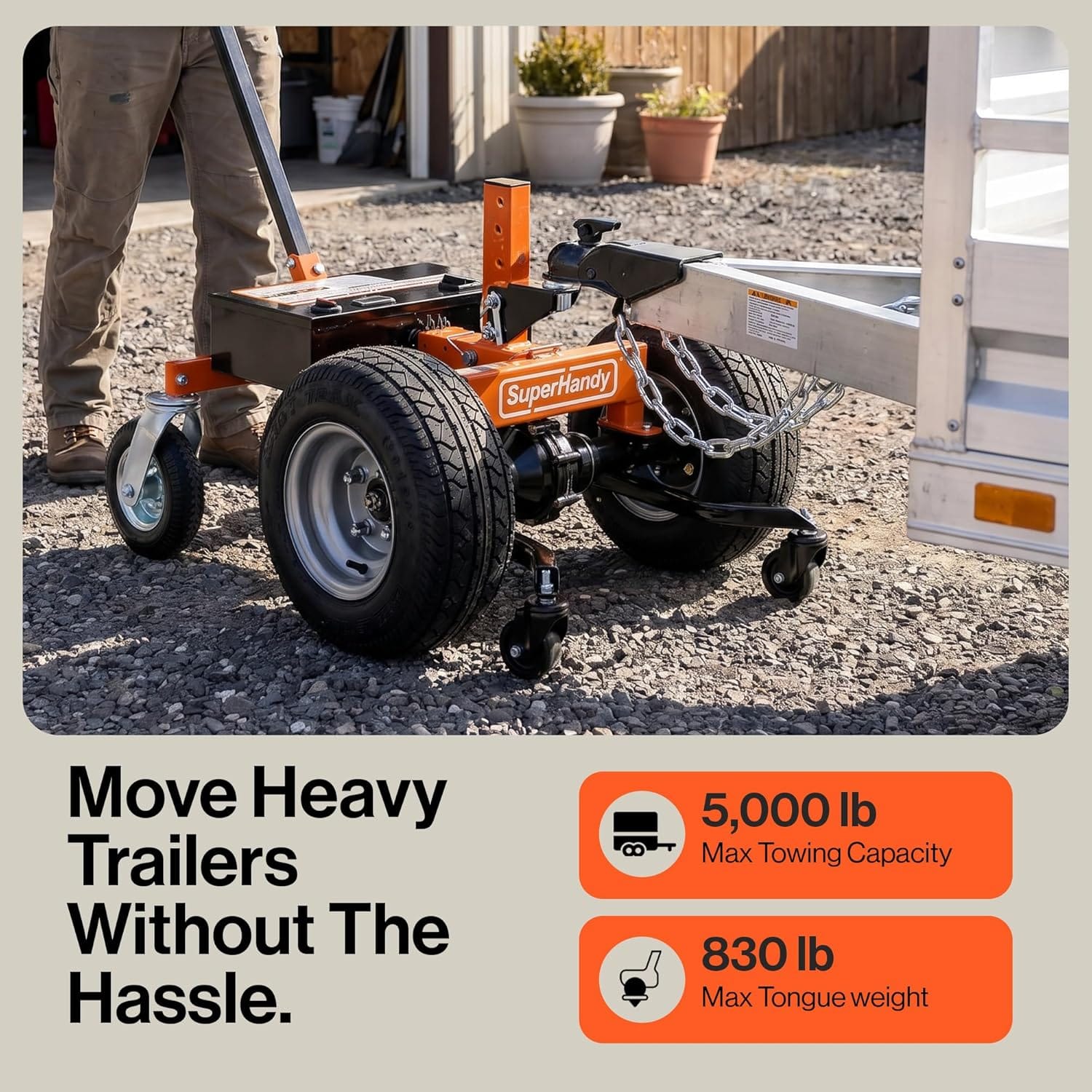
You'll also need to consider the trailer's tongue weight—the downward force the trailer coupler exerts on the hitch ball. Your dolly must be able to support this static load. For example, a powerful Electric Trailer Dolly might be rated for a 3,600 lb trailer weight and a 600 lb tongue weight. Always check your trailer's specifications, which are usually found on a placard on the trailer frame, and choose a dolly with a capacity that comfortably exceeds both your trailer's GVWR and tongue weight.
Tire Type and Size: Ensuring Traction and Stability on Various Surfaces
The tires on a trailer dolly are its direct connection to the ground, making them a critical component for traction, stability, and overall performance. The surface you’ll be moving your trailer on—be it smooth concrete, uneven gravel, or soft grass—should dictate your choice. Tires generally fall into two categories:
- Pneumatic (Air-Filled) Tires: These are similar to car tires and provide excellent shock absorption, making them ideal for rough or uneven terrain. Their flexibility allows them to maintain better contact on bumpy surfaces, but they do require proper inflation and carry the risk of going flat.
- Solid/Airless Tires: Made from solid rubber or polyurethane, these tires are puncture-proof and require zero maintenance. They excel on hard, smooth surfaces like asphalt or garage floors. However, they offer less cushioning and may struggle for traction on loose or soft ground.
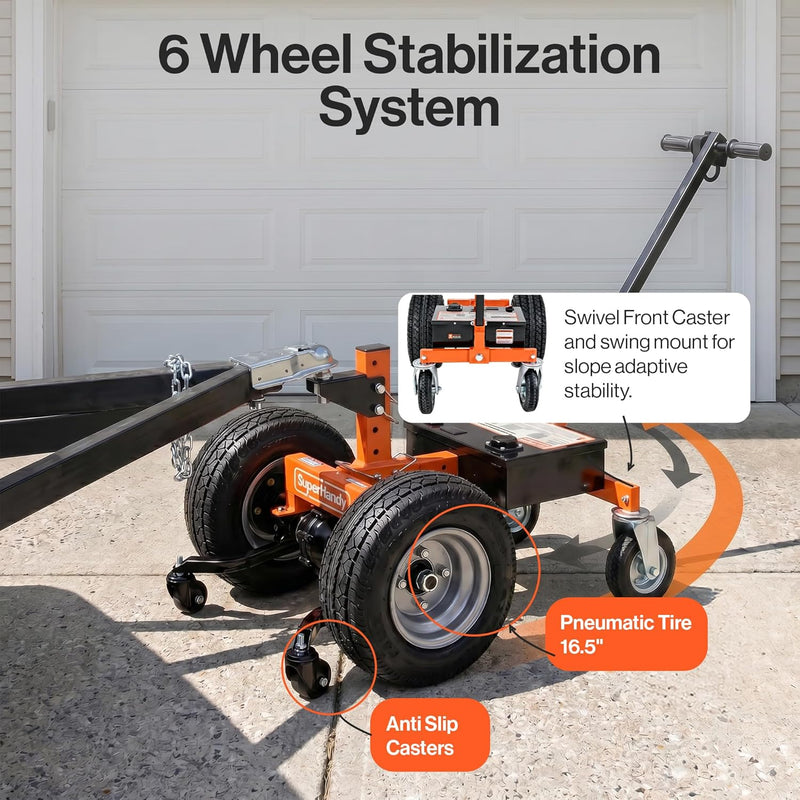
Beyond the type, consider the tire size and tread. Larger diameter, all-terrain tires with deep, aggressive treads will provide the best grip for dolly moving on challenging surfaces like wet grass or dirt. For primarily indoor or paved use, smaller, less aggressive tires will suffice and can improve maneuverability.
Maneuverability and Control: How Easy Is It to Steer and Operate?
A trailer dolly is meant to make your life easier, so it must be simple to control. Maneuverability comes down to the dolly’s design, steering mechanism, and drive controls. Look for an ergonomic handle that allows you to steer comfortably without straining your back or arms.
Powered models, especially an Electric Trailer Dolly, offer a significant advantage in control. Features like a thumb-throttle for forward and reverse, variable speed settings, and an automatic braking system allow for precise, low-effort adjustments. This is crucial when navigating tight corners, backing into a garage, or aligning the hitch. Ensuring your dolly has intuitive controls and safety features like an automatic brake can help prevent accidents, a key consideration for any piece of equipment used around your home, as highlighted by the Consumer Product Safety Commission's safety education resources. The dolly's turning radius is also important; a more compact unit will be easier to handle in confined spaces.
Power Source and Battery Life (for Electric Models)
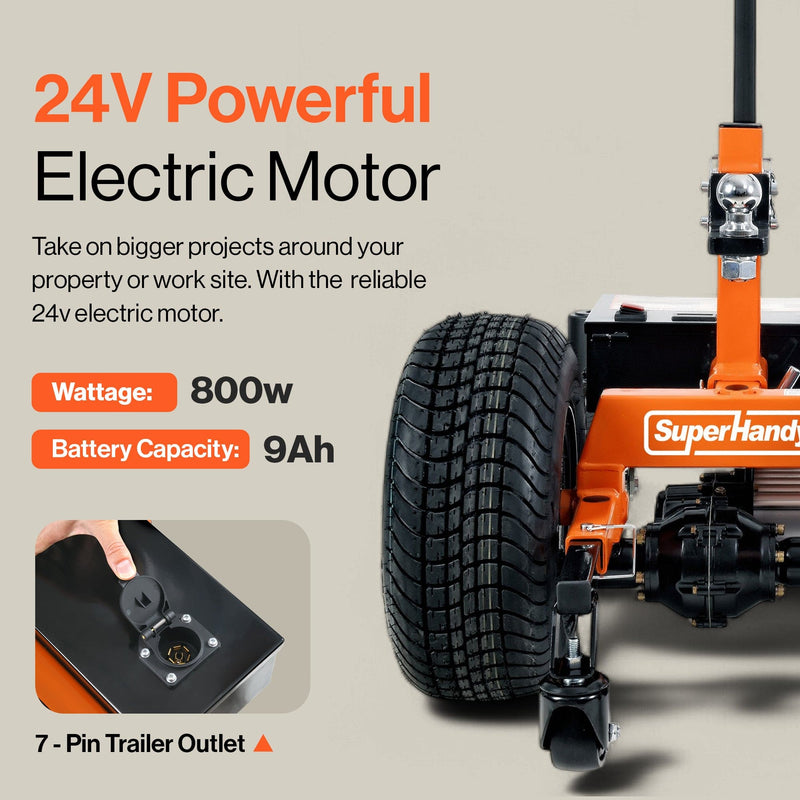
For an electric trailer dolly, the battery is its heart. Understanding the power source is key to ensuring it meets your demands. Most electric dollies use sealed lead-acid (SLA) or lithium-ion batteries. SLA batteries are a proven, cost-effective technology, while lithium-ion batteries are lighter and often offer a longer overall lifespan, though typically at a higher initial cost.
Battery capacity, measured in Amp Hours (Ah), and voltage (V) determine the dolly’s runtime and power output. A higher Ah rating generally translates to longer operation between charges. Most manufacturers provide an estimated continuous runtime, which can help you gauge if a dolly can handle your typical moving tasks on a single charge. When browsing different models, you'll find a range of battery specifications across the available Electric Trailer Dolly options, so compare them against the size of your property and the frequency of use. Also, consider the charging time—how long does it take to get the battery back to full power?
Durability and Construction: Building a Dolly That Lasts
A trailer dolly is an investment, and its construction quality will determine its longevity and reliability. The frame is the backbone of the unit and should be made from heavy-gauge steel to withstand the immense tongue weight of a trailer without flexing or failing. Look for a powder-coated or rust-resistant finish, which protects the steel from moisture, salt, and other corrosive elements, especially if you plan to store or use the dolly outdoors.
Beyond the frame, inspect the quality of the welds, hardware, and components. The motor and gearbox on a powered dolly should be housed in a sealed, weather-resistant casing to protect them from dirt and water. For example, a high-quality Electric Trailer Dolly will feature a heavy-duty steel frame and a sealed gearbox to ensure it can handle tough jobs for years to come. Choosing a well-built dolly ensures it will be a dependable tool for all your dolly moving needs, season after season.
Top Trailer Dolly Brands and Models to Consider
When you start your search, you'll find several key players in the trailer dolly market, each offering unique features. Brands like Trailer Valet and Parkit360 are well-known for their robust designs. However, for a blend of power, innovative features, and user-friendly operation, SuperHandy has established itself as a leading choice for homeowners and professionals alike. Our focus is on creating powerful, reliable, and convenient solutions for dolly moving.
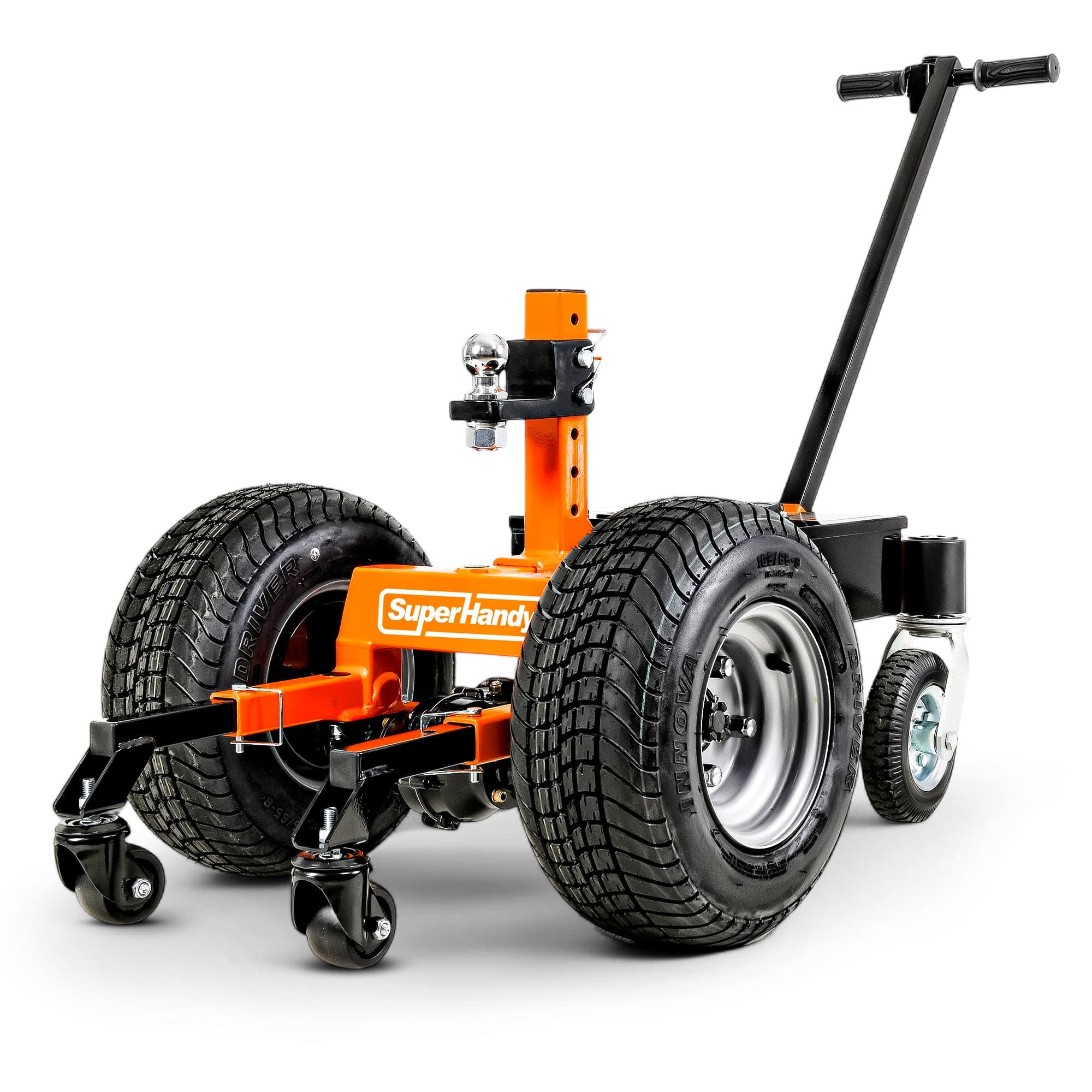
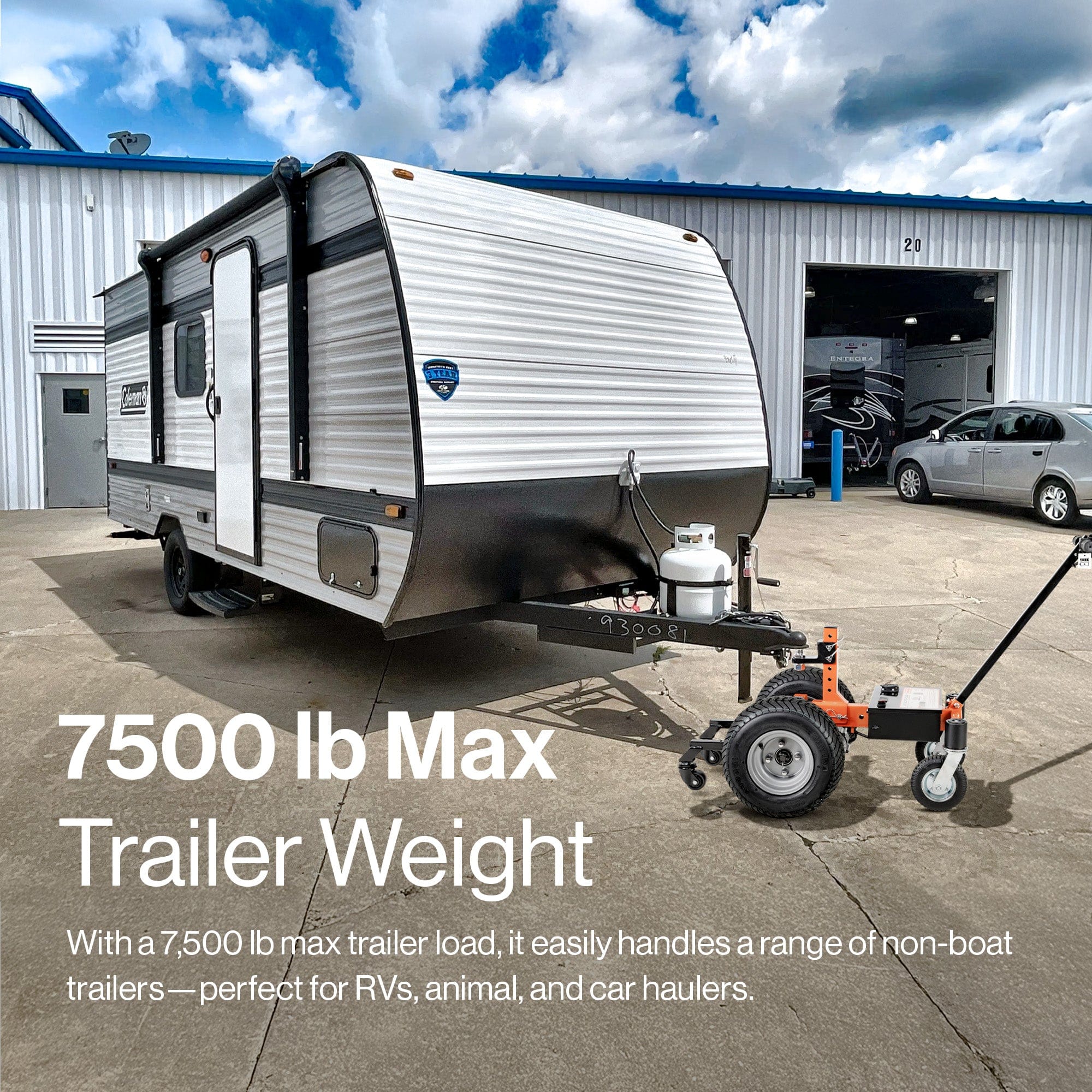
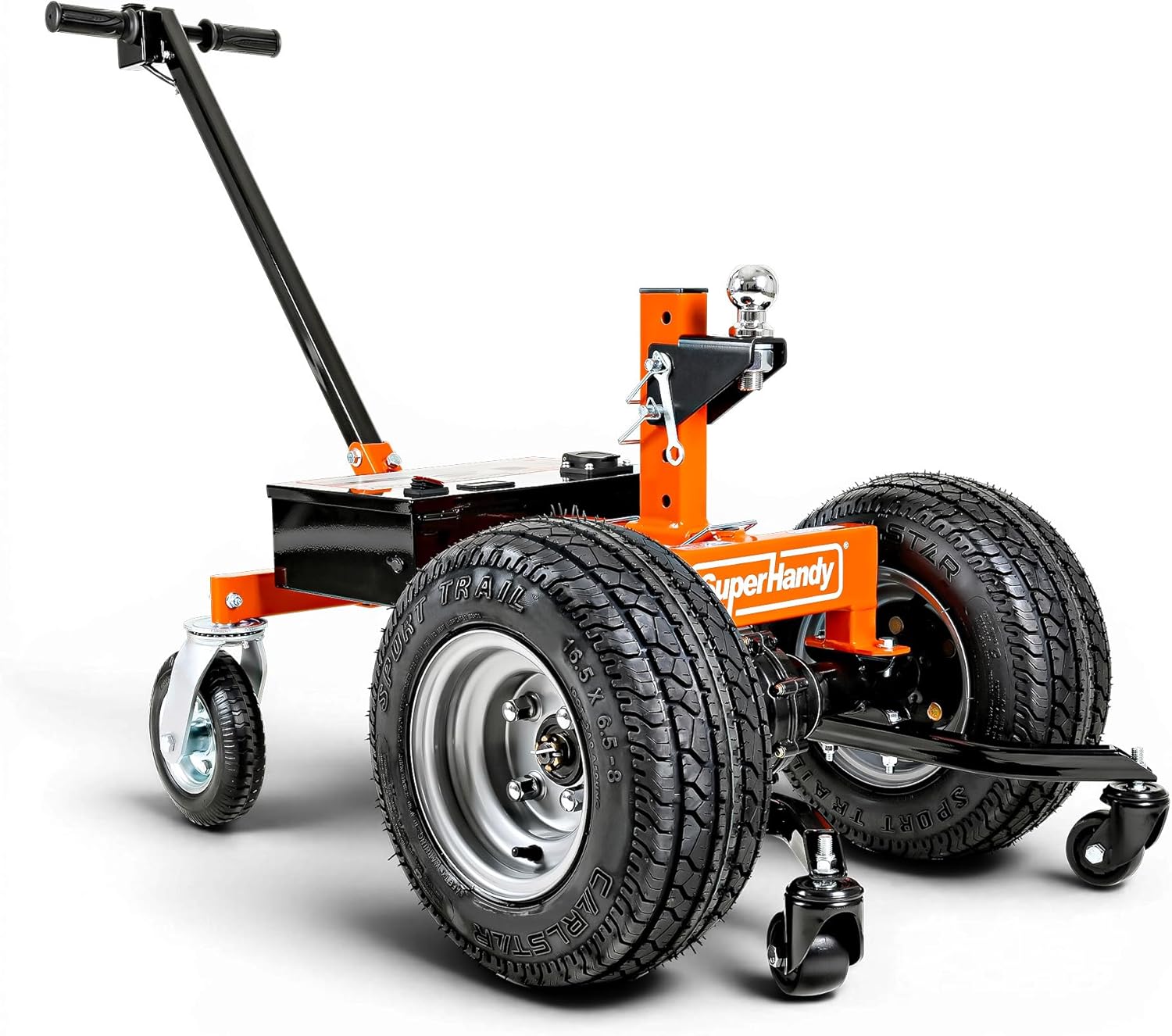
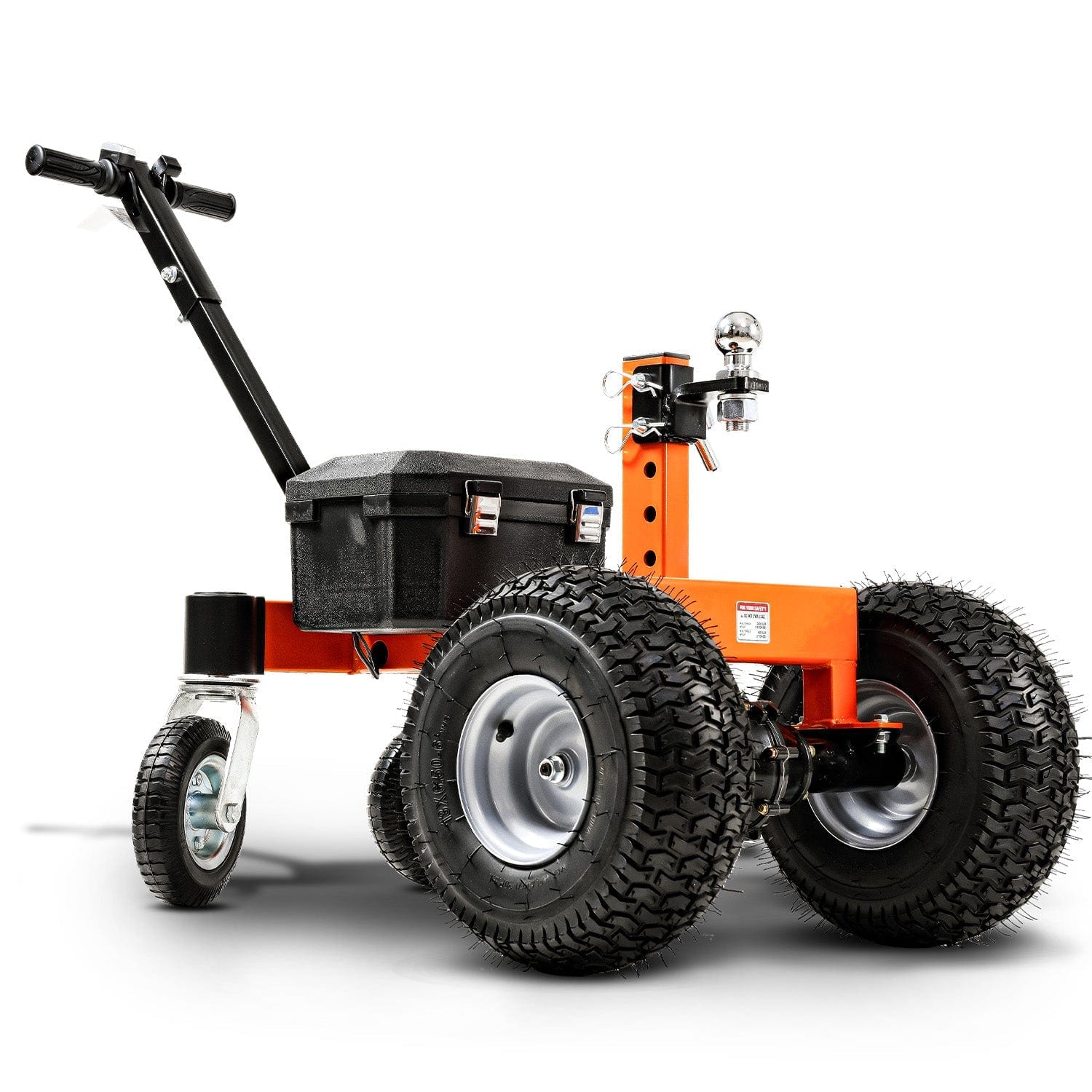
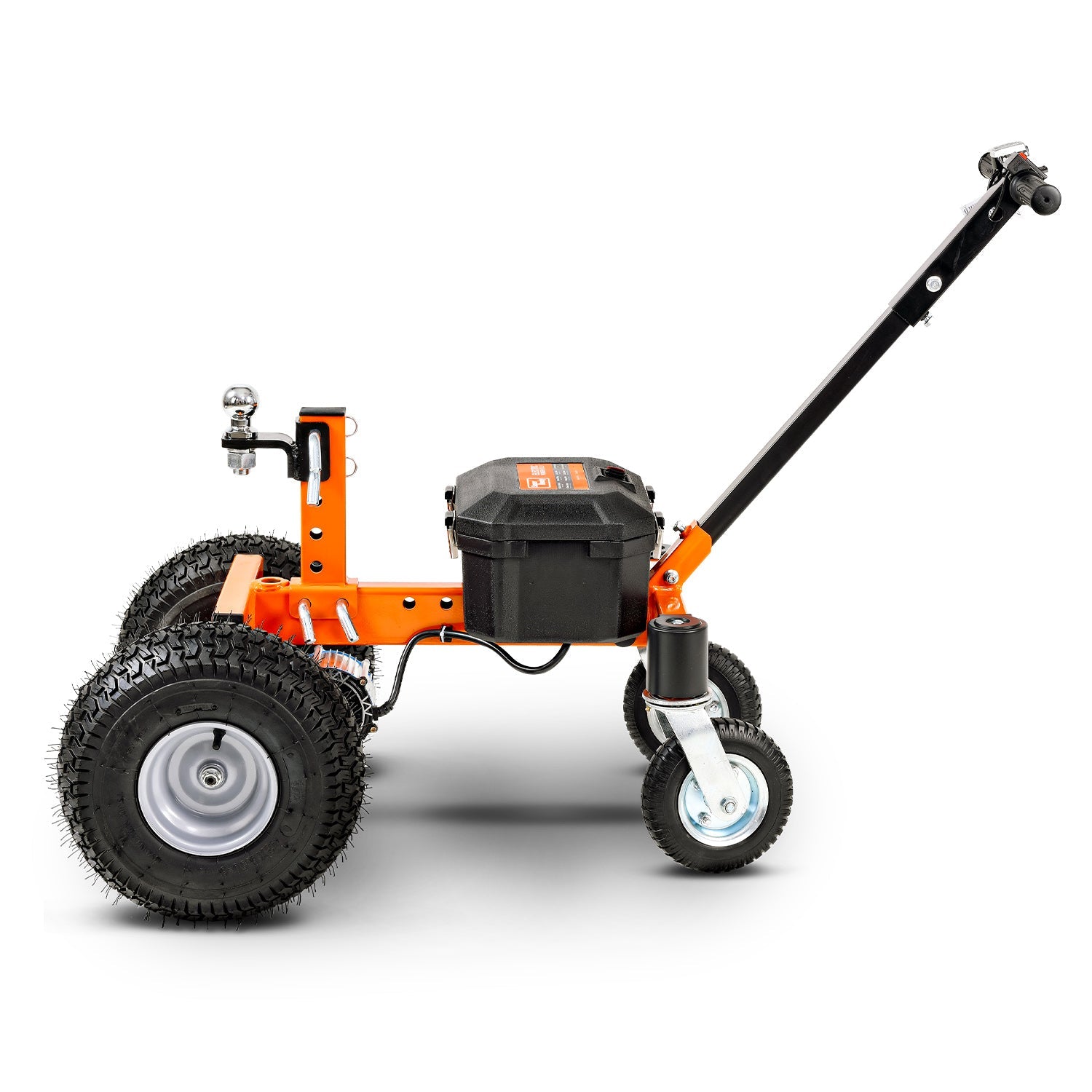
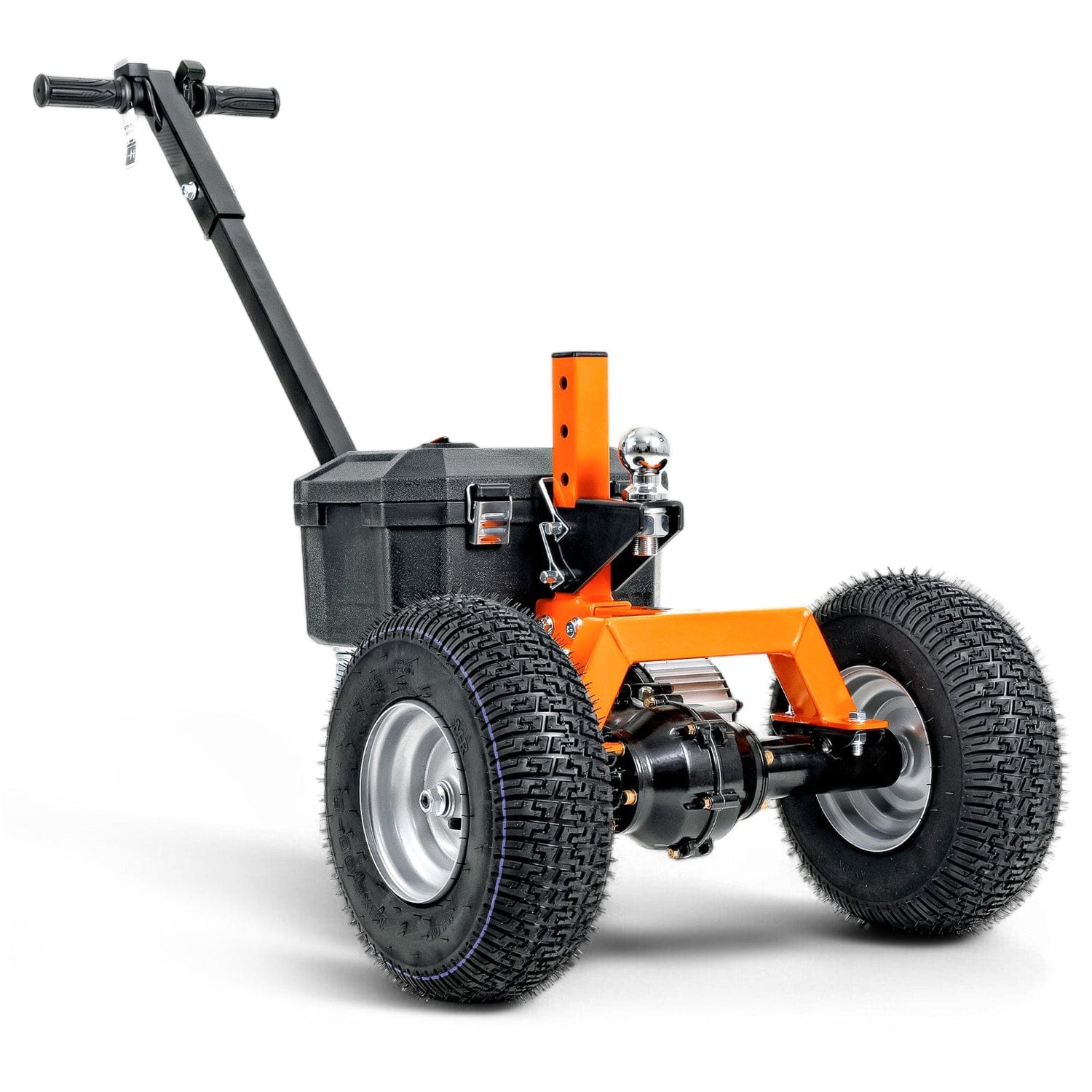
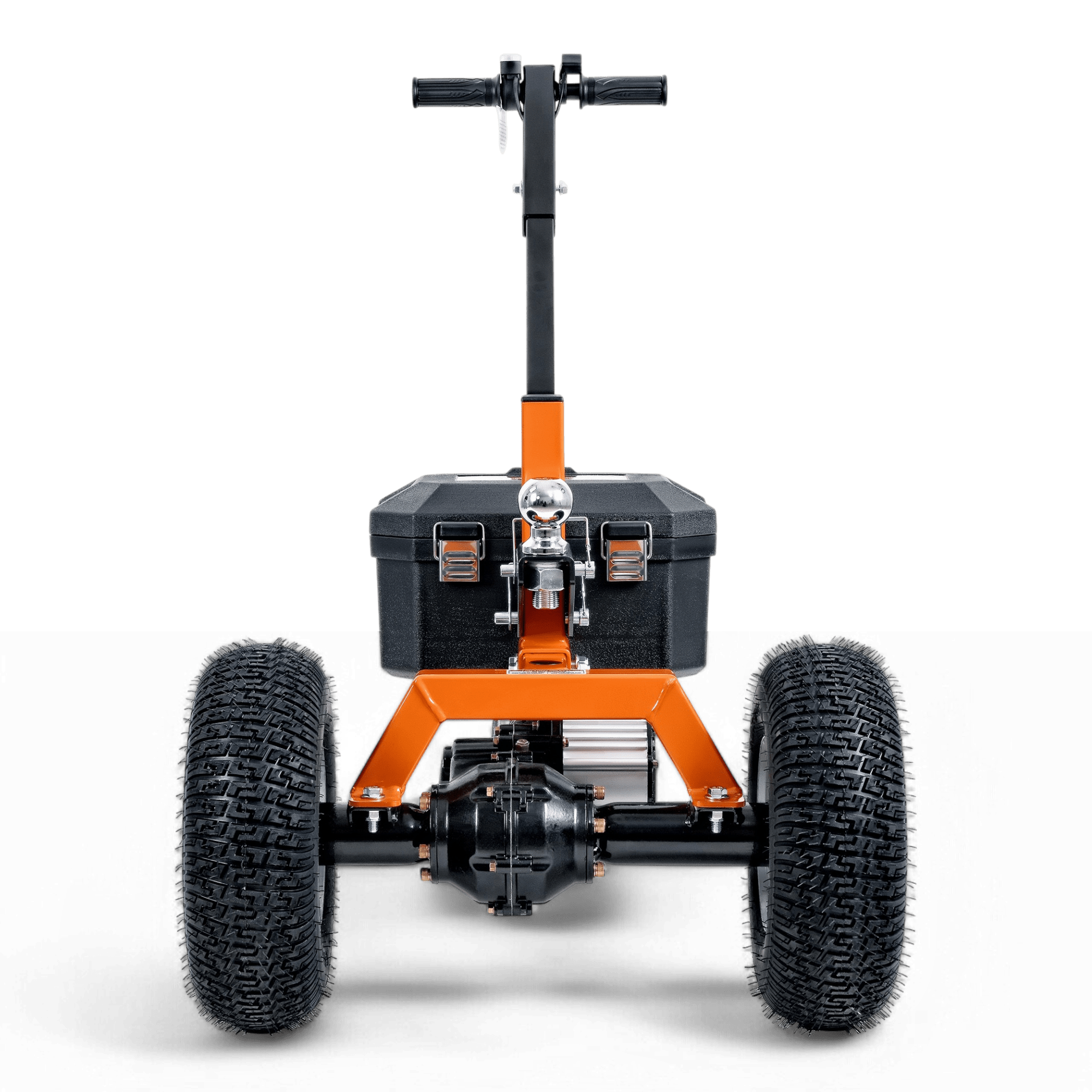
A standout option is the SuperHandy 3600 lbs. Max Capacity model. This powerful Electric Trailer Dolly is designed to handle a wide range of trailers, from boats and RVs to utility and cargo haulers. It features a patented drive system for superior control, forward and reverse capability, and large, all-terrain tires that provide excellent traction on grass, gravel, and pavement. Its heavy-duty construction ensures it can withstand the demands of frequent use, making it a dependable partner for maneuvering your trailer into the tightest spots.

Frequently Asked Questions About Trailer Dollies
Navigating the world of trailer dollies can bring up a few questions. Here are answers to some of the most common ones we hear.
Can a trailer dolly be used on an incline? This depends heavily on the model. Manual dollies are generally not recommended for inclines due to safety risks. Powered dollies, especially those with automatic braking systems and high-traction tires, can handle slight to moderate grades. Always check the manufacturer's specifications for the maximum recommended incline and never exceed it. Safety should always be your first priority.
How do I determine the right weight capacity for my dolly? The most critical factor is your trailer's Gross Vehicle Weight Rating (GVWR), which is the maximum loaded weight of the trailer. Your dolly's capacity must exceed your trailer's GVWR. Don't confuse this with tongue weight, which is only the downward force the trailer tongue exerts on the hitch. While important for hitching to a vehicle, the dolly must be able to move the entire weight of the trailer.
What kind of maintenance does an electric trailer dolly require? Electric models are relatively low-maintenance. The primary tasks include keeping the battery charged and properly stored during the off-season, checking tire pressure regularly, and keeping the unit clean and free of debris. For a comprehensive look at the different models and their features, you can com/collections/trailer-dollies) options.
Making Your Final Decision: Tips for a Successful Purchase
With your research done, you're ready to make a purchase. Follow these final tips to ensure you choose a trailer dolly that serves you well for years to come.
First, double-check your specifications. Measure your hitch height and confirm your trailer's GVWR and tongue weight one last time. It’s better to be certain now than to discover an incompatibility after your dolly arrives.
Next, read customer reviews and watch videos of the dolly in action. This real-world feedback provides invaluable insight into how the dolly performs on different surfaces and with different types of trailers. Pay attention to comments about maneuverability, battery life, and overall durability.
Finally, buy from a reputable source. Whether purchasing from a dealer or directly from the manufacturer, ensure they offer a solid warranty and accessible customer support. According to the FTC online shopping guidance, comparing sellers and understanding the return policy before you buy are key steps to a safe transaction. A quality Electric Trailer Dolly is an investment in convenience and safety, and a good warranty protects that investment. By taking these final steps, you can be confident in your choice and look forward to effortless trailer moving.
Related Products


Leave a comment
All comments are moderated before being published.
This site is protected by hCaptcha and the hCaptcha Privacy Policy and Terms of Service apply.