









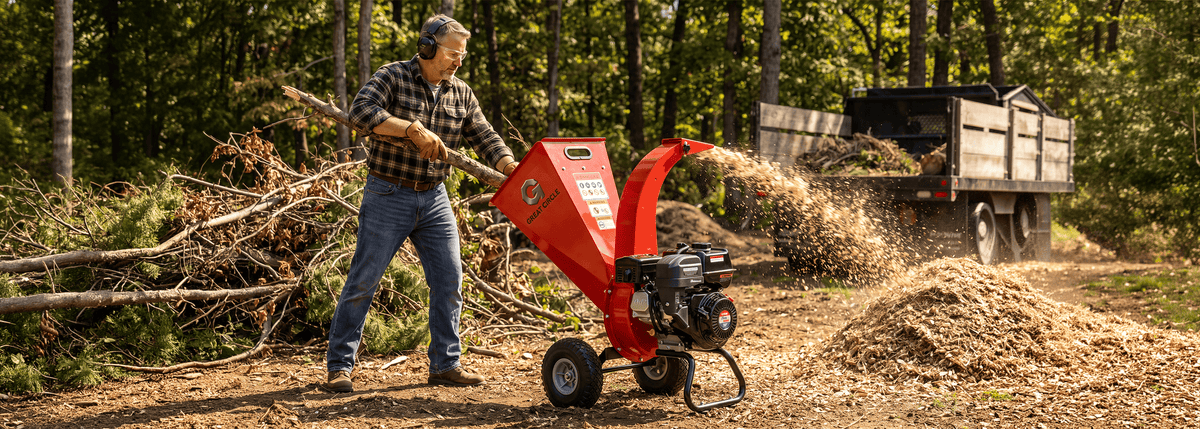
Understanding Your Chipping Needs: How Much Debris Do You Actually Produce?
Before you can decide between renting and buying, you need a realistic picture of your workload. Are you cleaning up a few fallen branches after a storm once a year, or do you have a heavily wooded property that requires seasonal pruning and cleanup? Be honest about the volume and frequency. A small pile of twigs and leaves from a single tree might not justify a purchase. However, if you're generating multiple large piles of branches and brush two or more times a year, the equation starts to change. Also, consider the diameter of the material. Most debris for a typical homeowner falls within the 1- to 3-inch range, which is suitable for a small wood chipper.
The True Cost of Renting: Calculating Hidden Fees and Time Investment
Renting a wood chipper seems cheap at first glance, but the advertised daily rate is only part of the story. You must also account for hidden costs like delivery and pickup fees, mandatory damage waivers or insurance, and fuel charges. Don't forget the significant time investment: driving to the rental store, waiting in line, getting a tutorial, loading and unloading a heavy machine, and rushing to return it before the deadline. A one-day rental can easily consume half your weekend in logistics alone, adding a layer of stress to your yard work.
The Upfront Investment: What to Expect When Buying a Small Wood Chipper
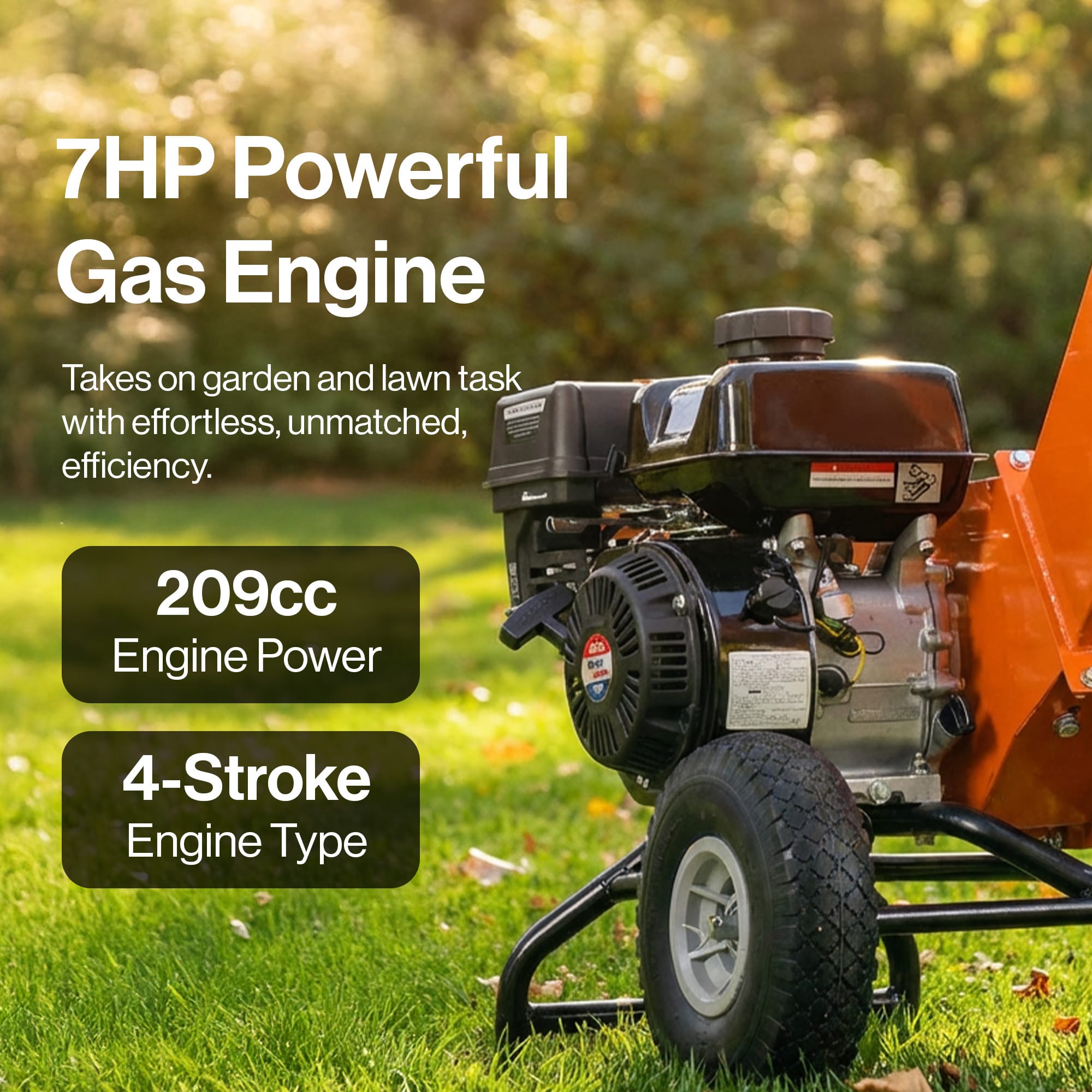
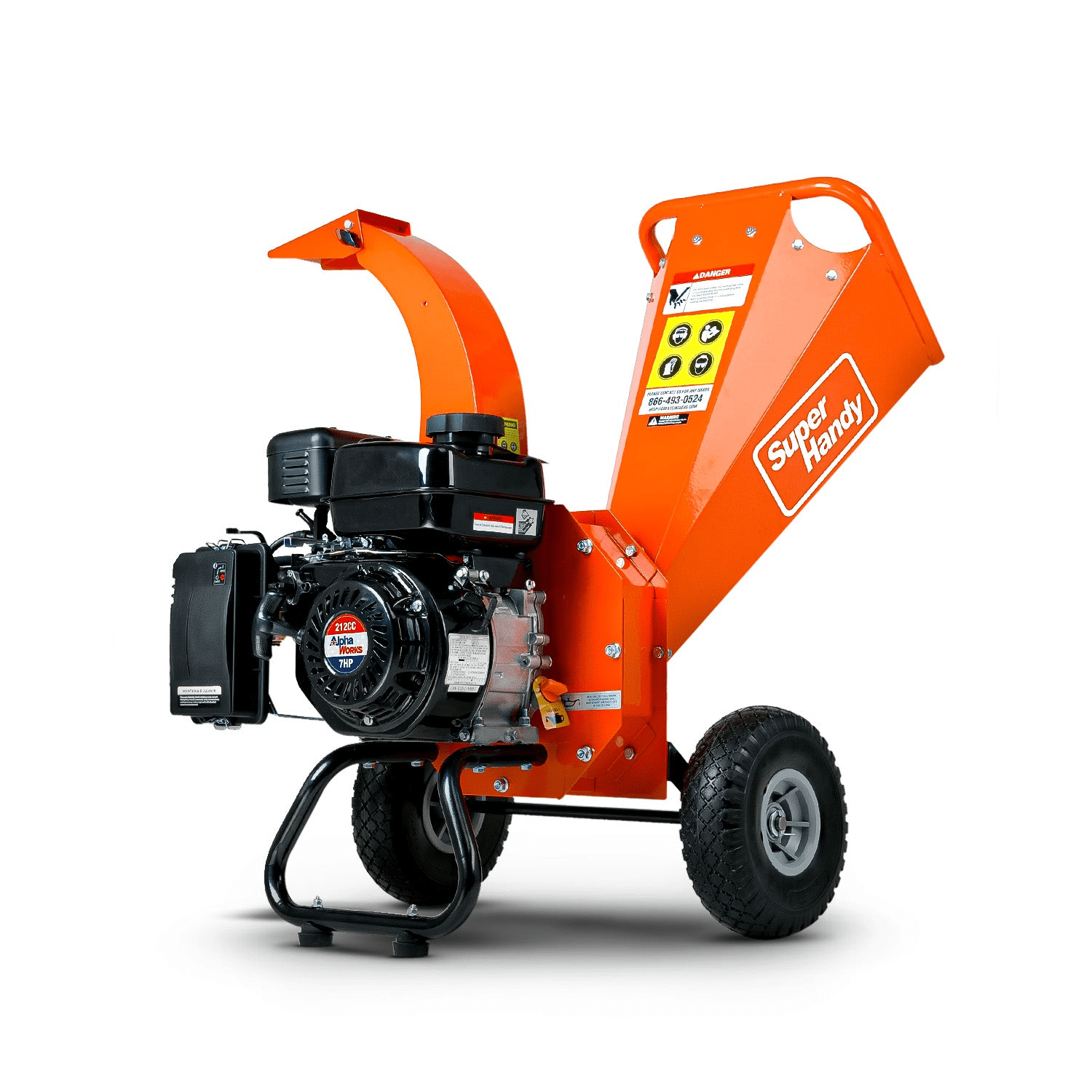
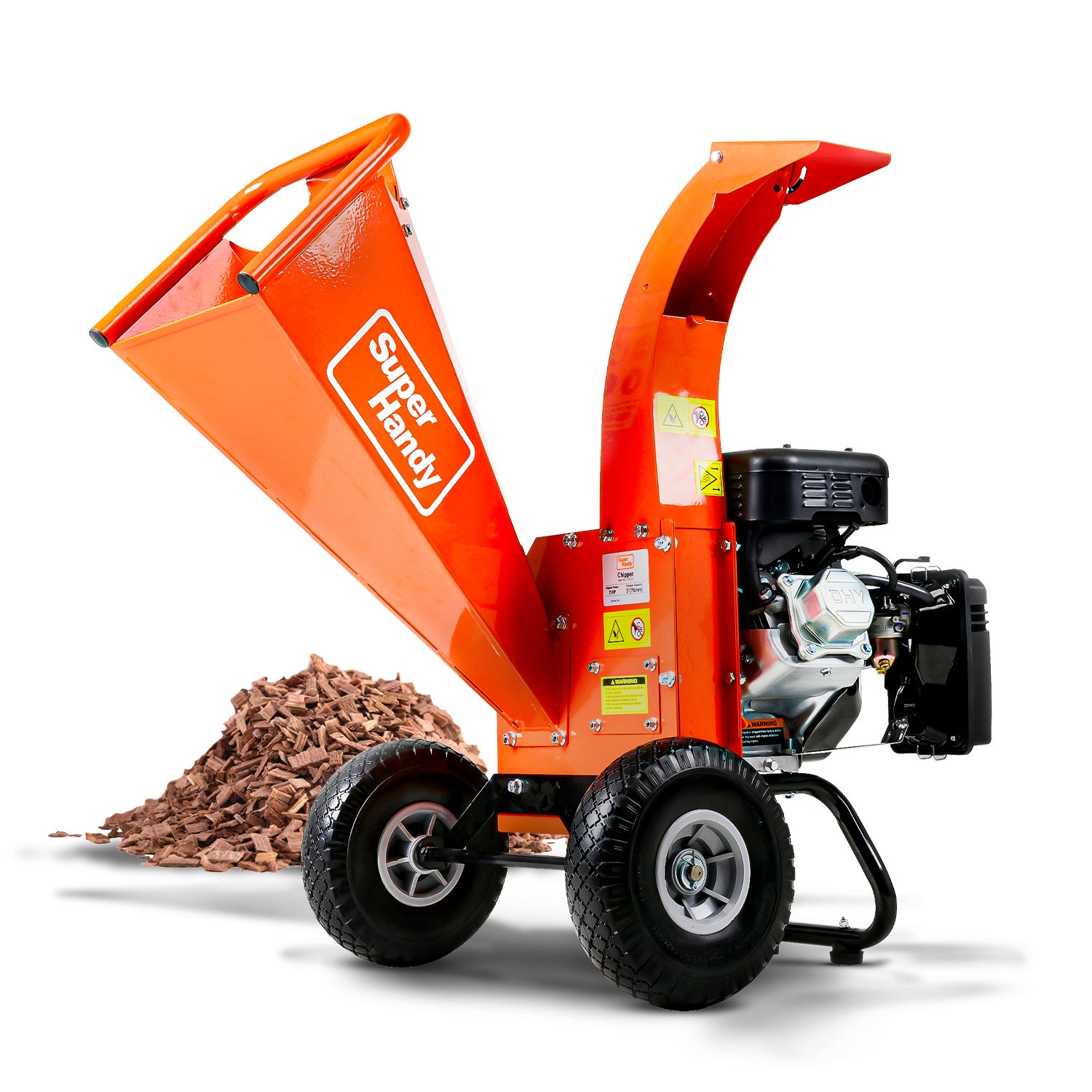
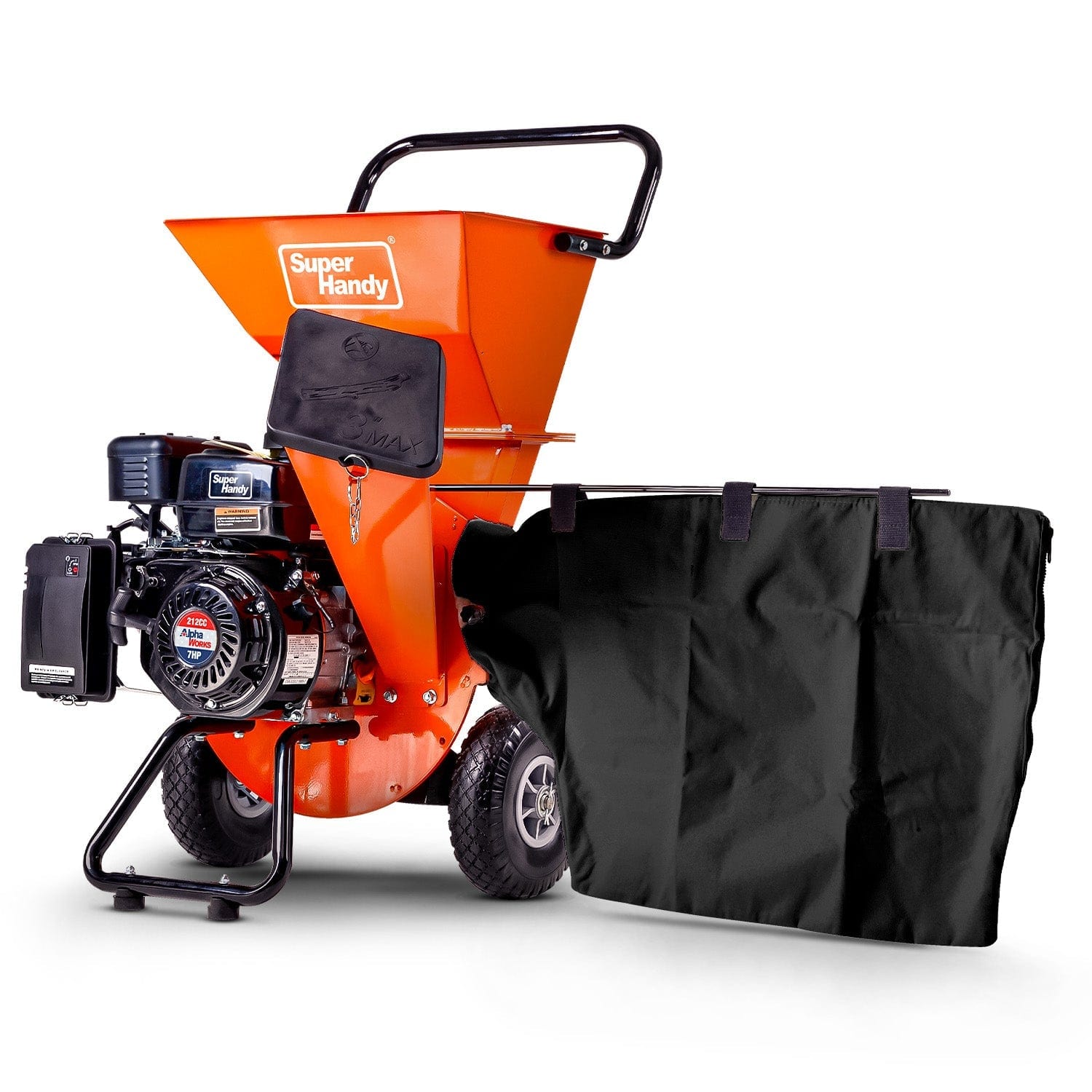
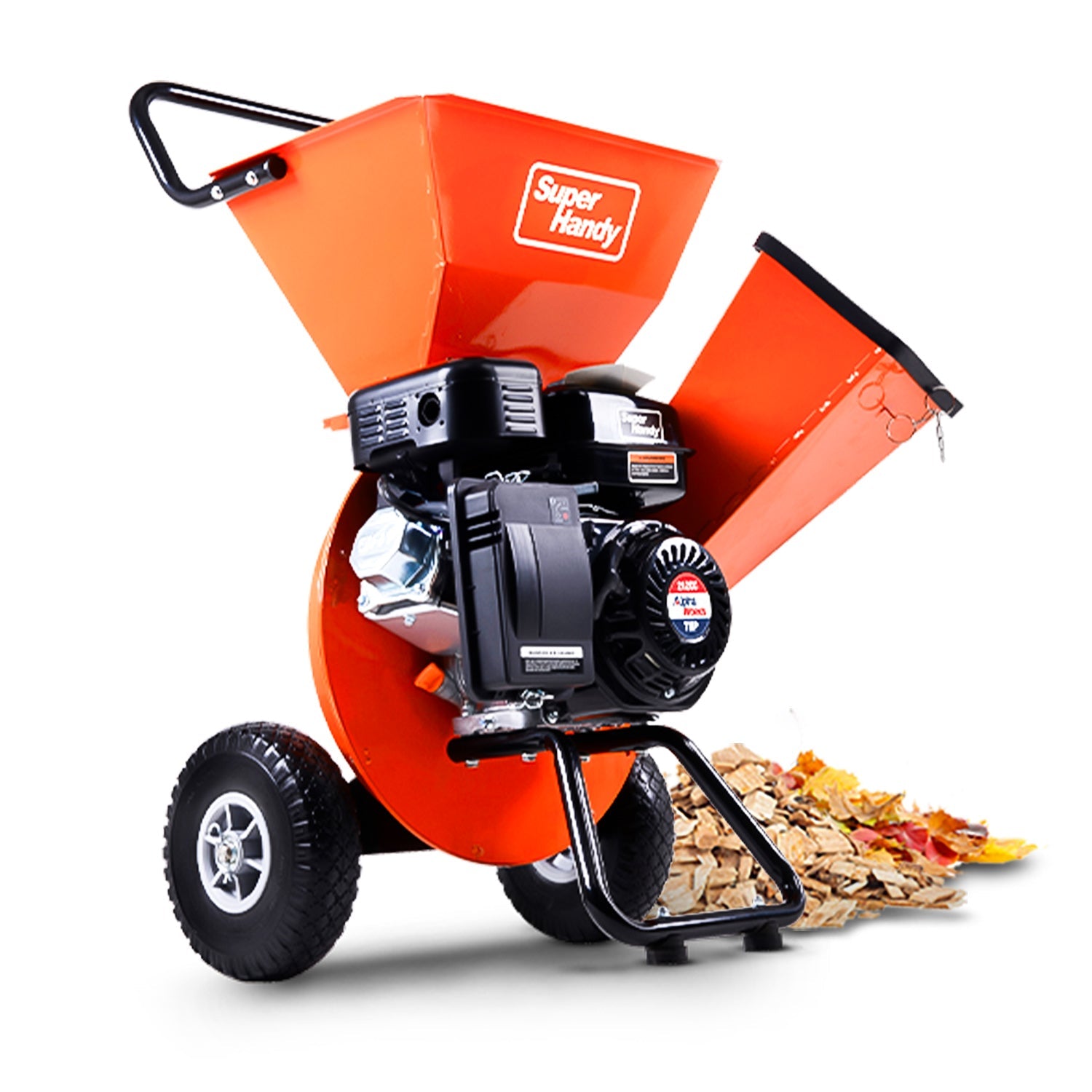
The initial purchase price is the biggest hurdle for most homeowners. A quality residential-grade small wood chipper, like a Compact Wood Chipper, can range from several hundred to over a thousand dollars. This is a significant one-time expense compared to a single rental. However, it's far more affordable than a heavy-duty commercial wood chipper, which is designed for constant, demanding use and costs many thousands of dollars. The price of a homeowner model depends on its power source (electric or gas) and its maximum chipping capacity.
Long-Term Savings: When Does Buying Become Cheaper Than Renting?
Here’s where you can do some simple math to find your break-even point. Add up the total cost of a single rental—including the daily rate, fees, and fuel. Let's say it comes to $150. Now, look at the price of a chipper you’re considering, for example, $600.
($600 Purchase Price) ÷ ($150 Per Rental) = 4 Rentals
In this scenario, buying the wood chipper becomes more cost-effective after your fourth use. If you anticipate needing a chipper twice a year for spring and fall cleanup, the machine would pay for itself in just two years. After that, every time you use it, you're essentially chipping for free.
Space and Storage: Do You Have Room for Your Own Chipper?
Unlike a massive commercial wood chipper, a small wood chipper is designed with a homeowner's space in mind. However, "small" is relative. These machines still have a significant footprint and weight, requiring a dedicated spot in your garage, a large shed, or a covered corner of your patio. Before you buy, measure your available storage area. You'll need a dry, secure location to protect your investment from the elements, prevent rust, and keep it safely away from children and pets. Models with wheels and a compact vertical design are easier to maneuver and tuck away.
Maintenance and Upkeep: The Responsibilities of Ownership
When you rent, maintenance is someone else's problem. When you own, it's on you. The primary responsibility is keeping the blades sharp. Dull blades mash wood instead of cutting it, straining the engine and producing poor-quality chips. Ownership also involves regular cleaning to prevent sap and debris buildup, checking and tightening bolts, and for gas models, performing oil changes and managing fuel. While this requires a small time commitment, staying on top of upkeep ensures your wood chipper starts and runs reliably for years.
Convenience Factor: Having a Chipper Ready When You Need It
The biggest argument for buying is undeniable convenience. A sudden storm drops a few large branches? You can clean them up that afternoon. Pruning your fruit trees? Turn the branches into mulch immediately. Owning a Compact Wood Chipper eliminates the hassle of scheduling a rental, driving to the store, and racing against a return deadline. You can work at your own pace, chipping for an hour here and there instead of dedicating an entire weekend to a rental machine.
Types of Small Wood Chippers: Electric vs. Gas for Occasional Use
For homeowners, the choice typically comes down to electric or gas. Electric chippers are quieter, lighter, and require less maintenance. They are suitable for light-duty work, easily handling branches up to 1.5 inches in diameter. If you opt for a cordless model, be sure to follow best practices for extending the lifetime of lithium-ion batteries, like avoiding full discharges. Gas-powered chippers offer more power and portability, tackling thicker branches (2-3 inches) without being tethered to an outlet. While not as powerful as a true commercial wood chipper, a gas model provides the muscle needed for larger properties or more substantial debris.
Key Features to Look For in a Small Wood Chipper for Homeowners
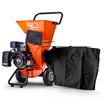
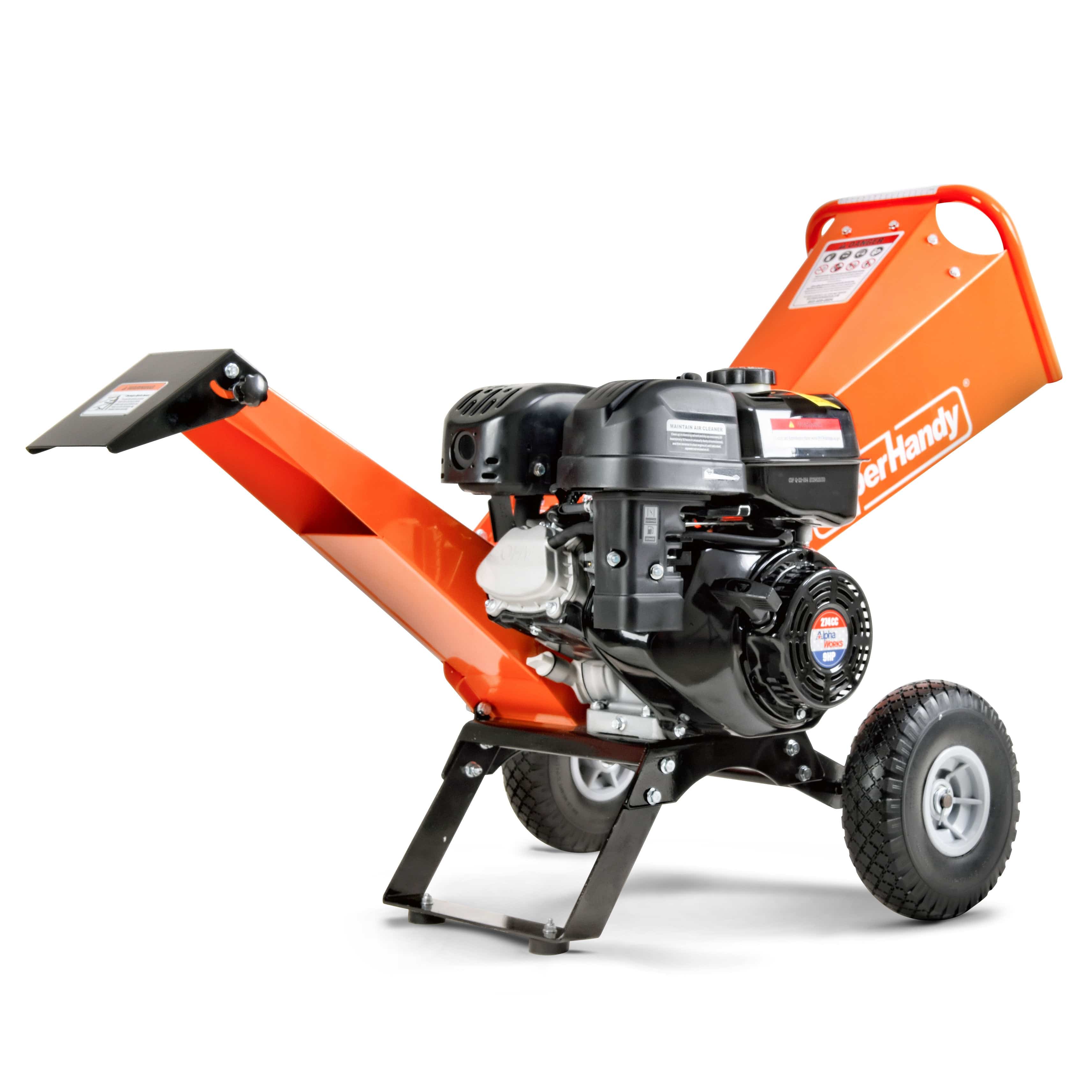
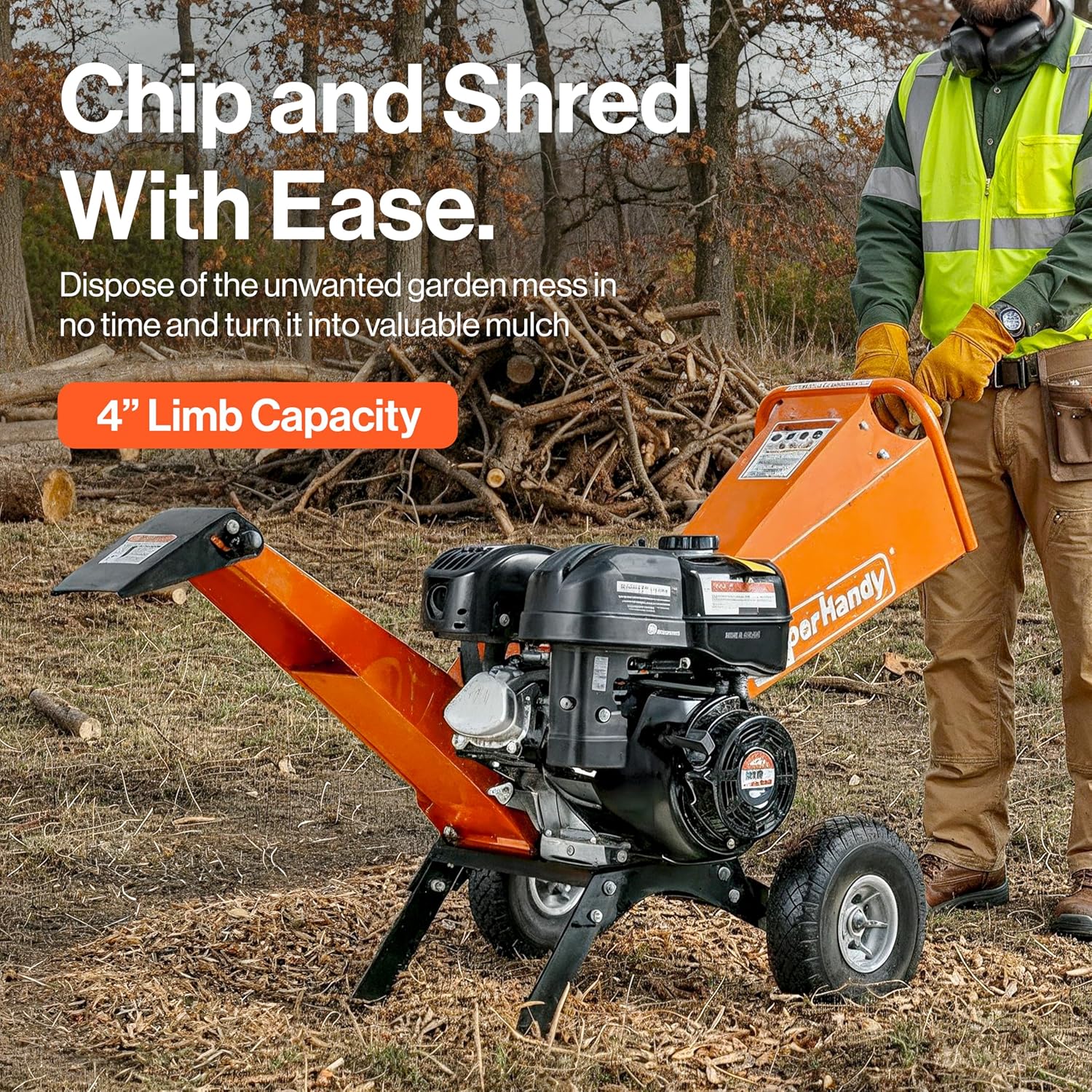
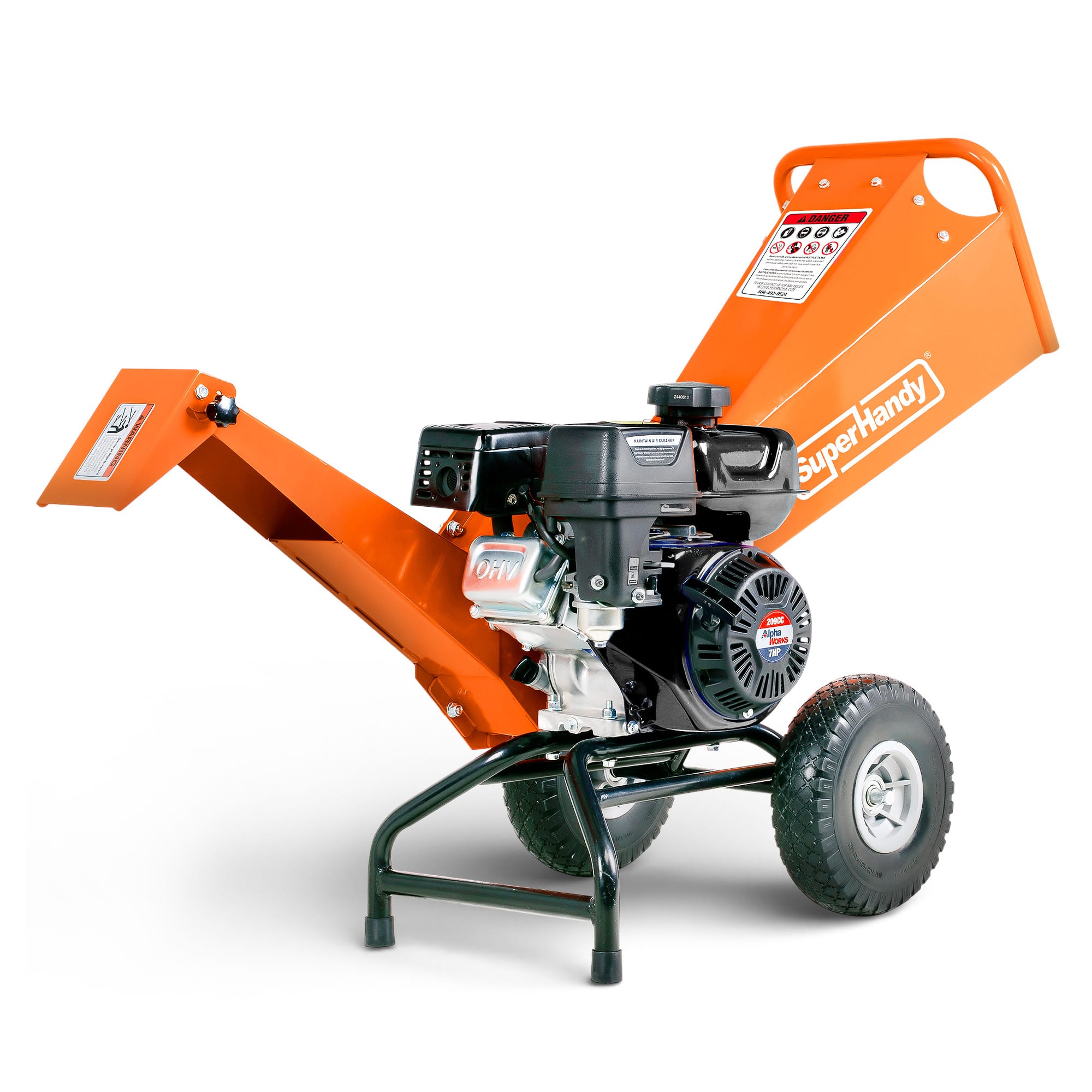
When shopping for a small wood chipper, focus on features that match your yard's needs. First, consider the chipping capacity, which is the maximum branch diameter the machine can handle. For typical yard cleanup, a capacity of 2-3 inches is usually sufficient. Next, evaluate the reduction ratio (e.g., 15:1), which tells you how finely the machine will shred debris. Higher ratios mean finer mulch. Portability is also crucial; look for a lightweight design with sturdy wheels, like this Compact Wood Chipper, to easily move it around your property.
Safety First: Essential Precautions When Operating a Wood Chipper
A wood chipper is a powerful tool that demands respect. Always wear appropriate personal protective equipment (PPE), including safety glasses, heavy-duty gloves, and hearing protection. Before starting, read the manufacturer's manual and inspect the machine for any loose parts or damage. According to the OSHA hand and power tool safety guidance, proper machine guarding and safe operating procedures are critical to preventing injury. Never reach into the input hopper or output chute while the machine is running. Feed branches butt-end first and allow the machine to pull them in—don't force them. Keep children and pets far away from the work area at all times.
Disposal Options: What to Do With Your Chipped Material
One of the best parts of owning a chipper is the valuable resource it creates. Instead of bagging yard waste for curbside pickup, you can turn branches and leaves into nutrient-rich mulch. Spread the fresh wood chips around trees, shrubs, and in garden beds to help retain soil moisture, suppress weeds, and regulate soil temperature. You can also add the chips to your compost pile to create a healthy balance of "brown" carbon-rich material, or use them to create natural-looking pathways through your garden.
Alternative Solutions: When Renting or Not Owning Makes More Sense
Despite the convenience of ownership, buying isn't always the right choice. If you only need to clear debris once every few years, the cost and maintenance of owning may not be justified. Renting remains a practical option for these one-off projects. Furthermore, if your property has numerous large, mature trees that produce branches exceeding the 3-4 inch capacity of most homeowner models, you may need to either rent a commercial wood chipper or hire a professional tree service. These services handle the entire process, from cutting to chipping and disposal, saving you time and labor.
Making the Final Decision: A Step-by-Step Checklist
Feeling stuck between renting and buying? Walk through this simple checklist to bring clarity to your decision. By answering these questions honestly, you can determine the most practical and cost-effective path for your property management needs.
- 1. Estimate Your Annual Debris: Do you have a few major cleanup sessions after storms, or do you consistently generate branches and brush from pruning throughout the year? Quantify it—are we talking a few small piles or several large ones annually?
- 2. Calculate Your True Rental Cost: Find the daily rental rate for a suitable small wood chipper in your area. Now, add the cost of your time for pickup and return, fuel for transport, and any hidden fees. Multiply this by the number of times you expect to rent per year.
- 3. Compare to the Purchase Price: Research the upfront cost of a model that fits your needs, like a reliable Compact Wood Chipper. How many rentals does it take to equal the purchase price?
- 4. Assess Your Storage Space: Do you have a dedicated, dry spot in a garage or shed to store a machine that can be the size of a large lawnmower?
- 5. Evaluate Your Maintenance Commitment: Are you comfortable with basic engine upkeep like checking oil and sharpening blades, or would you prefer to leave that responsibility to a rental company?
- 6. Weigh the Convenience Factor: How much is it worth to you to have a wood chipper available the moment you need it, without having to plan a rental run?

Frequently Asked Questions
FAQ: How often do I need to use a chipper for buying to be cost-effective?
As a general rule of thumb, if you anticipate needing to rent a wood chipper more than five or six times, buying your own becomes the more cost-effective option. Let’s break it down: a typical daily rental can cost anywhere from $100 to $150, not including your time and travel. A quality homeowner model can be purchased for a price that you would meet after just a handful of rentals.
If you plan to tackle a major cleanup once or twice a year for the next three to four years, purchasing your own machine is almost certainly the cheaper long-term solution. This calculation doesn't even factor in the immense value of on-demand convenience. For those with very large properties or semi-professional needs, the math still works for a larger machine like a commercial wood chipper, though the initial investment is higher. For most homeowners, however, the break-even point for a small chipper arrives surprisingly quickly.
Related Products



Leave a comment
All comments are moderated before being published.
This site is protected by hCaptcha and the hCaptcha Privacy Policy and Terms of Service apply.