










Choosing the Right Log Splitter for Your Needs
Before you can start splitting, you need the right tool for the job. Choosing a log wood splitter depends on three key factors: the type of wood you'll be splitting, the volume of firewood you need, and the size of the logs you're working with. Hardwoods like oak and hickory require more splitting force (tonnage) than softwoods like pine. Likewise, if you're heating your home all winter, you'll need a more robust machine than someone who just needs wood for the occasional bonfire.
Understanding Different Log Splitter Types (Electric vs. Gas)
Log splitters primarily come in two flavors: electric and gas-powered. Each has its own set of advantages.
-
Electric Log Splitters: These models are quieter, produce no fumes, and are suitable for use in a garage or near your home. They are generally lighter and require less maintenance. An electric wood splitter, like a powerful 14 Ton Electric Log Splitter, is an excellent choice for most homeowners processing small to medium-sized logs.
-
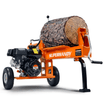
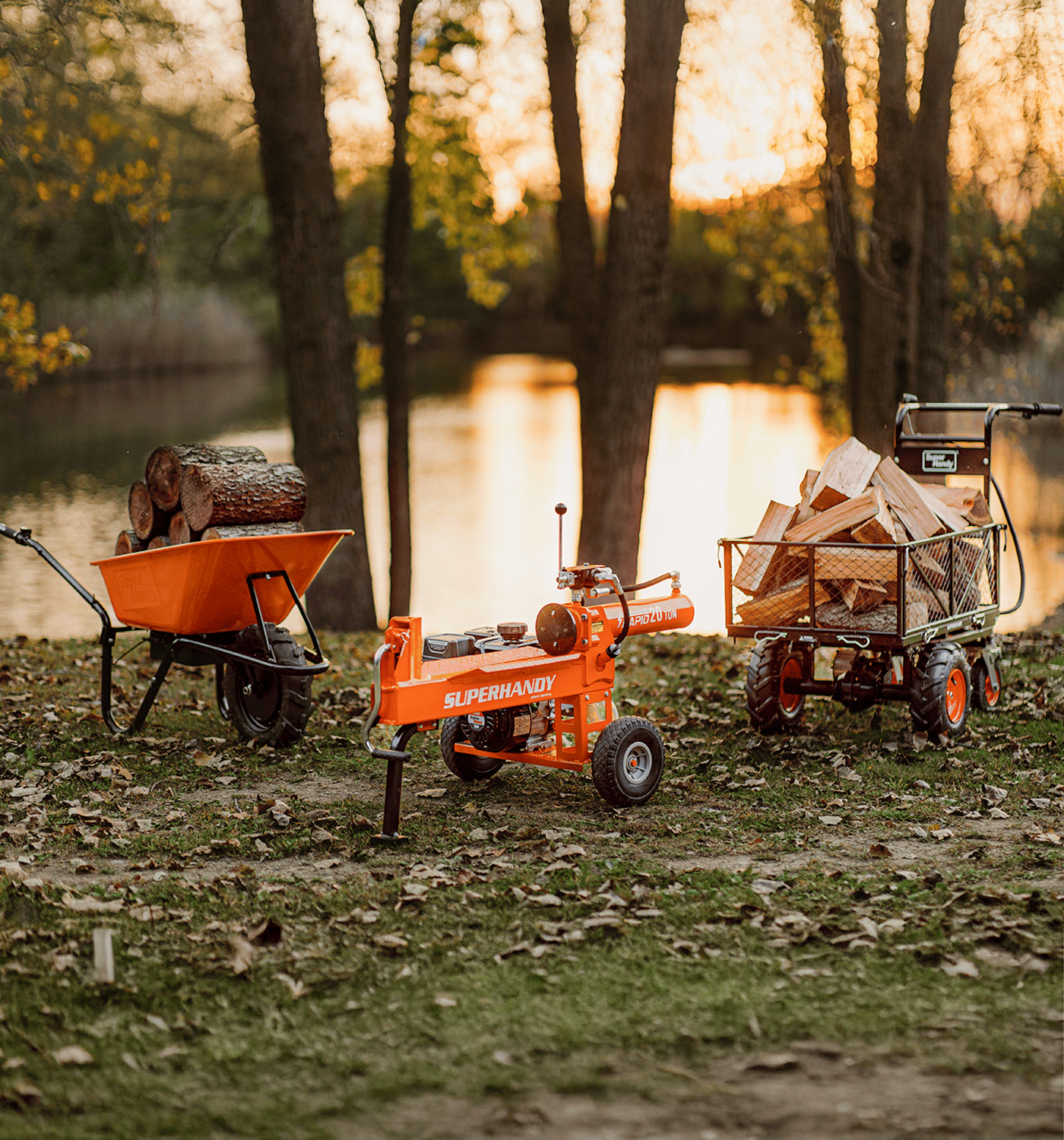
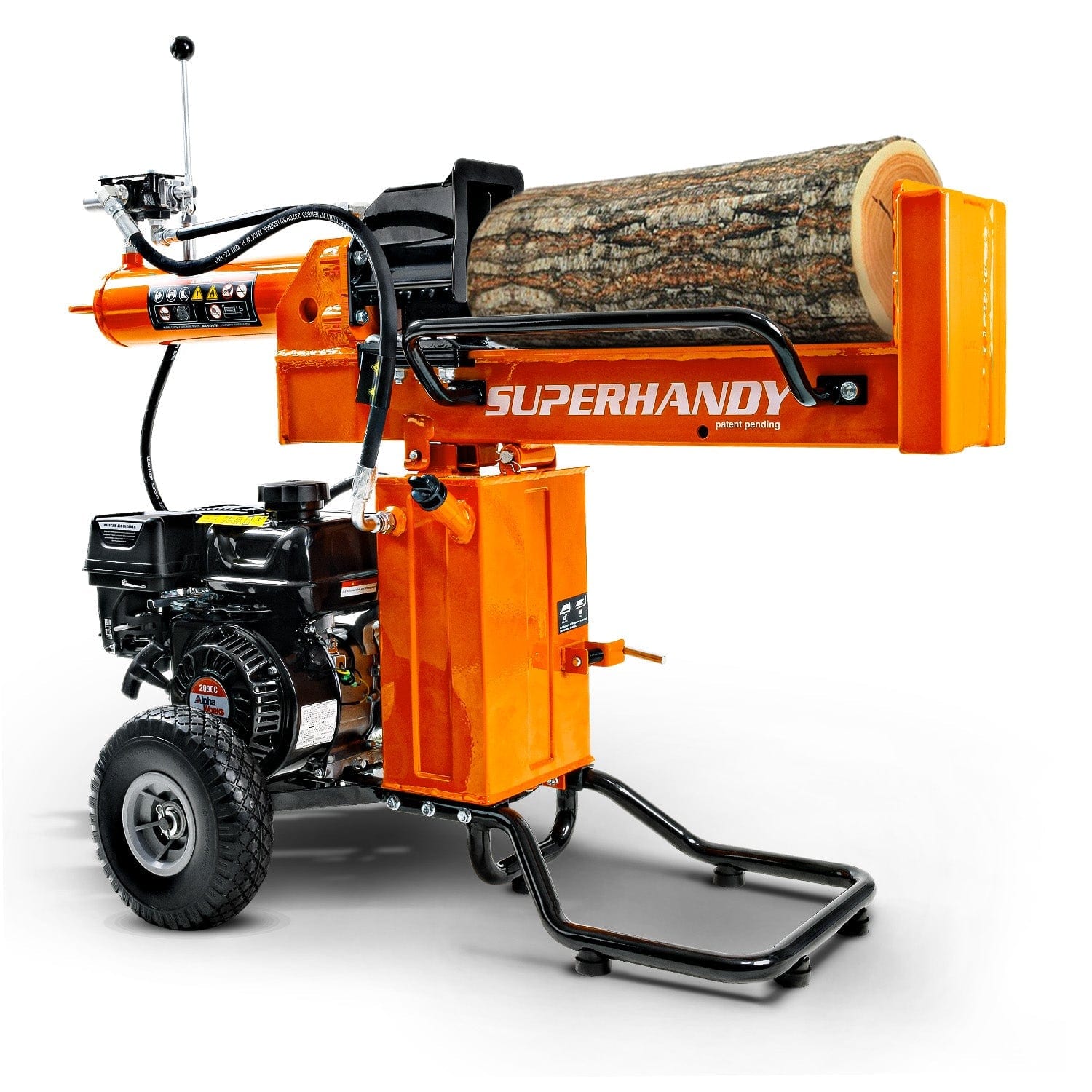
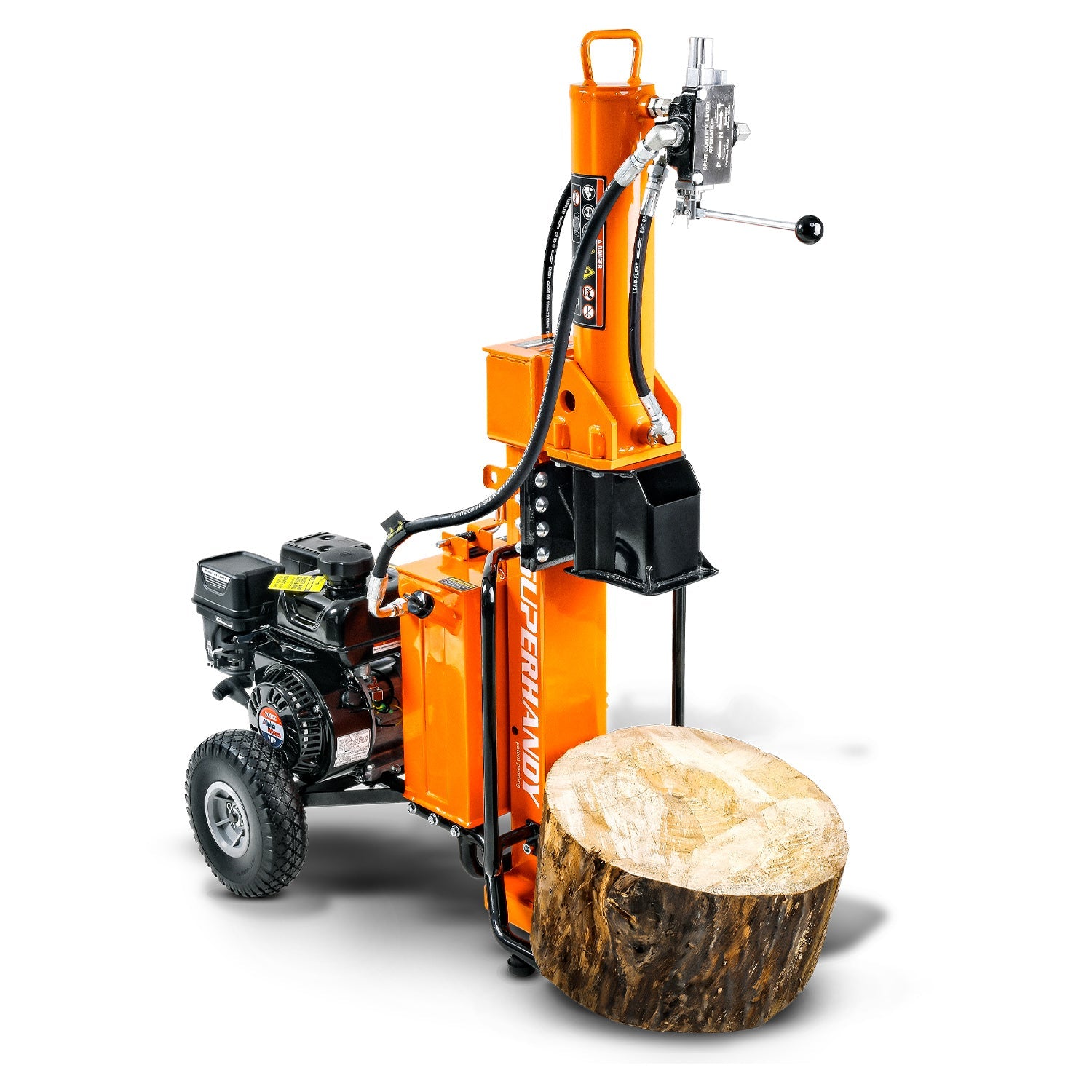
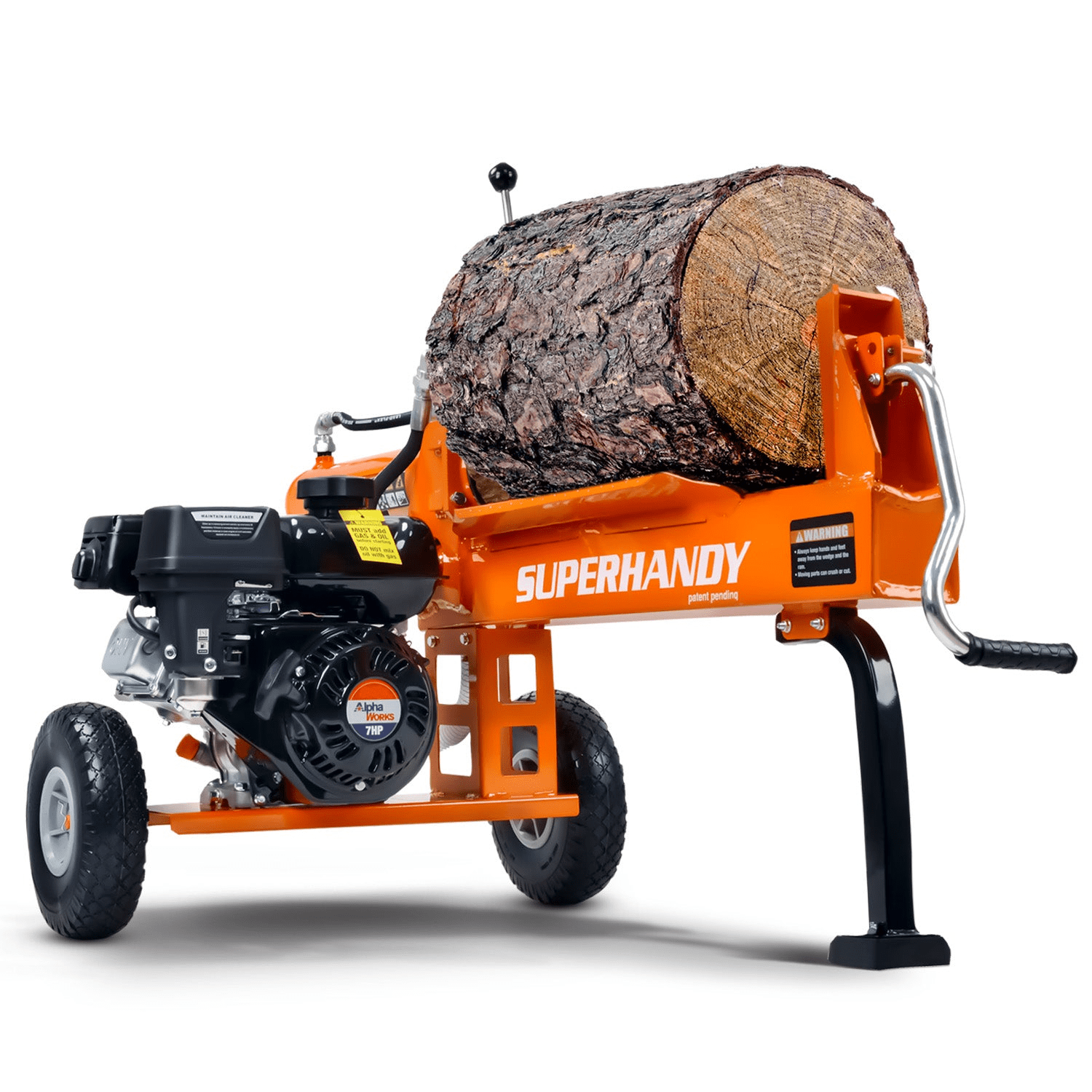
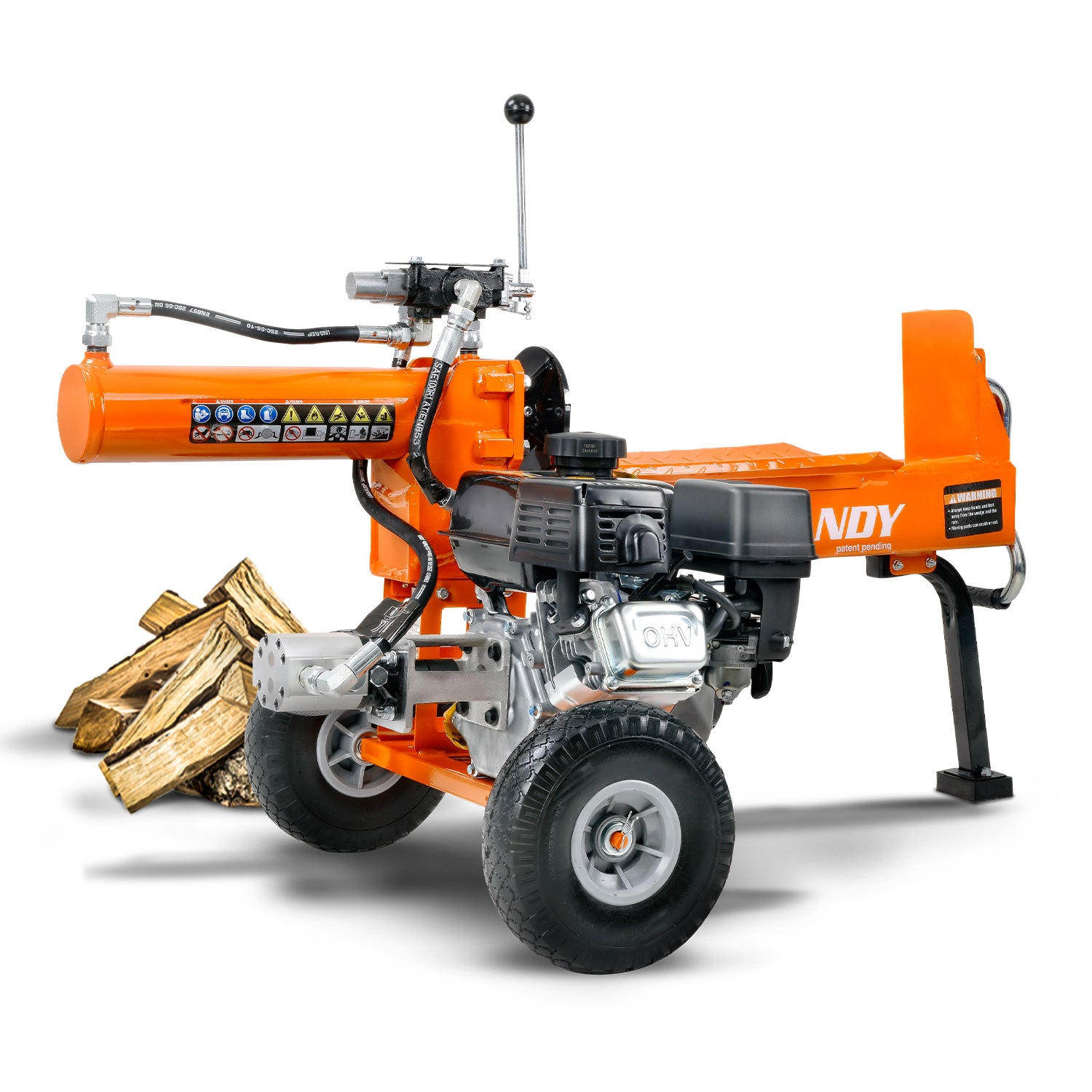
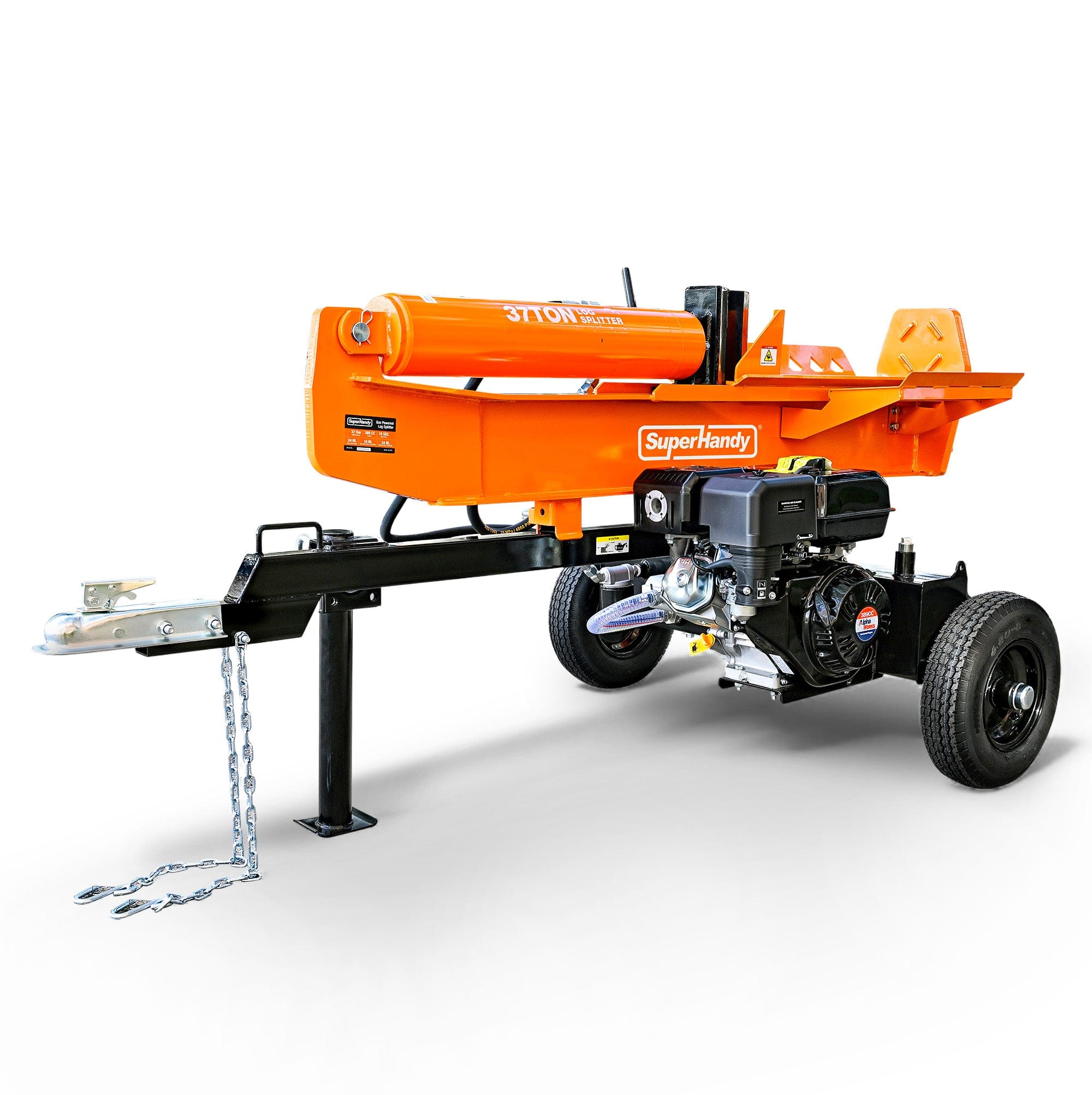
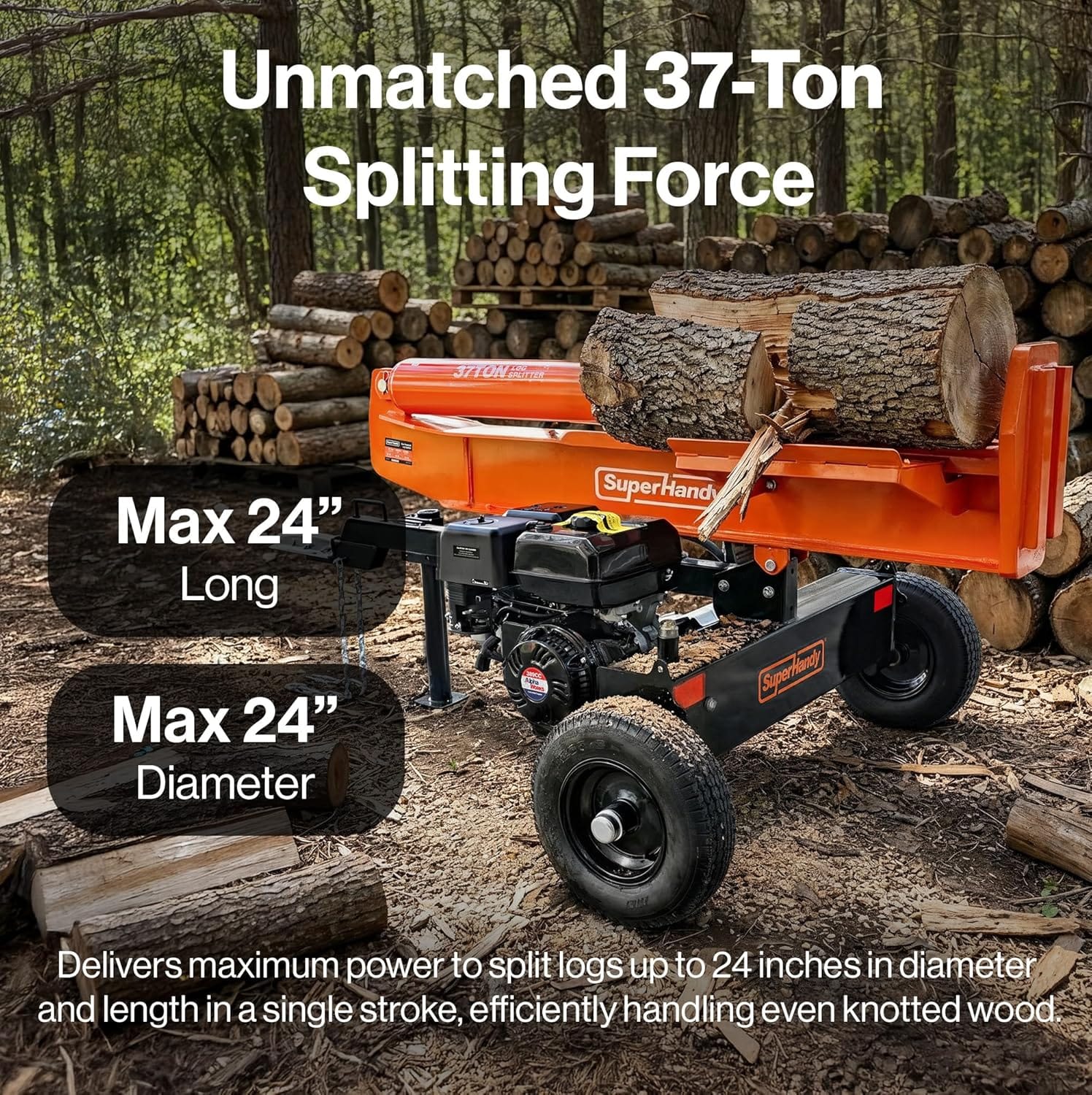
Gas Log Splitters: For maximum power and portability, a gas-powered splitter is the way to go. They are ideal for tackling large, tough, or knotted logs and can be used in remote locations without access to an outlet. A heavy-duty model like a 27 Ton Gas Log Splitter offers the force needed for serious firewood production.

Safety First: Essential Precautions Before You Start Splitting
A log splitter is a powerful piece of equipment that demands respect. Always wear appropriate Personal Protective Equipment (PPE), including safety glasses, heavy-duty gloves, and steel-toed boots. Operate the machine on level, stable ground and ensure your work area is clear of clutter, children, and pets. Adhering to professional safety standards, such as OSHA's hand and power tool safety guidance, is crucial for preventing accidents. Never place your hands between the log and the machine's splitting wedge or ram.
Preparing Your Logs for Efficient Splitting
Proper preparation makes the splitting process smoother and safer. Cut your logs to a uniform length that fits comfortably on your splitter's beam. Ensure the ends of each log are cut as flat and square as possible. This provides a stable base, preventing the log from dangerously slipping or shifting under pressure. If possible, trim away any large knots or branches that could obstruct a clean split.
Mastering the Log Splitter: Step-by-Step Operation Guide
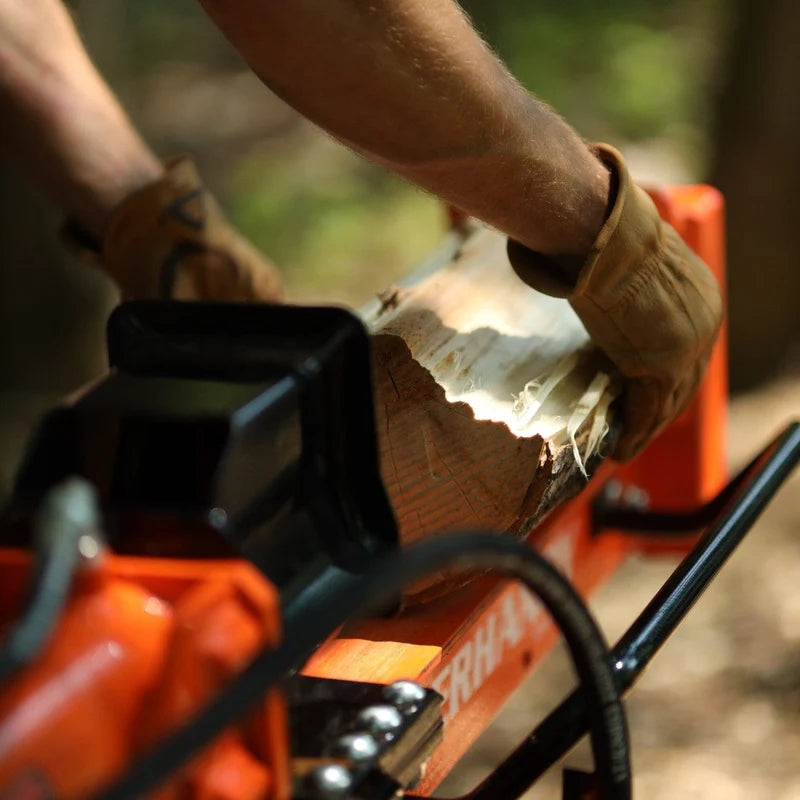
Once your log splitter is on a level surface and you’ve completed your safety checks, you’re ready to begin. First, start the engine or connect your electric model to its power source. Place a single, pre-cut log flat on the beam, ensuring its end is flush against the end plate. With your hands clear of the wedge and ram, engage the two-handed controls to move the hydraulic ram forward. The wedge will press into the wood, splitting it apart. Once the log is split, release the controls to automatically retract the ram. Clear the split pieces from the work area before placing the next log.
Splitting Techniques for Different Wood Types and Sizes
The key to efficient splitting is positioning the log correctly. For straight-grained, knot-free rounds, centering the log is effective. However, for tough, knotty, or irregularly shaped wood, you need a different approach. Try to align the wedge with existing cracks in the wood. If a large knot is present, position the log so the wedge strikes off-center to avoid the densest part. For very large diameter rounds that are too heavy to lift, a vertical/horizontal wood splitter like a 27 Ton Gas Log Splitter is invaluable, allowing you to split them on the ground.
Troubleshooting Common Log Splitter Issues
Even a reliable log wood splitter can encounter problems. If your machine won't start, check the basics: fuel and oil levels for a gas engine, or the power cord and outlet for an electric one. If the splitter seems weak or stalls on a log, the wood may be too large or dense for your machine's tonnage rating. It could also indicate low or old hydraulic fluid, a clogged filter, or a dull wedge. If you notice hydraulic fluid leaks, immediately stop the machine and inspect all hoses and fittings, tightening or replacing any that are damaged.
Maintaining Your Log Splitter for Longevity
Proper maintenance is the best way to ensure your wood splitter performs safely and effectively for years. Before every session, check the hydraulic oil level, inspect for leaks, and ensure the wedge is sharp. A dull wedge crushes wood instead of splitting it, putting unnecessary strain on the engine and hydraulic system. Adhering to the manufacturer's schedule for changing the hydraulic fluid and filter is also critical. Following basic OSHA hand and power tool safety guidance regarding tool upkeep ensures your equipment remains in safe operating condition. For an electric model like a 14 Ton Electric Log Splitter, always inspect the power cord for frays or damage before plugging it in.
Storing Your Processed Firewood Correctly
Once your wood is split, proper storage is crucial for seasoning. Well-seasoned wood burns hotter, cleaner, and produces less creosote buildup in your chimney. The key principles are elevation, airflow, and cover. Stack your split wood on a dedicated firewood rack or on pallets to keep it off the damp ground. Leave space between rows to allow air to circulate freely. Finally, cover the top of the pile with a tarp or a purpose-built roof, but leave the sides open to the air. This protects the wood from rain and snow while still allowing moisture to escape.

Maximizing Your Firewood Yield: Tips and Tricks
Working smarter, not harder, will help you get the most out of your time with the log wood splitter. For the easiest splitting, process your logs while they are still "green" or freshly cut. The higher moisture content often makes them split more readily than dry, hardened wood. If possible, work with a partner to create an efficient workflow: one person can operate the wood splitter while the other clears and stacks the finished pieces. This minimizes downtime and keeps the process moving smoothly.
When to Consider Professional Firewood Processing Services
While a DIY approach is rewarding, it isn't always practical. Consider hiring a professional service if you're facing an enormous volume of logs that would be overwhelming to process yourself. If you have physical limitations or simply lack the time to dedicate to the task safely, a service is a wise choice. Furthermore, if you only have a one-time need for processing very large, tough logs, the cost of a service may be less than buying a high-tonnage machine like a 27 Ton Gas Log Splitter.
Frequently Asked Questions about Log Splitters
What is the best time of year to split wood? The ideal time is late winter or early spring. This gives the wood the entire spring, summer, and fall to season properly before you need it for the next burning season.
How long does firewood need to season? Generally, firewood needs at least six to twelve months to season. The goal is to reduce its moisture content to below 20%. You can check this with a wood moisture meter.
Can a log splitter handle any type of wood? Most splitters can handle common hardwoods and softwoods. However, wood with extremely twisted grain, large knots, or stringy fibers (like elm) can be very challenging and may require a more powerful wood splitter. For medical context, MedlinePlus summarizes common mobility aids such as canes, walkers, wheelchairs, and scooters.
Related Products

Leave a comment
All comments are moderated before being published.
This site is protected by hCaptcha and the hCaptcha Privacy Policy and Terms of Service apply.