










Why Investing in a Log Splitter is a Game-Changer for Firewood Processing
If you’ve ever spent a weekend swinging a heavy splitting maul, you know the back-aching labor that goes into preparing firewood. While there’s a certain romance to splitting logs by hand, the reality involves sweat, exhaustion, and the risk of a misplaced swing. Investing in a quality wood splitter transforms this demanding chore into a fast, efficient, and far less strenuous task. A machine can accomplish in an hour what might take an entire day to do with an axe. This means more time enjoying the warmth of your fire and less time nursing sore muscles.
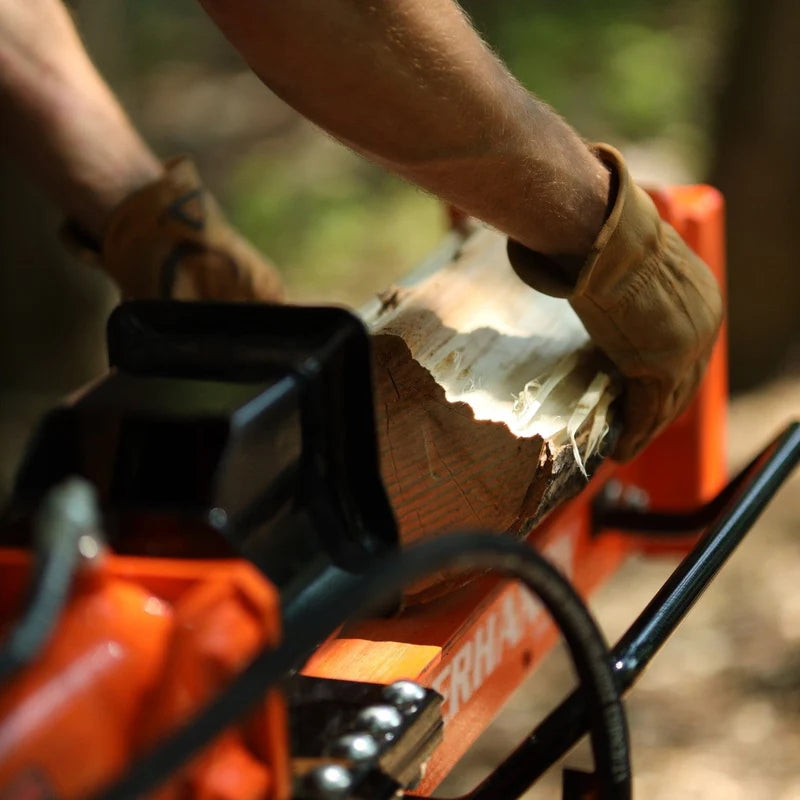
The primary benefits are undeniable: speed, safety, and consistency. Powered Log Splitters use hydraulic force to drive a wedge through wood with relentless pressure, handling tough, knotty rounds that would defy a manual swing. The result is a neatly uniform pile of firewood, perfectly sized for your stove or fireplace. For anyone who processes more than a handful of logs each year, a log splitter isn’t a luxury—it’s a fundamental tool for reclaiming your time and energy.
Understanding the Different Types of Log Splitters Available
Once you decide to upgrade from an axe, the next step is navigating the world of log splitters. The market is primarily divided by power source, with each type offering distinct advantages. The three main categories are electric, gas-powered, and manual. While manual splitters offer a step up from an axe, this guide focuses on the powered options that deliver serious performance.
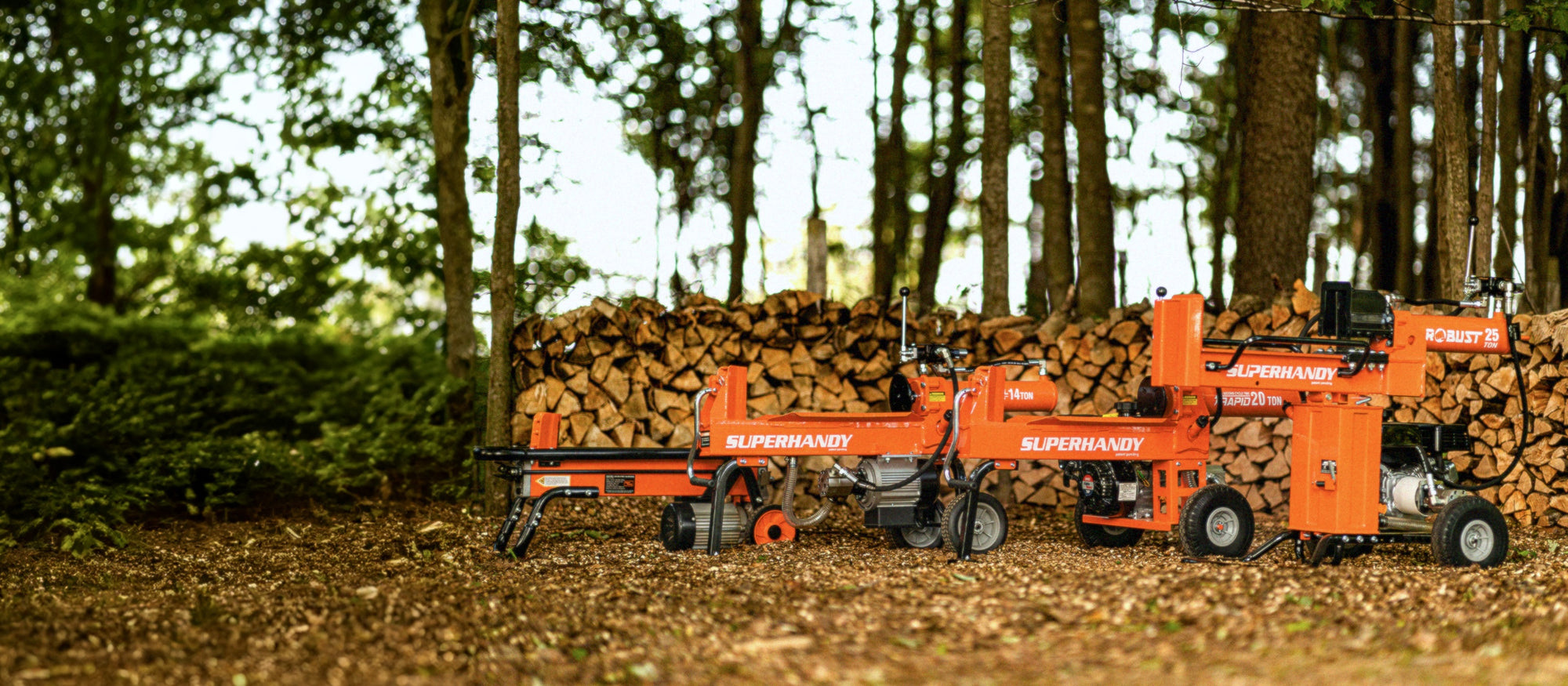
Your choice will ultimately depend on your specific needs: How much wood do you split? What kind of wood is it? And where will you be doing the work? Answering these questions will quickly point you toward the right type of firewood splitter for your homestead, workshop, or backyard.
Electric Log Splitters: Power, Portability, and Best Use Cases
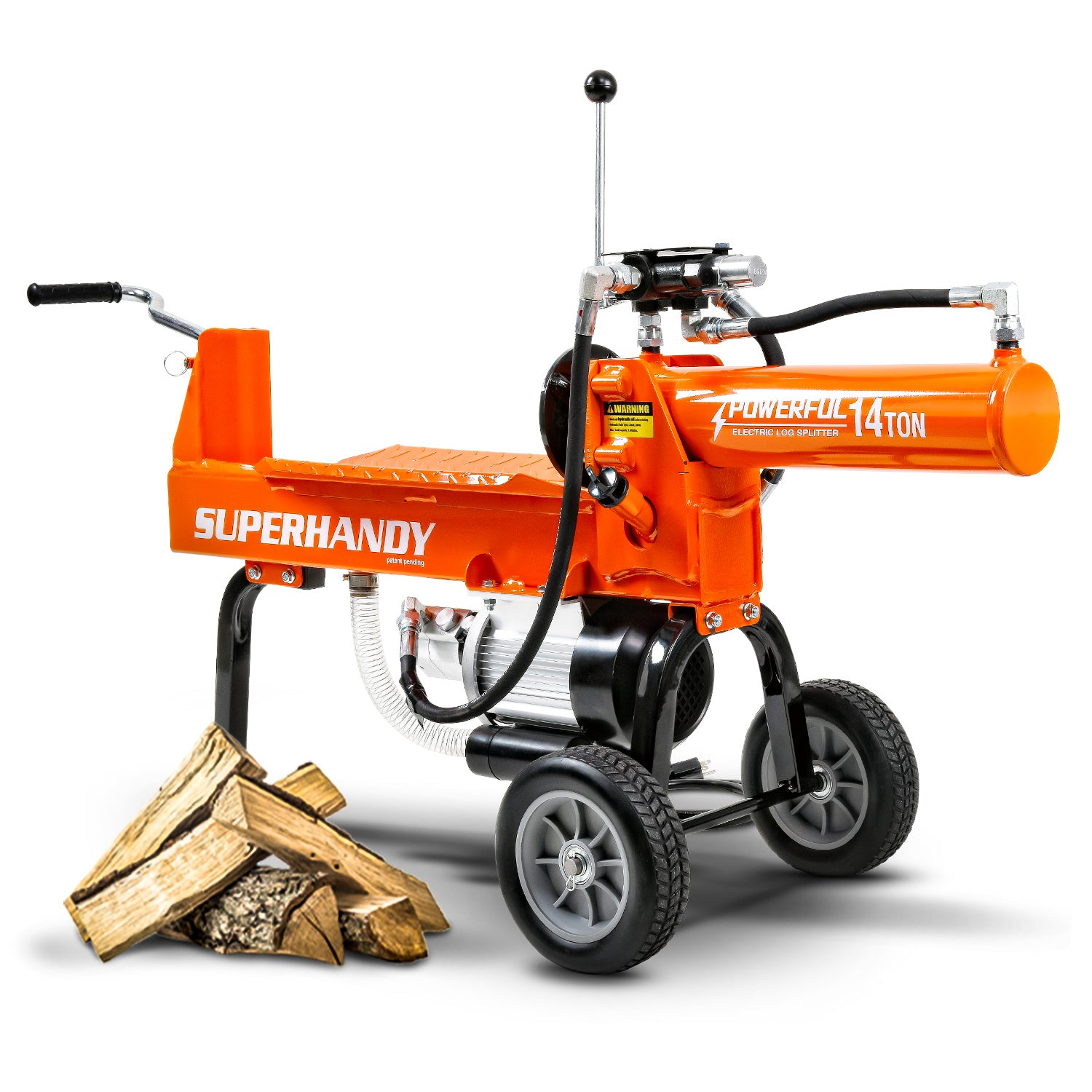
For many homeowners, an electric log splitter is the perfect solution. These machines offer a fantastic blend of convenience and capability, making them ideal for processing small to moderate amounts of firewood each season. Because they run on household electricity, they are significantly quieter than their gas counterparts and produce zero fumes. This allows you to work in a garage, shed, or covered patio without worrying about ventilation, making them a great choice for suburban settings.
Electric models are typically more compact, lighter, and easier to store. While they generally offer less splitting force (tonnage) than gas units, they have more than enough power to handle the seasoned pine, birch, or poplar logs commonly used by the average homeowner. If you need to split up to a few cords of wood a year and have access to a power outlet, an electric log splitter delivers reliable performance without the maintenance of a gas engine.
Gas-Powered Log Splitters: Raw Strength for Demanding Jobs
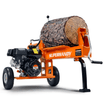
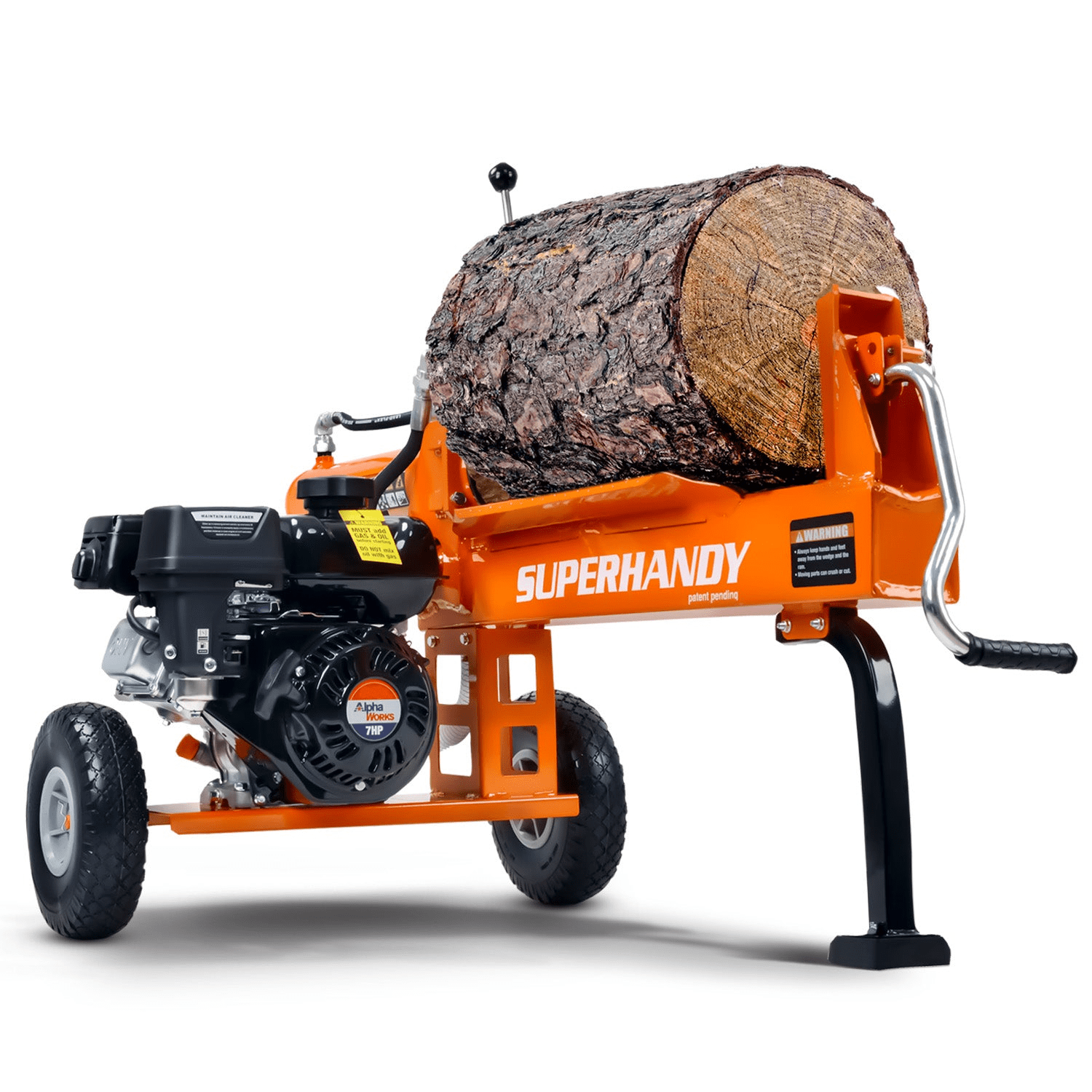
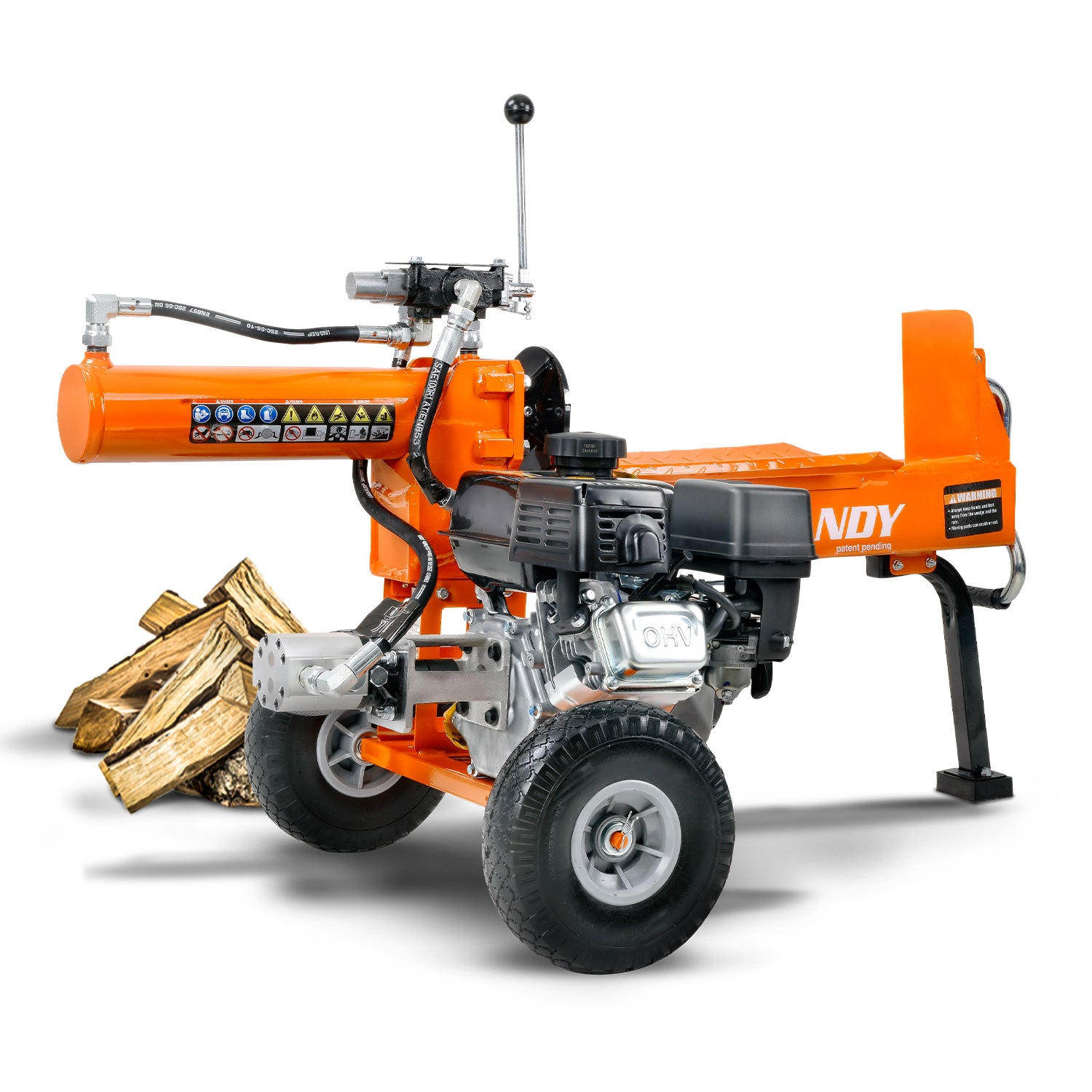
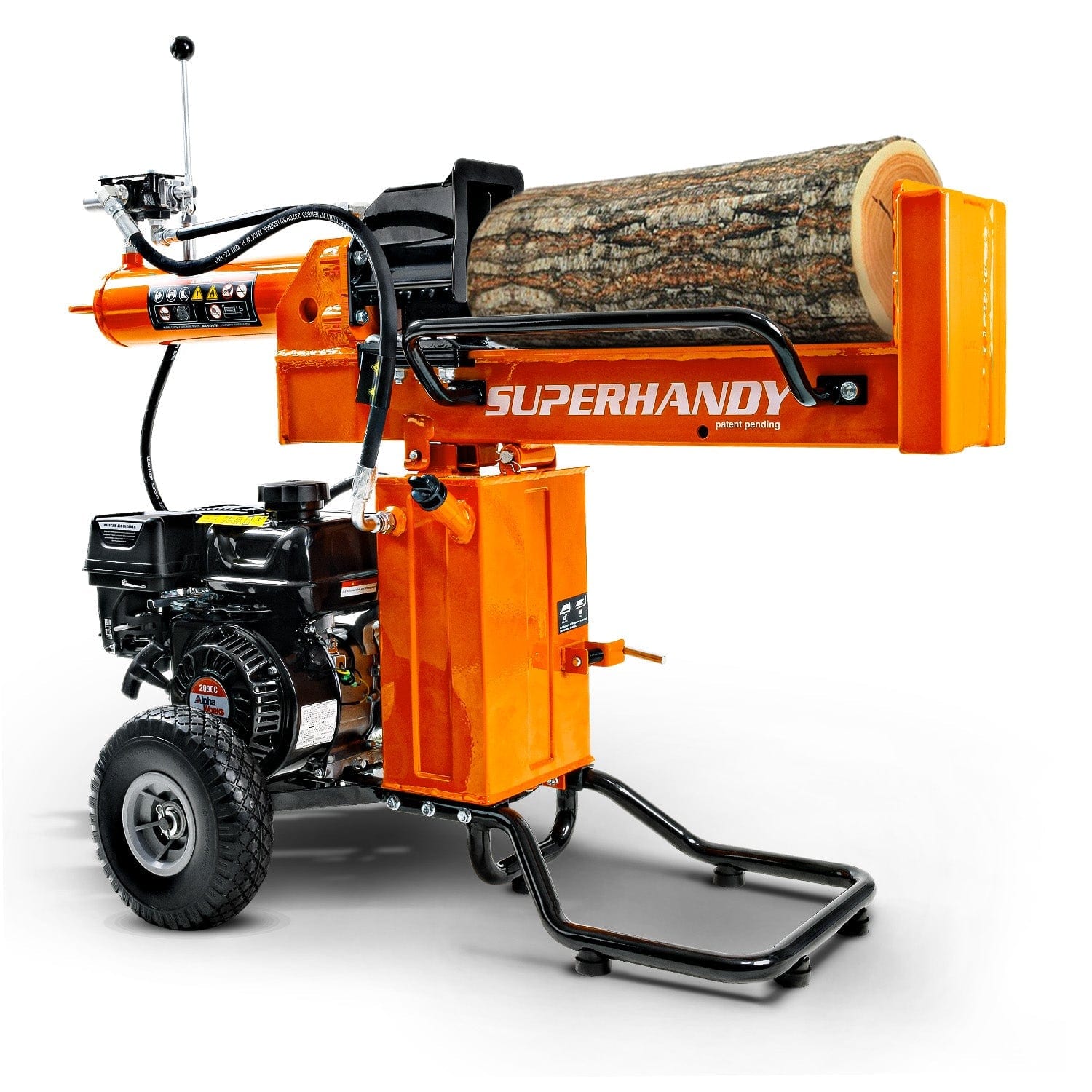
When your firewood needs are substantial or you’re dealing with large, dense hardwoods like oak and hickory, a gas-powered log splitter is the undisputed champion. These machines are built for raw strength and high-volume work, featuring powerful engines that generate immense hydraulic pressure. A Gas Log Splitter allows you to work anywhere on your property, free from the constraints of an electrical cord. This is a crucial advantage for those with large lots or who need to process fallen trees far from the house.
Equipped with higher tonnage ratings, gas splitters can effortlessly tear through greener, tougher, and more knot-filled rounds that would stall a smaller machine. Many models are designed with wheels and a tow hitch, allowing you to transport them with an ATV or tractor directly to your woodpile. The trade-off for this incredible power is more noise, the need for fuel, and engine maintenance, but for serious firewood production, the performance of a gas-powered unit is simply useful.
Manual/Axe Splitting: The Traditional (and Laborious) Method
Before the invention of the modern wood splitter, there was only one way to get the job done: a strong back, a sharp axe, and a lot of determination. Manual splitting involves using tools like a splitting axe or a heavy splitting maul, sometimes paired with wedges for particularly stubborn rounds. There's a certain romantic appeal to this method—the rhythmic thud of the axe, the crisp crack of splitting wood, and the satisfaction of a hard day's work.
However, the reality is that manual splitting is incredibly physically demanding, time-consuming, and carries a significant risk of injury from missed swings or flying debris. While it can be a great workout and is feasible for someone who only needs a small bundle of firewood for an occasional backyard fire pit, it's simply not a practical solution for anyone processing cords of wood to heat their home through the winter. For that, you need mechanical power.
Hydraulic Log Splitters: The Heart of Power and Efficiency
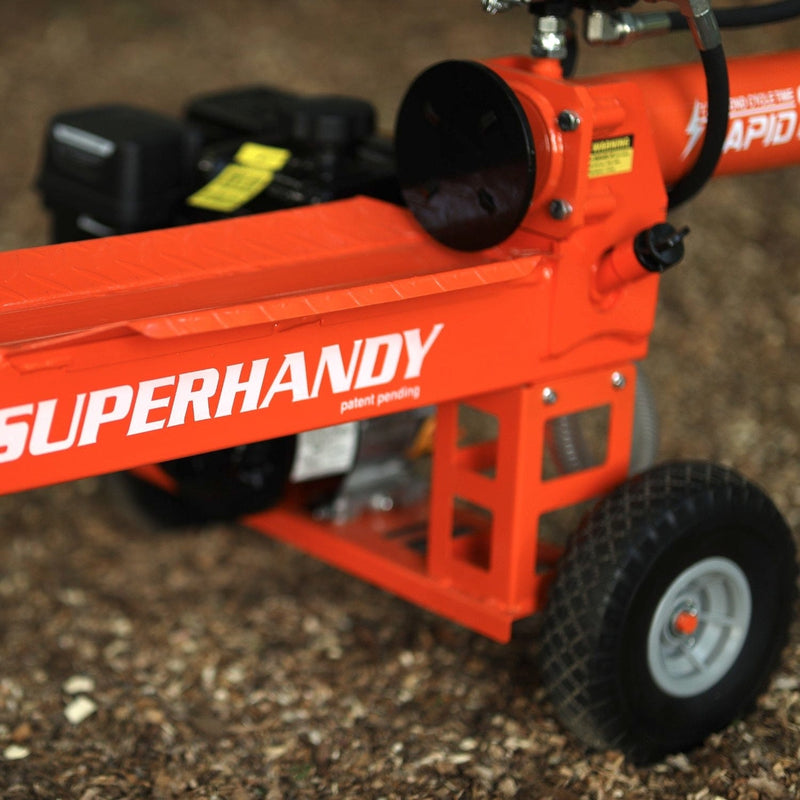
The magic behind nearly every modern log splitter is the hydraulic system. This is the technology that transforms a seemingly impossible task into a simple, repeatable process. In essence, a hydraulic log splitter uses a pump to move pressurized fluid, which in turn drives a powerful piston, or ram. This ram pushes a log with immense force into a stationary wedge, splitting it cleanly in two.
This powerful and efficient system is the core component in both electric and gas-powered models, providing the raw strength needed to slice through even dense, knotty hardwoods. The beauty of a hydraulic system is its ability to generate massive force (measured in tons) in a compact and controllable manner. This leap in technology is what separates a long, exhausting day of swinging an axe from an efficient afternoon of producing a perfectly uniform woodpile. If you're serious about processing firewood, investing in a machine from a quality collection of Log Splitters is the only way to go.
Key Factors to Consider When Selecting Your Log Splitter
Now that you understand the fundamental difference between manual labor and hydraulic power, it's time to narrow down your choices. Selecting the right firewood splitter isn't about just picking the biggest or most powerful one. It's about matching the machine's capabilities to your specific needs. To make the best decision, you'll need to evaluate several key factors:
- The size of the wood you'll be splitting.
- The amount of splitting force (tonnage) you require.
- The speed at which the machine operates (cycle time).
- Your need for portability versus a stationary setup.
- The power source that works best for your location.
Let's break down each of these considerations to help you find the perfect splitter for your woodpile.
Log Diameter and Length: Matching the Splitter to Your Wood
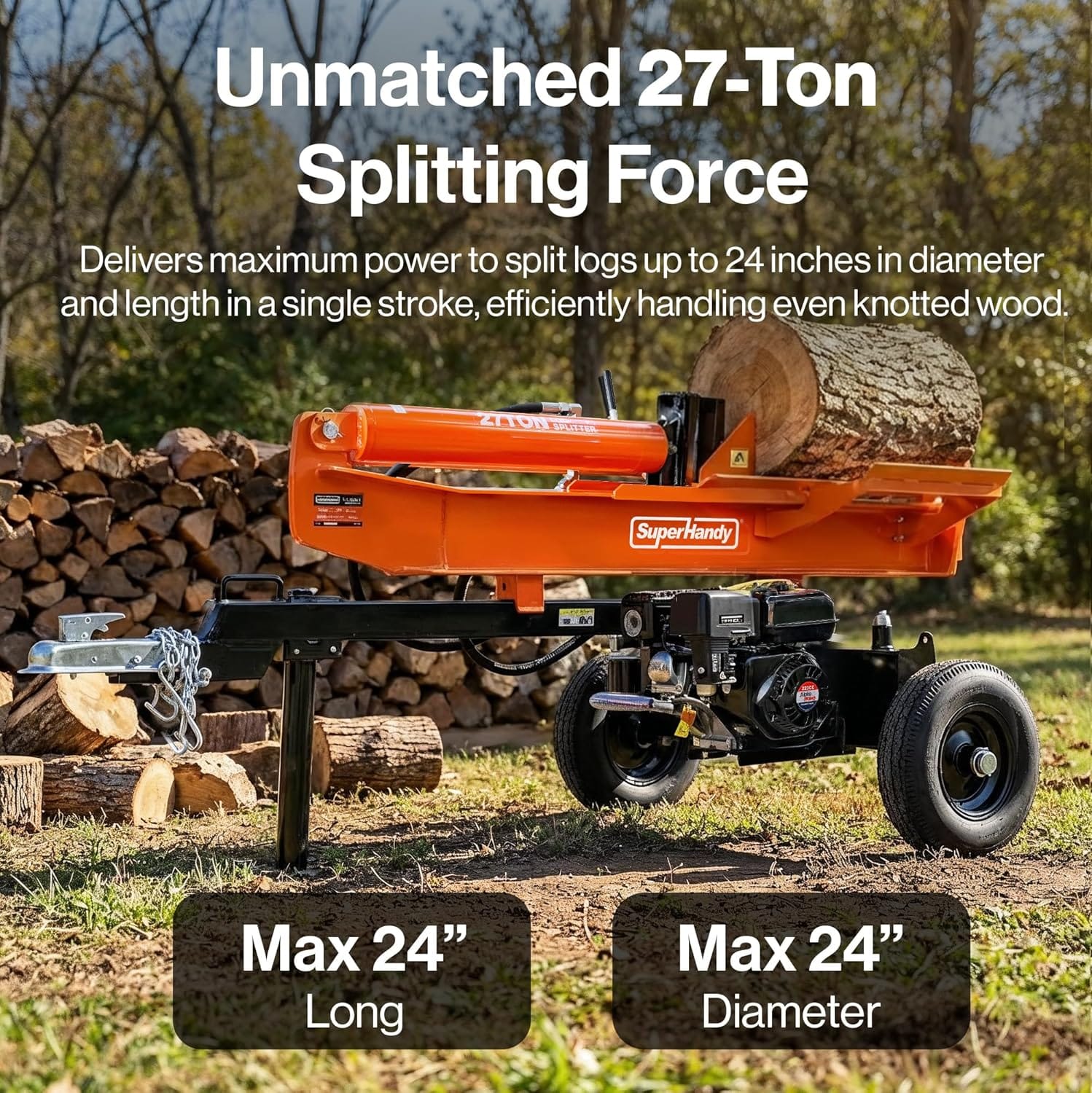
The very first factor to consider is the wood itself. Before you even look at a single spec sheet, take a look at the logs you need to split. Measure the typical diameter of your rounds and the length they are cut to. Every log splitter has a maximum log length and diameter it can accommodate. Trying to force a log that is too long or wide into the machine is not only ineffective but can also damage the splitter or create a safety hazard.

If you primarily split smaller-diameter logs (under 10-12 inches) from softer woods like pine or poplar, a compact Electric Log Splitter will likely have all the capacity you need. However, if your woodpile consists of large, dense hardwood rounds like oak, hickory, or maple, especially if they are green or full of knots, you will need a machine built to handle them. In this case, you should be looking at a robust Gas Log Splitter that offers a larger log capacity and the tonnage to power through tough jobs. Always choose a splitter that can comfortably handle the largest logs you expect to process.
Splitting Force (Tonnage): How Much Power Do You Really Need?
When browsing for a new log splitter, one of the first specifications you'll encounter is its splitting force, measured in tons. This "tonnage" rating indicates the maximum amount of force the machine's ram can exert on a log. It’s a critical factor, as choosing the wrong tonnage can lead to frustration or overspending. The key is to match the power to the type and size of wood you'll be processing.
As a general guideline, consider the following:
- 4-10 Tons: This range is typically found on an electric log splitter. It's more than enough power for splitting smaller-diameter (up to 12 inches) logs of softwood like pine and fir. It can also handle seasoned (dried) hardwoods of a similar size, making it a perfect choice for homeowners who use their fireplace occasionally and work with manageable logs.
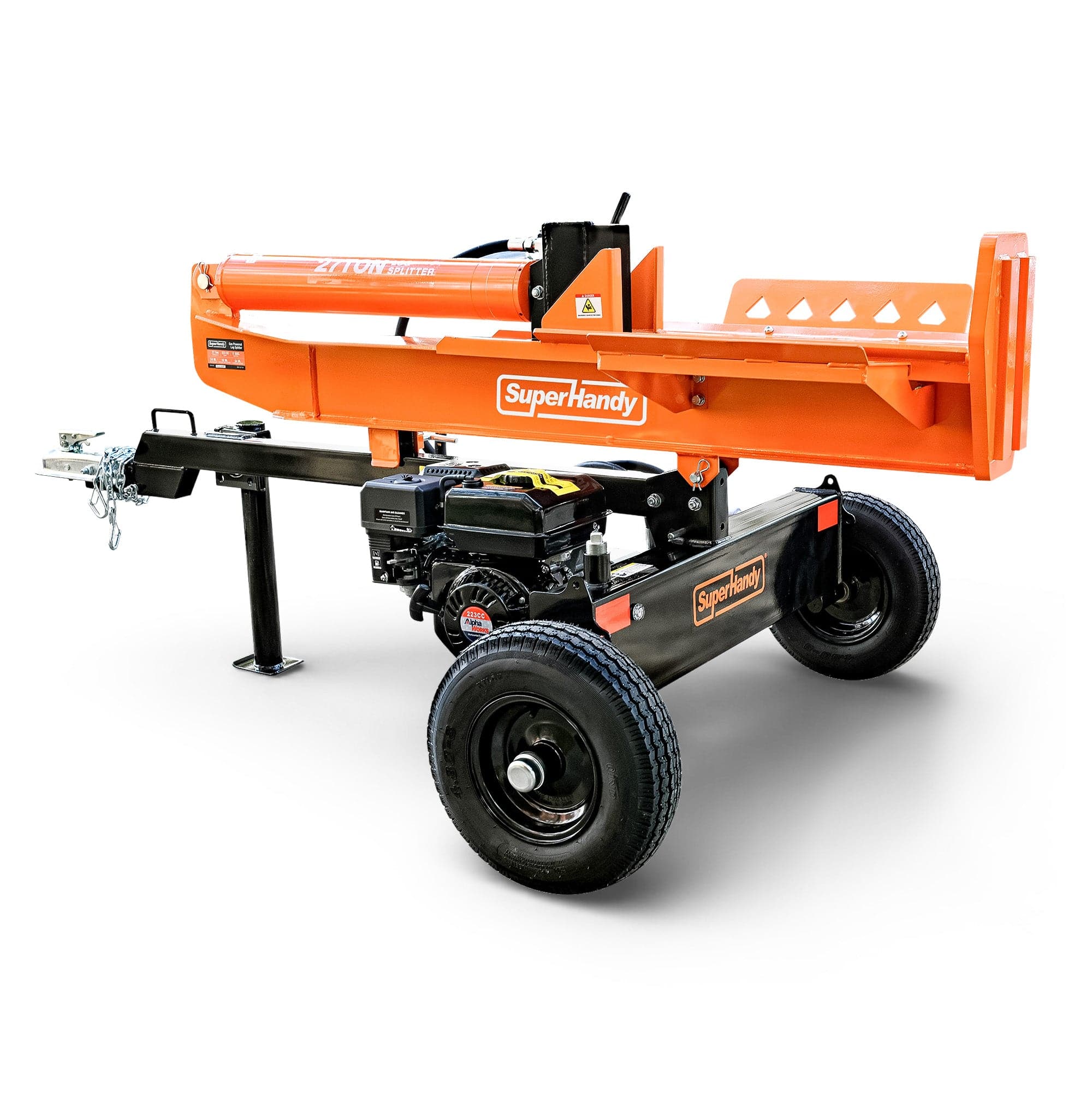
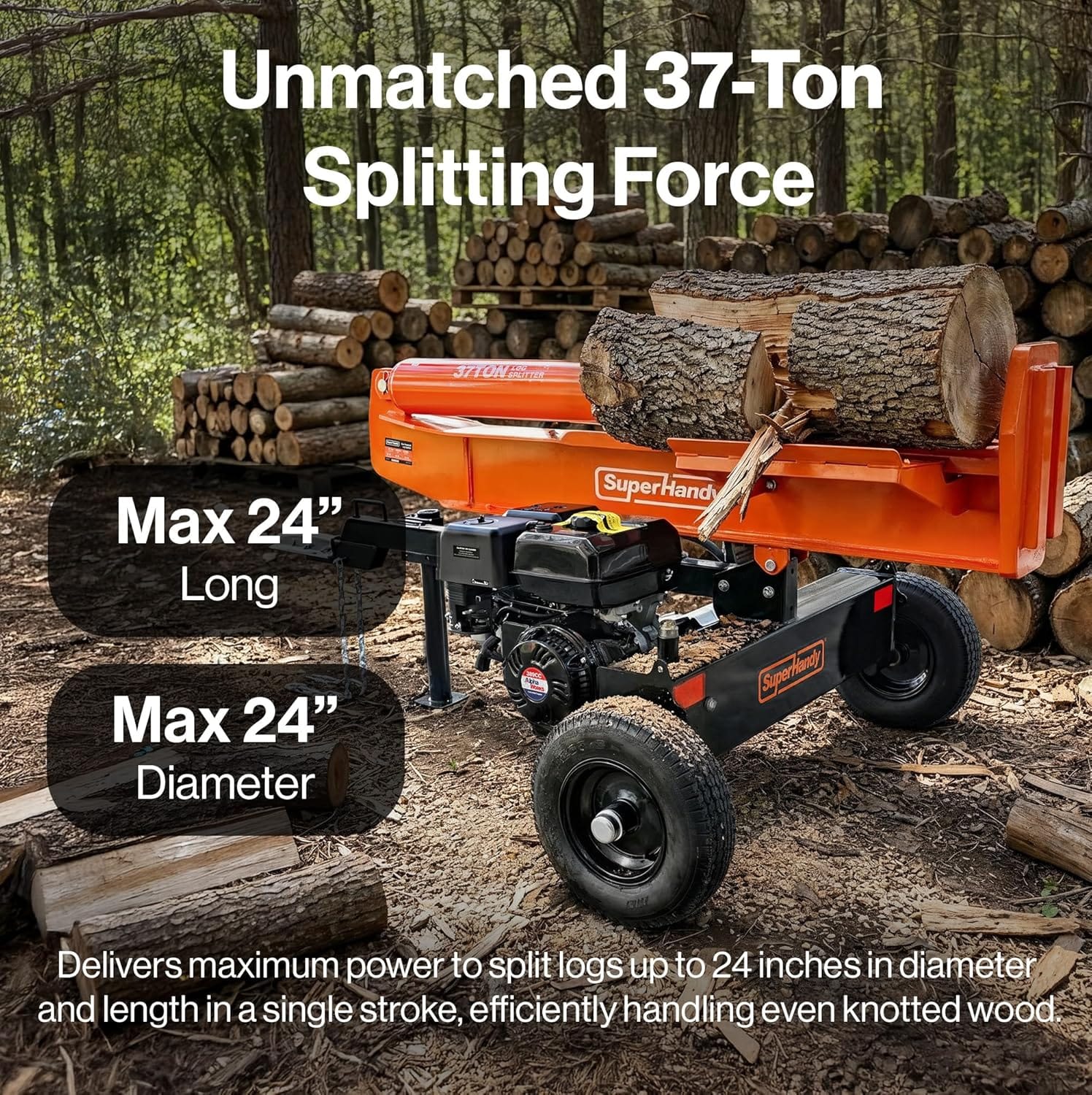
- 20-30 Tons: This is the sweet spot for most serious firewood processors. A wood splitter in this range, often a Gas Log Splitter, has the muscle to tear through larger diameter (up to 24 inches) and tougher hardwoods like oak, hickory, and maple, whether they are green or seasoned. If you heat your home with wood, this level of power ensures you can handle nearly any log you encounter.
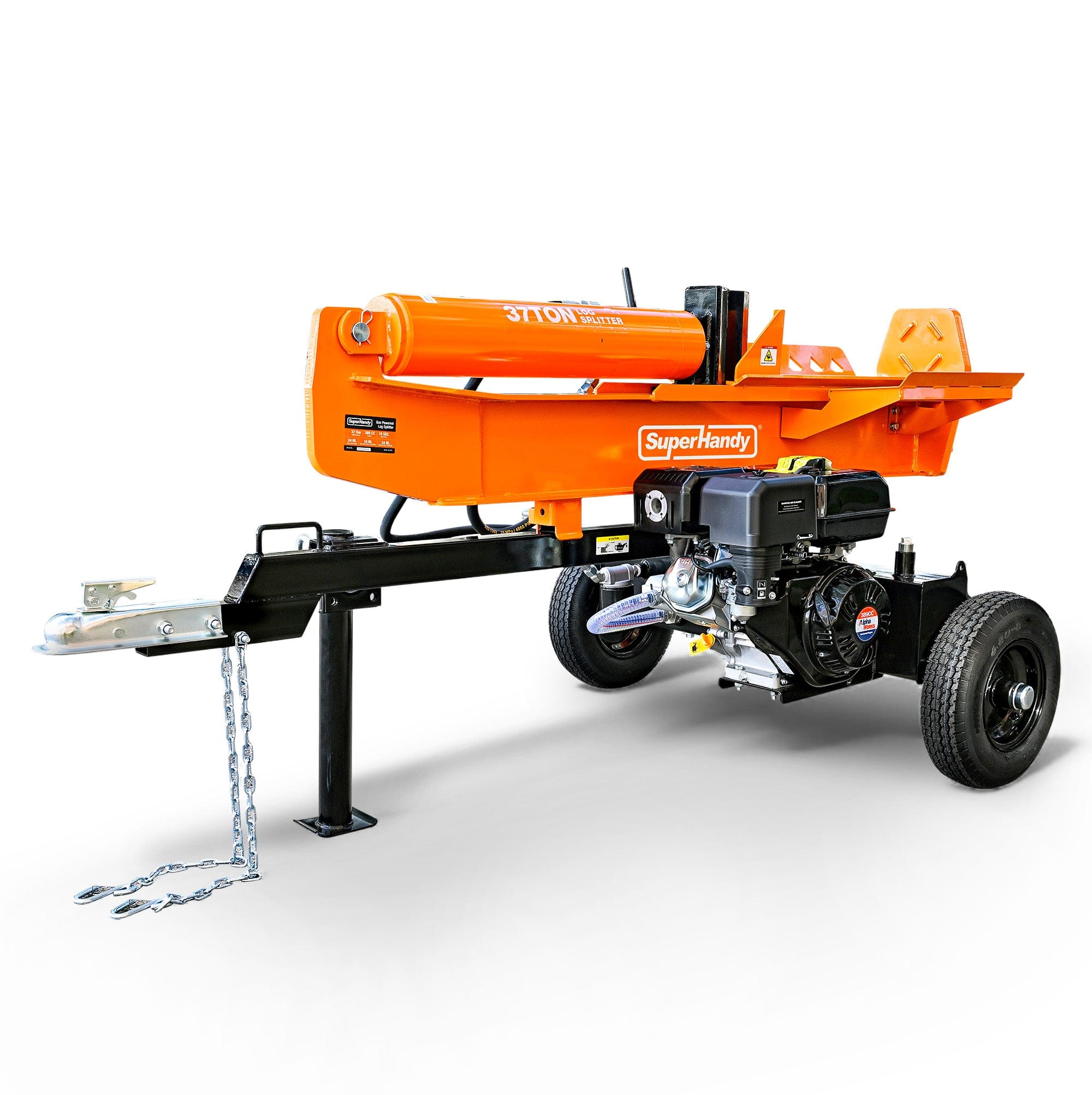
- 30+ Tons: These are commercial-grade machines built for maximum power. A high-tonnage Gas Log Splitter is designed for the toughest, knottiest, and largest rounds. While impressive, this is often overkill for typical residential use.
Cycle Time: How Quickly Can You Get Through Your Woodpile?
While tonnage describes the power of a firewood splitter, cycle time describes its speed. Cycle time is the total time it takes for the splitting wedge to extend fully, split the log, and then retract completely to its starting position. A faster cycle time directly translates to higher productivity. If you have a massive pile of logs to get through, saving even 5-10 seconds per log adds up to hours saved over the course of a day.
Most residential Log Splitters have a cycle time between 10 and 20 seconds. Anything under 15 seconds is considered quite fast and efficient. Gas-powered models generally offer faster cycle times than their electric counterparts due to their more powerful hydraulic systems. However, don't focus on speed alone. The ideal machine offers a good balance between a fast cycle time and the appropriate tonnage for your wood, ensuring you can split logs both quickly and effectively.
Portability vs. Stationary: Where Will You Be Splitting Logs?
Consider your workspace. Do you have a dedicated wood processing area, or will you need to move your splitter around your property?
-
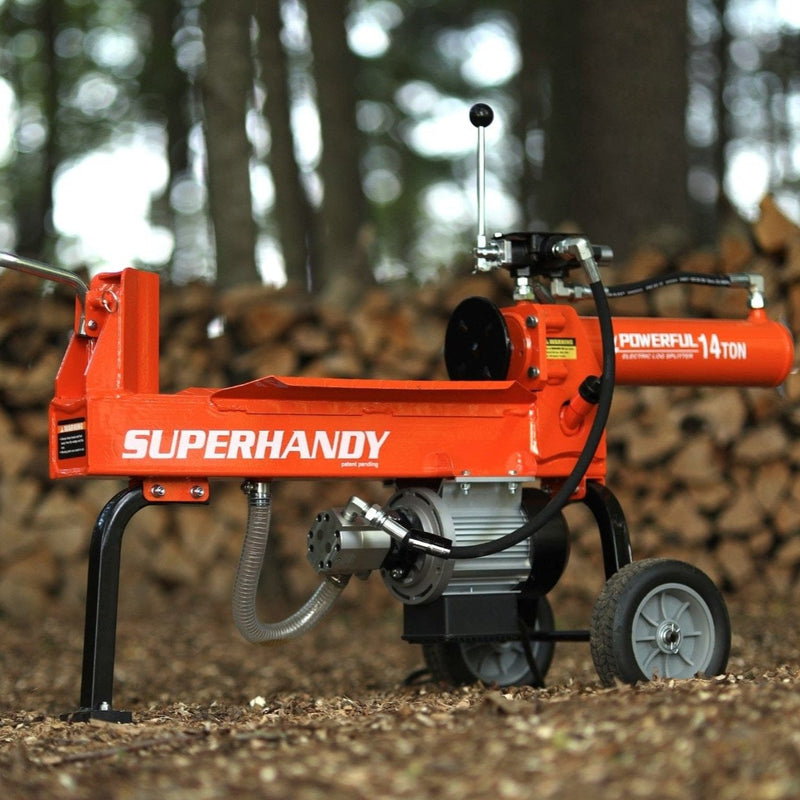
Portable Log Splitters: These models are designed for convenience and mobility. They typically feature built-in wheels and handles, allowing you to easily move them from your garage to your backyard or directly to your woodpile. Most electric models, like this compact Electric Log Splitter, are highly portable. Many smaller gas splitters are also designed to be moved by hand or towed at low speeds behind an ATV or lawn tractor. Portability is a huge advantage if your log storage is far from your stacking area.
-
Stationary Log Splitters: These are larger, heavier, and more powerful units that are meant to be used in a fixed location. While many are "towable" for transport between properties, they are not easily repositioned within a yard by a single person. These are ideal for users who can bring logs to a central processing station. Their larger size often accommodates more powerful engines and hydraulic systems, resulting in higher tonnage and faster cycle times.
Power Source Considerations: Electric Outlets, Gas Engines, and PTO
The final major consideration is how your log splitter will be powered. Each source has distinct advantages and limitations.
-
Electric: Powered by a standard household electrical outlet, electric log splitters are quiet, produce no exhaust fumes, and require minimal maintenance. This makes them suitable for use in residential areas, garages, or workshops where noise and emissions are a concern. Their main limitation is the need to be within reach of a power source, tethered by an extension cord.
-
Gasoline: Gas-powered splitters offer the ultimate in power and untethered portability. Fueled by a small engine, they can be operated anywhere on your property, from the back forty to a remote woodlot. This freedom comes with a trade-off: they are louder, produce exhaust fumes, and require regular engine maintenance like oil changes and refueling. They are the go-to choice for anyone needing to split large volumes of tough wood far from an electrical outlet.
-
PTO (Power Take-Off): A more specialized option, PTO log splitters don't have their own engine. Instead, they hook up to the power take-off system of a tractor. If you already own a compact or utility tractor, a PTO splitter can be a powerful and cost-effective choice, leveraging equipment you already have.
Safety First: Essential Features and Best Practices for Log Splitter Operation
A log splitter is an incredibly powerful tool that transforms a daunting task into a manageable one. However, that power demands respect and a commitment to safety. Modern splitters are designed with safety in mind, but proper operation is paramount to preventing injury. When choosing a wood splitter, look for key safety features like two-handed operation, which requires both hands to be on the controls and away from the splitting mechanism. Log cradles or trays that prevent the split wood from falling unexpectedly are also crucial.
Before you split your first log, always follow a safety checklist. Wear the proper Personal Protective Equipment (PPE), including durable gloves, safety glasses or goggles, and steel-toed boots. According to OSHA hand and power tool safety guidance, ensuring equipment is in good working order and using the correct PPE are fundamental steps in preventing workplace accidents, a principle that applies equally to home use. Always operate your splitter on level, stable ground to prevent it from tipping. Keep your hands clear of the ram and wedge at all times, and never allow another person to assist with loading while the machine is active.

Finally, establish a safe work zone. Keep children, pets, and any bystanders at least 10-15 feet away from the log splitter during operation. Clear the area of tripping hazards like stray branches or uneven ground. Never operate the machine while tired or under the influence of alcohol or medication. By prioritizing these practices, you ensure that your firewood processing is not only efficient but also safe.
Frequently Asked Questions About Choosing a Log Splitter
What's the difference between a full-beam and half-beam log splitter? This refers to the main I-beam that the log is split against. A full-beam splitter rests directly on the ground, requiring you to lift logs onto it. A half-beam design is elevated on wheels and a stand, creating a more ergonomic, waist-high working level that reduces back strain.
Can I split green, unseasoned wood? While you can split green wood, it's significantly more difficult and requires more splitting force (tonnage). The high moisture content makes the wood fibrous and stringy, resisting a clean split. For best results and less strain on your machine, it's always recommended to split seasoned (dried) wood.
How do I maintain my firewood splitter? Maintenance varies by type. For gas models, this includes regular engine oil changes, checking spark plugs, and cleaning air filters. For all hydraulic splitters, you'll need to monitor the hydraulic fluid level and check hoses for cracks or leaks. An electric log splitter generally requires the least maintenance, typically just needing hydraulic fluid checks and ensuring the wedge remains sharp.
Is an electric log splitter powerful enough for hardwood? Absolutely. While they may not have the top-end tonnage of the largest gas models, a quality electric log splitter is more than capable of handling common hardwoods like oak, maple, and ash, especially for logs up to 10-12 inches in diameter. They are an ideal, low-maintenance choice for most homeowners.
Making Your Final Decision: Comparing Top Log Splitter Models
Choosing the right model comes down to matching the machine's capabilities to your specific workload. Let's compare a few common scenarios to help you decide.
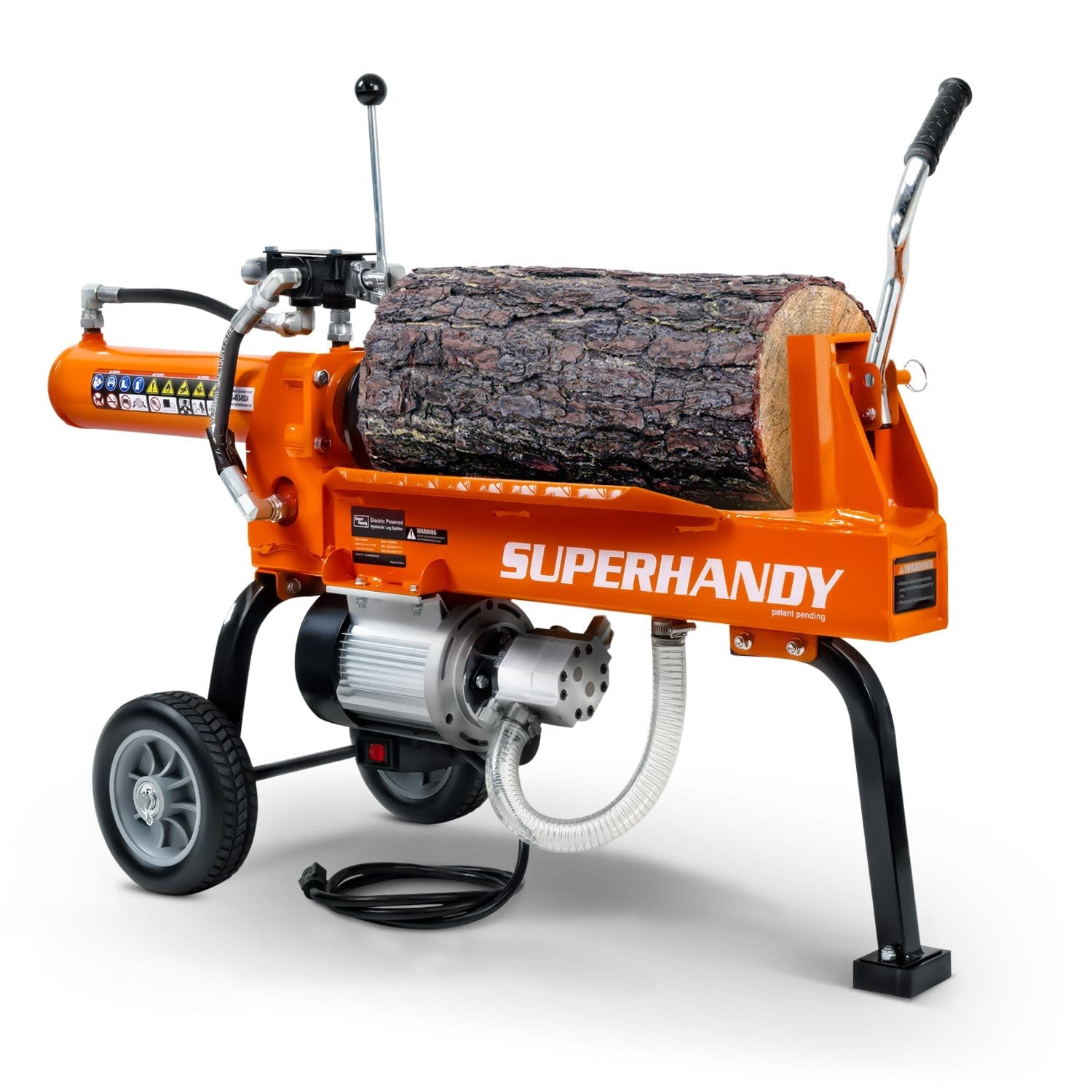
For the Suburban Homeowner: If you process a few cords of wood each year for your fireplace or wood stove and value quiet, fume-free operation, an electric model is your best bet. The SuperHandy Electric Log Splitter provides ample power for typical firewood logs, is easy to store, and can be used in a garage or shed without ventilation concerns.
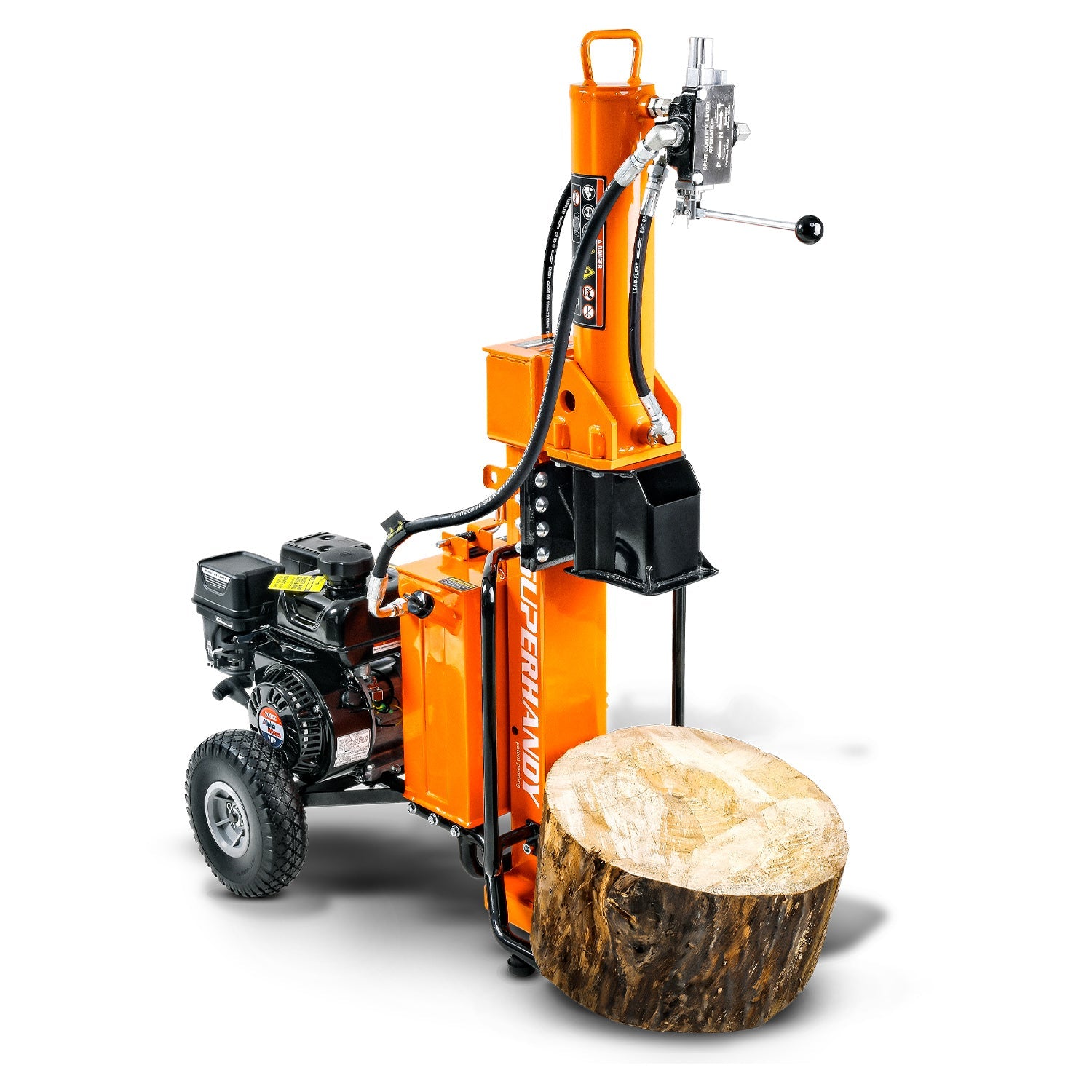
For the Rural Property Owner: If you have land to clear or heat your home primarily with wood, you'll need more power and portability. A mid-range gas model offers the perfect solution. A towable Gas Log Splitter with around 20 tons of force can be easily moved around your property and has the strength to tackle larger rounds and tougher hardwoods without hesitation.
For the Heavy-Duty User: For those running a small firewood business, managing a large wooded estate, or consistently dealing with large-diameter, knotty, or dense hardwoods, maximum power is non-negotiable. In this case, a high-tonnage Gas Log Splitter is the only way to go. A model with 30+ tons of force will power through the most challenging wood with the fastest cycle times, maximizing your productivity.
Ultimately, the best log splitter is the one that safely and efficiently meets your demands. By assessing your wood type, volume, and work environment, you can confidently select the right tool for the job. Explore our complete collection of Log Splitters to find the perfect model for your woodpile.
Related Products

Leave a comment
All comments are moderated before being published.
This site is protected by hCaptcha and the hCaptcha Privacy Policy and Terms of Service apply.