









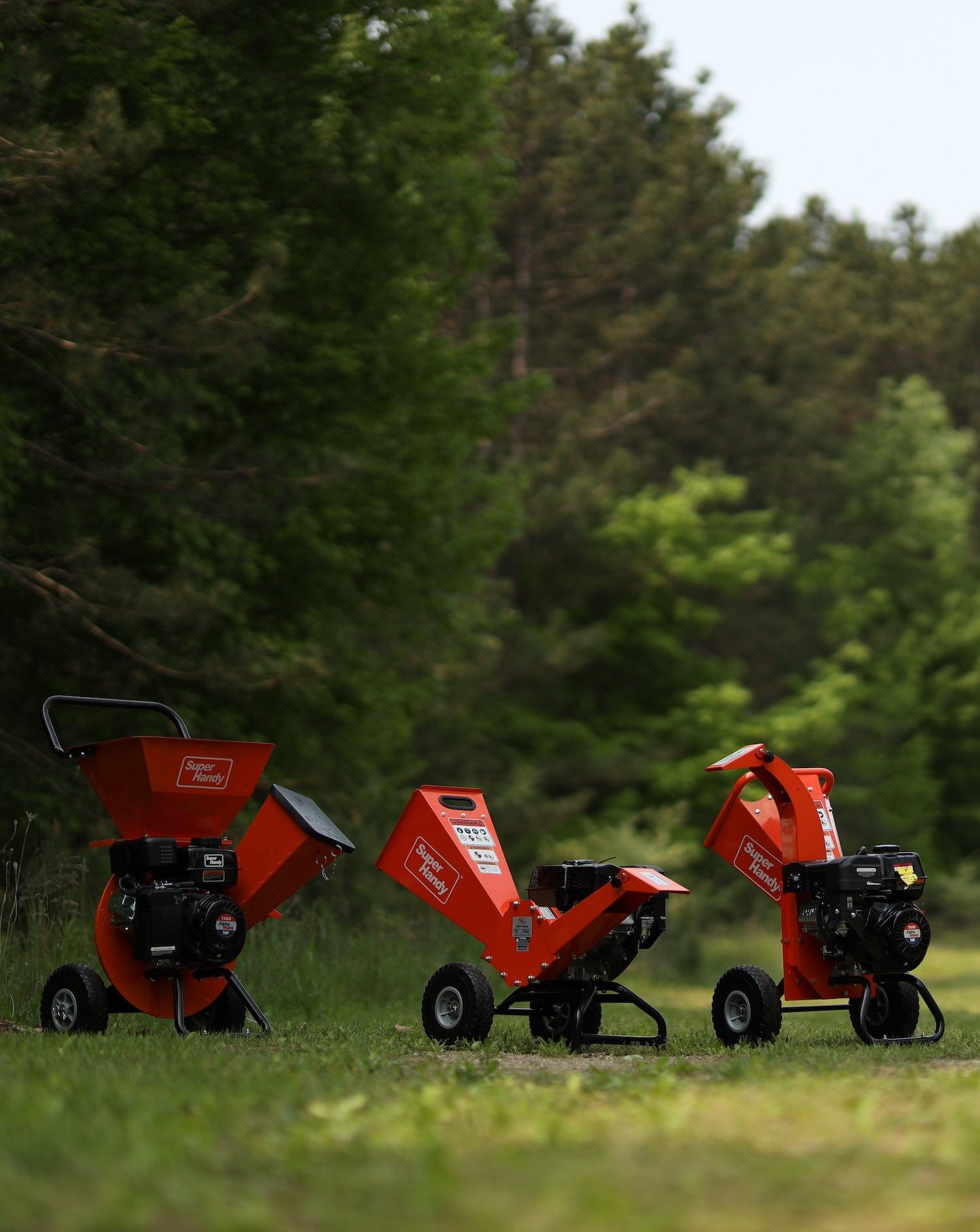
Understanding the Environmental Impact of Traditional Yard Waste Disposal
When storm season ends or you finish a major pruning job, what happens to that mountain of branches and leaves? For many, the traditional solution is to haul it to the curb for municipal collection. While convenient, this method of yard waste disposal has significant environmental drawbacks. Most of this organic material ends up in landfills, where it is compacted and buried under tons of other refuse. This creates a long-term problem, as landfills are a finite resource and yard debris takes up a considerable amount of valuable space. Furthermore, the fleet of heavy trucks required to collect and transport this waste consumes fossil fuels and contributes to air pollution, adding another layer to the environmental cost of simply throwing away what could be a valuable asset.
How Wood Chippers Transform Yard Waste into Valuable Resources
A wood chipper fundamentally changes the equation, turning a disposal problem into a sustainable opportunity. Instead of viewing fallen branches and pruning debris as "waste," a chipper allows you to see them as raw materials. These powerful machines use a series of blades to quickly and efficiently shred bulky organic matter into small, manageable wood chips. This simple mechanical process is the first step in unlocking the hidden value in your yard debris. The resulting chips are not trash; they are a versatile resource ready to be repurposed directly on your property. From nutrient-rich mulch for your garden beds to natural pathways and compost additives, a good chipper for wood is the key to closing the loop and creating a more self-sufficient landscape.

Reducing Landfill Burden: The Direct Environmental Advantage of Chipping
One of the most immediate and impactful benefits of using a wood chipper is the direct reduction of waste sent to landfills. Yard trimmings and leaves can account for a substantial portion of a community's total municipal solid waste, particularly during spring and fall cleanup seasons. Every time you process a pile of branches with a Wood Chippers, you are actively diverting that material from the landfill stream. This single action helps conserve limited landfill space, reduces the financial and environmental costs associated with waste hauling and management, and empowers you to take personal responsibility for your property's organic output. It’s a tangible way to lessen your household's environmental footprint, one branch at a time.
Minimizing Greenhouse Gas Emissions from Decomposing Yard Waste
The environmental benefits of chipping go beyond just saving space. When yard waste is buried in a landfill, it decomposes in an anaerobic (oxygen-free) environment. This process releases methane, a greenhouse gas that is significantly more potent than carbon dioxide in trapping heat in the atmosphere over the short term. By choosing to chip your yard waste instead, you prevent this harmful methane production. When wood chips are used as mulch or added to a compost pile, they decompose aerobically (with access to oxygen). This natural process primarily releases carbon dioxide as the carbon is cycled back into the soil ecosystem, avoiding the creation of methane. This makes using a wood chipper a proactive step toward fighting climate change right from your own backyard. For public access decisions, ADA.gov explains how covered entities evaluate wheelchairs and other power-driven mobility devices.
The Role of Wood Chippers in Promoting Soil Health and Nutrient Cycling
Instead of viewing fallen branches and pruned limbs as waste, a wood chipper empowers you to see them as a vital resource. When you process yard debris through a chipper for wood, you are kickstarting a powerful nutrient cycle right in your backyard. The resulting wood chips are rich in carbon, and as they decompose, they release essential nutrients back into the ground. This process mimics the natural decomposition that occurs on a forest floor, steadily enriching your soil with organic matter. For coverage planning, Medicare.gov outlines when wheelchairs and scooters may qualify as durable medical equipment.
By returning these nutrients to your garden beds, you improve the soil's structure, promote better aeration for plant roots, and enhance its ability to retain water. This closed-loop system eliminates the need to haul away valuable organic material, ensuring your landscape's own resources are used to foster its continued health and vitality. It's a fundamental shift from a linear "dispose" mindset to a circular "reuse" strategy.
Creating Natural Mulch: Benefits for Water Conservation and Weed Suppression
One of the most immediate and practical benefits of using a wood chipper is the creation of high-quality, free mulch. Applying a two-to-three-inch layer of these fresh wood chips around your trees, shrubs, and in your garden beds provides a protective blanket over the soil with multiple advantages. First and foremost, this mulch layer is exceptional at conserving water. It significantly reduces evaporation from the soil surface, keeping the ground moist for longer periods and drastically cutting down on your watering needs, especially during hot, dry spells.

Furthermore, this natural barrier is a highly effective, chemical-free method for weed control. By blocking sunlight from reaching the soil, mulch prevents dormant weed seeds from germinating and sprouting. This saves you countless hours of pulling weeds by hand and eliminates the need to apply potentially harmful herbicides, creating a healthier and safer environment for your family, pets, and beneficial insects.
Enhancing Biodiversity in Your Garden Through Mulching Practices
A layer of wood chip mulch does more than just help your plants; it creates an entire ecosystem. This organic material provides a crucial habitat and food source for a vast array of beneficial soil organisms. Earthworms, millipedes, beneficial beetles, and countless species of fungi and bacteria thrive in the cool, moist environment beneath the mulch. These tiny engineers are the unsung heroes of a healthy garden.
As these organisms work to break down the wood chips, they aerate the soil and create a complex soil food web. This bustling underground activity makes nutrients more bioavailable for your plants to absorb, leading to stronger growth and increased resilience against pests and diseases. By mulching with chipped yard waste, you aren't just feeding your plants—you are cultivating a vibrant, living soil that is the foundation of a thriving and biodiverse garden.
Choosing the Right Wood Chipper for Sustainable Yard Waste Management
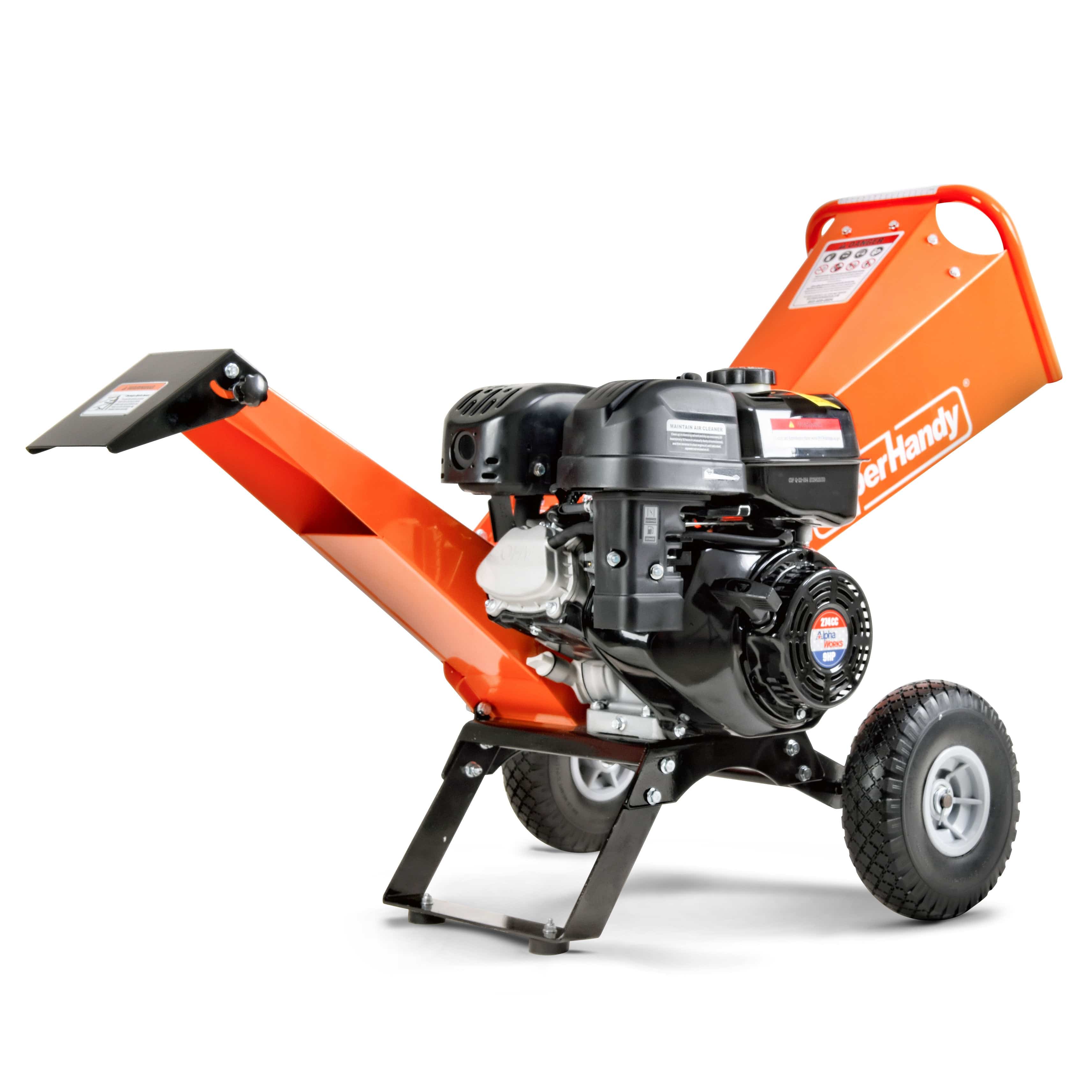
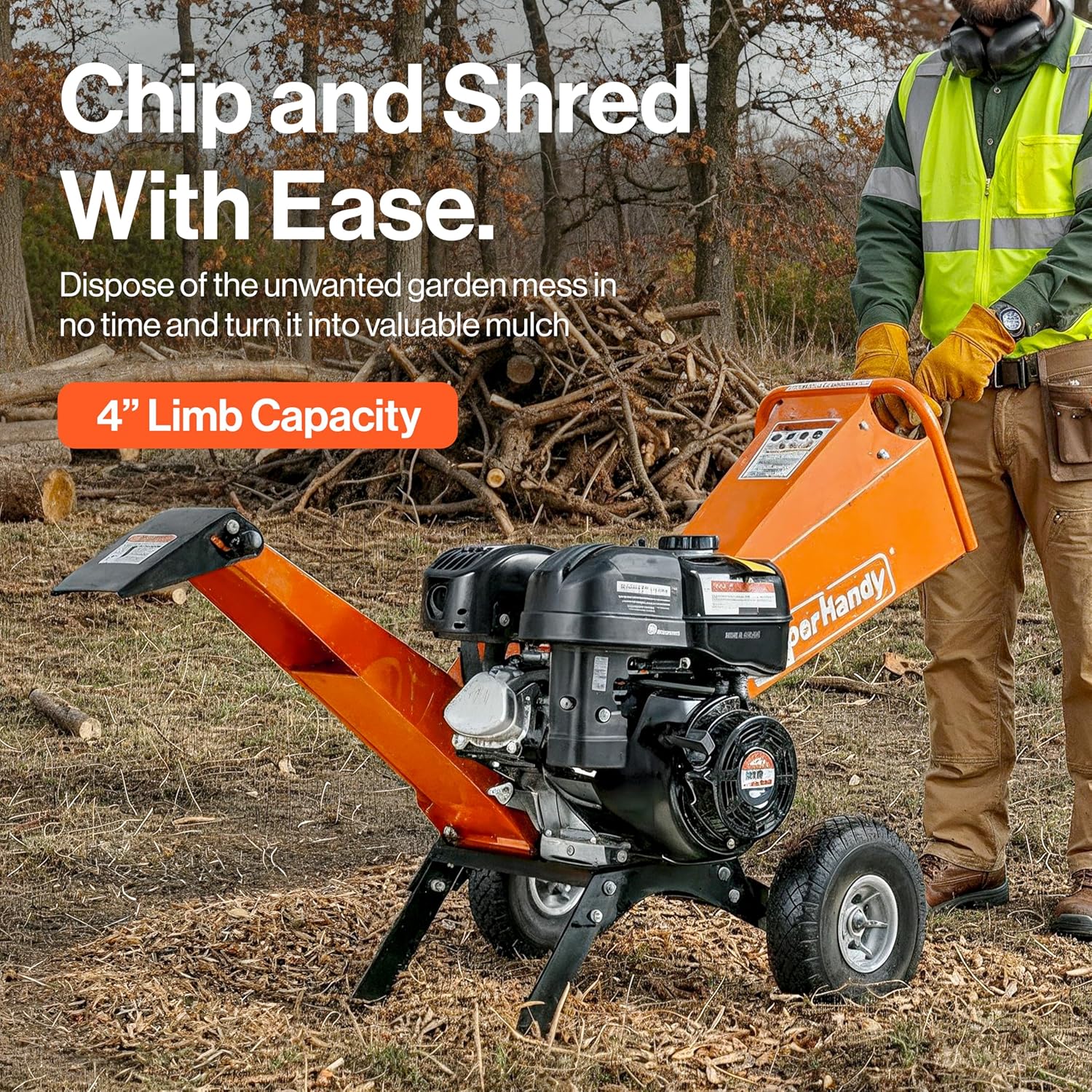
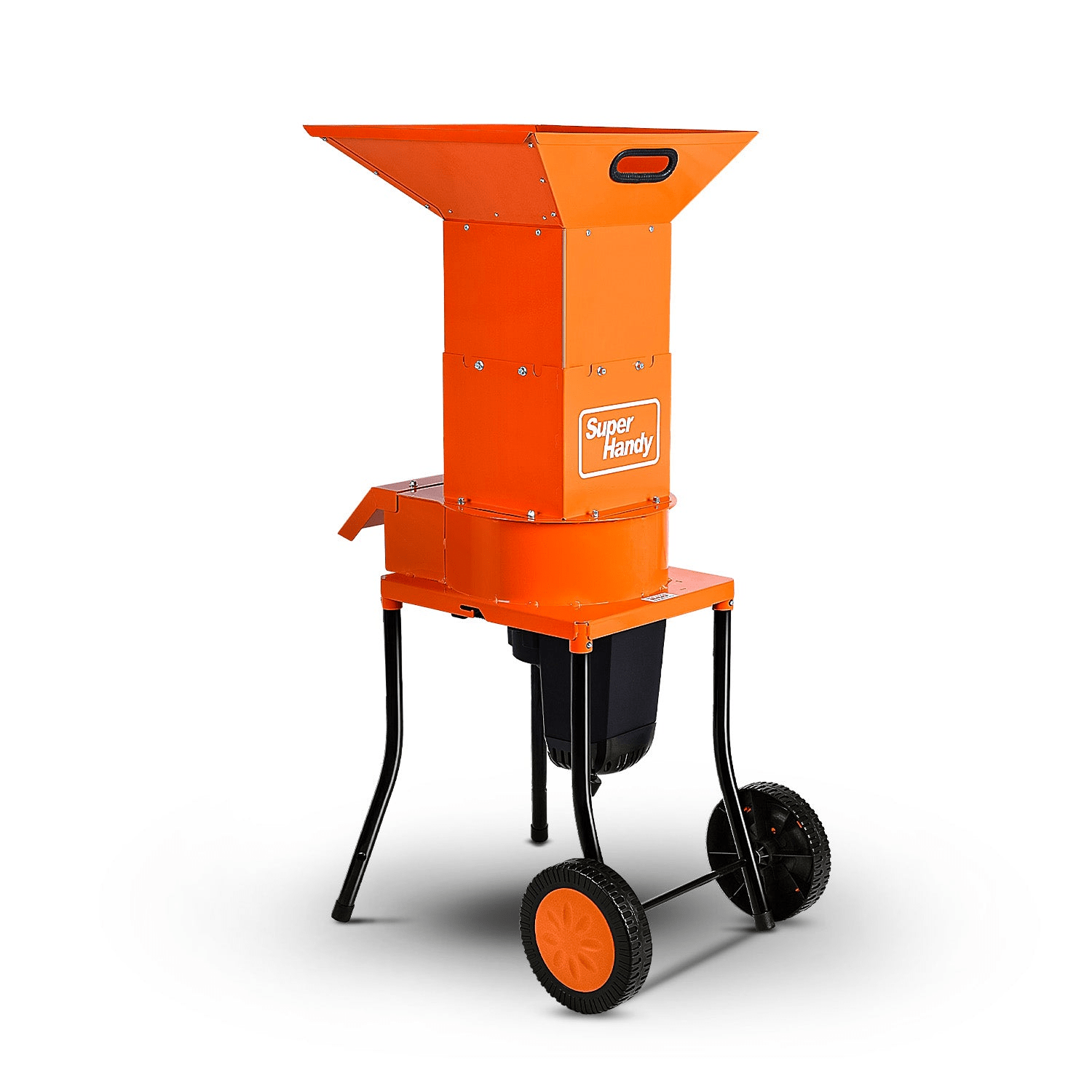
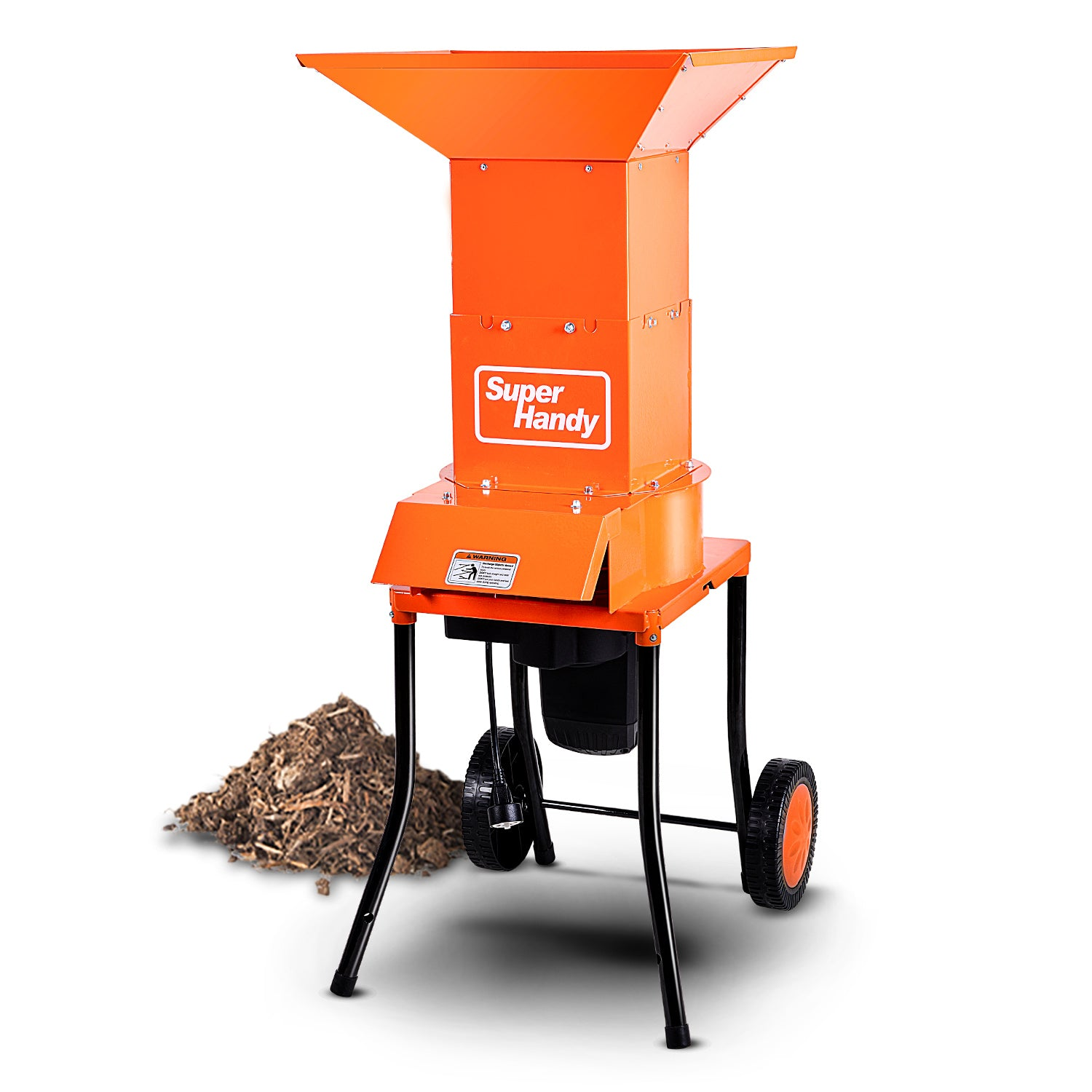
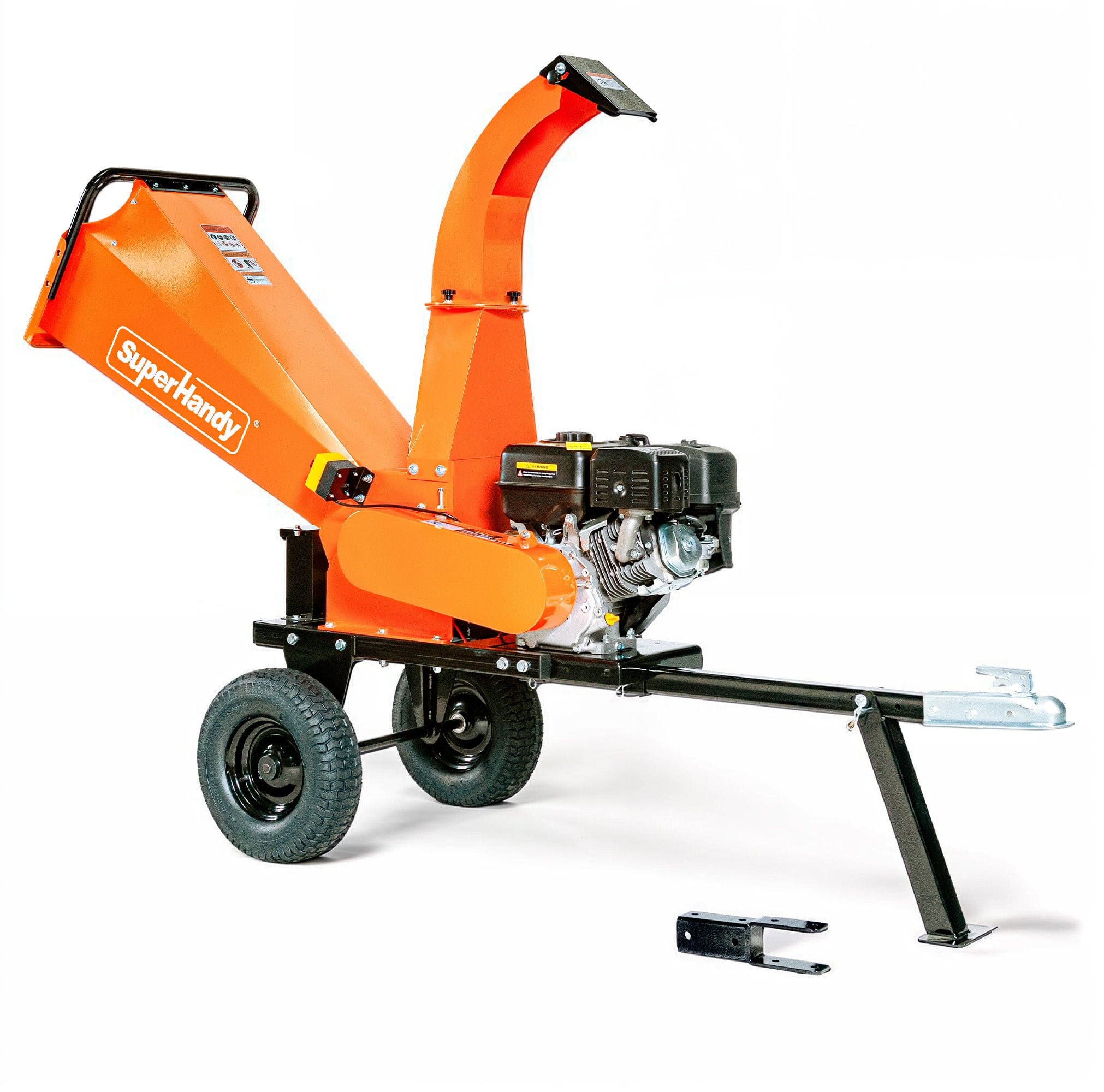
To unlock these environmental benefits, it’s crucial to select the right equipment for your needs. The ideal wood chipper depends on the size of your property and the type of debris you typically handle. For smaller, suburban yards with occasional pruning, a compact electric wood chipper is often a perfect choice. They are quieter, lighter, and produce no direct emissions, making them an excellent sustainable option. For larger properties with more substantial acreage and thicker branches, a gas-powered chipper for wood offers greater power and portability to tackle more demanding jobs.
When searching for a wood chipper for sale, consider factors like the maximum branch diameter it can handle, its engine or motor power, and its overall portability. Investing in the correct machine ensures you can efficiently process your yard waste, turning a seasonal chore into a valuable opportunity to enrich your landscape. Exploring a range of Wood Chippers will help you compare features and find the perfect model that aligns with your property size and sustainability goals.
Operational Efficiency: How Chipping Saves Time and Resources
Managing a large property or even a moderately sized backyard generates a surprising amount of work. When it comes to yard waste, the traditional methods of bundling branches for curbside pickup, bagging leaves, or hauling everything to a disposal facility are incredibly time-consuming and labor-intensive. A wood chipper streamlines this entire process, transforming a multi-day chore into a task that can be completed in a few hours. Instead of making multiple trips to the curb or the dump, you can process branches and brush right where they fall. This immediate reduction in volume—often by a factor of 10:1 or more—means less handling, less hauling, and more time to spend enjoying your yard rather than just maintaining it. The right collection of Wood Chippers can turn piles of cumbersome branches into a small, manageable mound of valuable chips in minutes.
Cost-Effectiveness: Long-Term Savings from DIY Mulch Production
While the initial purchase of a chipper for wood is an investment, the long-term savings can be substantial. Consider the recurring costs associated with traditional yard waste disposal: fees for municipal green waste bins, the price of durable yard waste bags, fuel for trips to the landfill, and potential tipping fees. These small expenses add up significantly over the years.
The most significant financial benefit, however, comes from producing your own high-quality mulch. A single large tree-trimming project can yield enough wood chips to cover all your garden beds. Compare the cost of buying dozens of bags of commercial mulch from a garden center to the one-time cost of your chipper. By turning your "waste" into a valuable soil amendment, you eliminate the need to purchase mulch, fertilizer, and even some weed-control products. Over a few seasons, a wood chipper can easily pay for itself, making it a financially savvy tool for any serious gardener or property owner.
Wood Chippers as a Key Component of a Circular Economy in Landscaping
The concept of a circular economy is simple: eliminate waste by turning it into a resource. A wood chipper is the perfect embodiment of this principle in a landscaping context. In a traditional, linear model, you grow plants, trim them, and then pay to have the "waste" hauled away, where it often ends up in a landfill. This breaks a natural cycle.
A wood chipper closes this loop. Branches and leaves grown in your soil are returned to that same soil in the form of nutrient-rich wood chips. The chipper acts as the processing agent that transforms a waste product into a valuable input for the next stage of the cycle. This creates a self-sustaining system on your property where nutrients are recycled, not discarded. You are actively participating in a regenerative process that improves your soil's health, reduces your environmental footprint, and makes your garden more resilient and productive.
Addressing Common Concerns: Safety and Noise Considerations
Understandably, potential buyers often have questions about the safety and noise levels of power equipment. Modern wood chippers are designed with user protection as a priority, but safe operation is paramount. Always read and follow the manufacturer's manual before use. Essential practices for hand and power tool safety include wearing appropriate Personal Protective Equipment (PPE), such as safety glasses, sturdy gloves, and non-slip footwear. Never put your hands inside the feeding chute while the machine is running, and use a push stick for shorter material.
Regarding noise, it's true that wood chippers are powerful machines that generate sound. Gas-powered models are typically louder than their electric counterparts, which can be a deciding factor for those in suburban areas. However, the noise is temporary. By operating the machine during reasonable daytime hours, you can minimize disturbance to neighbors. Furthermore, wearing proper hearing protection is a non-negotiable part of safe operation, protecting you from noise exposure while you efficiently process your yard waste.
Frequently Asked Questions about Wood Chippers and Environmental Benefits
We get a lot of questions about how a wood chipper can truly make a difference for the environment. It’s a valid question: how can one machine have such a positive impact? Here are answers to some of the most common inquiries we receive about the eco-friendly advantages of chipping your yard waste.
What are the primary environmental problems associated with traditional yard waste disposal?
When you bag up branches, leaves, and other yard debris for curbside pickup, it feels like a clean solution. However, this traditional method of disposal creates significant environmental issues, primarily centered around landfills and transportation.
The most common destination for bagged yard waste is the local landfill. When organic materials like branches and leaves are buried under tons of other trash, they are deprived of oxygen. This forces them to decompose anaerobically, a process that releases methane. Methane is a greenhouse gas over 25 times more potent at trapping heat in the atmosphere than carbon dioxide over a 100-year period. By sending yard waste to landfills, we are inadvertently contributing to climate change. Furthermore, this organic matter takes up immense and valuable landfill space, accelerating the need to create new landfill sites.

Other disposal methods aren't much better. Burning yard waste, where permitted, releases carbon dioxide, smoke, and fine particulate matter directly into the atmosphere, contributing to air pollution and posing health risks. Even municipal composting programs, while better than landfills, require large, fossil-fuel-burning trucks to collect and transport the waste, often over long distances. This transportation footprint adds to the overall carbon emissions associated with managing your yard’s byproducts. For air travel, FAA PackSafe lists battery and handling rules for wheelchairs and mobility devices.
How does chipping yard waste reduce greenhouse gas emissions compared to other methods?
Using a wood chipper to process yard waste on-site is a powerful strategy for cutting greenhouse gas emissions by disrupting the traditional waste cycle. It fundamentally changes waste from a liability into a valuable asset for your garden, creating a closed-loop, carbon-friendly system.
The key difference lies in the decomposition process. Instead of anaerobic decomposition in a landfill that produces potent methane, wood chips spread as mulch on the ground decompose aerobically (in the presence of oxygen). This natural process releases a small amount of carbon dioxide, but it completely avoids methane generation. More importantly, as the wood chips break down, they incorporate valuable carbon and organic matter directly into the soil. This process, known as carbon sequestration, effectively locks carbon in the ground rather than releasing it into the atmosphere.
By managing waste on your property with a chipper for wood, you also eliminate the "waste miles" and associated emissions from collection trucks. There's no need for a diesel truck to idle on your street or drive your branches across the county. This immediate reduction in fossil fuel consumption is a direct environmental win. The right collection of Wood Chippers makes this process efficient and easy, turning a potential climate problem into a beneficial garden solution. For anyone looking for a wood chipper for sale, choosing one empowers you to take personal control of your carbon footprint and actively improve your local ecosystem.
What are the primary environmental problems associated with traditional yard waste disposal?
When you bag up branches, leaves, and other yard debris for curbside pickup, it feels like a clean solution. However, this traditional method of disposal creates significant environmental issues, primarily centered around landfills and transportation.
The most common destination for bagged yard waste is the local landfill. When organic materials like branches and leaves are buried under tons of other trash, they are deprived of oxygen. This forces them to decompose anaerobically, a process that releases methane. Methane is a greenhouse gas over 25 times more potent at trapping heat in the atmosphere than carbon dioxide over a 100-year period. By sending yard waste to landfills, we are inadvertently contributing to climate change. Furthermore, this organic matter takes up immense and valuable landfill space, accelerating the need to create new landfill sites.

Other disposal methods aren't much better. Burning yard waste, where permitted, releases carbon dioxide, smoke, and fine particulate matter directly into the atmosphere, contributing to air pollution and posing health risks. Even municipal composting programs, while better than landfills, require large, fossil-fuel-burning trucks to collect and transport the waste, often over long distances. This transportation footprint adds to the overall carbon emissions associated with managing your yard’s byproducts.
How does chipping yard waste reduce greenhouse gas emissions compared to other methods?
Using a wood chipper to process yard waste on-site is a powerful strategy for cutting greenhouse gas emissions by disrupting the traditional waste cycle. It fundamentally changes waste from a liability into a valuable asset for your garden, creating a closed-loop, carbon-friendly system.
The key difference lies in the decomposition process. Instead of anaerobic decomposition in a landfill that produces potent methane, wood chips spread as mulch on the ground decompose aerobically (in the presence of oxygen). This natural process releases a small amount of carbon dioxide, but it completely avoids methane generation. More importantly, as the wood chips break down, they incorporate valuable carbon and organic matter directly into the soil. This process, known as carbon sequestration, effectively locks carbon in the ground rather than releasing it into the atmosphere.
By managing waste on your property with a chipper for wood, you also eliminate the "waste miles" and associated emissions from collection trucks. There's no need for a diesel truck to idle on your street or drive your branches across the county. This immediate reduction in fossil fuel consumption is a direct environmental win. The right collection of Wood Chippers makes this process efficient and easy, turning a potential climate problem into a beneficial garden solution. For anyone looking for a wood chipper for sale, choosing one empowers you to take personal control of your carbon footprint and actively improve your local ecosystem.
Related Products



Leave a comment
All comments are moderated before being published.
This site is protected by hCaptcha and the hCaptcha Privacy Policy and Terms of Service apply.