









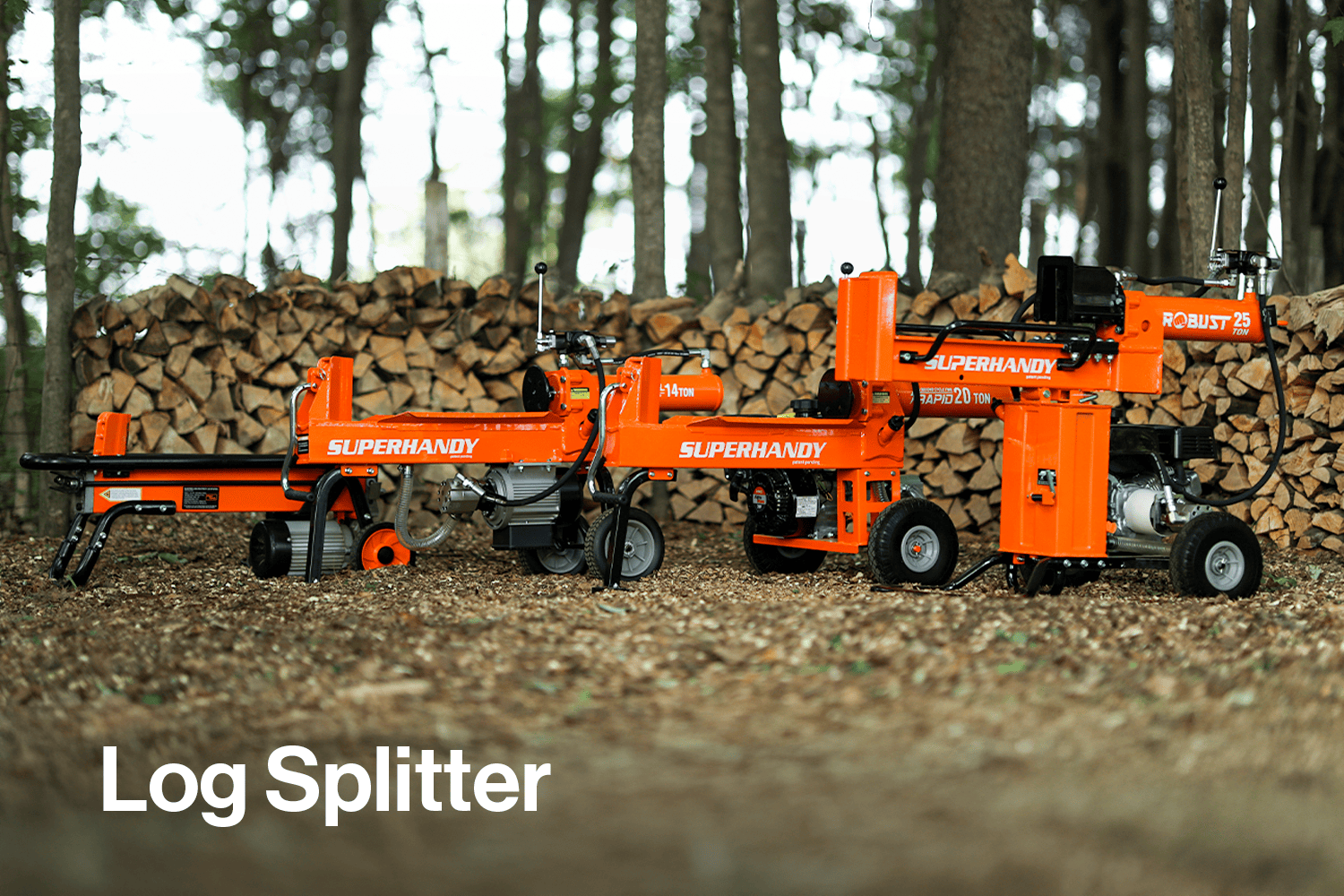
Why Invest in a Firewood Splitter: Saving Time, Effort, and Your Back
The single greatest benefit of a log splitter is the immense saving of time and physical effort. What could take an entire weekend of grueling work with a maul and wedges can often be accomplished in just a few hours. A splitter uses hydraulic or mechanical force to do the hard work for you, driving a wedge through logs with consistent, relentless power.
This efficiency doesn't just save you hours; it saves your body from strain and potential injury. Repetitive swinging, awkward lifting, and the sheer impact of striking wood can take a toll on your back, shoulders, and joints. A firewood splitter transforms the job from a high-impact, strength-based chore into a manageable, low-impact process of loading logs and operating controls. You'll process more wood, more quickly, and walk away feeling ready for the rest of your day.

Understanding Firewood Splitter Types: Manual, Electric, and Gas-Powered
Before diving into specific features, it's crucial to understand the three main categories of firewood splitters. Each type is designed for a different level of use, power requirement, and budget.
- Manual Splitters: These use human-powered leverage or foot-pedal hydraulics. They are the most affordable and portable but also the slowest and most labor-intensive of the three.
- Electric Splitters: Powered by a standard household outlet, these are a popular choice for homeowners. They offer a great balance of power, convenience, and low maintenance, without the noise or fumes of a gas engine.
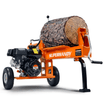
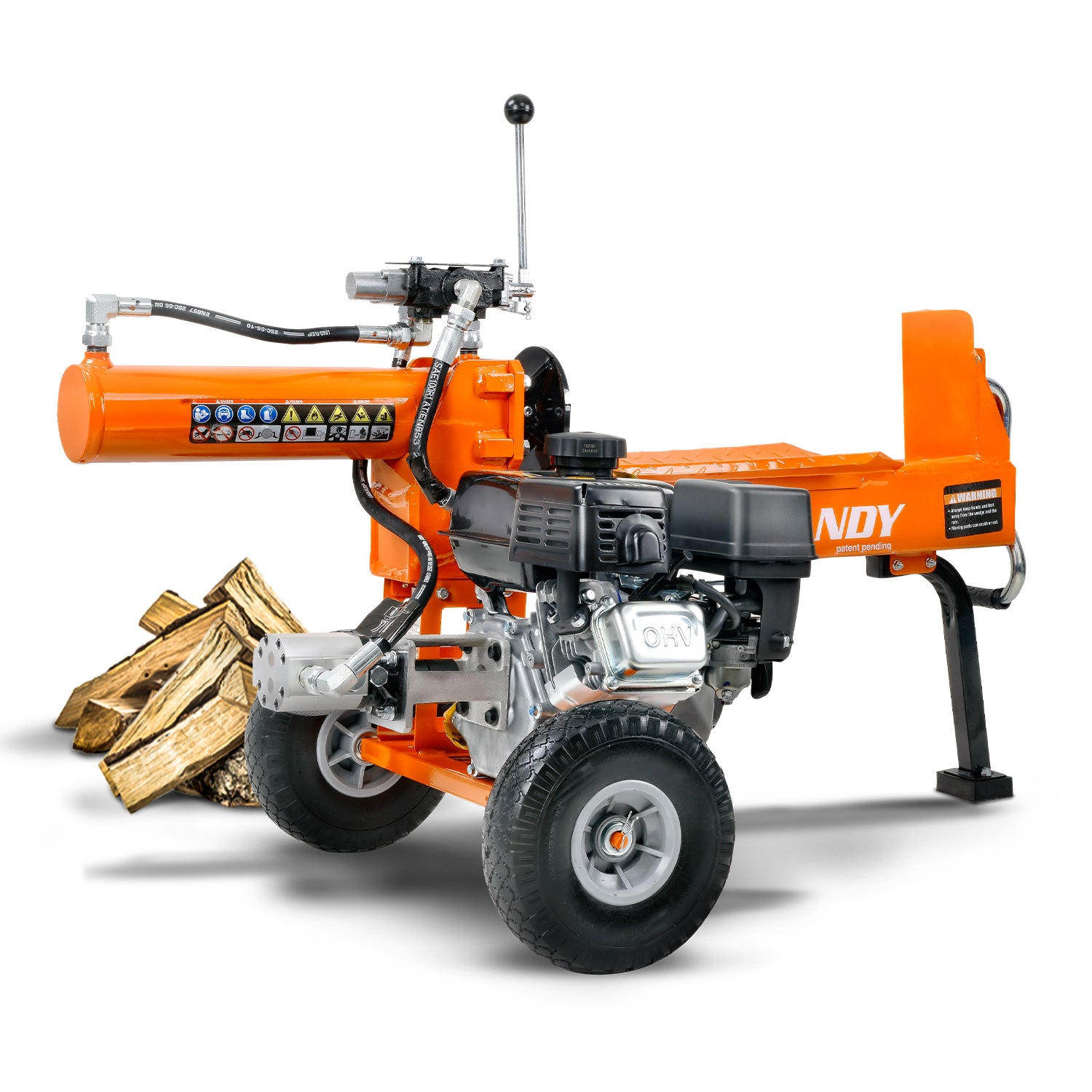
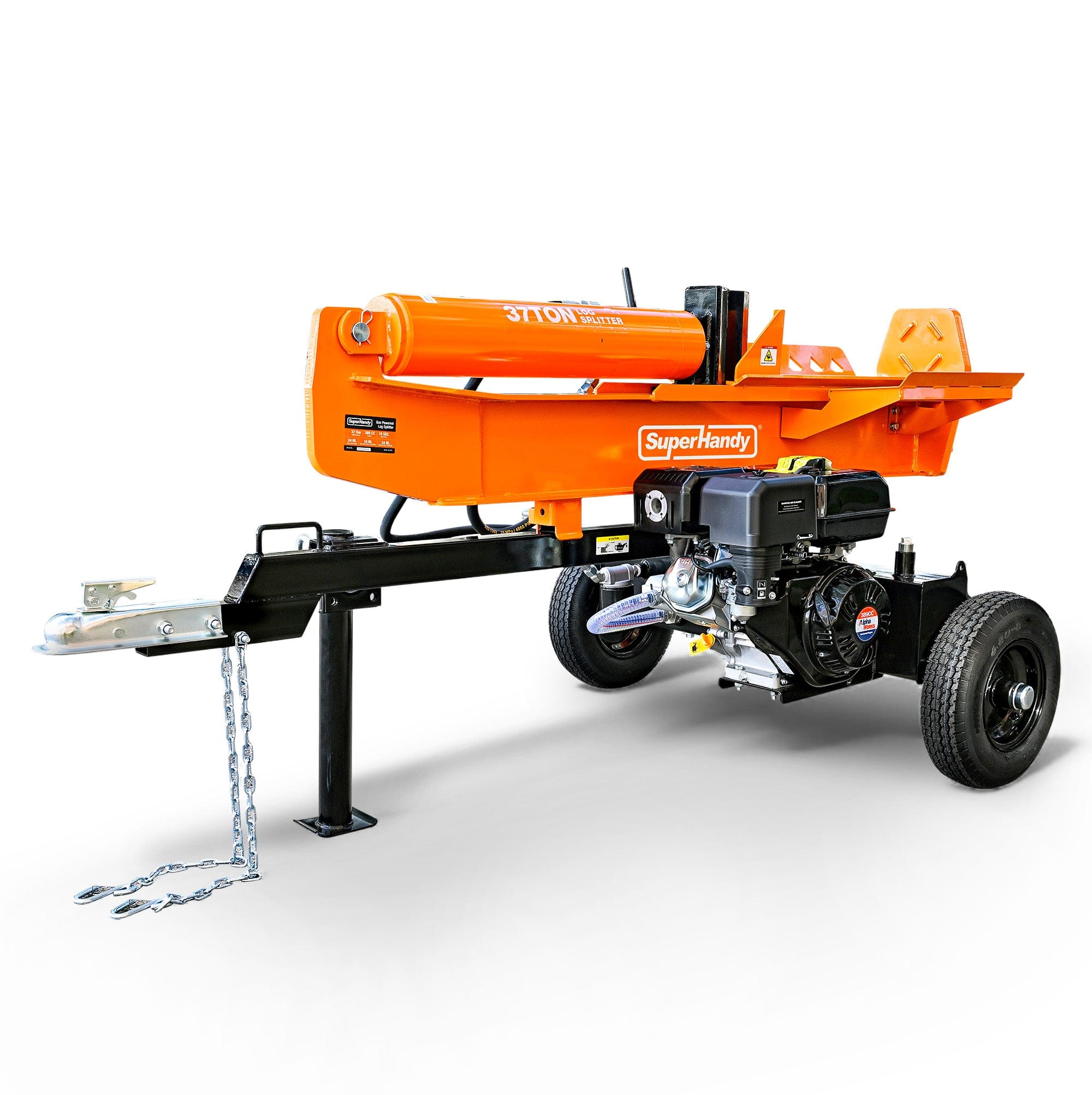
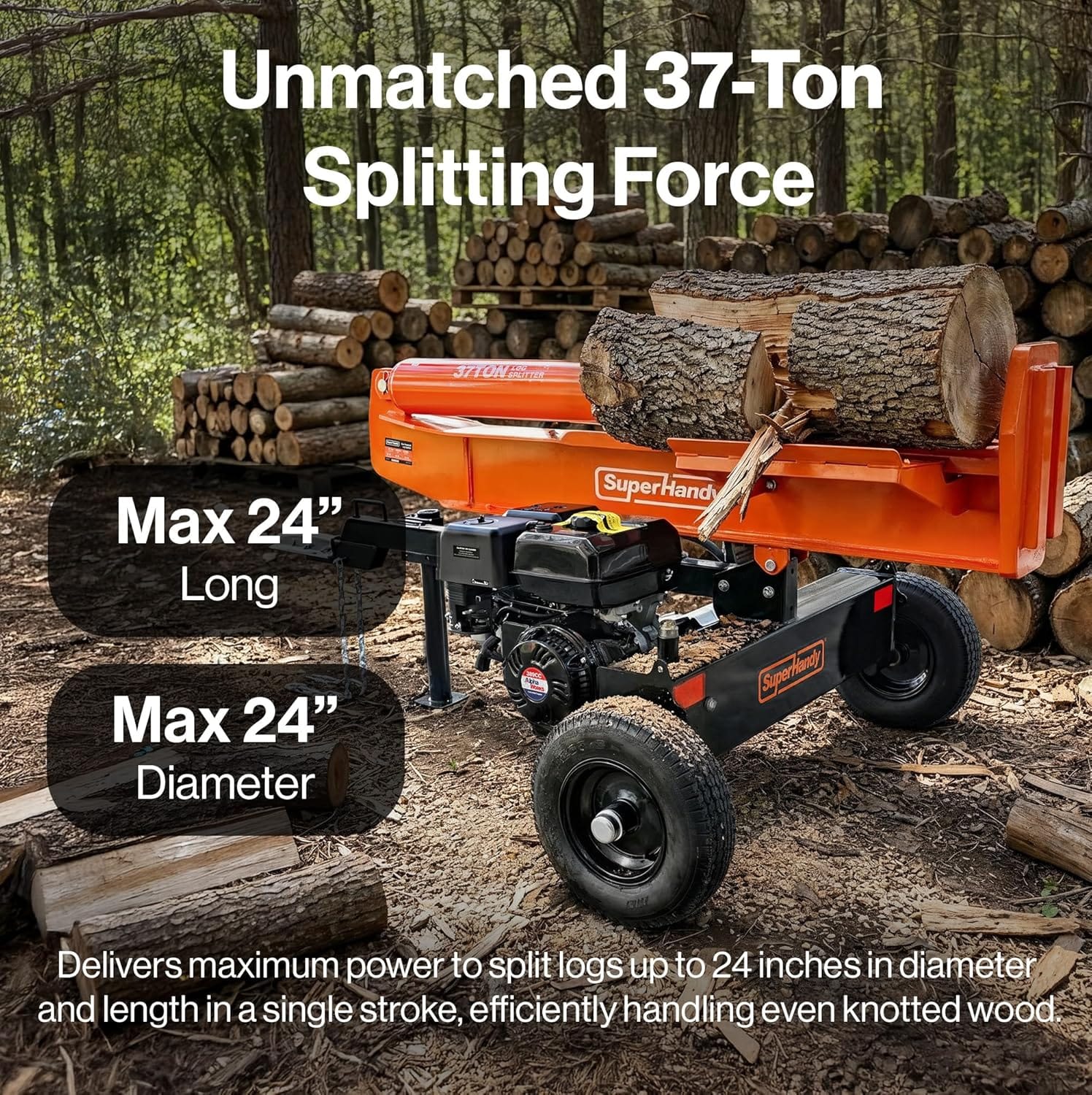
- Gas-Powered Splitters: For the most demanding jobs, a gas log splitter is the undisputed champion. These machines provide the highest splitting force, making them ideal for processing large quantities of tough, green, or knotty hardwood. The trade-off is more noise, emissions, and maintenance. Heavy-duty models like a 20-ton gas log splitter can handle nearly any log you can throw at them.
Manual Splitters: The Budget-Friendly, Low-Maintenance Option
If you only split a small amount of wood each year for occasional fires, a manual splitter can be a smart, economical choice. These designs typically involve a sliding weight on a vertical pole or a simple hydraulic jack system operated by hand or foot. They are significantly safer and more effective than a traditional axe, as they guide the split and keep your hands away from the impact zone.
The primary advantages of a manual splitter are its low cost, portability, and simplicity. There's no engine to maintain, no oil to change, and no fuel to buy. They are lightweight, easy to store in a small shed or garage, and operate silently. However, they still require physical effort and are much slower than their powered counterparts, making them unsuitable for processing more than a quarter-cord of wood at a time.
Electric Splitters: Power and Convenience for Homeowners
For the vast majority of homeowners, an electric firewood splitter hits the sweet spot between power and practicality. These machines plug into a standard 120V outlet and provide ample force to split most common wood types like pine, birch, and oak. Because they don't produce exhaust fumes, they can be safely used inside a garage or workshop, allowing you to work comfortably in any weather.
Electric models are significantly quieter than gas engines, which your family and neighbors will appreciate. They are also relatively low-maintenance, requiring little more than checking hydraulic fluid levels. Their power is measured in tons of force, with models available for various needs. A 7-ton electric log splitter is suitable for typical residential use, easily handling logs up to 10 inches in diameter. For those dealing with slightly larger or tougher seasoned wood, a more powerful unit like a 14-ton electric log splitter provides extra muscle without the jump to a full gas machine.
Gas-Powered Splitters: useful Strength for Heavy-Duty Use
When you have a serious amount of wood to process, a gas-powered firewood splitter is your most powerful ally. These machines are the workhorses of the splitting world, designed for high-volume, heavy-duty tasks. Unlike their electric counterparts, gas log splitters are not tethered to a power cord, giving you the freedom to work anywhere on your property, from the backwoods to the barn. Powered by a robust gasoline engine that drives a hydraulic pump, they generate immense force capable of tearing through large, dense, and knotty hardwoods with ease.
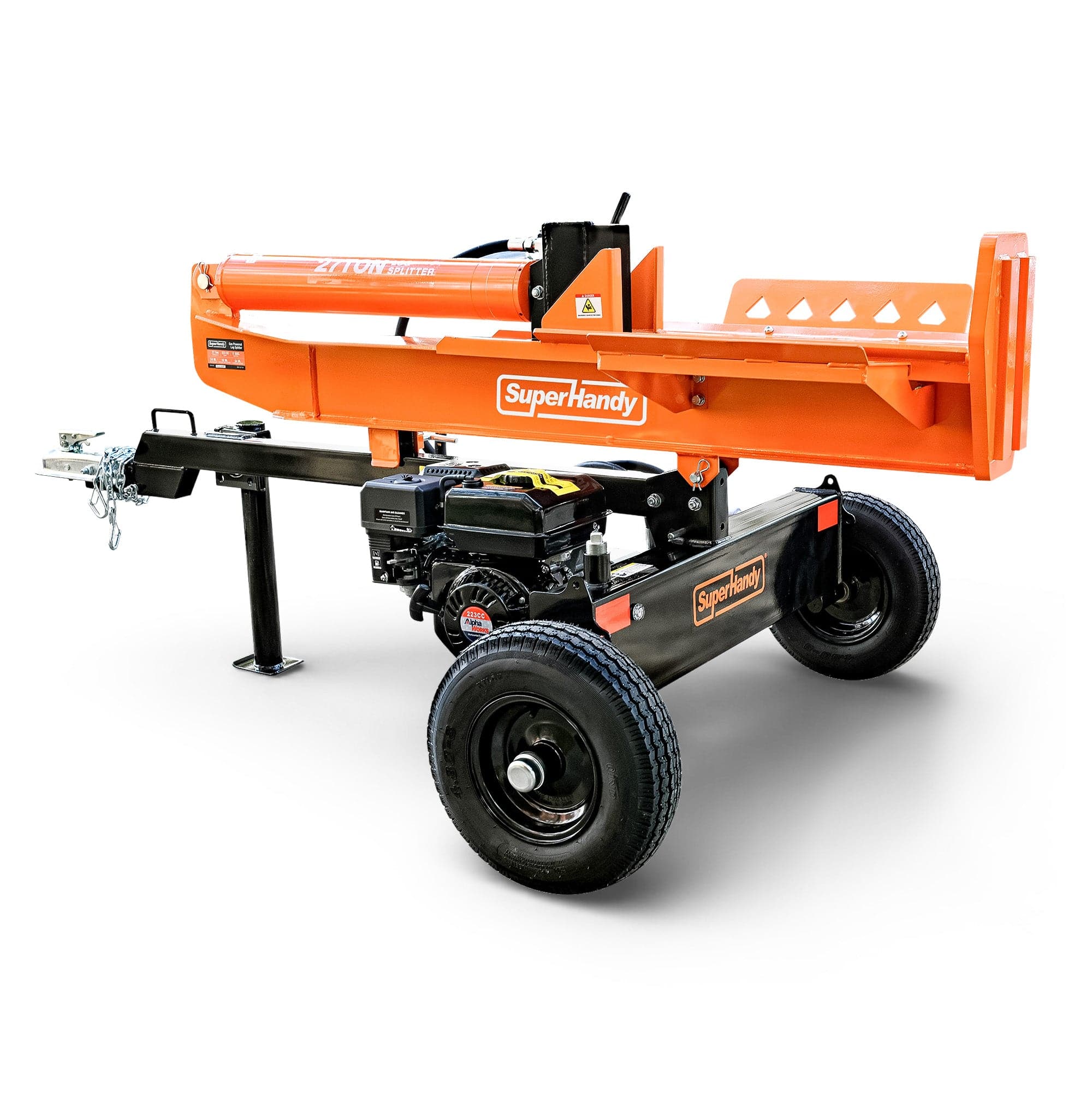
This level of power makes them the top choice for anyone heating their home with wood, managing a large property, or tackling tough wood species like oak, hickory, or elm. Models like the SuperHandy 20-Ton Gas Log Splitter are built for performance and portability, often including tow hitches for easy transport around your land. Of course, with great power comes the need for great responsibility. Always operate your machinery according to the manufacturer’s instructions and follow established OSHA hand and power tool safety guidance to ensure safe operation.

Key Features to Consider When Buying a Firewood Splitter
Choosing the right firewood splitter means looking beyond the power source. To find the perfect match for your workload, you need to understand a few key specifications. In the following sections, we’ll break down the most important features to evaluate: splitting force, log capacity, cycle time, portability, and safety. Getting these details right will ensure your new splitter is a valuable tool, not a source of frustration.
Splitting Force (Tons): Matching Power to Your Wood Type
The single most important specification of a firewood splitter is its splitting force, measured in tons. This number tells you how much pressure the machine can exert on a log. Choosing the right tonnage is crucial: too little, and you’ll struggle with tough logs; too much, and you may be paying for power you don’t need. A simple rule of thumb is to match the force to your wood. For smaller, seasoned softwoods like pine or fir, a lower-tonnage unit like a 7-ton electric splitter is often sufficient.
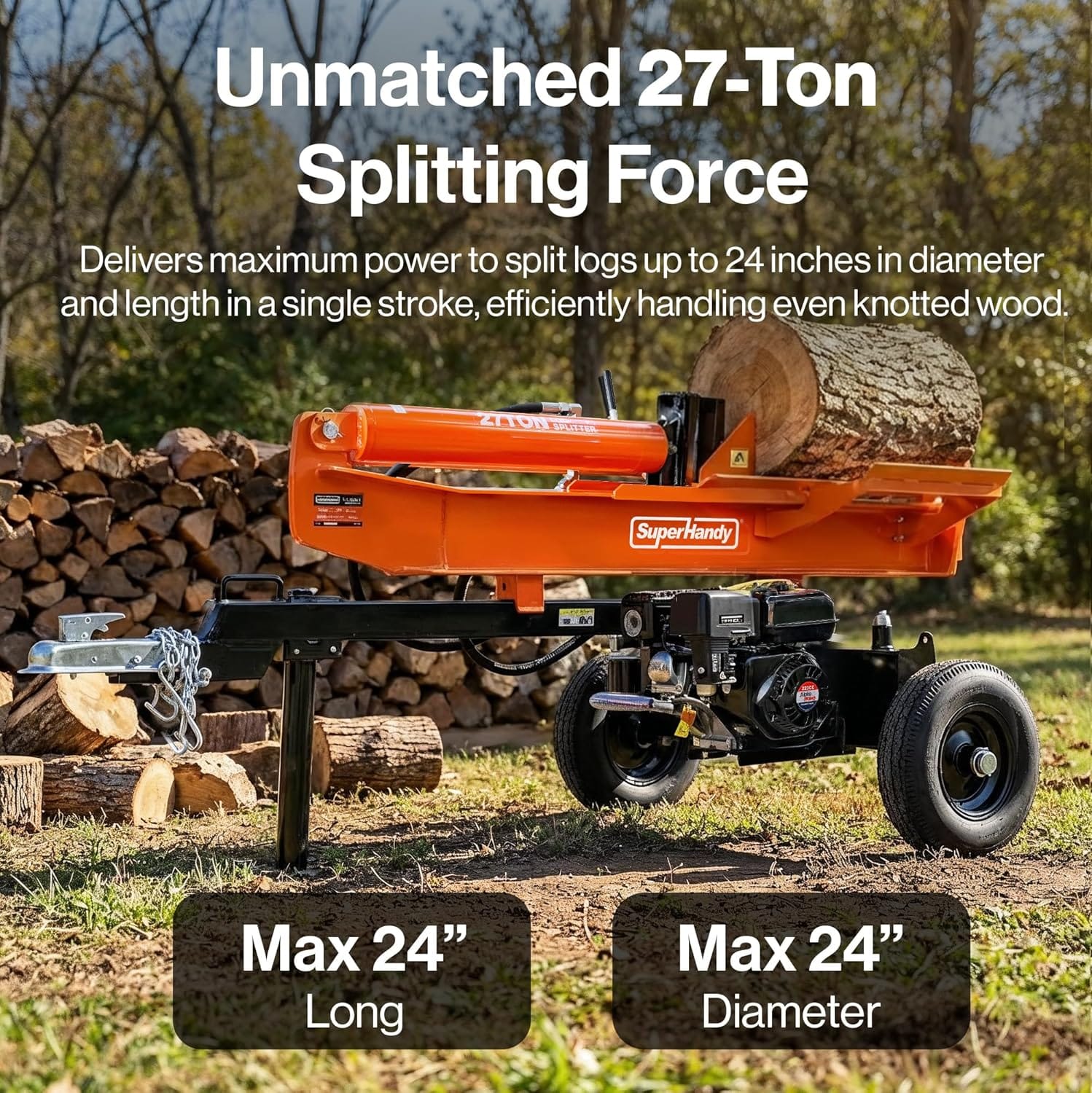
However, if your wood pile consists of large-diameter, dense hardwoods or freshly cut (green) wood, you’ll need significantly more power. Green wood contains more moisture and has more flexible fibers, making it harder to split than dry, seasoned wood. For these demanding jobs, you should look for a splitter with 20 tons of force or more. A high-powered machine like a 25-ton gas log splitter will make quick work of even the most stubborn, knot-filled rounds, saving you time and effort.
Log Capacity: Diameter and Length Requirements
After splitting force, log capacity is the next critical feature to consider. This refers to the maximum size of the log, in both length and diameter, that the splitter can physically accommodate.
-
Log Length: This is determined by the length of the machine's main beam and is a hard limit. Most consumer-grade splitters are designed to handle logs between 20 and 25 inches long, which is a standard size for most fireplaces and wood stoves. Before you buy, measure the length of the wood you typically cut to ensure it will fit.
-
Log Diameter: This is more of a guideline than a strict limitation. While a splitter might be rated for a certain diameter (e.g., up to 12 inches), its ability to handle larger rounds is primarily dependent on its splitting force. A high-tonnage gas splitter can often handle diameters far exceeding its official recommendation, especially with straight-grained wood. The main consideration is whether the log can be safely balanced on the splitting beam before engaging the ram.
Cycle Time: How Fast Can It Split Your Wood?
When you have a large pile of logs to process, efficiency is everything. This is where cycle time comes in. A firewood splitter's cycle time is the total duration it takes for the hydraulic ram to extend fully, split a log, and retract to its starting position, ready for the next piece. This is typically measured in seconds, with times ranging from as low as 10 seconds to 30 seconds or more. A faster cycle time means you can process more wood in less time, significantly boosting your productivity.
For those tackling several cords of wood each season, a few seconds saved per log adds up to hours of saved labor. High-powered models like a 20-ton gas log splitter are engineered for both strength and speed, often featuring a rapid cycle time under 15 seconds. While homeowners with smaller, occasional splitting tasks might not need the fastest machine on the market, commercial users or those with serious heating needs should prioritize a low cycle time to maximize their workflow.
Portability and Storage: Where Will You Use and Keep It?
A firewood splitter can be a bulky piece of equipment, so it's crucial to consider where you plan to use it and how you'll store it. Portability is determined by the machine's weight, size, and features like wheels and handles. If you need to move your splitter around a large property or transport it to different locations, look for models with large, pneumatic tires and a well-designed towing handle. Some gas log splitters are even towable on public roads (check local regulations), offering maximum mobility.
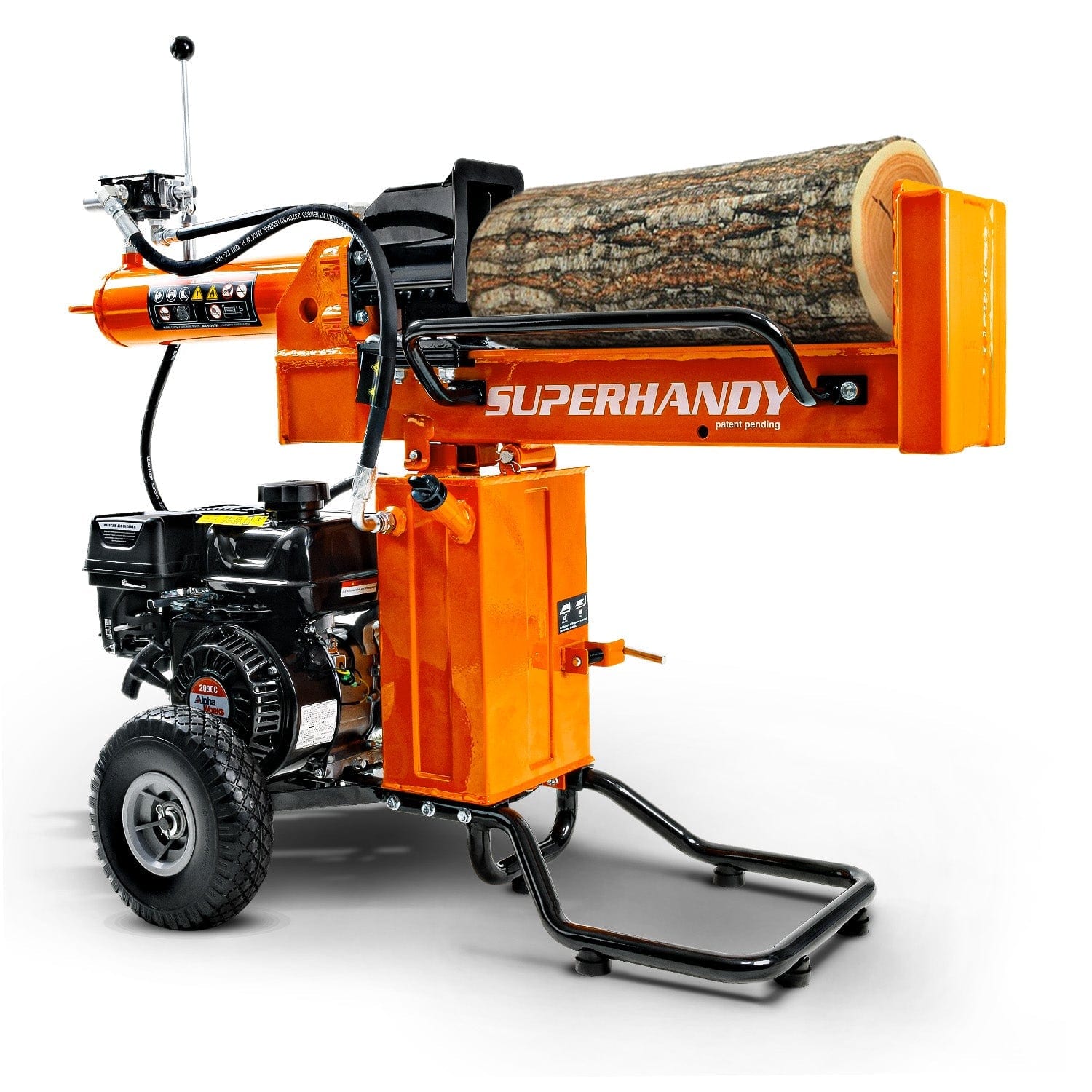
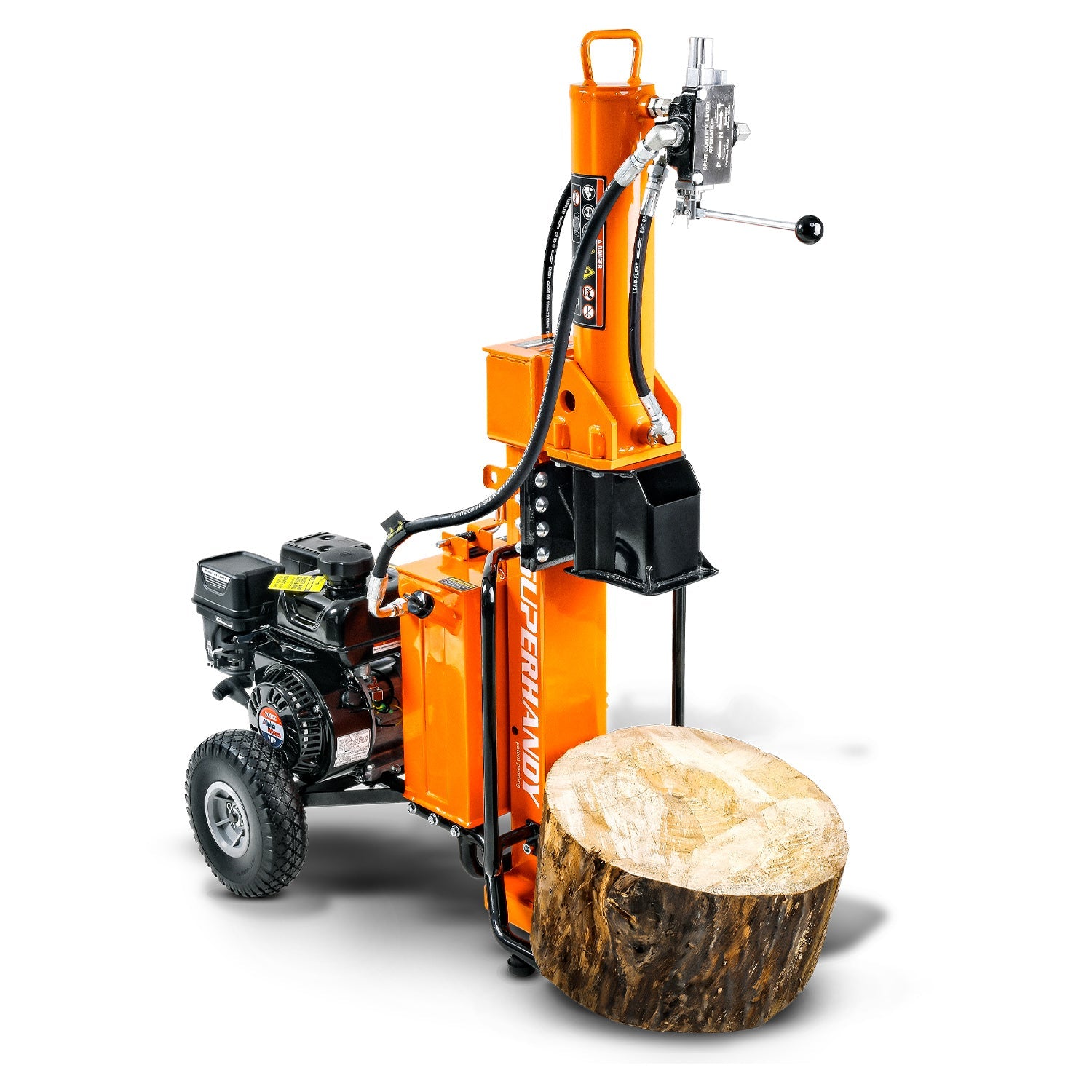
For homeowners with limited space, a more compact electric splitter is often the ideal solution. Models like the SuperHandy 7-Ton Electric Log Splitter are designed with a smaller footprint and built-in wheels, making them easy to maneuver around a garage or shed. Also, consider splitters that can operate in both horizontal and vertical positions. A vertical configuration is great for handling large, heavy logs you can't lift, while a horizontal position is often more ergonomic for smaller rounds. When it's time for storage, a vertical-capable model can often be stored more compactly.
Safety Features: Essential Considerations for Injury Prevention
Operating a powerful tool like a firewood splitter demands a serious approach to safety. Reputable manufacturers incorporate several key features to minimize the risk of injury. One of the most important is a two-handed operation system. This design requires the user to have both hands on the controls to engage the ram, ensuring their hands are kept clear of the splitting wedge and moving parts. Another essential feature is an automatic ram return, which brings the wedge back to the starting position as soon as the controls are released.
Beyond built-in features, always follow safe operating procedures. This includes wearing appropriate personal protective equipment (PPE) like safety glasses, gloves, and sturdy, closed-toe footwear. According to the Occupational Safety and Health Administration's guidance on hand and power tool safety, proper equipment use and guards are fundamental to preventing workplace injuries, a principle that applies directly to using a log splitter at home. Never attempt to defeat safety mechanisms, and always operate the machine on a stable, level surface clear of debris and bystanders.
Maintenance and Durability: Ensuring Long-Term Performance
A quality firewood splitter is a significant investment, and proper maintenance is key to protecting it and ensuring reliable performance for years to come. The level of maintenance required depends heavily on the type of splitter. Gas log splitters, much like a lawnmower, require regular engine maintenance, including oil changes, spark plug checks, and air filter cleaning. You'll also need to monitor the hydraulic fluid level and check hoses for any signs of wear or leaks.
Electric splitters, on the other hand, are known for their low-maintenance requirements. With no gas engine to service, your primary tasks will be checking the hydraulic fluid and keeping the machine clean. A powerful yet low-maintenance option like a 20-ton electric log splitter offers the strength of larger models without the upkeep of a gasoline engine. Regardless of the type, look for signs of durability in its construction. A solid steel frame, a hardened steel wedge, and protected hydraulic hoses are all indicators of a machine built to withstand the rigors of splitting tough, heavy wood season after season.
Top Firewood Splitter Brands and Models to Consider
When you start shopping, you'll find a wide range of brands, but it's wise to focus on those with a proven track record for performance, durability, and customer support. SuperHandy has established itself as a leader in the field, offering innovative and reliable tools designed for real-world use. Whether you're a homeowner preparing for winter or managing a larger property, there's a model built for your workload.
For homeowners who need a reliable and powerful electric solution for typical firewood needs, the SuperHandy 7-Ton Electric Log Splitter is a fantastic starting point. It's compact, easy to use, and provides ample force for splitting common woods like pine, birch, and smaller oak rounds. If your needs demand more force for tougher, more seasoned logs, the SuperHandy 12-Ton Electric Log Splitter provides that extra punch without leaving the convenience of electric power behind.
For the most demanding jobs involving large rounds of dense hardwood, a gas-powered model is often the best choice. A robust gas log splitter like the SuperHandy 20-Ton delivers uncompromising power and portability. Free from the constraints of an electrical cord, you can take this workhorse directly to your woodpile, saving you the effort of hauling heavy logs across your property.
Frequently Asked Questions About Firewood Splitters
What size firewood splitter do I need? The "size," or tonnage, you need depends directly on the type and condition of the wood you'll be splitting. For softer woods like pine and fir, or for green (freshly cut) wood, a 5 to 10-ton splitter is usually sufficient. For dense, seasoned hardwoods like oak, hickory, or maple, you’ll want the superior force of a 20-ton or higher model to avoid stalling.
Are gas log splitters better than electric ones? One isn't inherently "better," but they serve different purposes. Electric splitters are quieter, produce no fumes, and require less maintenance, making them ideal for residential use in a garage or backyard near a power outlet. A gas log splitter offers greater power and is completely portable, making it the top choice for large properties, remote locations, and splitting the toughest, largest logs.
What safety gear should I wear when using a log splitter? Safety should always be your top priority. Always wear appropriate personal protective equipment (PPE), including safety glasses, durable gloves, and closed-toe, sturdy boots. According to OSHA hand and power tool safety guidance, ensuring tools are in good condition and using proper PPE are critical steps in preventing injuries. Also, keep hands clear of the ram and splitting wedge during operation.
Making Your Final Decision: Matching the Right Splitter to Your Needs
Choosing the right firewood splitter doesn't have to be complicated. By now, you have a clear picture of the different types, features, and power levels available. The final decision comes down to honestly assessing your specific situation.
Think about these key factors one last time:
- Wood Type: Are you splitting soft pine or dense, knotty oak?
- Wood Volume: Are you preparing a few cords for winter or processing a whole truckload?
- Work Location: Will you be in your garage near an outlet or out in a field?
Here's a simple breakdown to guide your choice:
-
If you have occasional splitting needs for softwood and smaller hardwood logs in a residential setting, an easy-to-use electric model is your best bet. The SuperHandy 7-Ton Electric Log Splitter offers the perfect blend of convenience and power for the typical homeowner.
-
If you regularly tackle larger quantities of mixed hardwoods and need more oomph than a basic model can provide, upgrading to a more powerful electric unit is a smart move. The SuperHandy 12-Ton Electric Log Splitter hits the sweet spot of enhanced power and residential-friendly operation.
-
If you are a serious user who needs to process large volumes of tough, dense hardwood or requires the freedom to work anywhere, there is no substitute for a gas-powered machine. A gas log splitter like the SuperHandy 20-Ton is an investment in maximum power, efficiency, and portability that will pay for itself season after season.
Related Products

Leave a comment
All comments are moderated before being published.
This site is protected by hCaptcha and the hCaptcha Privacy Policy and Terms of Service apply.