










Unlock Effortless Maneuvering: The Core Advantage of an Electric Trailer Dolly
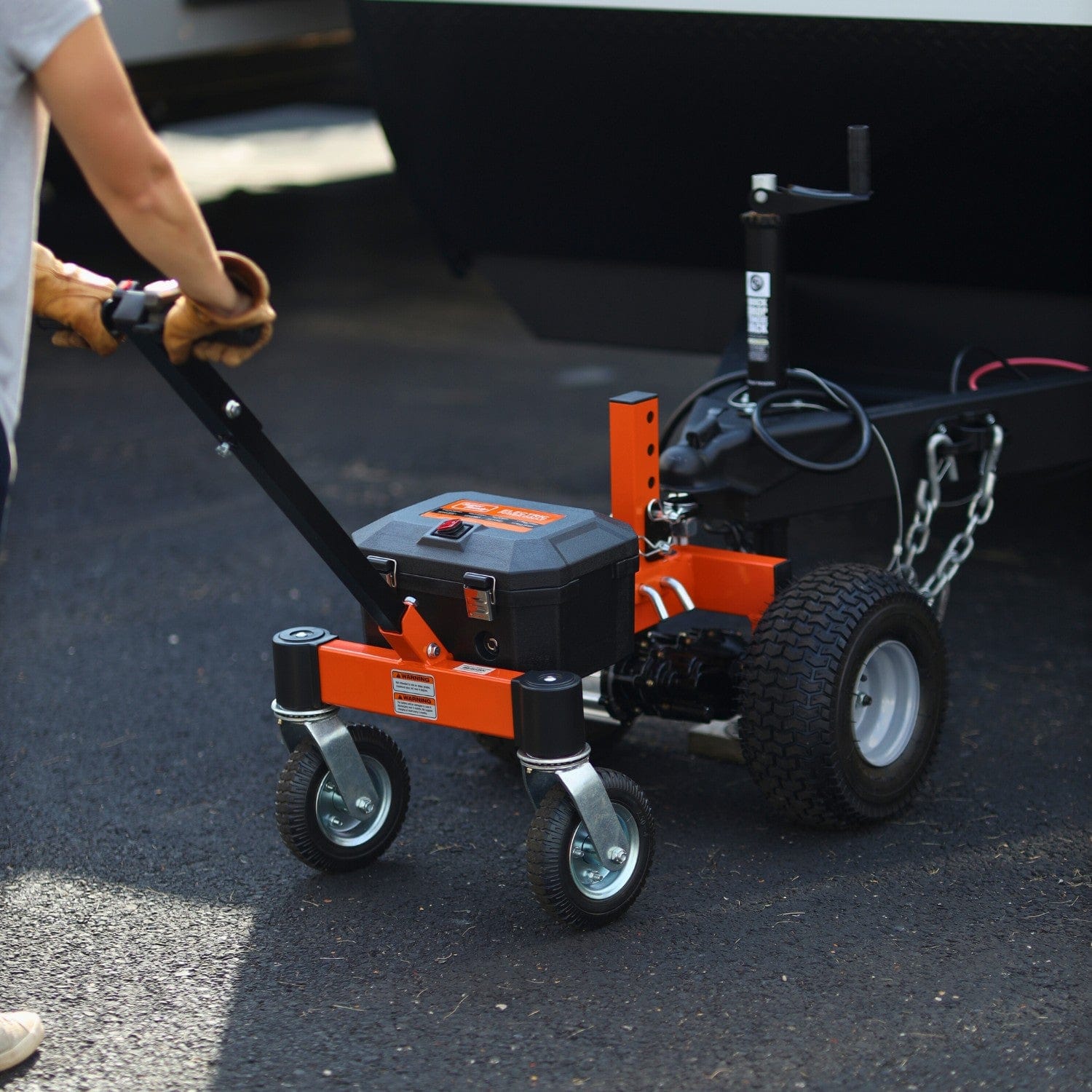
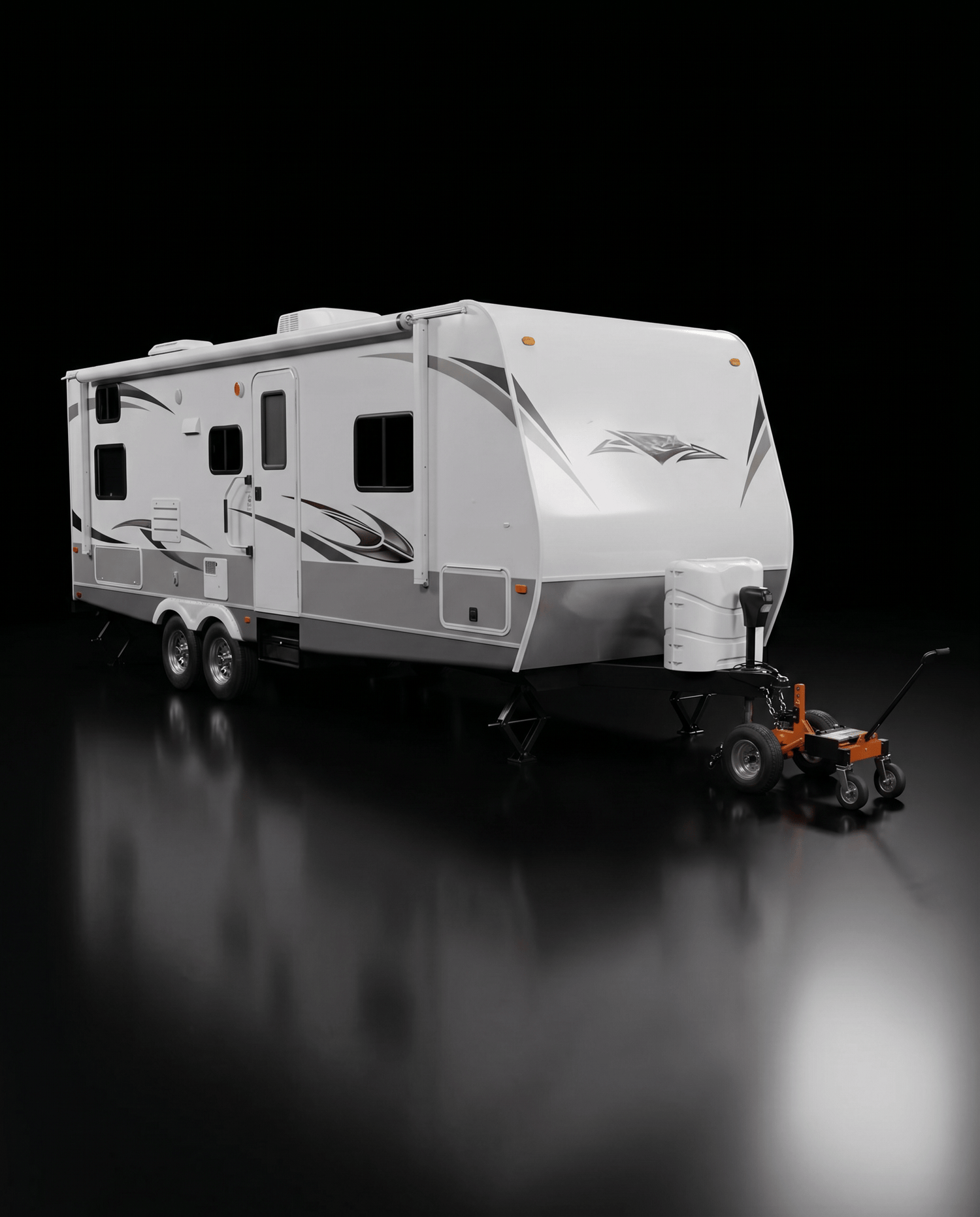
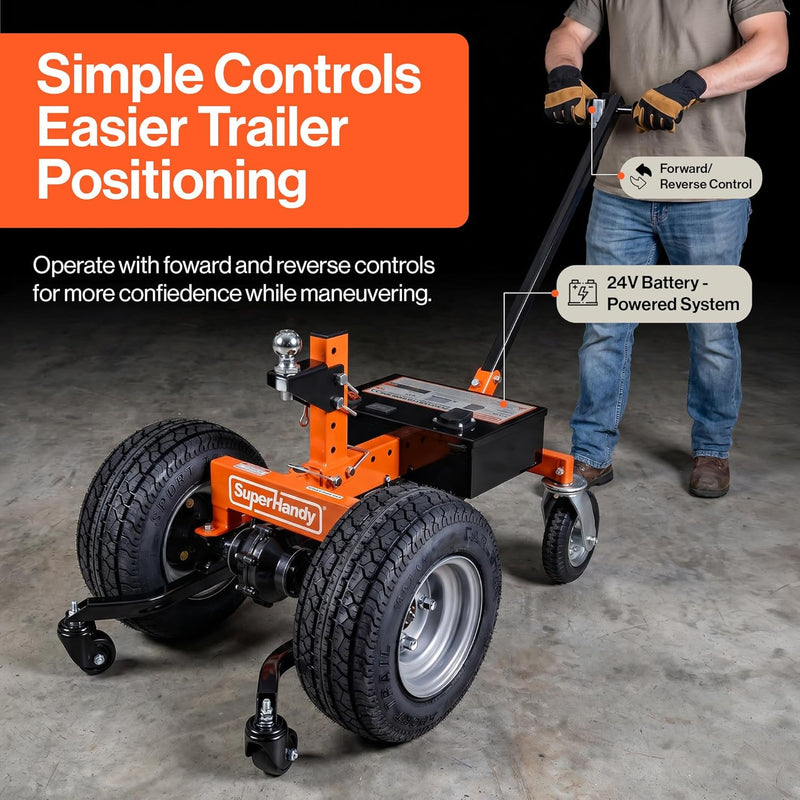
The fundamental benefit of an Electric Trailer Dolly is its ability to grant you precise, powered control over your trailer without being attached to a large tow vehicle. Instead of struggling with brute force or craning your neck to see out of a truck's back window, you can stand beside your trailer with a clear, 360-degree view of your surroundings. With simple forward and reverse controls at your fingertips, you can guide your boat, RV, or utility trailer with inches of precision. This eliminates the physical strain of pushing and pulling, significantly reduces the risk of collision, and turns a two-person shouting match into a quiet, solo task.
Beyond Parking: How a Dolly Revolutionizes RV Storage Solutions
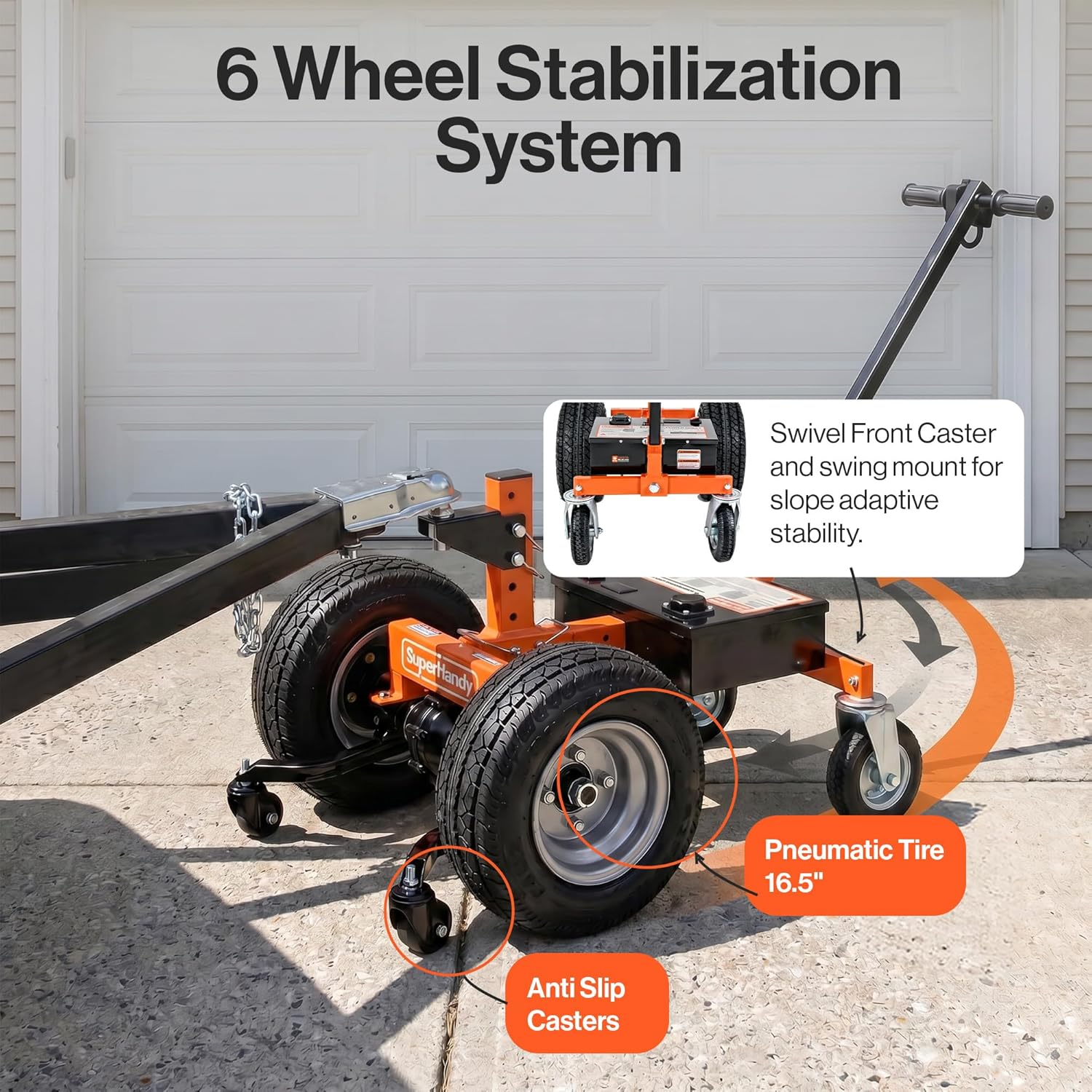
For many trailer owners, storage is the biggest headache. That narrow side yard, tight corner of the backyard, or awkward spot in a storage facility often seems impossible to access with a truck. An Electric Trailer Dolly is the key to reclaiming these unused spaces. Because the dolly has a zero-degree turning radius, you can pivot the trailer on a dime and "thread the needle" into spots that were previously unreachable. This can save you hundreds or even thousands of dollars a year in off-site storage fees by allowing you to securely store your investment on your own property.
Maximizing Your Campsite: Strategic Trailer Placement with a Dolly
Arriving at the perfect campsite only to struggle with backing your trailer into place can sour the start of any vacation. Trees, posts, uneven ground, and neighboring campers can make positioning a nightmare. An Electric Trailer Dolly allows you to unhitch from your vehicle and then perfectly place your trailer. You can easily nudge it forward to reach the hookups, shift it sideways for the best view out your window, or adjust its angle to maximize awning space and privacy. This level of fine-tuning turns "good enough" placement into perfect placement, letting you start relaxing the moment you arrive.
Tackling Tight Spots: Navigating Garages and Driveways with Precision
Getting a boat or utility trailer into a standard residential garage is one of the most challenging maneuvers for any owner. The sharp turn from the driveway and the narrow garage door opening leave zero room for error. Using a trailer dolly gives you the walk-along control needed to navigate these tight quarters with confidence. You can slowly guide the trailer, making micro-adjustments as you go to avoid scraping the sides of your trailer or damaging your home's exterior. It’s the ultimate tool for protecting your valuable assets—both the trailer and the building you’re trying to fit it into.
The Ultimate DIY Assistant: Using Your Dolly for Workshop and Hobby Projects
While its primary job is moving trailers, an electric trailer dolly is a powerhouse of versatility that can become an indispensable tool for your workshop, farm, or hobby space. Think of it as a portable, motorized assistant capable of moving heavy, awkward objects that would otherwise require multiple people and significant physical strain.
Have a heavy workbench on casters that needs to be moved for a deep clean or workshop reconfiguration? Attach a tow ring and let the dolly do the work. The same principle applies to large tool chests, engine stands, or even partially completed projects like a custom boat hull on a small frame. For woodworkers, a dolly can help reposition a large wood slab on a cart. For ranchers and homesteaders, it’s suitable for pulling heavy feed or fertilizer wagons across relatively flat terrain, saving your back and your time. The precise, low-speed control of a dolly makes it far safer and more manageable than trying to use a lawn tractor or ATV for these delicate tasks.
Protecting Your Investment: Preventing Damage During Trailer Movement
Your trailer, boat, or RV is a significant investment, and so is your tow vehicle and property. One of the most overlooked benefits of an Electric Trailer Dolly is its ability to protect all three from costly damage. Maneuvering a trailer with a large truck or SUV creates massive blind spots and requires a wide turning radius, making it easy to misjudge distances. The result? Scraped trailer fenders, dented truck bumpers, damaged garage door frames, and ruts in your lawn. For coverage planning,
An electric trailer dolly eliminates these risks by fundamentally changing how you move your trailer. By standing at the front, you have a clear, 360-degree view of the trailer and all surrounding obstacles. The variable-speed controls allow for slow, deliberate movements, giving you the precision to navigate tight corners and back into a narrow storage space with inch-perfect accuracy. There’s no risk of jackknifing or accidentally accelerating too quickly. This controlled process prevents collisions, scratches, and dents, preserving the value and appearance of your trailer and property.
Choosing the Right Dolly: Key Features for Diverse Trailer Needs
Not all electric trailer dollies are created equal. Selecting the right model is crucial for safety, performance, and longevity. When shopping, prioritize these key features to ensure the dolly you choose is a perfect match for your specific trailer and environment.
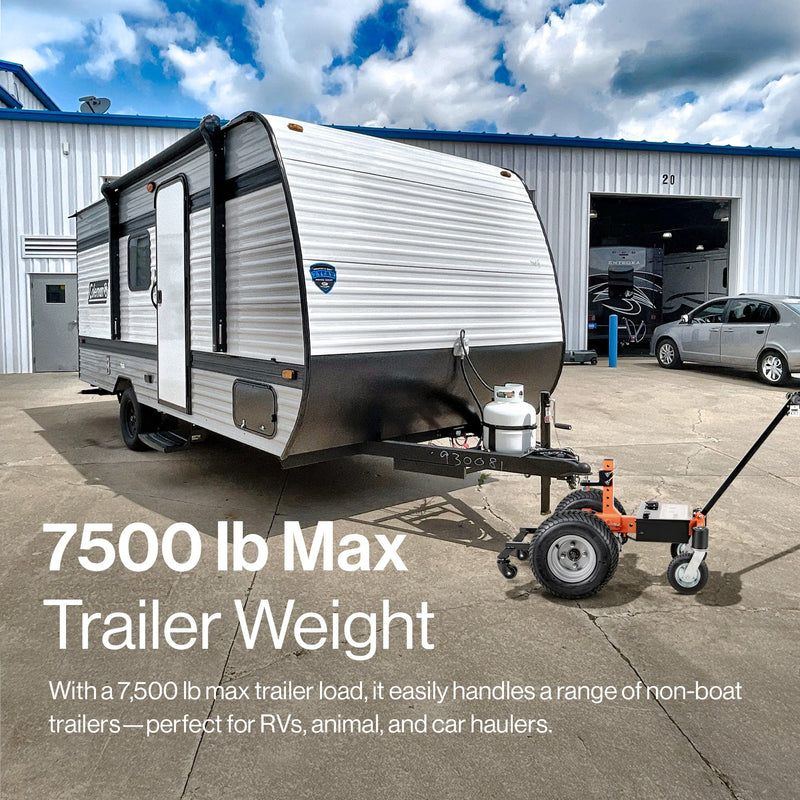
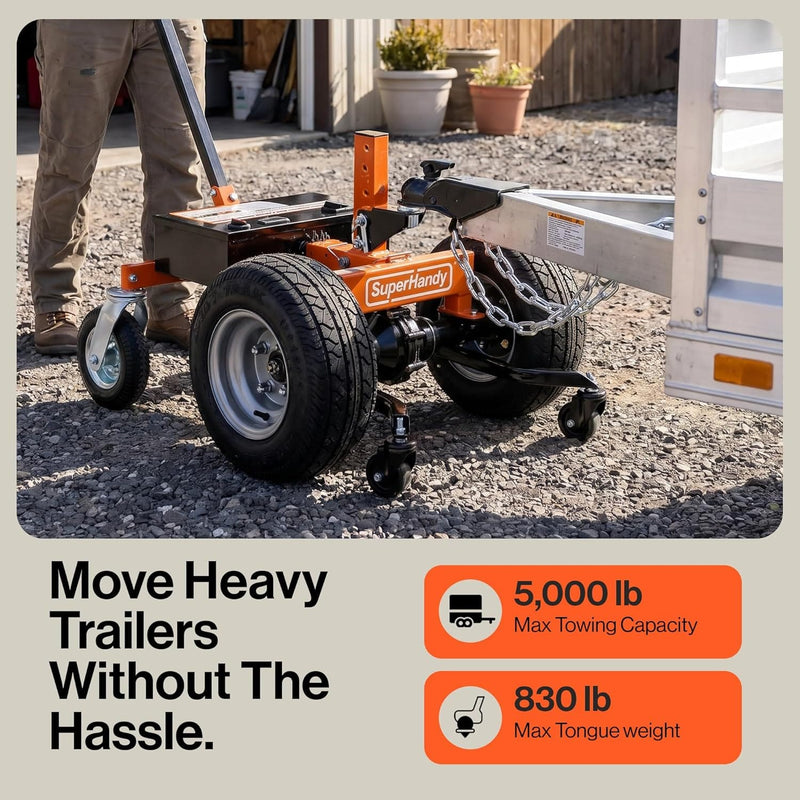
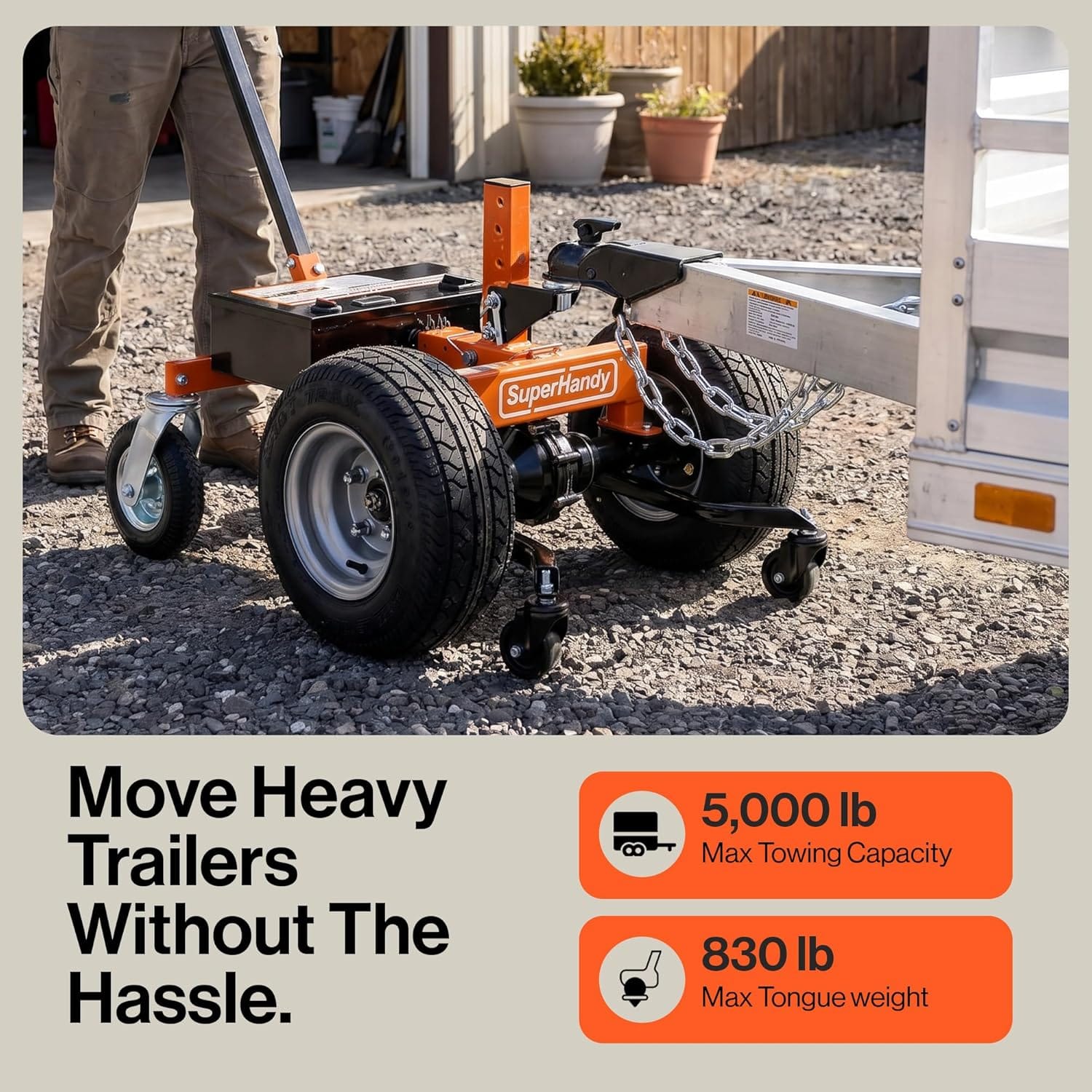
- Towing and Tongue Weight Capacity: This is the most important specification. Your dolly’s maximum towing capacity must exceed your trailer’s Gross Trailer Weight (GTW), and its tongue weight capacity must be able to handle the downward force exerted by the trailer’s coupler. Overloading a dolly is a major safety hazard.
- Hitch Ball Compatibility: Most trailers use a standard hitch ball size, such as 2 inches. Ensure the Electric Trailer Dolly you choose comes with the correct ball size for your coupler, or offers the ability to swap it out. A secure and proper fit is non-negotiable.
- Tires and Traction: Consider the surfaces you’ll be moving across. Large, all-terrain pneumatic tires provide excellent traction on varied surfaces like gravel, grass, and uneven pavement. Solid tires may be suitable for perfectly smooth concrete but lack versatility.
- Control and Safety Features: Look for intuitive forward and reverse controls, variable speed options, and an automatic braking system. An auto-brake engages the moment you release the throttle, preventing the trailer from rolling away on its own—a critical safety feature, especially on slight inclines.

Powering Your Dolly: Battery Life and Charging Considerations
The heart of your electric trailer dolly is its power source. Understanding the battery system helps you maximize performance and extend its life. Most dollies use a set of sealed lead-acid batteries, known for their reliability and power output. The total voltage (typically 24V or 36V) determines the motor's power, directly impacting its ability to move heavy loads.
Battery runtime on a single charge will vary based on the trailer's weight, the terrain's smoothness, and any inclines you need to navigate. However, a quality Electric Trailer Dolly is designed to complete most parking and repositioning tasks with plenty of power to spare. To keep your dolly ready for action, follow best charging practices. Always use the manufacturer-provided charger and avoid letting the battery sit completely discharged for extended periods. After use, it’s good practice to top off the charge. If you’re storing the dolly for the off-season, ensure the battery has a substantial charge and store it in a cool, dry place to maintain its health.
Maintenance Essentials: Keeping Your Electric Dolly in Top Performance
Just like any powerful tool, your electric trailer dolly requires a little TLC to ensure it's always ready for action. Regular maintenance not only extends the life of your dolly but also guarantees its safety and reliability when you need it most. A consistent check-up routine is simple and prevents minor issues from becoming major headaches.
- Battery Health: The power source is paramount. Always follow the manufacturer's charging guidelines. Avoid letting the battery drain completely and don't leave it on the charger indefinitely after it's full. For periods of storage, ensure the battery has a partial charge and is kept in a cool, dry place.
- Tire Inspection: Your dolly's tires bear the load. Regularly check the tire pressure to ensure it matches the recommended PSI. Visually inspect the tread for excessive or uneven wear and check the sidewalls for any cracks or damage.
- Keep It Clean: After a day of moving your trailer through dirt, gravel, or wet grass, take a moment to wipe down your dolly. Keeping the motor housing and drive chain free of debris is crucial for preventing overheating and mechanical jams.
- Hardware Check: The vibrations from moving heavy loads can occasionally loosen nuts and bolts. Before each use, give your Electric Trailer Dolly a quick once-over, tightening any loose hardware to ensure structural integrity.
Troubleshooting Common Dolly Issues: Quick Fixes for Smooth Operation
Even the most dependable equipment can have an off day. If your electric trailer dolly isn’t performing as expected, a few simple checks can often solve the problem without a trip to the repair shop.
-
Issue: The dolly won't power on.
-
Quick Fix: Start with the most common culprit: the battery. Ensure it is fully charged and securely connected to the dolly. Check the main power switch and any safety switches. Lastly, inspect the fuse (if your model has one) to see if it has blown and needs replacing.
-
Issue: The dolly struggles or stops when moving the trailer.
-
Quick Fix: First, confirm that your trailer's gross weight and, more importantly, its tongue weight, are within your dolly's specified capacity. Check the dolly's tire pressure, as low pressure can dramatically reduce its moving power. Also, assess the terrain; trying to move up a steep incline or across very soft ground may exceed the dolly's capabilities.
-
Issue: Movement is jerky or the controls feel unresponsive.
-
Quick Fix: Carefully inspect the wheels and drive mechanism for any rocks, twigs, or other debris that might be causing a jam. Check that the control handle and wiring are securely connected and show no signs of damage.
Real-World Scenarios: Inspiring Uses from Fellow Trailer Owners
The true genius of an Electric Trailer Dolly is seeing how it solves unique problems. Trailer owners are constantly finding new ways to put its precision control to work.
One boat owner shared how he uses his dolly to navigate his 21-foot fishing boat down a narrow side yard, around the corner of his house, and into a tight backyard spot that his truck could never access. It turned a 30-minute, high-stress ordeal into a calm, five-minute task.
Another user, a vintage camper enthusiast, relies on her dolly to move her Airstream shell around her workshop during a full restoration. She can position it perfectly for sanding, polishing, and systems installation without ever having to hook up a tow vehicle, making her solo project much more manageable. These stories highlight how a versatile collection of Electric Trailer Dolly models can empower hobbyists and homeowners alike.
Frequently Asked Questions
How much weight can an electric trailer dolly typically move? This varies widely by model. Smaller, more compact dollies may be rated for gross trailer weights up to 3,500 lbs, while heavy-duty models can handle 12,000 lbs or more. It is critical to check the specific model's gross trailer weight rating and its maximum tongue weight capacity to ensure it matches your trailer.
What is the average battery life of an electric trailer dolly? Battery life is typically measured in continuous run time rather than hours or days. Depending on the model and workload (trailer weight, terrain, incline), you can expect anywhere from 30 to 90 minutes of continuous operation on a full charge. This is usually more than enough time to position a trailer several times.
Are electric trailer dollies suitable for all types of trailers? For the most part, yes. As long as the trailer uses a standard ball-hitch coupler and its weight is within the dolly's capacity, you can move almost any kind. This includes travel trailers, boat trailers, utility trailers, horse trailers, and food carts. Always verify that the dolly's ball size matches your trailer's coupler.
How much weight can an electric trailer dolly typically move?
This is one of the most critical questions when choosing a motorized dolly, and the answer depends on two key ratings: gross trailer weight (GTW) and tongue weight. Gross trailer weight is the total weight of your trailer, including all its contents. Tongue weight, however, is the downward force that the trailer's tongue exerts on the hitch ball. While both numbers are important, the tongue weight capacity is often the limiting factor for the dolly itself, as it bears this load directly. It's crucial to know both of your trailer's weight specifications before you start shopping.
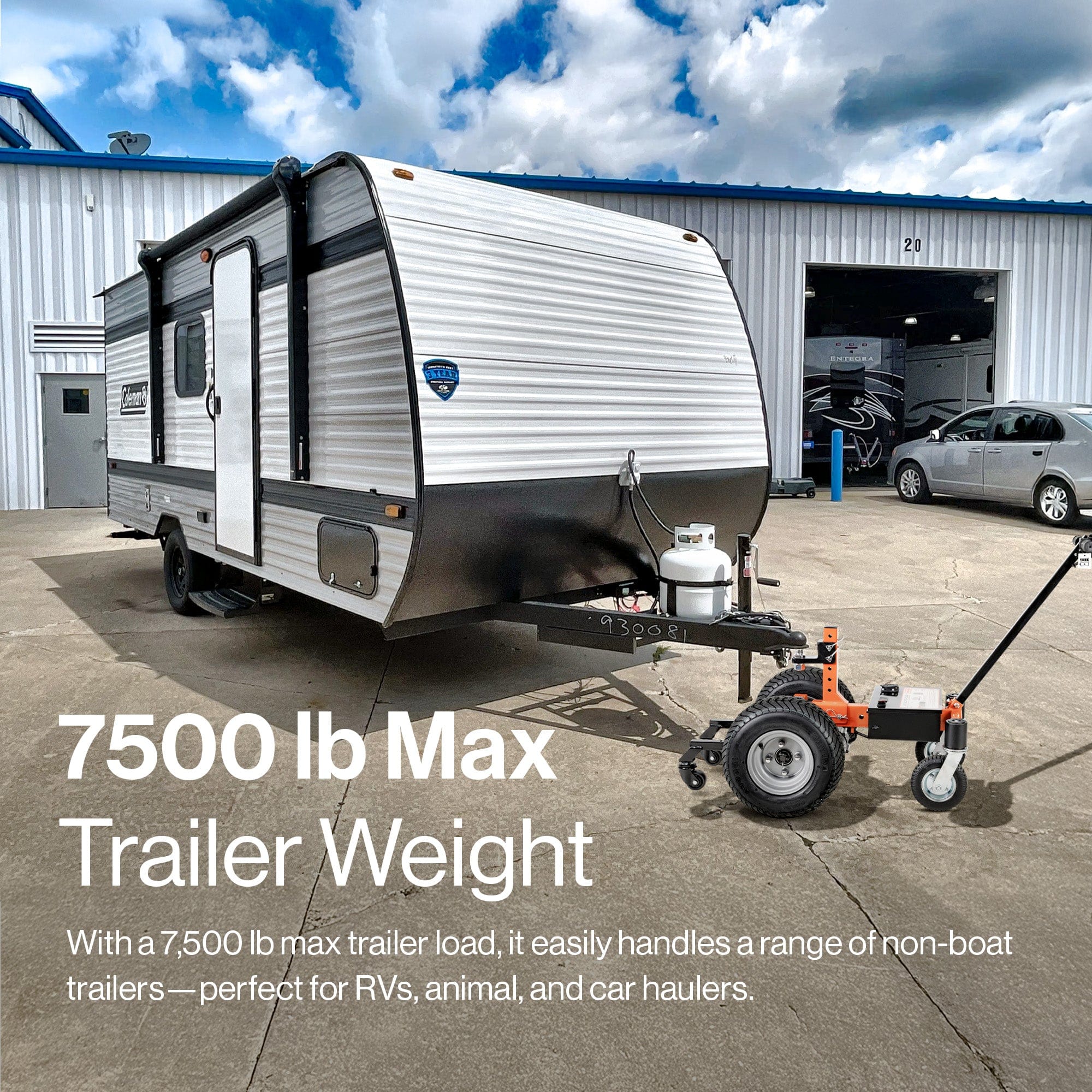
Electric trailer dolly capacities vary widely. Lighter-duty models are often rated for a GTW of around 3,600 to 5,000 pounds, with a corresponding tongue weight capacity of up to 600 pounds. These are suitable for small boat trailers, pop-up campers, and utility trailers. On the other end of the spectrum, heavy-duty units can be true powerhouses, capable of maneuvering trailers with a GTW of 10,000 pounds, 12,000 pounds, or even more. For example, a robust Electric Trailer Dolly can make short work of positioning larger travel trailers or heavy-duty work trailers without breaking a sweat.
It’s also vital to consider the terrain. A dolly's maximum weight rating is typically calculated for operation on a flat, hard, and level surface like concrete or asphalt. If you plan to move your trailer across grass, gravel, or up a slight incline, the dolly's effective capacity will be reduced. The motor has to work harder to overcome the resistance and gravity. As a rule of thumb, always choose a dolly with a maximum capacity that comfortably exceeds your trailer's fully loaded weight to ensure a safe and stress-free experience.
What is the average battery life of an electric trailer dolly?
Unlike your smartphone, the battery life of an electric trailer dolly isn't measured in simple hours of standby time. Instead, it's defined by its operational runtime under load. This can vary significantly based on several factors, making a single "average" difficult to pinpoint. The primary factor is the trailer's weight; a heavier load demands more power from the motor, draining the battery more quickly than a lighter one.
Other conditions also play a major role. Navigating up an incline, rolling over soft ground like grass or dirt, or frequent stop-and-go maneuvering will consume more energy than a smooth, continuous pull across a level paved driveway. Temperature can also impact performance, with cold weather sometimes reducing a battery's efficiency. Generally, you can expect most dollies to provide between 30 and 60 minutes of continuous movement on a full charge, which is more than enough time for multiple repositioning tasks around your property. When browsing our comprehensive collection of Electric Trailer Dolly models, you'll find that they are equipped with reliable power sources, typically sealed lead-acid (SLA) batteries, designed to provide consistent torque. For air travel, FAA PackSafe lists battery and handling rules for wheelchairs and mobility devices.
To get the most out of your dolly's battery, proper care is essential. Most models come with an integrated or external charger, and it's good practice to recharge the unit after each significant use. For long-term storage, especially during the off-season, be sure to follow the manufacturer's recommendations for charging cycles. Keeping the battery properly maintained will not only ensure it's ready to go when you need it but will also extend its overall lifespan, protecting your investment for years to come.
Are electric trailer dollies suitable for all types of trailers?
For the vast majority of common "bumper-pull" trailers, the answer is a resounding yes. An electric trailer dolly is a versatile tool designed to work with any trailer that uses a standard ball-mount coupler. These couplers come in common sizes like 2-inch and 2-5/16-inch, and most dollies include a compatible ball mount that can often be swapped out to match your trailer's specific needs. This makes them an ideal solution for a wide array of personal and commercial trailers.
The list of compatible trailers is long and varied. A dolly can effortlessly handle:
- Travel trailers and campers
- Boat trailers
- Utility and cargo trailers
- Landscaping trailers
- Horse trailers
- Small to mid-sized concession or food trailers
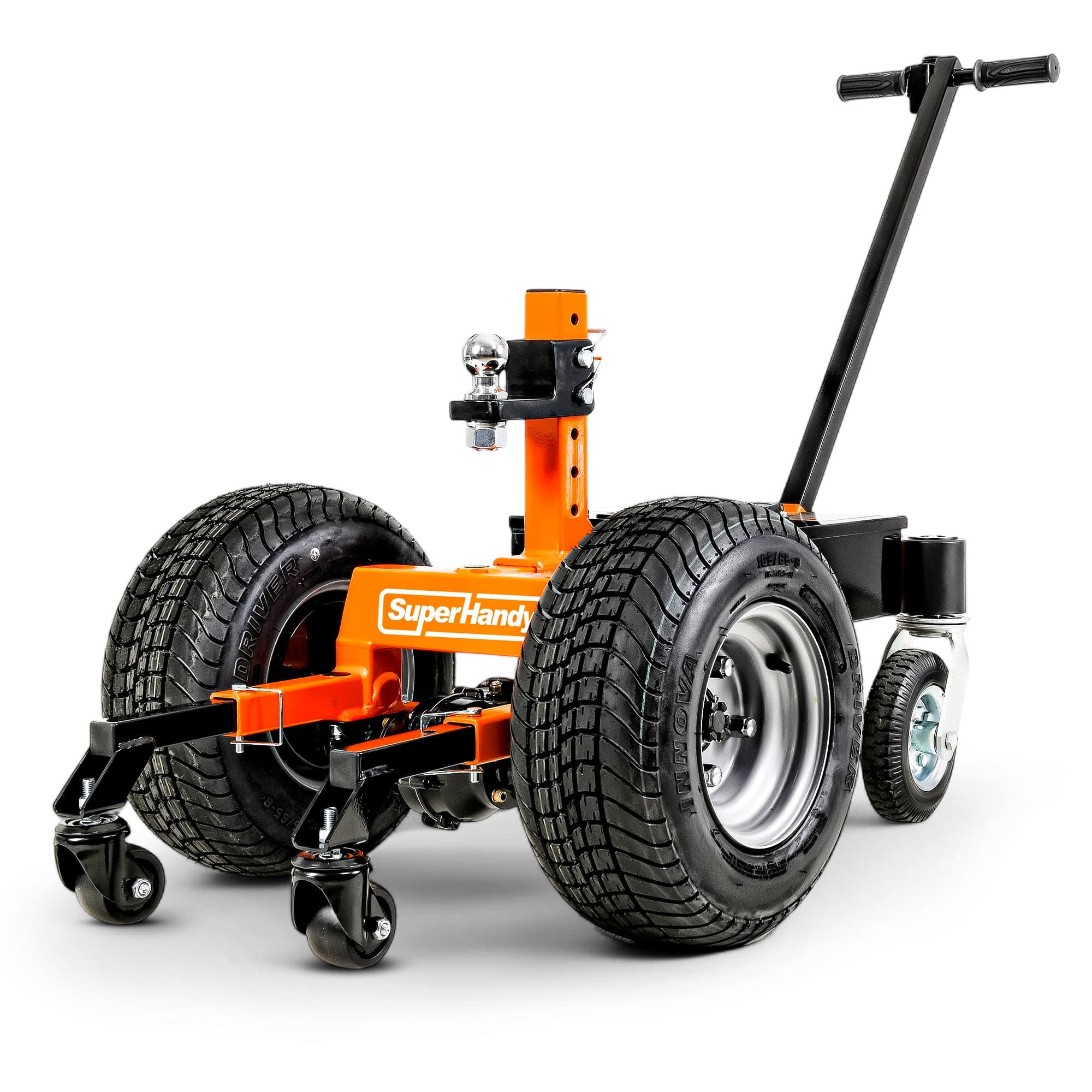
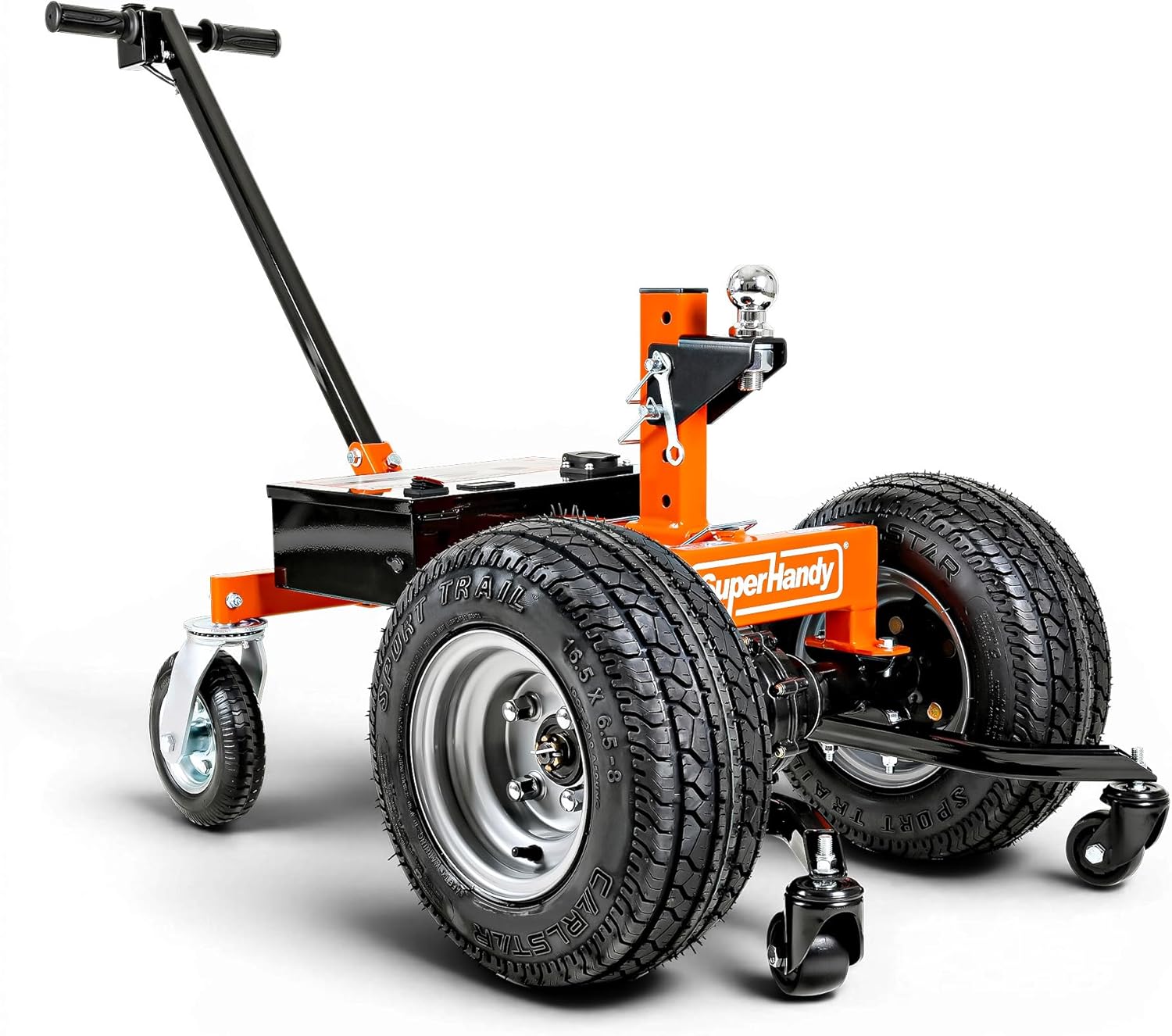
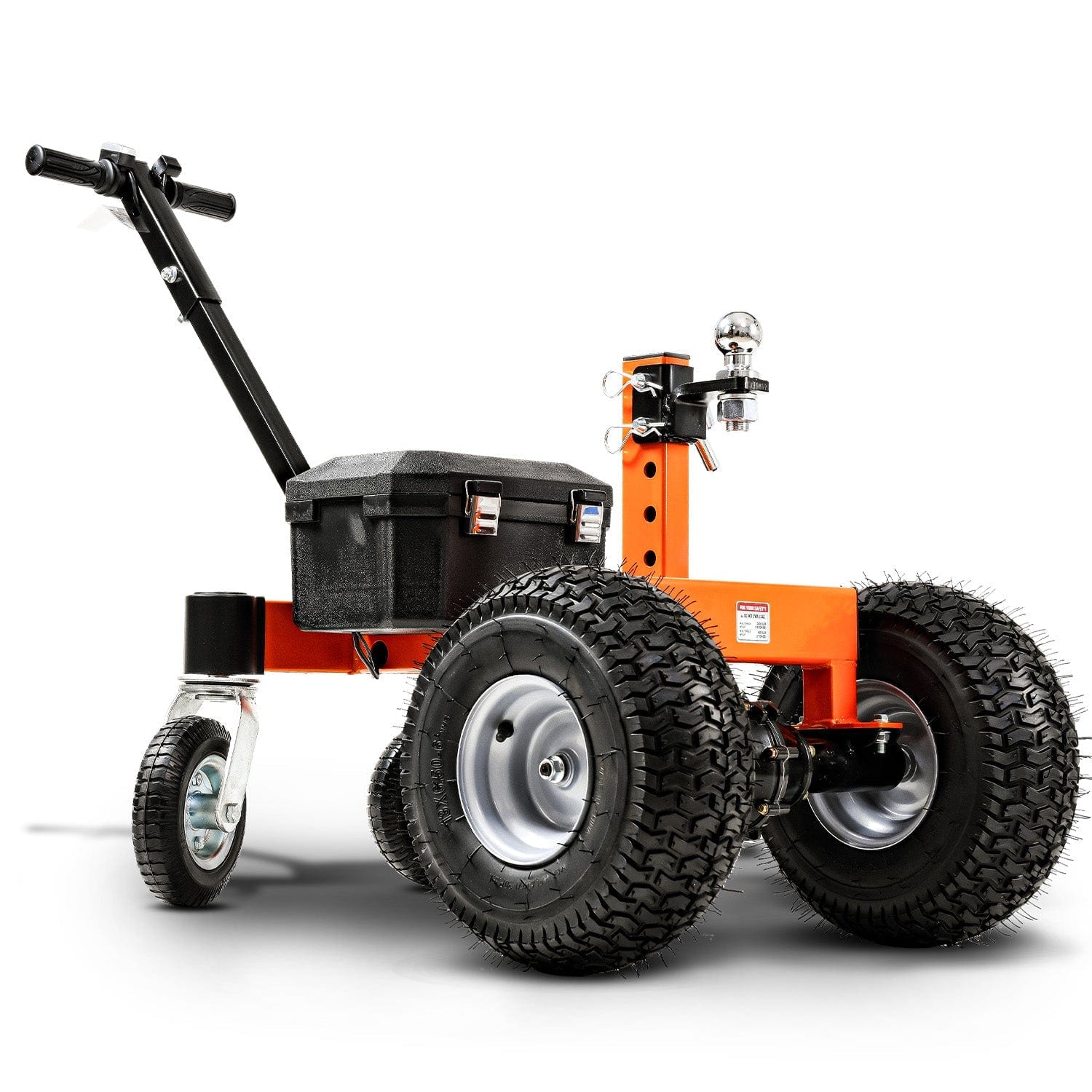
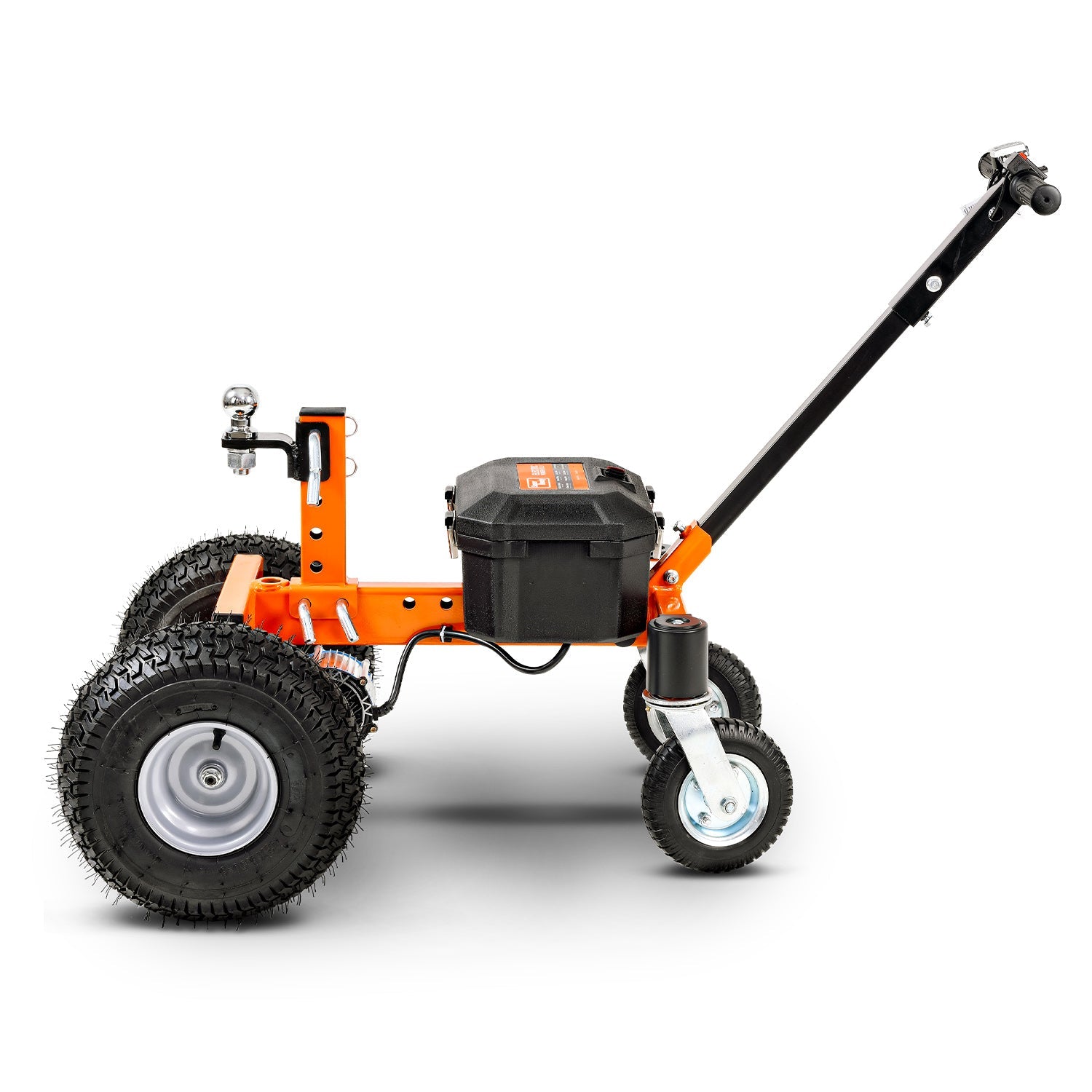
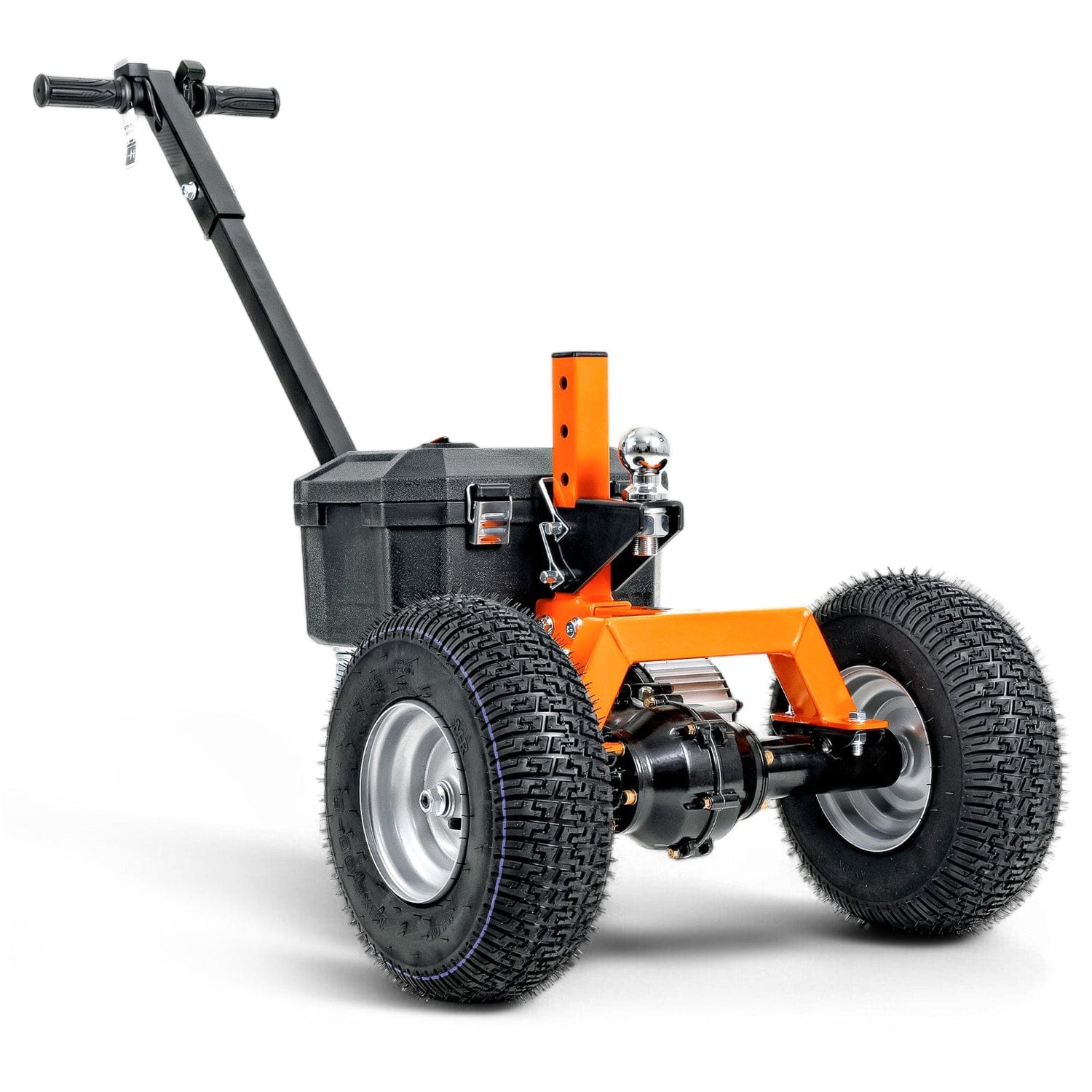
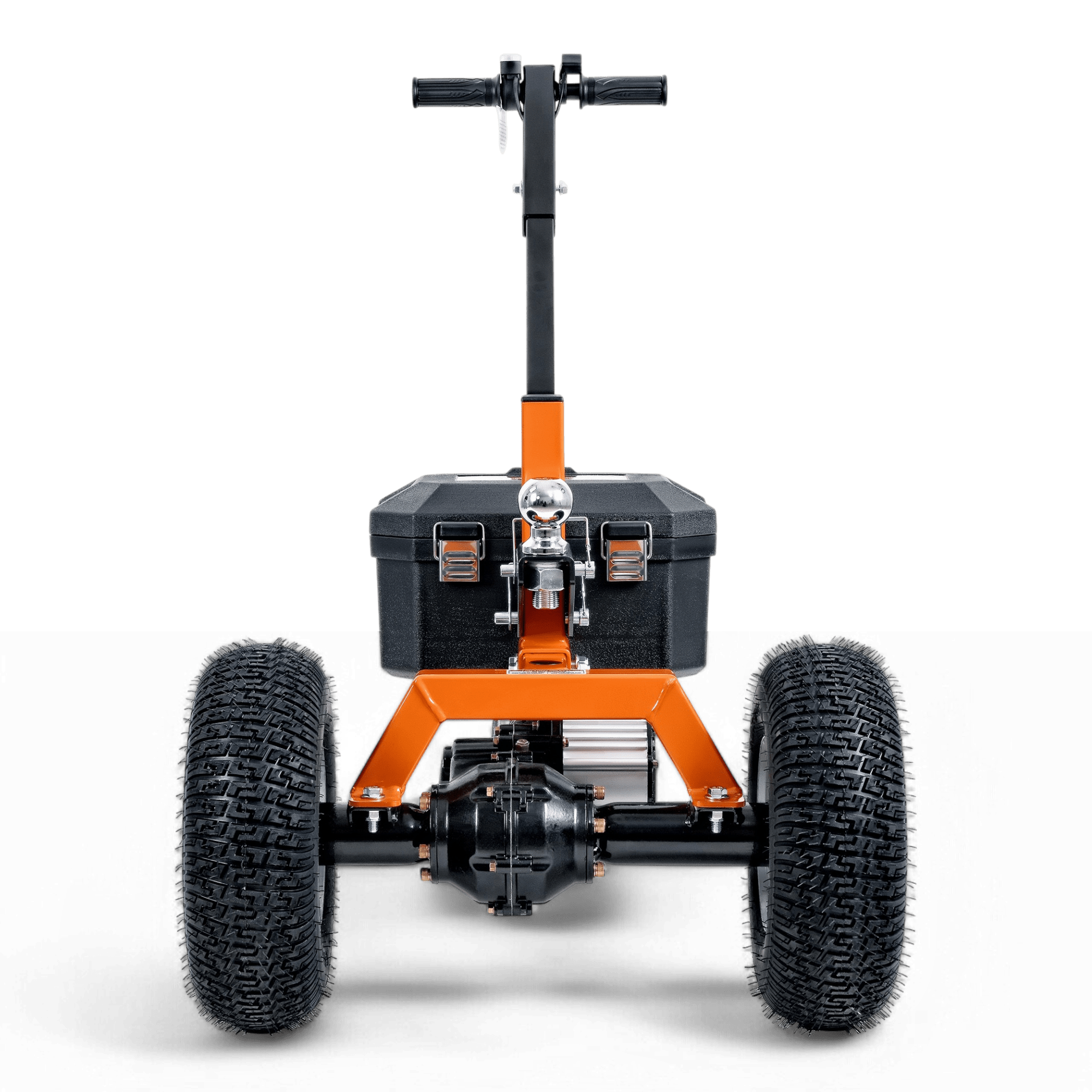
This versatility is a key advantage. For instance, the SuperHandy Electric Trailer Dolly is a powerful and adaptable choice for anyone who needs to precisely park their fishing boat in the garage.
Related Products


Leave a comment
All comments are moderated before being published.
This site is protected by hCaptcha and the hCaptcha Privacy Policy and Terms of Service apply.