










Why Log Splitter Specifications Matter for Your Wood Splitting Needs
Choosing the right wood splitter can feel overwhelming with all the numbers and terms involved. However, understanding these specifications is the key to finding a machine that perfectly matches your needs. The right specs ensure you can work efficiently and safely, without the frustration of an underpowered tool or the unnecessary expense of an overly powerful one. By decoding the numbers, you can confidently select from the available Log Splitters and get a machine that will serve you well for years to come.
Decoding Tonnage: How Much Splitting Power Do You Actually Require?
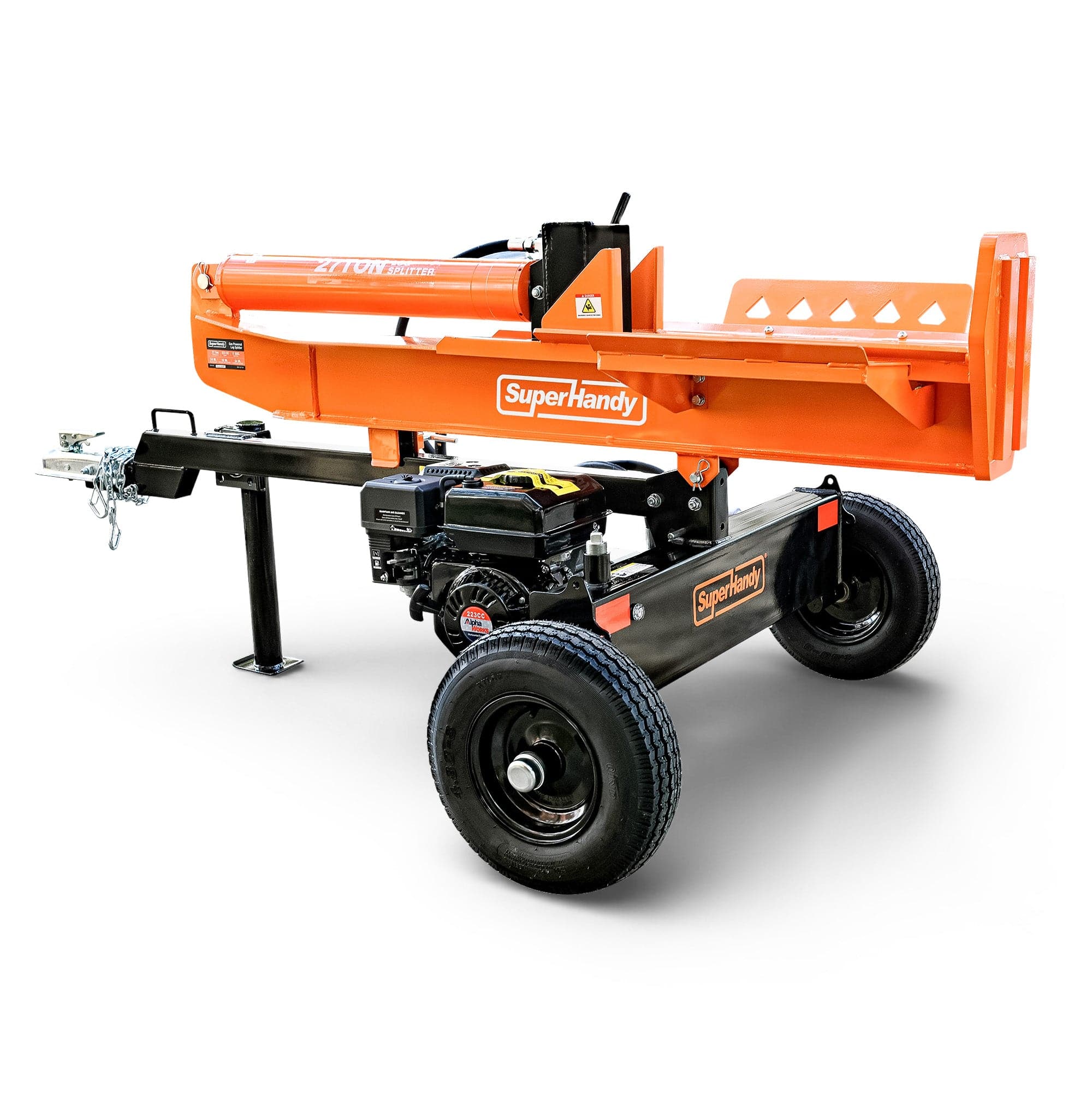
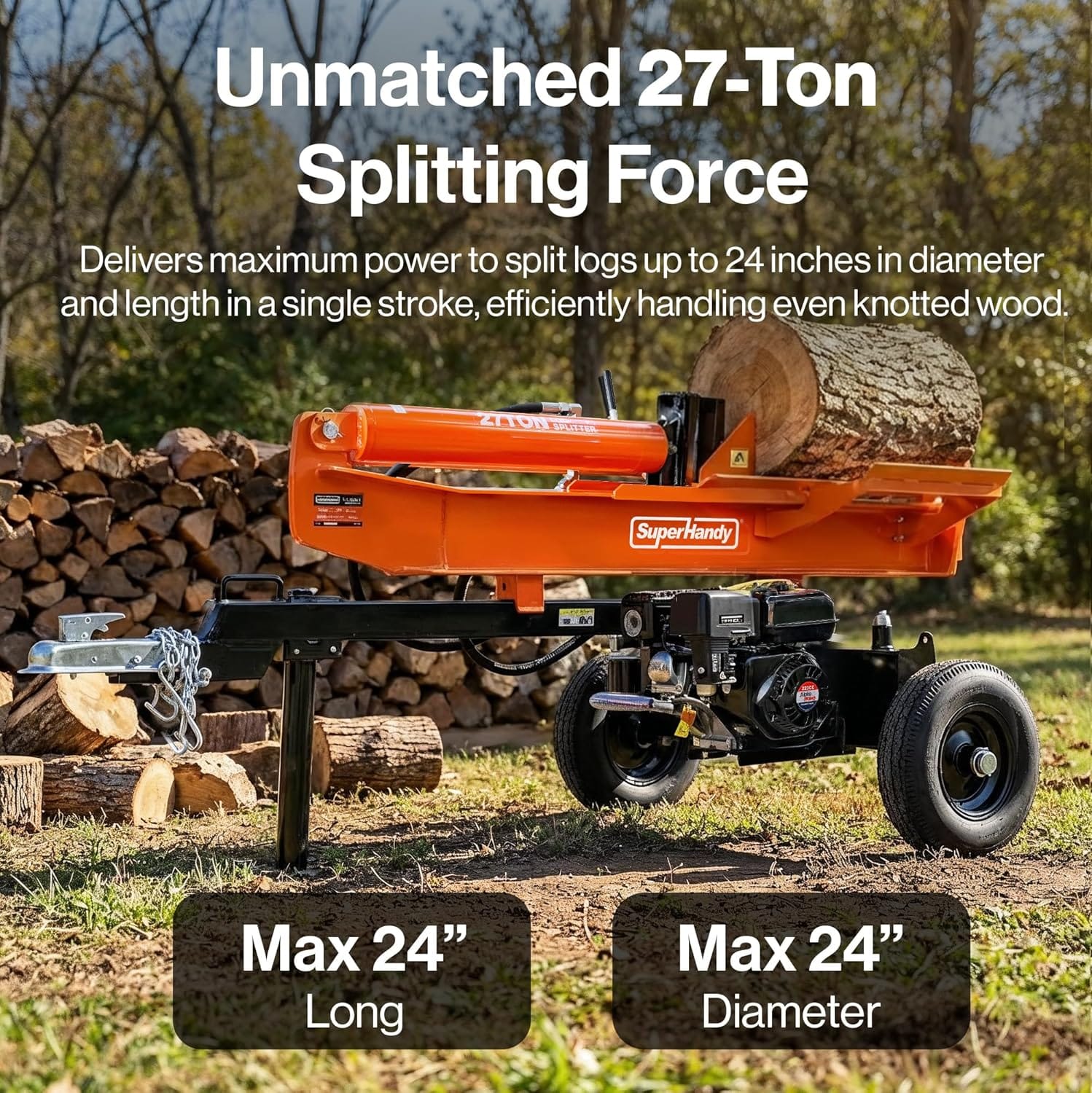
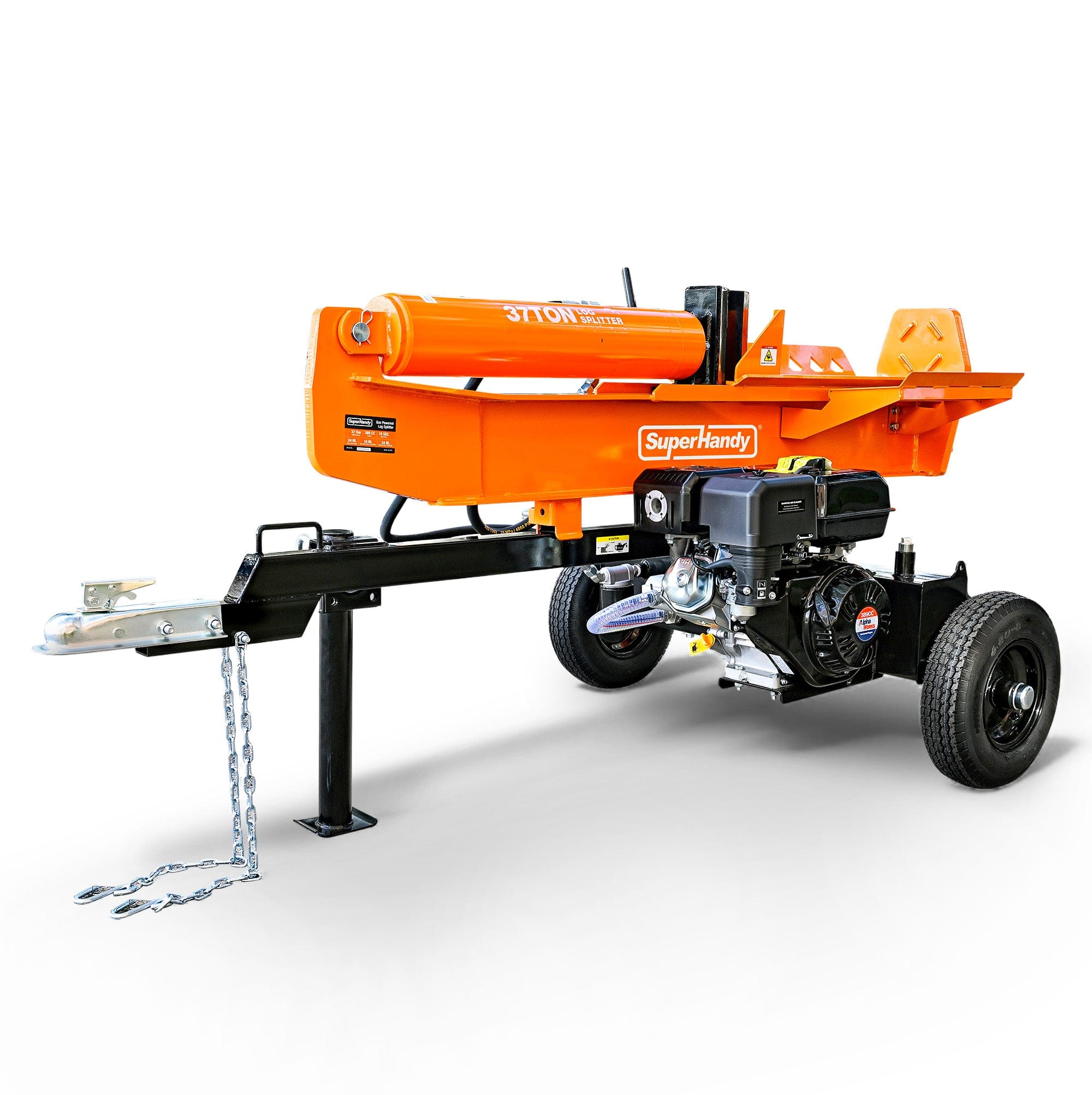
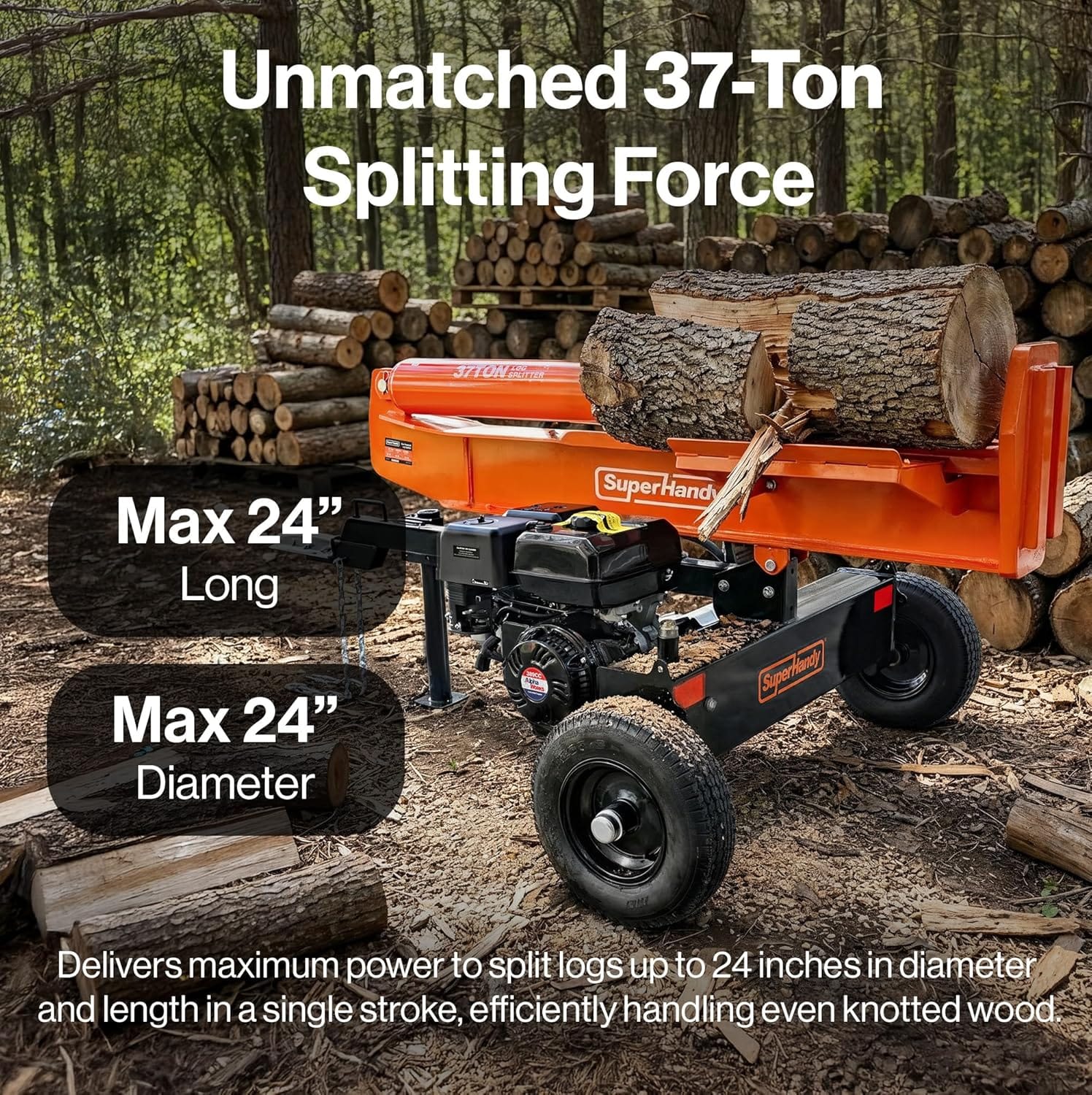
Tonnage is the single most-cited specification, representing the amount of splitting force the machine can exert. The tonnage you need depends on the type and condition of the wood you'll be splitting. For smaller, seasoned softwoods like pine, a 5- to 10-ton electric log splitter is often sufficient. However, for larger, green, or knotty hardwoods like oak or hickory, you'll need more power. As a general rule, a 20-ton or higher rating is recommended for handling tougher logs. According to the University of New Hampshire Extension, the larger and greener the wood, the more tonnage you will need to split it effectively.
Log Diameter and Length Capacity: Will It Handle Your Wood?
Beyond power, you must ensure the logs you want to split will physically fit in the machine. Log capacity is defined by two key measurements: maximum log diameter and maximum log length. Before you buy, measure the typical size of the rounds you work with. If you regularly split 20-inch long logs, a splitter with a 19-inch capacity won't work. While you can often split logs wider than the stated diameter, it may require multiple passes and more effort.
Understanding Cycle Time: How Fast Can You Split Wood?
Cycle time measures the speed of the machine, specifically how long it takes for the ram to extend and split the log, then fully retract. This is usually measured in seconds. A shorter cycle time—say, 10-15 seconds—means you can process more wood in less time. While a few seconds might not seem like much, it adds up significantly when you have a large pile of logs to get through. For high-volume splitting, a fast cycle time is a crucial feature for maximizing productivity.
Engine Power (HP/CC) vs. Electric Motor (Amps/Watts): What's the Difference for Splitting?
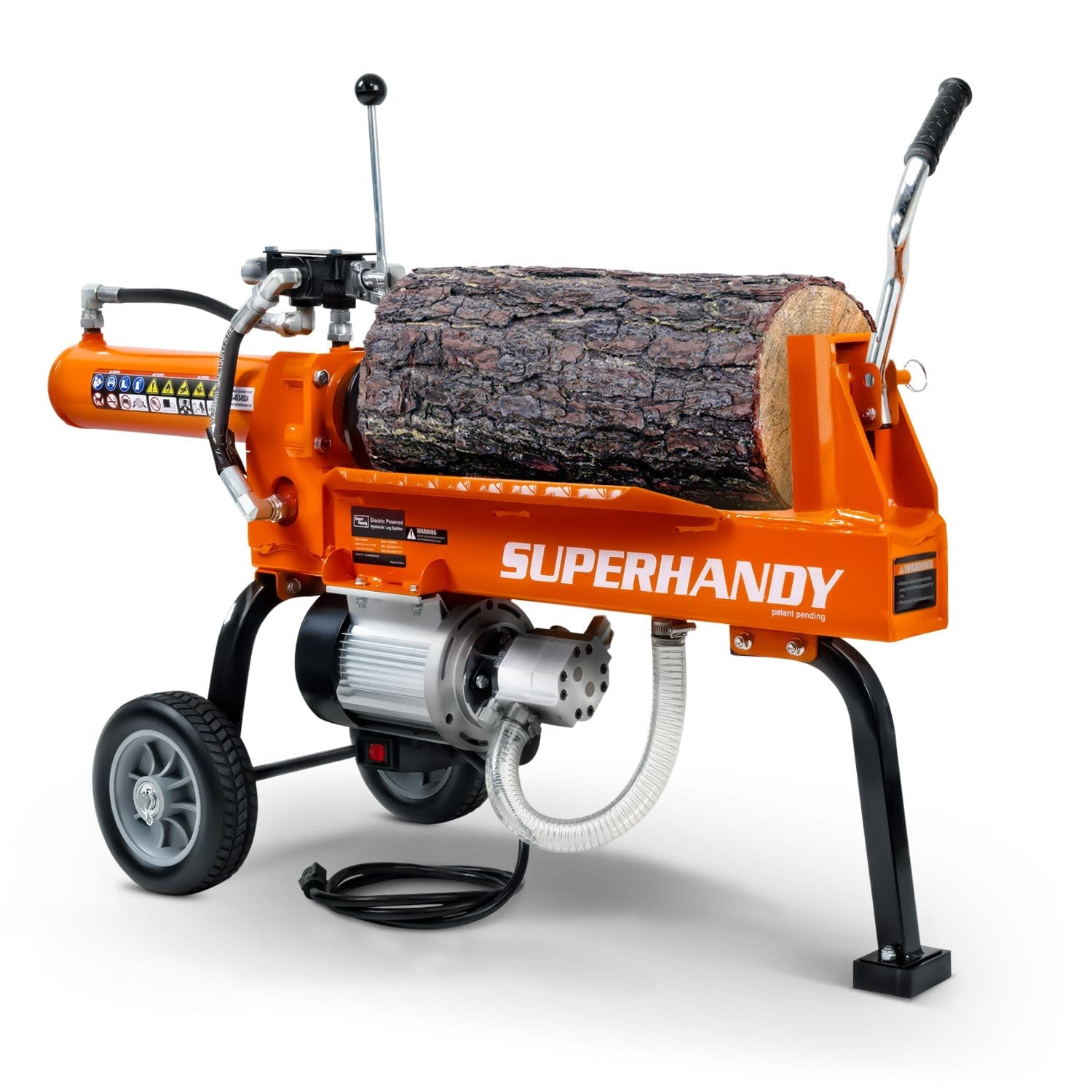
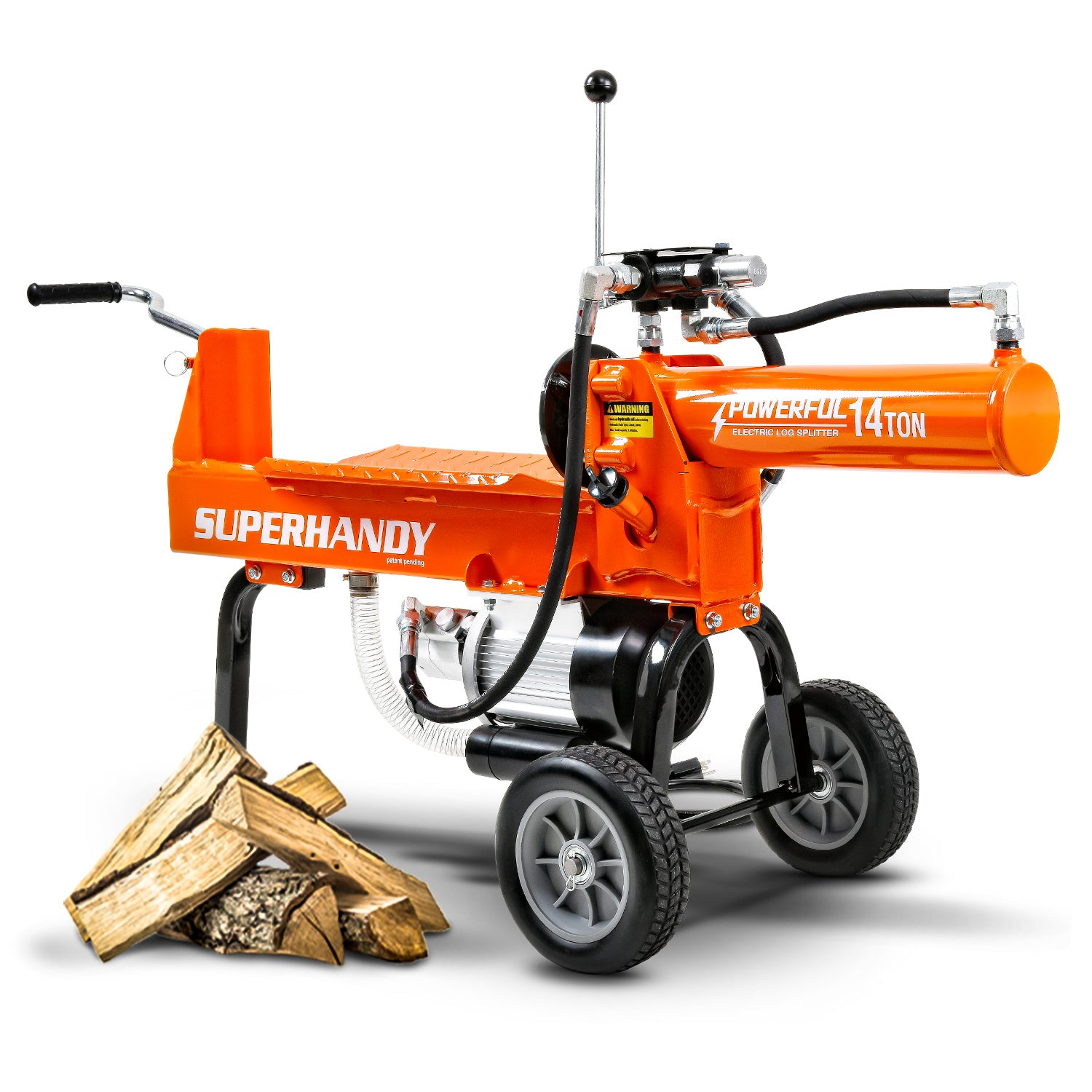
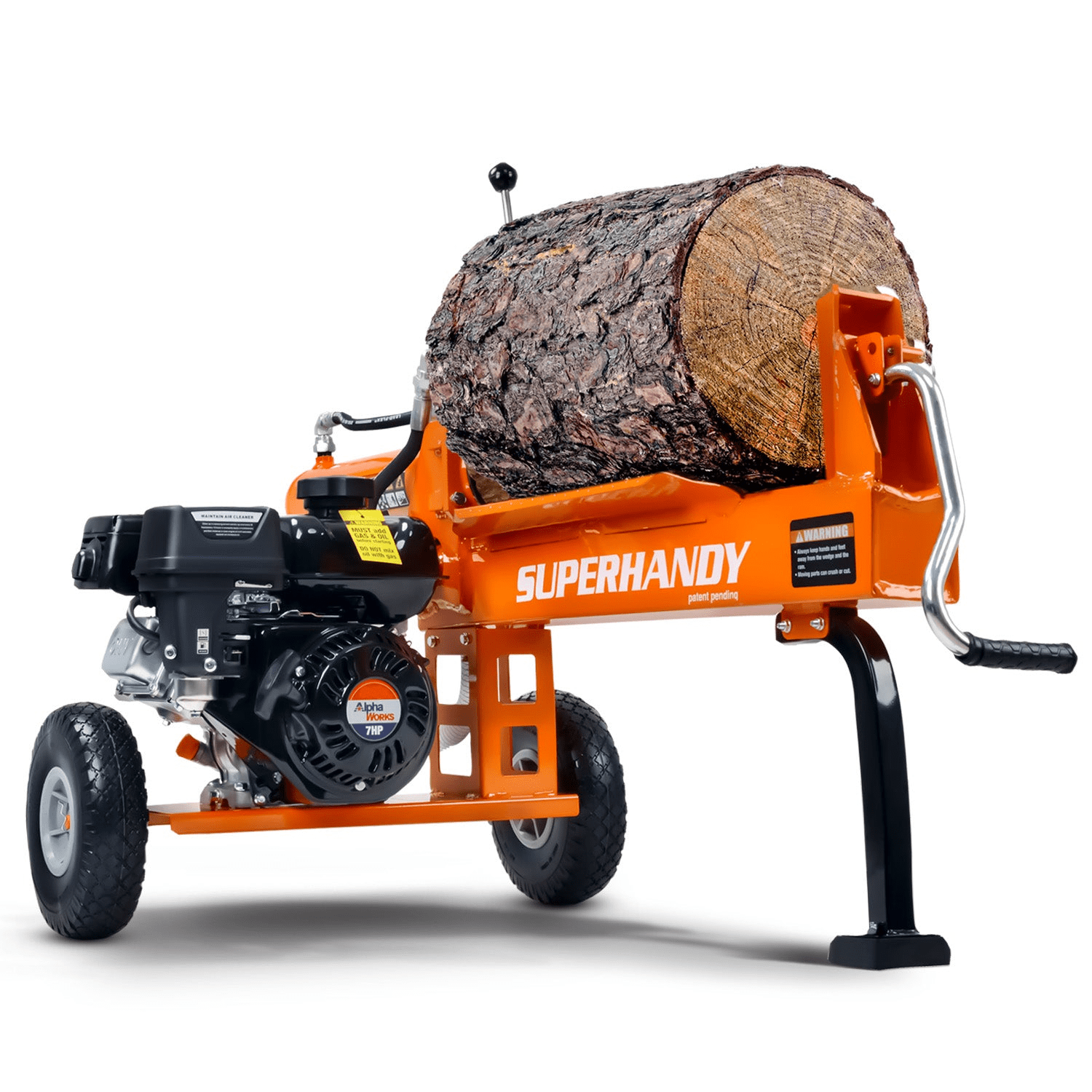
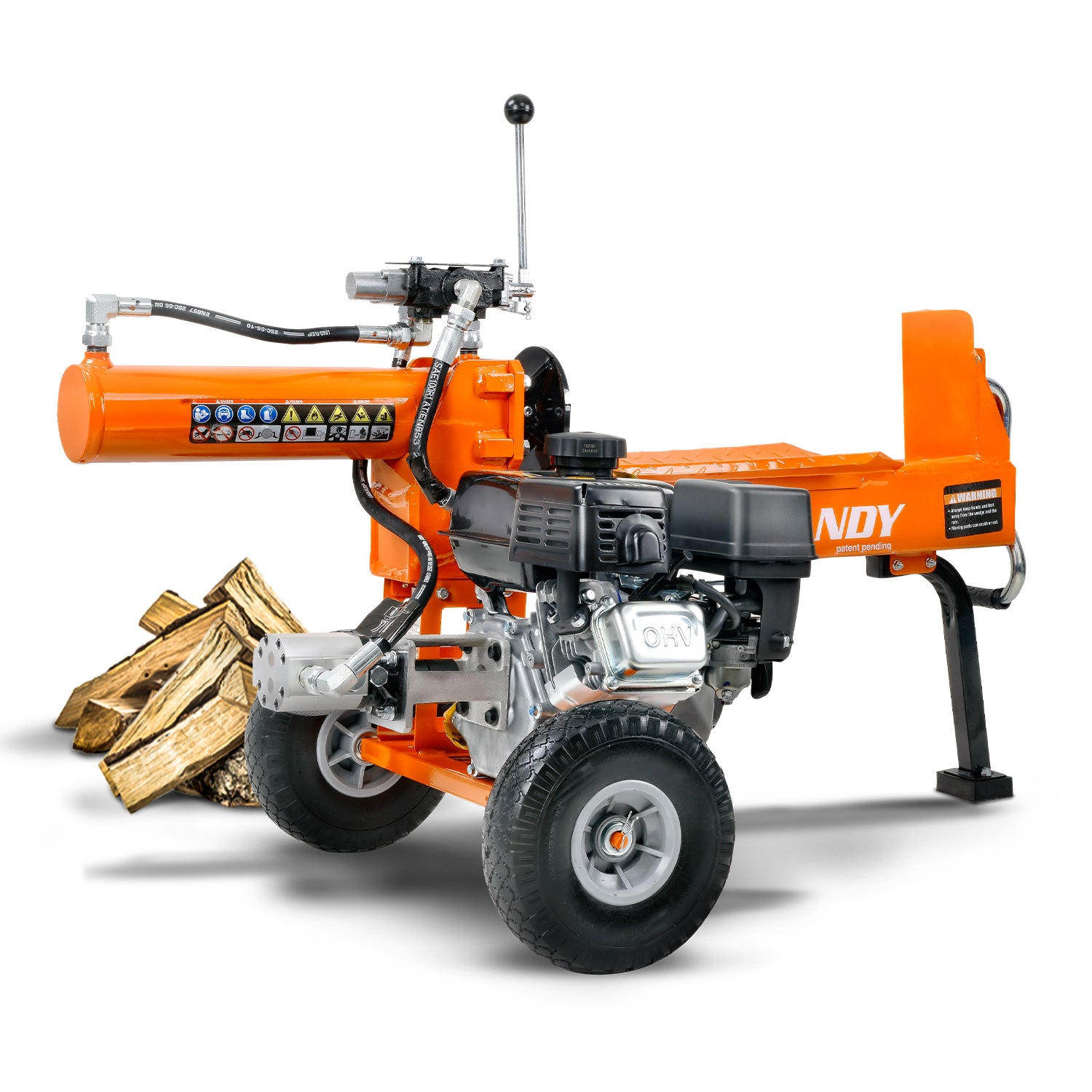
The engine or motor is the heart of your wood splitter, driving the hydraulic pump that creates splitting force. Gas-powered models are rated in Horsepower (HP) and engine displacement (Cubic Centimeters, or CC), offering robust power for tackling large, tough, or green hardwood. They provide complete portability, untethered from outlets. In contrast, an electric log splitter is rated in Amperage (Amps) or Watts. These units are quieter, produce no exhaust fumes—making them ideal for use in garages or near your home—and require less maintenance. While typically less powerful than their gas counterparts, they offer ample force for most residential firewood needs.
Vertical vs. Horizontal Log Splitters: Which Orientation Suits Your Workflow?
This choice comes down to ergonomics and the size of wood you're splitting.
- Horizontal: The most common orientation. You lift a log onto the beam to be split. This is efficient for smaller, manageable rounds that you can lift comfortably.
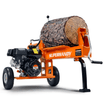
- Vertical: Ideal for large, heavy logs you can't easily lift. You simply roll the round onto the base plate and split it vertically, saving your back from heavy strain. Many modern splitters are convertible, allowing you to switch between vertical and horizontal operation, offering the ultimate flexibility for any splitting task.

Manual vs. Automatic Return: Does it Affect Splitting Efficiency?
Yes, this feature directly impacts how fast you can work. With a manual return, the operator must hold the control lever in the reverse position to retract the splitting wedge. An automatic return cylinder, however, automatically retracts the wedge to its starting position as soon as you release the lever. This small difference has a huge effect on efficiency, as it frees your hands to immediately position the next log, significantly reducing your overall cycle time and increasing the amount of wood you can split per hour.
Hydraulic System Insights: Fluid Capacity and Pump Type Explained
A log splitter's performance is defined by its hydraulic system. Fluid capacity, measured in gallons, tells you how much hydraulic oil the reservoir holds. A larger capacity helps the system run cooler during extended use, protecting components from wear. The pump type is also critical. While basic models may use a single-stage pump, most high-performance gas Log Splitters use a two-stage pump. This smart design delivers high fluid flow at low pressure to move the wedge quickly, then automatically switches to low flow at high pressure to power through tough wood, optimizing both speed and force.
Fuel Type Considerations: Gas, Electric, or PTO-Driven?
The power source of your Log Splitters dictates its performance and where you can use it.
- Gas-powered splitters offer maximum power and portability, making them ideal for large properties or remote areas without electricity. They can handle tougher, larger logs but are louder and produce exhaust fumes.
- An electric log splitter is a quieter, emission-free alternative perfect for residential use in garages or workshops. While typically less powerful than gas models, they are convenient, easy to start, and require less maintenance.
- PTO (Power Take-Off) splitters attach to a tractor's hydraulic system. They are incredibly powerful and suited for agricultural or large-scale firewood processing, but require a compatible tractor to operate.
Portability and Weight: Moving Your Log Splitter Around the Property
Consider how you’ll move your wood splitter. Compact electric models are often light enough to be carried. Larger, more powerful gas splitters are significantly heavier but usually come equipped with features for portability. Look for sturdy, large-diameter wheels that can handle uneven terrain and a tow hitch for moving the splitter with an ATV or lawn tractor. The overall weight often correlates with the machine's power and durability, so balance your need for mobility with the toughness required for your splitting tasks.
Durability and Build Materials: What to Look for in a Long-Lasting Splitter
A log splitter's longevity depends on its construction. Prioritize models built with a heavy-gauge, welded steel frame that can withstand the immense pressure of splitting. The splitting wedge should be made of hardened steel to maintain its edge and resist chipping. Also, check for quality components like cast-iron pump mounts and durable hydraulic hoses. A powder-coated finish provides an extra layer of protection against rust and corrosion, keeping your investment in good shape for years.
Safety Features: Essential Considerations for Safe Operation
Safe operation should be a top priority. A critical safety feature on modern log splitters is the two-handed control system. This design requires you to use both hands to engage the hydraulic ram, ensuring your hands are safely away from the splitting area during operation. According to Penn State Extension, this feature significantly reduces the risk of injury. Other important features include log cradles or trays that prevent split logs from falling on your feet and an automatic return valve that retracts the ram once you release the controls.
Frequently Asked Questions About Log Splitter Specifications
What's the most important spec when choosing a wood splitter?
Tonnage is arguably the most crucial specification. It measures the amount of force the machine can exert and directly impacts the size and type of wood you can split. While a 5-ton electric log splitter is perfect for small, seasoned rounds, you'll need 20 tons or more for large, green hardwood. Always consider the toughest wood you plan to split when evaluating tonnage.

Is a faster cycle time always better?
Not necessarily. Cycle time measures how long it takes the ram to split a log and return to its starting position. While a fast time (under 10 seconds) is great for commercial output, it's not essential for most homeowners. A cycle time between 13-18 seconds is very efficient for typical residential use and can even be a bit safer, giving you more time to position the next log.
Can I split a log that's wider than the splitter's rated diameter?
While technically possible with straight-grained, seasoned wood, it's not recommended. The rated log diameter is a guideline for optimal performance and safety. Trying to split oversized, knotted, or particularly tough hardwood can over-stress the machine's frame and hydraulic system, leading to premature wear or damage. It's always best to work within the manufacturer's stated capacity. Explore our full range of Log Splitters to find the right capacity for your needs.
Related Products


Leave a comment
All comments are moderated before being published.
This site is protected by hCaptcha and the hCaptcha Privacy Policy and Terms of Service apply.