












Understanding the Evolution of Wood Chipping: From Basic Tools to Advanced Machines
The concept of breaking down wood into smaller, manageable pieces is as old as land management itself. For millennia, this was a labor-intensive task accomplished with axes and handsaws. The industrial revolution introduced the first mechanical wood chipper in the early 20th century, a revolutionary device that used a powered flywheel and blades to process wood far faster than any manual method. These early machines were large, stationary, and primarily for industrial use. Over the decades, the technology was refined and scaled down, leading to the development of powerful, engine-driven models. This progression has made high-performance chipping accessible not just to commercial operations but also to homeowners and small-scale farmers, with modern compact units like the Mini wood chipper embodying this evolution.
The Core Advantages of Gas-Powered Chippers in Today's Market
While electric and PTO models have their place, the gas wood chipper continues to dominate the market for several key reasons. First and foremost is raw power. Gas engines deliver the high torque necessary to break down thick, hardwood branches that would stall less powerful machines. Models designed to handle substantial jobs, like a 4inch wood chipper, rely on this robust power to deliver consistent performance.
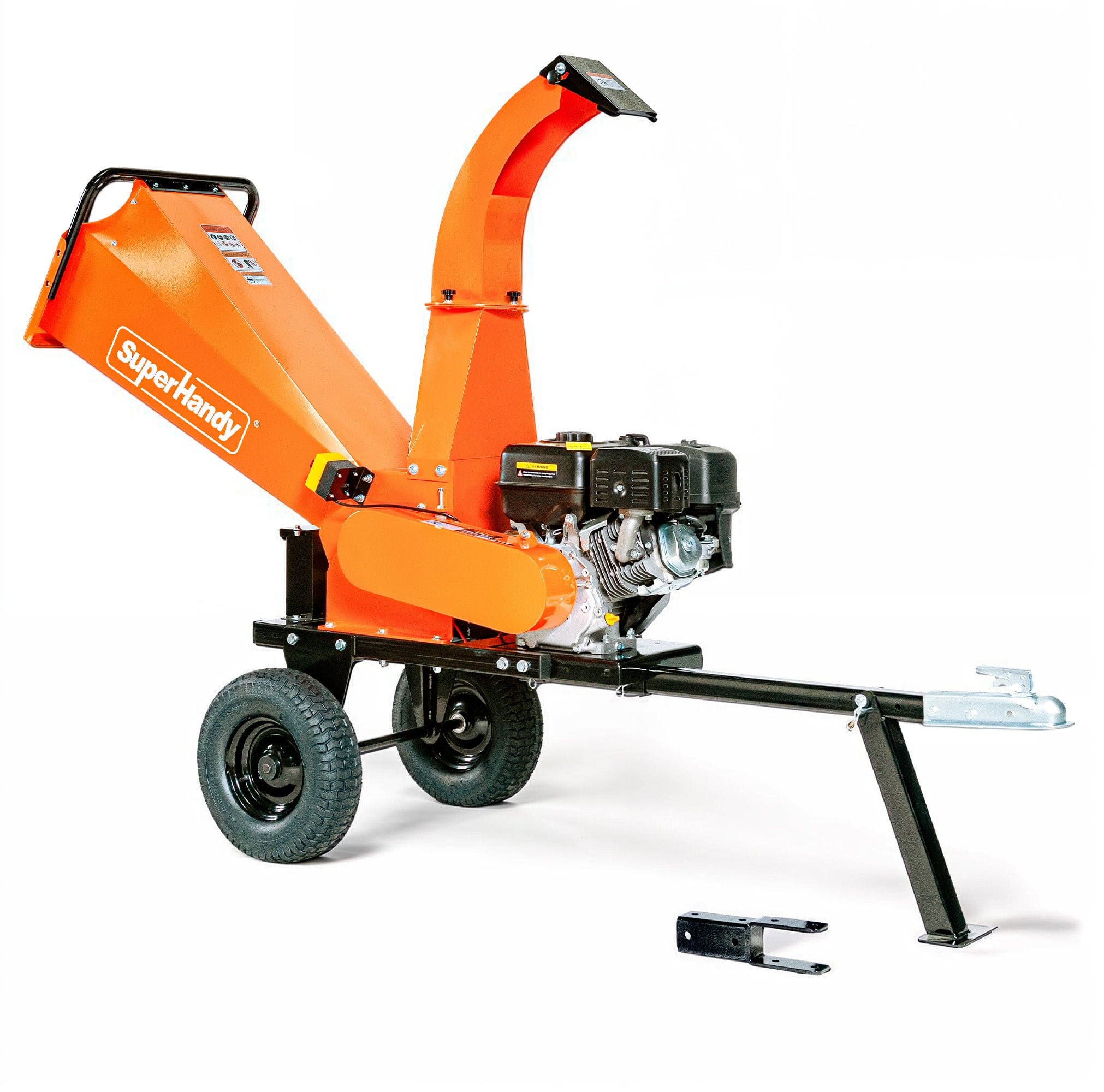
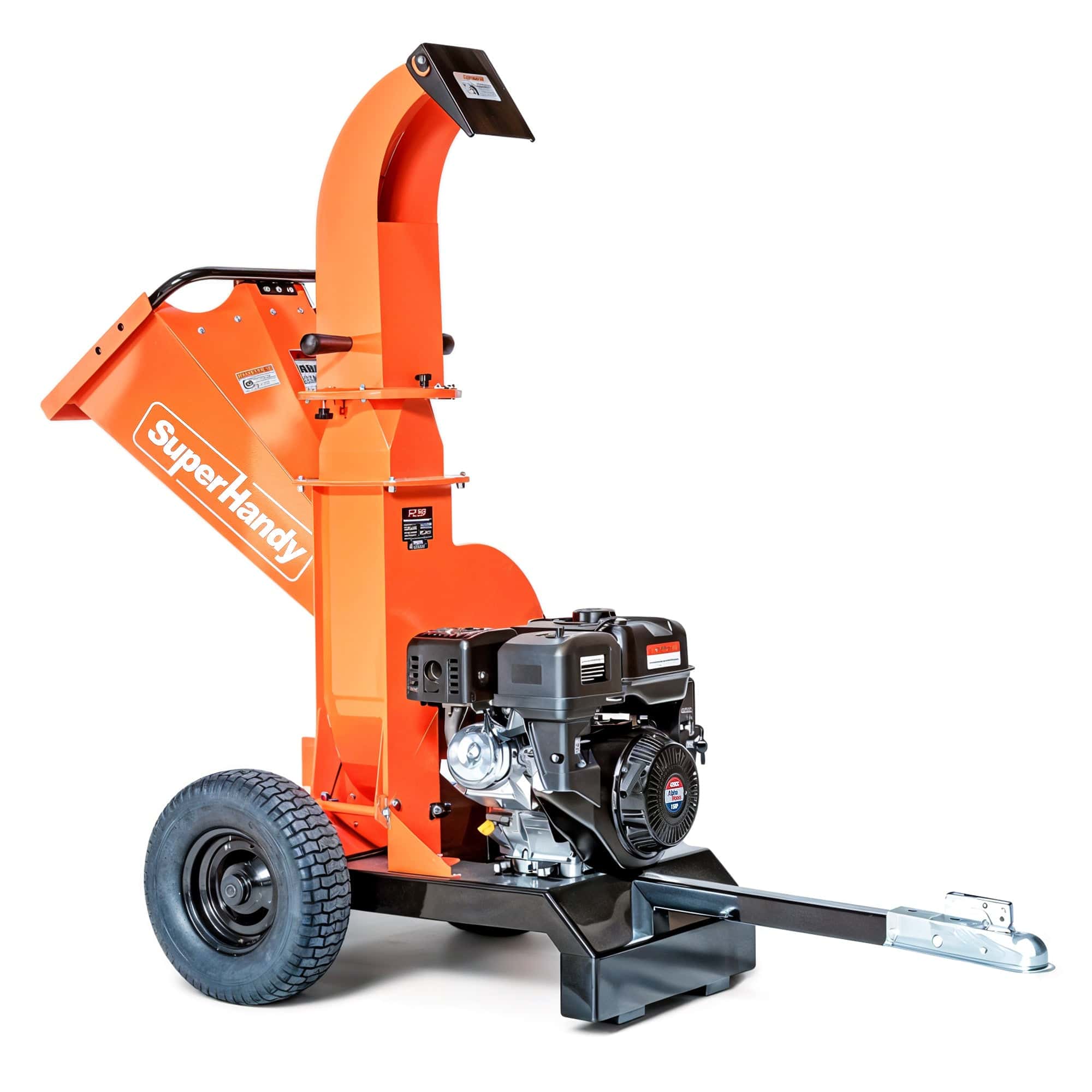
Another significant advantage is untethered portability. Gas chippers are not dependent on an electrical outlet, allowing you to take the machine directly to the work site, whether it's deep in a wooded lot, on a large farm, or at a remote job site. This freedom is perfectly exemplified by the Towable wood chipper, which can be easily hitched to a truck or ATV. Furthermore, modern gas chippers offer incredible versatility. Many are designed as multi-functional machines capable of not just chipping branches but also shredding leaves and finer yard debris, like a 3 in 1 wood chipper, turning all your organic waste into valuable mulch in a single pass.

Next-Generation Engine Technology: Powering the Future of Chipping
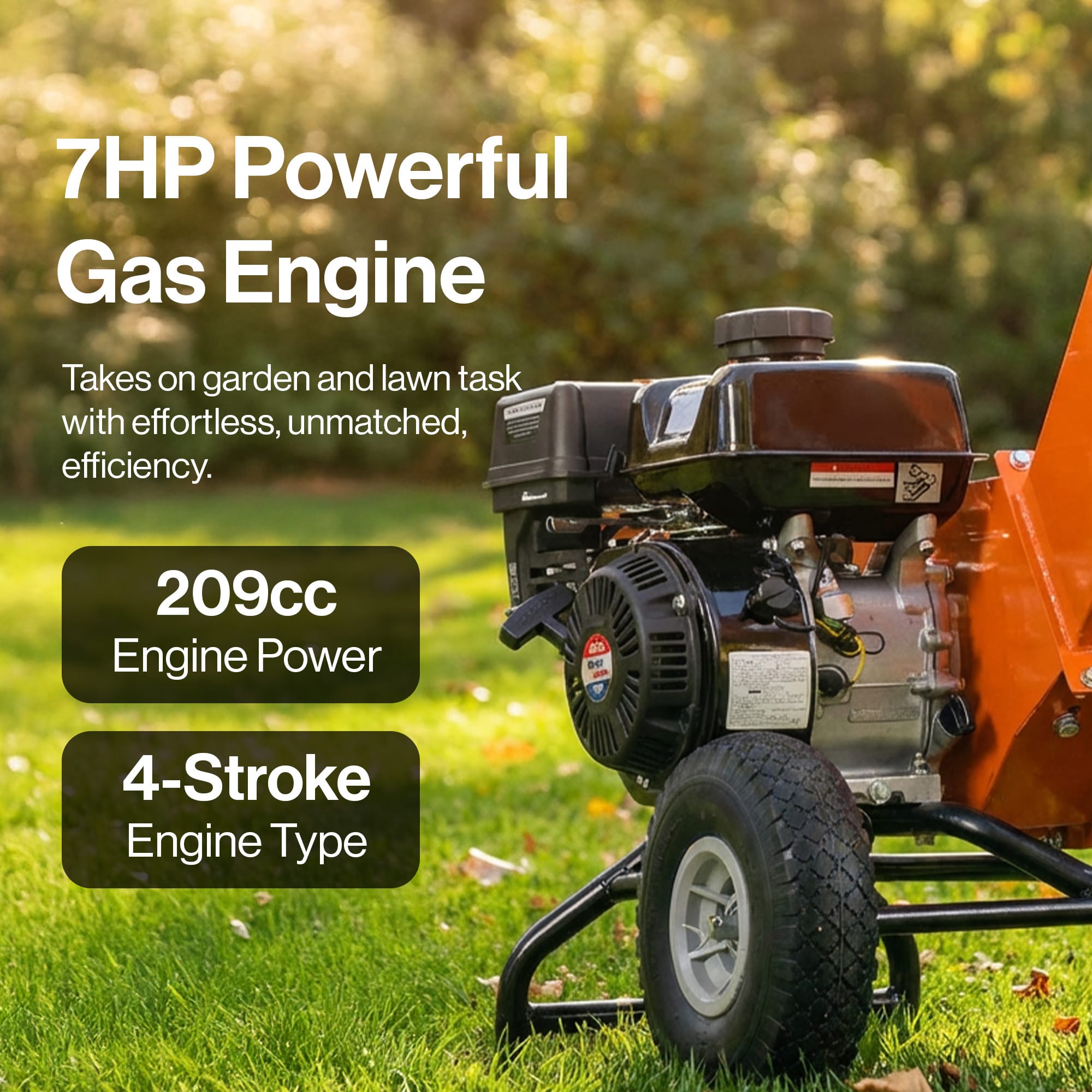
The heart of any gas wood chipper is its engine, and this is where some of the most exciting innovations are happening. Manufacturers are moving beyond basic, decades-old designs and embracing next-generation engine technology to boost performance and sustainability. Modern overhead valve (OHV) and overhead camshaft (OHC) engines are becoming standard, offering greater fuel efficiency, quieter operation, and a better power-to-weight ratio than their predecessors. This allows a powerful Rotor wood chipper to operate effectively without being excessively heavy or cumbersome. Looking ahead, we are seeing the early adoption of electronic fuel injection (EFI) in higher-end models, which automatically optimizes the air-fuel mixture for easier starts, consistent power, and even lower emissions.
Smart Features Revolutionizing Gas Chipper Operation and Maintenance
The future of gas chipper technology isn't just about raw power; it's about working smarter. New intelligent features are transforming the user experience, making operation more efficient and maintenance simpler. One of the most impactful advancements is the intelligent feed system. These systems use sensors to monitor engine RPM and automatically pause or reverse the feed rollers if the engine starts to bog down, preventing frustrating clogs and maximizing throughput without constant user intervention.
Convenience is also getting a major upgrade. The traditional, strenuous pull-start is being replaced by reliable electric start systems, often powered by a small, rechargeable lithium-ion battery. For maintenance, digital hour meters are becoming a common feature, allowing owners to easily track usage and follow the recommended service schedule for oil changes and blade inspections. These smart features reduce the physical strain on the operator, minimize downtime, and ensure the machine runs at peak performance for years to come.
Exploring Advanced Feeding Mechanisms for Enhanced Efficiency
The raw power of a gas wood chipper is only as good as its ability to process material consistently. Early chipper designs relied heavily on gravity and manual force, requiring operators to constantly push branches into the hopper. Today, advanced feeding mechanisms are transforming this process, boosting both efficiency and user comfort. The most significant innovation is the adoption of self-feeding systems, particularly those with powered rollers.
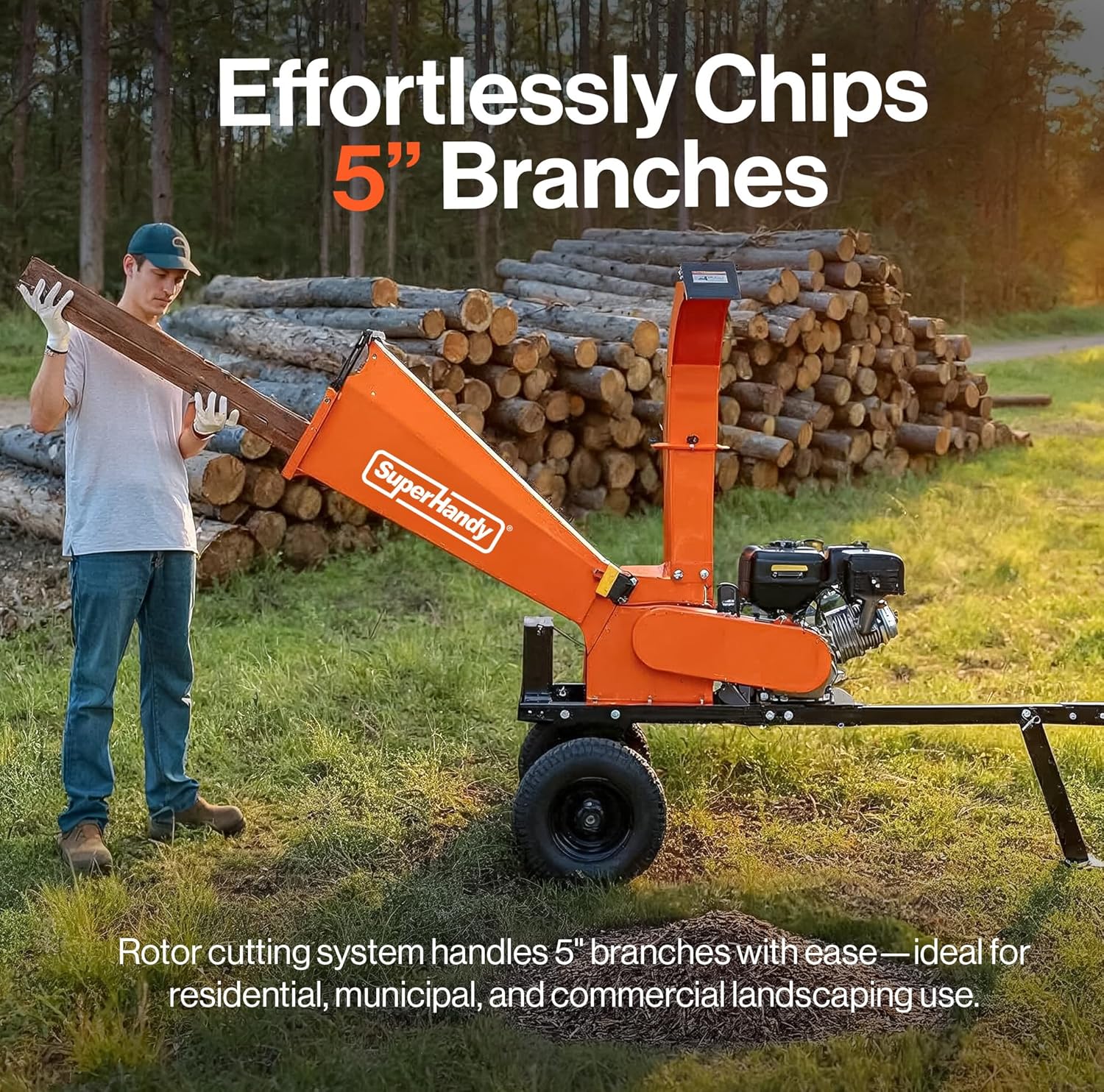
Hydraulic or belt-driven feed rollers are game-changers. Positioned at the throat of the hopper, these rollers grip branches and limbs, pulling them into the cutting chamber at a steady, controlled pace. This automation not only eliminates the strenuous task of manually forcing material but also ensures the engine and cutting assembly operate at peak efficiency without being overloaded. When paired with a high-torque cutting system, like that in a heavy-duty rotor wood chipper, this controlled feed rate maximizes throughput and produces more uniform chips.
Safety Innovations: Protecting Operators in the Evolving Chipping Landscape
As gas wood chippers become more powerful, so too do their safety features. Operator protection is a top priority for manufacturers, leading to a suite of innovations designed to prevent accidents. Modern designs incorporate large, easily accessible emergency stop buttons and wrap-around feed control bars. These bars can instantly halt or reverse the feed rollers if the operator pushes, pulls, or bumps against them, providing a crucial layer of protection.
Beyond physical controls, enhanced guarding around the infeed hopper and discharge chute is now standard, keeping hands and limbs away from moving parts. Adhering to established OSHA hand and power tool safety guidance is fundamental, and modern chipper designs reflect these principles of safeguarding and hazard prevention. Some high-end models are even beginning to integrate electronic sensors that can detect non-wood material like metal and automatically shut down the machine to prevent catastrophic failure and potential injury. These features, often found on versatile machines like a 3 in 1 wood chipper, make operation safer than ever before.
Environmental Considerations: Reducing Emissions and Improving Sustainability
The environmental impact of gas-powered equipment is a growing concern, and the wood chipper industry is responding proactively. The future of the gas wood chipper lies in cleaner, more efficient engines. Manufacturers are increasingly designing engines that are compliant with stringent standards from the Environmental Protection Agency (EPA) and the California Air Resources Board (CARB). This means modern chippers produce significantly fewer harmful emissions, such as nitrogen oxides and particulate matter, compared to older models.
This progress is largely driven by the universal adoption of advanced four-stroke engine technology, which burns fuel more completely and efficiently. This not only reduces the machine's carbon footprint but also leads to better fuel economy, saving the operator money over the life of the equipment. A powerful 4inch wood chipper with a modern, compliant engine demonstrates that high performance and environmental responsibility can go hand-in-hand. Furthermore, the act of chipping itself is inherently sustainable, turning yard waste into valuable mulch and diverting organic material from landfills.
The Rise of Compact and Portable Gas Chippers for Diverse Applications
Not every job requires a massive, commercial-grade machine. A major trend in gas chipper technology is the development of powerful yet compact and portable models. These machines cater to homeowners, small-scale landscapers, and property managers who need serious chipping capability without the logistical challenges of a large, heavy unit. By using lightweight materials and clever engineering, manufacturers have created chippers that are easy to maneuver through garden gates and store in a garage.
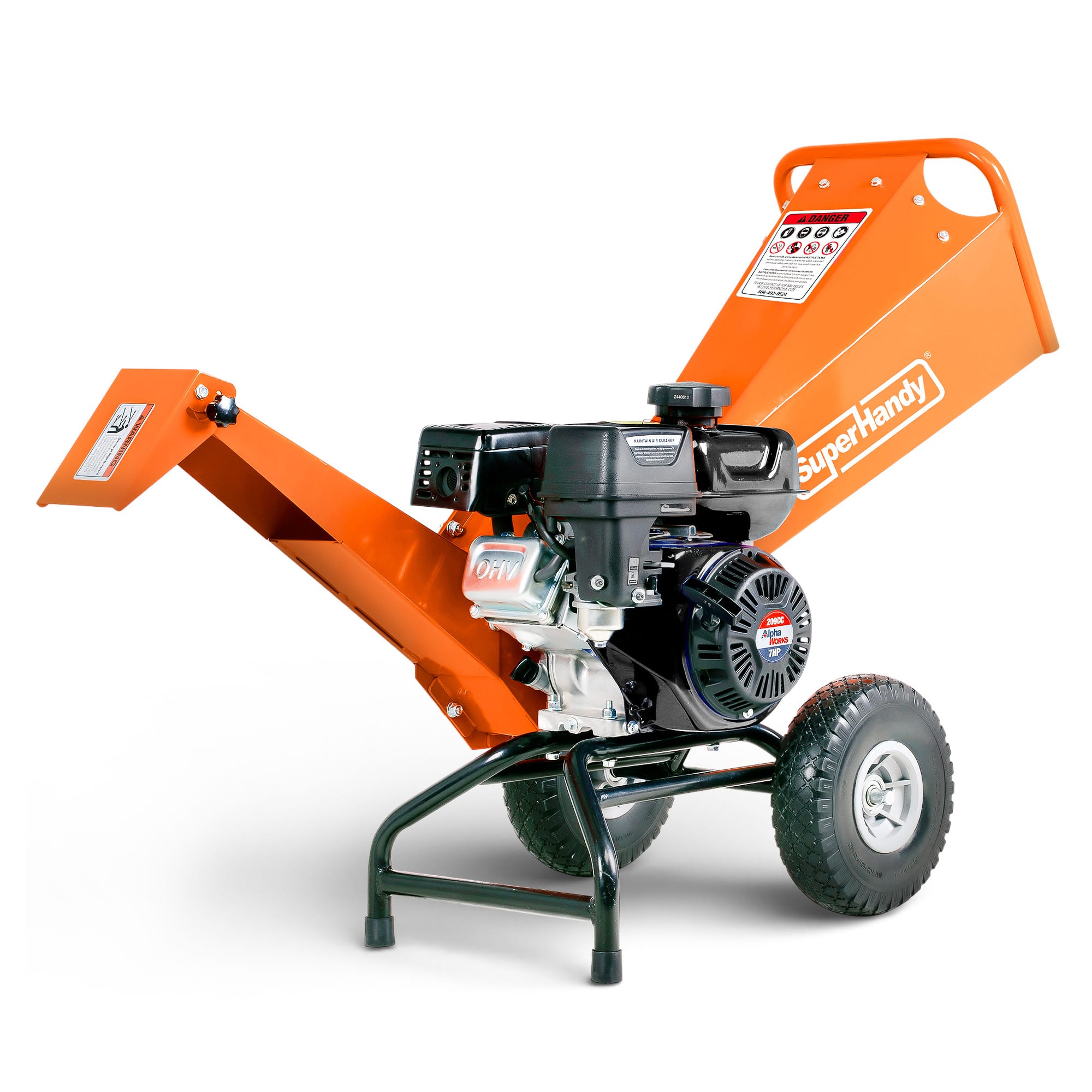
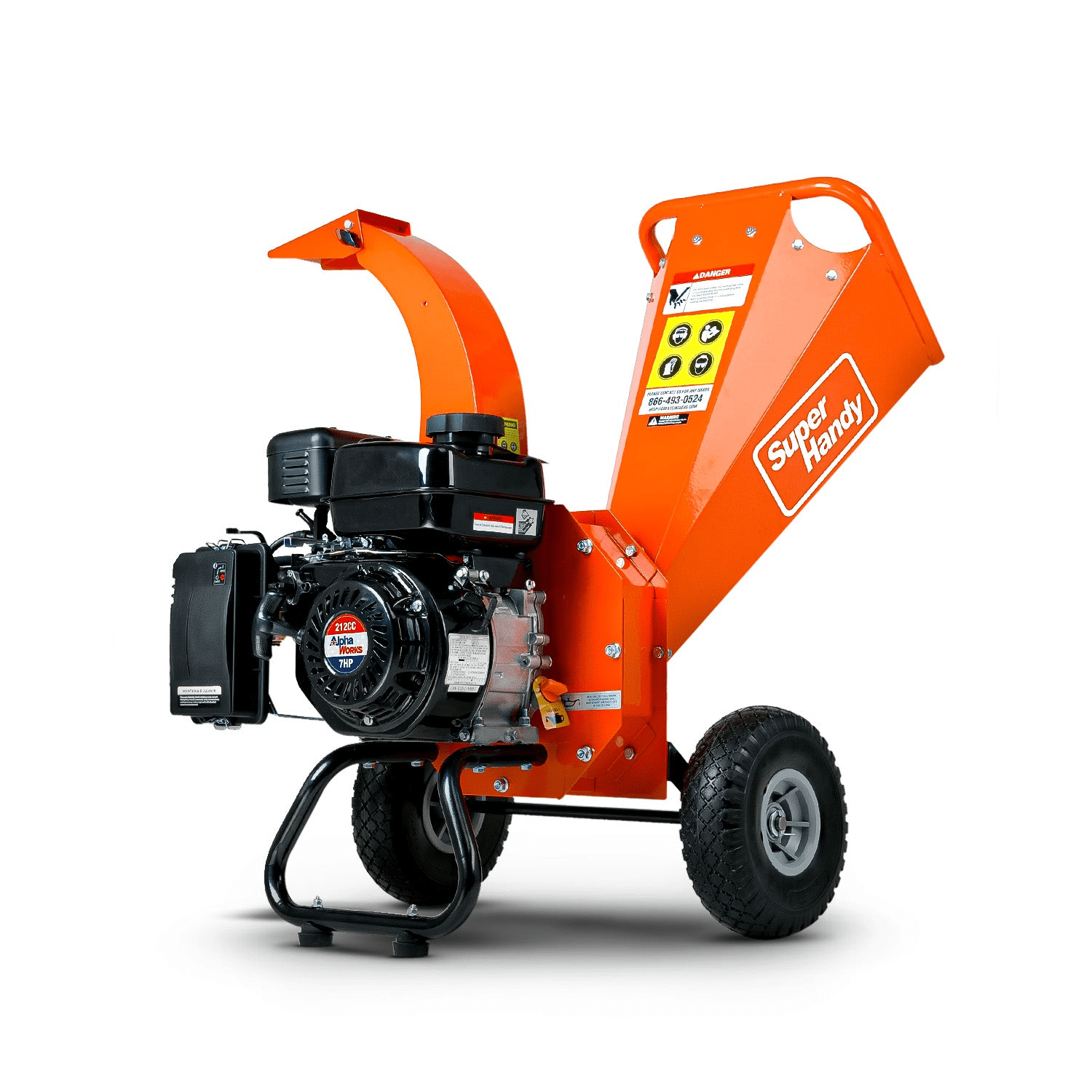
This new class of mini wood chipper offers the perfect balance of power and convenience for typical yard cleanup. For those with larger properties or light commercial needs, a towable wood chipper provides even greater capacity while remaining easily transportable from one job site to another. This focus on portability ensures that the power of a gas wood chipper is accessible for a wider range of applications than ever before.

Analyzing the Impact of Connectivity and Data Analytics on Chipper Performance
The Internet of Things (IoT) is no longer just for smart homes; it's transforming heavy-duty equipment, including the gas wood chipper. The next wave of innovation lies in connectivity and data analytics, enabling a level of operational intelligence previously unimaginable. Commercial-grade chippers are beginning to incorporate telematics systems that transmit real-time data to a central dashboard accessible via computer or smartphone.
This connectivity provides fleet managers and owner-operators with powerful insights. Key metrics like engine hours, fuel consumption, blade wear, and GPS location can be monitored remotely. Instead of relying on manual logs and guesswork, managers can see exactly how and where their equipment is being used. The most significant impact is on maintenance. A connected wood chipper can send automated alerts for required service, such as when it's time for an oil change or when vibration sensors indicate the blades need sharpening or replacement. This shift from reactive repairs to predictive maintenance minimizes costly downtime, extends the machine's lifespan, and ensures the chipper is always performing at peak efficiency.
Case Studies: How Businesses are Leveraging New Gas Chipper Technology
The theoretical benefits of modern gas chipper technology are best understood through real-world application. Let's look at how different businesses are putting these innovations to work.
Case Study 1: The Expanding Landscaping Company A mid-sized landscaping crew struggled with job site cleanup, often spending valuable hours hauling brush or making multiple trips to a disposal facility. By upgrading to a modern towable wood chipper, they could easily transport a high-capacity unit between commercial and large residential jobs. The chipper’s efficient self-feeding mechanism and powerful engine reduced processing time by over 50%. The crew now leaves every job site spotless, produces valuable mulch for clients, and can fit an extra job into their weekly schedule, directly boosting revenue.
Case Study 2: The Sustainable Small Farm An orchard owner faced the annual challenge of dealing with thousands of pruned branches. Previously, these were piled and burned, which was inefficient and environmentally questionable. By investing in a versatile 3 in 1 wood chipper, the owner transformed this waste stream into a valuable resource. The compact design allowed them to move the chipper between rows, processing branches on the spot. The resulting wood chips were used as a natural, moisture-retaining mulch around the base of the trees, suppressing weeds and returning organic matter to the soil. This closed-loop system cut costs on both waste disposal and purchasing mulch.
Choosing the Right Gas Chipper: Key Factors for Your Specific Needs
With so many options on the market, selecting the perfect gas wood chipper can feel daunting. Focusing on a few key factors will help you match the machine to your specific workload.
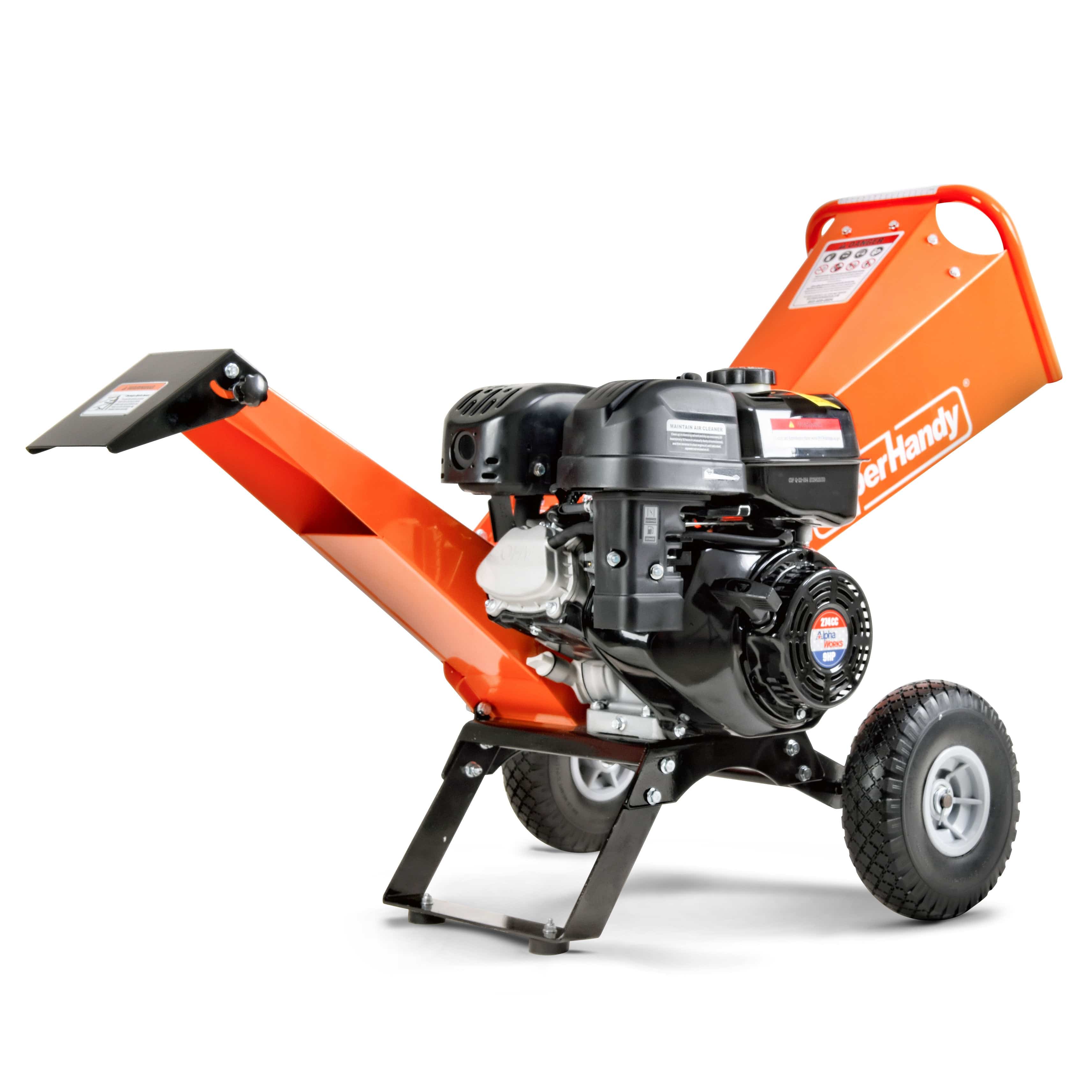
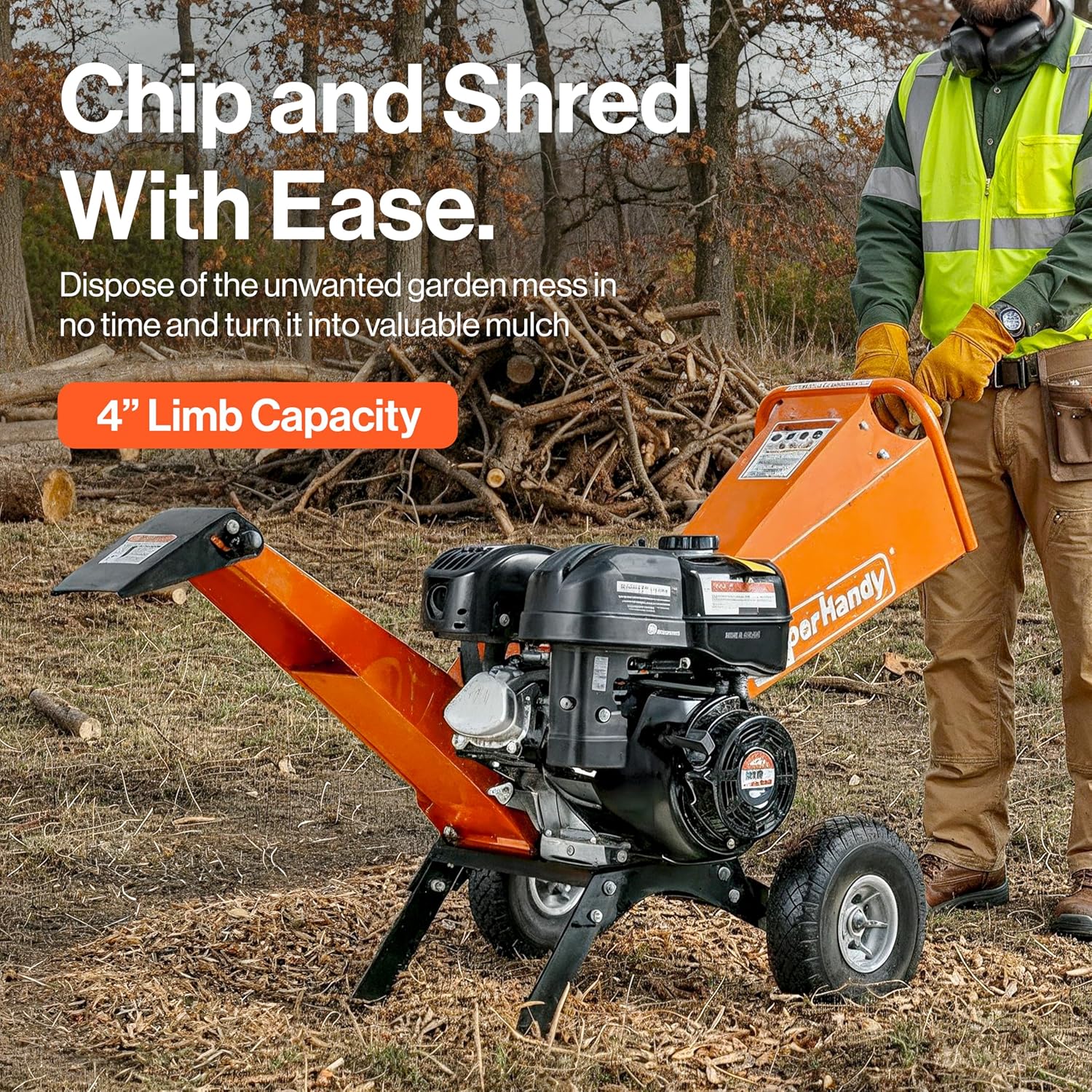
- Chipping Capacity: This is the most important specification. It refers to the maximum diameter of the branches the chipper can handle. For typical yard cleanup with small branches and twigs, a mini wood chipper with a capacity up to 3 inches might suffice. com/products/superhandy-4-inch-wood-chipper-shredder-mulcher-9hp-gas-powered-heavy-duty-chipping-machine-10-wheels-vertically-adjustable-discharge-reversible-blades-for-yard-farm-forestry-cleanup?_pos=3&_psq=wood+chipper&_psid=4a0eee7c2&_ss=e) or larger is a better investment.
- Engine Power: Measured in horsepower (HP) or cubic centimeters (cc), the engine is the heart of the chipper. More power allows the machine to process hardwood more easily and maintain speed under a heavy load. Don't just look at capacity; ensure the engine is robust enough for the types of wood you'll be chipping.
- Cutting Mechanism: Different chippers use different systems. Many high-performance models utilize a heavy, fast-spinning drum or a powerful rotor wood chipper design to aggressively pull in and shred material. Look for models with hardened, reversible blades to maximize longevity and reduce maintenance frequency.
- Portability and Footprint: Consider where you'll be using and storing the chipper. Will you be working on uneven terrain? Look for large, pneumatic tires. Do you need to move between multiple properties? A towable model is essential. For smaller yards or storage spaces, a more compact, upright design is ideal.

The Role of Electric and Hybrid Chippers: A Complementary or Competitive Future?
As battery technology advances, the question arises: will electric models make the gas wood chipper obsolete? For the foreseeable future, the answer is no. Instead, we are seeing a market where each power source serves a distinct purpose, creating a complementary rather than purely competitive landscape.
Corded and battery-powered electric chippers excel in smaller, residential settings. They are quieter, produce zero direct emissions, and require less engine maintenance. However, their power is generally limited, making them suitable only for small twigs and leaves. Their primary drawbacks are the limited mobility of corded models and the finite runtime of battery-powered units. As technology improves, following best practices for extending the lifetime of lithium-ion batteries will become increasingly important for maximizing their utility.
For now, the gas wood chipper remains the undisputed champion for power, portability, and performance. For any task involving branches over an inch or two in diameter, or for work in remote locations far from a power outlet, gas is the only practical solution. The future may see the rise of hybrid chippers—which could use a gas engine for heavy chipping and a battery for self-propulsion or powering electronic controls—but for raw, untethered wood-shredding capability, gas-powered technology will continue to lead the way for years to come.
Maintenance and Longevity: Ensuring Your Gas Chipper Investment Lasts
A high-quality gas wood chipper is a significant investment in your property management toolkit. To maximize its lifespan and ensure it operates at peak performance for years to come, a proactive maintenance routine is non-negotiable. The future of chipping technology may include self-diagnostics and automated alerts, but the core principles of mechanical care will always remain vital.
A consistent maintenance schedule should focus on three key areas: the engine, the blades, and the chassis. For the engine, this means regular oil changes, spark plug inspections, and ensuring the air filter is clean to prevent debris from compromising the motor. The cutting mechanism is the heart of your chipper's performance. Dull blades not only produce poor-quality chips but also put immense strain on the engine, leading to increased fuel consumption and potential damage. Models like the powerful 4inch wood chipper often feature reversible blades, doubling their lifespan before needing to be sharpened or replaced.
Finally, routine cleaning and inspection are crucial. After each use, clear away all wood debris, sap, and moisture to prevent rust and corrosion. Periodically check that all nuts, bolts, and belts are tight and that safety guards are secure. As the Occupational Safety and Health Administration (OSHA) notes, proper hand and power tool safety isn't just about operation; it includes regular maintenance to keep equipment in safe working order, preventing malfunctions that could lead to injury.
Frequently Asked Questions about the Future of Gas Chipper Technology
Will gas wood chippers be replaced by electric models? While electric and battery-powered chippers are becoming excellent options for residential users with smaller yards, they are unlikely to replace gas models entirely in the near future. For heavy-duty, commercial, or remote applications, the raw power, torque, and untethered portability of a gas engine remain useful. A large, towable wood chipper designed for clearing acres of land simply requires a level of sustained energy that current battery technology cannot provide. The future is likely one where gas and electric models coexist, serving different market needs.
Are newer gas chippers safer to operate? Absolutely. Operator safety is a primary focus of modern chipper design. Innovations include longer, curved feed chutes that keep the operator's hands far from the blades, larger and more accessible emergency stop buttons, and advanced clutch mechanisms. Future models will likely incorporate more sensor-based technology, such as systems that can detect non-wood material or automatically shut down if a safety guard is removed.
How is "smart" technology changing wood chippers? "Smart" features are moving beyond a simple concept and into practical application. This technology is all about improving efficiency, reducing user effort, and simplifying maintenance. Current and emerging smart features include auto-feed systems that monitor engine RPM and adjust the feed roller speed to prevent jams, onboard hour meters that trigger maintenance alerts on a connected app, and performance analytics. This transforms a versatile machine like a 3 in 1 wood chipper from a simple tool into an intelligent partner in property management.
Anticipating the Next Breakthroughs in Wood Chipping
Looking ahead, the evolution of the gas wood chipper is set to accelerate, blending raw power with sophisticated technology. One of the most exciting frontiers is the integration of artificial intelligence (AI) and machine learning. Imagine a chipper that uses optical sensors to identify the density and type of wood being fed into it, automatically adjusting engine speed and blade angle for the most efficient cut. This would not only maximize throughput but also significantly reduce wear and tear on components.
We can also expect breakthroughs in materials science. The development of lighter, yet stronger, composite alloys could lead to more durable blades that stay sharp longer and machine frames that are easier to transport without sacrificing stability. This could revolutionize the design of compact machines, making a future mini wood chipper as powerful as today's mid-size models.
Finally, the engine itself will continue to advance. Building on today’s EFI systems, future gas engines may incorporate hybrid-assist features for momentary power boosts or advanced combustion cycles that wring even more power from every drop of fuel, further reducing emissions. The core design of a rotor wood chipper may stay the same, but the intelligence driving it will make it faster, safer, and more sustainable than ever before.
Related Products


Leave a comment
All comments are moderated before being published.
This site is protected by hCaptcha and the hCaptcha Privacy Policy and Terms of Service apply.