









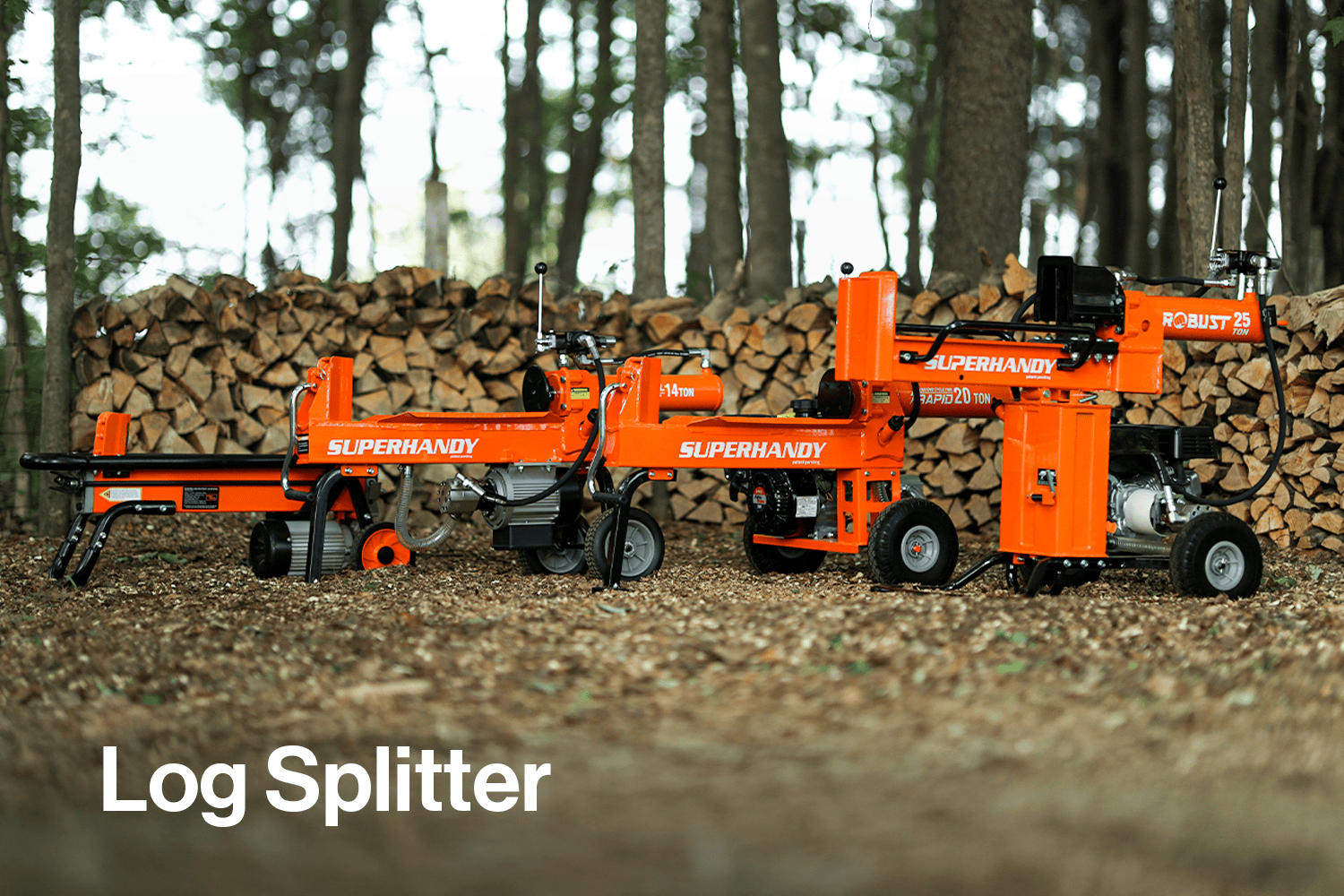
Why You Need a Log Splitter: Assessing Your Firewood Demands
If you’ve ever spent an afternoon swinging a heavy splitting maul, you know it’s a true test of stamina and strength. While there's a certain rustic satisfaction in splitting wood by hand, it’s also time-consuming, physically demanding, and can be risky. A log splitter transforms this back-breaking chore into a fast, efficient, and much safer task. It allows you to process a large quantity of firewood in a fraction of the time, saving your energy and your back.
Before you can choose the right machine, you need to understand your needs. Are you splitting a few logs for a backyard fire pit, or are you stocking up to heat your home through a long winter? The amount of wood you need to split—measured in cords—is the single most important factor. Also, consider the type of wood you'll be working with. Softer woods like pine and fir are easier to split than dense, knotty hardwoods like oak or hickory, which require a more powerful firewood splitter.
Understanding the Different Types of Log Splitters
Once you have a clear picture of your workload, you can start exploring the different types of log splitters available. The primary choice you'll make is between electric and gas-powered models, with each category offering distinct advantages for different users. Electric splitters are suitable for smaller, residential jobs, while gas models provide the raw power needed for more demanding, high-volume work.
The right log wood splitter for your neighbor might not be the right one for you. Your decision will hinge on factors like power source availability, the volume and type of wood you split, where you plan to work, and your budget. By matching the machine’s capabilities to your specific demands, you ensure you're getting a tool that will serve you well for years to come. To see the variety firsthand, you can com/collections/log-splitters) to get a feel for the features and specifications available.
Electric Log Splitters: Powering Your Small to Medium Jobs
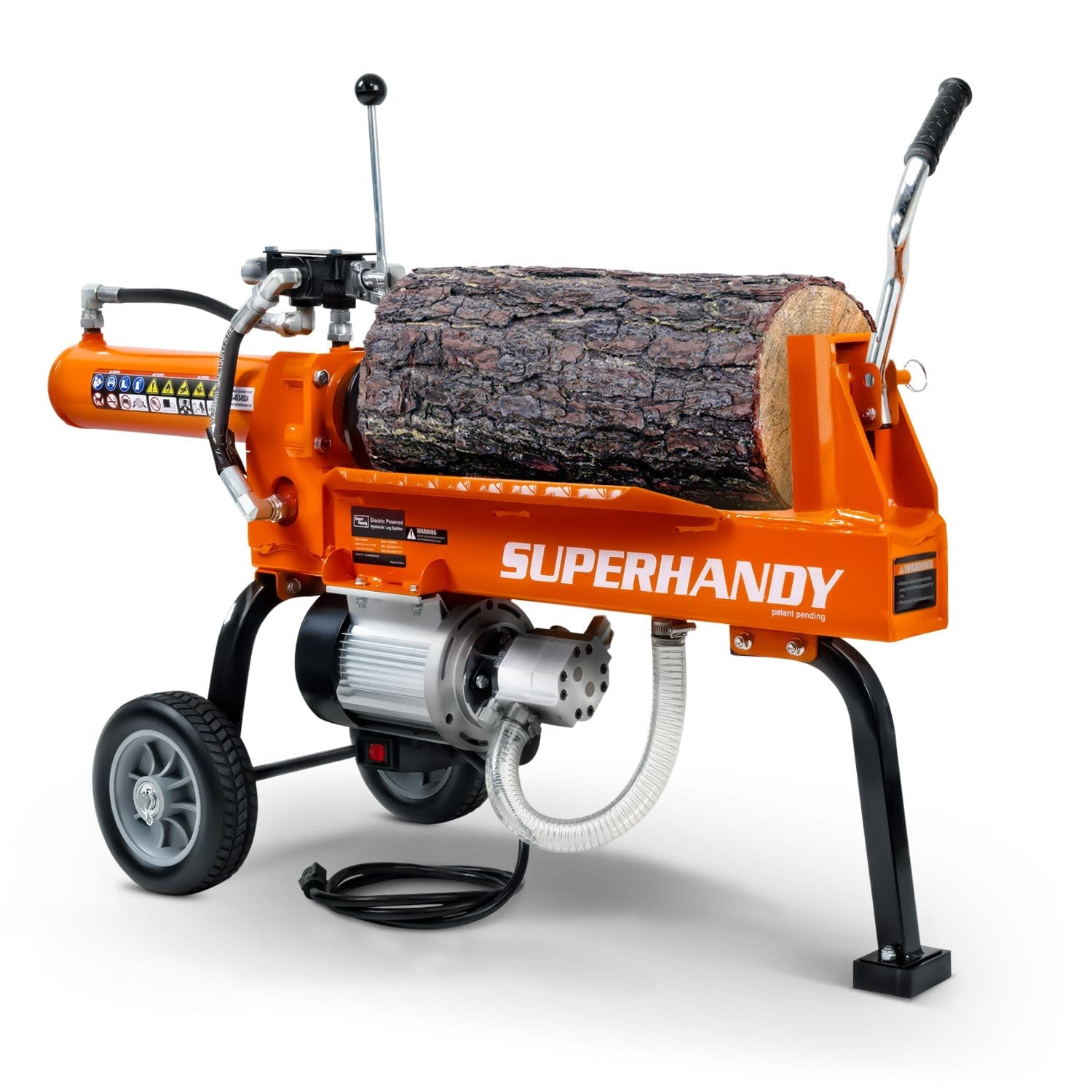
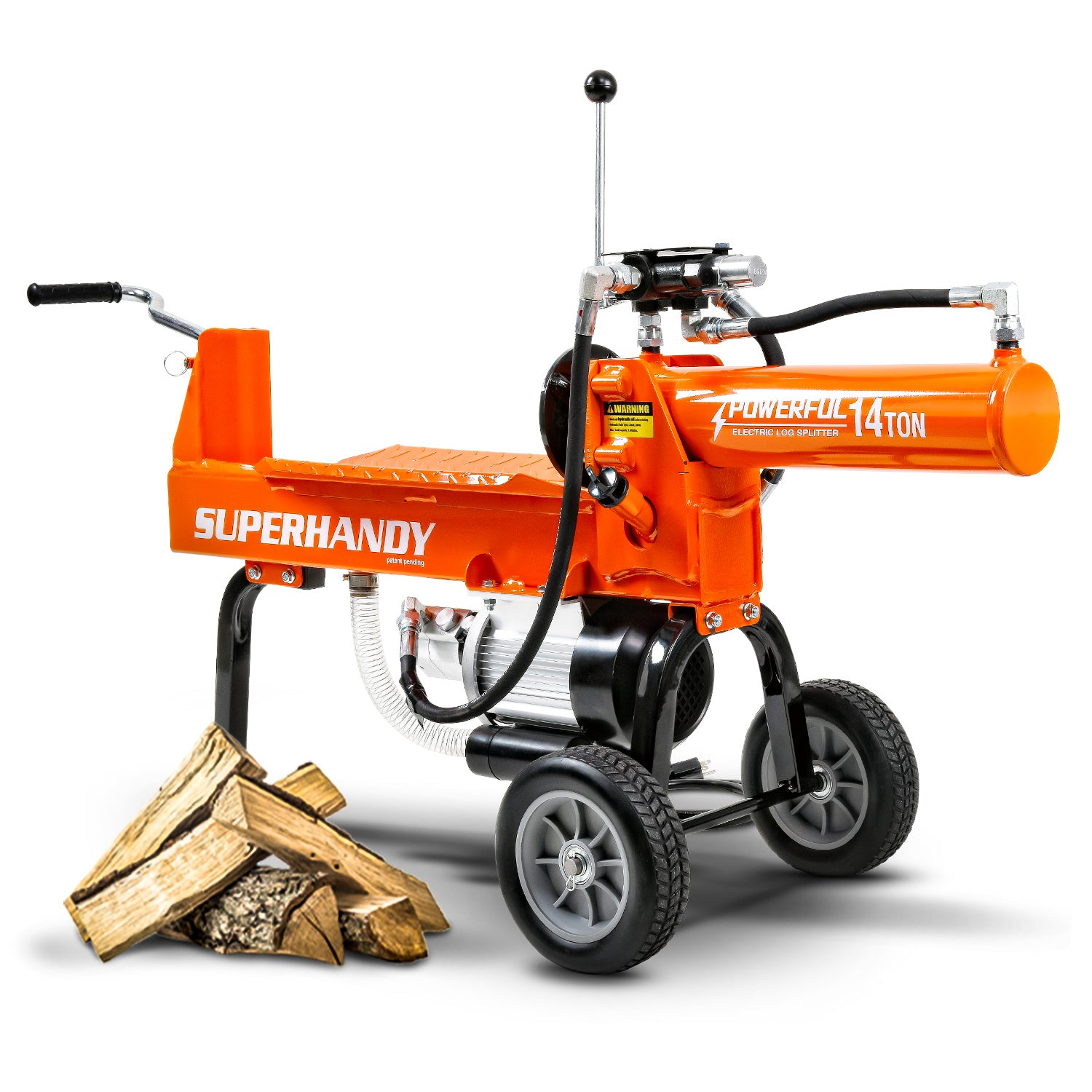
For many homeowners, an electric log splitter is the ideal solution. These machines are designed for convenience, offering plug-and-play simplicity. They are significantly quieter than their gas counterparts, produce no exhaust fumes, and require minimal maintenance. This makes them an excellent choice for use in a garage, shed, or covered patio, where you have easy access to a standard power outlet.

Electric models typically offer splitting force ranging from 4 to 10 tons, which is more than enough power for splitting seasoned, straight-grained logs up to about 10-12 inches in diameter. They are suitable for property owners who need to split a cord or two of wood per year for their fireplace or wood stove. Their compact size and lighter weight also make them easier to move and store. While they may not have the brute force for large, green hardwood rounds, they excel at making quick work of common firewood splitting tasks.
Gas-Powered Log Splitters: Tackling Tougher Wood and Larger Volumes
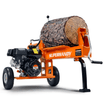
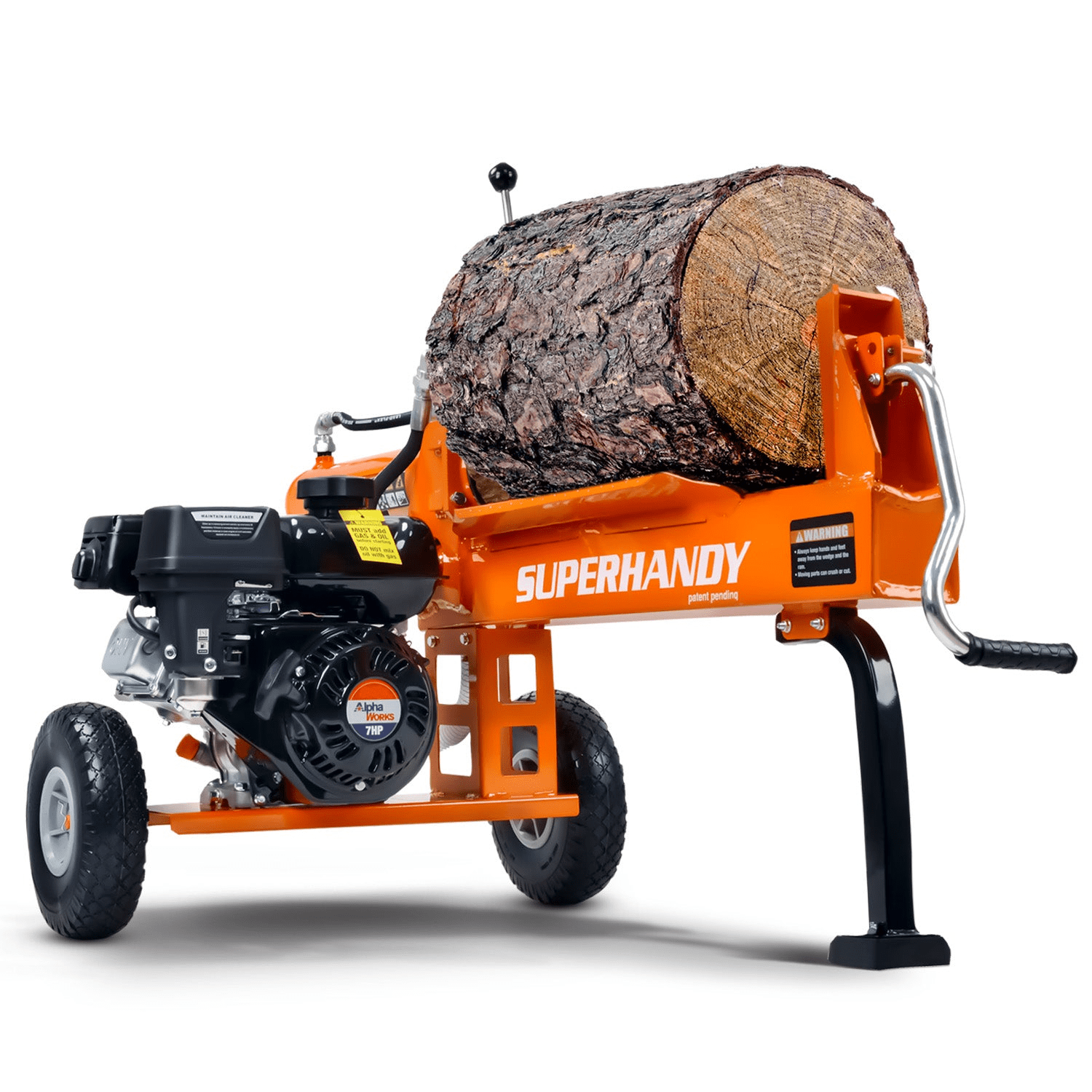
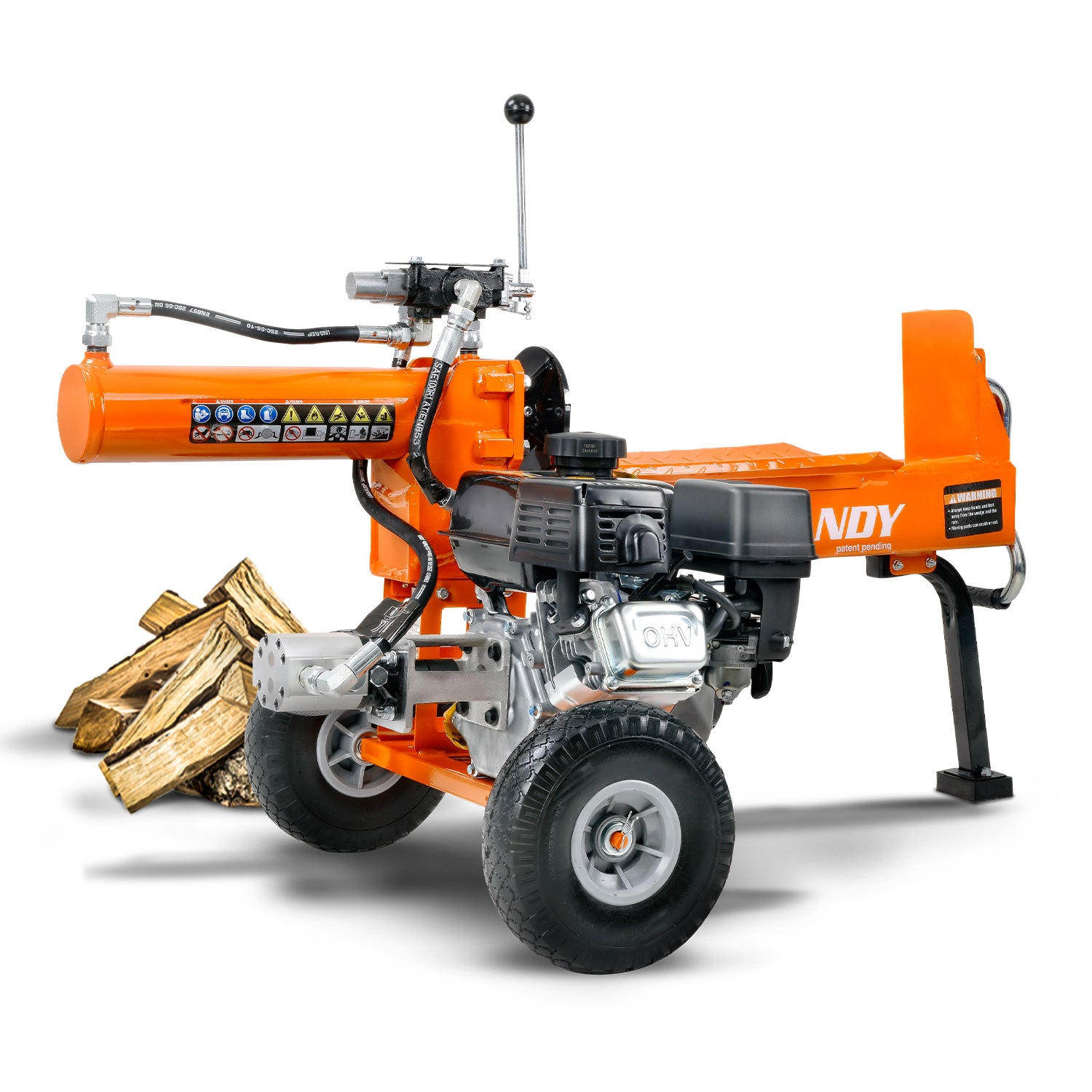
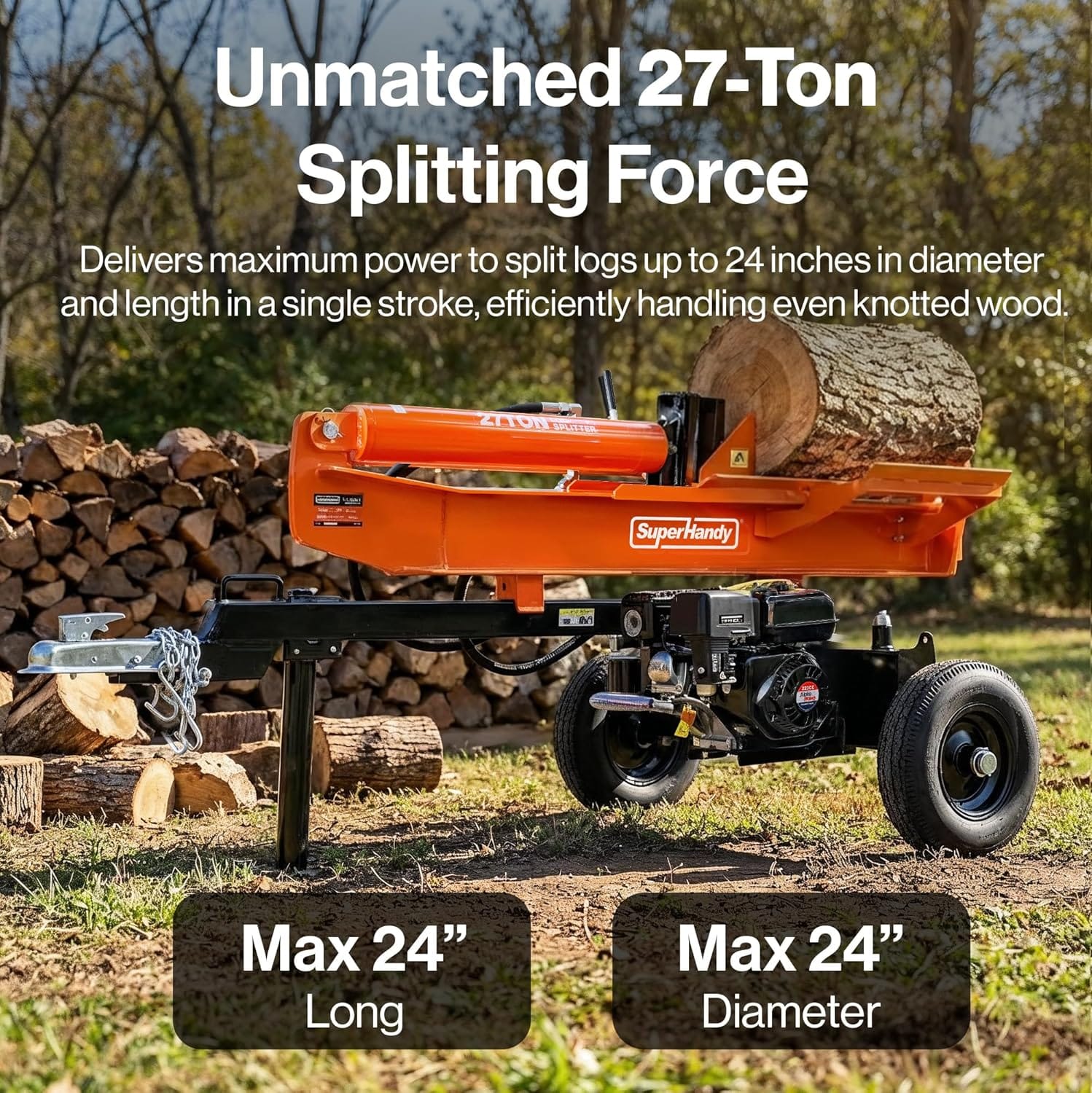
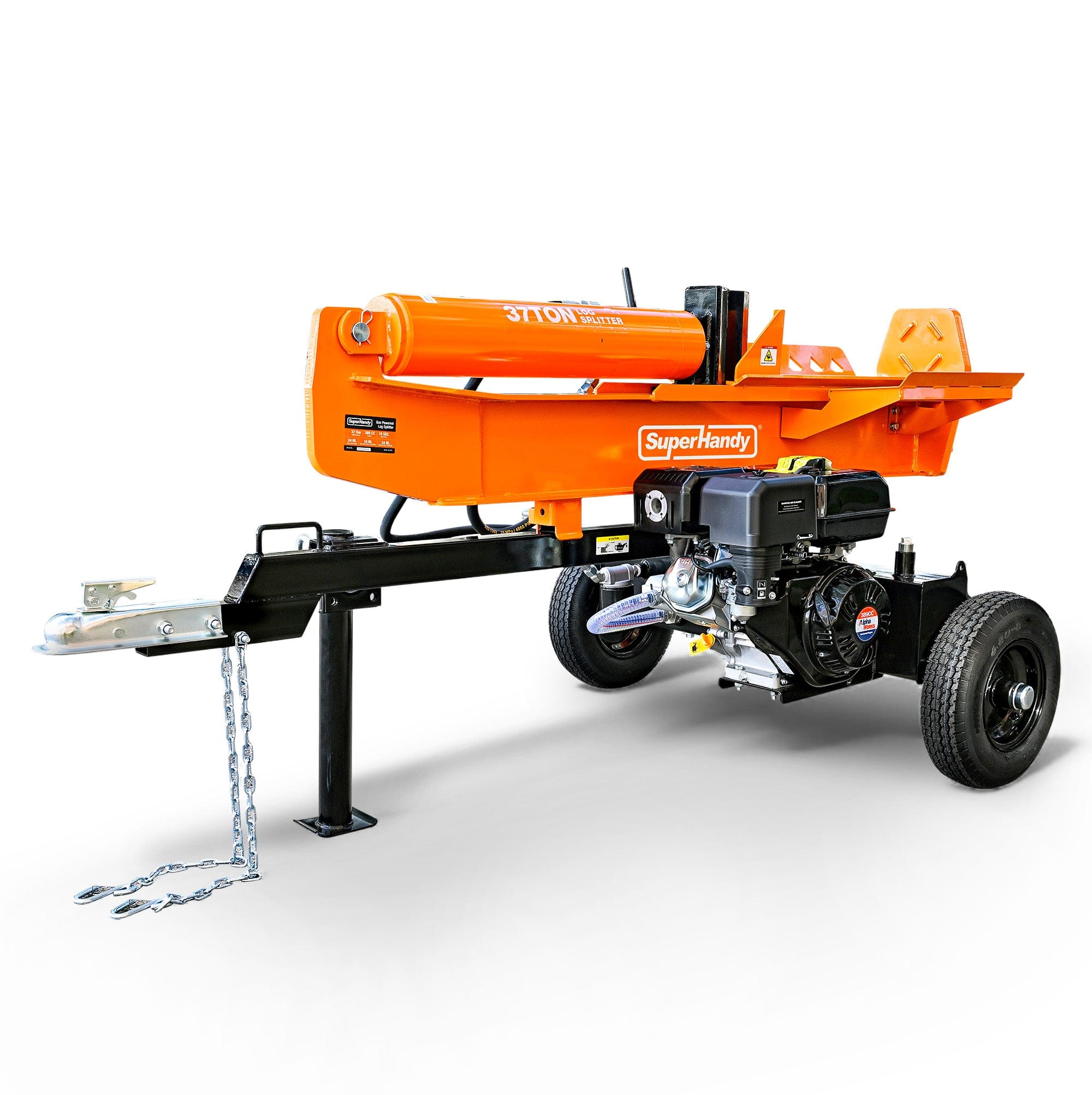
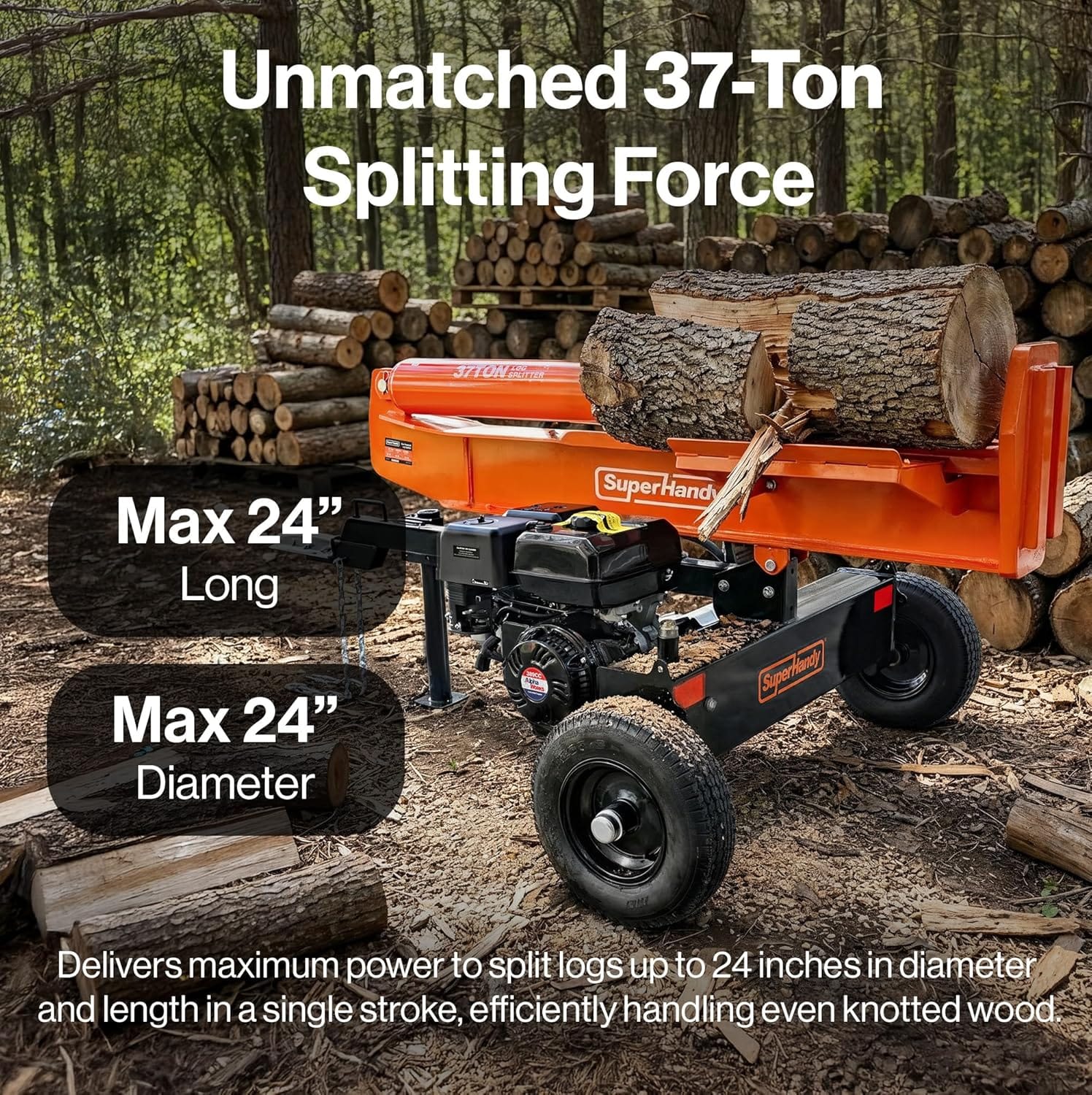
When your firewood needs are substantial, a gas-powered log splitter is the undisputed champion. Built for power and performance, these machines are the workhorses of the splitting world. They feature powerful gasoline engines that drive hydraulic pumps, generating immense splitting force—often ranging from 20 tons to 40 tons or more. This power allows you to effortlessly slice through larger, tougher, and more challenging wood, including green logs and knotty hardwoods.
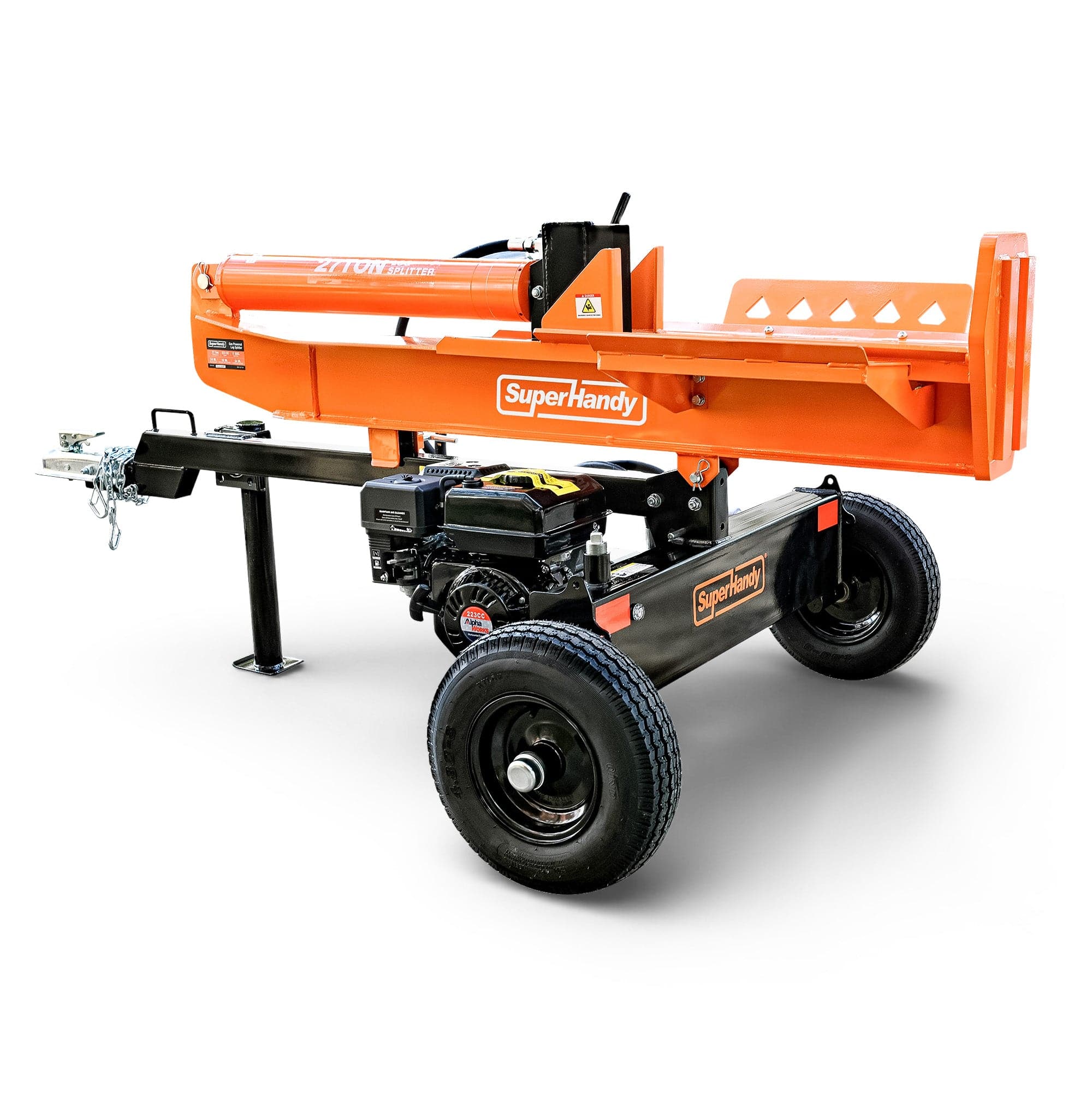
Because they aren’t tethered to a power cord, gas splitters offer useful portability for use on large properties or remote job sites. Many models are built on a towable trailer chassis, allowing you to pull the splitter directly to your woodpile. While they are louder, heavier, and require more maintenance (like oil changes and refueling) than electric models, their speed and power are essential for anyone who processes multiple cords of wood annually or deals with consistently difficult logs.
Hydraulic Log Splitters: The Heavy-Duty Workhorses Explained
When you see a machine effortlessly slicing through a thick oak round, you're almost certainly watching a hydraulic log splitter in action. While we often categorize splitters as "electric" or "gas," the reality is that most powerful models use a hydraulic system to do the actual splitting. This system is the heart of any heavy-duty firewood splitter.
It works using a simple but powerful principle: an engine or motor powers a pump, which pressurizes hydraulic fluid. This pressurized fluid drives a piston and ram, forcing a steel wedge into the log with immense force. This is what allows a log wood splitter to generate the high tonnage needed to break apart dense, knotty, or large-diameter hardwoods that manual splitting could never handle. Whether you choose a gas or electric model, understanding that the hydraulic system is the source of its power is key to appreciating its capabilities for serious firewood production. For coverage planning,
Key Features to Consider When Buying Your First Log Splitter
Once you have a general idea of whether a gas or electric model suits your property, it's time to dive into the specifications. Comparing the features of different log splitters is the best way to ensure you get a machine that matches your workload, wood type, and expectations. Looking beyond the power source to factors like splitting force, speed, and capacity will help you find the perfect tool for the job and avoid paying for features you don't need.
Splitting Force (Tonnage): How Much Power Do You Really Need?
Splitting force, measured in tons, is the single most important specification to consider. It tells you the maximum amount of pressure the log splitter's ram can exert on a piece of wood. Choosing the right tonnage is a balancing act between power and price.
A common mistake is assuming more is always better, but over-buying on tonnage means you're spending extra money on power you'll never use. The key is to match the tonnage to the type and condition of the wood you'll be splitting most often.
- 5-10 Tons: Ideal for splitting smaller logs (under 12 inches in diameter) of softwood like pine or fir, especially if it's seasoned (dried).
- 15-20 Tons: This is the sweet spot for many homeowners. It provides enough power for most hardwoods like oak and maple, especially when they are seasoned and of a manageable size.
- 22+ Tons: If you plan on regularly splitting large, green, or knotty hardwoods, you need a high-tonnage machine. This level of force can power through the toughest rounds without stalling.
Think honestly about your wood source. If you're tackling freshly felled oak, a 25-ton firewood splitter is a wise investment. If you’re just splitting seasoned pine for your backyard fire pit, a 7-ton model will be more than sufficient.

Cycle Time: How Quickly Can You Split Your Wood?
While tonnage tells you how hard a splitter can push, cycle time tells you how fast it works. Cycle time is the total duration it takes for the splitting ram to extend completely and then retract back to its starting position, ready for the next log. It's typically measured in seconds.
For someone splitting a small pile of wood a few times a year, a cycle time of 15-20 seconds is perfectly acceptable. However, for those processing multiple cords of wood for the winter, those seconds add up quickly. A machine with a 10-second cycle time is significantly more productive than one with a 19-second cycle time over the course of an afternoon.
Faster cycle times are a hallmark of an efficient log splitter designed for high-volume work. Keep in mind that some of the most powerful, high-tonnage machines may have slightly longer cycle times, as it takes more time to build and release that extreme pressure. Consider your personal needs: are you prioritizing raw power for tough logs or speed for processing large quantities of wood?
Log Capacity: Will It Handle Your Firewood Size?
Beyond the sheer force of a log splitter, you need to consider the physical dimensions of the wood it can handle. Log capacity is defined by two key measurements: the maximum log length and the maximum log diameter the machine can accommodate. Most splitters are designed to handle standard firewood lengths, typically between 20 and 25 inches. However, if you regularly cut your logs longer or shorter, it’s crucial to check the specifications of the firewood splitter to ensure a proper fit.
Similarly, the maximum diameter is an important factor. While a high-tonnage rating suggests a splitter can handle wide rounds, the physical opening must be large enough to accept the log in the first place. Always measure the typical size of the logs you plan to split and compare it against the machine’s stated capacity. Choosing a log splitter with a capacity that matches your wood supply prevents the frustration of having a pile of logs your new machine can’t even touch.
Portability and Storage: Making Your Log Splitter Easy to Handle
A powerful log wood splitter is only useful if you can get it where you need it and store it securely afterward. Portability is a major consideration that often separates electric and gas models. Electric splitters are typically lighter, more compact, and designed for easy movement around a garage or patio. They often feature built-in handles and smaller wheels, making them simple for one person to maneuver and tuck away in a corner when not in use.
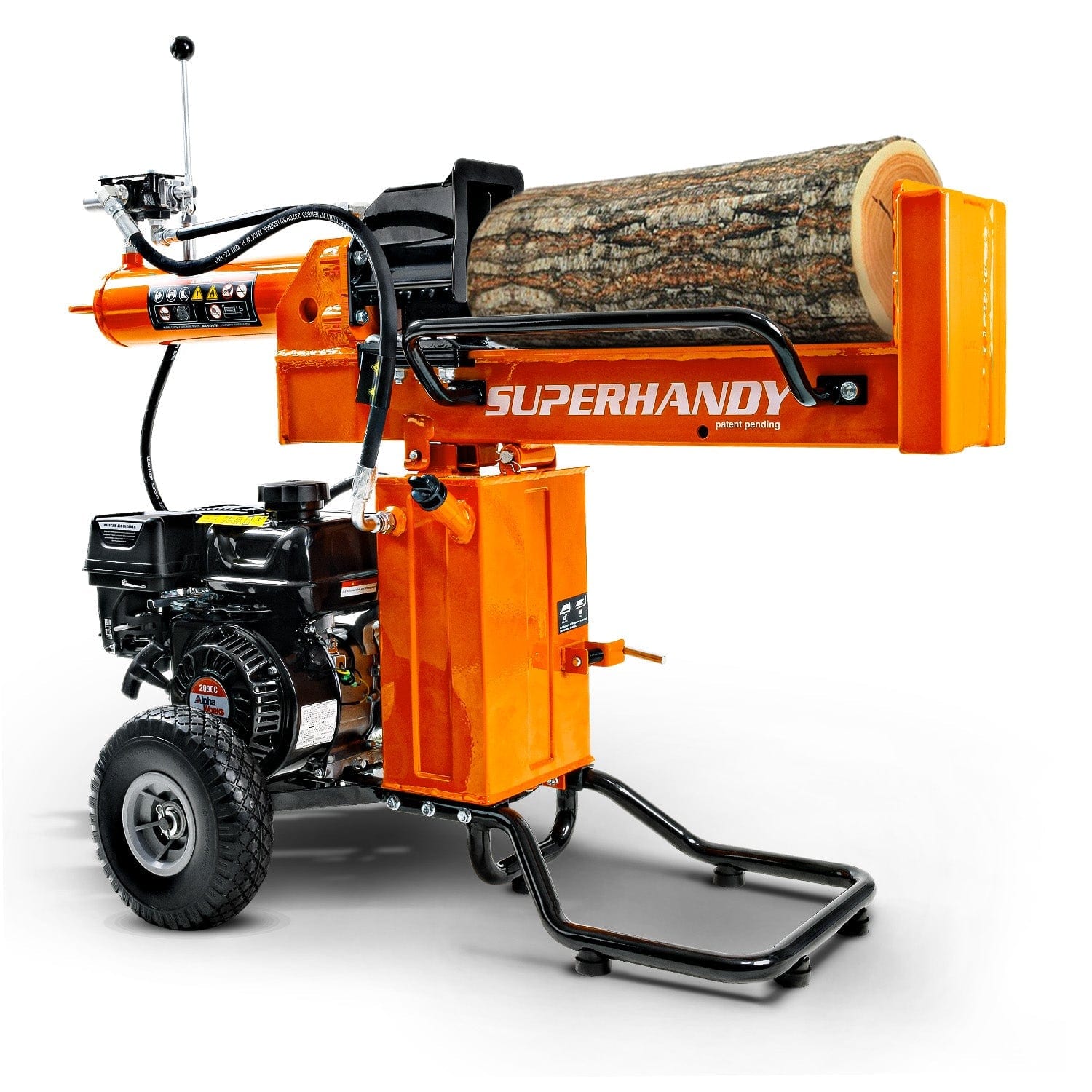
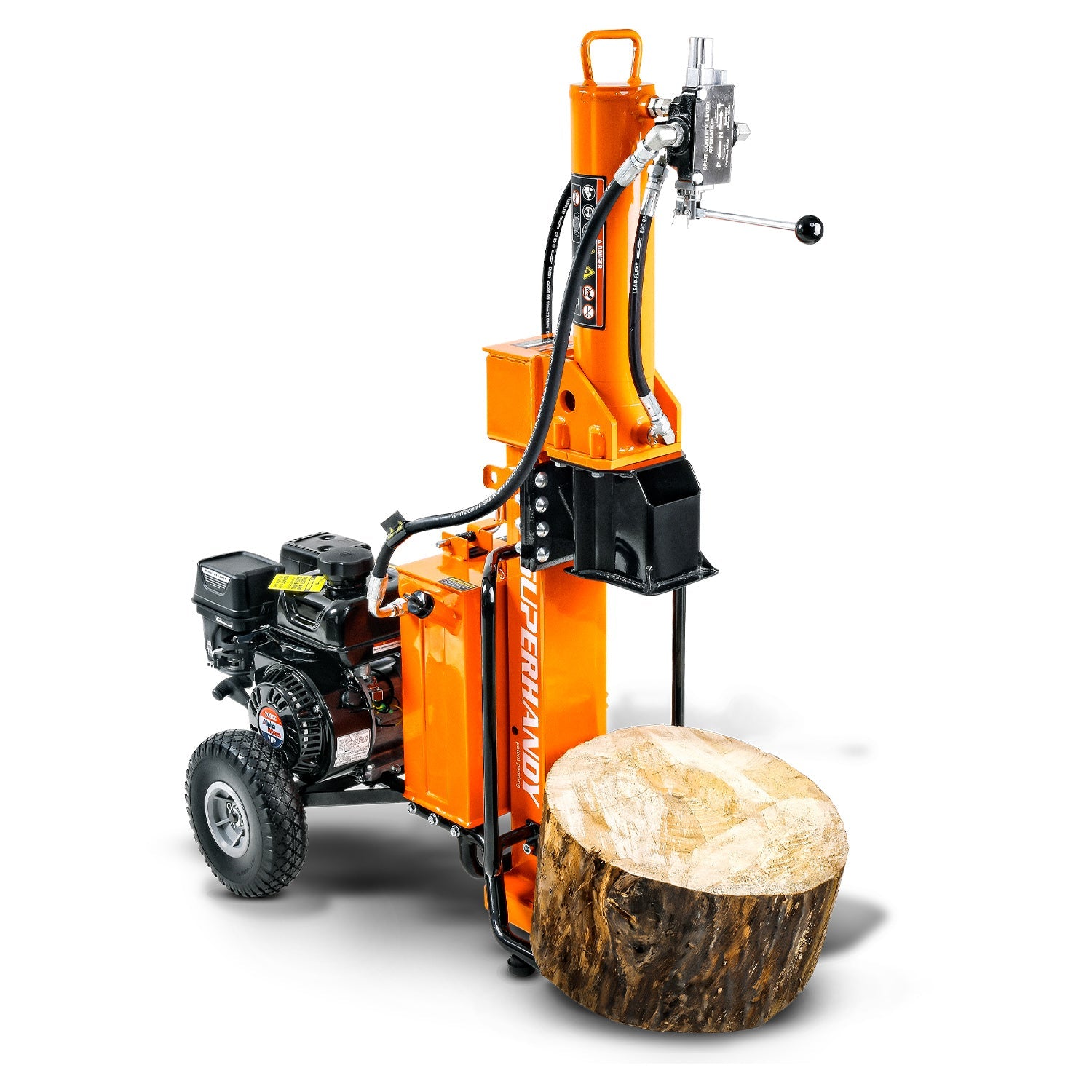
Gas-powered log splitters, being heavier and more robust, are built with transport over larger properties in mind. Look for features like large, pneumatic tires that can handle uneven terrain and a tow hitch that allows you to pull the splitter behind an ATV or lawn tractor. The overall footprint is also important for storage. Some models offer vertical/horizontal operation, which not only provides splitting flexibility but can also allow for more compact vertical storage, saving valuable floor space in your shed or garage.

Safety First: Essential Features and Best Practices for Log Splitter Operation
Operating any powerful machinery requires a commitment to safety. Modern log splitters are designed with several key features to protect the user. One of the most common is two-handed operation, which requires you to use both hands to engage the ram, ensuring your hands are safely away from the splitting wedge. Other features to look for include log cradles or trays that prevent split logs from falling on your feet and an automatic ram return that brings the wedge back to the starting position without manual intervention.
Beyond the machine’s built-in protections, personal responsibility is paramount. Always operate your log splitter on a clear, level surface to prevent it from tipping. Wear appropriate personal protective equipment (PPE), including durable gloves, steel-toed boots, and safety glasses to shield your eyes from flying wood chips. According to the Occupational Safety and Health Administration's guidance on hand and power tool safety, keeping tools in good condition and using the right PPE are fundamental to preventing injuries. Never allow children near the machine, and ensure anyone who operates it is fully trained on its use and safety protocols.
Maintenance and Longevity: Keeping Your Log Splitter in Top Shape
A log splitter is a significant investment, and proper maintenance is the key to ensuring it provides years of reliable service. The most critical task for any hydraulic splitter is managing the hydraulic fluid. You should regularly check the fluid level and change it according to the manufacturer's recommended schedule to keep the system running smoothly and prevent premature wear on the pump and cylinder.
The splitting wedge itself will also require attention. A dull wedge crushes wood rather than splitting it, which puts unnecessary strain on the entire machine. Periodically inspect the wedge and sharpen it with a file as needed to maintain a clean, efficient cut. For gas-powered models, you’ll also need to perform routine engine maintenance, including oil changes, air filter cleaning, and spark plug checks. For all types of splitters, it’s good practice to keep the machine clean, inspect all hoses and fittings for leaks or damage before each use, and store it in a dry, covered location to protect it from the elements.
Budgeting for Your Log Splitter: What to Expect and Where to Invest
Investing in a log wood splitter is about saving your back and your time, and the price can range from a few hundred to several thousand dollars. Understanding the cost tiers will help you set a realistic budget.
- Entry-Level ($200 - $500): This range primarily consists of manual and smaller electric log splitters. These are suitable for homeowners with occasional, light-duty needs—splitting small, seasoned logs for a backyard fire pit or a small wood stove. While budget-friendly, they offer less power and are best for softer woods.
- Mid-Range ($500 - $1,500): Here you'll find more powerful electric models and entry-level gas-powered splitters. This is the sweet spot for many property owners who heat with wood or process a few cords each year. You get a significant jump in tonnage and the ability to handle larger, tougher logs.
- High-End ($1,500+): This category is dominated by powerful gas and hydraulic log splitters built for performance and high-volume work. If you're clearing land, running a small firewood business, or processing many cords of green, knotty hardwood, the investment in a heavy-duty machine with high tonnage and a fast cycle time is well worth it.
When deciding where to invest, prioritize power (tonnage) and build quality. It’s better to invest in a slightly more powerful splitter than you think you need to avoid being under-equipped when you encounter a particularly tough piece of oak or maple.
Frequently Asked Questions About Choosing a Log Splitter
What’s the difference between splitting force and tonnage? There is no difference—these terms are used interchangeably. Tonnage is the measurement of the splitting force a log splitter can exert. A 7-ton splitter exerts 14,000 pounds of force. The higher the tonnage, the larger and harder the wood your machine can handle.
Is a faster cycle time always better? Not necessarily. Cycle time is how long it takes the ram to extend and retract. A faster cycle time means you can process wood more quickly, which is crucial for high-volume jobs. However, for the average homeowner splitting a cord or two a year, a standard cycle time (e.g., 15-20 seconds) is perfectly adequate. Don't overpay for speed you don't need; focus on getting the right tonnage for your wood type first. For air travel,
Can I use an extension cord with my electric log splitter? Yes, but you must use the correct type. Using a light-duty, too-long, or underrated extension cord can starve the motor of power, causing it to overheat and potentially suffer permanent damage. Always consult your owner's manual for the recommended gauge (AWG) and maximum length of the extension cord for your specific model. A heavy-duty, outdoor-rated cord is essential.
Making the Final Decision: Matching a Log Splitter to Your Needs
Choosing your first firewood splitter comes down to honestly assessing your specific situation. By now, you understand the types, features, and power ratings. To make your final choice, run through this simple checklist:
- Wood Type: Am I splitting mostly soft, seasoned wood (lower tonnage needed) or hard, green, knotty wood (higher tonnage required)?
- Volume: Am I splitting a few logs for the fire pit (small electric) or multiple cords to heat my home all winter (gas-powered)?
- Location: Will I be working near an outlet in the garage (electric) or out in the field away from a power source (gas)?
- Log Size: What is the typical diameter and length of the logs I need to split? Ensure the machine's log capacity matches your wood.
- Budget: What is my realistic budget, and does it align with the power and features I truly need?

Answering these questions will point you directly to the machine that fits your workflow, not someone else's. You're not just buying a tool; you're investing in a more efficient and less strenuous way to enjoy the warmth and satisfaction of your own firewood. When you're ready to compare models and find the perfect match, explore our complete collection of log splitters to find the one that will serve you for years to come.
Related Products

Leave a comment
All comments are moderated before being published.
This site is protected by hCaptcha and the hCaptcha Privacy Policy and Terms of Service apply.