









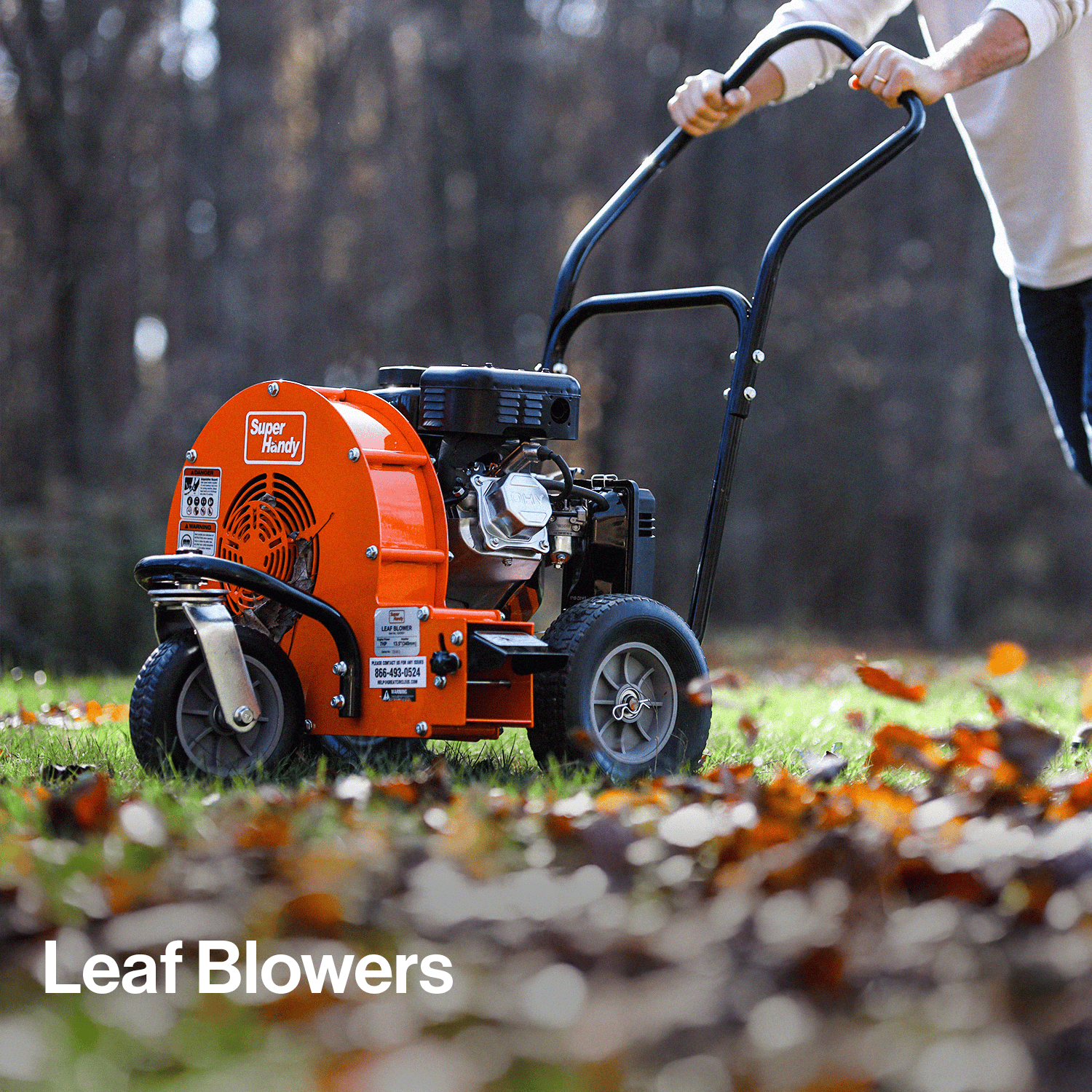
Understanding the Core Differences: Leaf Vacuum Mulchers Explained
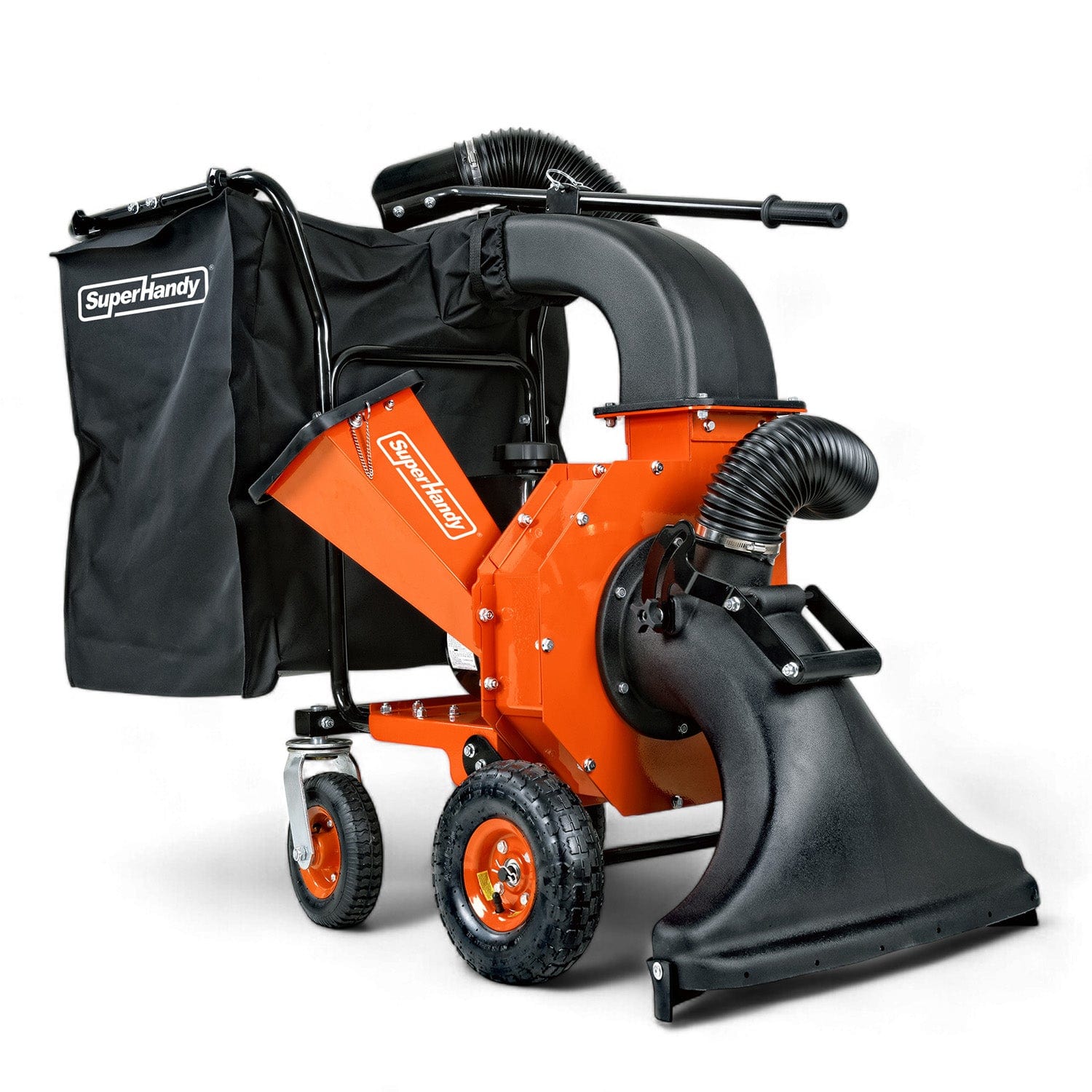
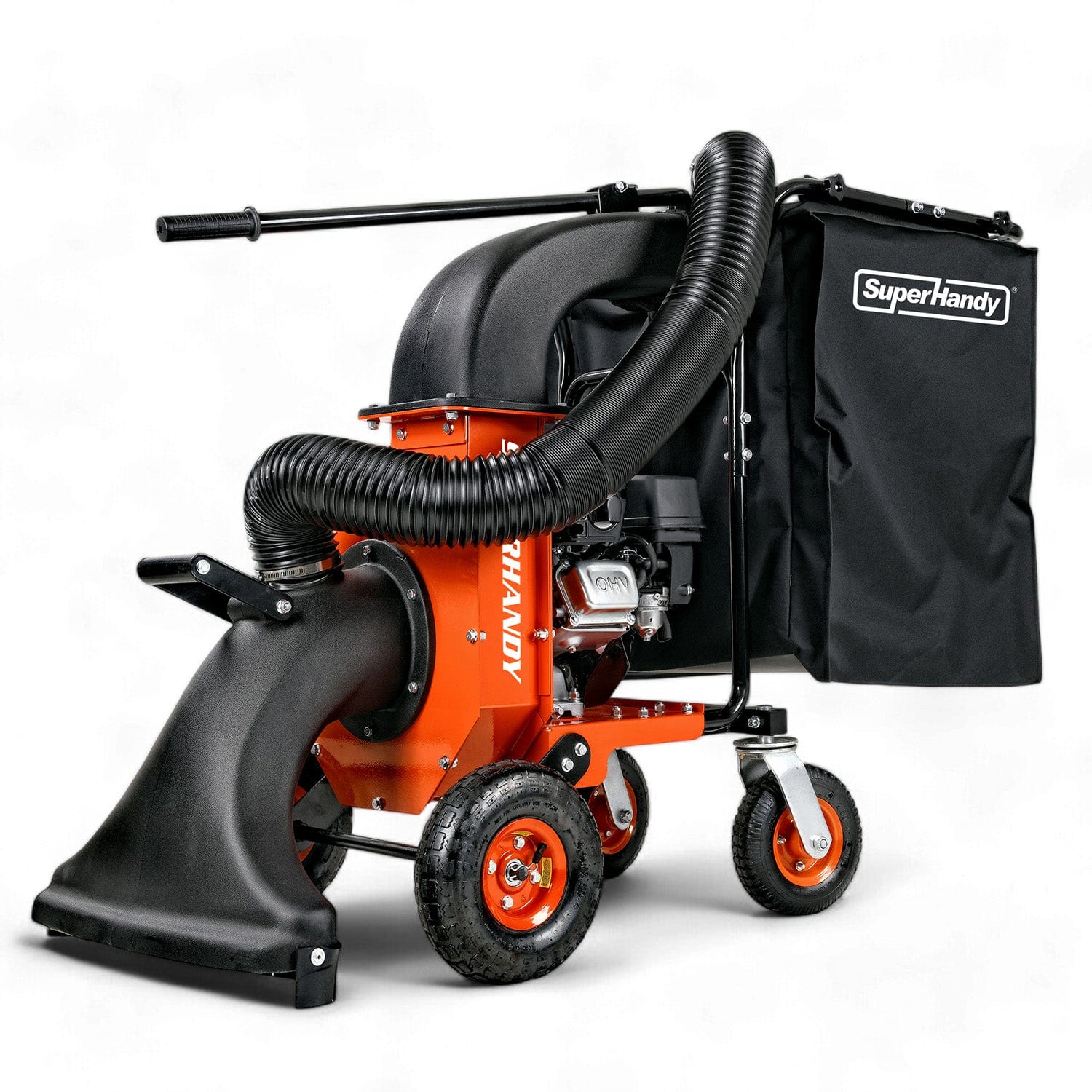
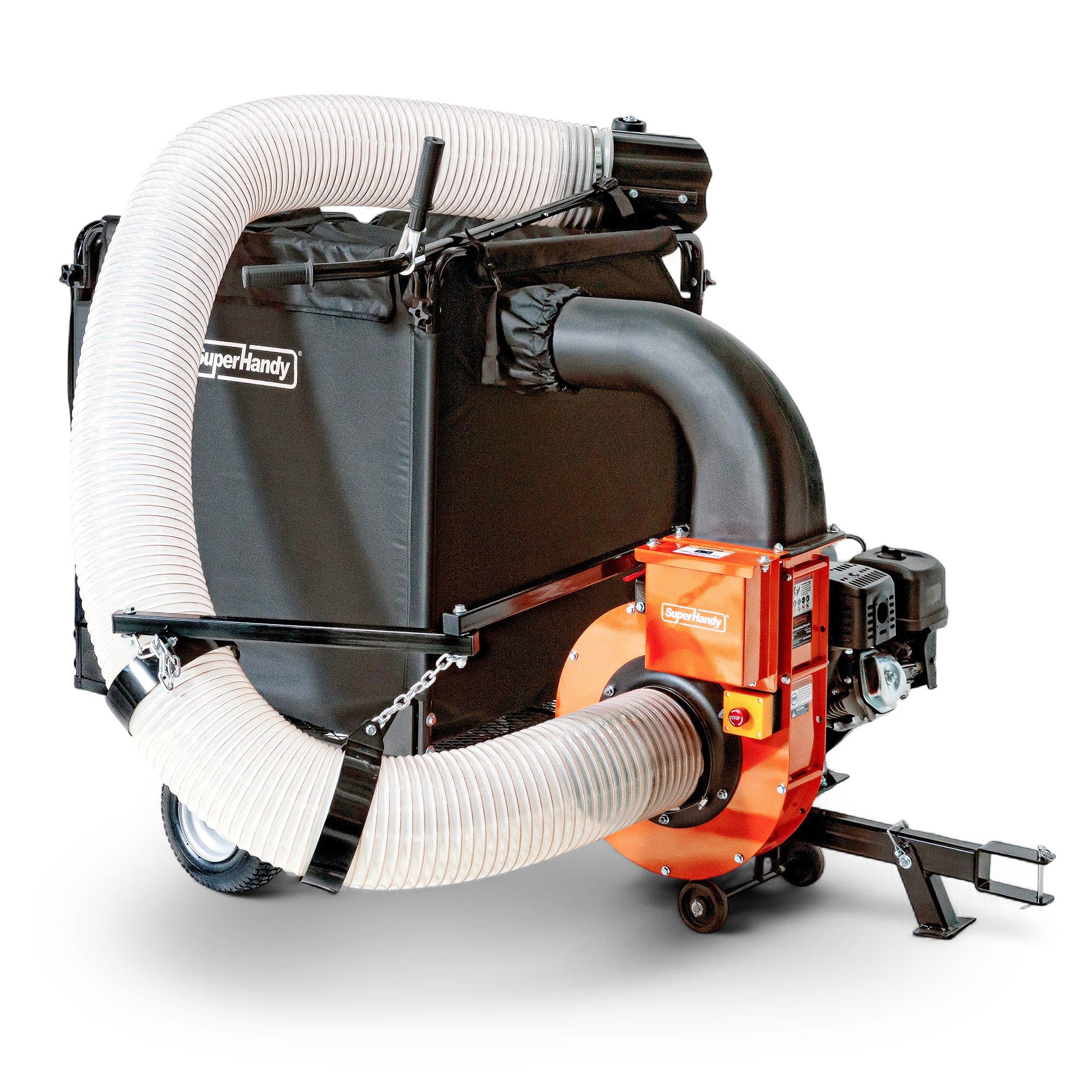
When we talk about a dedicated leaf vacuum mulcher, we're referring to a specialized tool designed for one primary task: suctioning and shredding yard debris. Think of it as a super-powered outdoor vacuum cleaner. This machine focuses its entire design on creating powerful suction to pull leaves, twigs, and other small debris up from your lawn, flower beds, and hardscapes. Once inside, the debris passes through a high-speed impeller that acts like a blender, chopping the material into a fine mulch. This mulch is then deposited directly into an attached collection bag, ready for your compost pile or garden beds. Their singular focus makes them incredibly effective at precise cleanup jobs, especially in tight spots where blowing leaves around isn't an option.
How Leaf Blower Mulchers Revolutionize Yard Cleanup
A leaf blower mulcher, often called a leaf blower vacuum mulcher, is the multi-tool of the yard cleanup world. These versatile machines combine three functions into one convenient device: a powerful blower, a capable vacuum, and an integrated mulcher. The typical workflow involves using the blower function to efficiently gather scattered leaves from across your lawn into a large, manageable pile. Then, with a quick conversion—usually involving swapping a tube and attaching a collection bag—you switch the tool to its vacuum mode. As it sucks up the pile, the internal impeller shreds the leaves, reducing their volume and packing them neatly into the bag. This 3-in-1 approach streamlines the entire process, eliminating the need for rakes and separate tools, making it a popular choice for homeowners looking for all-in-one leaf blowers.

Powering Through Piles: Comparing Engine Types and Performance
The power source of your leaf tool dictates its performance, runtime, and overall character. You’ll generally find three options:
- Gas-Powered: The undisputed champions of raw power and portability. Gas engines deliver the highest cubic feet per minute (CFM) and miles per hour (MPH) ratings, making them ideal for clearing large properties with heavy, wet leaves. However, this power comes with more weight, louder operation, and the need for fuel mixing and regular engine maintenance.
- Corded Electric: These models offer a great balance of consistent power and lighter weight. As long as you’re plugged in, you have unlimited runtime without worrying about refueling or recharging. Their main drawback is the cord itself, which limits your range and can be cumbersome to manage around trees and other obstacles. They are best suited for smaller, suburban yards.
- Battery-Powered (Cordless): Offering the best of both worlds, cordless models provide the freedom of gas with the low-noise, low-maintenance benefits of electric. Modern lithium-ion batteries have made these tools more powerful and longer-lasting than ever. While they may not match the peak power of high-end gas models, they are more than capable for most residential tasks and offer a much quieter, cleaner user experience.
Weight and Ergonomics: How Each Tool Feels in Your Hands
Yard work can be physically demanding, so the weight and ergonomics of your tool are crucial for comfort and safety. Dedicated leaf vacuum mulchers are often heavier than their 3-in-1 counterparts due to their specialized suction components and larger collection systems. Some are designed as walk-behind units to manage this weight, while handheld models can cause fatigue during extended use. Handheld leaf blower mulchers are generally lighter, but the weight of the collection bag increases significantly as it fills with shredded leaves. Look for models with features like adjustable handles, anti-vibration technology, and a padded shoulder strap for the collection bag. According to the OSHA hand and power tool safety guidance, using tools that are well-balanced and fit the user can help prevent musculoskeletal injuries, so it's vital to choose a machine that feels comfortable and controllable in your hands.
Mulching Ratios: How Much Can Each Machine Reduce Leaf Volume?
When you’re dealing with massive piles of autumn leaves, the mulching ratio is a critical feature. This number tells you how effectively a machine can shred and compact leaves. For example, a 16:1 ratio means the machine can reduce 16 bags of whole leaves into just one bag of mulch. This not only saves you space in yard waste bags but also creates a finer, more useful mulch for your garden beds or compost pile.
Generally, dedicated leaf vacuum mulchers excel here. Because their sole purpose is to suck up and shred, they are often equipped with heavy-duty metal impellers designed for maximum destruction, achieving impressive ratios from 12:1 up to 18:1 or even higher on commercial-grade models. A leaf blower mulcher, on the other hand, is a jack-of-all-trades. Its impeller is designed to both create airflow for blowing and shred debris for vacuuming. While still effective, this compromise typically results in slightly lower mulching ratios, commonly in the 10:1 to 16:1 range.

Noise Levels: Keeping the Peace While You Tidy Up
Let's be honest: no leaf management tool is truly silent. However, the type and level of noise can vary significantly between models, impacting you and your neighbors. The sound level of power tools is measured in decibels (dB), and it’s important to remember that the scale is logarithmic—a tool rated at 100 dB is significantly louder than one at 90 dB. Gas-powered engines are almost always the loudest offenders, whether in a dedicated vacuum or a blower combo.
Electric and battery-powered models are considerably quieter, but they still produce enough noise to warrant protection. A leaf blower mulcher often has a high-pitched whine during blowing and a lower-toned grinding sound when vacuuming. A dedicated leaf vacuum mulcher tends to have a more consistent, low-end rumble and grinding noise. Regardless of your choice, it is crucial to protect your hearing. According to the Occupational Safety and Health Administration's guidance on hand and power tools, using the proper personal protective equipment, including hearing protection, is essential for safe operation.
Durability and Build Quality: Investing in Long-Term Performance
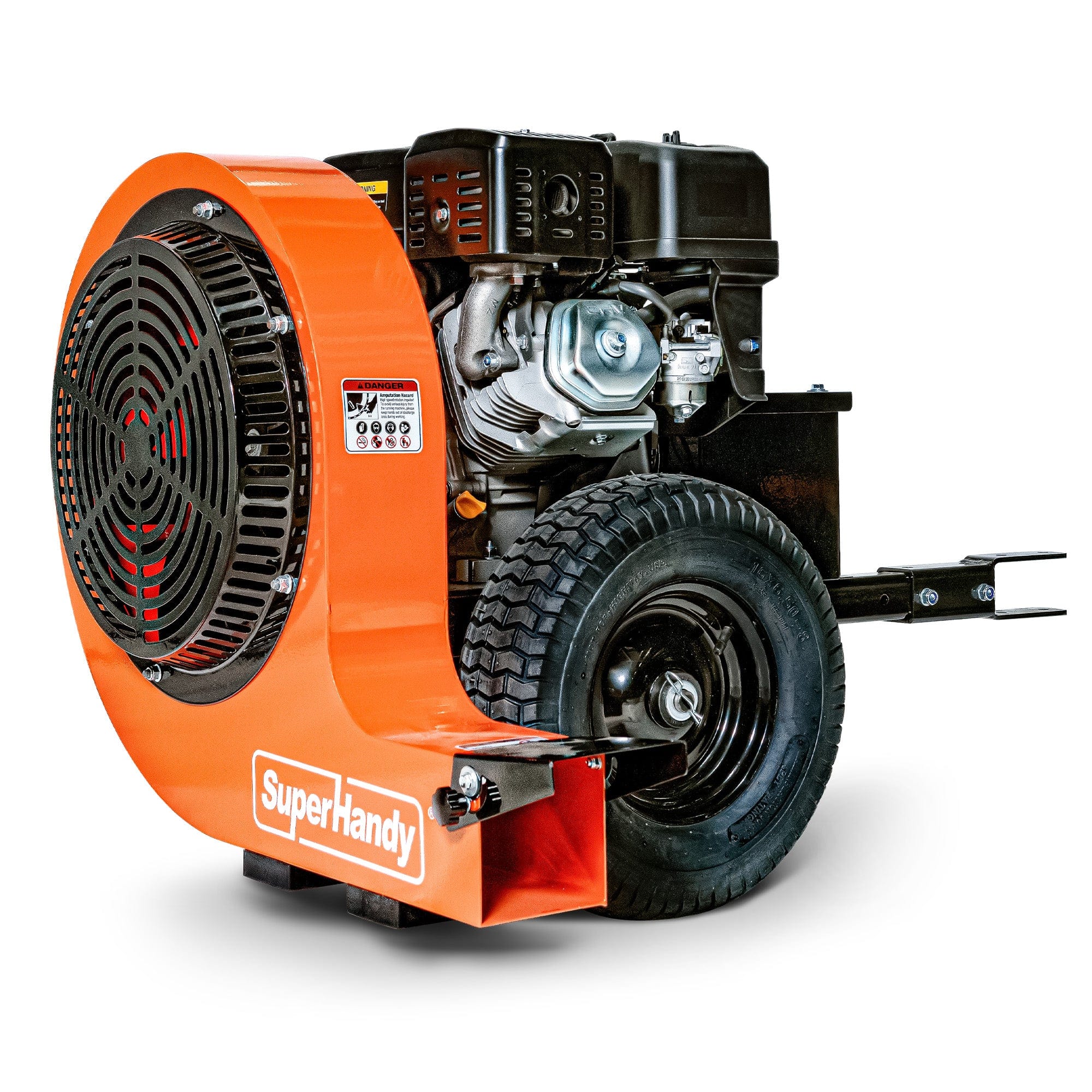
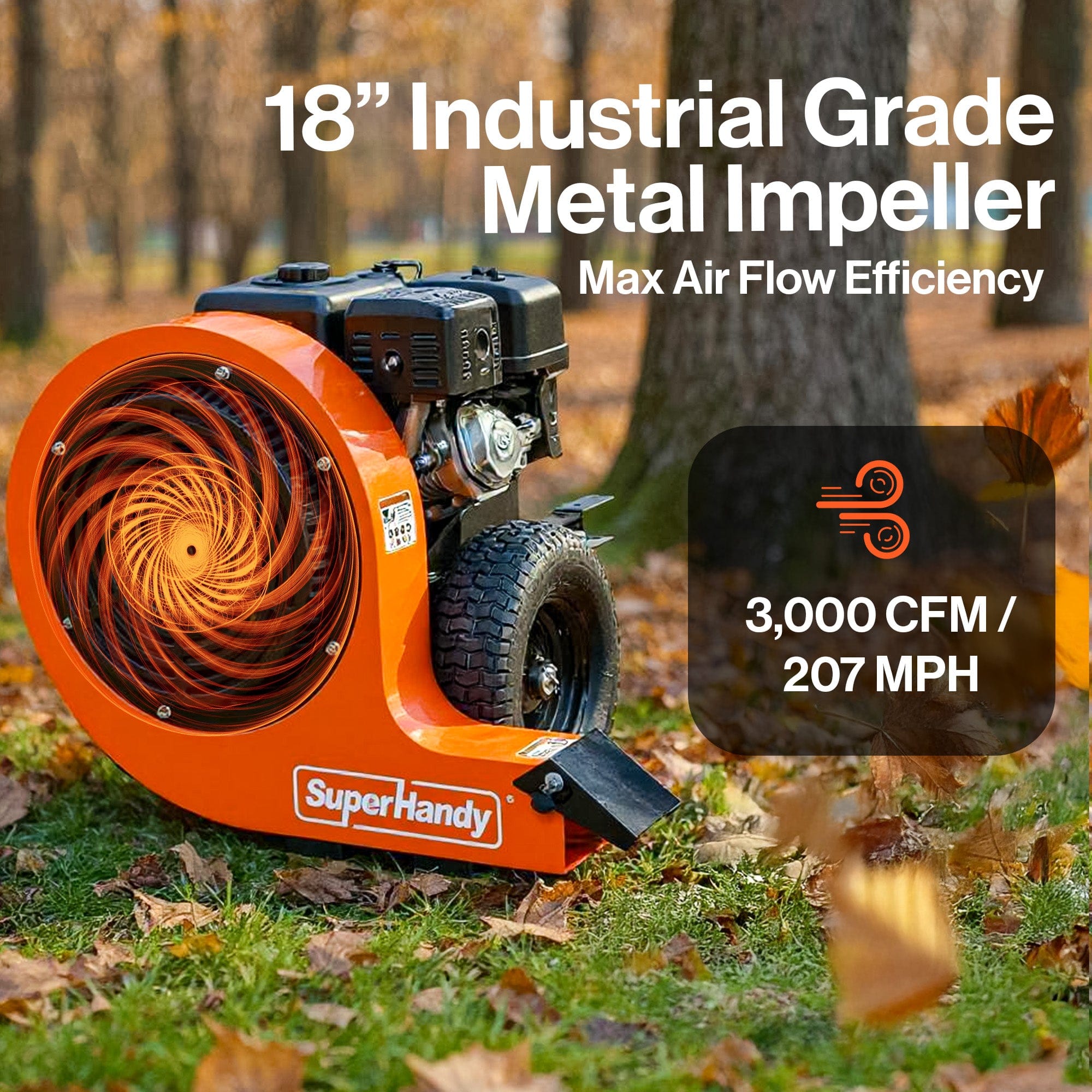
The longevity of your yard tool depends heavily on its build quality, and the most important component for mulching is the impeller. This is the fan that shreds the leaves, and its material makes all the difference. Dedicated leaf vacuum mulchers and high-end leaf blower mulchers often feature metal impellers made of steel or aluminum. These are far more durable and can withstand the accidental ingestion of small twigs, acorns, and pebbles without chipping or shattering.
Many consumer-grade leaf blower vacuum mulchers use a high-impact plastic impeller to reduce weight and cost. While sufficient for shredding dry leaves, a plastic impeller is more susceptible to damage from harder debris. Beyond the impeller, look at the overall construction. Is the housing made of thick, sturdy plastic? Is the collection bag made of durable, tear-resistant fabric with a robust zipper and a secure connection point to the machine? Investing a little more in a well-built machine with a metal impeller often pays off in long-term reliability and performance.
Ease of Use and Maneuverability: Navigating Your Landscape
How a tool feels and handles in your yard is just as important as its power. This is where the difference between a dedicated vacuum and a combo unit becomes most apparent. Handheld leaf blower mulchers are lightweight, portable, and incredibly maneuverable. They are suitable for clearing small- to medium-sized yards, decks, patios, and garden beds. Their agility allows you to easily get around bushes, under benches, and into tight corners. The main drawback is that the shoulder-mounted collection bag can become heavy and cumbersome as it fills, and the process of converting the tool from blower to vacuum mode can be tedious on some models.
Dedicated leaf vacuum mulchers are typically larger and heavier. Many are "push" style, resembling a lawnmower, which is fantastic for clearing large, open expanses of lawn with minimal effort. However, this size makes them difficult to use in tight spaces, on steep inclines, or for clearing stairways. While less nimble than their handheld counterparts, their large-capacity bags and wide vacuum nozzles make quick work of big jobs. Your choice will depend on whether your priority is covering large, flat areas efficiently or having the flexibility to navigate a more complex landscape with various leaf blowers and vacuum options.
Maintenance and Storage: Keeping Your Equipment Ready
Proper maintenance and storage are crucial for ensuring your leaf management tool is ready to perform season after season. Gas-powered models, whether they are dedicated vacuum mulchers or combination leaf blower mulchers, require the most upkeep. This includes regular oil changes, spark plug checks, air filter cleaning, and stabilizing the fuel before off-season storage. Electric models, both corded and cordless, are significantly easier to maintain. Their upkeep typically involves wiping the unit down, clearing vents of debris, and inspecting power cords for damage.
Cost Considerations: What's Your Budget for Leaf Management?
Your budget plays a significant role in choosing between a leaf vacuum mulcher and a leaf blower mulcher. The decision isn't just about the initial price tag; it's about the total cost of ownership.
- Initial Purchase Price: Handheld leaf blower vacuum mulchers often have a lower entry price, offering 3-in-1 versatility that appeals to many homeowners. Dedicated walk-behind leaf vacuum mulchers typically represent a larger upfront investment due to their powerful engines and robust construction.
- Operating Costs: This is where the power source makes a big difference. Gas-powered units require an ongoing budget for fuel and oil, plus occasional replacement parts like filters and spark plugs. Corded electric models have a negligible impact on your electricity bill. Cordless models run on rechargeable batteries, which may eventually need to be replaced, but their day-to-day running cost is very low.
While a gas model might seem cheaper initially, a battery-powered leaf blower mulcher can offer long-term savings and convenience.

Environmental Impact: Fuel Efficiency and Emissions Compared
As homeowners become more environmentally conscious, the impact of their yard tools is a growing consideration. Gas-powered engines, particularly older 2-stroke models, release emissions like carbon monoxide and unburned hydrocarbons directly into the air you breathe. They are also notoriously loud, contributing to noise pollution in your neighborhood.
This is where electric and battery-powered tools shine. A cordless leaf blower mulcher produces zero direct emissions, making it a much cleaner and quieter alternative for you and your community. While the generation of electricity and the manufacturing of batteries have their own environmental footprint, the immediate operational impact is vastly superior. Choosing modern, efficient electric leaf blowers and mulchers is a simple way to reduce your carbon footprint while keeping your yard tidy.
Best Use Cases: When to Choose a Leaf Vacuum Mulcher
While combination units offer great versatility, a dedicated leaf vacuum mulcher is the undisputed champion in specific scenarios. If your primary goal is to collect and process a large volume of leaves with maximum efficiency, this is the tool for you.
Choose a dedicated leaf vacuum mulcher when:
- You have a large property: For yards over half an acre with heavy leaf fall, a walk-behind vacuum mulcher can clear massive areas far more quickly and with less physical strain than a handheld unit.
- Mulch production is your priority: These machines are built to do one thing exceptionally well: vacuum and shred. They often have larger impellers and more powerful engines, resulting in a higher mulching ratio and finer, more consistent mulch suitable for composting or garden beds.
- Precision is key: If you need to clean leaves from delicate flower beds, rock gardens, or patios without blowing mulch and soil everywhere, the targeted suction of a vacuum is far more controlled than a blower. It allows you to suck up debris right to the edge of a lawn or walkway with surgical precision.
Best Use Cases: When to Choose a Leaf Blower Mulcher
A leaf blower vacuum mulcher, often called a 3-in-1 tool, is the Swiss Army knife of yard cleanup. Its versatility makes it the ideal choice for homeowners who face a variety of tasks and want one machine to handle them all. If your yard cleanup routine involves more than just sucking up leaves from a single spot, this is likely the tool for you.
Choose a leaf blower mulcher if you have:
- A Large or Complex Yard: The primary advantage is the blower function. For properties with expansive lawns, multiple trees, or intricate landscaping, blowing leaves into manageable piles before vacuuming is far more efficient than trying to vacuum an entire yard. You can quickly clear large areas, directing all the debris to a central point for easy collection.
- Hard Surfaces to Clear: Patios, decks, driveways, and walkways are where the blower function truly shines. A dedicated leaf vacuum mulcher can't effectively clear these spaces. A leaf blowers function, however, lets you blast away leaves, grass clippings, and light debris in seconds, keeping your outdoor living areas pristine.
- A Need for Maximum Versatility: Why buy and store three separate tools? The leaf blower mulcher combines a powerful blower, a capable vacuum, and a shredder. You can blow leaves off the lawn, switch to vacuum mode to suck them up from flower beds, and have them automatically mulched and deposited into an attached bag. This all-in-one capability saves storage space and money.

Essentially, if your cleanup strategy is "gather, then collect," a leaf blower vacuum mulcher is your best bet. It provides the power to herd scattered leaves and the finesse to clean them up, all while reducing their volume for easy disposal or composting.
Making Your Final Decision: Matching the Tool to Your Needs
Choosing between a dedicated leaf vacuum mulcher and a combination leaf blower mulcher comes down to a simple assessment of your property and priorities. Neither is universally "better"—the right tool is the one that makes your specific cleanup tasks easier.
Ask yourself these questions to find your perfect match:
- What is my primary task? If you mainly need to clear leaves from hard surfaces and gather them into piles, the blower function is critical. A leaf blower vacuum mulcher is the clear winner. If your main goal is to meticulously remove leaves from delicate garden beds and small lawn patches without blowing mulch everywhere, a dedicated leaf vacuum mulcher offers more targeted control.
- How big is my yard? For larger properties (half an acre or more), the efficiency of blowing leaves into a single large pile before dealing with them is undeniable. A leaf blower mulcher is almost always the better choice here. For small, simple yards, a dedicated vacuum might be sufficient.
- How much storage space do I have? If garage or shed space is at a premium, the 3-in-1 design of a leaf blower vacuum mulcher is a major space-saver compared to owning separate tools.
- What kind of debris am I handling? Both tools are designed for leaves. However, if you frequently deal with twigs, acorns, and other tougher debris, you'll need to look at models with high-quality metal impellers, which are available in both categories.
Ultimately, most homeowners find the versatility of a leaf blower mulcher to be the most practical solution for all-around yard maintenance.
Frequently Asked Questions about Leaf Vacuum Mulchers and Blowers
Can these tools handle wet leaves? While most leaf vacuum and blower mulchers can process damp leaves, it's not ideal. Wet leaves are heavy, sticky, and tend to clog the vacuum tube and impeller blades. This reduces performance and requires you to stop and clear the machine. For best results, wait for a dry day. If you must tackle wet leaves, work slowly and feed smaller amounts into the vacuum at a time.
What safety precautions should I take when using a leaf mulcher? Operating any power tool requires care. Always wear safety glasses or goggles to protect your eyes from flying debris and dust. Hearing protection is also highly recommended, as gas and even some electric models can be quite loud. Wear sturdy, closed-toe shoes and gloves to protect your hands. Before starting, inspect the area for large rocks, thick branches, or other objects that could damage the machine or become dangerous projectiles. For comprehensive information, always consult resources like the OSHA hand and power tool safety guidance and your tool's user manual.
What does the mulching ratio mean? The mulching or reduction ratio (e.g., 10:1, 16:1) indicates how effectively the machine shreds leaves. A 16:1 ratio means the tool can reduce 16 bags of whole leaves down to just one bag of finely chopped mulch. A higher ratio is generally better, as it means you'll have to empty the collection bag less often and the resulting mulch will be finer, making it excellent for composting or as a natural fertilizer for your garden beds.
How do I prevent my leaf blower vacuum mulcher from clogging? Clogging is the most common frustration, but it's often preventable. The primary cause is trying to vacuum wet, matted leaves. Additionally, avoid sucking up large twigs, acorns, pinecones, and stones, as these can jam the impeller. Work at a steady pace and don't force the nozzle deep into a massive pile; let the vacuum's suction draw the leaves in gradually.
Related Products


Leave a comment
All comments are moderated before being published.
This site is protected by hCaptcha and the hCaptcha Privacy Policy and Terms of Service apply.