



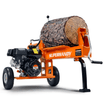







Understanding Your Wood Splitting Needs: How Much Wood Do You Need to Split?
The first step in choosing a log splitter is to honestly assess your workload. Are you a casual user who needs to split a few logs for the occasional backyard fire pit, or do you rely on a wood-burning stove to heat your home all winter? The volume of wood you process is the single most important factor in your decision.
Think in terms of cords. A standard cord of wood is a neatly stacked pile measuring 4 feet high, 4 feet wide, and 8 feet long.
- Light Use (Up to 2 cords per year): If you're splitting wood for occasional fires or a small wood stove, you likely fall into this category. A smaller, less powerful machine will probably suffice.
- Moderate Use (2-5 cords per year): This is common for homeowners who use wood as a secondary heat source. You'll want a reliable and efficient machine that can handle a decent workload without being overly cumbersome.
- Heavy Use (5+ cords per year): If you heat your home primarily with wood or process it for a small business, you need a heavy-duty log splitter that prioritizes power, speed, and durability.
Types of Log Splitters: Electric, Gas, and PTO Explained
Log splitters are primarily categorized by their power source. Each type has distinct advantages and is suited for different environments and workloads. Understanding these basic categories will quickly narrow down your options.
- Electric Log Splitters: Powered by a standard electrical outlet, these machines are quiet, produce no emissions, and are relatively low-maintenance.
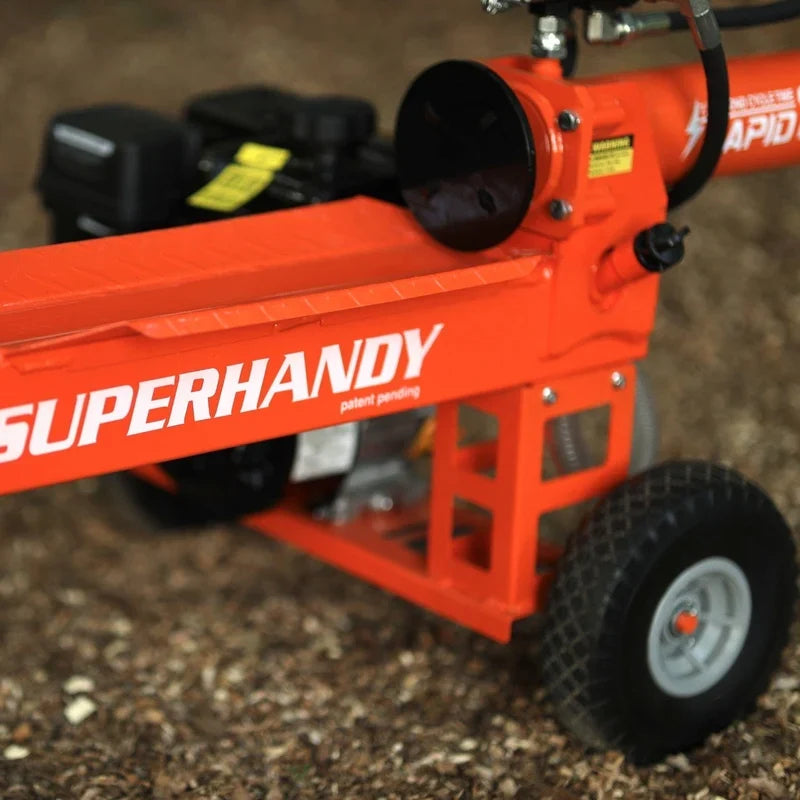
- Gas-Powered Log Splitters: Equipped with a gasoline engine, these are the most common and versatile type, offering a great balance of power and portability.
- PTO (Power Take-Off) Log Splitters: These heavy-duty units don't have their own engine. Instead, they attach to a tractor's PTO drive shaft, leveraging the tractor's power for maximum splitting force.

Electric Log Splitters: Pros, Cons, and Best Use Cases
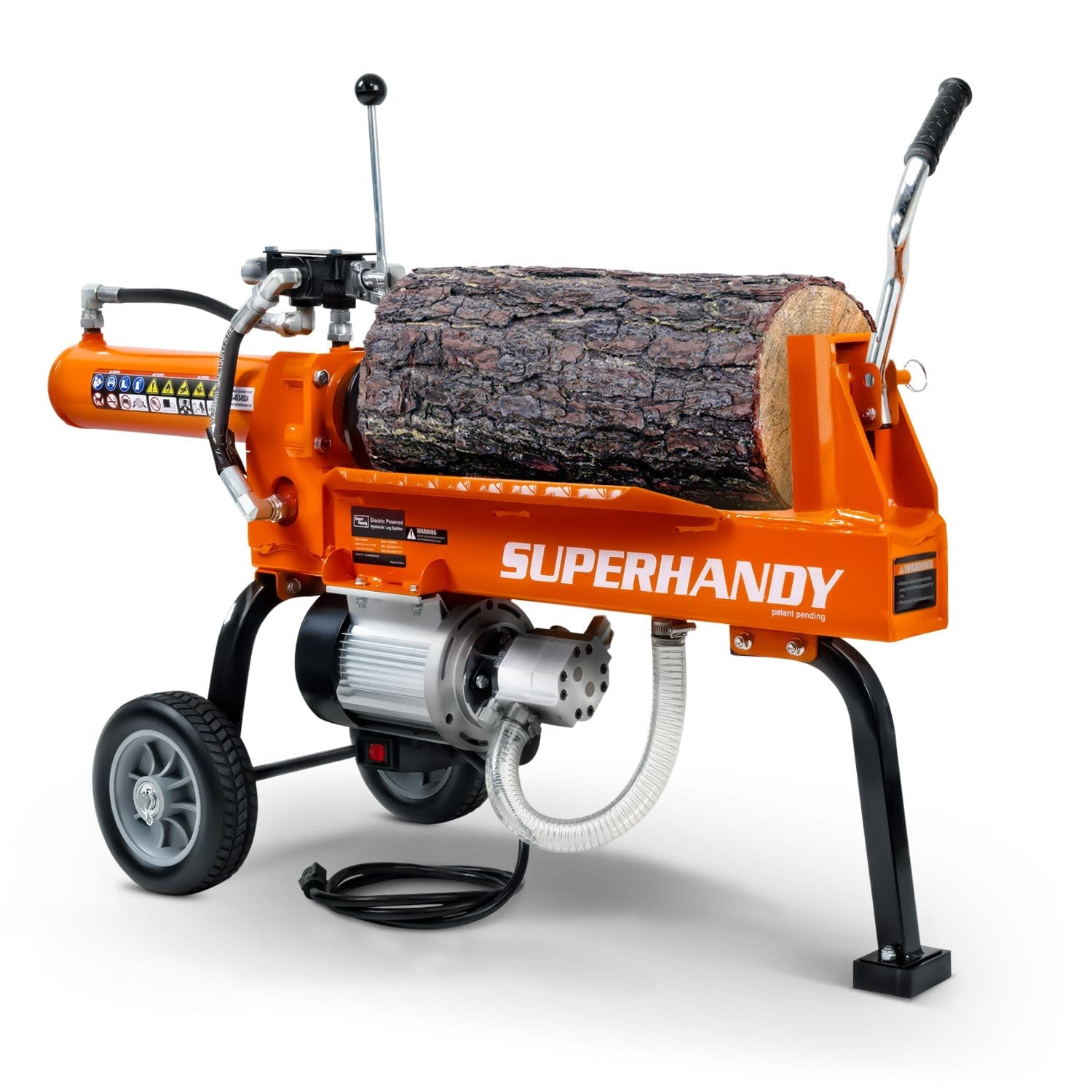
An electric log splitter is the perfect solution for many homeowners. If you have access to a power outlet and are working with small-to-medium-sized logs, an electric model offers convenience that's hard to beat. Because they don't produce fumes, you can safely use them in a garage or shed, allowing you to work regardless of the weather. They are also significantly quieter than their gas-powered counterparts, making them a more neighbor-friendly option.
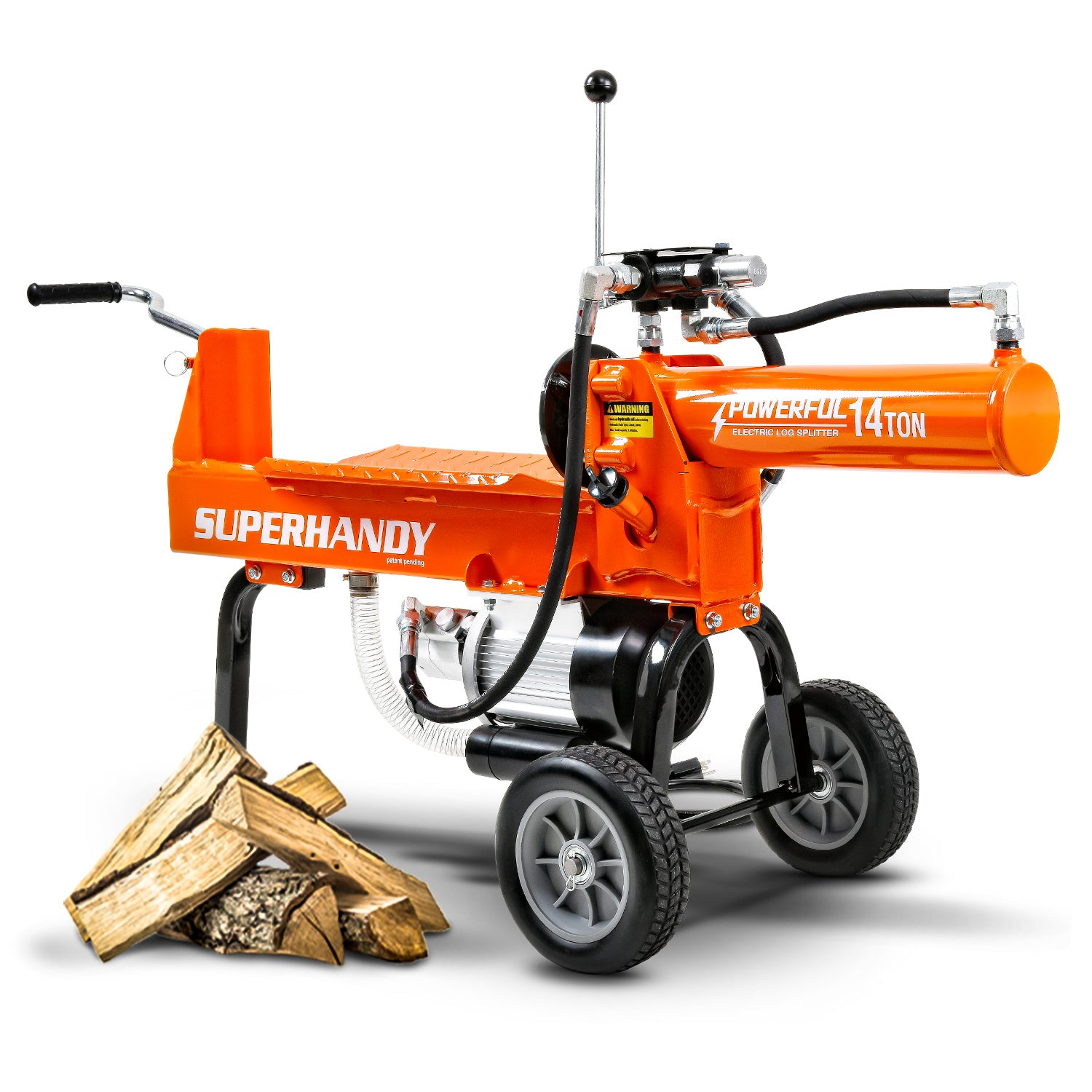
The main trade-off is power. While perfectly capable of handling most common firewood like pine and birch, they can struggle with larger rounds or dense, knotted hardwoods. However, modern electric models are surprisingly robust. For example, a powerful 14 Ton Electric Log Splitter can easily tackle logs up to 15 inches in diameter, making it a formidable tool for most residential needs.
Best For: Homeowners with light-to-moderate splitting needs, working in residential areas, and splitting logs under 15 inches in diameter.
Gas-Powered Log Splitters: When Power and Portability Matter Most
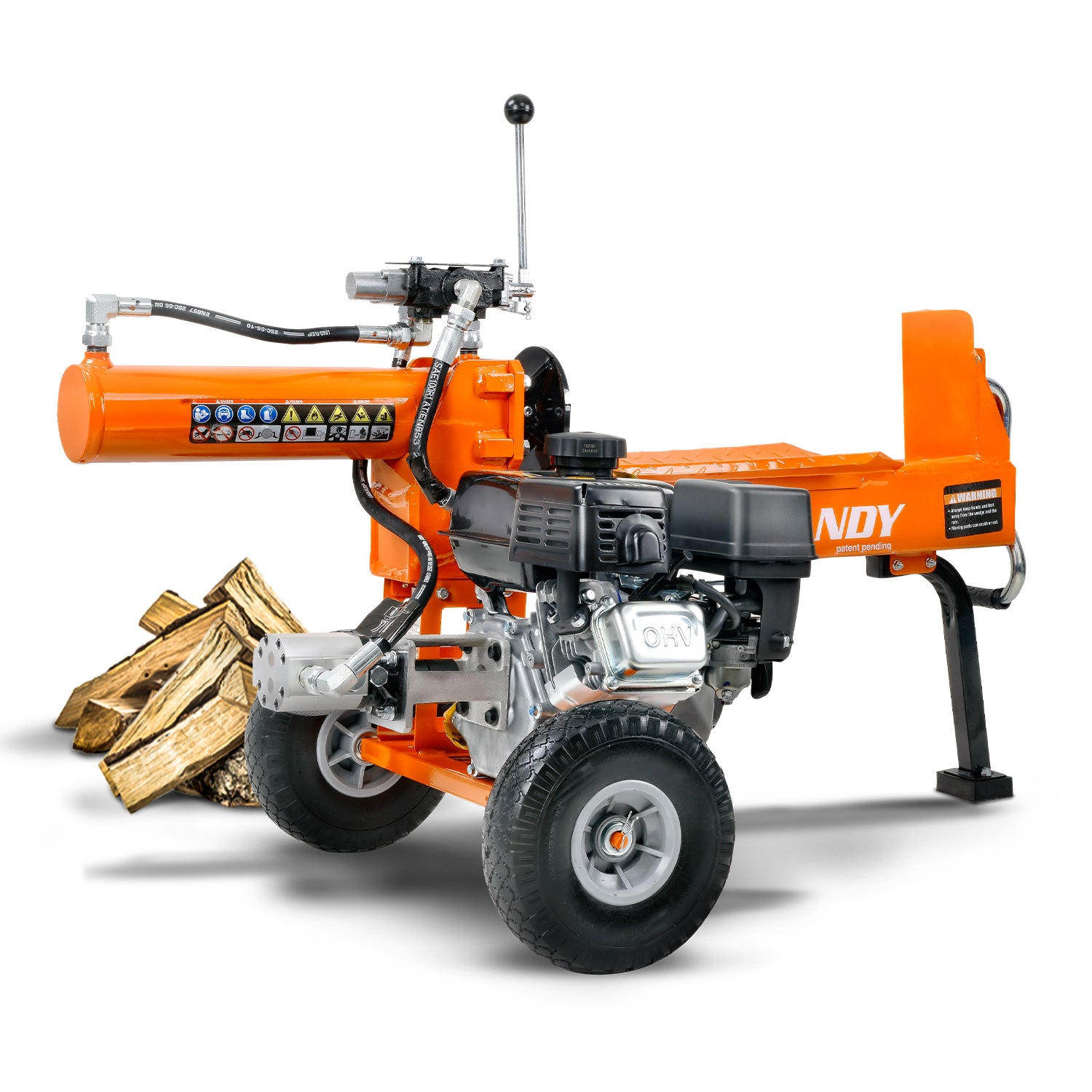
When you need raw power and the freedom to work anywhere, a gas-powered log splitter is the answer. Unbound by an electrical cord, you can take these machines directly to your woodpile, whether it's in the back forty or a remote corner of your property. Their powerful gasoline engines generate the high hydraulic pressure needed to slice through large, tough, or green wood with ease.
This power makes them ideal for anyone processing large quantities of wood or dealing with hardwoods like oak and maple. Models like the 20 Ton Gas Log Splitter provide an excellent balance of power and maneuverability for serious homeowners and ranchers.
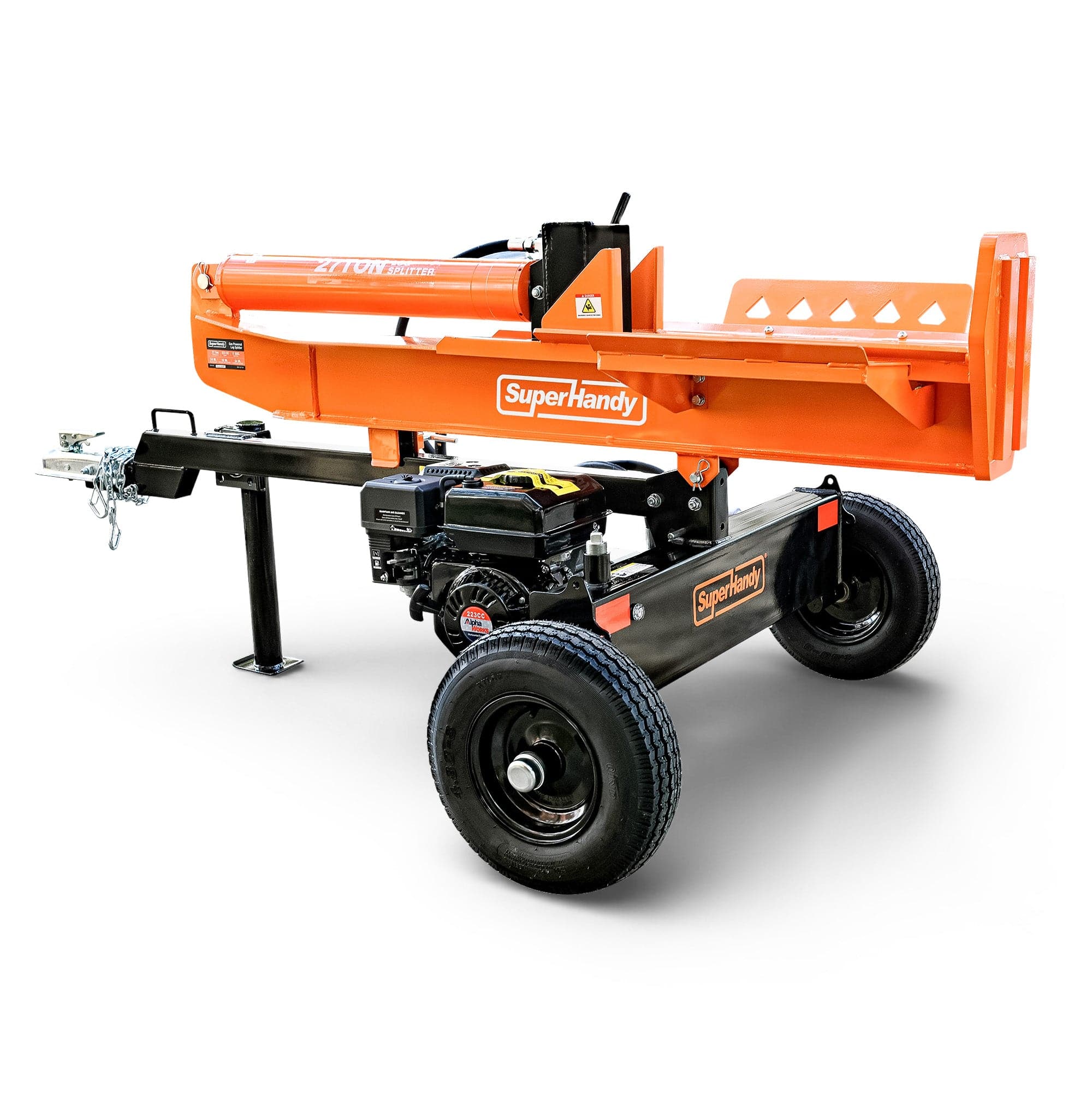
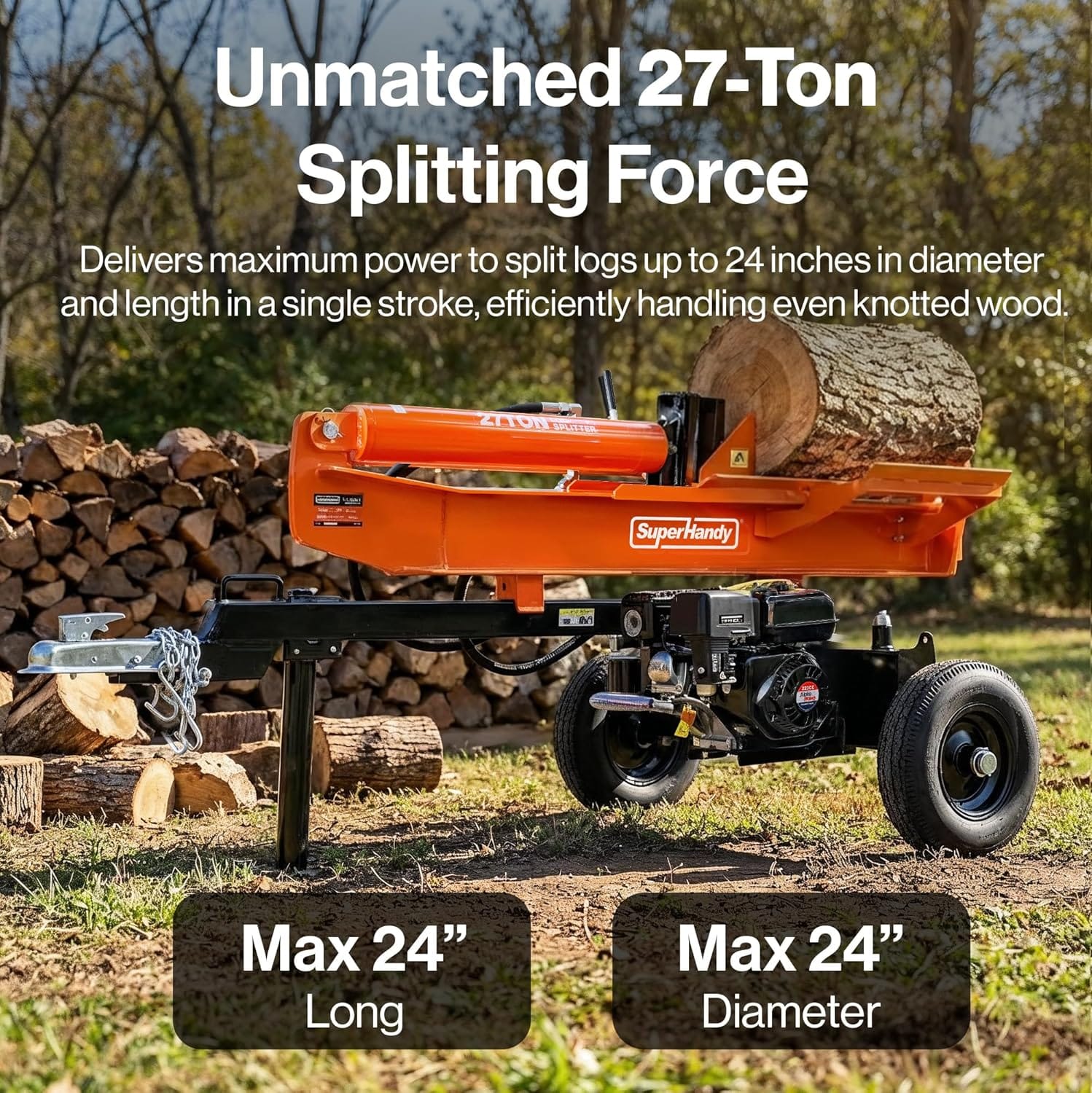
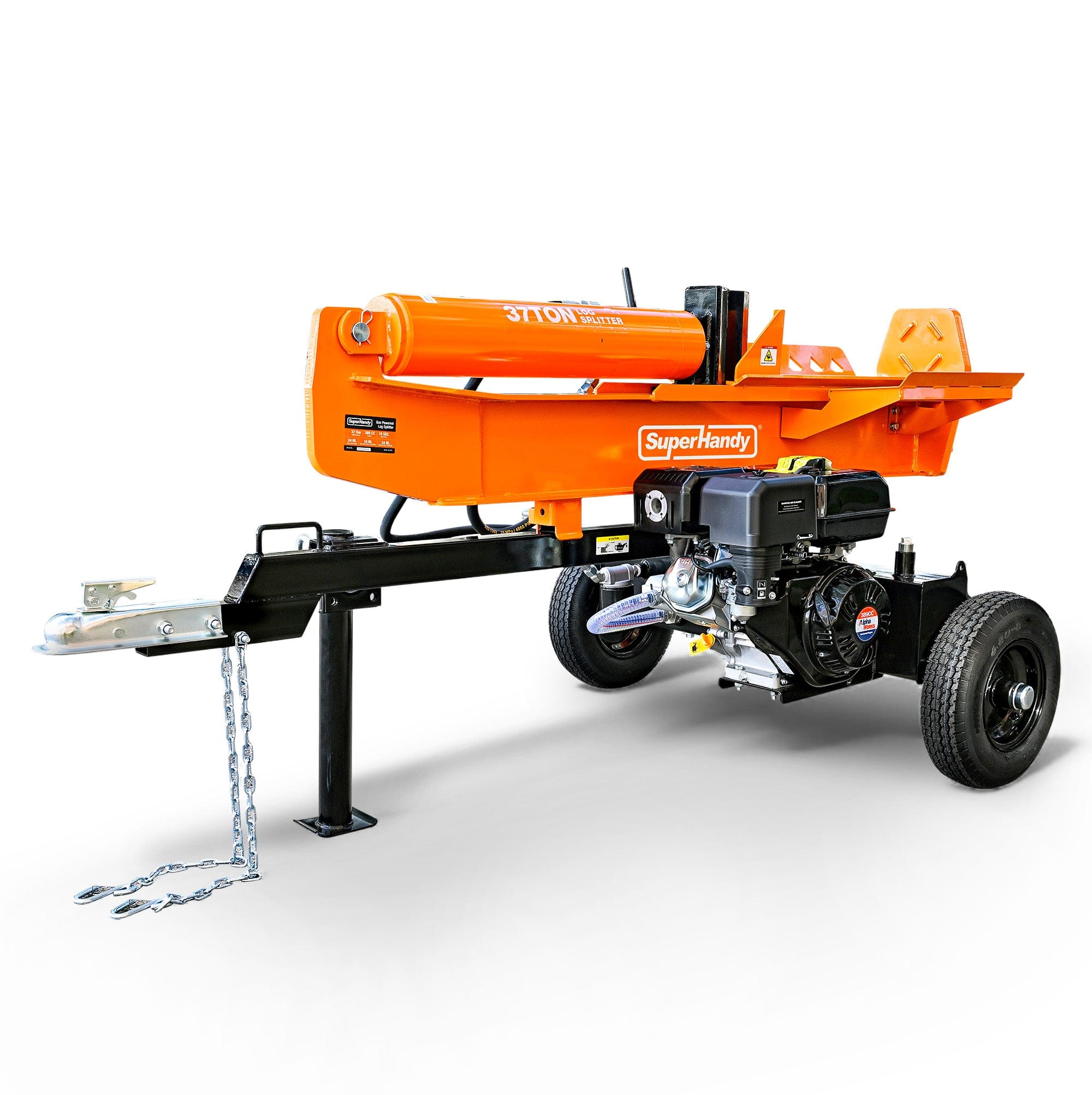
For the most demanding jobs involving exceptionally large or dense logs, stepping up to a unit with even greater force is a wise investment. A machine like the 25 Ton Gas Log Splitter ensures you have the capability to handle virtually any wood you encounter. The trade-offs for this power are increased noise, exhaust fumes, and more demanding engine maintenance.
Best For: Heavy-duty users, splitting large volumes of wood, tackling tough hardwoods, and working in remote locations without electricity.
PTO-Driven Log Splitters: The Heavy-Duty Solution for Large Properties
If you own a tractor and need to split serious amounts of wood, a Power Take-Off (PTO) log splitter is an incredibly efficient option. Instead of having its own engine, a PTO wood splitter connects directly to your tractor's hydraulic system, using the tractor's engine to power the splitting ram. This makes them exceptionally powerful and eliminates the need to maintain a separate small engine.
These models are the go-to choice for farmers, ranchers, and owners of large, wooded properties who already have the necessary equipment. While they offer immense power, their main drawback is a lack of standalone portability—they go where the tractor goes. If you're tackling massive rounds or processing cords of wood for commercial or agricultural use, a PTO-driven splitter leverages an asset you already own for maximum splitting force.
Key Log Splitter Specifications to Consider: Tonnage, Cycle Time, and More
When comparing different log splitters, the technical specifications can seem overwhelming. Focusing on a few key numbers will help you cut through the noise and find the right machine for your workload.
- Tonnage: This is the amount of force the splitter can exert. It's the single most important factor in determining what kind of wood you can split. We'll dive deeper into this below.
- Cycle Time: This is the total time it takes for the ram to split a log and return to its starting position, ready for the next one. A shorter cycle time (typically under 15 seconds) means higher productivity. If you have a large pile of wood to get through, a fast cycle time will save you hours of work.
- Log Capacity: Check the maximum log length and diameter the machine can handle. Most splitters accommodate standard lengths of around 20-25 inches, but it's crucial to ensure it fits the wood you'll be cutting.
- Engine/Motor Size: For gas splitters, this is measured in horsepower (HP) or engine displacement (cc). For an electric log splitter, it's measured in amps or watts. A larger engine or motor generally provides more consistent power to the hydraulic pump, ensuring the machine can reach its maximum tonnage efficiently.
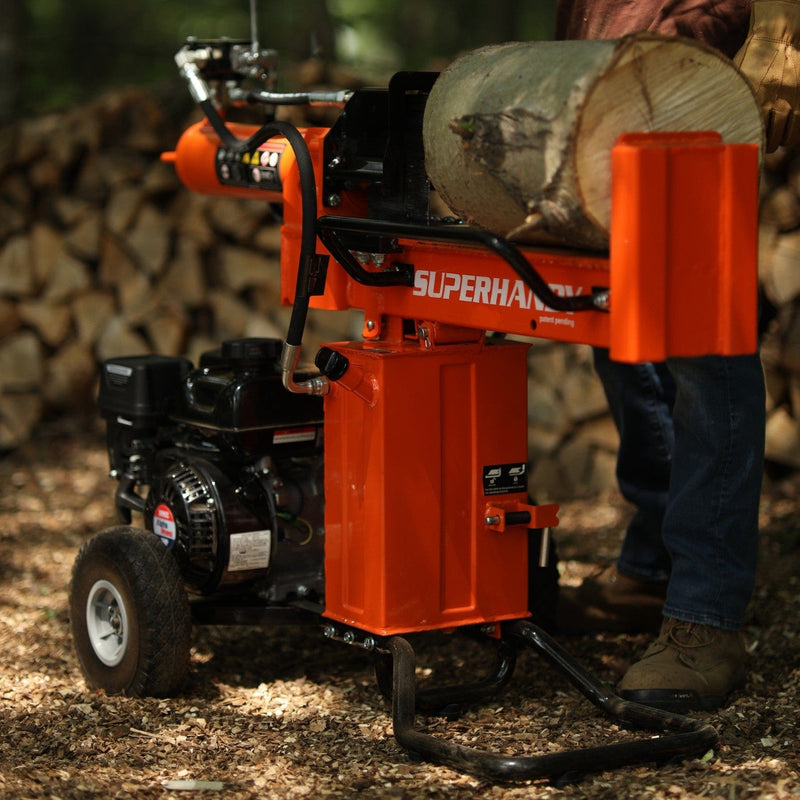
What Tonnage Do You Really Need? Matching Power to Wood Type
Choosing the right tonnage is a balancing act between power and price. Getting a splitter that’s too weak will lead to frustration, while overspending on unnecessary power isn’t efficient. The type and condition of your wood are the biggest factors.
- 5-10 Tons: This range, common for an electric log splitter, is suitable for splitting smaller rounds (up to 12 inches in diameter) of softwoods like pine and fir, especially if the wood is seasoned (dried).
- 14-20 Tons: This is the sweet spot for most homeowners. A 14 Ton Electric Log Splitter can handle most seasoned hardwoods like oak and maple. Stepping up to a 20 Ton Gas Log Splitter provides extra confidence for tackling larger rounds and some green (unseasoned) wood.
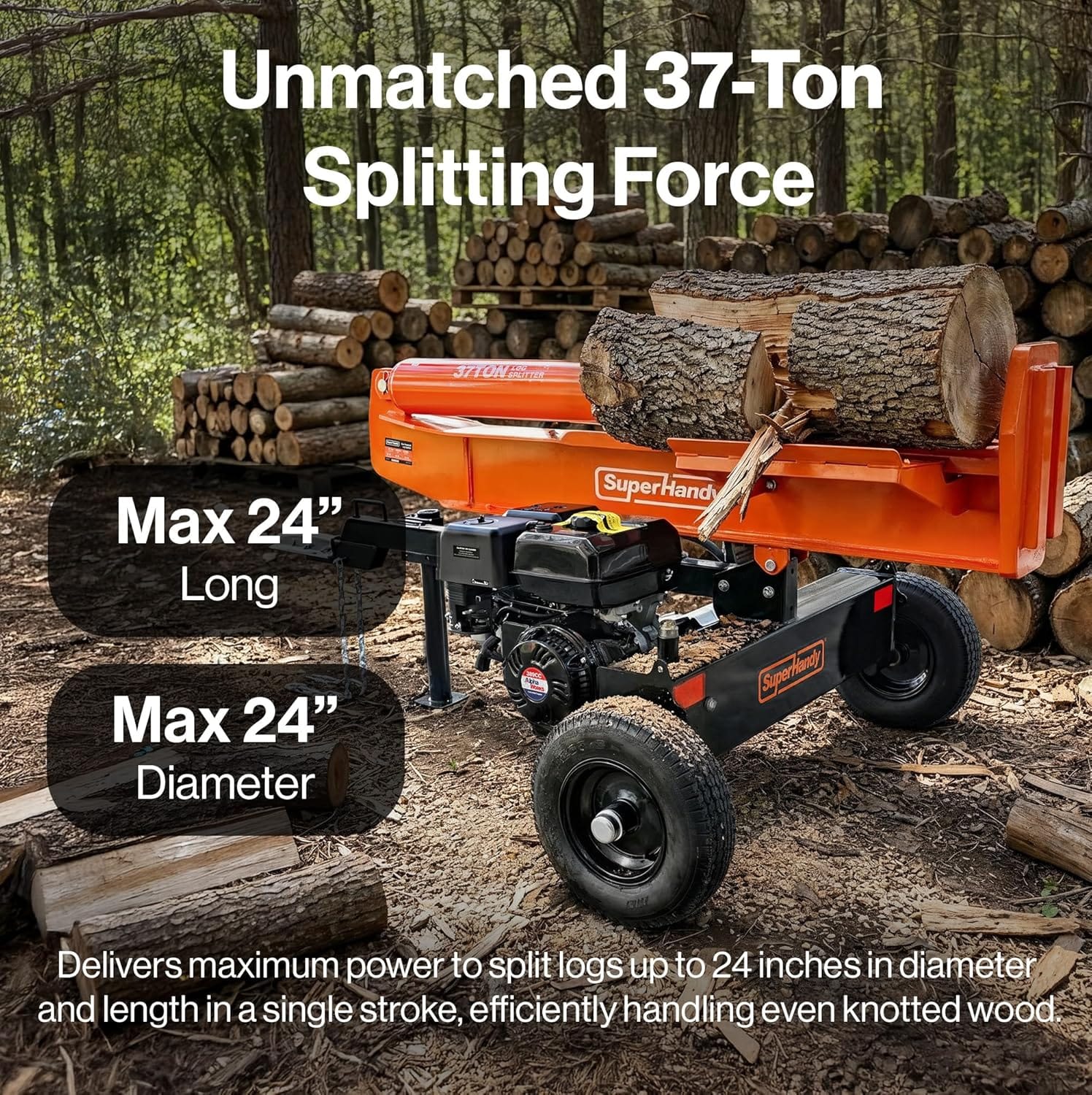
- 25 Tons and Up: If you regularly split large-diameter, knotty, or tough green hardwoods like hickory, elm, or black locust, you'll want the power of a high-tonnage machine. A 25 Ton Gas Log Splitter is built for demanding, frequent use and will power through difficult logs without stalling.
As a rule of thumb, it’s always better to have slightly more tonnage than you think you need. This ensures your splitter can handle unexpectedly tough logs without straining the machine.
Log Splitter Features That Improve Efficiency and Safety
Beyond the core specs, certain features make a log splitter safer, faster, and more comfortable to use. Look for these valuable additions when making your choice.
- Two-Handed Operation: This critical safety feature requires you to use both hands to engage the ram, ensuring your hands are kept clear of the splitting area. This design principle aligns with OSHA hand and power tool safety guidance, which emphasizes keeping hands away from the point of operation on machinery.
- Auto-Return Valve: A huge time-saver. This feature automatically retracts the splitting wedge after it has completed its pass, allowing you to grab the next log without manually reversing the ram.
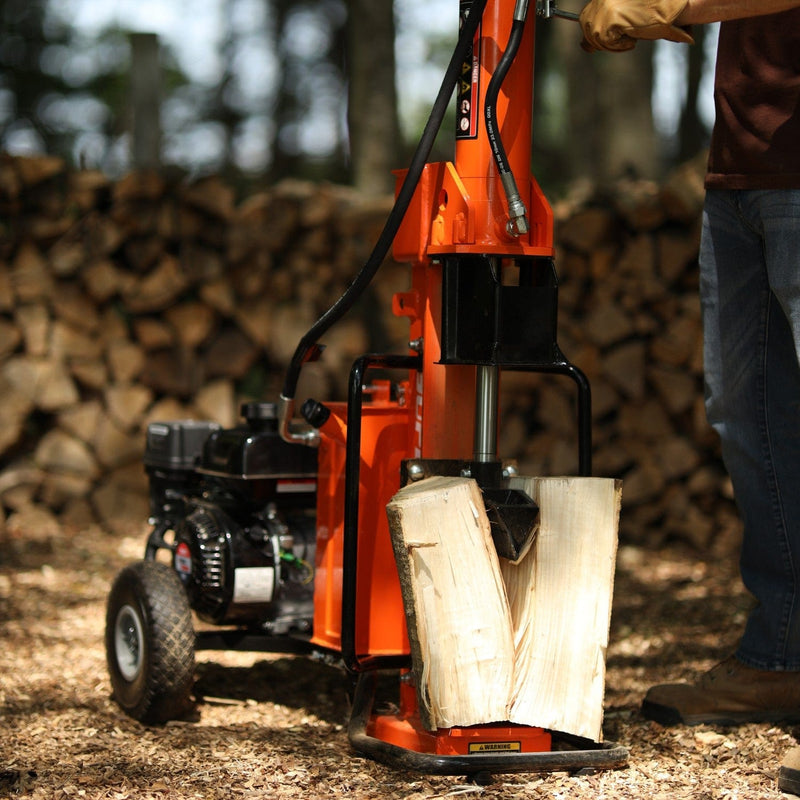
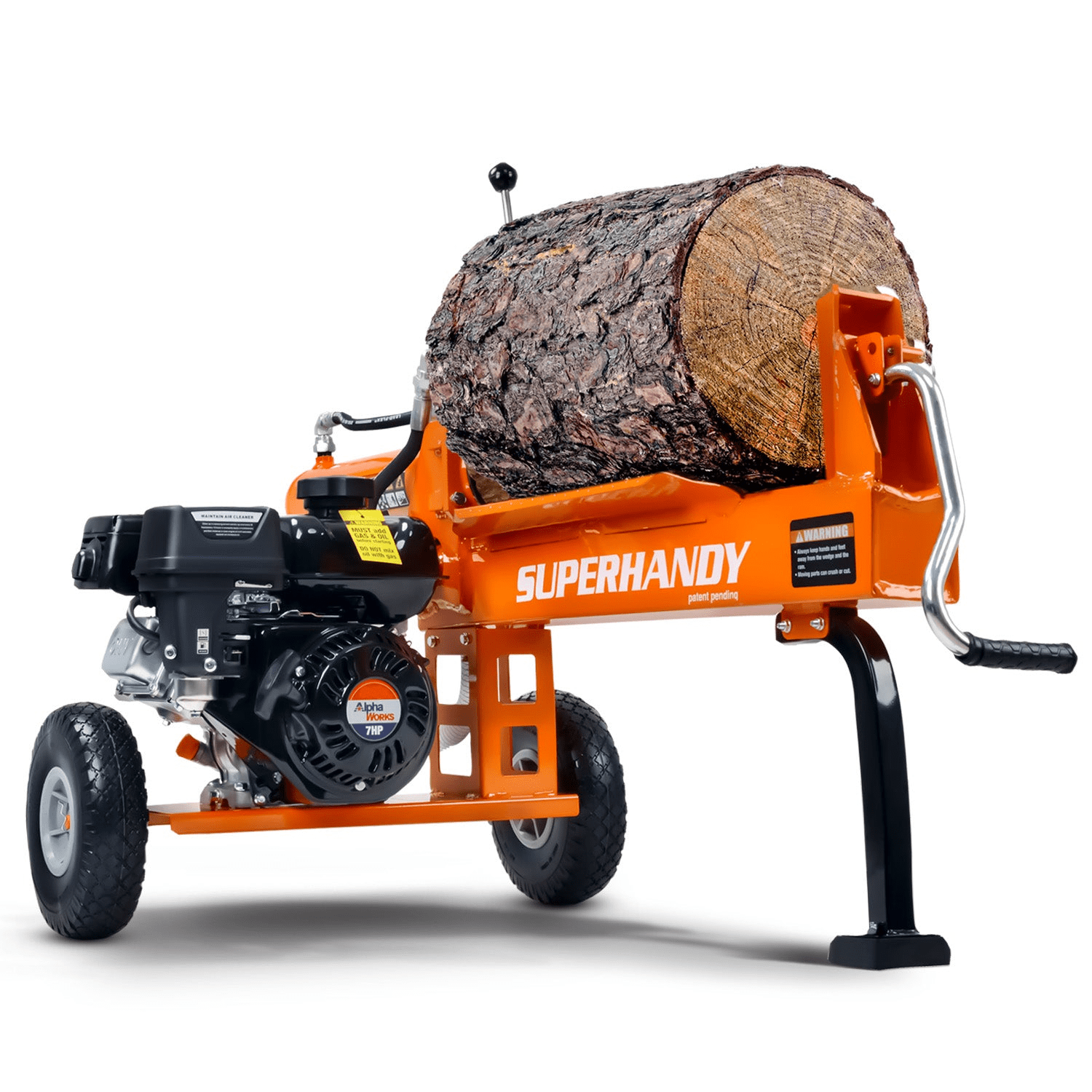
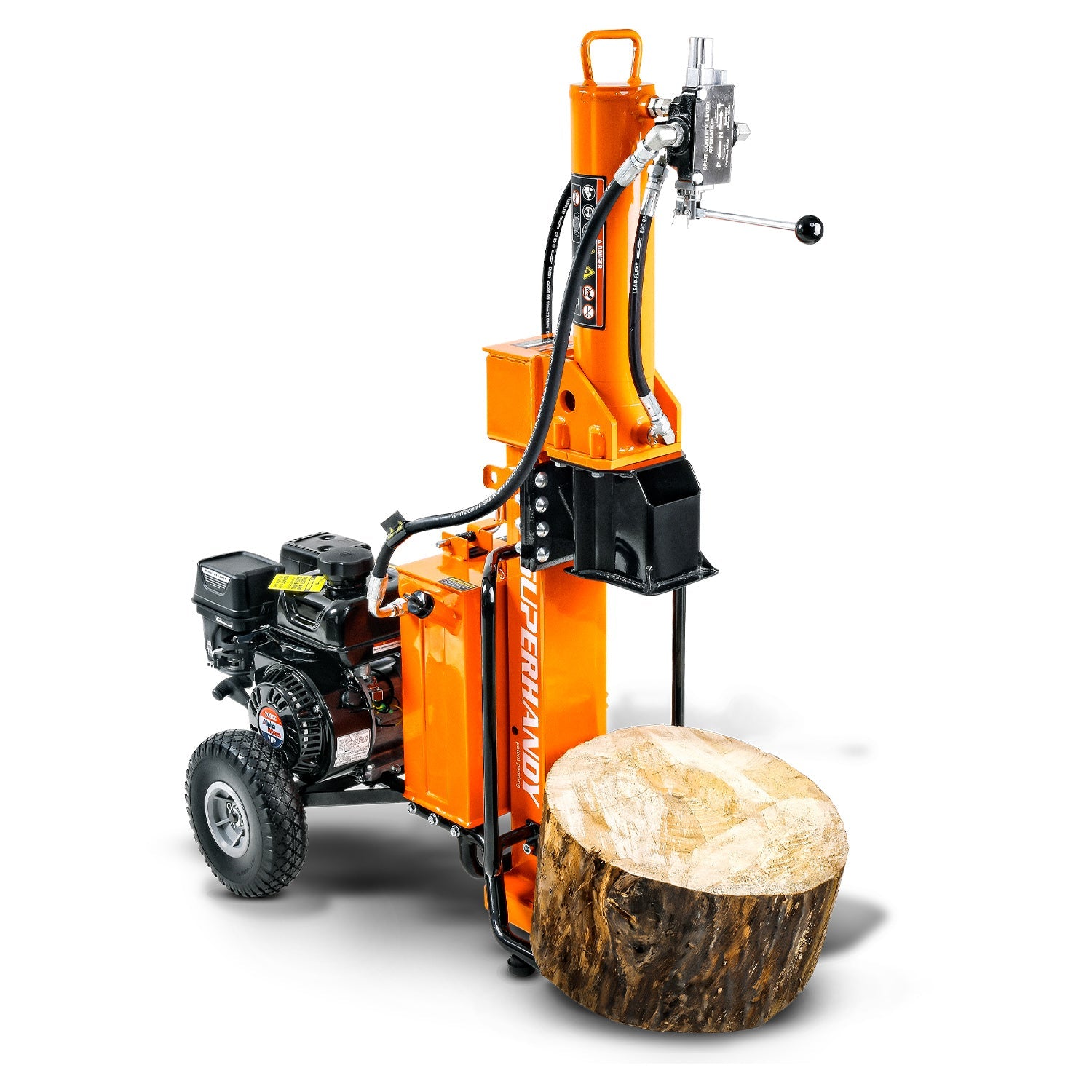
- Vertical/Horizontal Splitting: Many gas-powered models offer both splitting orientations. The horizontal position is great for standard-sized logs you can easily lift. For massive, heavy rounds, you can switch to the vertical position and simply roll the log into place, saving your back.
- Log Cradles or Trays: These simple attachments catch the split halves of the log, preventing them from falling to the ground. This saves you from constantly bending over to pick up wood, reducing fatigue and speeding up your workflow.
Horizontal vs. Vertical Log Splitters: Which Orientation is Right for You?
When choosing a wood splitter, one of the first decisions you'll face is its orientation: horizontal, vertical, or convertible. Each style is designed for different types of logs and user preferences.
-
Horizontal Log Splitters: This is the most common configuration, especially for electric models and smaller gas units. With a horizontal splitter, you lift the log onto the splitting beam and push it against the wedge. This design is suitable for smaller to medium-sized logs that are relatively easy to lift. It provides a stable, waist-high working platform that many users find comfortable for processing large quantities of manageable wood.
-
Vertical Log Splitters: If you're tackling massive, heavy rounds of wood that are too difficult to lift, a vertical log splitter is your best friend. With this design, you simply roll the log onto the ground plate at the base of the machine. The splitting wedge then drives down from above, breaking the log apart. This orientation saves your back from the strain of lifting heavy wood.
-
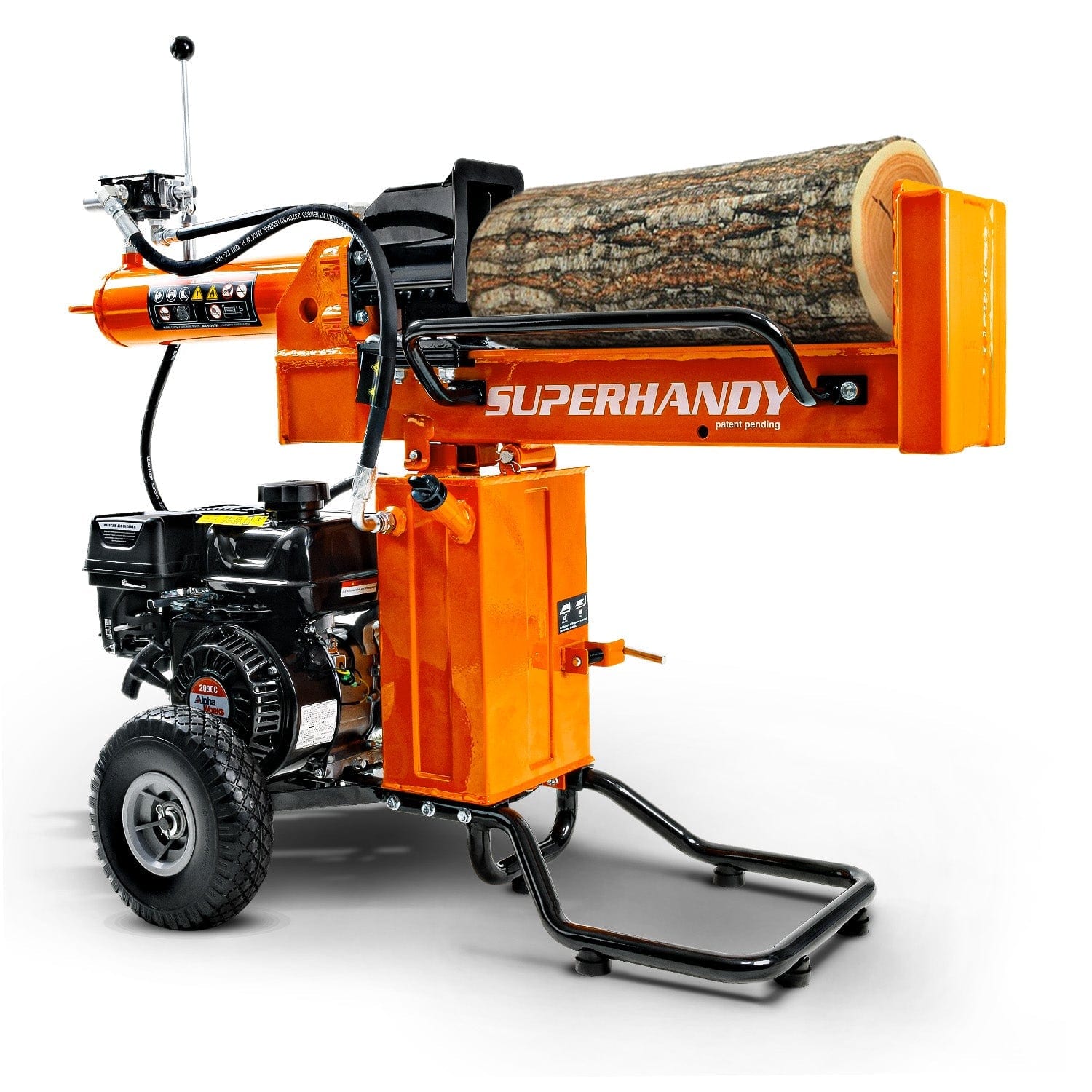
Convertible Log Splitters: For the ultimate in flexibility, a convertible log splitter can operate in both horizontal and vertical positions. You can use it horizontally for smaller logs and quickly pivot it to the vertical position for those tough, oversized rounds. Many high-tonnage gas models, like this powerful 25 Ton Gas Log Splitter, offer this feature, making them a versatile solution for any splitting task.
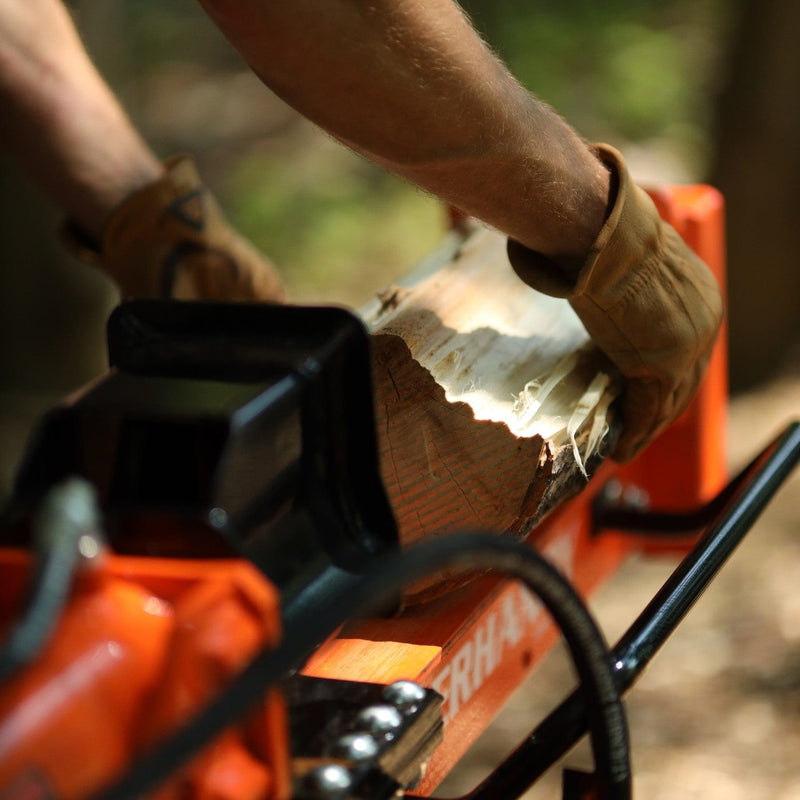
Manual vs. Automatic Log Splitters: Understanding the Difference
In the world of powered log splitters, the terms "manual" and "automatic" typically refer to the action of the hydraulic ram. While truly manual (unpowered) splitters exist, most modern electric and gas models feature an "automatic" return.
An automatic return means that after the ram extends to split the log, it automatically retracts to its starting position once you release the controls. This is a crucial time-saving feature. Without it, you would have to manually hold a lever or control to bring the ram back, nearly doubling the time spent between splits. All SuperHandy powered log splitters are designed with this efficiency in mind. For example, the 14 Ton Electric Log Splitter features a fast, automatic return that allows you to quickly position the next log, streamlining your workflow and getting the job done faster.
Budgeting for Your Log Splitter: Initial Cost vs. Long-Term Value
A log splitter is an investment in saving time and physical effort. When budgeting, it's important to look beyond the initial price tag and consider the long-term value.
A lower-cost electric log splitter is an excellent entry point for homeowners with occasional splitting needs. The initial outlay is minimal, and it will capably handle most common firewood tasks. However, if you plan to split multiple cords of wood each year, investing in a more powerful gas model can provide greater long-term value.
While a machine like a 20 Ton Gas Log Splitter has a higher initial cost, its power and speed will save you dozens of hours of labor over its lifespan. The ability to split larger, tougher logs more quickly translates directly into more free time and less physical strain. Consider how much you value your time and energy—investing in the right-sized machine from the start often proves to be the most economical choice in the long run. For battery care, Energy.gov shares tips for extending lithium-ion battery lifetime that are useful when planning charging and storage routines.
[IMAGE PLACEHOLDER]
Maintenance and Safety Tips for Your New Log Splitter
Proper maintenance and safe operation are key to ensuring your log splitter has a long, productive life. Before each use, perform a quick inspection. Check the hydraulic fluid level, examine hoses for any cracks or leaks, and ensure all nuts and bolts are tight. Keeping the splitting wedge sharp will also improve performance and reduce strain on the engine and hydraulic system.
Safety should always be your top priority. According to OSHA hand and power tool safety guidance, using equipment as intended and wearing the right protective gear are fundamental to preventing accidents. Always operate your log splitter on level, stable ground. Wear safety glasses and sturdy gloves, and never operate the machine with wet hands. Keep your hands clear of the log and the ram during operation, and ensure children and pets are kept at a safe distance from the work area. By following these simple rules, you can enjoy a safe and efficient wood-splitting experience for years to come.
Top Log Splitter Brands and Models to Consider
Navigating the market for a new wood splitter can be overwhelming, but focusing on reputable brands known for reliability and performance simplifies the process. At SuperHandy, we pride ourselves on designing log splitters that combine power, efficiency, and user-friendly features. When considering models, it's helpful to match them to specific tasks.
For those tackling large quantities of tough, seasoned hardwood, a high-tonnage gas model is essential. A machine like our 25 Ton Gas Log Splitter offers the raw power needed to split dense logs over 20 inches in diameter with ease. Its robust construction and efficient cycle time make it a workhorse for serious wood processing.
If your needs are more typical for a homeowner heating with wood—splitting a few cords of mixed hardwoods and softwoods each season—a versatile mid-range gas splitter is an excellent choice. The 20 Ton Gas Log Splitter strikes a perfect balance between power and maneuverability, making it a popular all-around option for most properties.
For users in residential areas or those who prefer a quieter, lower-maintenance solution, a powerful electric log splitter is the way to go. Don't underestimate their capability; a model like our 14 Ton Electric Log Splitter can effortlessly handle logs up to 15 inches in diameter, making it more than sufficient for storm cleanup, campfire wood, and supplemental home heating without the noise and fumes of a gas engine.
Frequently Asked Questions About Choosing a Log Splitter
Even with all the information, you might still have a few questions. Here are answers to some of the most common queries we receive.
What safety gear should I wear when operating a log splitter? Safety should always be your top priority. At a minimum, you should wear safety glasses or goggles, heavy-duty gloves to protect against splinters, and sturdy, closed-toe boots (steel-toed is best). Avoid loose-fitting clothing that could get caught in the machine. Following established guidelines, such as the OSHA hand and power tool safety guidance, is crucial for preventing injuries when operating any powerful equipment.
Can an electric log splitter handle hardwood? Absolutely. While gas splitters generally offer higher tonnage, modern electric log splitters are surprisingly powerful. A 10-ton or higher electric model can effectively split common hardwoods like oak, maple, and ash, especially if the wood is green or has a diameter of 12 inches or less. For very large, knotty, or seasoned hardwood rounds, a higher-tonnage gas model might be more efficient, but a quality electric splitter is a capable choice for most residential needs.
How much maintenance does a log splitter require? Maintenance depends on the type. Gas splitters require regular engine maintenance, including oil changes, spark plug checks, and air filter cleaning. Electric splitters are much lower maintenance, typically only requiring you to check hydraulic fluid levels and keep the machine clean. For all types, it's important to periodically inspect the wedge, beam, and hydraulic hoses for wear or damage.
Making Your Final Decision: A Step-by-Step Checklist
Ready to choose your perfect log splitter? Follow this simple checklist to ensure you’ve covered all your bases and can make a confident purchase.
- Assess Your Wood Volume: How many cords of wood will you split annually? A few logs for the fire pit requires a different machine than heating your home all winter.
- Identify Your Wood Type: Are you splitting softwoods like pine or tough, knotty hardwoods like oak? Your wood's density and diameter will determine the tonnage you need.
- Select Your Power Source: Choose between the quiet, low-maintenance operation of an electric log splitter or the raw power and portability of a gas-powered model.
- Compare Key Features: Look at cycle time (how fast it splits), orientation (horizontal, vertical, or both), and portability features like wheel size and tow-hitch compatibility.
- Review Safety and Convenience: Prioritize models with two-handed operation, automatic ram return, and log cradles to make your work safer and more efficient.
- Set Your Budget: Balance the initial cost with long-term value. A durable, well-made wood splitter from a trusted brand is an investment that will pay off for years to come.
Related Products



Leave a comment
All comments are moderated before being published.
This site is protected by hCaptcha and the hCaptcha Privacy Policy and Terms of Service apply.