









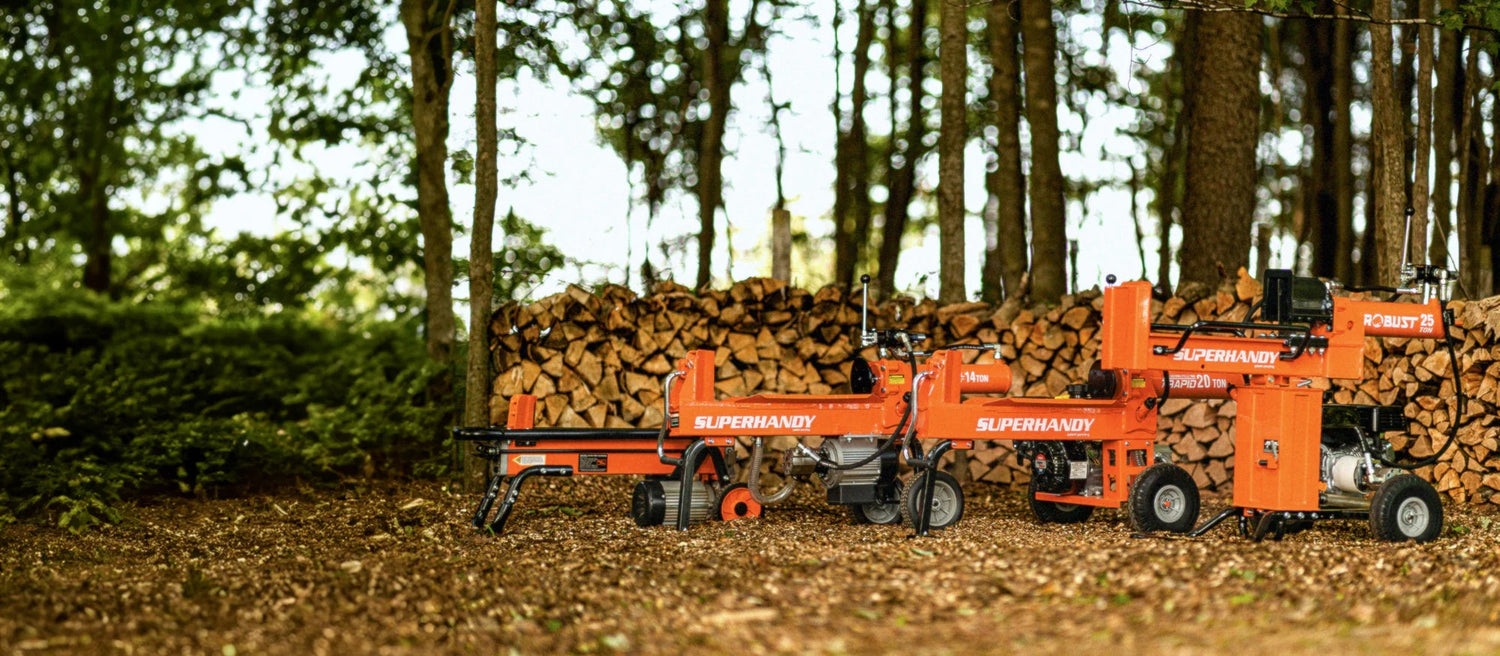
Understanding Your Wood Splitting Goals: How Much Wood Do You Need to Split?
Before diving into tonnage ratings and engine types, the first step is to define your goal. A firewood splitter is a significant investment, and matching the machine to your workload is key to satisfaction. How much wood do you really need to process each year?
Think in terms of cords. A standard cord of wood is a stacked pile measuring 4 feet high, 4 feet wide, and 8 feet long.
- Light Use (1-5 Cords per Year): This is typical for someone who enjoys occasional bonfires or uses a fireplace for ambiance rather than primary heat. You’ll be splitting seasoned, smaller-diameter logs.
- Moderate Use (5-10 Cords per Year): If you use a wood stove to supplement your home’s heating during the colder months, you fall into this category. You'll need a reliable machine that can handle a consistent workload.
- Heavy Use (10+ Cords per Year): This applies to those who heat their home exclusively with wood, manage a large wooded property, or run a small firewood business. You need a powerful, durable log splitter built for high-volume work.
Understanding your volume needs will help you narrow down the field of Log Splitters and ensure you get a tool that’s right for the job without overspending.
Log Splitter Power Sources Explained: Electric, Gas, and PTO Options
The "engine" of your wood splitter is its power source, and it's the single biggest factor determining its performance, portability, and ideal working environment. There are three main types to choose from.
- Electric Log Splitters: These models run on electricity, either by plugging into a standard household outlet or, in some cases, using rechargeable batteries. They are designed for convenience and residential use.
- Gas Log Splitters: Powered by a 4-stroke gasoline engine, these are the workhorses of the log-splitting world. They offer superior power and complete freedom from electrical cords.
- PTO (Power Take-Off) Log Splitters: These specialized units don't have their own engine. Instead, they hook up to the hydraulic system of a tractor or other agricultural vehicle, using its engine to power the splitting ram. They are intended for farm, ranch, or commercial use.
Electric Log Splitters: Pros, Cons, and Best Use Cases
For many homeowners, an electric log splitter is the perfect solution. They balance convenience with ample power for most residential tasks. If you’re splitting wood for your fireplace and have a power source nearby, an electric model is a strong contender.
Pros:
- Quiet Operation: Much quieter than their gas counterparts.
- No Fumes: Can be safely operated in a garage, shed, or covered patio.
- Low Maintenance: No oil changes, spark plugs, or fuel stabilizers to worry about.
- Lightweight & Affordable: Generally easier to move and store, and often have a lower upfront cost.
Cons:
- Less Power: Limited in the diameter and type of wood they can handle (e.g., tough, knotty hardwood).
- Tethered to an Outlet: Your work area is limited by the length of your extension cord.
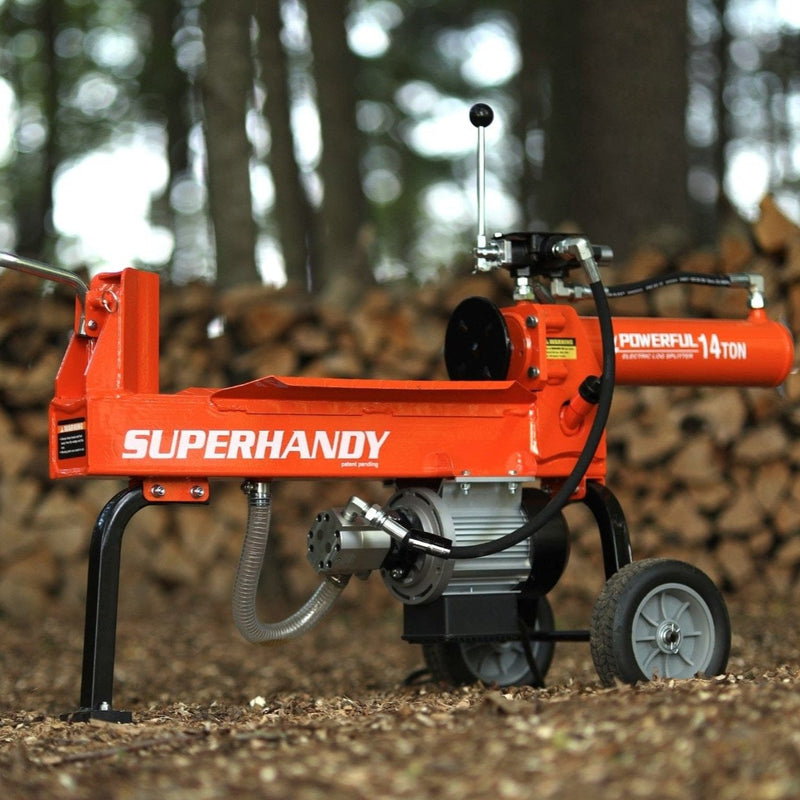
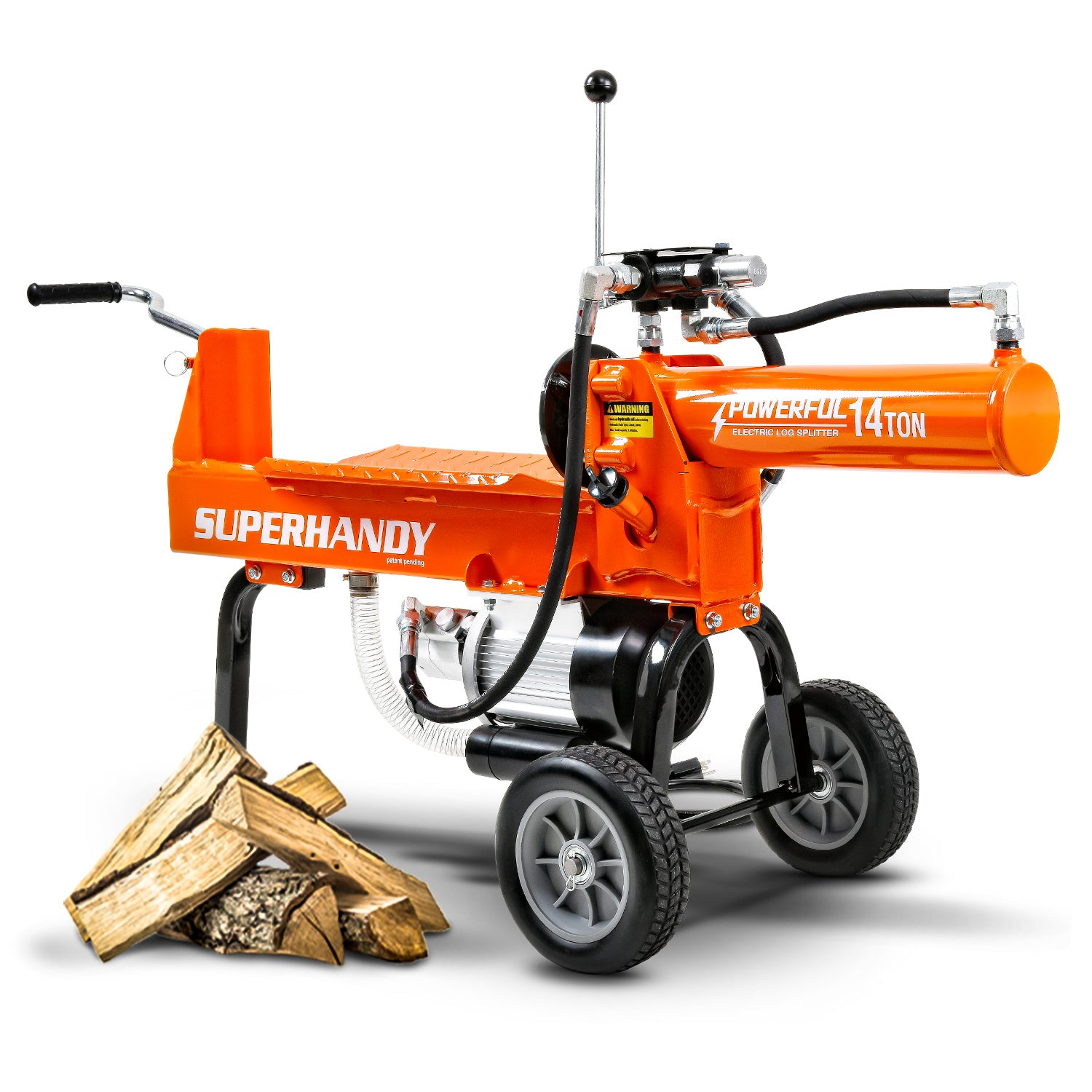
An electric model like the 14 Ton Electric Log Splitter is an excellent choice for homeowners tackling light-to-moderate splitting jobs with logs that are already seasoned and relatively straight-grained.
Gas Log Splitters: Power, Portability, and When They Shine
When raw power and untethered portability are your top priorities, nothing beats a gas-powered log splitter. These machines are built to handle demanding workloads, making short work of large, tough, or unseasoned logs anywhere on your property.
Pros:
- Maximum Power: Higher tonnage ratings allow them to split virtually any type of wood, including large-diameter, knotty, or green hardwood.
- Complete Portability: With no cords to worry about, you can tow your splitter directly to your wood pile, no matter how remote.
- Faster Performance: Gas models typically have faster cycle times, allowing you to process more wood in less time.
Cons:
- Loud and Produce Fumes: Must be operated outdoors in a well-ventilated area.
- More Maintenance: Require regular engine maintenance, including oil, fuel, and filter changes.
- Heavier: Substantially heavier and require more space for storage.
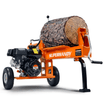
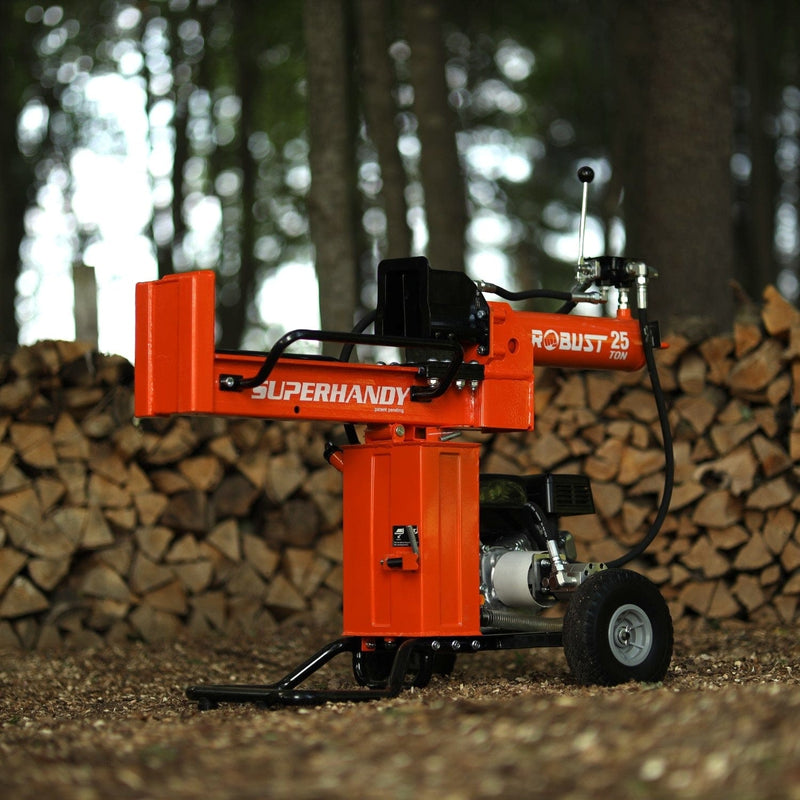
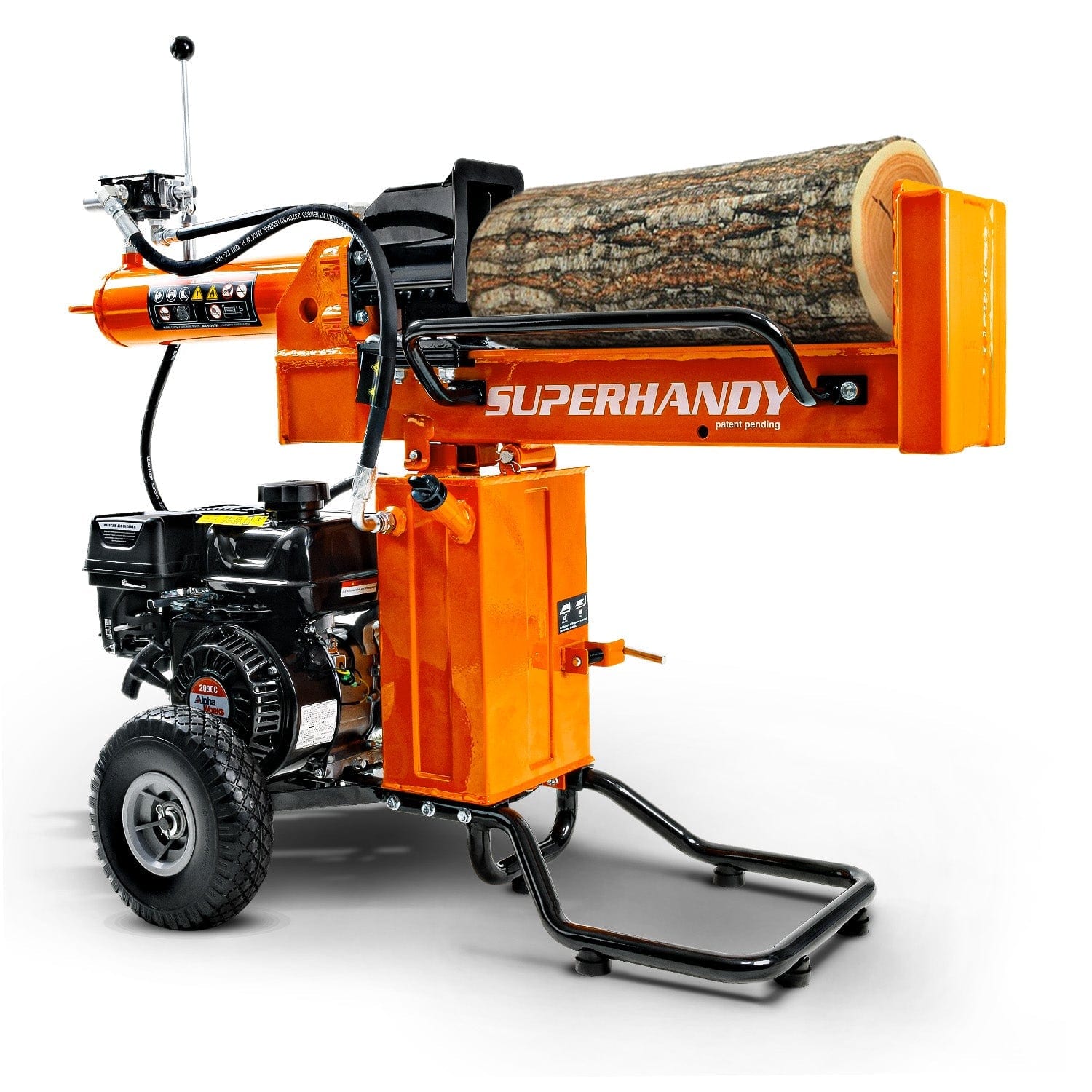
A gas firewood splitter is the clear winner for anyone heating their home with wood, clearing land, or simply wanting the power to split anything they can throw at it. Options range from capable mid-range units like a 20 Ton Gas Log Splitter to heavy-duty powerhouses like a 25 Ton Gas Log Splitter for the most demanding jobs.
PTO Log Splitters: For the Serious Homeowner or Professional
If you own a tractor, a Power Take-Off (PTO) log splitter is an incredibly efficient and powerful option. Instead of having its own engine, a PTO wood splitter connects directly to your tractor's drivetrain and uses the tractor's engine to power its hydraulic pump. This design makes them a cost-effective choice for farmers, ranchers, and large property owners who already have the necessary equipment.
PTO splitters are known for their immense power, often exceeding 30 tons of force, and their robust construction built for heavy, continuous use. Because you don't have to maintain a separate small engine, upkeep is simplified. The main drawback is the obvious requirement of a compatible tractor, making them non-portable on their own and unsuitable for anyone who doesn't already own the primary machinery.
Log Splitter Tonnage: What It Means and How Much You Actually Need
One of the most important specifications you'll encounter is tonnage. A log splitter's tonnage rating refers to the maximum amount of splitting force the ram can exert on a log. The higher the tonnage, the more power you have to split larger, denser, and knottier pieces of wood. Choosing the right tonnage is crucial—too little, and you'll struggle with tough logs; too much, and you've overspent on power you don't need.
Use this as a general guide to match tonnage to your firewood needs:
- Under 10 Tons: Best for small-diameter (up to 12 inches), seasoned, and relatively straight-grained softwoods like pine and fir. These are typically electric models designed for light, occasional use.
- 10-20 Tons: This is the sweet spot for most homeowners. A splitter in this range, like a powerful 14 Ton Electric Log Splitter, can handle most seasoned hardwoods like oak and maple up to 18 inches in diameter. Gas models in this category, such as a versatile 20 Ton Gas Log Splitter, offer a fantastic blend of power and value for splitting multiple cords per year.
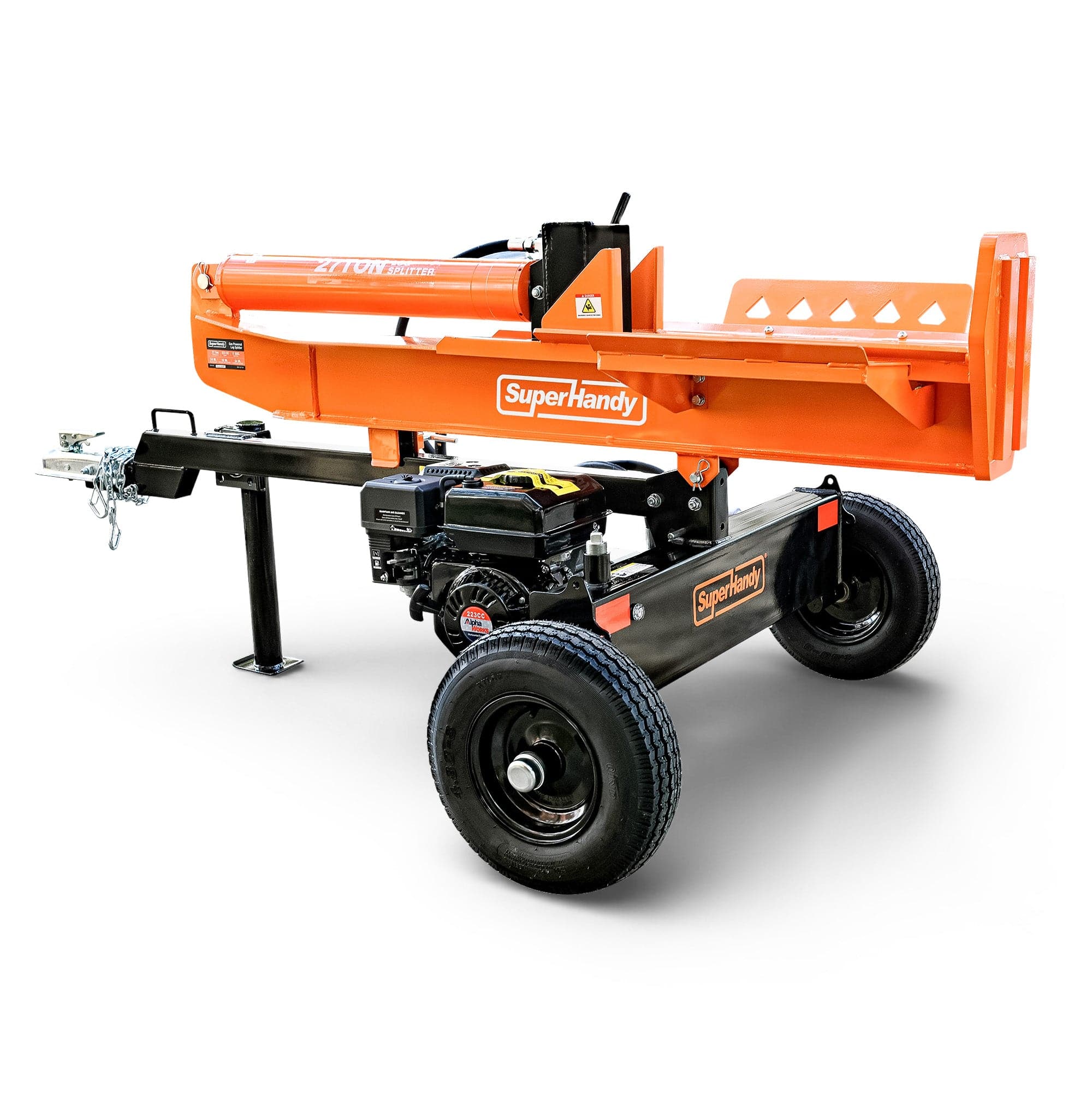
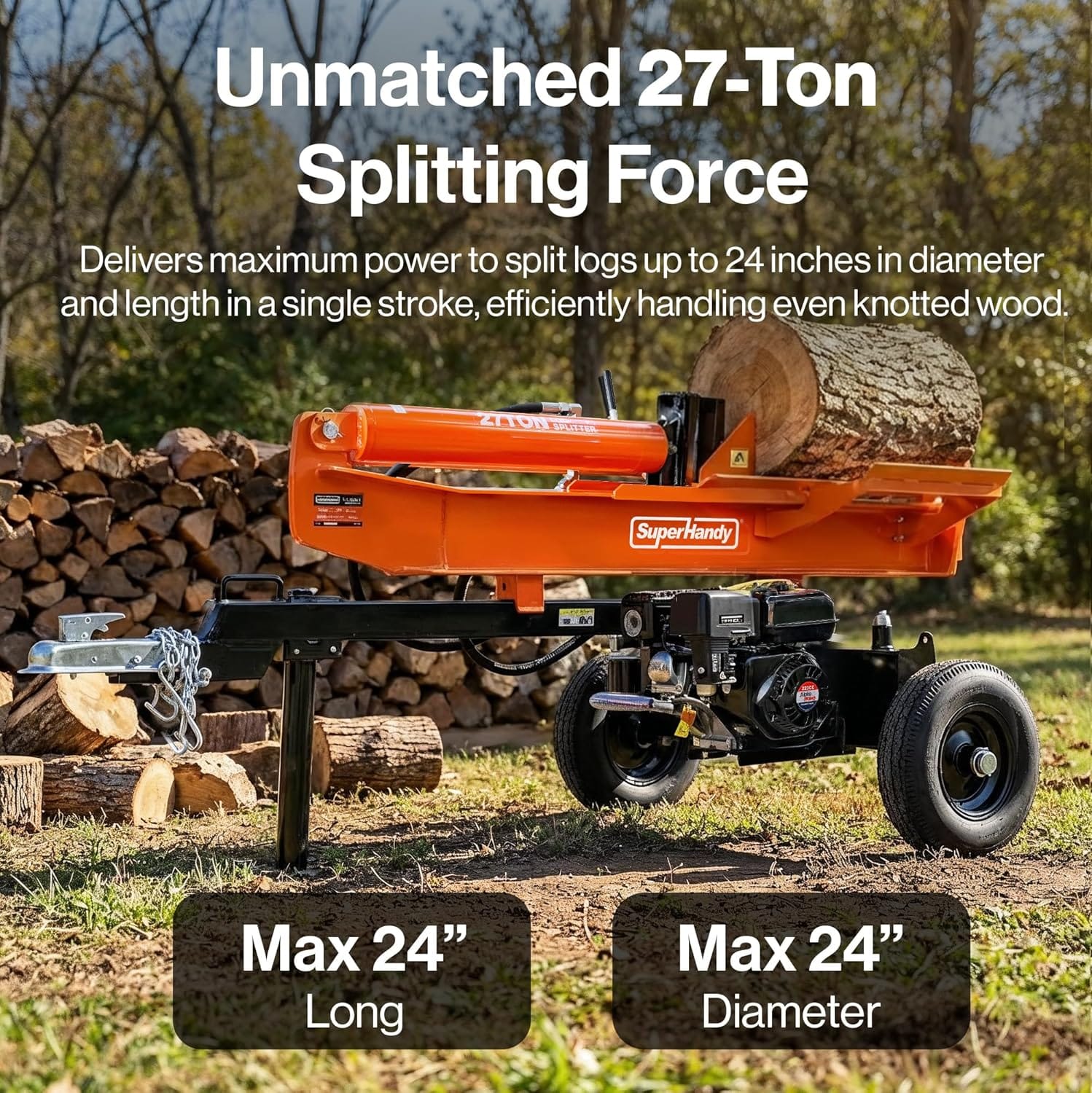
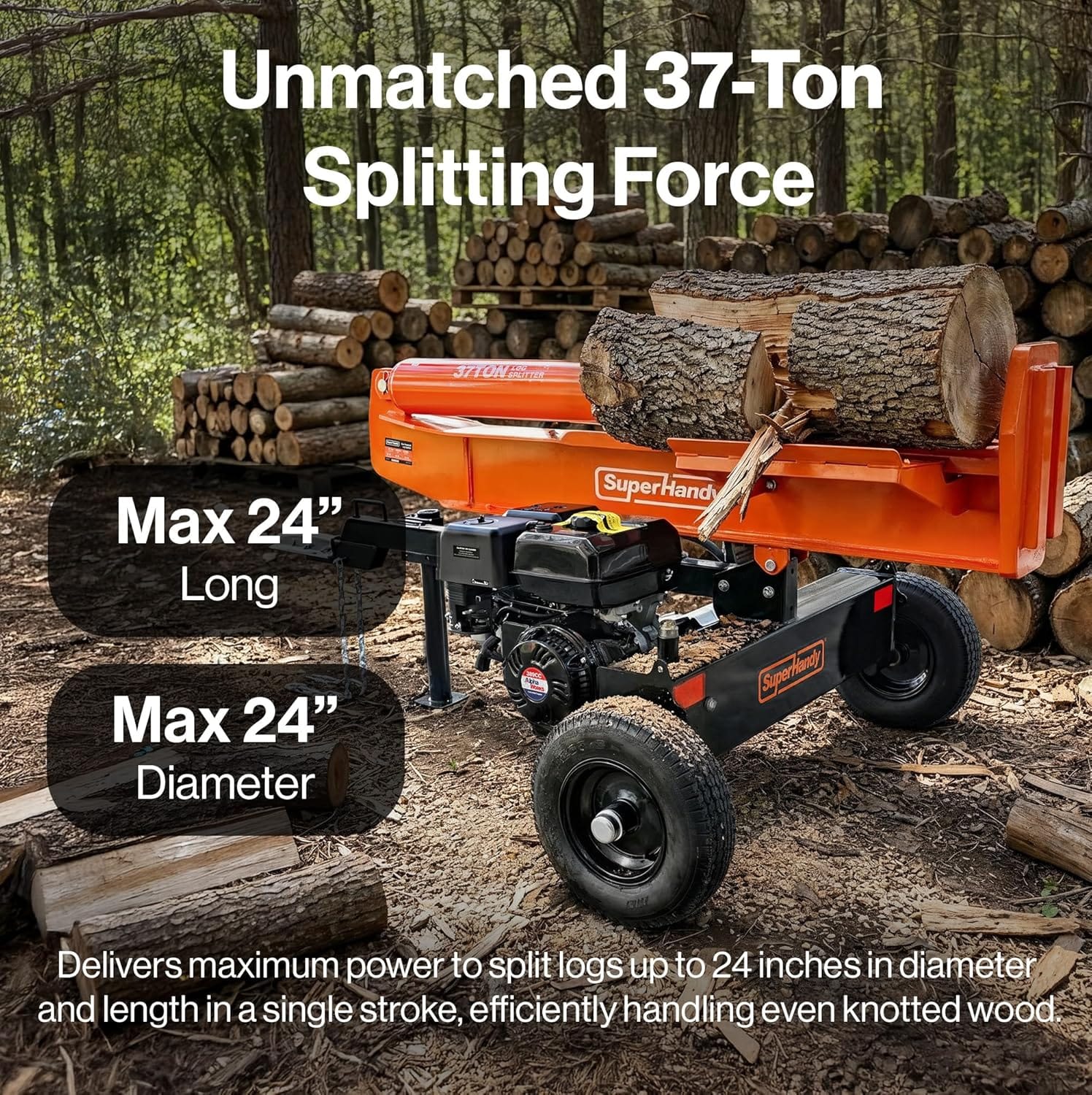
- 20-30+ Tons: If you regularly split large-diameter (24 inches or more), green, knotty, or extremely dense hardwoods (like hickory or elm), you'll need the serious power of a high-tonnage machine. A heavy-duty 25 Ton Gas Log Splitter ensures you can tackle virtually any log you throw at it without hesitation.
Ultimately, assess the type and condition of the wood you split most often to find the perfect balance of power and price in our collection of Log Splitters.
Horizontal vs. Vertical Log Splitters: Which Orientation is Right for You?
Log splitters primarily operate in one of two orientations: horizontal or vertical. The right choice depends on the size of the wood you're working with and your physical comfort.
-
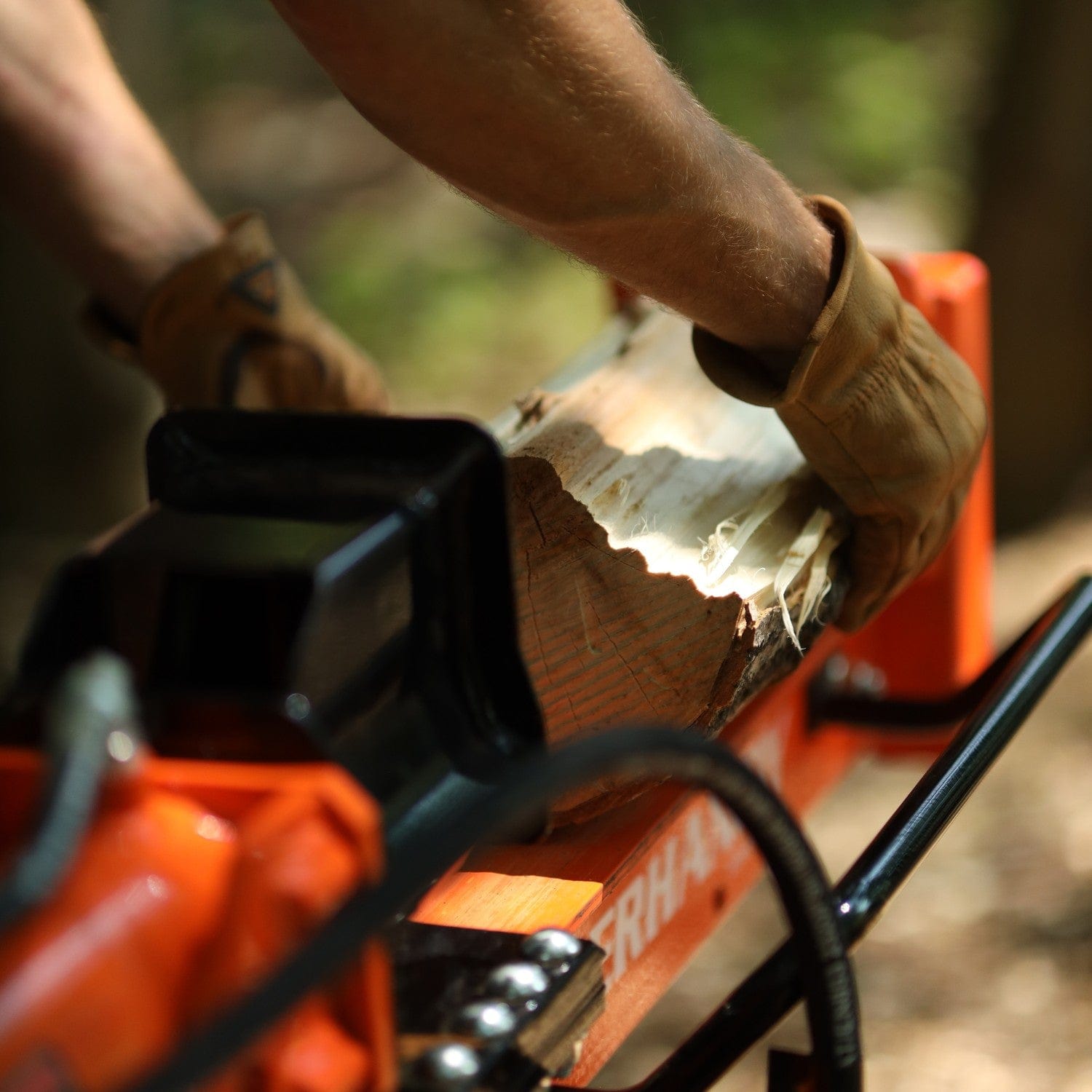
Horizontal Log Splitters: On these machines, you lift a log and place it on a horizontal beam. The ram then pushes the log into a stationary wedge. This design is common for electric and smaller gas models. It’s ergonomic for smaller logs, as the work happens at waist height, reducing the need to bend over. The downside is that you must be able to lift every single log onto the beam.
-
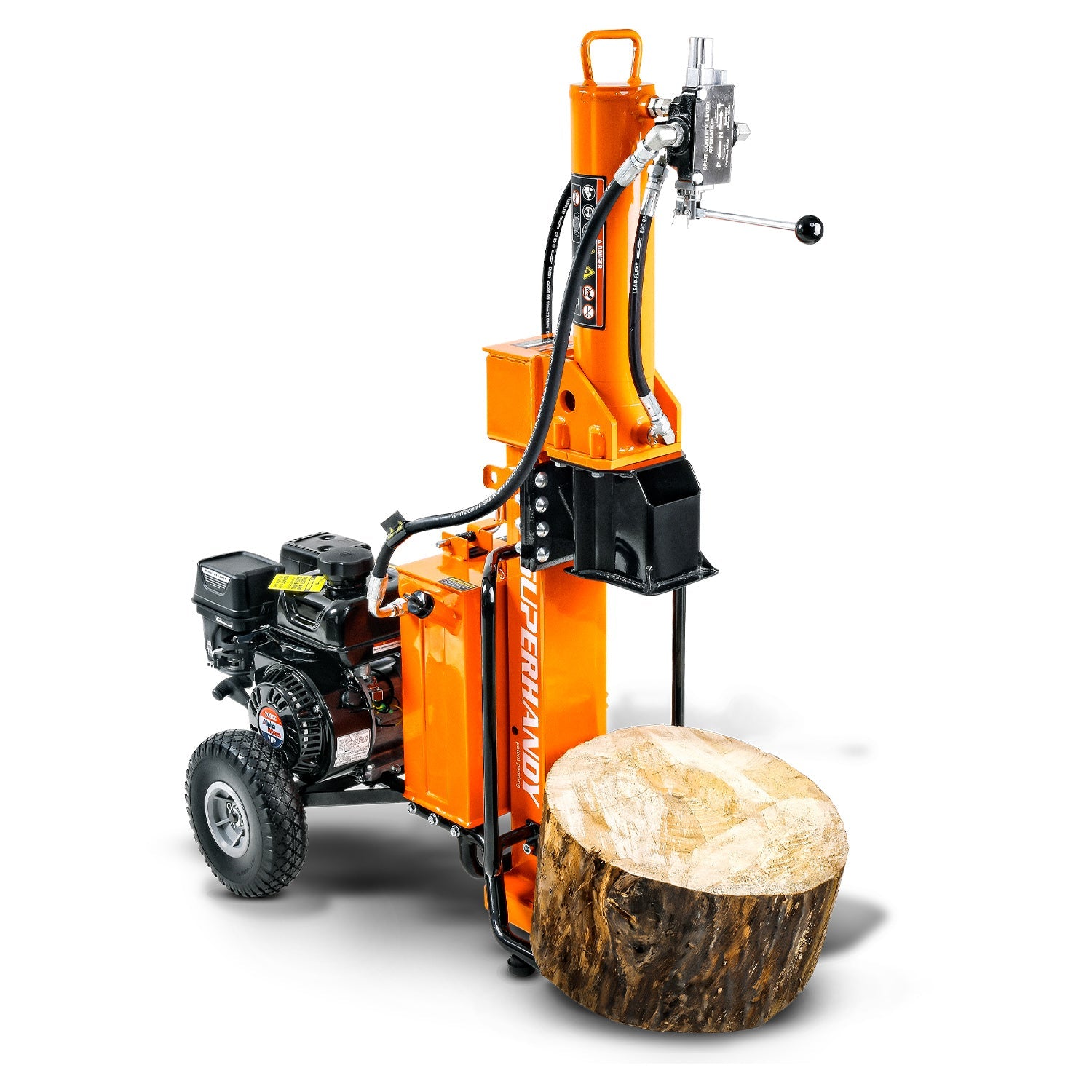
Vertical Log Splitters: With a vertical firewood splitter, the log stands on a plate at the base of the machine, and the wedge drives down from above to split it. The major advantage here is that you don't have to lift heavy, massive rounds. You can simply roll a large log into place, making it ideal for processing wood that is too heavy to lift safely.
Many modern gas log splitters solve this dilemma by offering convertible functionality. These versatile machines can be used in the horizontal position for smaller logs and easily pivoted into the vertical position for tackling heavy rounds, giving you the best of both worlds.
Key Features to Consider: Beam, Wedge, Wheels, and More
Beyond power and orientation, several key features separate a good log splitter from a great one.
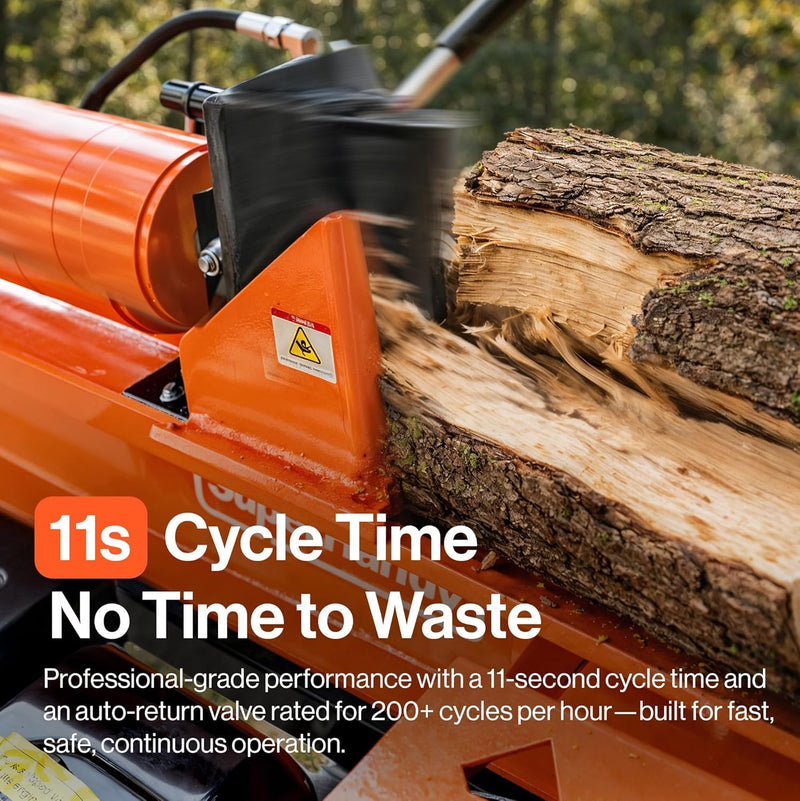
- Cycle Time: This is the total time it takes for the splitting ram to extend fully and retract. A shorter cycle time (e.g., 10-15 seconds) means you can process wood much faster, significantly increasing your productivity. Look for models with an auto-return ram, which automatically retracts the wedge after splitting, freeing you up to position the next log.
- Wedge Design: The standard wedge splits a log in two. For maximum efficiency, consider a 4-way wedge, which is an attachment that splits a round into four pieces with a single pass, cutting your work time nearly in half.
- Wheels and Portability: A wood splitter can be heavy. Large, pneumatic tires are essential for moving your machine around your property, especially over uneven terrain. Ensure the splitter has a secure towing hitch if you plan to transport it with an ATV or vehicle.
- Log Cradles: These simple but effective additions are metal "wings" or tables attached to the side of the beam. They catch the split pieces of wood, preventing them from falling to the ground. This saves your back from the repetitive strain of bending over to collect firewood.
Safety First: Essential Precautions When Operating a Log Splitter
A log splitter is an incredibly powerful tool that makes quick work of a woodpile, but that power demands respect. Operating a firewood splitter without proper precautions can lead to serious injury. Always start by thoroughly reading your machine’s owner's manual before the first use.
Before you split your first log, ensure you are wearing the right personal protective equipment (PPE). This includes durable gloves, non-slip steel-toed boots, and safety glasses to protect against flying wood chips and debris. According to OSHA hand and power tool safety guidance, proper PPE is a critical first line of defense against workplace hazards, a rule that absolutely applies to your home workshop or yard. Avoid loose-fitting clothing, jewelry, or anything that could get caught in the machine's moving parts.
Follow these essential rules every time you operate your wood splitter:
- Work on Level Ground: Only operate your splitter on a flat, stable, and clear surface to prevent it from tipping over.
- One Operator Only: Never operate a log splitter with a helper. One person should control the machine, and another person should never hold the log in place.
- Keep Hands Clear: Keep your hands away from the wedge, ram, and any moving components during operation. Use the machine’s handles and controls exclusively.
- Inspect Before Use: Do a quick check of the machine before starting. Look for low hydraulic fluid, loose bolts, or damaged hoses.
- Clear the Area: Ensure children, pets, and bystanders are at a safe distance (at least 10 feet away) from your work zone.
Maintenance Tips to Keep Your Log Splitter Running Smoothly
Proper maintenance is key to ensuring your log splitter operates safely, efficiently, and for many seasons to come. A well-maintained machine is a reliable machine. Neglecting basic upkeep can lead to poor performance and costly repairs down the road.
First and foremost, pay attention to the hydraulic system—it’s the heart of your splitter. Regularly check the hydraulic fluid level and top it off as needed with the manufacturer-recommended fluid type. Inspect all hoses and fittings for cracks or leaks before each use. A small leak can quickly become a major failure. For gas-powered models, this also means performing regular engine maintenance, such as checking the oil, cleaning the air filter, and inspecting the spark plug.
Keeping the rest of the machine clean and lubricated is just as important. Clear away wood debris from the beam and splitting wedge after each session to prevent jams and ensure smooth operation. A sharp wedge splits wood more effectively and puts less strain on the engine and hydraulic system, so sharpen it as needed. When the season is over, store your splitter in a dry, covered location to protect it from the elements. Taking care of your equipment is the best way to protect your investment in all types of log splitters.
Budgeting for Your Log Splitter: Understanding Price Ranges and Value
Log splitters are available across a wide range of price points, so it's important to match your budget to your actual needs. Don't just shop for the lowest price; consider the long-term value, power, and features you're getting.
- Entry-Level ($300 - $800): This range primarily consists of electric log splitters designed for occasional use. They are suitable for homeowners who need to split a small amount of wood for their fireplace each year.
- Mid-Range ($800 - $2,000): Here you'll find more powerful electric models and a wide variety of gas-powered log splitters. A machine in this price range, such as a 20 Ton Gas Log Splitter, is ideal for property owners who split multiple cords of wood annually. They offer a significant step up in power and speed over entry-level units.
- High-End / Prosumer ($2,000+): This category includes high-tonnage gas splitters and PTO models built for heavy-duty, frequent use. These machines are designed for durability, speed, and splitting large, tough logs with ease.
Top Log Splitter Brands and Models to Consider in
When you start shopping, you’ll see names like Champion, Dirty Hand Tools, and Troy-Bilt, which have been in the market for years. However, for homeowners seeking the best combination of modern features, robust power, and outstanding value, SuperHandy has become a top contender. We focus on building machines that are not only powerful but also user-friendly and reliable.
Our lineup is designed to meet a variety of needs. For those tackling serious woodpiles, the SuperHandy 25 Ton Gas Log Splitter is a standout choice. It combines a powerful engine with a fast cycle time to maximize your productivity, and its ability to switch between horizontal and vertical operation makes it versatile enough for any log. By focusing on smart design and quality components, we deliver the power and performance you need to get the job done right.
Where to Buy Your Log Splitter: Online Retailers vs. Local Dealers
Once you've narrowed down the type of wood splitter you need, the next step is deciding where to make your purchase. You generally have two main options: online retailers and local dealers. Each comes with its own set of advantages.
Online Retailers Shopping online for a Log Splitters offers unparalleled convenience and selection. Websites and direct-to-consumer brands often provide a wider range of models, from compact electric units to heavy-duty gas-powered machines. Prices can be more competitive due to lower overhead, and you can easily compare specifications and read customer reviews from the comfort of your home. The primary drawback is that you can't physically inspect the machine before buying, and delivery of a large, heavy item requires some logistical planning.
Local Dealers A local hardware or power equipment dealer allows you to see and touch the log splitter before you commit. You can get a feel for the build quality, controls, and overall size. Sales staff can offer personalized advice and may even provide assembly services. Furthermore, establishing a relationship with a local dealer can be beneficial for future servicing and repairs. However, the selection is typically more limited than what you'll find online, and prices may be slightly higher.
Ultimately, the best choice depends on your comfort level. If you've done your research (by reading guides like this one!) and know what you're looking for, buying online often provides the best value and selection.

Frequently Asked Questions About Choosing a Log Splitter
As you shop, a few common questions are likely to come up. Here are the answers to some of the most frequently asked questions about choosing a firewood splitter.
What's the best log splitter for a typical homeowner? There's no single "best" model, as it depends entirely on your needs. For splitting a few cords of wood per year for a fireplace, a powerful and quiet electric model like a 14 Ton Electric Log Splitter is often perfect. If you're clearing land, heating your home exclusively with wood, or dealing with large quantities of hardwood, a gas-powered machine like a 20 Ton Gas Log Splitter will provide the necessary power and speed.
How important is cycle time? Cycle time is the total time it takes for the splitting wedge to extend and retract. A faster cycle time (e.g., 10-15 seconds) means you can split more wood in less time, which is a major factor for high-volume users. For occasional use, a slightly longer cycle time (e.g., 15-20 seconds) is perfectly acceptable and shouldn't be a deal-breaker if the machine meets your other needs like tonnage and power.
Are log splitters dangerous? Any power tool carries inherent risks, and a log splitter is no exception due to the immense force it generates. However, modern splitters are designed with safety features like two-handed operation, which requires both of your hands to be on the controls and away from the wedge during splitting. Always read the owner's manual thoroughly, wear appropriate personal protective equipment (PPE) like safety glasses and gloves, and ensure your work area is clear of debris and bystanders. Following proper operational guidelines is crucial for injury prevention, a topic covered by resources from the Consumer Product Safety Commission.
Making Your Final Decision: A Checklist for the Perfect Log Splitter
You're almost ready to make a purchase. Use this final checklist to confirm you've considered all the key factors and are choosing the perfect log splitter for your specific situation.
- Annual Wood Volume: How many cords will you split per year? (This helps determine your power source: electric for low volume, gas for high volume).
- Wood Type & Condition: Are you splitting primarily softwoods or dense hardwoods like oak and hickory? Is the wood green or seasoned? Tougher wood requires higher tonnage, so consider a powerful model like a 25 Ton Gas Log Splitter for the most demanding jobs.
- Log Size: What is the typical diameter and length of the logs you'll be splitting? (This influences tonnage and beam length).
- Worksite Location: Will you be working near an outlet, or do you need the go-anywhere portability of a gas engine?
- Orientation: Will a standard horizontal splitter work, or do you need a vertical option to handle logs too heavy to lift?
- Key Features: Do you need tow-ability for moving the splitter around a large property? Are log cradles or a log catcher important for your workflow?
- Budget: Have you set a realistic budget that accounts for the features and power you truly need?
By thoughtfully answering each of these questions, you can confidently select a log splitter that will serve you well for many seasons to come.
Related Products

Leave a comment
All comments are moderated before being published.
This site is protected by hCaptcha and the hCaptcha Privacy Policy and Terms of Service apply.