










Why a Boat Dolly is Essential for Boat Owners
If you own a boat on a trailer, you understand the dance of maneuvering it into a tight garage, a crowded storage unit, or the perfect spot in your backyard. Hitching up your tow vehicle for a simple 20-foot repositioning feels like overkill, and trying to muscle it by hand is a recipe for a strained back and a scratched gelcoat. This is where a boat dolly becomes an indispensable tool. A quality dolly allows a single person to precisely and safely move a heavy boat and trailer without starting an engine. It transforms a frustrating, multi-person job into a quick, easy task, giving you more control and saving you from the hassle of complex vehicle alignment. Ultimately, a boat dolly protects your investment, your property, and your body.

Understanding Different Types of Boat Dollies
When people talk about boat dollies, they are usually referring to one of two main categories. The first is a cradle-style dolly designed to support the hull of a small, lightweight watercraft like a kayak, canoe, or small dinghy, allowing you to roll it to the water's edge.
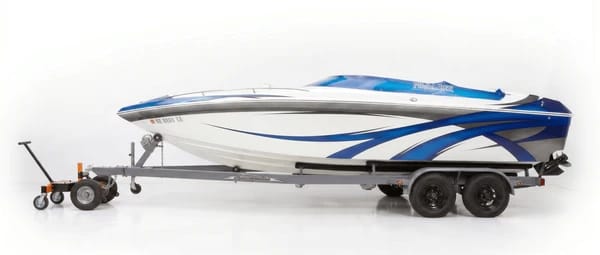
The second, and more common for trailerable boats, is the hitch dolly, often called a trailer dolly. This device doesn't carry the boat itself but instead connects to the trailer's coupler. It acts as a powerful, steerable stand-in for your tow vehicle, letting you pivot and push the entire trailer with ease. These hitch dollies are further divided into two primary types:
- Manual Trailer Dollies: These are the simplest form, relying on your strength to push and pull. They feature a long handle for leverage, a hitch ball for connection, and sturdy wheels. A well-designed manual trailer dolly is suitable for moving lighter boat-and-trailer combos on flat, solid surfaces like concrete or asphalt.
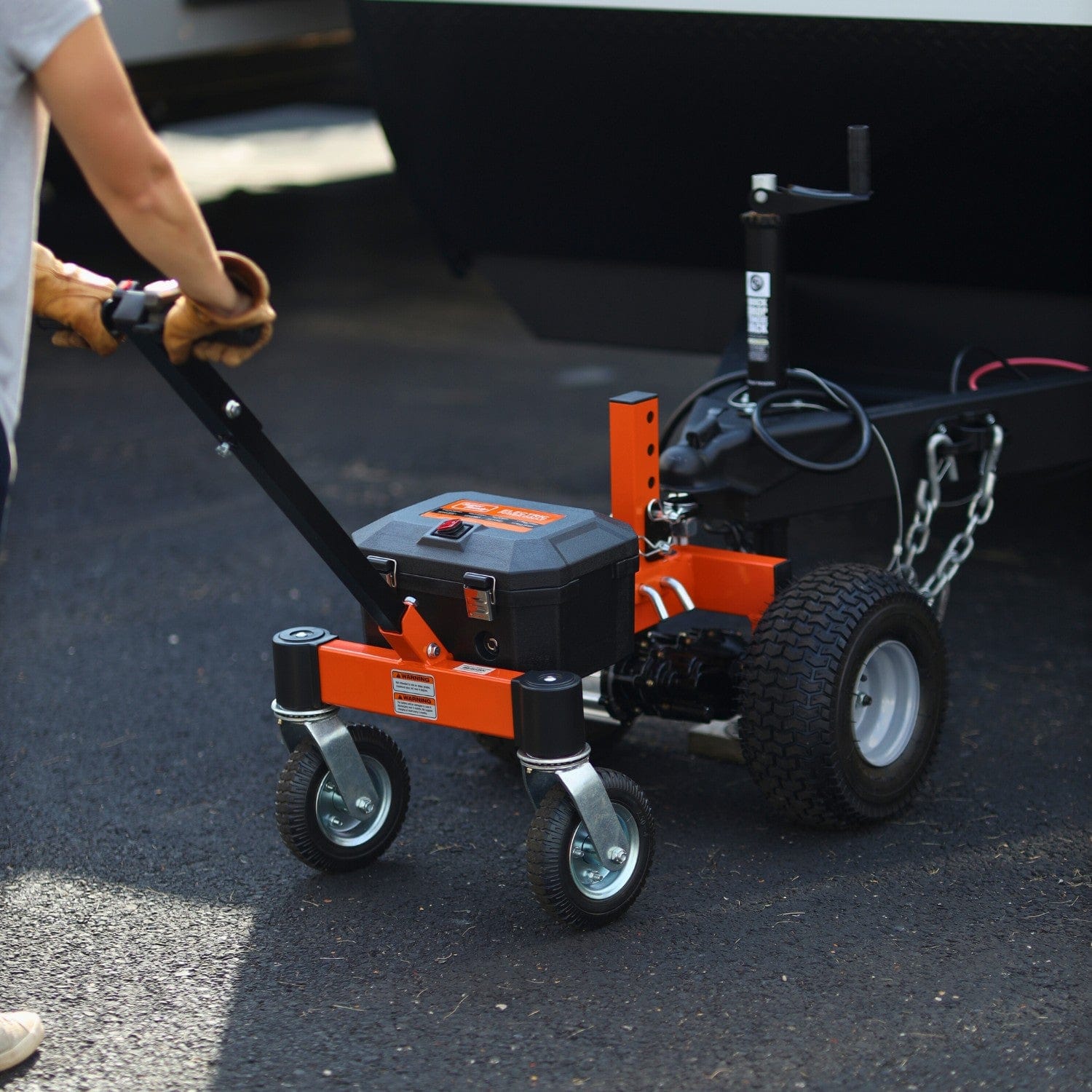
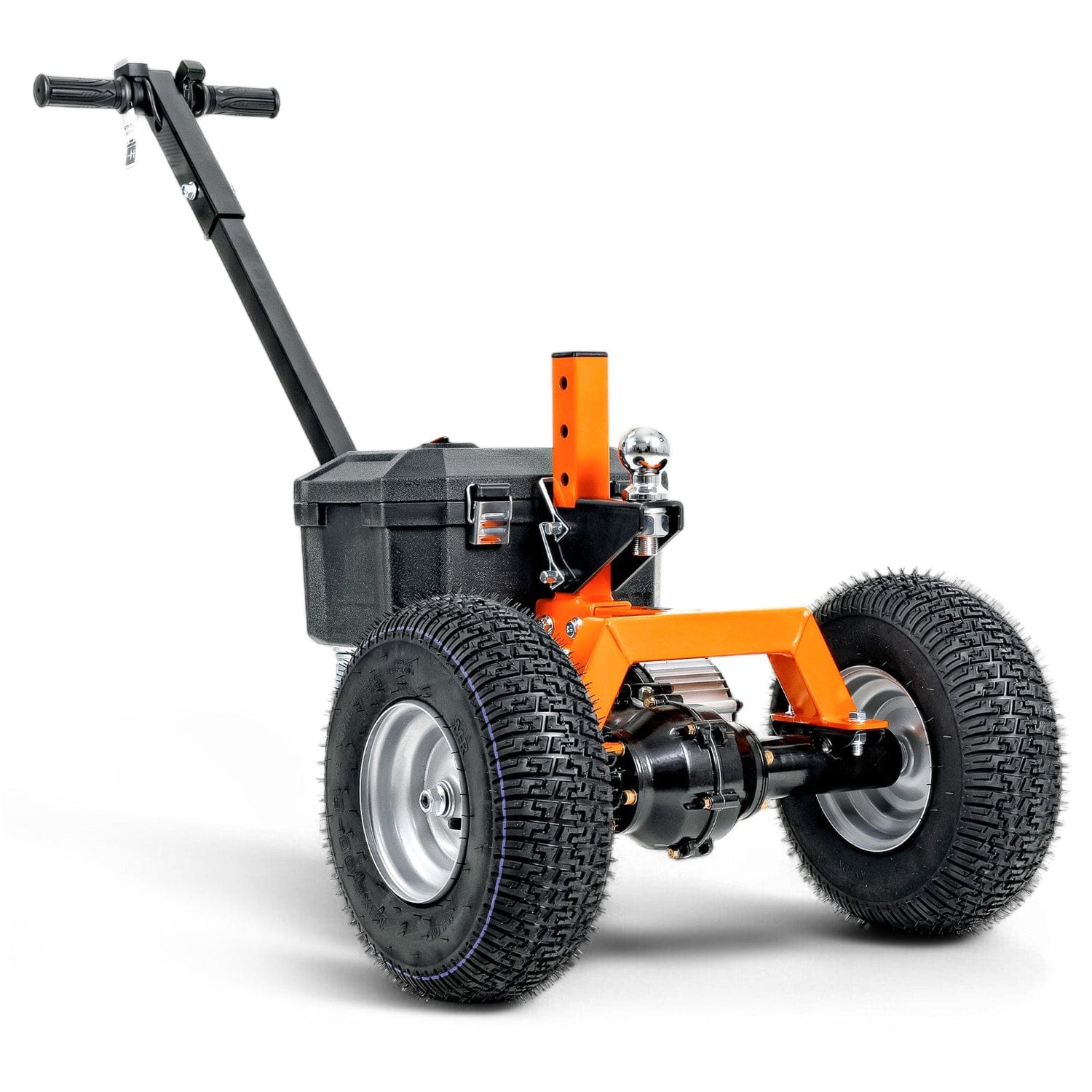
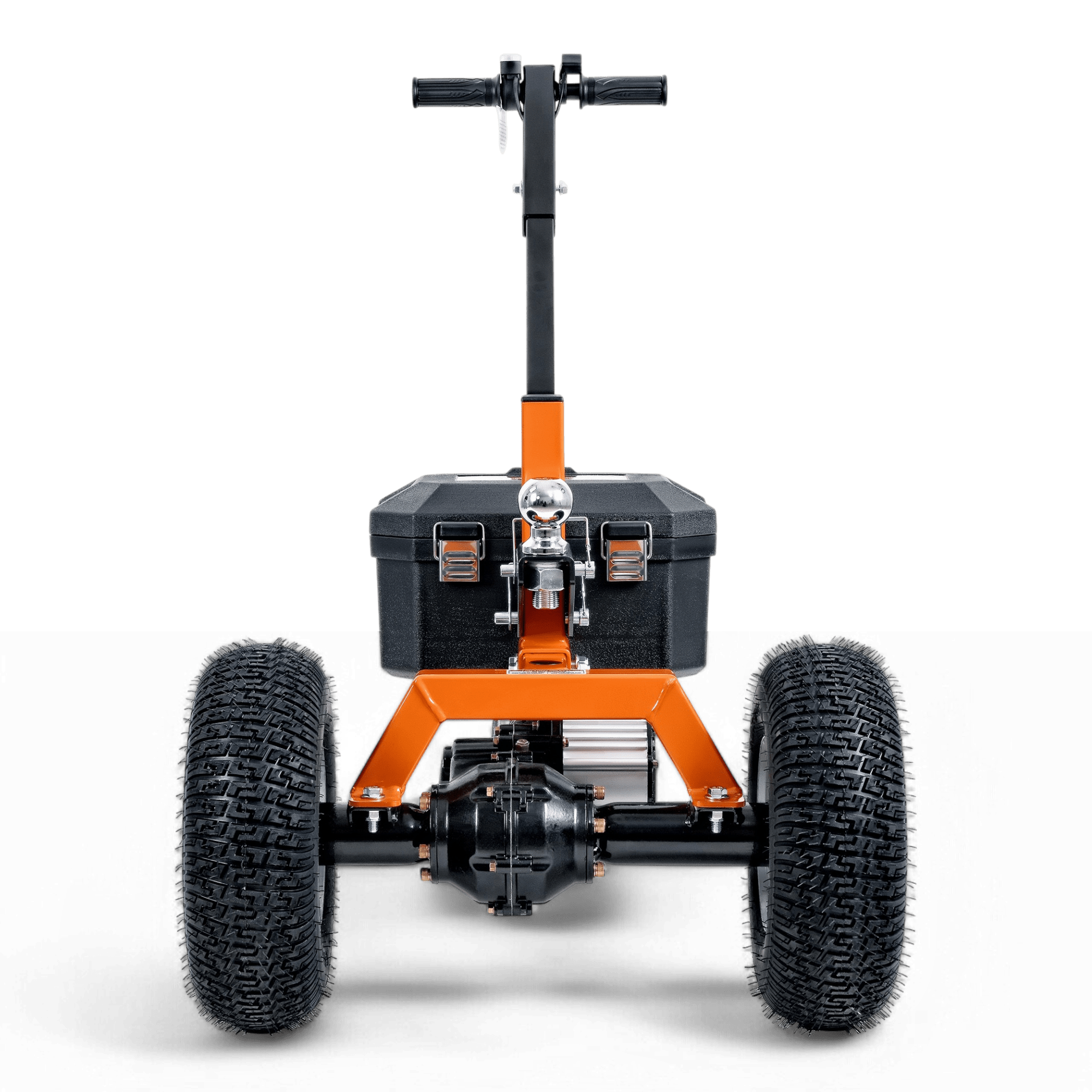
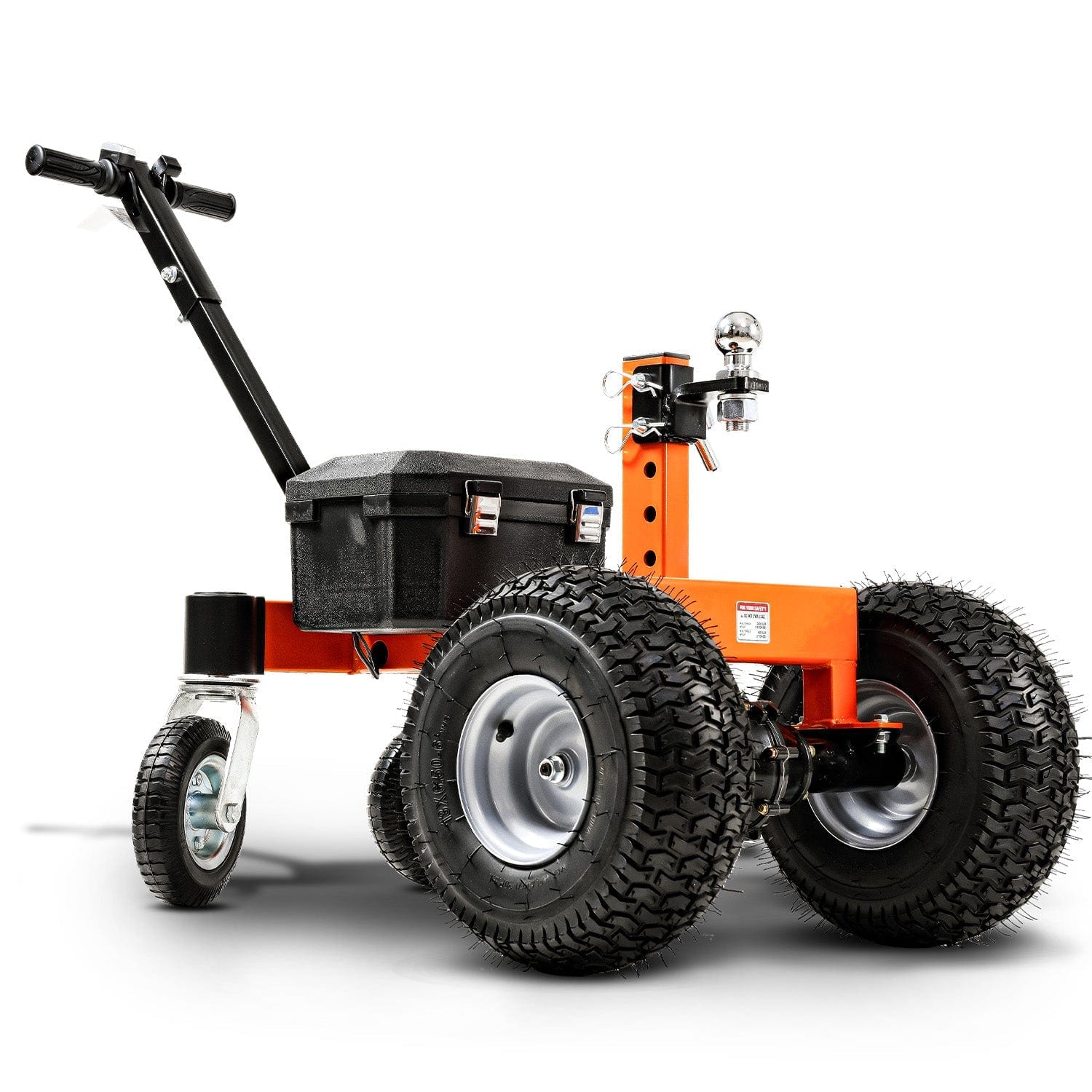
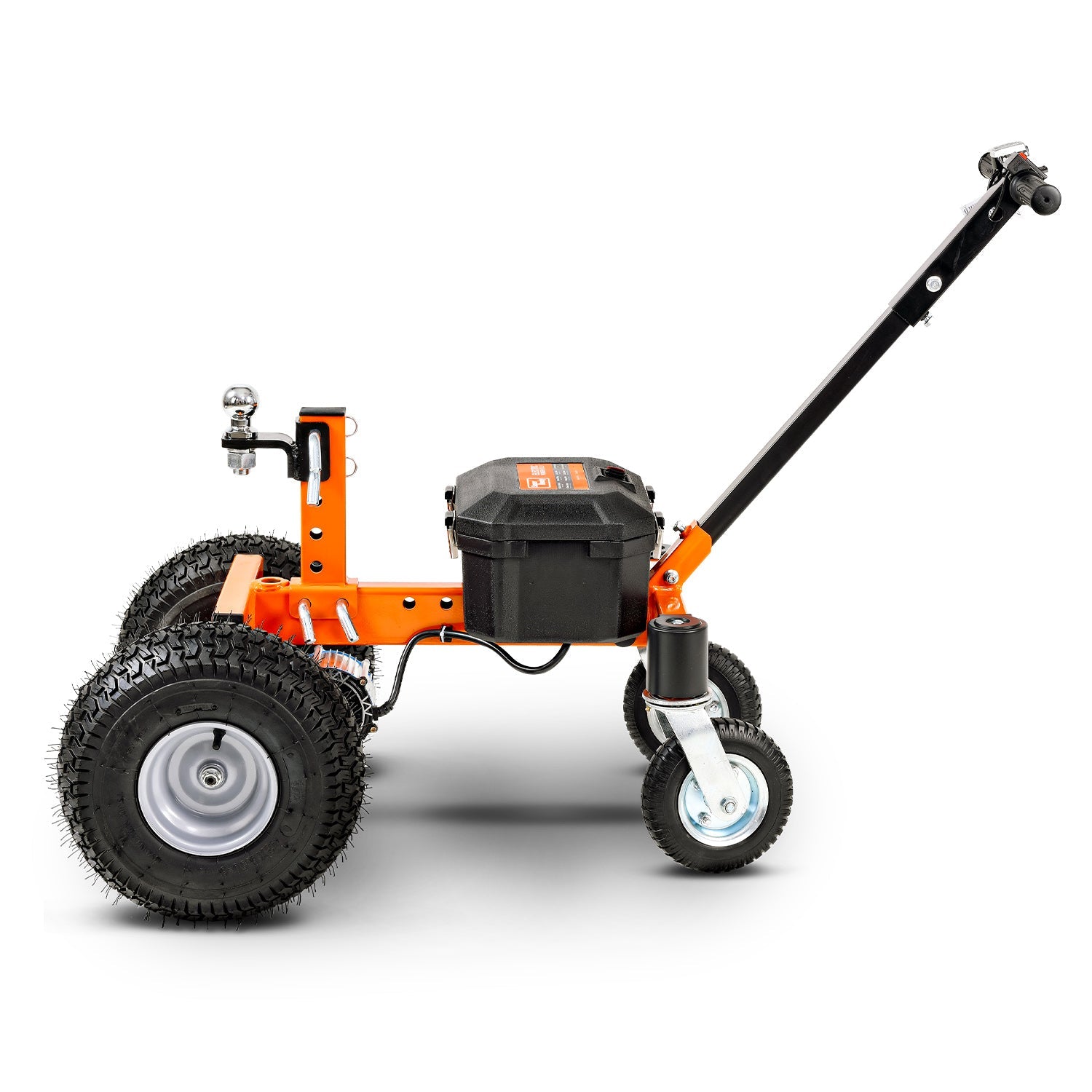
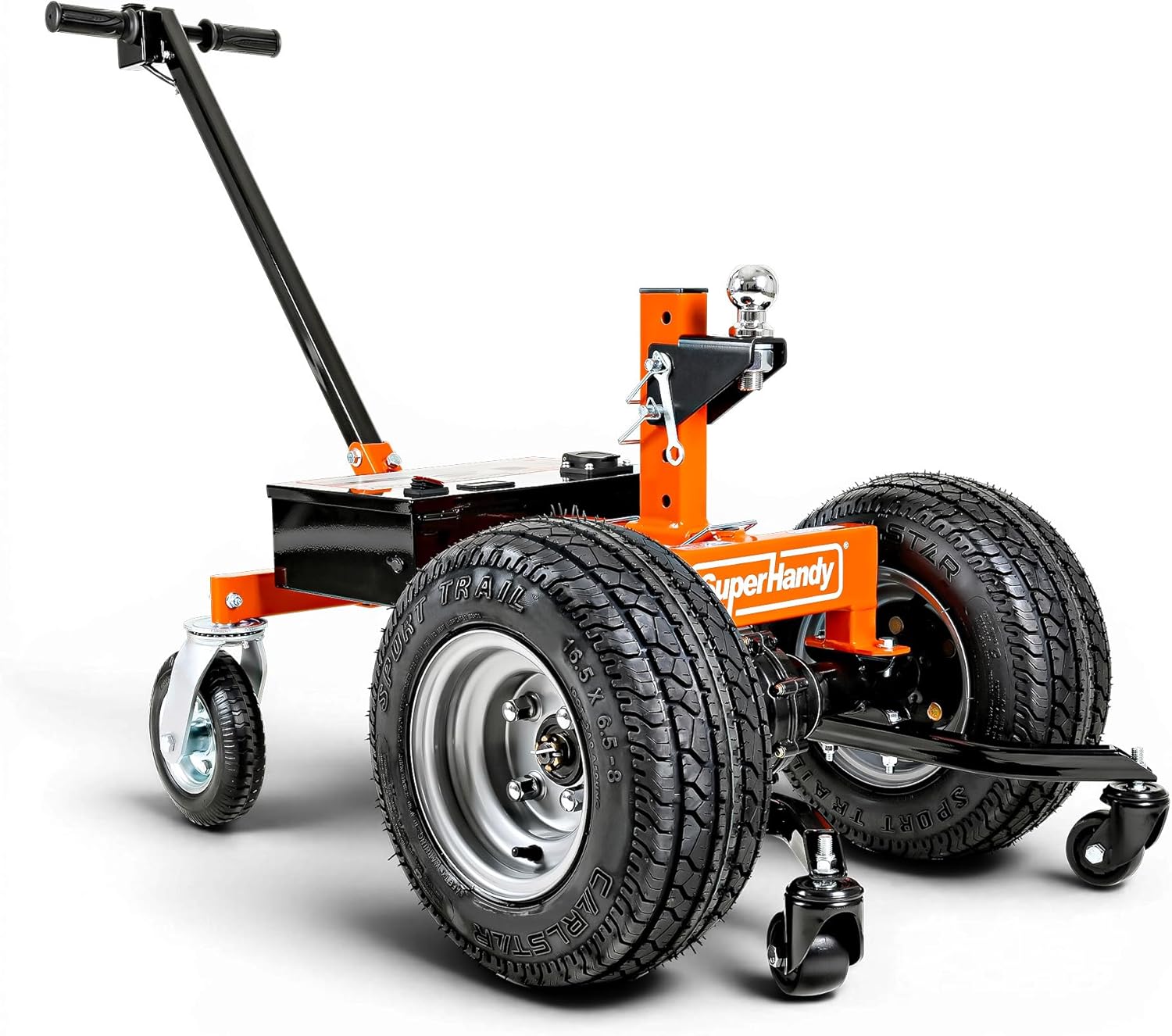
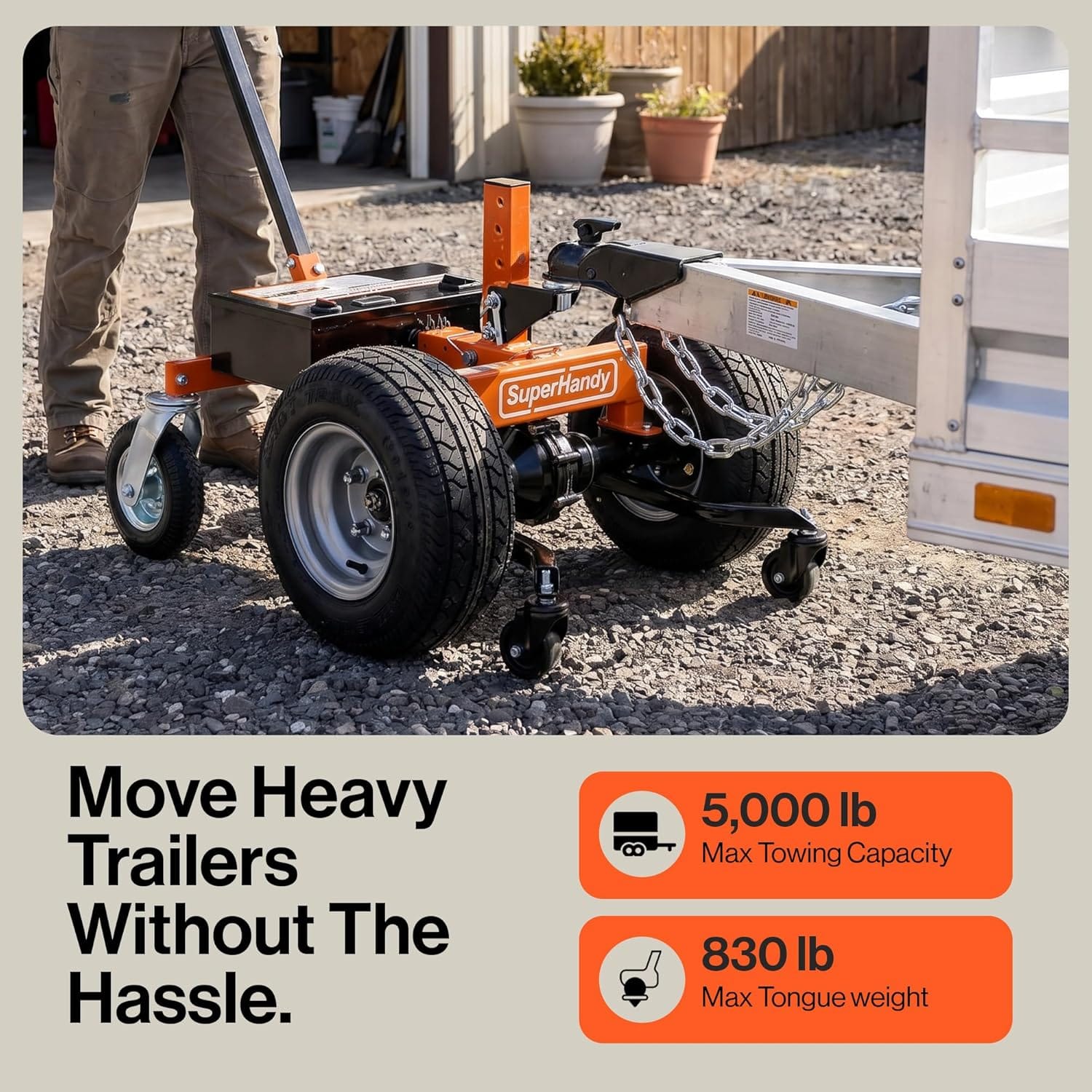
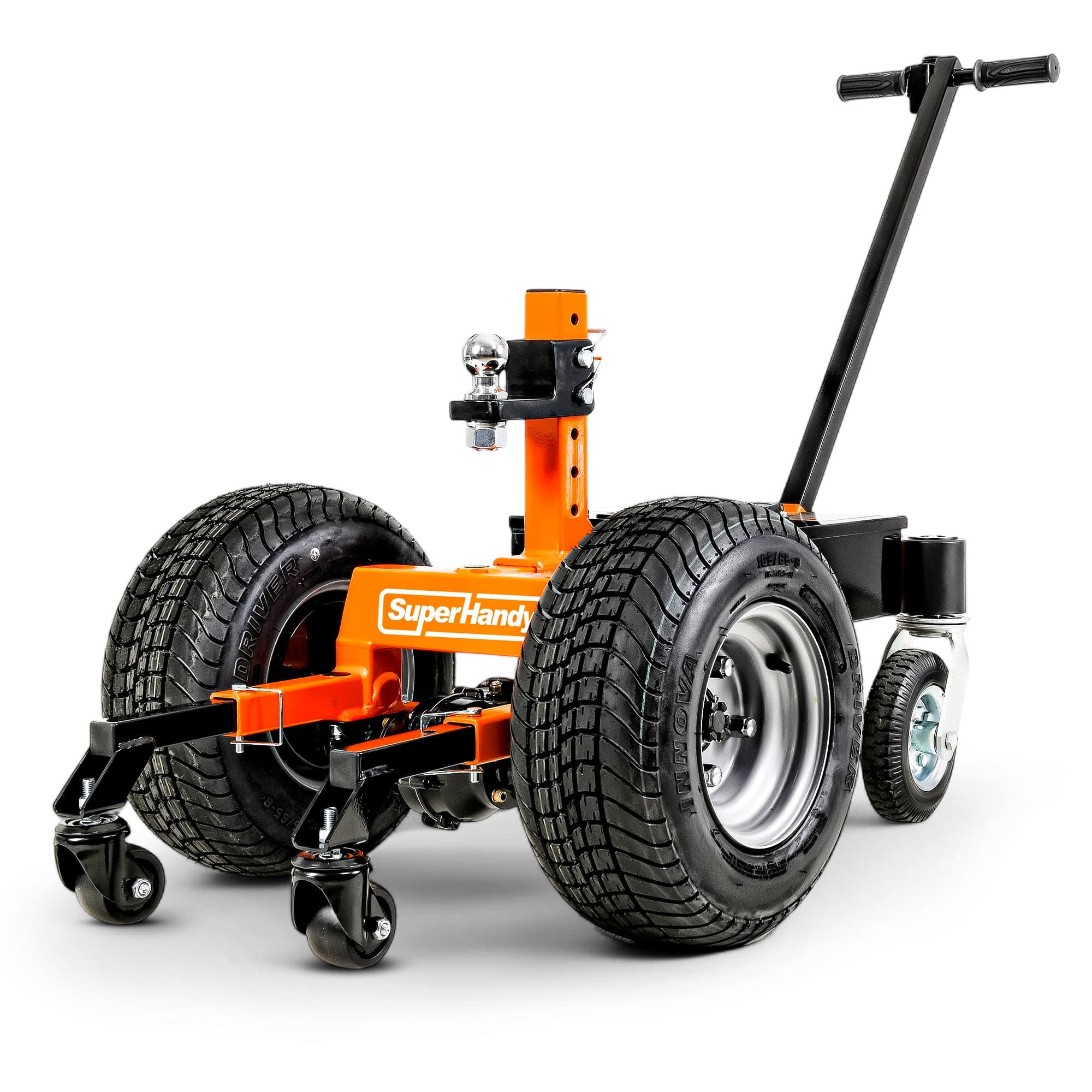
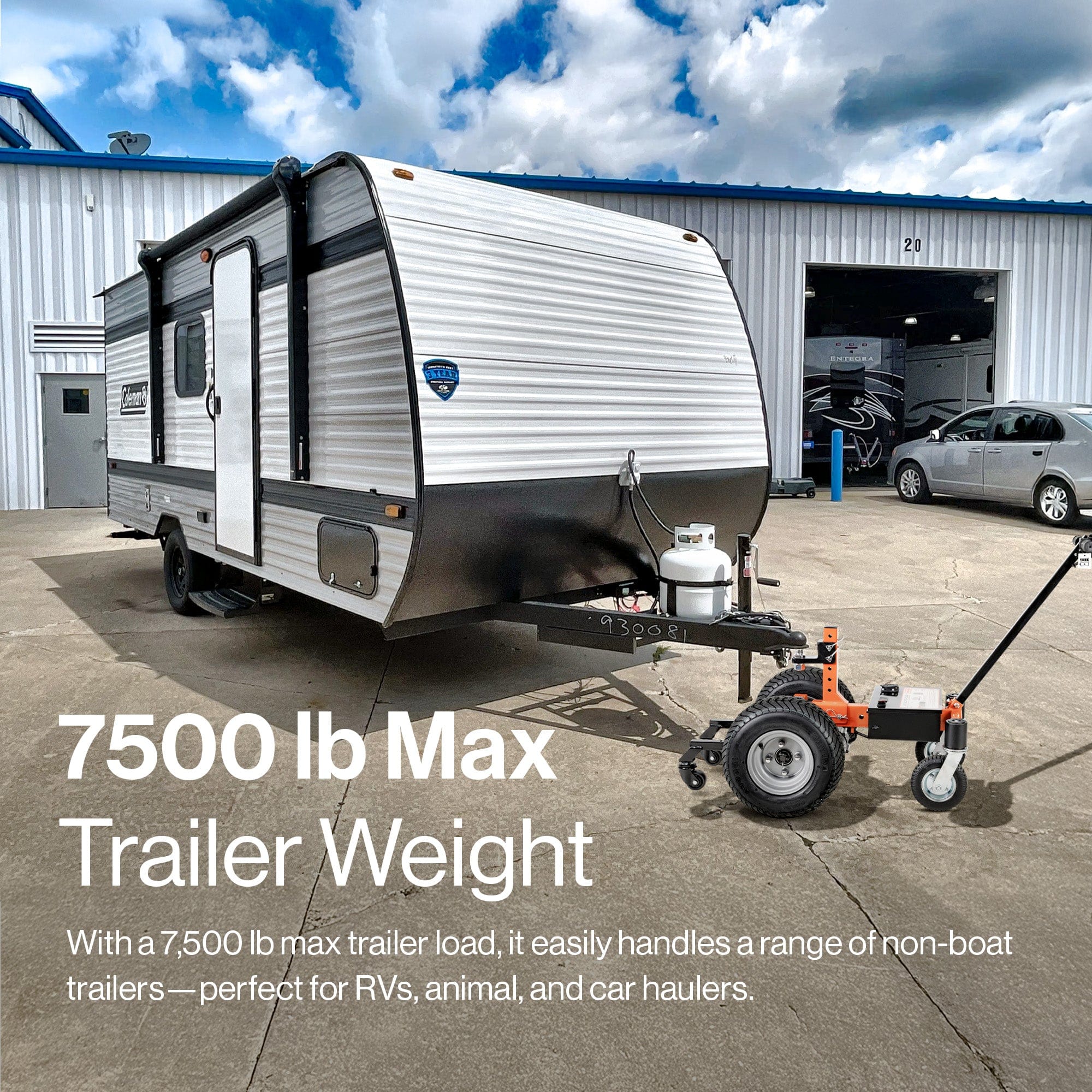
- Powered Trailer Dollies: For heavier loads or navigating slight inclines, an electric-powered dolly is the often a practical choice. These models use a battery-powered motor to drive the wheels, requiring you only to steer. They take the physical strain out of the equation, making it possible to move thousands of pounds with just the touch of a button.
Key Factors to Consider When Selecting a Boat Dolly
Choosing the right boat dolly isn't a one-size-fits-all decision. To find the perfect match for your needs, you must evaluate several key factors that influence performance, safety, and longevity. The most important consideration is the dolly's weight capacity, ensuring it can handle your specific boat and trailer. You'll also need to think about the materials it's made from, as durability and corrosion resistance are vital for marine environments. The type of wheels will determine how easily it moves across different terrains, from smooth garage floors to gravel driveways. Finally, you’ll weigh the benefits of a manual dolly versus a powered one based on your boat's weight and your physical comfort.
Boat Dolly Capacity: How Much Weight Can It Handle?
The single most critical factor in your decision is the dolly's weight capacity. Overloading a dolly is a serious safety risk that can lead to equipment failure, damage to your boat, or personal injury. When evaluating capacity, you need to understand two numbers: gross trailer weight (GTW) and tongue weight. GTW is the total weight of your trailer plus your boat and everything in it (fuel, gear, etc.). Tongue weight is the downward force that the trailer tongue exerts on the hitch ball, typically 10-15% of the GTW. A boat dolly must be rated to handle both. Always check the manufacturer's specifications for maximum GTW and maximum tongue weight. For instance, an electric trailer dolly might be rated for a 2,800 lb trailer with a 350 lb max tongue weight. Always choose a dolly with a capacity that comfortably exceeds your boat and trailer’s combined weight to ensure a safe margin. Adhering to weight limits is a fundamental aspect of consumer product safety and ensures your equipment performs as intended.
Material Matters: Choosing Durable and Corrosion-Resistant Dollies
The longevity and reliability of your boat dolly depend heavily on its construction materials. Since dollies are frequently exposed to moisture, and often saltwater, choosing a material that resists corrosion is paramount. The two most common materials used for dolly frames are steel and aluminum.
Steel is renowned for its strength and durability, making it an excellent choice for heavy-duty applications. However, raw steel is highly susceptible to rust. To combat this, look for dollies with a high-quality, corrosion-resistant finish. Powder-coated steel is the industry standard, providing a thick, durable barrier that protects the metal from the elements far better than a simple paint job.
Aluminum is the other popular option. Its primary advantages are its light weight and natural resistance to rust, making it a fantastic choice for use in saltwater environments. While typically not as strong as steel by weight, well-engineered aluminum dollies can still handle significant loads. For hardware like nuts, bolts, and pins, stainless steel is the preferred material as it resists rust and ensures all moving parts and connection points remain functional for years to come.
Wheel Types and Their Impact on Maneuverability and Terrain
The wheels on your boat dolly are its connection to the ground, and the right type can make the difference between a smooth move and a frustrating struggle. Your choice will primarily depend on the surfaces you’ll be moving your boat over.
Pneumatic (Air-Filled) Tires: These are the best choice for varied or uneven terrain. Like the tires on your car, they provide excellent shock absorption, making it easier to roll over grass, gravel, small rocks, or cracked pavement. The downside is that they can lose pressure and are susceptible to punctures, requiring occasional maintenance.
Solid Tires: Made from materials like solid rubber or polyurethane, these wheels are maintenance-free and can never go flat. They are ideal for moving a boat over smooth, hard surfaces like concrete garage floors, asphalt driveways, or paved marina lots. On rough terrain, however, they offer little cushioning, which can make maneuvering more difficult.
The size of the wheel also matters. Larger diameter wheels roll over obstacles and uneven ground more easily than smaller ones. Wider wheels can also be beneficial as they distribute the load over a larger area, preventing them from sinking into soft ground like sand or damp soil.
Trailer vs. Dolly: When to Use Each for Boat Transport
It’s crucial to understand the distinct roles of a trailer and a boat dolly. They are not interchangeable; they are tools designed for different stages of boat transport.
A trailer is what you use for transporting your boat over long distances on public roads. It's engineered for highway speeds, equipped with a proper suspension, lighting, and braking system (depending on size), and legally registered for road use. You attach it to a tow vehicle like a truck or SUV to get your boat to and from the water.
A boat dolly, specifically a hitch dolly or trailer dolly, is designed for short-distance, low-speed maneuvering off the road. Its job begins where the tow vehicle’s job ends. A hitch dolly allows a single person to precisely move a boat—while it's still on its trailer—in tight spaces. Think of pushing your boat into a tight garage corner, repositioning it in your driveway, or navigating it through a crowded boatyard. It gives you the control and agility that a large tow vehicle simply can't offer in confined areas.
Manual vs. Powered Boat Dollies: Which is Right for You?
Once you’ve decided you need a hitch dolly, the next choice is between a manual or a powered model. The right one for you depends on your boat's weight, the terrain, and your budget.
Manual boat dollies are a simple, effective, and affordable solution. These dollies, like the SuperHandy Manual Trailer Dolly, use leverage to help you lift the trailer tongue and roll the boat by hand. They are suitable for lighter boats on flat, solid surfaces. With a long handle for steering and sturdy wheels, they give you precise control for parking your trailer exactly where you want it without straining your back.
Powered boat dollies take the effort out of moving your boat. An electric dolly uses a battery-powered motor to drive the wheels, doing all the heavy pushing and pulling for you. This is a game-changer for anyone with a heavier boat, a slight incline in their driveway, or who simply wants to move their boat with minimal physical exertion. With forward and reverse controls at your fingertips, you can guide thousands of pounds into the tightest spots with ease. While they have a higher initial cost, the convenience and strain-reduction they offer are invaluable for many boat owners.
Measuring Your Boat for the Perfect Dolly Fit
Guesswork has no place when selecting a boat dolly. An improperly sized dolly isn't just inconvenient; it's a risk to your boat and your safety. To ensure a perfect fit, you need a few key measurements. First, determine your boat's total weight, including the engine, fuel, water, and all the gear you typically store on board. This "wet weight" is the number you'll compare against the dolly's maximum capacity. Next, if you're using a hitch dolly for a trailer, you must know the trailer's tongue weight—the downward force the trailer tongue exerts on the hitch. This is typically 10-15% of the total trailer and boat weight. Finally, measure your boat's hull, specifically its beam (the widest point) and note its shape (e.g., V-hull, flat-bottom). This ensures the dolly's support bunks or rollers will cradle your vessel securely without causing damage.
Essential Dolly Features: Tie-Down Points, Rollers, and More
Beyond basic capacity, certain features distinguish a great boat dolly from a merely adequate one. Look for integrated tie-down points or included straps, which are non-negotiable for securing your boat. A vessel can easily shift or slide off the dolly on uneven ground or a slight incline. You should also consider the support system: rollers make it easier to slide the boat on and off, while padded bunks provide more uniform support, which is often better for long-term storage. An adjustable frame that allows you to change the width and angle of the supports offers greater versatility. For a hitch dolly, an adjustable-height ball mount is crucial for connecting to your trailer coupler at the proper level, ensuring balanced and safe movement.
Common Boat Dolly Mistakes to Avoid
Even the best boat dolly can be ineffective or dangerous if used incorrectly. One of the most common and critical errors is exceeding the dolly's weight capacity. Overloading can lead to bent frames, broken wheels, and catastrophic failure that could damage your boat or cause serious injury. Adhering to manufacturer weight limits is a fundamental aspect of responsible equipment use, a principle emphasized by consumer safety organizations like the Consumer Product Safety Commission. Another frequent mistake is ignoring tongue weight, which can make a trailer dolly nearly impossible to steer or cause it to tip backward. Other pitfalls include using a dolly with wheels unsuited for your terrain (e.g., solid plastic wheels on soft sand), failing to properly secure the boat to the dolly with straps, and rushing through assembly, resulting in a wobbly and unstable unit.
How to Properly Use and Maintain Your Boat Dolly
Proper use and regular maintenance are key to a long and effective service life for your boat dolly.
To use a hitch dolly safely:
- Chock the trailer wheels to prevent them from rolling.
- Lower the trailer's coupler onto the dolly's hitch ball and secure the latch.
- Completely retract the trailer's tongue jack.
- Remove the wheel chocks.
- Move the trailer slowly and deliberately, using a spotter if your view is obstructed.
For ongoing maintenance:
- Inspect Before Use: Always check for loose nuts and bolts, cracks in the welds, and any signs of damage.
- Check Tire Pressure: If your dolly has pneumatic tires, keep them inflated to the recommended PSI for optimal performance.
- Rinse After Use: Wash your dolly with fresh water, especially after exposure to saltwater, to prevent rust and corrosion.
- Lubricate Moving Parts: Periodically lubricate wheel bearings, axles, and the crank mechanism on an electric trailer dolly to keep everything operating smoothly.
- Store Properly: Keep your dolly in a dry, covered location like a garage or shed to protect it from harsh weather and UV degradation.
Top Boat Dolly Brands and Models to Consider
Navigating the market for a boat dolly can feel overwhelming, but a few brands consistently stand out for their quality, durability, and innovative designs. While the "best" model ultimately depends on your specific boat and trailer setup, focusing on reputable manufacturers is a great place to start.
SuperHandy has carved out a strong reputation for producing robust and user-friendly equipment. For boat owners with lighter vessels or those who need to maneuver their trailer in very tight spaces, a manual hitch dolly is an excellent choice. The SuperHandy Manual Trailer Dolly is a example, offering a significant weight capacity and large, all-terrain tires that provide stability and smooth movement. Its long handle gives you the leverage needed to pivot and position your trailer with precision, making it a go-to for garages, small driveways, and storage units.
For those with heavier boats or anyone looking to eliminate physical strain, an electric boat dolly is a game-changer. These powered units do the heavy lifting for you, allowing you to move thousands of pounds with just the push of a button. The SuperHandy Electric Trailer Dolly is a powerhouse in this category, featuring forward and reverse drive, variable speed control, and an automatic braking system for maximum safety and control. It transforms the difficult task of moving a large trailer into a simple, one-person job. Other brands like Tow Tuff, MaxxHaul, and Trailer Valet also offer a variety of manual and powered options worth exploring to compare features and price points.
Frequently Asked Questions About Boat Dollies
As you narrow down your options, you'll likely have some questions. Here are answers to some of the most common ones.
Can I use a boat dolly on any surface? Not exactly. Most dollies perform best on hard, level surfaces like concrete or asphalt. However, models equipped with large, pneumatic (air-filled) tires can often handle more challenging terrain like firm grass or compacted gravel. Solid rubber tires are puncture-proof and great for smooth surfaces but may struggle on soft ground. Always check the manufacturer's recommendations for the intended terrain.
How do I know what weight capacity I need? This is critical for safety. You need to know your trailer's tongue weight—the downward force the fully loaded trailer exerts on the hitch. Your dolly’s capacity must exceed this number. Remember to account for the weight of your boat, motor, fuel, and any gear stored inside. It’s always better to have a dolly with a capacity well above your calculated tongue weight to ensure a safe margin.
Is an electric hitch dolly worth the extra cost? It depends on your situation. If you have a heavy boat (tongue weight over 500 lbs), move your trailer frequently, or have a sloped driveway, an electric dolly is a worthwhile investment. It significantly reduces the risk of physical strain or injury and makes the process faster and more convenient. For lighter boats and flat surfaces, a high-quality manual dolly is often sufficient.
Can I assemble a boat dolly myself? Yes, most boat dollies are designed for straightforward user assembly. They typically ship with a detailed instruction manual and require only basic hand tools. Carefully following the manufacturer's assembly guide is a key part of consumer product safety to ensure all parts are securely fastened and the dolly functions as intended.
Making the Final Decision: Your Boat Dolly Checklist
Ready to make a purchase? Run through this final checklist to ensure you’ve covered all your bases and are choosing the perfect boat dolly for your needs.
- Weight Capacity: Have I confirmed my trailer's tongue weight and chosen a dolly with a capacity that safely exceeds it?
- Hitch Compatibility: Does the dolly’s hitch ball size (e.g., 1-7/8", 2", or 2-5/16") match my trailer’s coupler?
- Terrain: Are the dolly's wheels appropriate for the primary surface I'll be moving my boat on (pavement, gravel, grass)?
- Power Source: Is a manual dolly sufficient for my needs, or would an electric dolly be a better investment for my boat’s weight and my convenience?
- Handle and Control: Does the dolly offer good leverage (long handle for manual) or intuitive controls (forward/reverse for electric)?
- Storage: Do I have a designated spot to store the dolly when it's not in use?
- Budget: Does this model fit my budget while providing the essential features for safety and functionality?
By thoughtfully answering these questions, you can move forward with confidence, knowing you’ve selected a reliable tool that will make managing your boat and trailer easier for years to come.
Related Products

Leave a comment
All comments are moderated before being published.
This site is protected by hCaptcha and the hCaptcha Privacy Policy and Terms of Service apply.