










Understanding Your Wood Splitting Needs: How Much Wood Do You Really Need to Split?
Before you can choose the right log splitter, you need to take an honest look at your workload. The perfect wood splitter for someone heating their home all winter is overkill for a person who just wants a few cozy fires. Think about how much wood you process in a typical year.
- The Occasional User (1-3 Cords/Year): If you're splitting wood for occasional campfires, a backyard fire pit, or a decorative fireplace, your needs are minimal. You're likely dealing with smaller logs and don't require immense power or speed. A manual or small electric log splitter is often the perfect fit.
- The Standard Homeowner (3-7 Cords/Year): This is the user who relies on a wood stove to supplement their home's heating, keeping the house warm and cozy through the fall and winter. You need a reliable and efficient machine that can handle a decent volume without wearing you out. A robust electric model or a smaller gas-powered splitter will be your best bet.
- The Heavy-Duty User (7+ Cords/Year): You heat your home exclusively with wood, manage a large wooded property, or perhaps even sell firewood. For you, splitting wood is a serious task. You need maximum power, speed, and durability to handle large quantities of tough, hardwood logs. A powerful gas-powered log splitter is essential.
Types of Log Splitters: Electric, Gas, and Manual Options Explained
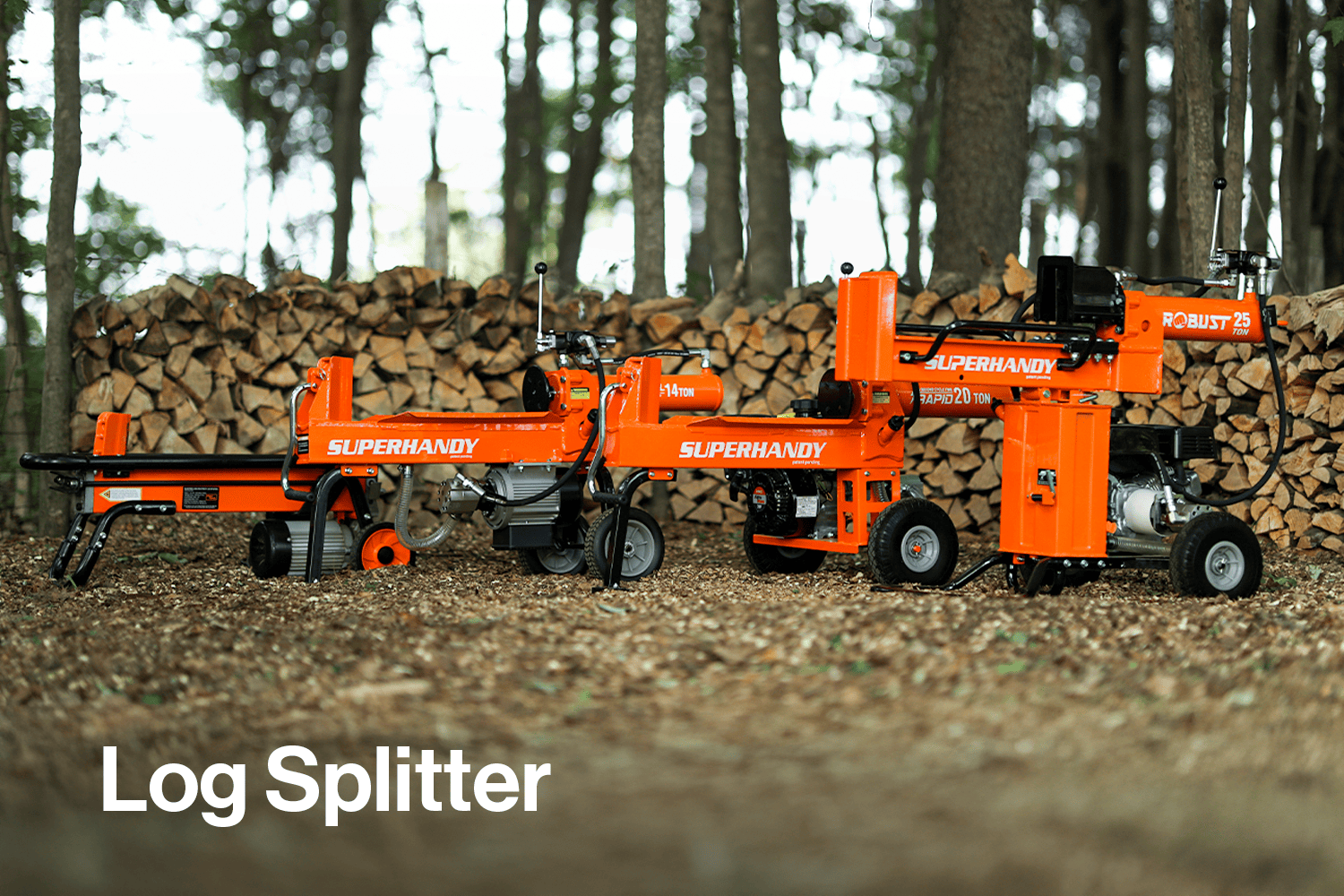
Once you know your volume, you can narrow your search by power source. Choosing the right Log Splitter starts with understanding the three main types, each with distinct advantages. No matter which type you choose, it's crucial to prioritize safety. All power tools require proper handling and personal protective equipment, a principle reinforced by resources like the OSHA hand and power tool safety guidance.

- Electric Log Splitters: These machines run on standard household electricity, either by plugging into an outlet or using a rechargeable battery. They are known for being quiet, low-maintenance, and emission-free, making them ideal for residential use.
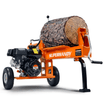
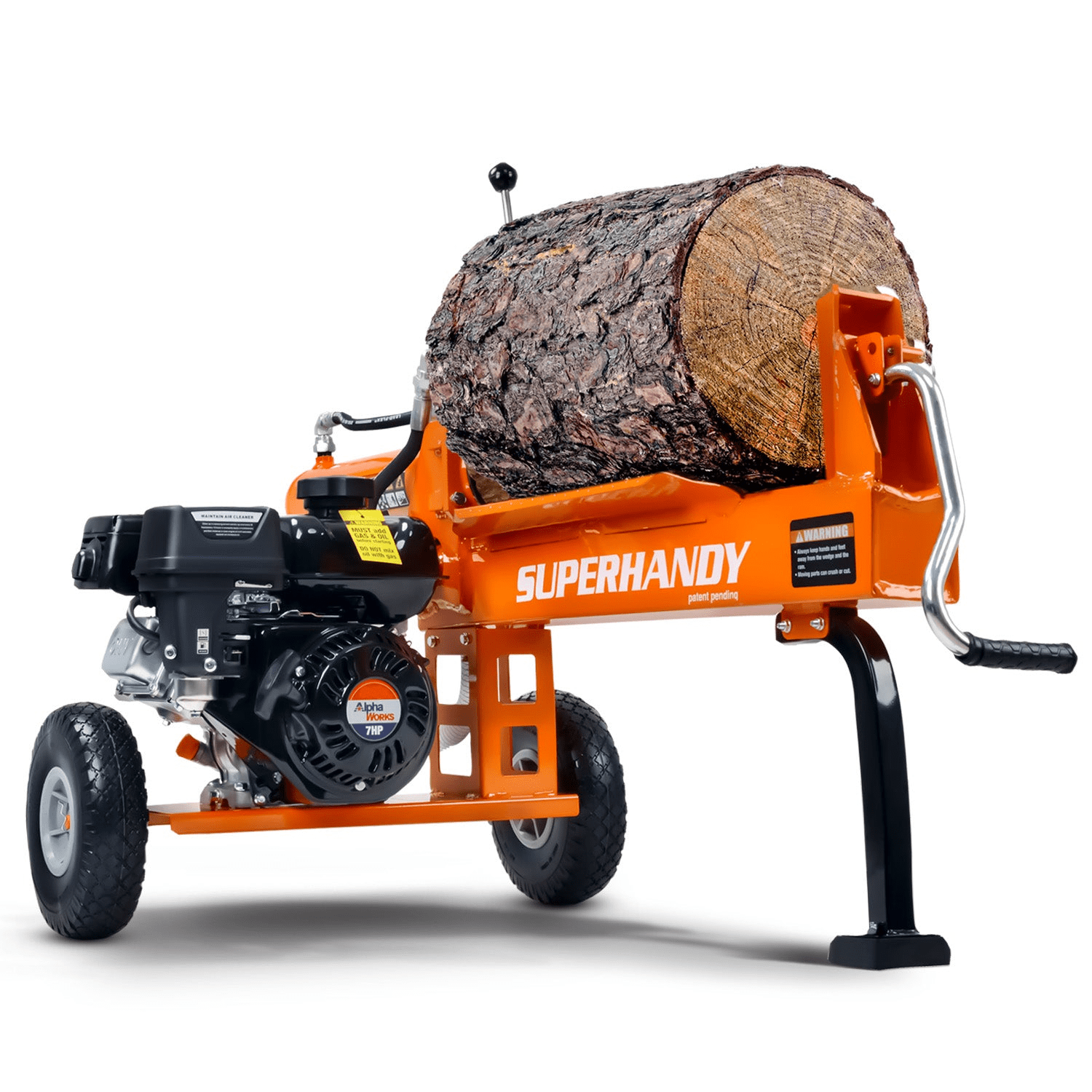
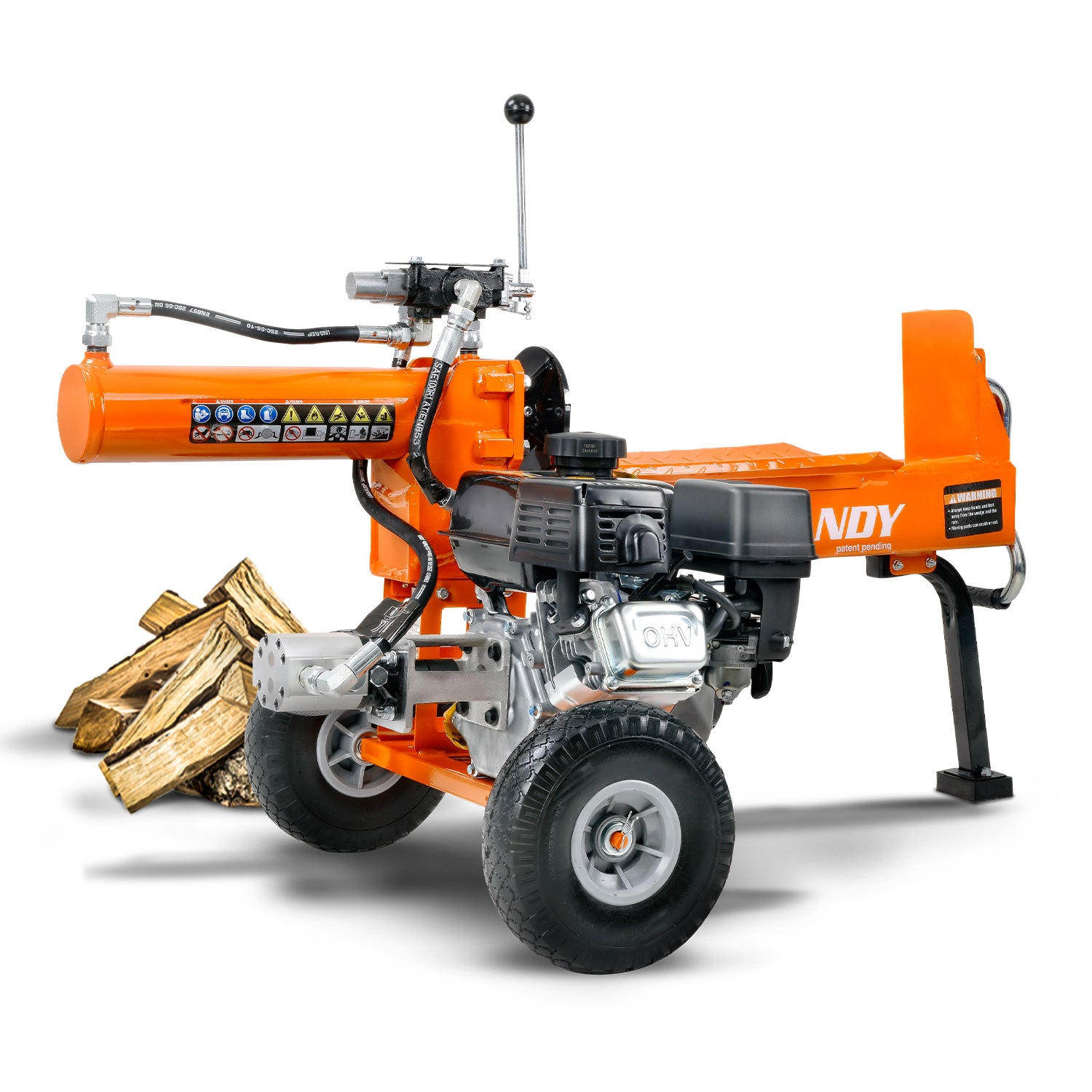
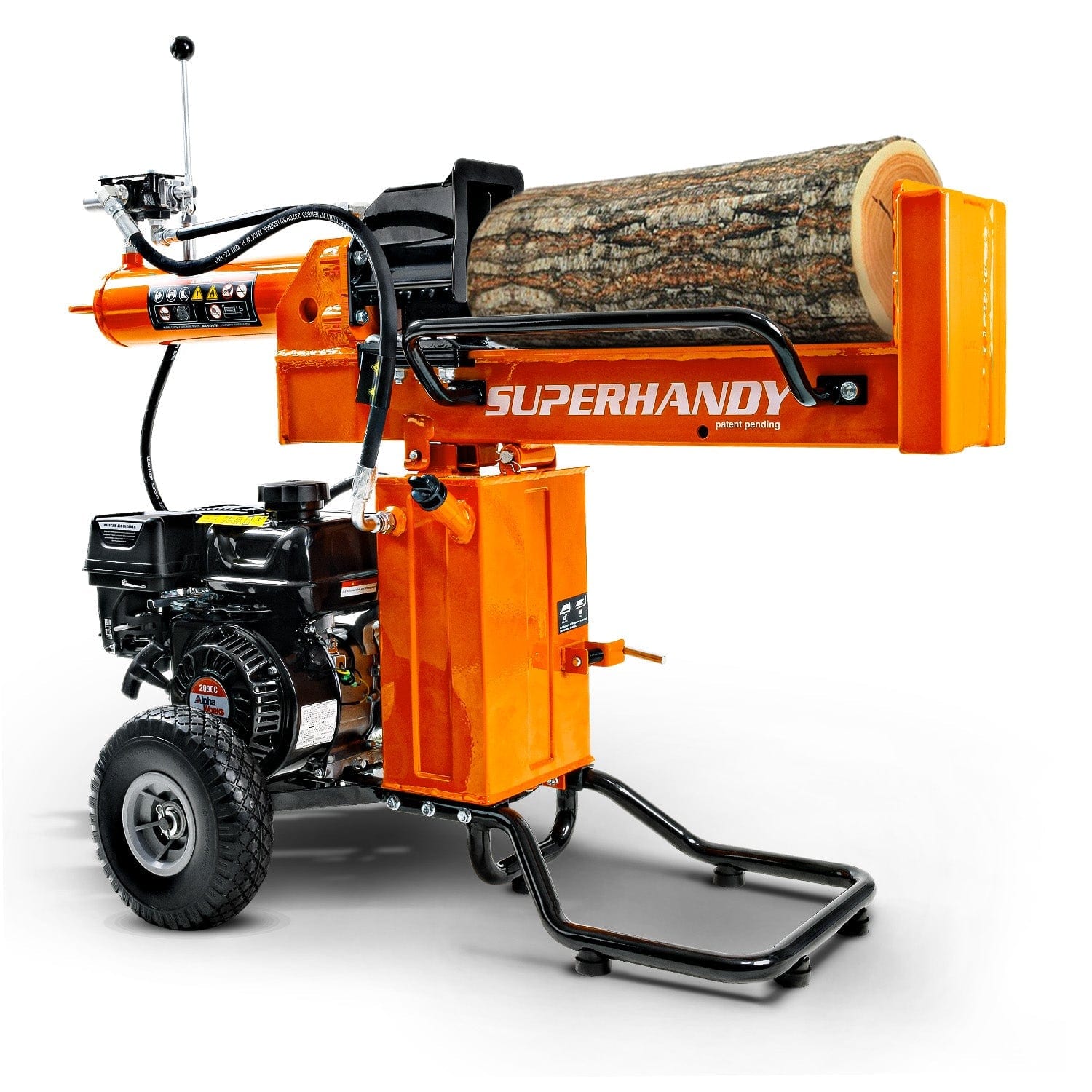
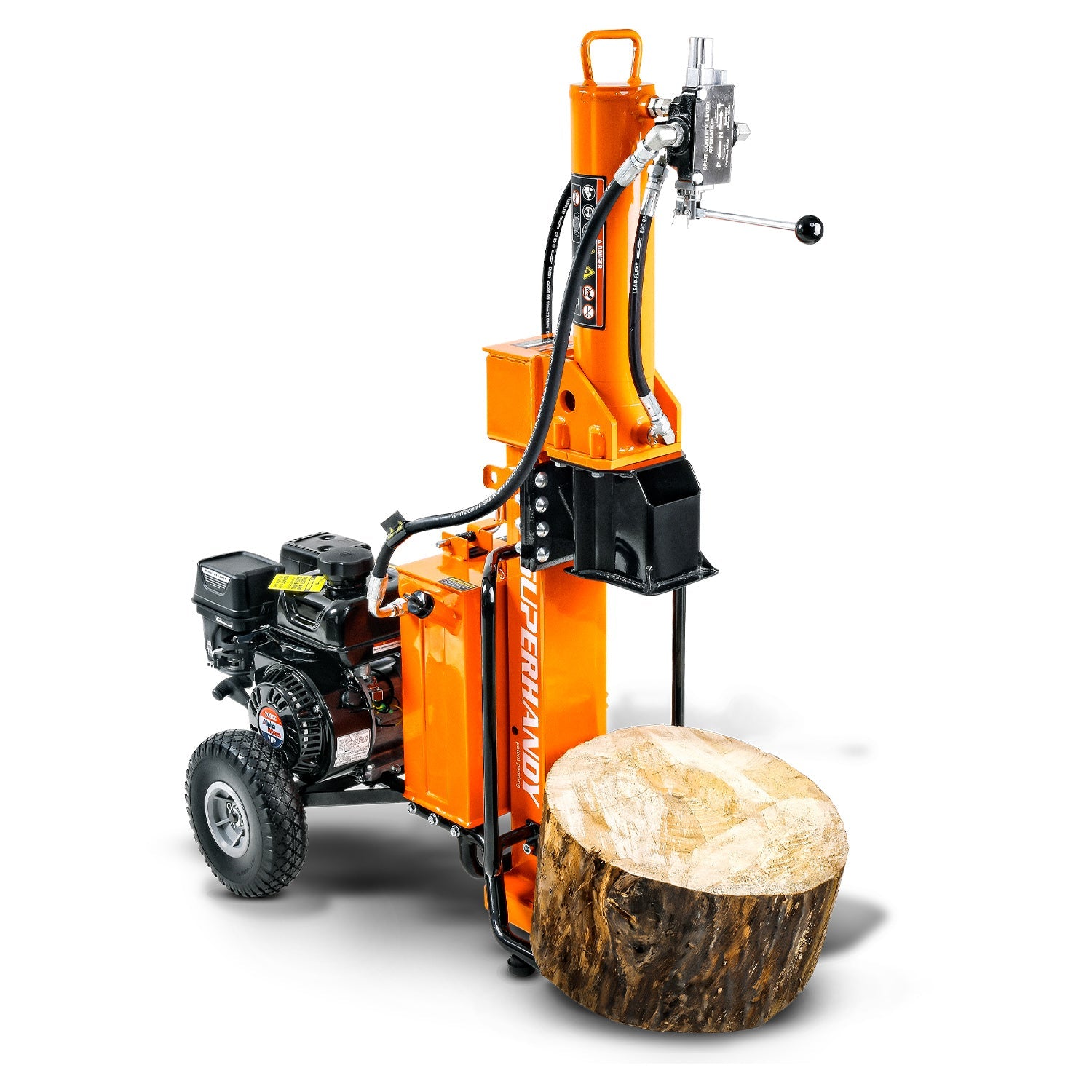
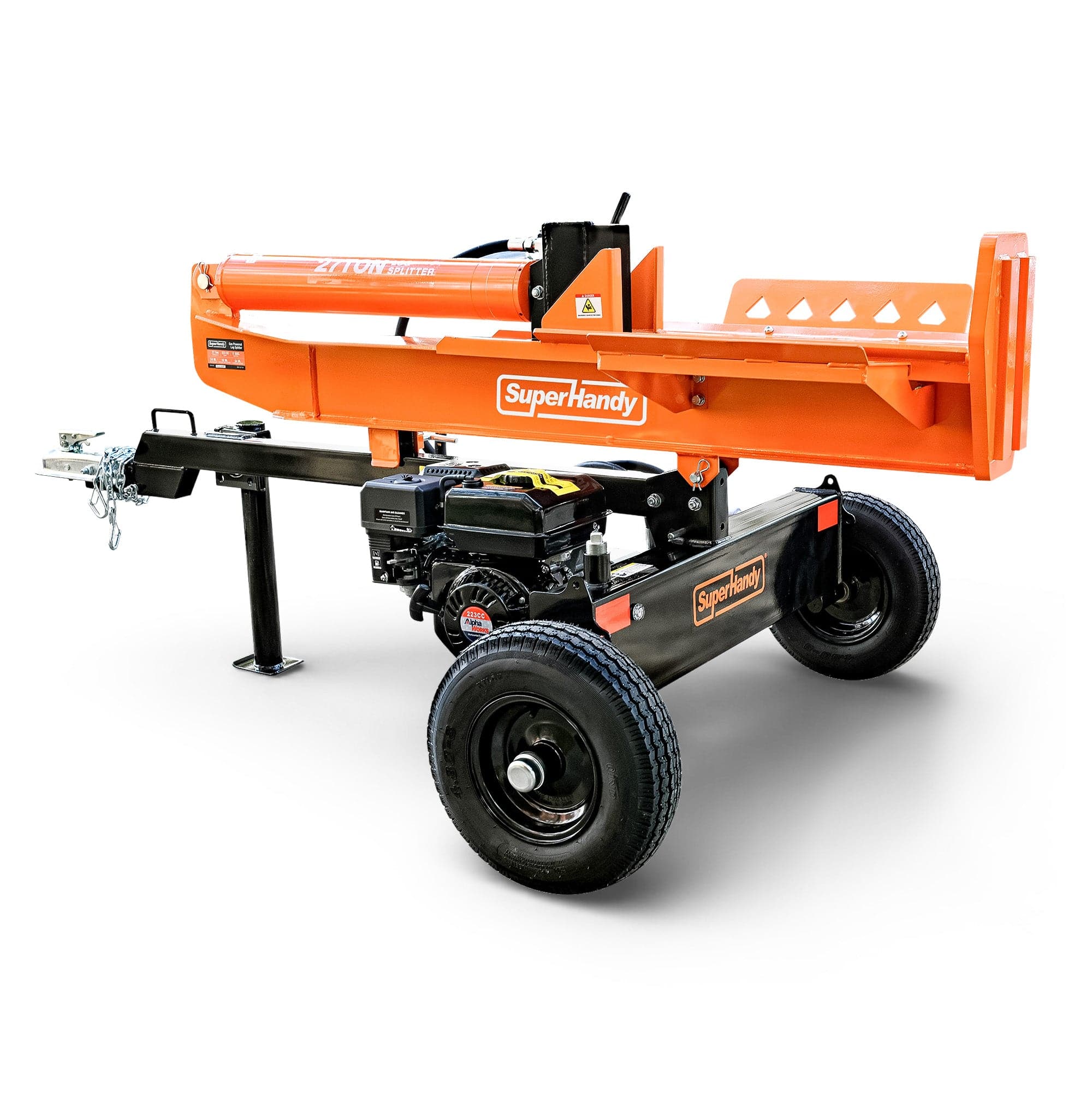
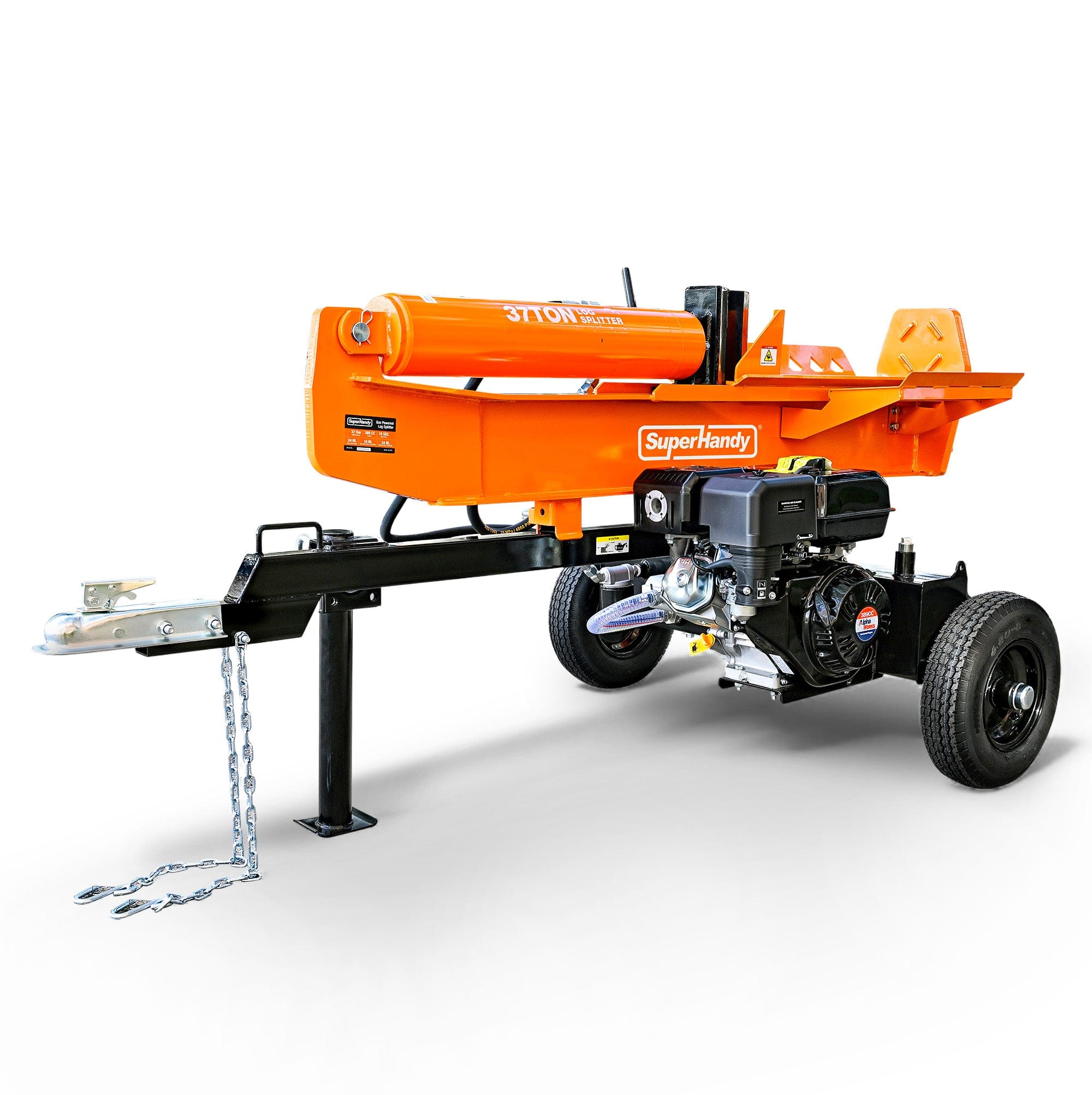
- Gas-Powered Log Splitters: Driven by a gasoline engine, these are the powerhouses of the wood-splitting world. They offer superior force (tonnage) and are not tethered by a cord, allowing you to work anywhere on your property.
- Manual Log Splitters: This category includes hydraulic splitters operated by a foot pedal or hand lever, and simple mechanical kindling splitters. They are the most affordable, portable, and quietest option, but they require physical effort from the operator.
Electric Log Splitters: Pros, Cons, and Best Use Cases
Electric log splitters have become incredibly popular with homeowners for good reason. They offer a fantastic balance of convenience and capability for most common wood-splitting tasks.
Pros:
- Quiet Operation: They produce very little noise compared to a gas engine, keeping you and your neighbors happy.
- No Fumes: Because they don't burn fuel, you can safely use them in a garage, shed, or barn without worrying about ventilation.
- Low Maintenance: Forget about oil changes, spark plugs, or refueling. Just plug it in and get to work.
- Lightweight & Portable: Generally lighter and more compact than gas models, making them easier to move and store.
Cons:
- Limited Power: While powerful enough for most common woods, they may struggle with large-diameter, knotty, or green hardwood logs.
- Tethered to Power: Corded models are limited by the length of your extension cord, while battery models have a finite run time per charge.
Best Use Cases: An electric wood splitter is the perfect choice for homeowners in suburban or residential areas who need to split small-to-medium logs for their fireplace or wood stove. They are ideal for processing up to a few cords of seasoned wood per year.
Gas-Powered Log Splitters: Power, Portability, and When to Choose One
When raw power and untethered freedom are your top priorities, nothing beats a gas-powered log splitter. These machines are built to tackle the most demanding jobs with speed and force.

Pros:
- Maximum Power: Gas models offer the highest tonnage ratings, allowing them to blast through large, tough, and green logs with ease.
- Complete Portability: With no cord to hold you back, you can tow your splitter to the farthest corners of your property, right where the wood is.
- Speed and Efficiency: They typically have faster cycle times, enabling you to process large volumes of wood in less time.
Cons:
- Noise and Fumes: The engine is loud and produces exhaust, requiring outdoor use in a well-ventilated space and hearing protection.
- Higher Maintenance: Like any gas engine, they require regular maintenance, including oil changes, fuel, and filter checks.
- Heavier & Costlier: They are generally larger, heavier, and represent a more significant initial investment.
When to Choose One: Opt for a gas-powered wood splitter if you are a heavy-duty user processing many cords of wood annually, dealing with large-diameter logs (over 12 inches), or splitting dense hardwoods like oak, hickory, and maple.
Manual Log Splitters: The Budget-Friendly and Exercise-Focused Choice
If you have a smaller amount of wood to process, enjoy physical work, or are on a tight budget, a manual log splitter is an excellent option. These tools rely on your own power rather than a motor, making them silent, emission-free, and incredibly portable. They are suitable for splitting small-to-medium-sized logs for a fireplace or wood stove and are particularly effective as a dedicated kindling splitter. For coverage planning, Medicare.gov outlines when wheelchairs and scooters may qualify as durable medical equipment.
There are two main types of manual wood splitters:
- Slide-Hammer Splitters: These consist of a wedge on a long pole with a sliding weight. You place the wedge on the log and slam the weight down, driving the wedge into the wood. They are simple and effective for smaller rounds.
- Hydraulic Splitters: These use a foot or hand-pumped hydraulic jack to press a log against a stationary wedge. They can generate several tons of force (typically 1 to 10 tons) and require less brute strength than a slide-hammer model, though they are slower.
The primary benefits of manual splitters are their low cost, minimal maintenance, and ease of storage. Plus, they offer a great workout. However, they are not designed for high-volume splitting or tackling large, knotty hardwood logs.

Key Log Splitter Specifications to Consider: Tonnage, Cycle Time, and More
Once you have a general idea of whether an electric, gas, or manual splitter is right for you, it's time to dive into the technical specifications. These numbers are what truly separate one model from another and determine its performance, speed, and capabilities. Understanding these key specs is crucial to avoid buying a machine that is either underpowered for your needs or overkill for your weekend woodpile. The most important specifications to compare are tonnage, cycle time, log capacity, and portability. Let's break down what the two most critical performance metrics—tonnage and cycle time—really mean.
Log Splitting Tonnage Explained: How Much Force Do You Need?
Tonnage is the single most important specification for a powered log splitter. It measures the maximum amount of force the machine's ram can exert on a log. The more tonnage a splitter has, the larger and harder the wood it can split. Choosing the right tonnage is a balancing act between power and price.
Here’s a general guide to help you match tonnage to your wood type:
- 4-7 Tons: Ideal for splitting small, green logs and softwoods like pine, fir, and spruce up to about 12 inches in diameter. Most electric splitters fall into this range.
- 10-20 Tons: A versatile range for homeowners splitting a mix of softwoods and some hardwoods like birch and cherry. This is a common range for more powerful electric models and smaller gas units.
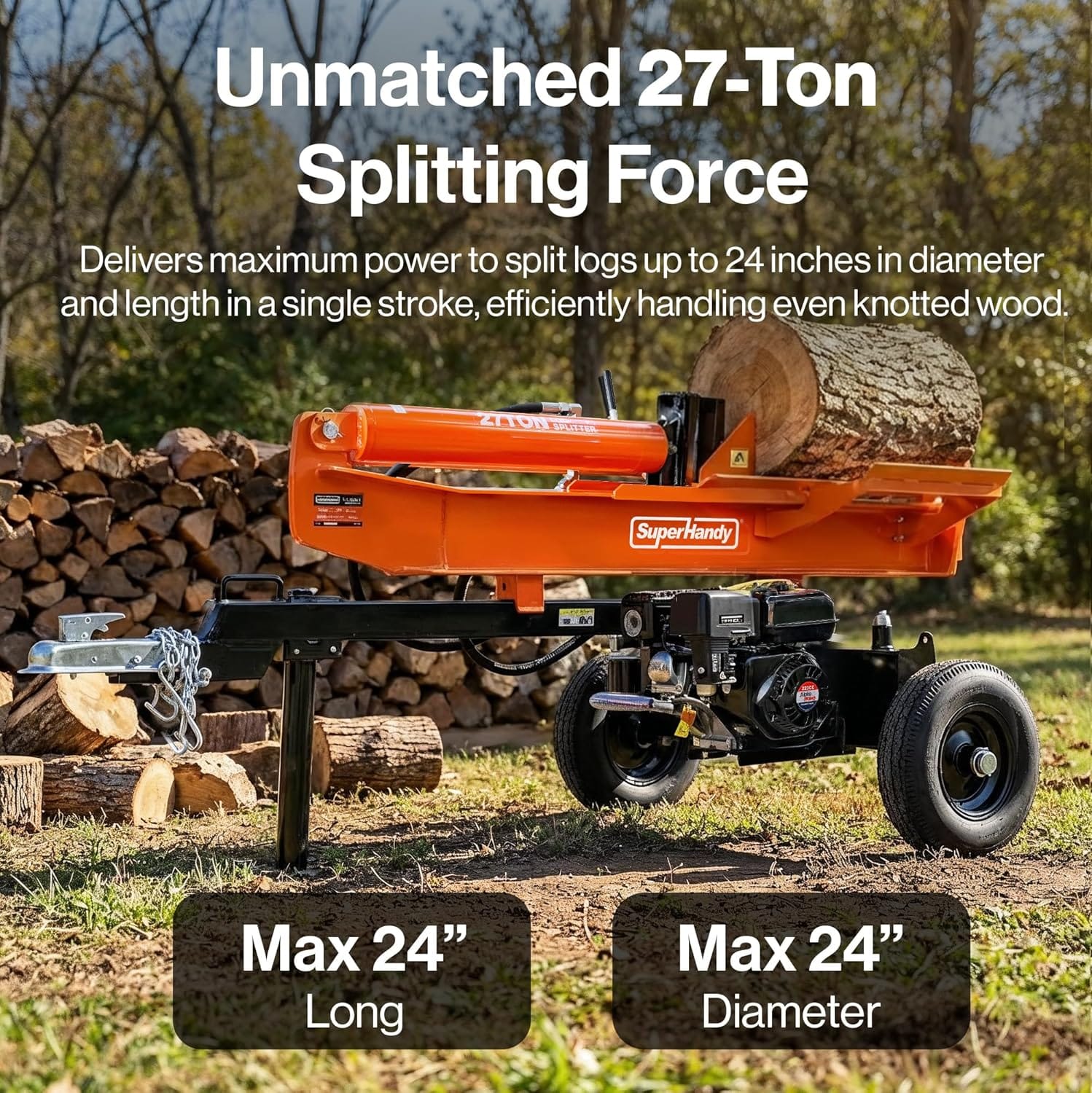
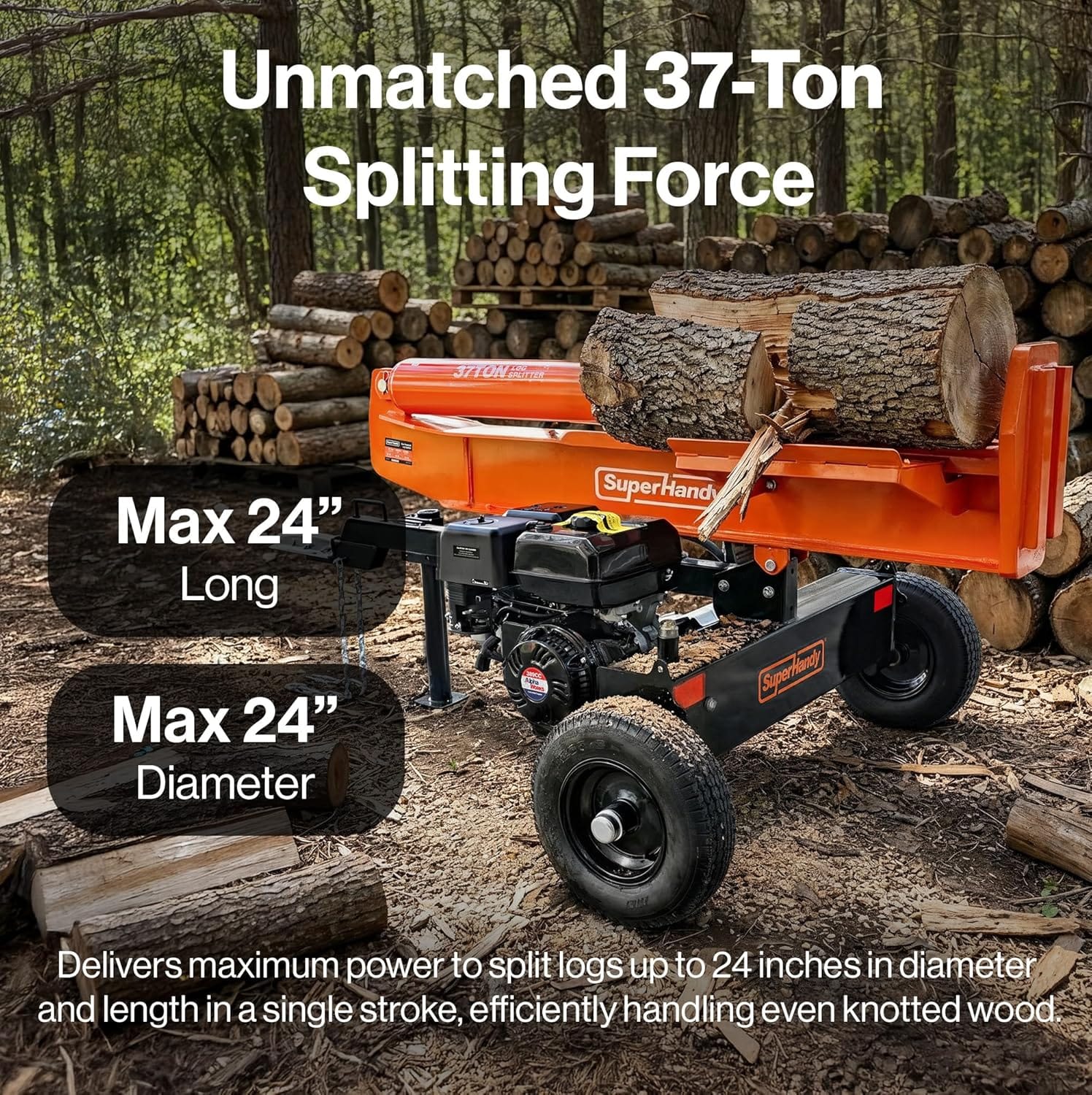
- 20-29 Tons: This is the sweet spot for most serious firewood producers. This level of force can handle most seasoned hardwoods, including oak, maple, and hickory, and can tackle logs up to 24 inches in diameter.
- 30+ Tons: Reserved for the toughest jobs. If you regularly split large, dense, and knotty hardwoods, a splitter with 30 or more tons of force will power through them without bogging down.
Remember, it’s always better to have slightly more power than you think you need. A splitter that constantly struggles at its limit will wear out faster than one that handles your wood with ease.
Cycle Time: How Fast Can a Log Splitter Get the Job Done?
While tonnage tells you what a splitter can handle, cycle time tells you how fast it can work. Cycle time is the total time, measured in seconds, that it takes for the splitting wedge to fully extend and then fully retract to its starting position, ready for the next log.
A shorter cycle time means higher productivity. If you're splitting a large pile of wood, a few seconds saved on each log adds up to a significant amount of time. For example, a splitter with a 10-second cycle time can theoretically process 360 logs per hour, while a splitter with a 20-second cycle time can only process 180 in the same period.
- Gas-powered splitters typically have the fastest cycle times, often ranging from 9 to 15 seconds.
- Electric splitters are generally a bit slower, with cycle times commonly between 15 and 22 seconds.
For casual users splitting a few cords per year, a longer cycle time isn't a major issue. But for anyone processing large volumes of firewood, a fast cycle time is a key feature that directly translates to less time spent working and more time enjoying the fire.
Log Capacity: What Size Logs Can Your Splitter Handle?
Before you can choose the right tonnage or cycle time, you need to know the physical size of the wood you'll be splitting. Log capacity refers to two key measurements: the maximum log length and the maximum log diameter a splitter can accommodate. Most electric and compact gas splitters are designed to handle logs up to 20.5 inches long and 10-12 inches in diameter, which is suitable for the average homeowner processing pre-cut rounds.
If you're felling your own trees or dealing with larger, more stubborn hardwoods, you'll need to look at heavy-duty gas models that can handle lengths of 25 inches or more and diameters exceeding 16 inches. Take a few minutes to measure the typical length and width of the logs you split. Choosing a machine with a capacity that comfortably exceeds your average log size will prevent frustration and ensure you aren't overloading your equipment.
Portability and Storage: Will It Fit in Your Shed or Truck?
A log splitter’s power is useless if you can't get it to where the wood is. Portability is a major factor that often gets overlooked. Consider the size and weight of the machine and how you plan to move and store it.
- Manual Splitters: These are the most portable and compact options, easily stored on a shelf in a garage or shed.
- Electric Splitters: Generally lighter than their gas counterparts, electric models often feature built-in wheels and a handle, making them easy to roll around a patio or driveway. Their smaller footprint is ideal for storage in a crowded garage.
- Gas Splitters: As the heaviest and bulkiest option, portability features are crucial. Look for models with large, pneumatic tires that can handle uneven terrain. For moving the splitter across a large property or to different job sites, a model with a 2-inch ball hitch for towing behind a truck or ATV is essential.
When considering storage, remember to protect your investment from the elements. A covered space like a garage, shed, or barn is best to prevent rust and protect the engine or electric motor from moisture.

Safety Features to Look For in a Log Splitter
Log splitters are incredibly powerful tools that demand respect and careful operation. Modern splitters are designed with several key safety features to protect the user from injury. Following established OSHA hand and power tool safety guidance is crucial, and that starts with choosing a machine with built-in protections and always using appropriate personal protective equipment (PPE) like safety glasses, gloves, and sturdy boots.
When comparing models, look for these critical safety systems:
- Two-Handed Operation: This is one of the most important safety features on electric and gas splitters. It requires you to use both hands to engage the controls—one for the hydraulic lever and one for the power switch. This design ensures your hands are safely away from the ram and wedge during the splitting cycle.
- Log Cradles or Trays: These simple but effective additions help catch the split pieces of wood, preventing them from falling on your feet or requiring you to bend over constantly.
- Automatic Ram Return: A feature that automatically retracts the splitting wedge to its starting position after you release the controls. This not only speeds up your workflow but also reduces the chance of accidental engagement.
Maintenance and Durability: Keeping Your Log Splitter Running Smoothly
A little preventative maintenance goes a long way in extending the life of your wood splitter and ensuring it runs safely and efficiently. The specific tasks will depend on the type of splitter you own, but the goal is always the same: keep it clean, sharp, and lubricated. A well-built Log Splitter with a solid steel frame and quality components will provide years of reliable service with proper care.
General Maintenance Checklist:
- Keep it Clean: Remove wood debris, dirt, and sawdust from the machine after each use, paying special attention to the beam and wedge area.
- Sharpen the Wedge: A dull wedge crushes wood instead of splitting it, putting unnecessary strain on the machine. Sharpen it periodically with a file.
- Check Hydraulic Fluid: For hydraulic models (gas and electric), regularly check the fluid level and top it off as needed. Look for any signs of leaks around hoses and fittings. The fluid should be changed according to the manufacturer's recommended schedule, typically after every 50-100 hours of use.
- Engine Care (Gas Models): Perform regular oil changes, clean or replace the air filter, and check the spark plug, just as you would with a lawnmower.
Top Log Splitter Brands and Models to Consider
Navigating the market for a new Log Splitter can be overwhelming, but a few brands consistently stand out for their quality, innovation, and performance. For heavy-duty, commercial-grade splitting, brands like Champion and Oregon are well-regarded for their powerful gas models that can tackle the toughest hardwoods. On the manual side, Kindling Cracker has carved out a niche with its uniquely safe and effective design for making smaller pieces.
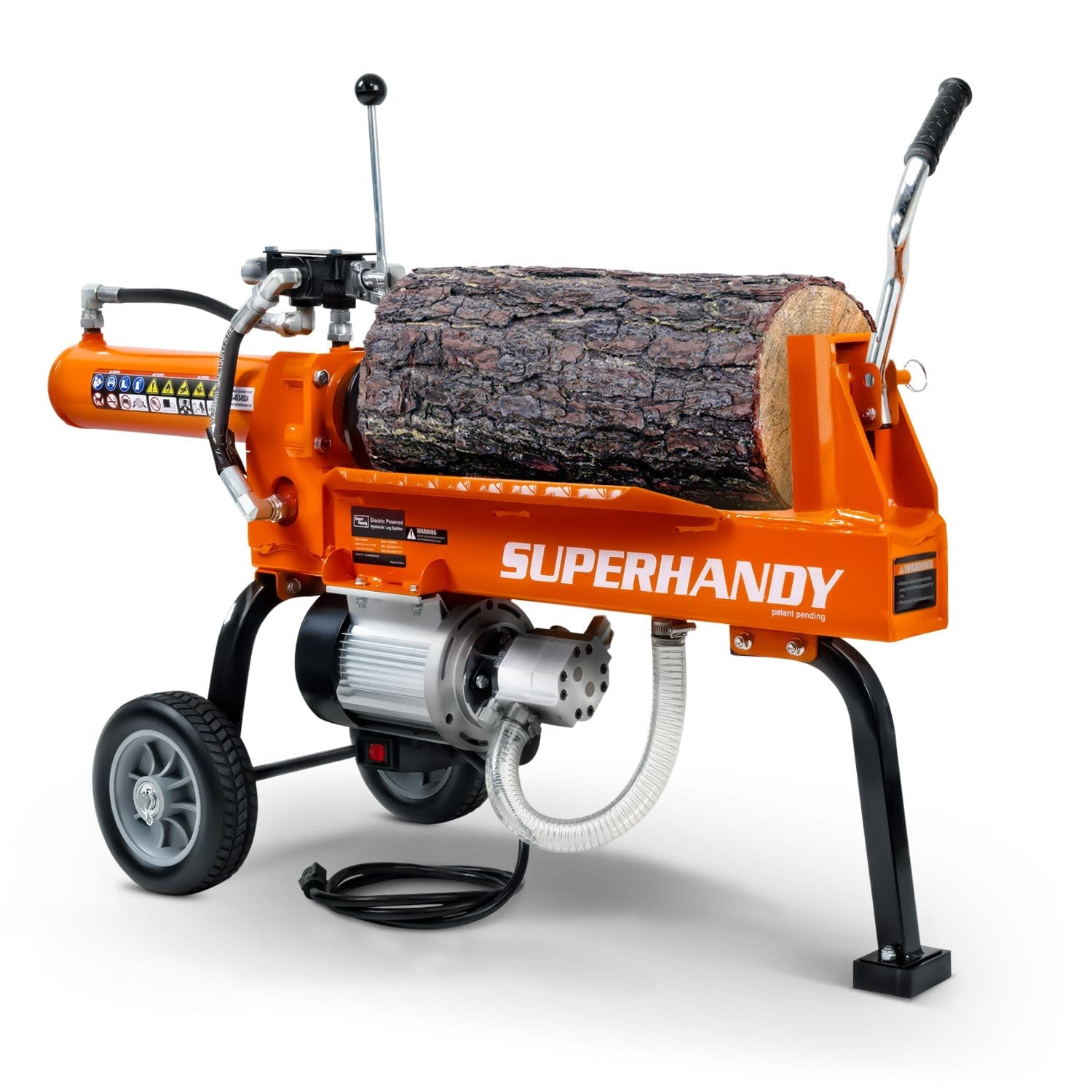
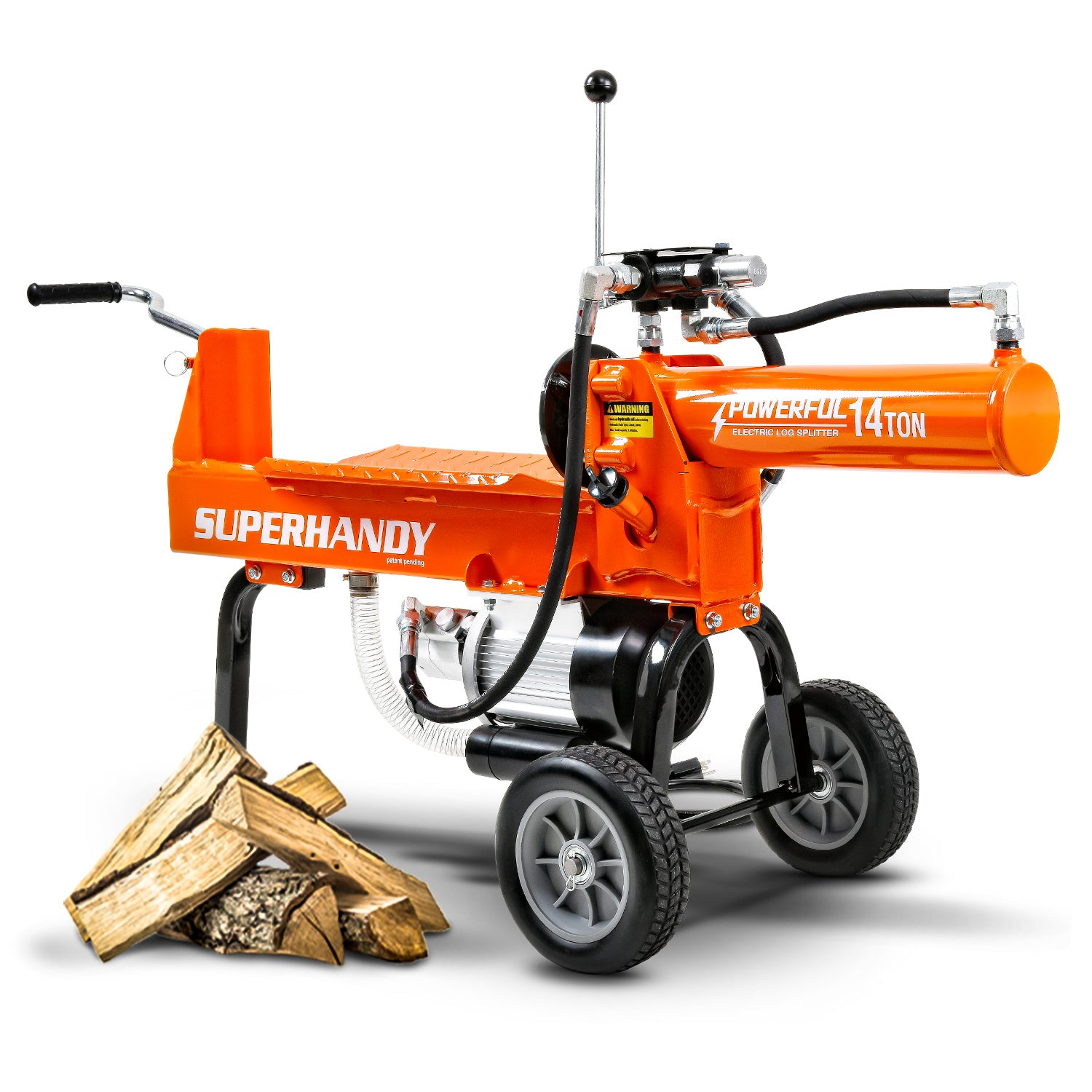
However, for the vast majority of homeowners, an electric log splitter provides the ideal combination of power, convenience, and low maintenance. SuperHandy has become a leader in this category, engineering machines that are both robust and user-friendly. Models like the SuperHandy 7-Ton Electric Log Splitter are celebrated for their ability to handle logs up to 20 inches long, all while running quietly on standard household electricity. This makes them suitable for residential use where noise and fumes are a concern. When comparing models, look for a brand that prioritizes both performance and durable construction.
Frequently Asked Questions About Choosing a Log Splitter
As you narrow down your options, you likely have a few lingering questions. Here are answers to some of the most common queries we receive.
What safety gear should I wear when operating a log splitter? Safety should always be your top priority. When using any wood splitter, it's essential to wear personal protective equipment (PPE). This includes sturdy, non-slip gloves, steel-toed boots to protect your feet from falling logs, and safety glasses or goggles to shield your eyes from flying debris. According to the Occupational Safety and Health Administration's guidance on power tools, proper guarding and personal protective equipment are critical lines of defense against injury. Always read and follow the manufacturer's safety instructions for your specific model.

Can I split green or wet wood? While you technically can, it’s not recommended. Green (freshly cut) wood contains a high moisture content, making its fibers more elastic and difficult to split. You will need a splitter with significantly more tonnage to force it apart, which puts extra strain on the machine's engine and hydraulic system. For best results and to prolong the life of your equipment, it's always better to split wood that has been seasoned for at least six to twelve months.
What's the difference between a log splitter and a kindling splitter? A log splitter is a powerful machine designed to break down large, heavy rounds of wood into smaller, more manageable pieces suitable for firewood. A kindling splitter, on the other hand, is a smaller, often manual tool used to turn those smaller firewood pieces into thin kindling for starting a fire. Many people own both: a log splitter for the heavy work and a kindling splitter for the finishing touches.
Making Your Final Decision: Matching the Right Splitter to Your Budget and Goals
Choosing the right log splitter ultimately comes down to a clear assessment of your needs. By now, you should have a strong idea of the type and amount of wood you'll be splitting, the power source that best fits your property, and the key specifications—like tonnage and cycle time—that matter most for your workload.
- For the Casual User: If you split a cord or two of softwood each year for your fireplace, a 5 to 7-ton electric log splitter is a cost-effective, powerful, and convenient choice.
- For the Serious Homesteader: If you heat your home with wood and split multiple cords of dense hardwood annually, a gas-powered splitter with 20+ tons of force will provide the necessary power and speed.
- For the Eco-Conscious & Exercise-Minded: If you have a small wood supply and appreciate a good workout, a manual log splitter offers a simple, budget-friendly solution.
Weigh your budget against your long-term needs. Investing in a quality machine that matches your workload will save you time, effort, and frustration for years to come. You're now equipped with the knowledge to select a wood splitter that will become an indispensable tool in your seasonal preparations.
Ready to find the perfect machine for the job? Explore our complete collection of powerful and reliable Log Splitter models today.
Related Products



Leave a comment
All comments are moderated before being published.
This site is protected by hCaptcha and the hCaptcha Privacy Policy and Terms of Service apply.