











Why Lightweight Mobility Scooters Are a Game-Changer for Freedom and Independence
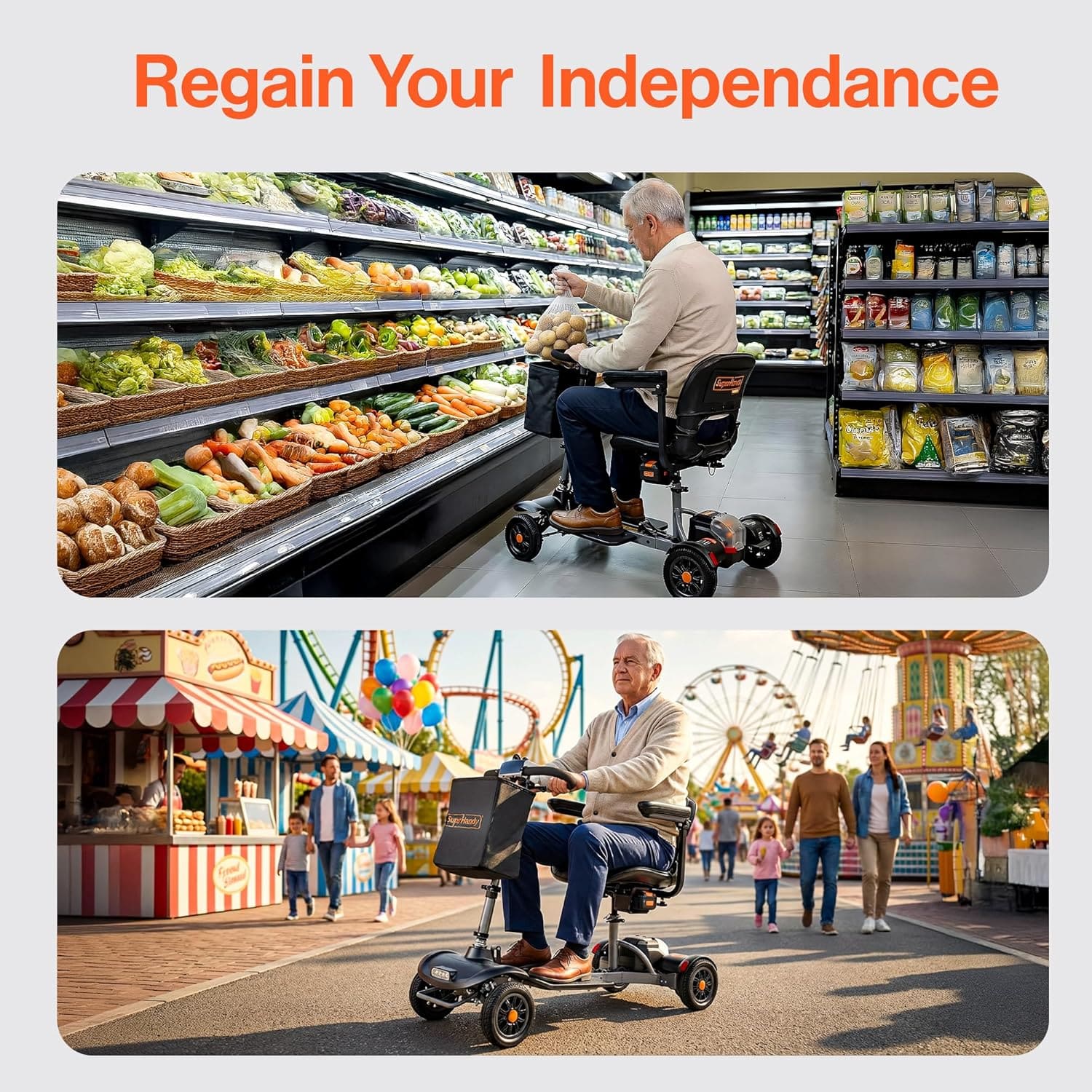
For many, maintaining an active and independent lifestyle is a top priority. When mobility becomes a challenge, the world can start to feel smaller, and simple outings like a trip to the grocery store or a visit with family can seem like major hurdles. This is where the right assistive device can make all the difference. According to health experts, mobility aids are crucial for helping people who have trouble getting around to live safer, more independent lives. While traditional, heavy-duty scooters have their place, lightweight Mobility Scooters have emerged as a true game-changer for daily freedom.
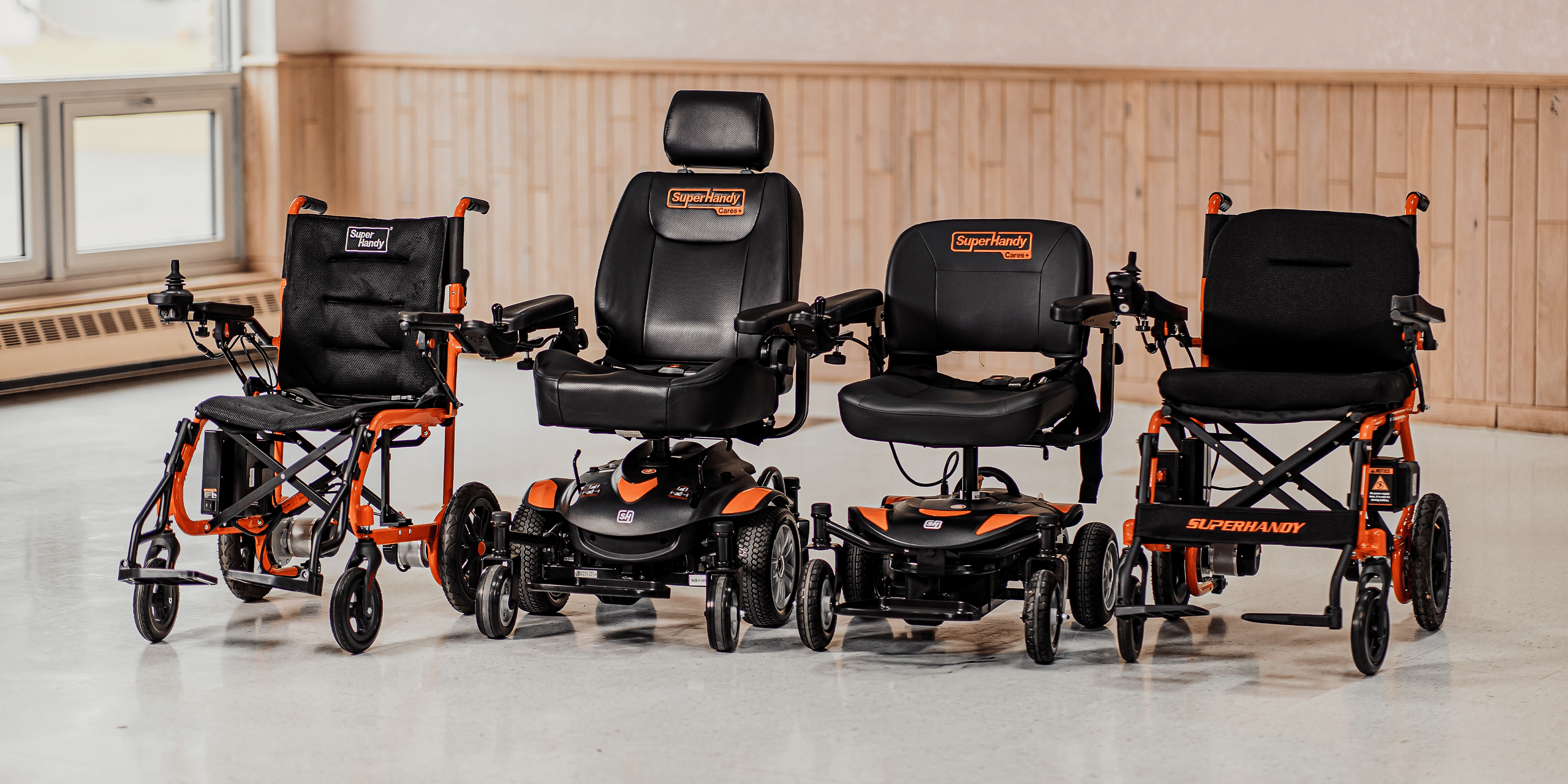
These compact and portable mobilized scooters are designed for users who are still on the go and need a solution that can keep up. They help you say "yes" to spontaneous plans, navigate crowded stores with ease, and travel without the need for a specialized vehicle lift. A lightweight mobility scooter bridges the gap between walking unassisted and being reliant on a bulkier device, offering a perfect blend of support, convenience, and independence.
Feature 1: Unpacking the Importance of Overall Scooter Weight
When the goal is portability, the single most important feature to consider is the scooter's overall weight. This factor directly impacts your ability to transport the scooter and, consequently, how often you'll actually use it. A heavy, cumbersome mobility scooter might end up collecting dust in the garage simply because it's too much of a hassle to load into a car.
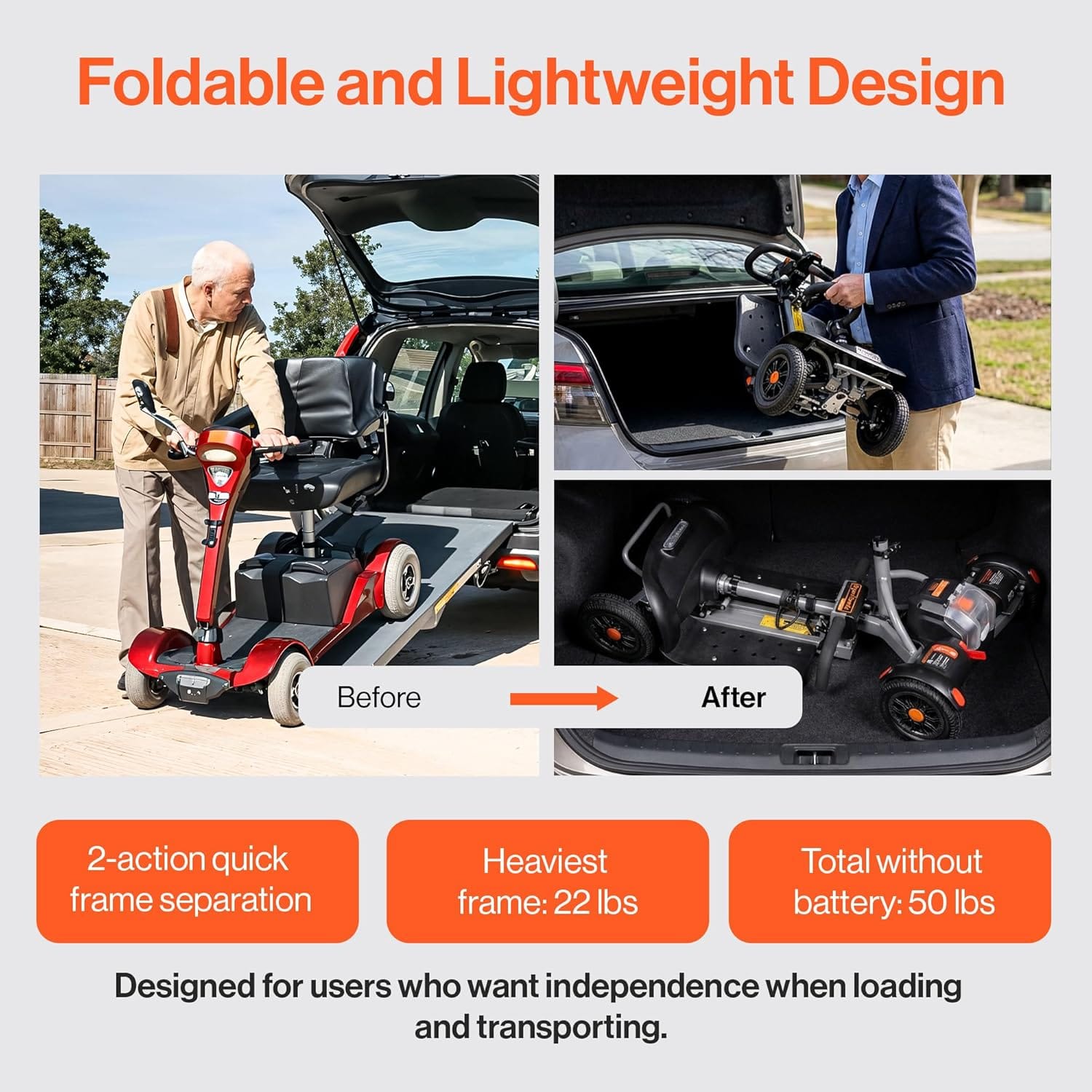
The primary benefit of a lightweight design is the ease of handling. You, a family member, or a caregiver should be able to lift the scooter's components into a car trunk without significant strain. This eliminates the need for expensive and bulky vehicle-mounted lifts, giving you the flexibility to travel in almost any car. Think about your daily routine: can you manage lifting the scooter over a curb or up a single step into a house? A lighter model makes these small but common obstacles manageable, ensuring your scooter enhances your freedom rather than limiting it.

How Much Should a Lightweight Mobility Scooter Weigh?
While there's no official standard, a good lightweight mobility scooter typically has a total weight of under 100 pounds. However, the more critical number to look for is the weight of the heaviest piece after disassembly. This is the part you'll actually be lifting.
Look for models where the heaviest component weighs between 25 and 40 pounds. This is a manageable weight for most adults to lift into a trunk or carry a short distance. Always consider your own physical strength and the strength of anyone who might be assisting you. A scooter that is "light" on paper is only truly light if you can handle it comfortably and safely.
How Much Should a Lightweight Mobility Scooter Weigh?
While there's no official standard, a good lightweight mobility scooter typically has a total weight of under 100 pounds. However, the more critical number to look for is the weight of the heaviest piece after disassembly. This is the part you'll actually be lifting.
Look for models where the heaviest component weighs between 25 and 40 pounds. This is a manageable weight for most adults to lift into a trunk or carry a short distance. Always consider your own physical strength and the strength of anyone who might be assisting you. A scooter that is "light" on paper is only truly light if you can handle it comfortably and safely.
Feature 2: Assessing the Disassembly and Portability Factor
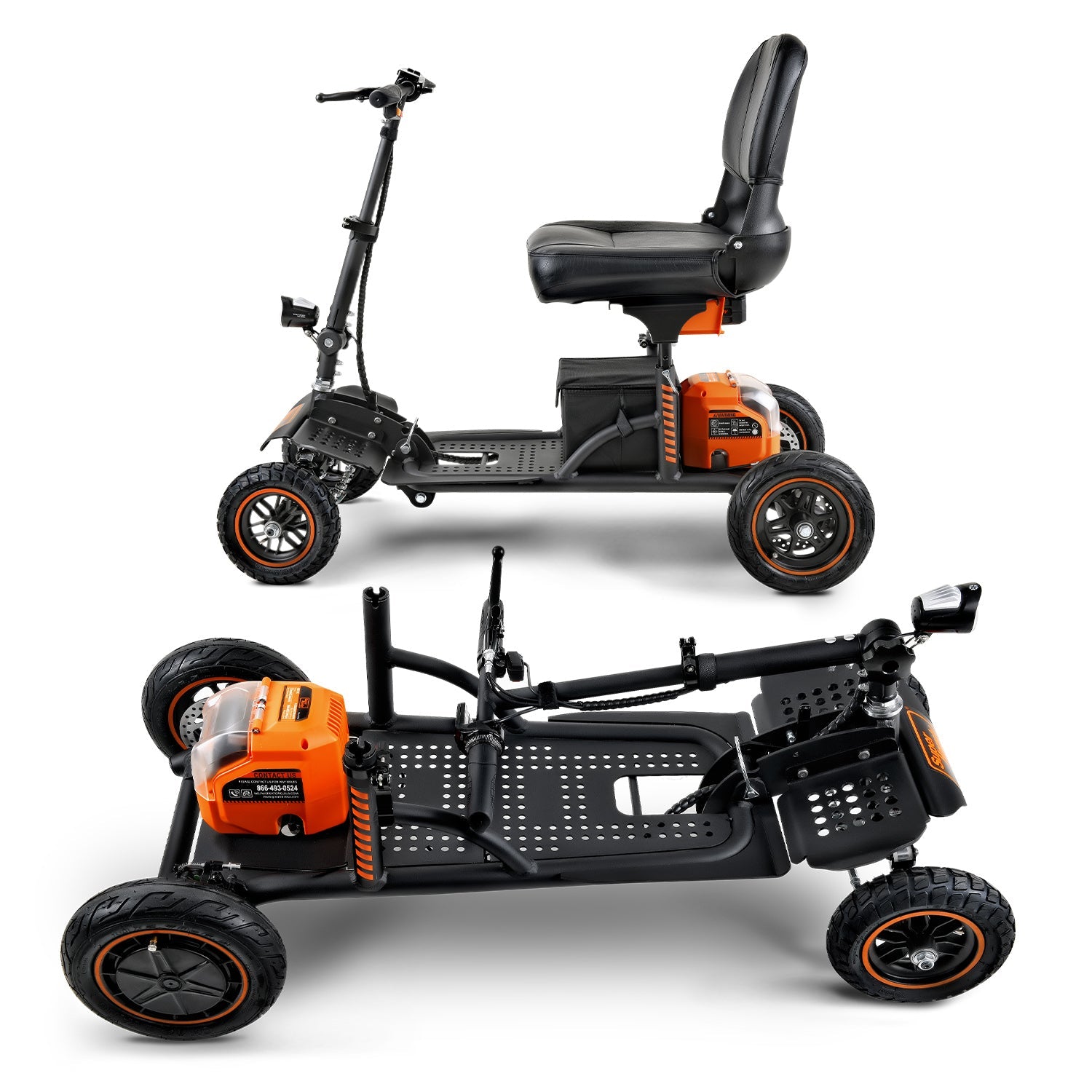
A low overall weight is only half the equation for portability. The other half is how easily the scooter breaks down for transport. A truly portable mobility scooter should disassemble quickly and intuitively, without requiring a toolbox or an engineering degree. The best designs feature a simple, tool-free process.
Look for models that break down into a few manageable pieces, such as:
- The seat (usually just lifts off)
- The battery pack (often has a handle for easy removal)
- The front and rear sections of the frame (separate via a simple lever or latch)
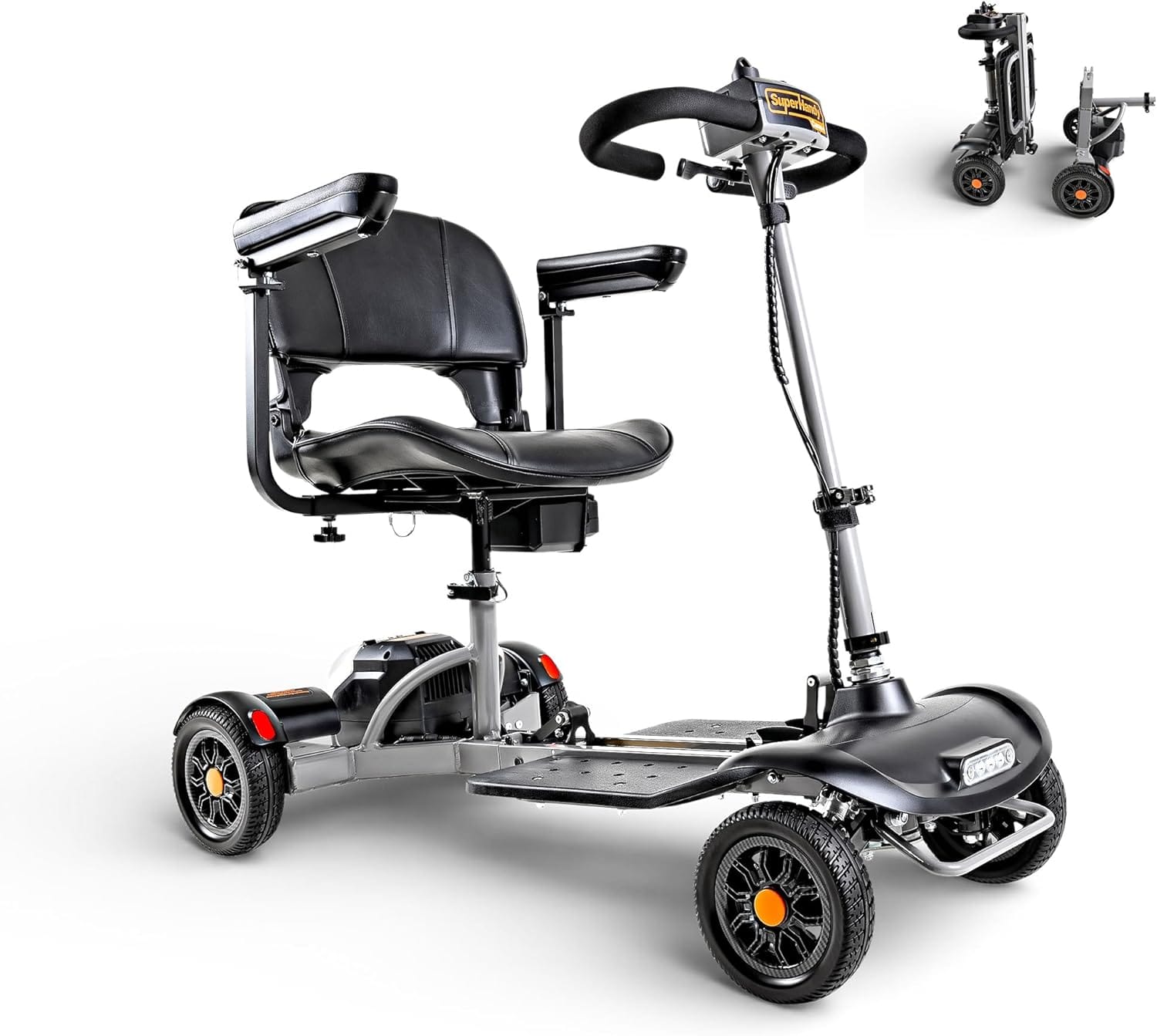
The entire process should take less than a minute. Some mobilized scooters are designed to fold rather than disassemble. Folding models can be even faster to prep for transport but may result in a single, slightly heavier, and bulkier piece to lift. Consider which style best fits your needs and lifting capabilities. Ultimately, the goal is to find a scooter that makes the transition from riding to stowing as seamless as possible.

What Makes a Scooter Easy to Take Apart and Reassemble?
A truly portable mobility scooter shines in its ability to be disassembled and reassembled quickly and without frustration. The best models are designed for tool-free disassembly, often breaking down into four or five manageable pieces: the seat, the battery pack, the front tiller/wheel assembly, and the rear motor/wheel assembly. Look for features that streamline this process, such as color-coded levers or knobs that clearly indicate release points.
Another key design element is the use of wireless connectors or drop-in battery connections. This eliminates the hassle of fumbling with multiple plugs and wires when separating the scooter’s sections. The goal is to go from a fully assembled scooter to compact, liftable components in under a minute, making it simple to stow in a car trunk for your next adventure.
Feature 3: Evaluating Battery Life and Charging Convenience
The battery is the heart of your mobility scooter, dictating how far you can travel and how much freedom you have between charges. Lightweight scooters typically use either Sealed Lead Acid (SLA) or Lithium-ion batteries. While SLA batteries are a proven, cost-effective technology, Lithium-ion batteries are increasingly popular for their lighter weight, longer lifespan, and faster charging times.
One of the most valuable features to look for is off-board charging capability. This means you can remove the battery pack from the scooter and charge it separately. It’s a game-changer for convenience, allowing you to leave the heavier scooter frame in your car or garage while you bring just the lightweight battery pack inside to charge. When browsing different Mobility Scooters, always check for this feature to maximize ease of use.
How Far Can You Go on a Single Charge, and How Long Does it Take to Recharge?
The travel range of a lightweight mobility scooter typically falls between 6 and 15 miles on a single charge. However, this number is influenced by several factors, including the rider's weight, the smoothness of the terrain, and the age of the battery. Always review the manufacturer's specifications for the maximum range, and consider your daily needs. If you plan on long outings, a model with a higher-capacity battery is essential. Understanding your battery is also critical for travel; the Federal Aviation Administration has specific wheelchair and mobility-device battery rules you must follow when flying.
As for recharging, most mobilized scooters require between 6 to 8 hours for a full charge from a completely drained state. Many users find it convenient to simply plug their battery in overnight. This ensures their scooter is fully powered and ready for a full day of activity each morning.
Feature 4: Understanding Maneuverability and Turning Radius
A scooter’s ability to navigate its environment is defined by its maneuverability, and a key metric for this is the turning radius. The turning radius is the smallest circular turn the scooter can make. A smaller or "tighter" turning radius is crucial for indoor use, allowing you to easily navigate through doorways, crowded store aisles, and tight corners in your home.
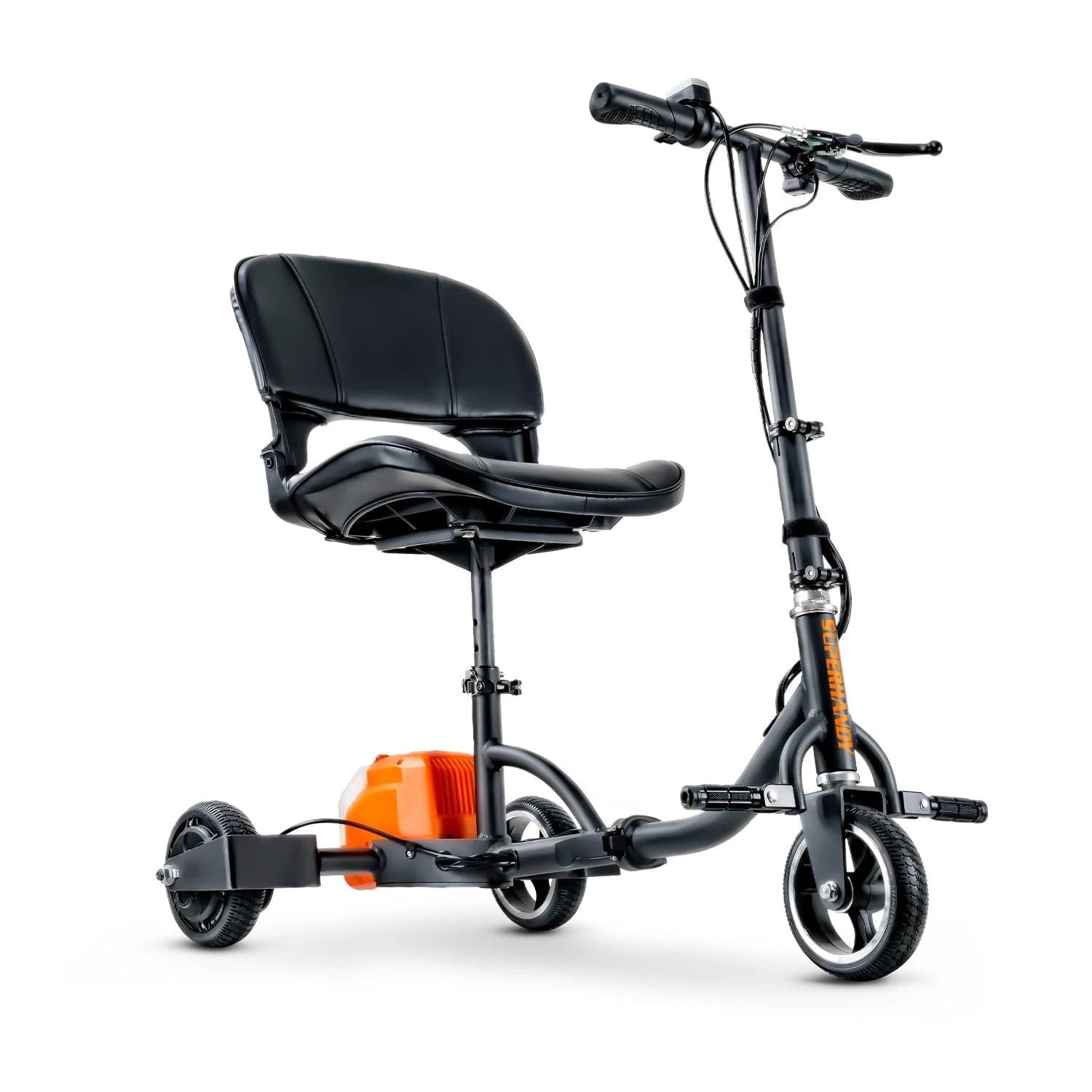
This is where the debate between 3-wheel and 4-wheel models often comes in. Generally, 3-wheel scooters offer a superior turning radius, making them exceptionally nimble indoors. In contrast, 4-wheel mobility mobility scooters provide a wider base and enhanced stability, which can be more confidence-inspiring on uneven outdoor terrain. The ideal lightweight mobility scooter strikes a balance, providing a tight enough turning radius for indoor convenience without sacrificing stability for everyday outdoor excursions.
Can You Navigate Tight Spaces and Indoor Environments Easily?
A lightweight mobility scooter's true value is revealed when you take it indoors. Think about your daily and weekly errands: gliding down grocery store aisles, maneuvering through a crowded pharmacy, or visiting a doctor's office. A scooter with a large, cumbersome turning radius will turn these simple tasks into frustrating challenges. Look for mobilized scooters with a turning radius of 50 inches or less. This specification ensures you can make sharp turns and navigate around tight corners without performing a multi-point turn. The goal is to move freely and confidently, and a maneuverable scooter ensures that your environment doesn't limit your access. Under the Americans with Disabilities Act (ADA), public accommodations must allow individuals with disabilities to use wheelchairs and other power-driven mobility devices, making a nimble scooter essential for taking full advantage of your access rights.
Feature 5: Considering Comfort and Ergonomics for Extended Use
While factors like weight and battery life address the practicalities of a mobility scooter, comfort determines how often you’ll actually want to use it. An uncomfortable ride can lead to fatigue, aches, and a reluctance to go on longer outings—defeating the very purpose of owning a mobility aid. Ergonomics, or the science of designing things for efficient and safe human use, is paramount. From the seat you sit on to the controls you use, every point of contact should be designed to reduce strain and enhance your experience, whether you're out for a quick trip or an all-day adventure.

What Seating and Control Features Enhance Your Riding Experience?
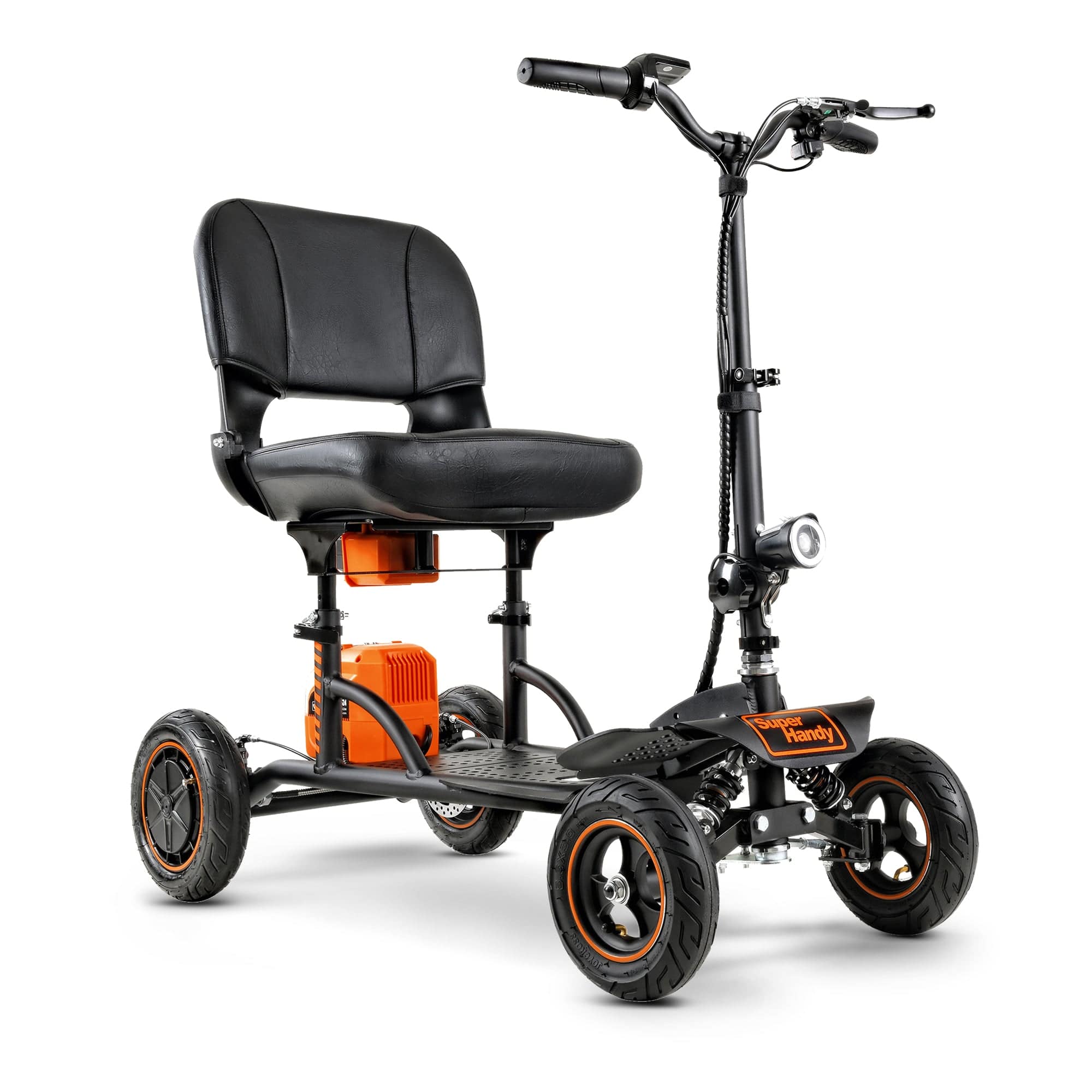
When evaluating the comfort of various mobility mobility scooters, pay close attention to the seating and control system. A well-designed scooter will offer several key features:
- Padded, Contoured Seating: A thin, flat seat will quickly become uncomfortable. Look for a cushioned, contoured seat that provides support. Some models feature a stadium-style seat for added comfort.
- Adjustable Seat Height: The ability to raise or lower the seat ensures your feet can rest comfortably on the floorboard and that you are at a proper height relative to the controls.
- Swivel Seat and Flip-Up Armrests: These features are a game-changer for accessibility. A swivel seat allows you to rotate to the side to sit down or stand up from the scooter without twisting your body, making it ideal for dining at a table. Flip-up armrests provide support during the ride and move out of the way for easy transfers.
- Intuitive Tiller Controls: The tiller (the steering column) should be easy to adjust. Look for a simple, user-friendly control panel with an easy-to-read battery gauge, speed control dial, and a clear forward/reverse switch. Some scooters feature delta tillers, which are wrap-around handles that can be operated with one hand or by just the palms, ideal for users with limited hand strength or arthritis.
Choosing the Right Lightweight Mobility Scooter for Your Lifestyle
Selecting the perfect lightweight mobility scooter is a personal decision that balances all five key features against your unique needs. Before you buy, take a moment to envision how you’ll use it. Will you primarily be using it for trips to the mall that require frequent disassembly for car transport? Then overall weight and portability are your top priorities. Do you live in a compact apartment or plan to navigate busy clinics? Then a tight turning radius is non-negotiable. Or perhaps you plan on all-day excursions to parks and festivals, making long battery life and superior comfort the most critical factors.
By carefully considering how a scooter's weight, portability, battery, maneuverability, and comfort align with your daily life, you can make an informed choice. The right scooter won't just be a device; it will be a trusted partner in your journey toward greater freedom and independence. Explore our full range of Mobility Scooters to find the model that perfectly matches your lifestyle.
Frequently Asked Questions About Lightweight Mobility Scooters
Choosing a new mobility aid comes with many questions. After all, you’re not just buying a product; you’re investing in your freedom and daily comfort. To help you make an informed decision, we’ve compiled answers to some of the most common questions we receive about lightweight mobilized scooters.
What is the average cost of a lightweight mobility scooter?
The price of a lightweight mobility scooter can vary significantly based on its features, materials, and technology. Generally, you can expect the cost to fall within a range of approximately $700 to over $2,500. Understanding what drives this price difference is key to finding the best value for your specific needs.
On the lower end of the spectrum, you'll find basic, no-frills models. These are often excellent for simple, short trips on smooth, level surfaces, like navigating your home or a quick visit to a local store. As you move into the mid-range, you’ll see scooters with enhanced features such as longer battery life, easier disassembly mechanisms for transport, more comfortable seating, and sometimes even basic suspension systems to smooth out the ride. For air travel, FAA PackSafe lists battery and handling rules for wheelchairs and mobility devices.
At the higher end are premium scooters that boast advanced engineering and superior materials. These models might feature ultra-lightweight carbon fiber frames, high-performance lithium-ion batteries for extended range, and more sophisticated designs. The investment in a higher-priced model often translates to greater durability, portability, and overall comfort. When browsing different options, consider which features are "must-haves" versus "nice-to-haves" for your lifestyle. com/collections/mobility-scooters) to get a better sense of the available options.

Are lightweight mobility scooters suitable for outdoor use?
Yes, absolutely! Lightweight mobility mobility scooters are an excellent choice for many outdoor activities, but it's important to understand their ideal operating environment. These scooters are designed to give you the freedom to enjoy fresh air, run errands, and visit with friends and family, making them suitable for outdoor settings with prepared surfaces. Think paved sidewalks, smooth park pathways, outdoor shopping centers, and firm, level ground.
However, it's crucial to recognize their limitations. A lightweight mobility scooter is not an all-terrain vehicle. Due to their smaller wheels and lower ground clearance, they are not designed for rough or uneven terrain like thick grass, gravel driveways, sand, or dirt trails. Attempting to navigate these surfaces can be difficult and potentially unsafe. Similarly, most lightweight models have difficulty with high curbs and are not intended for use in heavy rain or snow, as moisture can damage the electronic components.
If you plan on frequent outdoor use, look for specific features that can enhance your experience. Models with larger, solid (puncture-proof) tires will provide better stability and a smoother ride. Even a small increase in ground clearance can make a big difference when navigating small thresholds or slightly uneven pavement. While advanced suspension is more common on heavier scooters, some lightweight models incorporate it to absorb bumps and provide a more comfortable journey. For most daily outdoor adventures on typical urban and suburban terrain, a lightweight scooter is more than capable of getting you where you need to go safely and comfortably.
Related Products

Leave a comment
All comments are moderated before being published.
This site is protected by hCaptcha and the hCaptcha Privacy Policy and Terms of Service apply.