













Understanding Car Dollies: What They Are and How They Work
At its core, a car dolly is a specialized piece of equipment designed to lift one end of a vehicle, allowing it to be moved or towed. The most common type, a tow dolly, is a small, two-wheeled trailer. To use it, you drive the front wheels of your car onto the dolly's platform. The vehicle is then secured with straps, and the dolly itself is hitched to a towing vehicle, like a truck or an RV.
This setup lifts the front wheels of the towed car off the ground, allowing them to remain stationary while the rear wheels roll freely on the pavement. For workshop or showroom use, individual wheel dollies (or "skates") can be placed under each tire, enabling you to push the vehicle in any direction within a tight space. This process of dolly moving is essential for mechanics, collectors, and anyone needing to maneuver a non-operational vehicle.

Types of Car Dollies: Choosing the Right One for Your Needs
Not all automotive car dollies are created equal. The right choice depends entirely on your specific task.
- Tow Dollies: These are the go-to for towing a vehicle behind another one, such as an RV. They are ideal for front-wheel-drive cars, as lifting the drive wheels prevents wear on the transmission. Some models include their own brakes for added safety.
- Wheel Skate Dollies: Sold in sets of two or four, these are small platforms with caster wheels that fit under each tire. They are not for towing on public roads. Instead, their purpose is to make a vehicle easily movable by hand in a garage, body shop, or showroom, allowing for 360-degree rotation and precise positioning.
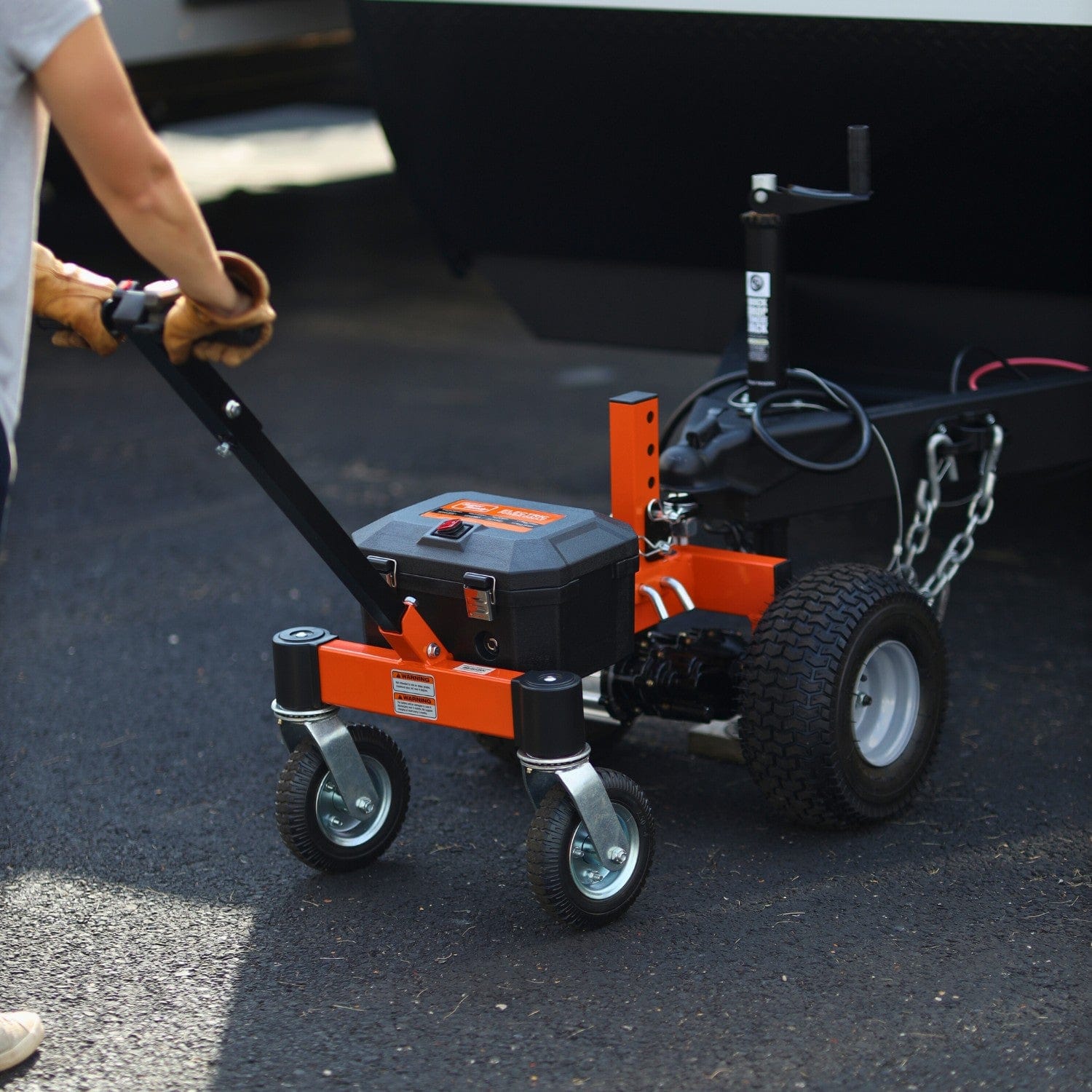
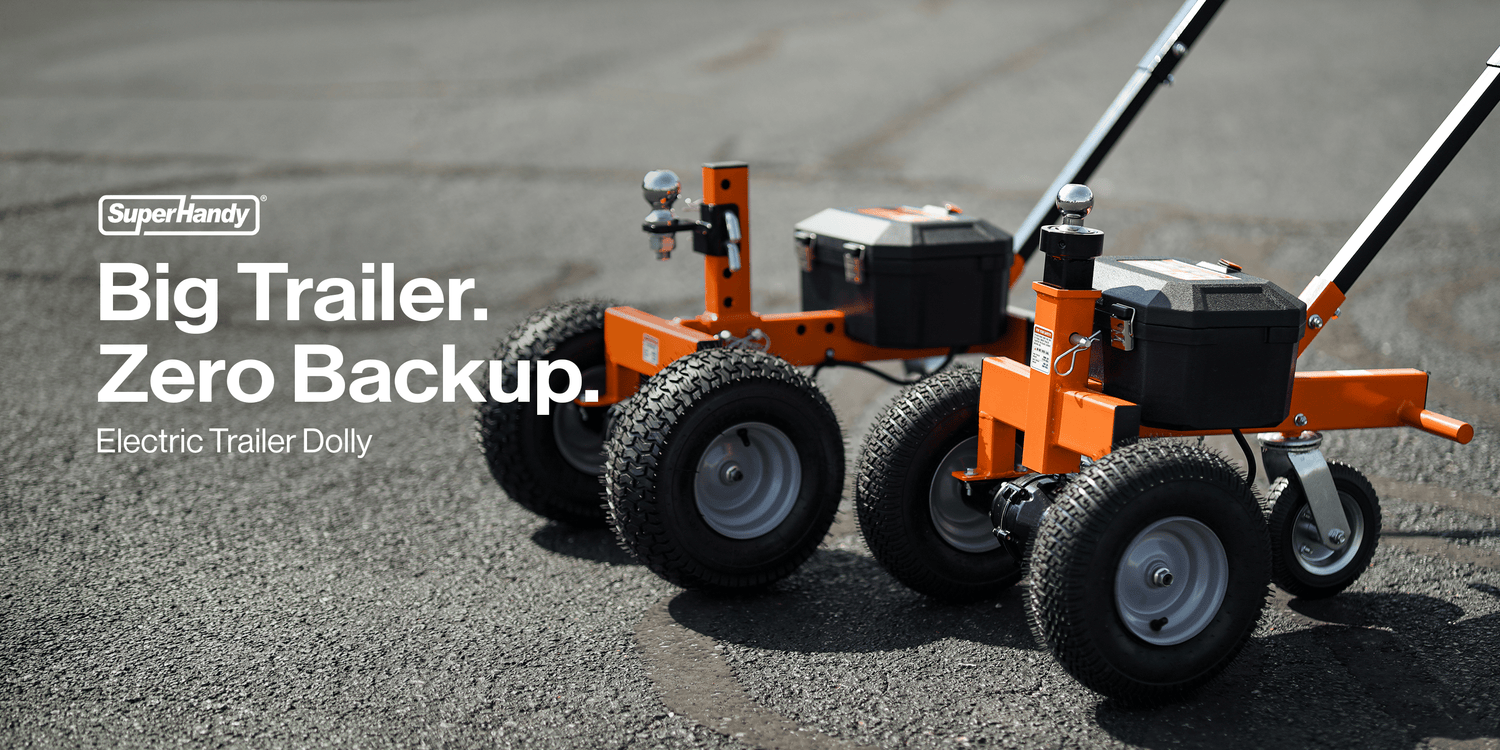
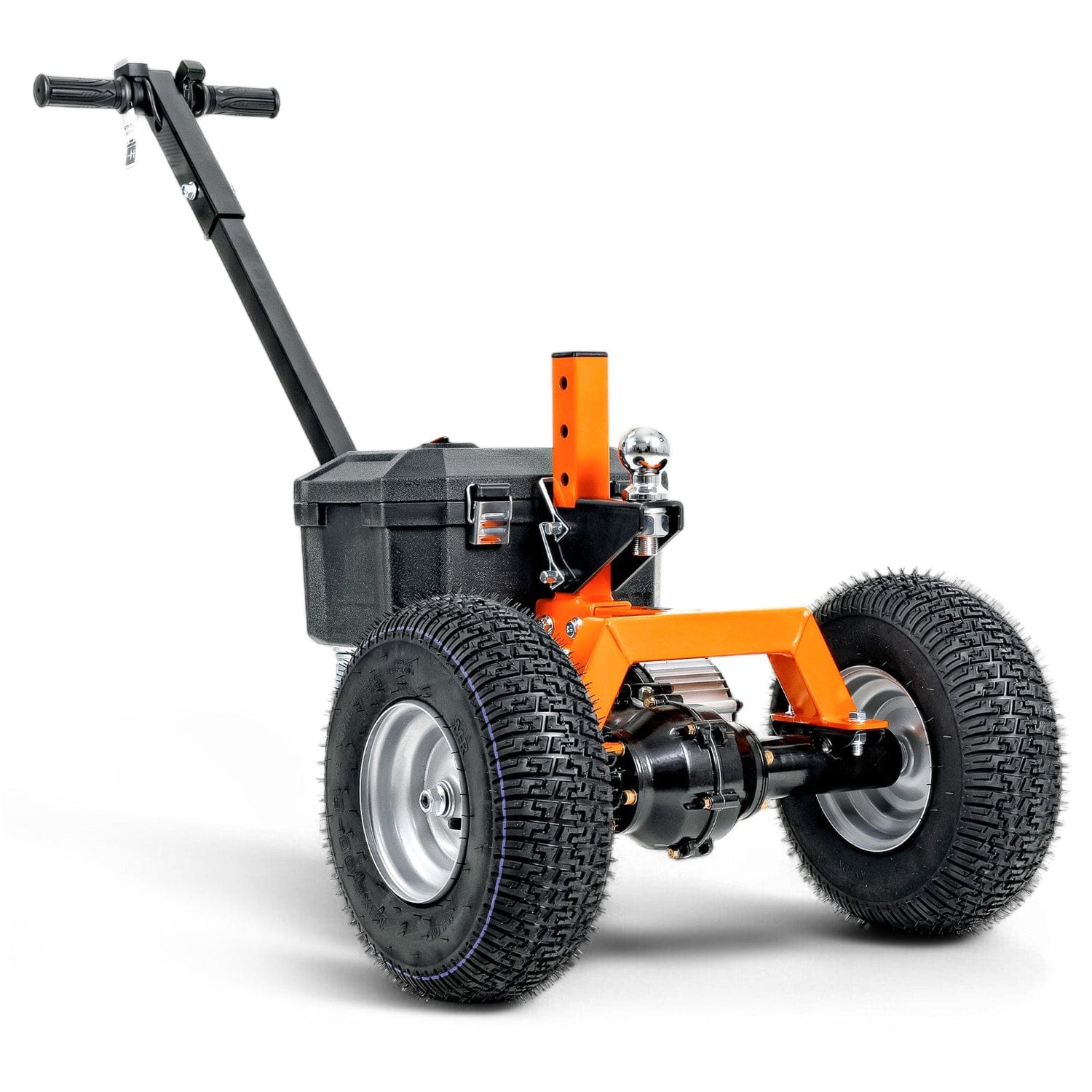
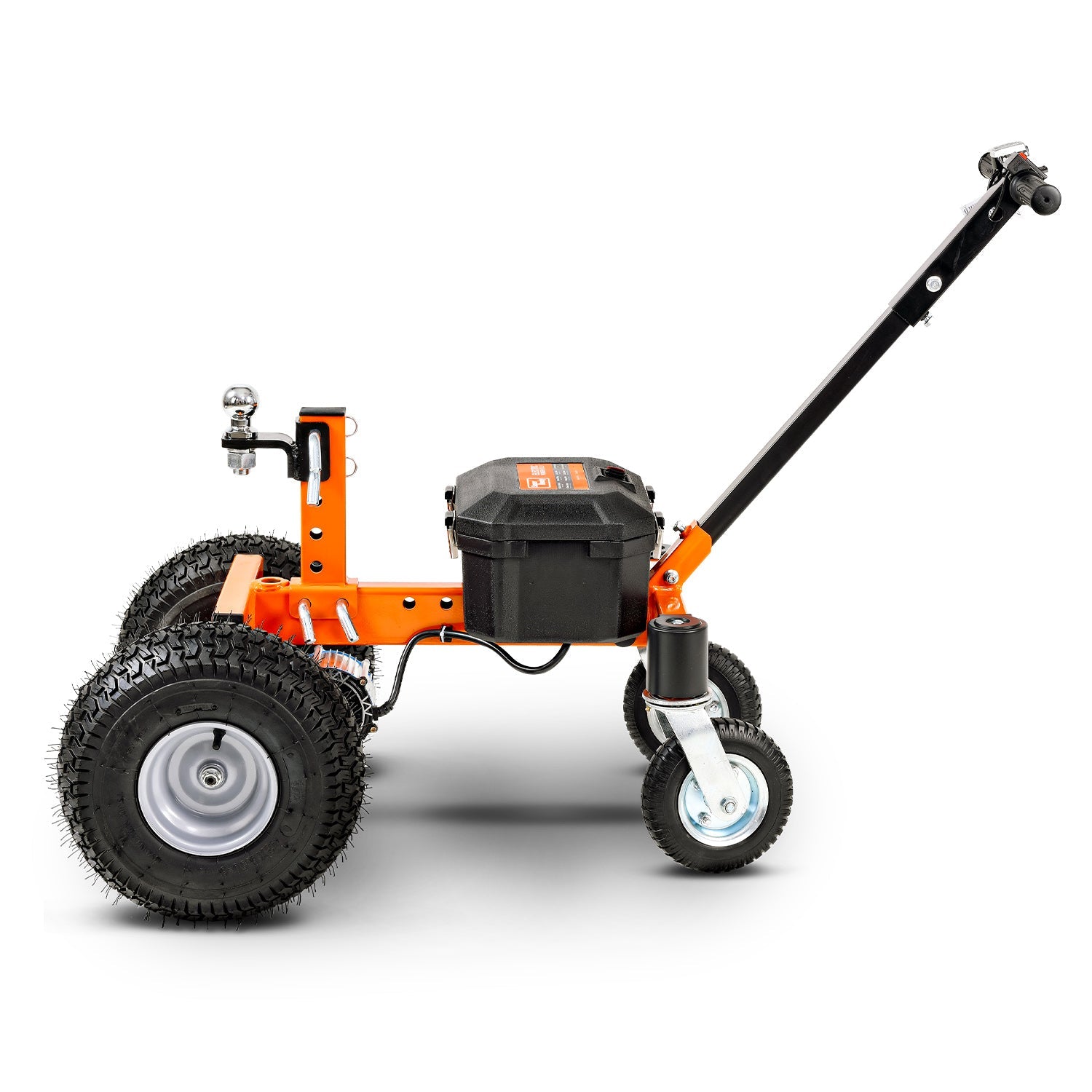
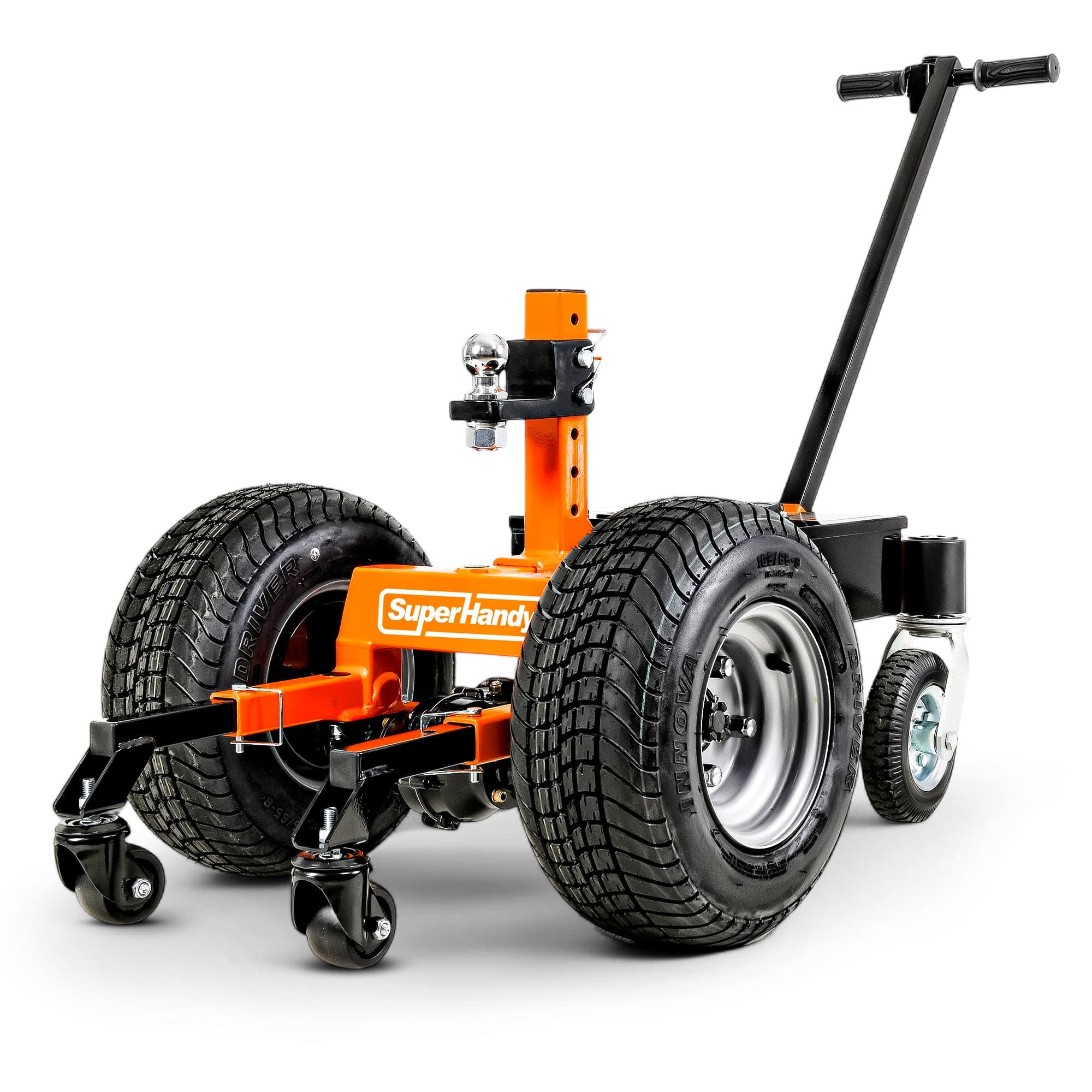
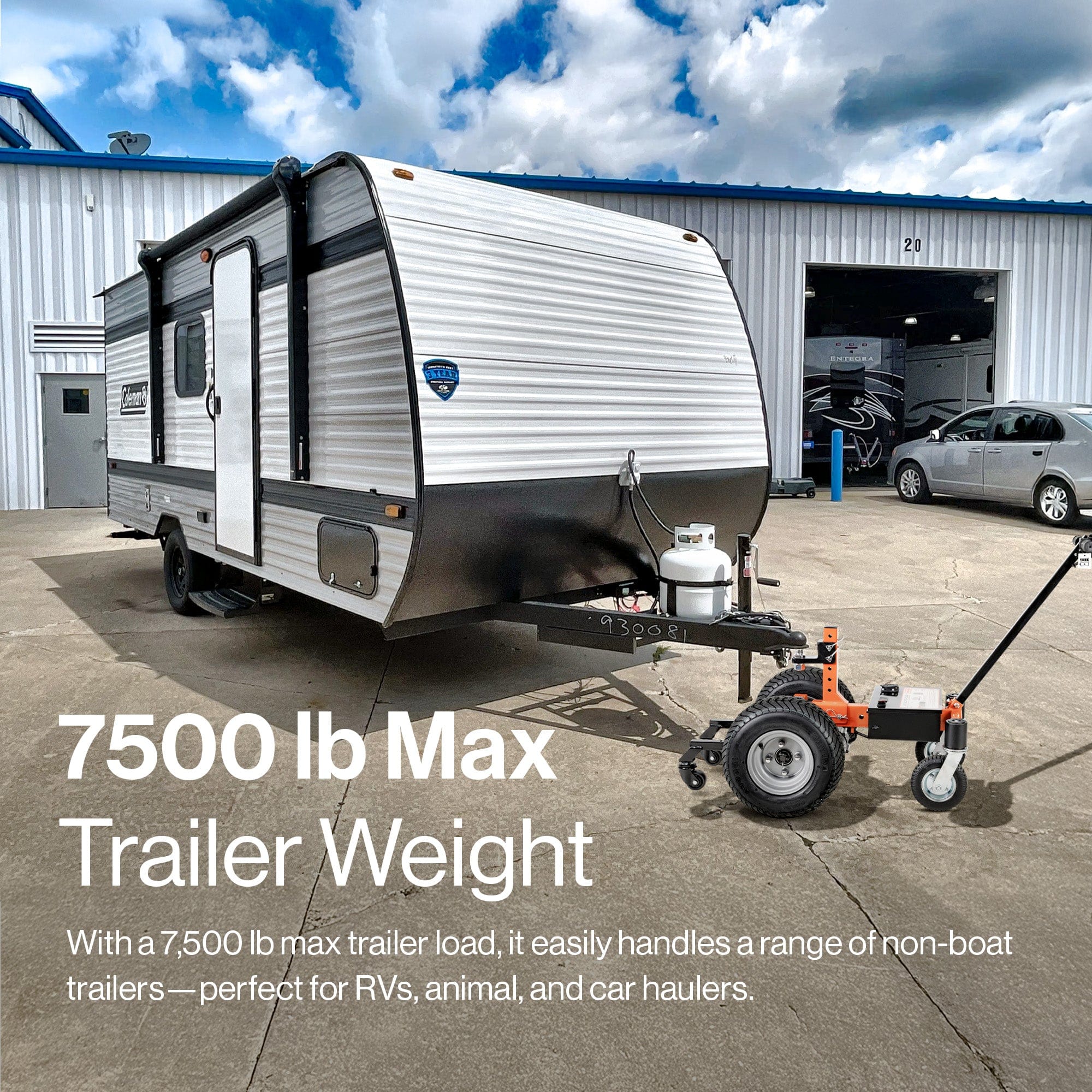
- Powered Dollies: For maneuvering heavy equipment like campers or boats in tight spaces, electric-powered dollies offer a powerful solution. While not used for cars directly, related tools like electric Trailer Dollies use a motor to make moving extremely heavy, towable items nearly effortless without a hitch vehicle.
When to Use Car Dollies vs. Tow Trucks or Trailers
Deciding on the right moving method can save you time, money, and hassle. Here’s a quick breakdown of when a car dolly is the smart choice.
- Use a Car Dolly if: You are on a budget, have a front-wheel-drive vehicle, and possess a capable towing vehicle. Dollies are a great DIY option for moving a car across town or taking it on a trip behind your RV. They are more compact and easier to store than a full car hauler trailer.
- Call a Tow Truck when: Your vehicle has broken down in a dangerous spot, was in an accident, or you don't have the equipment or experience to tow it yourself. While more expensive, a professional service is the safest and fastest option in emergencies.
- Opt for a Flatbed Trailer when: You need to transport an all-wheel-drive (AWD) or rear-wheel-drive (RWD) vehicle, as towing these with drive wheels on the ground can damage the drivetrain. Flatbeds are also superior for high-value classic cars or for very long-distance hauls, as they keep all four wheels off the road and protect the vehicle from wear and tear.
Essential Safety Precautions Before Using Car Dollies
Safety should always be your top priority when moving a multi-ton vehicle. Neglecting proper procedure can lead to significant vehicle damage, accidents, or personal injury. Before you begin, always adhere to critical safety checks.
First, confirm the dolly's weight capacity. This rating must be higher than the curb weight of the vehicle you intend to move—or at least the weight distributed on the axle being lifted. Overloading a dolly is a primary cause of equipment failure. Next, perform a thorough inspection of the dolly itself. Check the tire pressure, look for cracks or damage on the frame, and ensure all straps and safety chains are in good condition. Always load the vehicle on a flat, level surface to prevent it from rolling unexpectedly. Taking the time to review manufacturer guidelines and general principles of consumer product safety is a crucial step in preventing accidents.
Step-by-Step Guide: Properly Securing Your Vehicle onto Car Dollies
Once you've chosen the right automotive car dollies for your vehicle, the next critical phase is safely loading and securing it. A methodical approach is key to preventing accidents and damage. Follow these steps for a secure setup:
- Prepare Your Workspace: Ensure the ground is level, flat, and clear of debris. A smooth concrete floor in a garage or workshop is ideal. Chock the wheels of the vehicle that will not be lifted to prevent any unexpected movement.
- Position the Dollies: Slide one car dolly next to each tire you intend to lift. Open the dolly's rollers or hydraulic mechanism so there is enough clearance for the tire to fit between them.
- Lift the Vehicle: Depending on your dolly type, the process will vary. For hydraulic dollies, use the foot pedal to pump the jack, which will squeeze the rollers together and lift the tire off the ground. For standard, non-lifting dollies, you will need to jack up the vehicle with a separate floor jack, place the dolly underneath the suspended tire, and then carefully lower the vehicle onto the dolly platform.
- Engage Safety Locks: Once the tire is lifted and centered on the dolly, engage any built-in locking pins or safety latches. This crucial step prevents the hydraulic mechanism from accidentally releasing.
- Final Inspection: With all necessary wheels on dollies, give the vehicle a gentle push to ensure it feels stable. Double-check that all locking mechanisms are engaged and that the tires are securely seated.

Transporting Your Vehicle Safely with Car Dollies
With your vehicle securely mounted, the dolly moving process can begin. The key to safe transport is slow, deliberate motion. Car dollies are designed for precise positioning in tight spaces, not for speed.
Always push the vehicle from a low, stable point on the chassis or frame—never push on the body panels, windows, or roof. If you need to navigate a turn, do so with a wide, gradual arc. Sharp, quick turns can cause a tire to slip off a dolly. Having a spotter is highly recommended, especially in cluttered workshops or garages, to help guide you and watch for obstacles. This principle of careful maneuvering is just as important when positioning larger items; for instance, electric Trailer Dollies use controlled power to safely guide heavy trailers into tight spots, operating on the same foundation of safety and precision.
Navigating Different Terrains and Road Conditions with Dollies
It is critical to understand that automotive car dollies are designed exclusively for use on hard, smooth, and level surfaces. They are not intended for use on public roads, gravel, grass, or any uneven terrain.
Attempting to roll a vehicle on dollies over cracks, bumps, or inclines can be extremely dangerous. A small crack in the concrete can stop a caster wheel abruptly, potentially dislodging the tire from the dolly. Inclines pose a significant risk of a runaway vehicle. Before you begin moving the car, sweep the entire path to remove any small stones, bolts, or other debris that could jam a wheel. If you must navigate a slight transition, like a garage floor lip, do so very slowly and with at least one person ready to chock the wheels if needed.
Common Mistakes to Avoid When Using Car Dollies
Using a car dolly can make moving a vehicle effortless, but simple mistakes can lead to costly damage or injury. Be sure to avoid these common pitfalls:
- Exceeding the Weight Capacity: Every dolly set has a maximum weight rating. Always check the curb weight of your vehicle and ensure it is well below the dollies' combined capacity. Overloading can cause the dollies to buckle or fail during movement.
- Not Centering the Tire: The vehicle's tire must be perfectly centered on the dolly platform. An off-center tire is unstable and can easily slip off, especially during a turn.
- Forgetting to Inspect Equipment: Before each use, inspect the dollies for any signs of damage, such as cracked welds, bent frames, or malfunctioning casters. Following basic OSHA hand and power tool safety guidance by ensuring your equipment is in good working order is a best practice for any tool in your workshop.
- Moving Too Quickly: The most common mistake is trying to move the vehicle too fast. Remember: slow and steady is the only safe way to use car dollies.
- Using on an Incline: Never use car dollies on any kind of slope, no matter how slight it seems. The risk of the vehicle rolling away is too high.
Maintaining Your Car Dollies for Longevity and Performance
Properly maintaining your automotive car dollies is not just about protecting your investment; it's a critical safety measure. A well-cared-for dolly is a reliable dolly. Regular inspections and preventative maintenance ensure it performs correctly every time you need it, preventing unexpected failures on the road. For medical context, MedlinePlus summarizes common mobility aids such as canes, walkers, wheelchairs, and scooters.
To keep your equipment in top condition, follow this simple maintenance checklist:
- Inspect the Frame: Before each use, visually inspect the dolly’s frame for any signs of cracks, bending, or significant rust. Pay close attention to weld points.
- Check Tires: Just like the tires on your car, dolly tires need to be properly inflated to the manufacturer’s recommended PSI. Check for bald spots, cracks, or other signs of wear and tear that could lead to a blowout.
- Lubricate Moving Parts: The wheel bearings and, if applicable, the swivel pan pivot require regular lubrication to prevent seizing and ensure smooth movement. Consult your owner's manual for the recommended type of grease and lubrication schedule.
- Examine Straps and Winches: Tire straps and safety chains are your vehicle’s lifeline. Inspect them for any fraying, cuts, or sun damage. Test the ratchets and winches to ensure they tighten securely and release properly.
- Clean After Use: Wash off any road salt, dirt, or grime, as these can accelerate rust and corrosion. A clean dolly is easier to inspect and maintain.
- Store Properly: When not in use, store your car dolly in a dry, covered location to protect it from the elements, which will significantly extend its lifespan.

Troubleshooting Common Issues with Car Dollies
Even with perfect preparation, you might encounter issues during a dolly moving operation. Here’s how to troubleshoot some of the most common problems:
- Vehicle Swaying or "Fishtailing": This is one of the most dangerous issues and is often caused by improper weight distribution, driving too fast, or incorrect tire pressure on the dolly or tow vehicle. Immediately slow down and pull over safely. Double-check that at least 60% of the towed vehicle's weight is over its front axle, resting on the dolly. Also, verify all tire pressures.
- Straps Become Loose: Nylon straps can stretch slightly during the first few miles of a trip, especially when new. It is essential to pull over after 10-15 miles to re-check and re-tighten the tire straps. Continue to check them at every stop for fuel or rest.
- Unusual Noises (Grinding, Squeaking): Noise is a clear signal that something is wrong. A squeaking sound may indicate a need for lubrication, while a grinding noise often points to a failing wheel bearing. Stop towing immediately and inspect the dolly’s axle and wheels. A well-maintained piece of equipment, such as our electric Trailer Dollies, operates smoothly and quietly, and any new noise on your car dolly should be treated as a serious warning.
- Lights Are Not Working: This is a common but easily fixable issue. Most often, the problem lies with a loose connection at the wiring harness plug. Ensure the plug is free of debris and fully seated. If that doesn’t work, check the bulbs and fuses on the tow vehicle.
Legal Considerations and Regulations for Dolly Transport
Towing laws are not universal; they vary significantly by state and even by county. As the driver, you are responsible for knowing and complying with the regulations in every jurisdiction you travel through. Before you hit the road, research the following:
- Braking Requirements: Many states require a separate braking system for a towed load exceeding a certain weight (often 1,500 to 3,000 lbs). Since most car-dolly combinations will exceed this, you may need a car dolly equipped with its own brakes.
- Lighting and Signaling: Your car dolly must have functional brake lights, taillights, and turn signals that are synced with the tow vehicle. Magnetic, removable tow lights are a popular and often legal solution.
- Speed Limits: Be aware that many states have a lower maximum speed limit for vehicles with trailers. This is typically 55 mph, but you must check the specific laws for your route.
- Registration: Some states require car dollies to be registered and have their own license plate, while others do not. Check with your local DMV for requirements.
Cost-Benefit Analysis: When Renting vs. Buying Dollies Makes Sense
Deciding whether to rent or buy a car dolly comes down to your specific needs, frequency of use, and budget.
Renting a car dolly is often the best choice for:
- One-Time Use: If you're making a single long-distance move or transporting a vehicle on a one-off basis, renting is far more economical.
- No Storage Space: Dollies are bulky. If you don't have a garage or covered area to store one, renting saves you the hassle.
- Maintenance-Free: Rental companies are responsible for maintaining their equipment, so you don’t have to worry about inspections or repairs.
Buying a car dolly is a smart investment for:
- Frequent Use: If you are a car enthusiast who regularly attends track days, a small auto repair shop, or someone who frequently transports project cars, the cost of buying will quickly be less than repeated rentals.
- Convenience: Owning a dolly means it’s ready whenever you need it. You don’t have to worry about a rental company’s hours or inventory.
- Long-Term Value: A quality car dolly holds its value well, and you have the option to sell it later if your needs change.
Real-World Scenarios: Successful Vehicle Transport with Dollies
The versatility of automotive car dollies is best understood through real-world examples. Imagine a classic car enthusiast who finally found their dream project: a non-running 1960s coupe tucked away in a seller's garage. Using a set of four hydraulic wheel dollies, they effortlessly lift the car and maneuver it out of the tight space and onto a flatbed trailer. Without them, the move would have required a much larger crew and risked damaging the vehicle.
Consider another common situation: a family relocating across the country. They’ve rented a large moving truck for their belongings but need a cost-effective way to transport their second vehicle, a front-wheel-drive sedan. By renting a two-wheel tow dolly, they can safely tow the car behind their truck. This single act of dolly moving saves them thousands of dollars compared to hiring a professional auto transport service.
Finally, think of the boat or RV owner facing the dreaded task of parking their trailer in a narrow storage unit or tight backyard spot. Hitching and unhitching a large truck for minor adjustments is a frustrating ordeal. This is where specialized Trailer Dollies shine. These powerful, compact units allow a single person to precisely maneuver heavy trailers with ease, turning a stressful task into a simple one.
Frequently Asked Questions About Using Car Dollies
As you prepare to use a car dolly, it's natural to have questions. Here are answers to some of the most common inquiries.

Can any vehicle be put on a car dolly? Not necessarily. Two-wheel tow dollies are ideal for front-wheel-drive (FWD) vehicles, as the front (drive) wheels are lifted off the ground. For rear-wheel-drive (RWD) or all-wheel-drive (AWD) vehicles, towing with the drive wheels on the ground can cause severe transmission damage. You may need to disconnect the driveshaft for RWD vehicles, and many manufacturers advise against dolly towing for AWD vehicles altogether. Always consult your vehicle’s owner manual for specific towing instructions.
What is the maximum speed when towing with a dolly? Safety is paramount. While speed limits vary by state and the dolly’s specific design, a general rule of thumb is to not exceed 55 mph. Driving at slower speeds reduces sway, puts less stress on the dolly and tow vehicle, and gives you more time to react to road hazards.
Are car dollies a safe option for moving a vehicle? Yes, when all safety protocols are followed, dollies are a very safe method of transport. This includes ensuring the vehicle is properly centered and secured with high-quality straps, safety chains are correctly attached, and the dolly’s tires are properly inflated. According to the Consumer Product Safety Commission, understanding and following the manufacturer's instructions is a critical step in preventing injury when using any consumer product.
Choosing the Best Car Dollies for Your Specific Vehicle and Situation
Selecting the right dolly is crucial for a safe and successful move. The choice depends on your vehicle's specifications and the task at hand. Here’s how to decide.
1. For In-Garage Maneuvering: If you need to move a disabled vehicle or simply reposition a car within a workshop or garage, hydraulic wheel dollies are your best bet. These are placed under each tire, allowing you to push the car in any direction on a smooth, level surface. Check the weight capacity of each dolly to ensure the set can handle your vehicle’s total weight.
2. For Long-Distance Towing: For towing a car behind another vehicle, a two-wheel tow dolly is the standard. Key factors to consider are:
- Weight Capacity: The dolly must be rated to handle your vehicle’s front-axle weight.
- Brake System: Many states require dollies to have their own braking system (either electric or surge brakes) for vehicles over a certain weight. This is a non-negotiable safety feature.
- Tire Size Compatibility: Ensure the dolly’s platform and straps can accommodate your vehicle’s tire width.
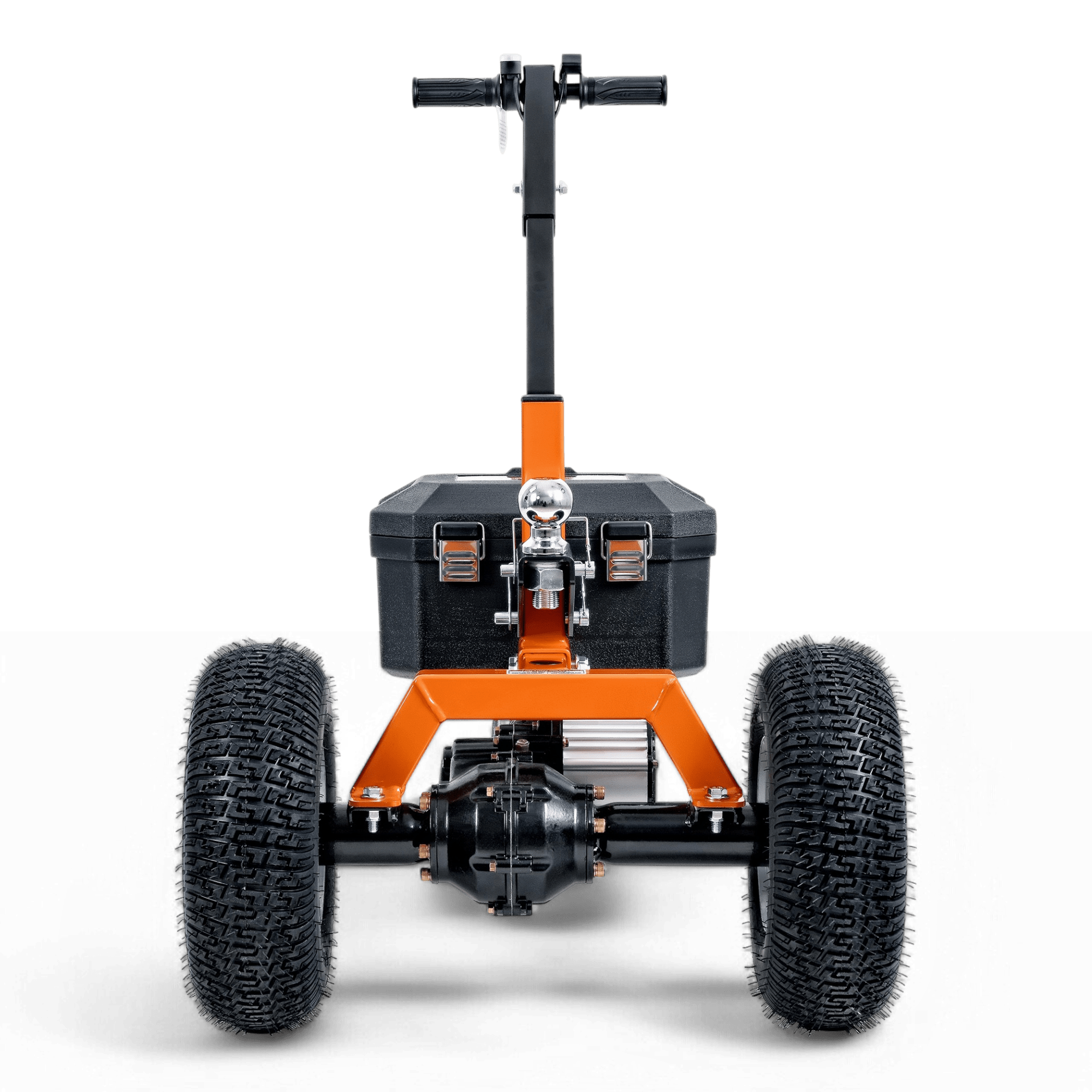
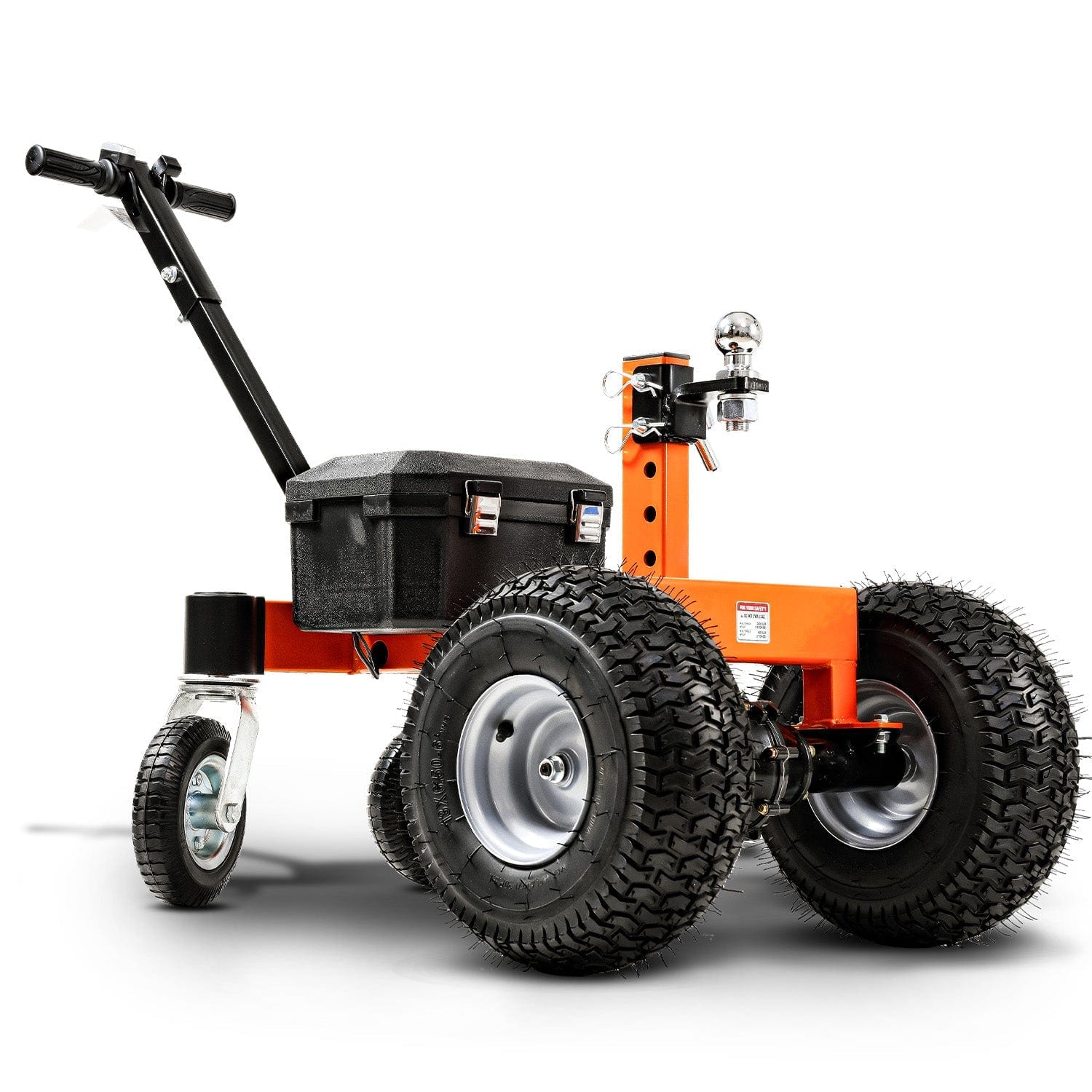
3. For Moving Trailers and Campers: If your primary need is moving a boat, camper, or utility trailer in tight quarters without a tow vehicle, an electric trailer dolly is the ideal solution. These motorized dollies provide the power to move heavy loads precisely, making them suitable for navigating driveways, storage lots, and showrooms.
By evaluating your vehicle’s weight, drivetrain, and your specific moving goal—whether it's across the garage or across the state—you can confidently choose the perfect automotive car dolly for the job.
Related Products


Leave a comment
All comments are moderated before being published.
This site is protected by hCaptcha and the hCaptcha Privacy Policy and Terms of Service apply.