












Understanding Your Gas-Powered Log Splitter: Key Components and How They Work
At its heart, a gas-powered wood splitter is a marvel of hydraulic power. Understanding its main parts helps you operate it with confidence and troubleshoot minor issues.
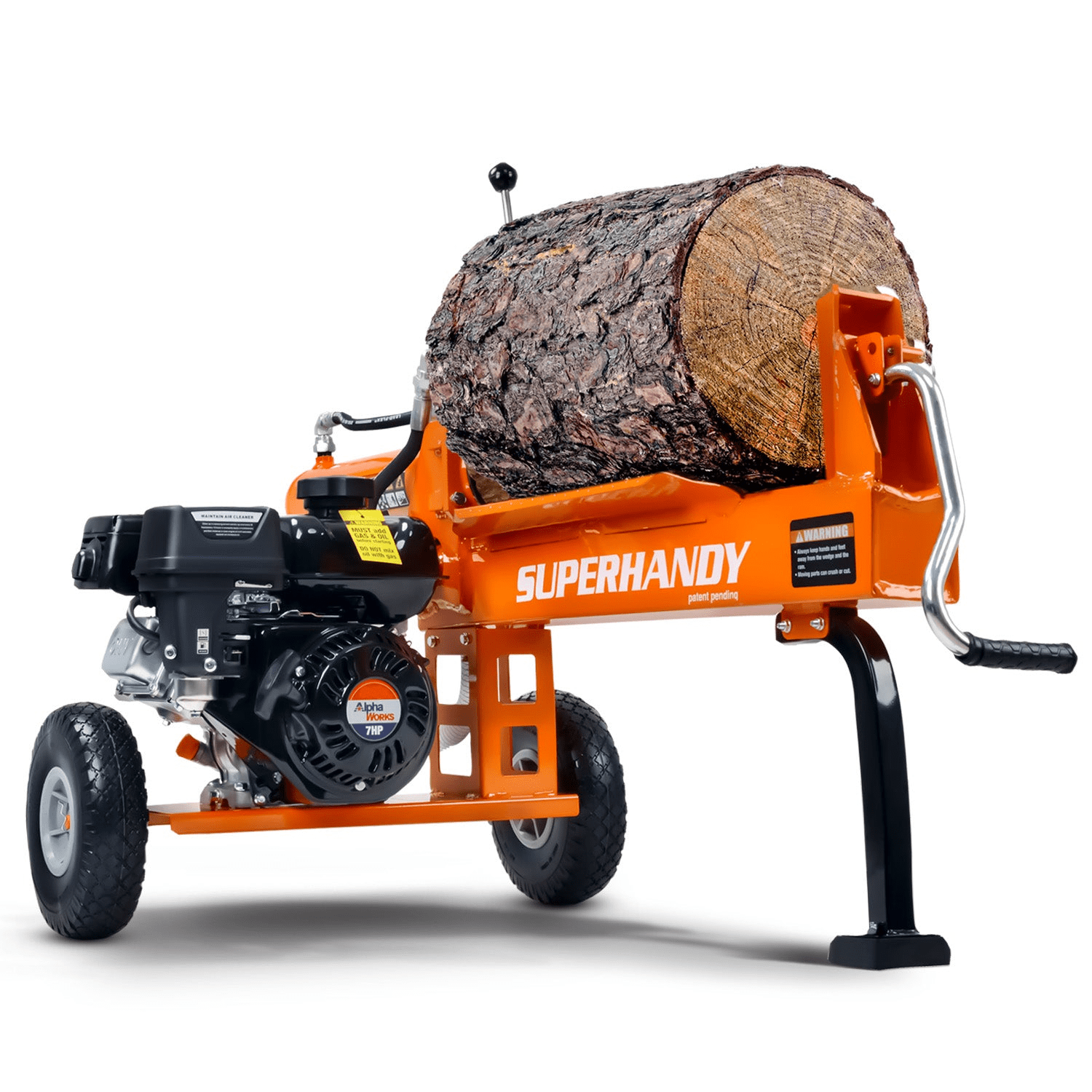
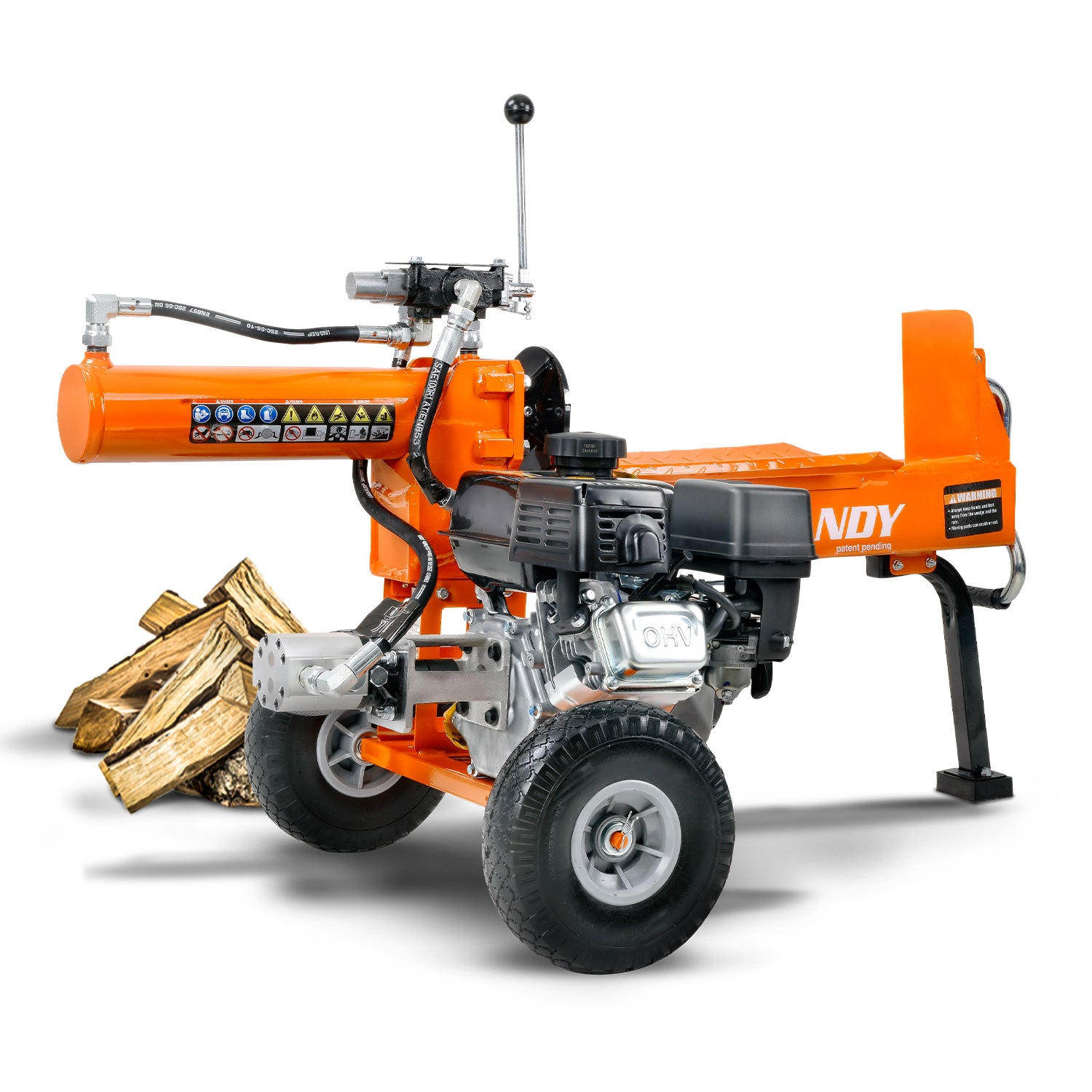
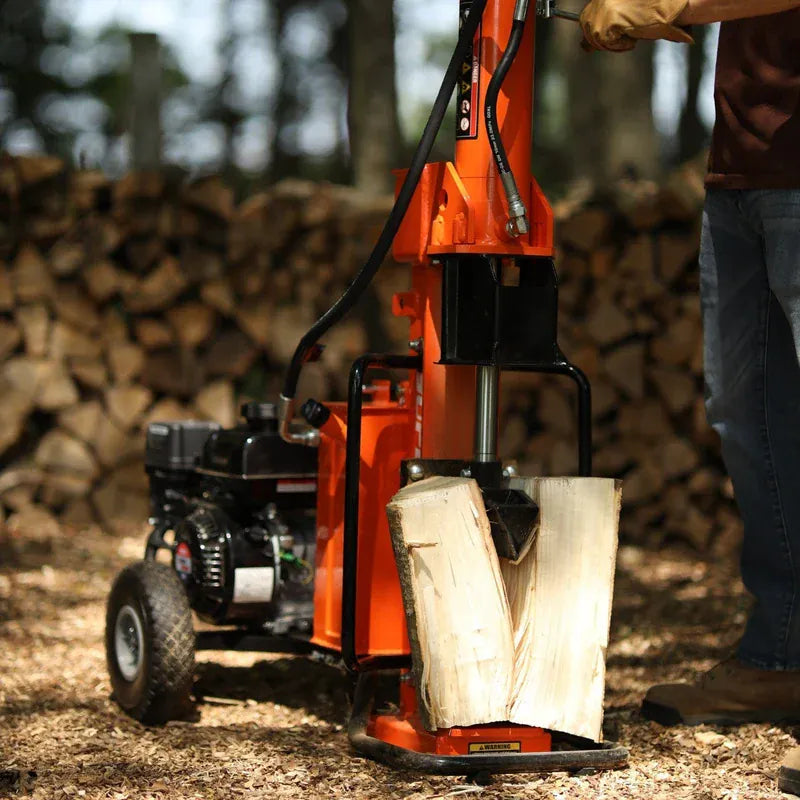
- Engine: This is the power source. The gasoline engine drives the hydraulic pump, creating the force needed for splitting.
- Hydraulic Pump: The pump takes the mechanical energy from the engine and uses it to pressurize hydraulic fluid.
- Hydraulic Cylinder and Ram: This is the workhorse. The pressurized fluid is directed into the cylinder, which pushes a piston (the ram) forward with immense force.
- Splitting Wedge: Attached to the end of the beam or the ram, this sharp, durable piece of steel is what physically splits the log.
- Control Valve: This lever, operated by you, directs the flow of hydraulic fluid, controlling the forward and backward movement of the ram.
When you engage the control lever, the engine-driven pump sends high-pressure fluid into the cylinder, driving the ram and wedge through the wood. Releasing the lever reverses the flow, retracting the ram for the next split.
Choosing the Right Log Splitter for Large Diameter Logs: What to Look For
Not all log splitters are created equal, especially when you’re dealing with big rounds of hardwood. For large-diameter logs, you need a machine with specific features to handle the load without straining the equipment or the operator.
- Tonnage (Splitting Force): This is the most critical factor. Tonnage measures the amount of force the splitter can exert. While a smaller firewood splitter is fine for softwoods, large-diameter hardwoods (like oak, hickory, or maple) require more power. For most homeowners dealing with logs up to 20 inches in diameter, a 20-ton log splitter offers a great balance of power and efficiency. If you frequently tackle tough woods or knotty logs, stepping up to a 25-ton wood splitter provides that extra muscle. For the most demanding jobs, a high-powered 37-ton firewood splitter can handle virtually anything.
- Vertical/Horizontal Operation: This feature is a back-saver. While horizontal splitters require you to lift heavy rounds onto the beam, a convertible model that operates vertically allows you to roll the log into place and split it on the ground. For large, heavy logs, a vertical splitting option is a must.
- Cycle Time: This is the time it takes for the ram to split a log and return to its starting position. A faster cycle time (e.g., 10-15 seconds) means higher productivity, letting you process more wood in less time.
Essential Safety Gear: Protecting Yourself Before You Even Start
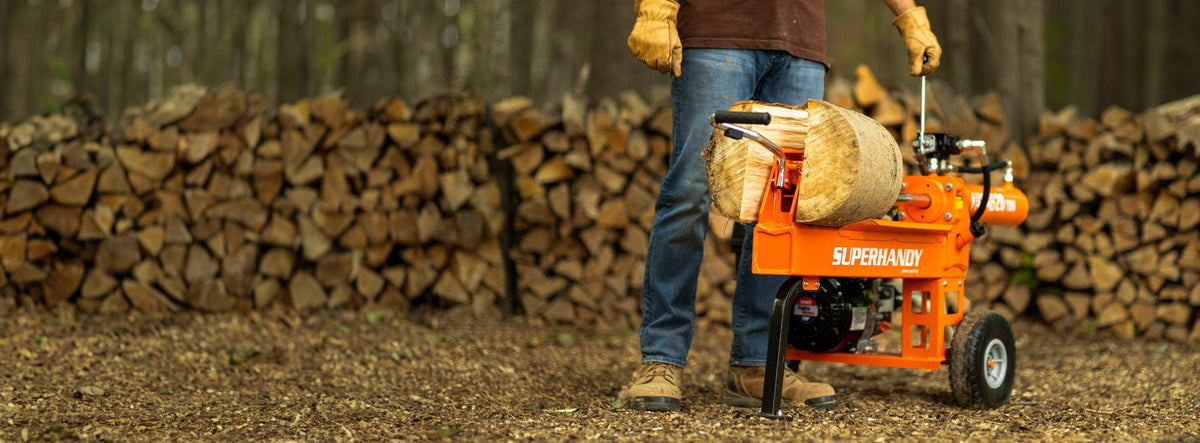
A log splitter is a powerful tool, and safety should always be your top priority. Never operate a splitter without the proper personal protective equipment (PPE).

- Eye Protection: Safety glasses or goggles are non-negotiable. Wood can splinter and fly in any direction during a split.
- Hand Protection: Wear durable, well-fitting work gloves to protect against splinters and improve your grip on logs.
- Foot Protection: Steel-toed boots are essential to guard your feet against falling rounds or equipment.
- Hearing Protection: Gas engines are loud. Protect your hearing with earplugs or over-ear muffs during operation.
- Appropriate Clothing: Avoid loose-fitting clothes, dangling jewelry, or anything that could get caught in the machine’s moving parts.
Pre-Splitter Checks: Ensuring Your Equipment is Ready for the Challenge
Just like a pilot does a pre-flight check, you should give your log splitter a quick inspection before every use. This five-minute routine ensures safe, efficient operation and can prevent costly damage.
- Check Fluid Levels: Verify that the engine oil and hydraulic fluid are at their proper levels. Low fluid can cause overheating and damage to the engine or pump.
- Inspect Hoses and Fittings: Look for any cracks, abrasions, or leaks in the hydraulic hoses. Tighten any fittings that appear loose. A hydraulic fluid leak is a safety hazard and will reduce the splitter's power.
- Examine the Wedge: Ensure the splitting wedge is sharp and securely attached. A dull wedge crushes wood rather than splitting it cleanly, which puts unnecessary strain on the machine.
- Clear the Work Area: Make sure the ground around the splitter is level and clear of debris, tripping hazards, and bystanders.
- Tire Check: If your splitter is towable, check that the tires are properly inflated.
Log Preparation: The Crucial First Step for Efficient Splitting
Before a single log touches your splitter, a little preparation goes a long way toward ensuring a safe and productive day. Proper prep not only makes splitting easier but also helps produce uniform firewood that seasons better and fits perfectly in your stove.
- Cut to Length: Begin by bucking your logs to a consistent length. Measure your stove’s firebox and subtract an inch or two to determine your ideal firewood size (typically 16-18 inches). To maximize efficiency and minimize waste, experts at the University of Missouri Extension suggest that logs should be cut in multiples of the desired final length. For example, if you want 16-inch pieces, cut your logs into 32- or 48-inch sections before moving them to the splitter area.
- Timing is Everything: While you can split seasoned wood, it’s often much tougher. According to Penn State Extension, wood splits easier when green. Splitting freshly cut logs requires less force from your machine, saves fuel, and exposes more surface area to the air, which dramatically speeds up the drying process.
- Ensure Flat Ends: When you make your cuts, strive for them to be as flat and square as possible. A log with angled or uneven ends will not sit securely on the log splitter’s beam, creating a dangerous risk of it slipping or shooting out under pressure.
Techniques for Safely Positioning Large Logs on the Splitter
Moving and placing large, heavy rounds onto your wood splitter is one of the most physically demanding parts of the process and a key moment for safety.
First, get the log to the machine without injuring yourself. Avoid lifting with your back. If the round is too heavy to lift safely using your legs, use a cant hook, peavey, or a dolly to roll or move it into position. Some operators find it helpful to work on a slight incline, allowing them to roll logs downhill toward the splitter.
Once the log is at the machine, position it carefully on the beam.
- Stable Placement: The log must sit flat on the beam and be pressed securely against the stationary end plate or foot. There should be no wobbling.
- Center the Log: Place the widest part of the log against the footplate and align the center of the log with the splitting wedge. This provides the most stable base for the split.
- Hands Clear: Before you even think about touching the controls, ensure your hands and all body parts are completely clear of the "crush zone"—the area between the log and the moving wedge. Never hold or steady a log with your hand or foot once the ram begins to move.
Mastering the Splitter Controls: Smooth Operation for Big Rounds
Modern gas-powered log splitters are designed with safety in mind, often featuring two-handed operation. This system requires you to use both hands to engage the hydraulic controls, ensuring they are safely away from the splitting mechanism.
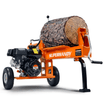
To operate the splitter, you will typically engage a primary lever that moves the ram forward slowly. Once the ram makes contact with the log, you engage a second lever to apply the machine’s full splitting tonnage. Powerful models like the SuperHandy 20-Ton Log Splitter make quick work of standard hardwoods.
Apply steady, consistent pressure. Don’t slam the ram into the wood. Watch and listen as the split begins. If you hear the engine bog down excessively or see the log shift into an unsafe position, release the controls immediately. The ram will stop, allowing you to safely reset. Many quality firewood splitters also feature an automatic ram return, which saves time and effort by retracting the wedge as soon as you release the levers.
Dealing with Difficult Logs: Knots, Crooked Grain, and Other Challenges
Not every log splits cleanly down the middle. Knots, burls, and interlocking grain can present a serious challenge, even for a powerful wood splitter. This is where operator technique becomes crucial.
- Knots and Burls: These are dense, twisted sections of wood where branches once grew. Avoid trying to split directly through the center of a large knot. Instead, position the log so the wedge strikes off-center, splitting the wood around the knot.
- Stringy or Crooked Grain: Woods like elm, sweetgum, and black gum have interlocking grain that resists splitting. The wedge may push through, but the fibers won’t separate cleanly.
- The Re-Splitting Technique: If a log resists a full split, don’t force it. Retract the ram, rotate the log 90 or 180 degrees, and try splitting from a different side. Often, a partial split on one side will weaken the log enough for a second attempt to succeed.
For the most demanding rounds, having a machine with immense power is your best asset. High-tonnage units like a 25-Ton or even a 30-Ton log splitter can power through complex grain that would stall a smaller splitter. However, never continuously run the splitter against a log it cannot split. This can overheat the hydraulic fluid and damage the pump. If a log won’t split after a few tries, set it aside.
Troubleshooting Common Issues with Gas-Powered Splitters
Even the most robust gas-powered log splitter can encounter a hiccup. When your workflow is interrupted, a few quick diagnostic checks can often get you back to work without a lengthy delay. Before performing any checks, always turn the engine off and ensure all moving parts have come to a complete stop.
- Engine Won't Start: This is the most common issue and usually has a simple fix. First, check the basics: Is there fresh fuel in the tank? Is the fuel shut-off valve open? Is the choke in the correct position for a cold or warm start? If these are all correct, inspect the spark plug to ensure it's clean and properly connected. A dirty air filter can also restrict airflow and prevent the engine from starting.
- Wedge Moves Slowly or Lacks Power: If the engine is running fine but the splitting force seems weak, the problem is likely in the hydraulic system. The first and easiest check is the hydraulic fluid level. Low fluid is a primary cause of poor performance. If the level is adequate, you may have air in the system. To purge it, extend and retract the cylinder fully several times without a log on the beam. If the problem persists, you may have a clogged hydraulic filter or a more complex internal issue.
- Hydraulic Fluid is Leaking: A leak not only reduces performance but also creates a safety and environmental hazard. Shut down the splitter immediately. Visually trace the fluid to its source. It could be a loose hose fitting that needs tightening or a cracked/damaged hose that requires replacement. Warning: Never use your hand to check for pressurized hydraulic leaks; the high-pressure fluid can penetrate the skin and cause severe injury. Use a piece of cardboard to locate the source of the spray.
- Ram Won't Retract: If the splitting wedge extends but won't return, the issue is often with the control valve handle or its linkage. Check for debris, bent parts, or disconnected springs that might prevent the valve from returning to the retract position.
When to Stop: Recognizing Limits and Avoiding Overexertion
Knowing when to take a break is just as important as knowing how to operate your wood splitter. Pushing yourself or your machine past its limits is a recipe for accidents and equipment damage.
Listen to your body. Splitting large logs is physically demanding, even with a hydraulic helper. If you feel your muscles getting sore, your reaction time slowing, or your focus drifting, it's time to stop. Fatigue leads to poor decisions and clumsy movements, which is when most injuries occur. Take regular breaks, stay hydrated, and never try to rush through a pile of wood when you're tired.
Pay attention to your machine's signals, too. A gas-powered log splitter will let you know when it's struggling. If the engine bogs down significantly or the hydraulic pump makes a high-pitched whining sound, the log is likely too large, dense, or knotty for a single pass. Don't keep forcing it. This can bend the beam, damage the ram, or crack the wedge. Instead, turn the log and try splitting from a different angle or set it aside.
Post-Splitting Maintenance: Keeping Your Splitter in Top Condition
A few minutes of care after each use will dramatically extend the life of your firewood splitter and ensure it's ready for the next job. Consistent maintenance ensures that a powerful wood splitter will serve you reliably for many seasons.
- Clean the Machine: Use a stiff brush or compressed air to remove sawdust, wood chips, and bark from the beam, engine, and hydraulic components. Debris can hold moisture, which leads to rust, and can clog cooling fins on the engine.
- Inspect for Damage: With the machine clean, perform a quick visual inspection. Look for loose nuts and bolts, check hydraulic hoses for cracks or abrasions, and examine the wedge for nicks or dullness. A sharp wedge splits wood more efficiently and puts less strain on the entire system.
- Check Fluid Levels: Once the splitter has cooled down on a level surface, check the engine oil and hydraulic fluid levels. Top them off if necessary, using only the types of fluid recommended in your owner's manual.
- Lubricate the Beam: Apply a light coat of grease to the top surface of the beam where the splitting wedge slides. This reduces friction and prevents rust from forming.
Storing Your Log Splitter Safely for Longevity
Properly storing your firewood splitter is crucial for protecting it from the elements and ensuring a quick start next season.
For short-term storage (a few weeks), simply keep the splitter covered with a waterproof tarp to protect it from rain and direct sun, which can degrade hydraulic hoses over time.
For long-term storage (over the winter), take these additional steps:
- Address the Fuel: Old fuel is the number one cause of starting problems. Either run the engine until the tank is completely empty or fill the tank and add a quality fuel stabilizer according to the product's directions.
- Perform Thorough Maintenance: Give the machine a full cleaning and inspection as described above. This is also a great time to change the engine oil and hydraulic filter.
- Protect the Ram: Fully retract the hydraulic cylinder. This protects the polished chrome rod from exposure to moisture, which can cause pitting and rust that will damage the hydraulic seals when you use it again.
- Choose a Good Location: Store the splitter in a dry, sheltered location like a garage, barn, or shed. This provides the best protection against rust, pests, and UV damage.
Frequently Asked Questions About Splitting Large Diameter Logs
What's the maximum log diameter a gas-powered log splitter can handle?
This is one of the most common questions, and the answer depends on the splitter's tonnage rating. Tonnage refers to the amount of force the machine can exert. While there's no universal chart, a general rule of thumb is:
- 7-12 Ton: Best for smaller logs, typically under 12 inches in diameter.
- 20-25 Ton: A versatile range capable of handling most common hardwoods up to 24 inches in diameter. A powerful 20-ton splitter is an excellent all-around choice for serious firewood processing.
- 30+ Ton: This is the heavy-duty category, designed for consistently splitting large-diameter (over 24 inches), dense, or knotty rounds. A robust 30-ton model provides the power needed to tackle the toughest jobs with confidence.
Remember, wood type matters as much as size. A 20-inch round of soft pine is much easier to split than a 20-inch round of dense, seasoned oak. Always check your splitter’s manual for its specific capacity recommendations.
Is it better to split wood when it's green or seasoned?
For most wood types, splitting is significantly easier when the wood is "green" or freshly cut. The high moisture content allows the wood fibers to separate more cleanly under pressure. Splitting green wood also dramatically accelerates the seasoning (drying) process by exposing more surface area to air.
However, some stringy woods like elm or sweetgum can be challenging either way. Conversely, some extremely dense hardwoods like hickory or locust may actually split more cleanly after they've had some time to dry and become more brittle. For general purposes, though, plan to split your wood as soon as possible after felling it.
My log splitter is struggling with a large, knotty log. What should I do?
The most important rule is: do not force it. If the ram slows significantly or the engine strains, retract the wedge immediately. Continuously forcing the machine can damage the hydraulic system, bend the beam, or cause the log to dangerously shift or shatter.
Instead, try these techniques:
- Reposition the Log: Rotate the round 90 or 180 degrees and try splitting again. You might find a path with a straighter grain.
- Split Off-Center: Don't aim for the dead center of the knot. Try to "peel" the log by splitting off the sides first, making the round smaller and weaker before you attempt to split through the knotty core.
- Flip it Over: Sometimes, splitting from the opposite end can work, as the grain structure may be different.
If the log still won't split, it may simply be too large or complex for your machine's tonnage. It's safer to set it aside for another use or, if you are highly experienced, use a chainsaw to make relief cuts.
How can I make positioning heavy logs on the firewood splitter easier and safer?
Lifting heavy rounds is a primary cause of back injuries. Never try to deadlift a log that is too heavy for you. Work smarter, not harder.
- Use Leverage: A cant hook or log peavey is an essential tool. It gives you the leverage to roll heavy logs onto the splitter's beam with minimal straining.
- Work with a Partner: A second person can help you safely guide and lift logs into place.
- Position Your Splitter: Operate on level ground and get your wood splitter as close to your log pile as possible to reduce how far you have to move them.
- Use Ramps or Cradles: If your splitter doesn't have a vertical splitting option, you can use a sturdy plank as a ramp to help slide the round up onto the beam. Many horizontal/vertical splitters make this process much easier, as you can simply roll the log into place without any lifting.
Should I try to split a very large log in one pass?
While tempting, trying to turn a massive round into firewood in a single pass is often inefficient and can be unsafe. The best method is to split in stages. First, split the large round in half. This is the most power-intensive step. Once you have two halves, they are much more stable and easier to handle. From there, you can easily split the halves into quarters and then into your desired final size. This "halving and quartering" approach puts less strain on your log splitter and gives you far more control over the entire process.
Related Products


Leave a comment
All comments are moderated before being published.
This site is protected by hCaptcha and the hCaptcha Privacy Policy and Terms of Service apply.