












Understanding Log Splitter Tonnage: What It Means for Hardwoods
The most critical specification on any log splitter is its tonnage rating. Simply put, tonnage measures the maximum amount of force the machine's hydraulic ram can exert on a log. One ton is equal to 2,000 pounds of force. So, a 20-ton splitter can apply up to 40,000 pounds of pressure to bust through a stubborn piece of wood.
For softwoods like pine or fir, a lower tonnage might suffice. But when you're dealing with dense hardwoods like oak, maple, hickory, or ash, higher tonnage is non-negotiable. It's the difference between a log popping apart with a satisfying crack and the ram stalling halfway through, leaving you with a stuck, partially split log. Insufficient tonnage not only wastes your time but can also put unnecessary strain on the splitter's hydraulic system and engine.
Why Dense Oak and Maple Demand More Splitting Power
Why are oak and maple so much tougher than other woods? It comes down to their physical structure. The hardness of wood is scientifically measured, and it confirms that the more dense the type of wood, the more force required to split the logs. Oak and maple rank high on hardness scales due to their tightly packed wood fibers. This density is what makes them excellent firewood, but it also creates immense internal resistance.
Beyond simple density, other factors increase the challenge:
- Knots and Burls: Irregularities in the grain where branches once grew create chaotic fiber patterns that resist splitting.
- Stringy Grain: Some species, like elm or sweetgum, have interlocking grain that refuses to split cleanly, but even tough hardwoods can have stringy sections.
- Age of the Wood: "Green" or freshly cut wood contains a lot of moisture, which can sometimes make it easier to split than fully seasoned, hardened wood. As oak seasons, it can become rock-hard and require significantly more force to break apart.
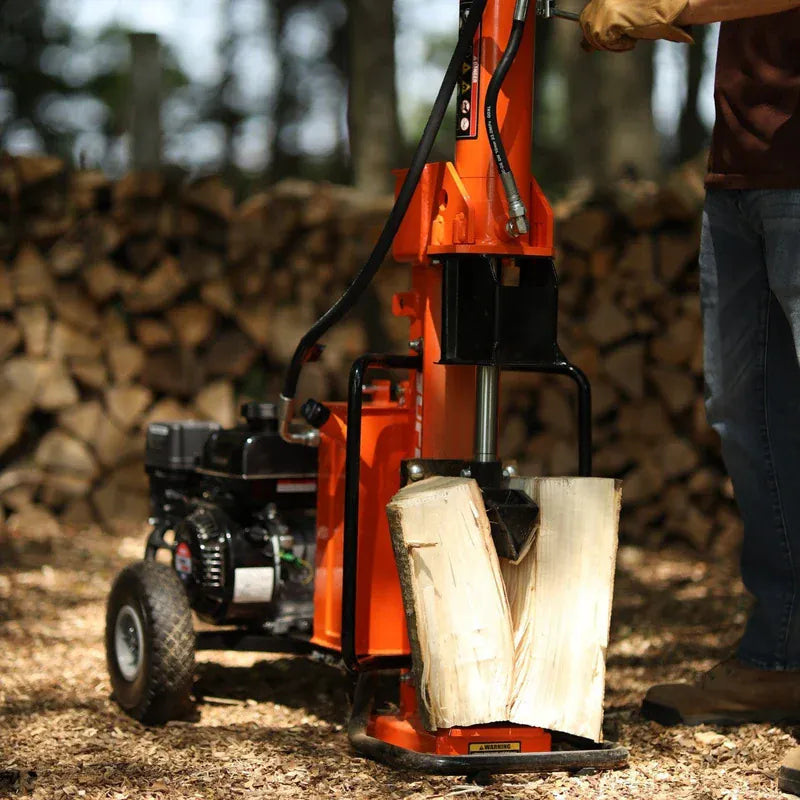
A high-tonnage Gas Log Splitter has the raw power needed to overcome this combination of density, knots, and hardened fibers, ensuring a clean and efficient split every time.
How to Calculate the Tonnage Needed for Your Wood Type
Choosing the right tonnage isn't a random guess; it's a calculation based on the wood you'll be splitting. As a general rule, the involved pressure in tons for a log splitter depends directly on the size, kind, and state of the wood that you split.
Here’s a basic guide to help you estimate your needs:
- For Softwoods (Pine, Fir, Spruce) up to 12 inches in diameter: 7-10 tons is often sufficient.
- For Small to Medium Hardwoods (Oak, Maple) up to 12 inches in diameter: You should be looking in the 15-20 ton range for reliable performance.
- For Large, Seasoned Hardwoods (Oak, Maple) from 12 to 24 inches in diameter: This is where heavy-duty power is essential. A 20 Ton Gas Log Splitter or even a 25-30 ton model is the ideal choice. Anything less will likely struggle with knotted or particularly dense rounds.
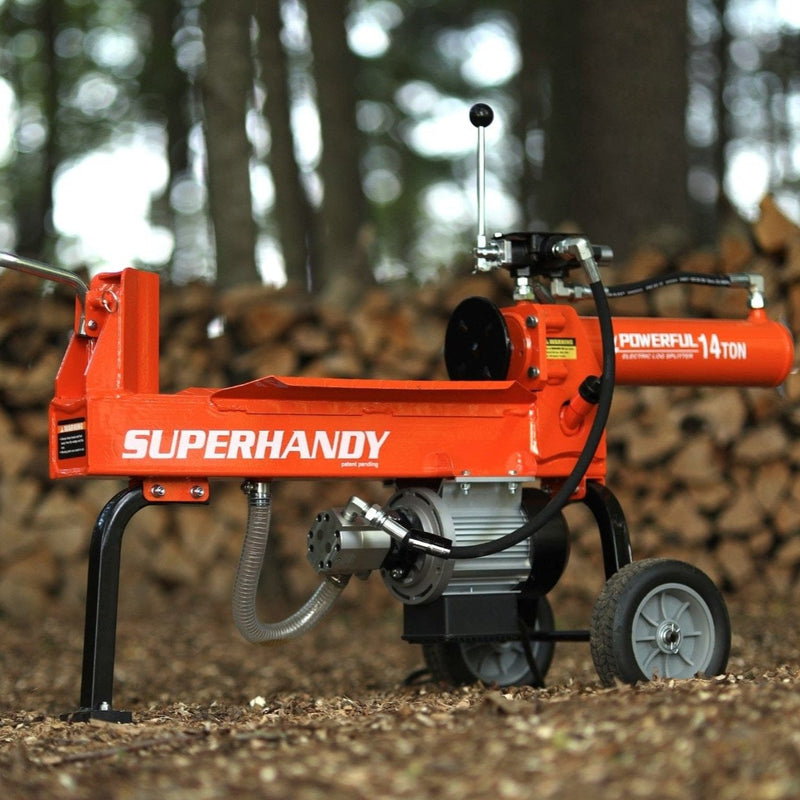
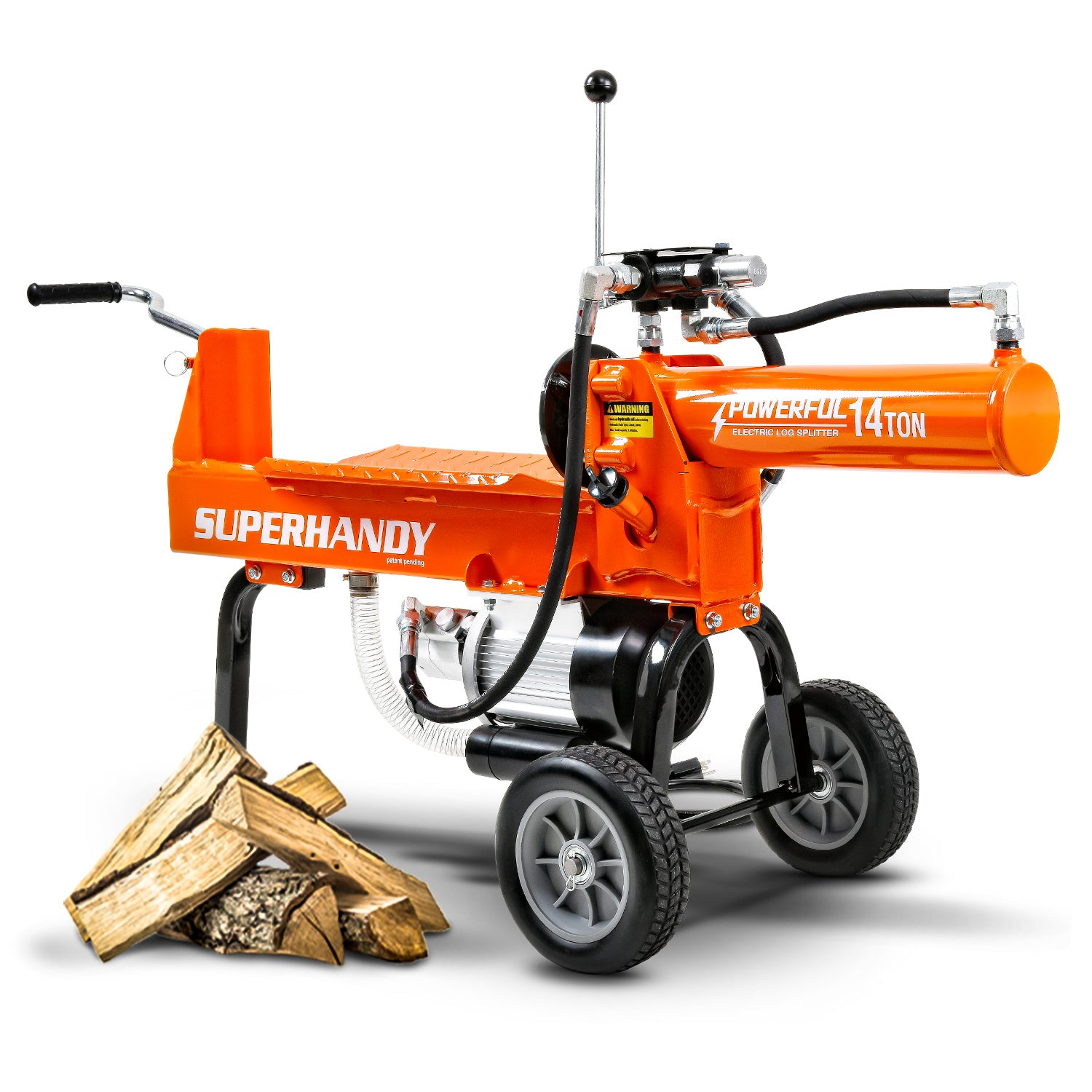
While a 14 Ton Electric Log Splitter is a fantastic, powerful option for many homeowners, tackling large volumes of dense oak demands the next level of power found in a gas model. Always err on the side of more tonnage—it’s better to have extra power you don't always need than to not have enough when you do.
Decoding Gas Log Splitter Specifications: Horsepower vs. Tonnage
When comparing Gas Log Splitters, you'll see two key power ratings: tonnage and engine horsepower (HP) or displacement (cc). It's important to understand how they work together.
- Tonnage is the splitting force. This is the "brute strength" that drives the wedge through the wood.
- Horsepower (HP) is the power of the engine. The engine's job is to run the hydraulic pump that creates the pressure for the ram.
Think of it like this: tonnage is how hard the machine can push, while horsepower determines how effectively it can power the system that does the pushing. A powerful engine can operate a larger hydraulic pump, which in turn generates high pressure (tonnage) and moves the ram more quickly (faster cycle time).
[IMAGE PLACEHOLDER]
A high-tonnage rating is useless if the engine is too weak to support it. An underpowered engine will bog down, struggle to build pressure, and lead to slow, frustrating performance. For splitting tough oak and maple, look for a splitter with a well-matched engine and hydraulic system—one where a robust, reliable engine provides consistent power to achieve and maintain that all-important maximum tonnage.
The Role of Cycle Time and Ram Speed in Efficient Splitting
While tonnage provides the raw force, cycle time determines how quickly you can process a woodpile. Cycle time is the total duration it takes for the splitting wedge (the ram) to travel forward and fully retract. A shorter cycle time means more logs split per hour. For someone tackling a large quantity of oak or maple, this is a critical measure of efficiency.
A typical Gas Log Splitter might have a cycle time between 10 and 20 seconds. This is influenced by two factors:
- Forward Ram Speed: How quickly the wedge moves to make contact and split the wood.
- Retraction Speed: How quickly the wedge returns to its starting position, ready for the next log.
Many high-quality splitters use a two-stage hydraulic pump. This clever design allows the ram to move quickly with low pressure until it meets resistance from the log. It then automatically switches to a slower speed with high pressure to apply the full tonnage. This combination provides both speed and power, making it a must-have for efficient splitting of dense hardwoods. A fast retraction speed is equally important, as it minimizes downtime between logs.
Gas Engine Considerations: Cubic Inches, Carburetion, and Reliability
The gas engine is the heart of your Log Splitter, powering the hydraulic pump that creates the immense splitting force. When evaluating a gas engine for splitting tough woods like oak, pay close attention to these three areas:
-
Cubic Inches (cc): Engine displacement, measured in cubic centimeters (cc), is a strong indicator of its power potential. A larger engine (e.g., 200cc or more) doesn't have to work as hard to operate the hydraulic system, leading to more consistent performance under load, better longevity, and the ability to maintain pressure when a knotty piece of maple puts up a fight.
-
Carburetion: A well-designed and properly tuned carburetor ensures the engine starts easily and runs smoothly. It delivers the optimal air-fuel mixture, which is crucial for both fuel efficiency and reliable power output. Poor carburetion can lead to frustrating starting issues, stalling, and inconsistent performance.
-
Reliability: Look for engines from reputable manufacturers known for durability. Features like a cast-iron cylinder sleeve, which withstands wear better than aluminum, and a low-oil shutdown sensor, which automatically stops the engine to prevent damage, are hallmarks of a reliable unit built for the long haul.

Horizontal vs. Vertical Splitters: Which Orientation Suits Dense Wood?
Log splitters primarily come in two orientations: horizontal and vertical. Many powerful gas models offer a convertible design that works in both positions.
-
Horizontal Splitters: This is the traditional design where you lift a log round onto the beam to be split. This is perfectly fine for smaller, lighter logs. However, lifting 100+ pound rounds of green oak or maple onto a waist-high beam repeatedly is exhausting and increases the risk of back injury. While a powerful machine like a 14 Ton Electric Log Splitter is great for manageable wood, its horizontal-only design can be a limitation with massive logs.
-
Vertical/Convertible Splitters: This design is the clear winner for large, dense wood. By pivoting the beam into a vertical position, you can simply roll a massive, unwieldy log onto the footplate at ground level. You never have to lift the full weight of the log. This makes processing large-diameter oak and maple significantly safer and less physically demanding. A heavy-duty model like a 20 Ton Gas Log Splitter that operates in both positions offers the ultimate versatility.
For anyone planning to split large-diameter hardwoods, a splitter with vertical capability is not just a convenience—it's a near necessity.
Key Features to Look For in a Heavy-Duty Log Splitter
Beyond the core specs of tonnage and engine size, several key features separate a good Gas Log Splitter from a great one, especially for heavy-duty work.
- Towable Design: Splitting wood is rarely done in a garage. Look for models with pneumatic tires, a 2-inch ball hitch coupler, and a sturdy axle, allowing you to easily tow the splitter around your property or to a different location.
- Automatic Ram Return: This feature automatically retracts the splitting wedge when you release the control handle, freeing up your hands to position the next log. It’s a major time-saver that significantly speeds up your workflow.
- Log Cradles or Tables: These simple additions are incredibly useful. They are metal trays or "wings" that catch the split pieces of wood, preventing them from falling to the ground. This saves you from constantly bending over to pick up the split logs.
- Durable Construction: Examine the build quality. A heavy-gauge, welded steel beam forms the backbone of the machine and must resist flexing under pressure. The splitting wedge itself should be made of hardened, sharpened steel to stay effective over time.
[IMAGE PLACEHOLDER]
Maintenance Essentials for Keeping Your Gas Splitter Running Strong
Investing in a powerful Gas Log Splitter is the first step; proper maintenance is the second. A well-maintained machine not only performs better and lasts longer but is also safer to operate. Keep your splitter in prime condition for tackling dense hardwoods with this essential checklist.
- Engine Care: The gas engine is the heart of your splitter. Regularly check the engine oil and change it according to the manufacturer's schedule—typically after the first 5 hours of use and then every 25-50 hours thereafter. Inspect and clean the air filter frequently, especially in dusty conditions, and replace the spark plug annually.
- Hydraulic System Health: The hydraulic system provides the immense force needed to split oak and maple. Before each use, check the hydraulic fluid level and top it off if necessary. Keep an eye out for any leaks in hoses or fittings, as these can reduce pressure and create a safety hazard. Most splitters also have a hydraulic filter that should be changed periodically.
- Splitting Mechanism: A dull wedge requires more force and puts unnecessary strain on the entire machine. Keep the splitting wedge sharp using a file or grinder. It doesn’t need to be razor-sharp, but it should have a clean, effective edge. Also, keep the beam clear of wood debris to ensure the ram can travel smoothly.
- General Inspection: Before firing up your splitter, do a quick walk-around. Check tire pressure, ensure all nuts and bolts are tight, and verify that all safety guards are in place.
Safety First: Operating Your Gas Log Splitter Responsibly
A Gas Log Splitter is an incredibly powerful tool that demands respect and responsible operation. The tonnage required for oak and maple can easily crush more than just wood. Always prioritize safety by following these fundamental guidelines.

- Wear Proper PPE: Never operate a log splitter without wearing Personal Protective Equipment. This includes shatter-proof safety glasses, heavy-duty work gloves, and steel-toed boots. Avoid loose-fitting clothing that could get caught in moving parts.
- Create a Safe Work Zone: Operate your splitter on level, stable ground. Keep the area clear of clutter, and establish a "no-go" zone of at least 10 feet around the machine for children, pets, and bystanders.
- Follow Correct Operating Procedure: Always use the manufacturer's recommended two-handed operation. This design ensures your hands are clear of the ram and wedge during the splitting cycle. Never attempt to split more than one log at a time, and always place logs securely on the beam.
- Inspect Your Wood: Before splitting a log, check it for nails, rocks, or other embedded foreign objects that could damage the machine or become dangerous projectiles.
- Shut Down Properly: When you are finished working or need to leave the machine unattended, always turn off the engine completely.
Comparing Top Gas Log Splitter Brands for Tough Jobs
When you’re processing cords of dense hardwood, brand reputation matters. While many names are on the market, the best brands distinguish themselves not just by power, but by reliability, design, and support. Instead of focusing on a single name, look for companies that exhibit these key traits.
A top-tier brand provides a robust warranty and has a proven track record of customer service and parts availability. When you're splitting tough oak, you need a machine built with high-quality steel and reliable components, from the engine to the hydraulic pump. Look for brands that offer a clear and comprehensive owner's manual and have accessible support for troubleshooting.
For example, a quality brand will offer a range of options tailored to different needs. For serious residential use with hardwoods, a model like a 20 Ton Gas Log Splitter provides an excellent balance of power, speed, and durability. The best brands stand behind their entire Log Splitter lineup, ensuring you can find a machine that’s built to last.
Real-World User Experiences: Tonnage Success with Oak and Maple
Theory and specifications are important, but real-world results tell the full story. Here’s what users often discover when splitting dense hardwoods.
The "I Should Have Gone Bigger" Story: John decided to process a large, recently felled red oak. He rented a 15-ton splitter, figuring it would be enough. While it handled the straight-grained, smaller rounds without issue, it repeatedly stalled on the larger, knotty pieces. He spent hours re-positioning logs and fighting the machine, turning a weekend job into a week-long struggle. He eventually borrowed a friend's 25-ton splitter, which powered through the same stubborn logs in a single pass. His takeaway: for knotty, dense oak, under-buying on tonnage costs more in time and frustration than the initial savings.
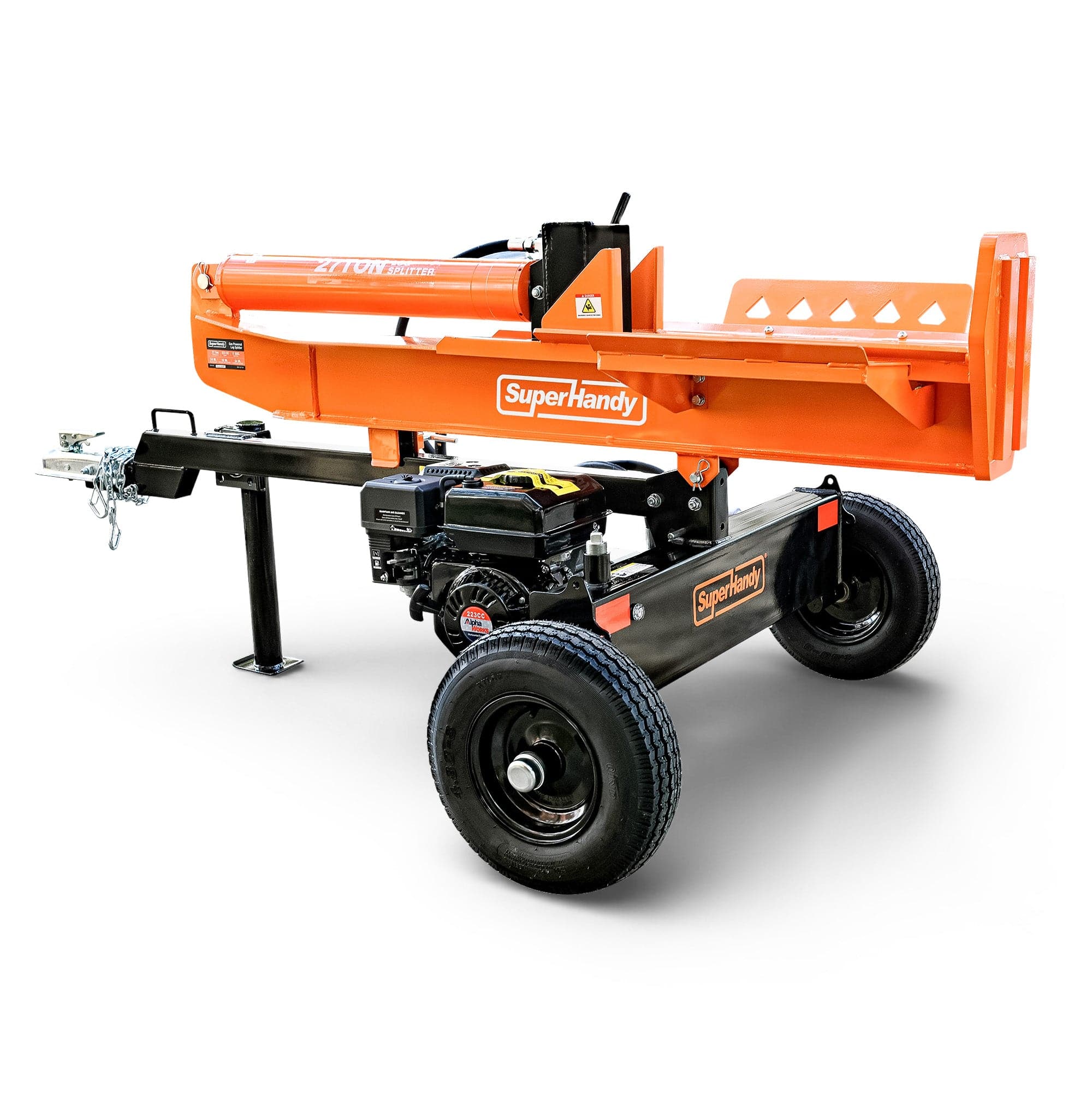
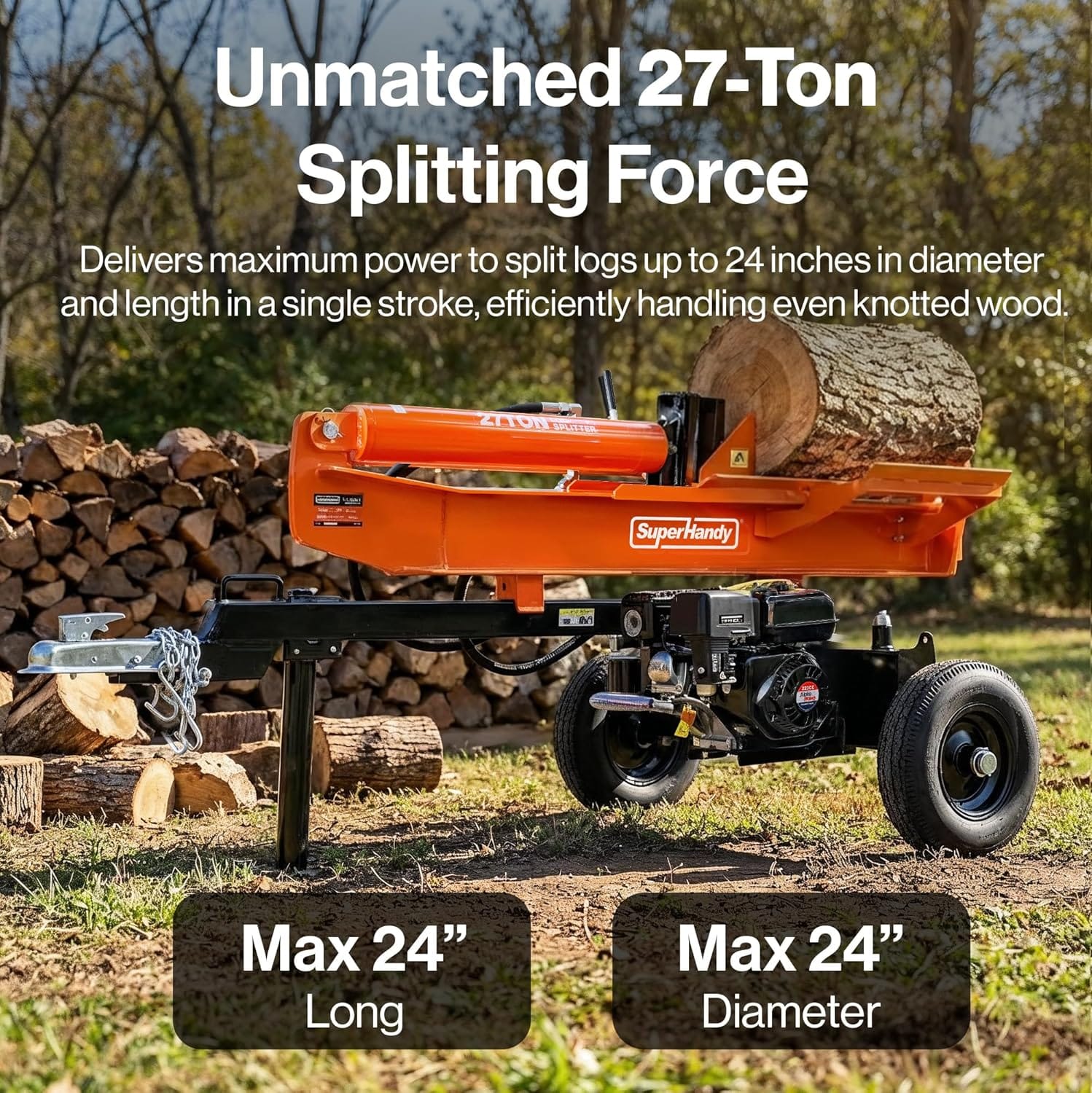
The "Right Tool for the Job" Story: Maria heats her home with a wood stove and processes several cords of seasoned maple and ash each fall. Having split wood by hand for years, she knew the power needed. She invested in a 27-ton Gas Log Splitter from the start. The machine operates smoothly, rarely slowing down even on forked pieces of maple. The fast cycle time and overwhelming power allow her to process an entire cord in just a few hours, saving her back and giving her more time for other autumn chores. Her experience confirms that matching the tonnage to the toughest wood you'll split is the key to efficiency and satisfaction.
Frequently Asked Questions About Choosing a Gas Log Splitter
Can I get by with a lower-tonnage splitter if my oak and maple are well-seasoned?
While seasoned (dried) hardwood is significantly easier to split than green wood, dense species like oak and maple retain much of their challenging, interlocking grain structure even when dry. A lower-tonnage splitter might handle straight-grained pieces but will likely struggle or fail when it encounters knots, crotches, or particularly fibrous sections. It's always better to choose a Gas Log Splitter with tonnage rated for green hardwood; this ensures you have more than enough power for any situation, preventing stalls and excessive strain on the machine. Think of it as an investment in efficiency and the longevity of your equipment.
Is a gas log splitter always better than electric for tough woods?
For the specific task of splitting dense hardwoods like oak and maple, a Gas Log Splitter is almost always the superior choice. Gas engines provide the raw power needed to generate high tonnage (20 tons and up) consistently and are not tethered to an electrical outlet. This makes them ideal for working on larger properties or processing wood far from the house. While capable electric models like a 14 Ton Electric Log Splitter are excellent for softer woods or smaller jobs near a power source, they typically can't match the brute force and go-anywhere convenience of a gas-powered unit designed for heavy-duty tasks.
How do I know if I'm choosing a model with "too much" tonnage?
There isn't a functional downside to "too much" tonnage—a 30-ton splitter will handle wood a 20-ton can, just with less effort from the machine. However, there is a point of diminishing returns for your budget and practical needs. For most homeowners, even those tackling large rounds of oak, a machine in the 20-25 ton range is the sweet spot. A powerful unit like a 20 Ton Gas Log Splitter provides ample force for difficult logs without the cost, weight, and footprint of a massive commercial-grade machine. The goal is to match the tonnage to the toughest wood you'll realistically encounter, giving yourself a healthy margin of power.
What is the difference between a full beam and a half beam log splitter?
The beam is the main structural backbone of the Log Splitter. A full beam design features a heavy, continuous I-beam that the ram and wedge assembly travel along. This construction is incredibly strong and rigid, making it the preferred choice for heavy-duty gas splitters that must endure the immense stress of splitting hardwoods repeatedly. Half beam splitters have a shorter beam and often use the hydraulic cylinder's housing as part of the structure. While they can be more compact, they may not offer the same level of long-term durability under the constant, high-tonnage pressure required for oak and maple.
Does the diameter of the log matter more than the wood type?
Both are critically important, and they work together to determine the force you need. A large-diameter log of a soft wood like pine might split with less tonnage than a smaller-diameter log of dense, stringy oak. The combination of diameter, wood hardness, and whether the wood is green, seasoned, or knotty dictates the required power. For oak and maple, you must consider both factors. A 24-inch diameter oak round requires significantly more power than a 24-inch poplar round, and the presence of knots in that oak will demand even more force.
Can I split vertically with any gas log splitter?
No, this valuable feature is specific to convertible or "horizontal/vertical" models. A horizontal-only log splitter requires you to lift every round onto the beam. For the heavy, large-diameter oak and maple rounds you'll be splitting, this can be back-breaking and dangerous work. A convertible model allows you to easily pivot the beam into a vertical position. You can then roll the heavy round into place against the footplate and split it on the ground, saving immense physical effort and reducing the risk of injury. This is a highly recommended feature for anyone processing large hardwood logs.
Related Products

Leave a comment
All comments are moderated before being published.
This site is protected by hCaptcha and the hCaptcha Privacy Policy and Terms of Service apply.