













Why a Compact Gas Log Splitter is Ideal for Tiny Homes
For the tiny home dweller, a compact gas log splitter offers the perfect trifecta of power, portability, and off-grid freedom. Unlike their bulkier counterparts, these machines are designed with a smaller footprint, making them easier to maneuver and store.
- Unyielding Power: Gas engines deliver significantly more splitting force (tonnage) than most electric models. This means you can effortlessly bust through tough, knotty, or unseasoned hardwood that would stop a lesser machine in its tracks.
- True Portability: The biggest advantage is freedom from the grid. You can take your splitter right to your wood pile, whether it’s at the edge of your property or a friend’s land. There are no extension cords to wrangle or outlets to find, making it the ultimate tool for remote and off-grid tiny homes.
- Maximized Efficiency: A gas splitter transforms a multi-day, back-breaking job into a few hours of productive work. This frees up your time to focus on other aspects of your homestead or simply enjoy the cozy, minimalist life you’ve built.
Understanding Your Firewood Needs for Minimalist Living
Before you can split wood, you need to know how much you’ll require. A tiny home obviously needs less firewood than a traditional 2,000-square-foot house, but you might need more than you think. Your annual need will depend on your climate, the R-value of your home’s insulation, and the efficiency of your wood stove. A well-insulated, 250-square-foot tiny home in a moderate climate might only need one to two cords of wood for the winter.
As more people embrace self-sufficient lifestyles, heating with firewood is seeing a significant resurgence. This renewed interest, as noted by forestry programs like the one at Cornell University's Small Farms Program, underscores the importance of sustainable harvesting to meet the growing demand for quality hardwood. By processing your own wood, you have greater control over its source, ensuring you’re heating your home responsibly.
Key Features to Look for in a Tiny Home-Friendly Gas Log Splitter
Not all gas splitters are created equal, especially when space is a premium. Look for models specifically designed for convenience and compact power.
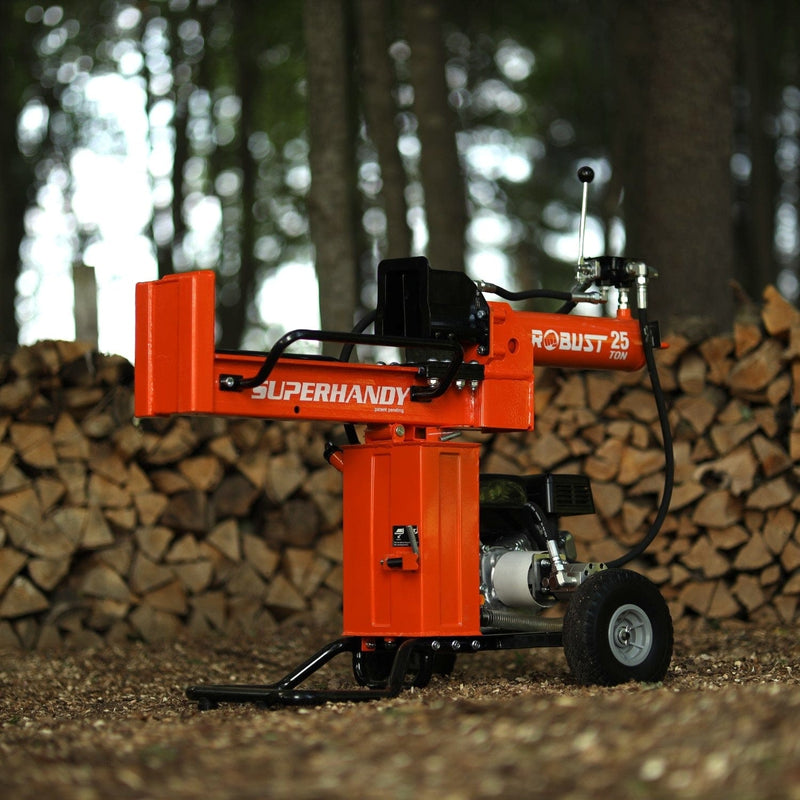
- Compact Footprint & Storage: Prioritize models that can be stored vertically to save precious floor space in a shed or garage. A smaller overall frame and a manageable weight are critical.
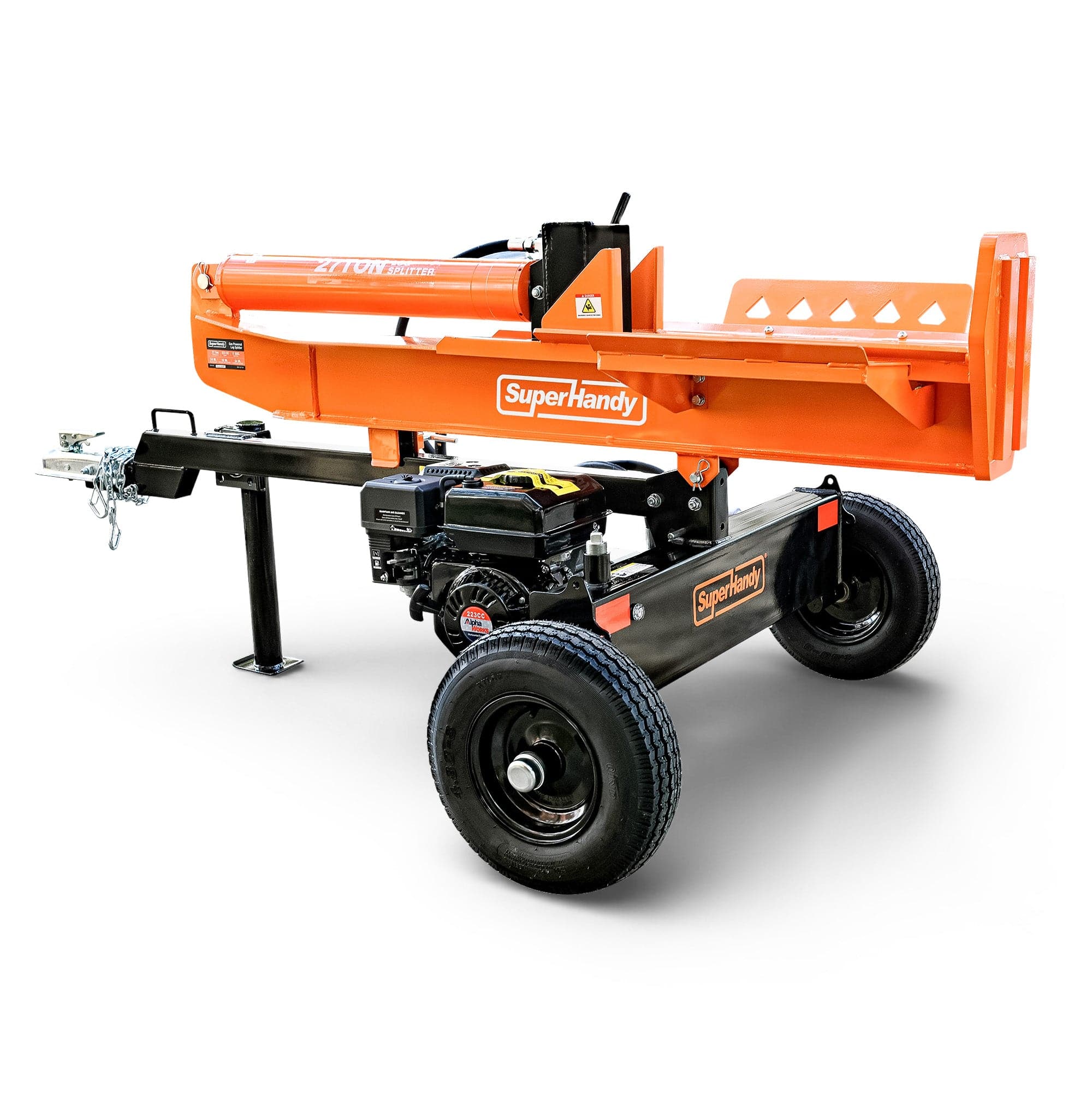
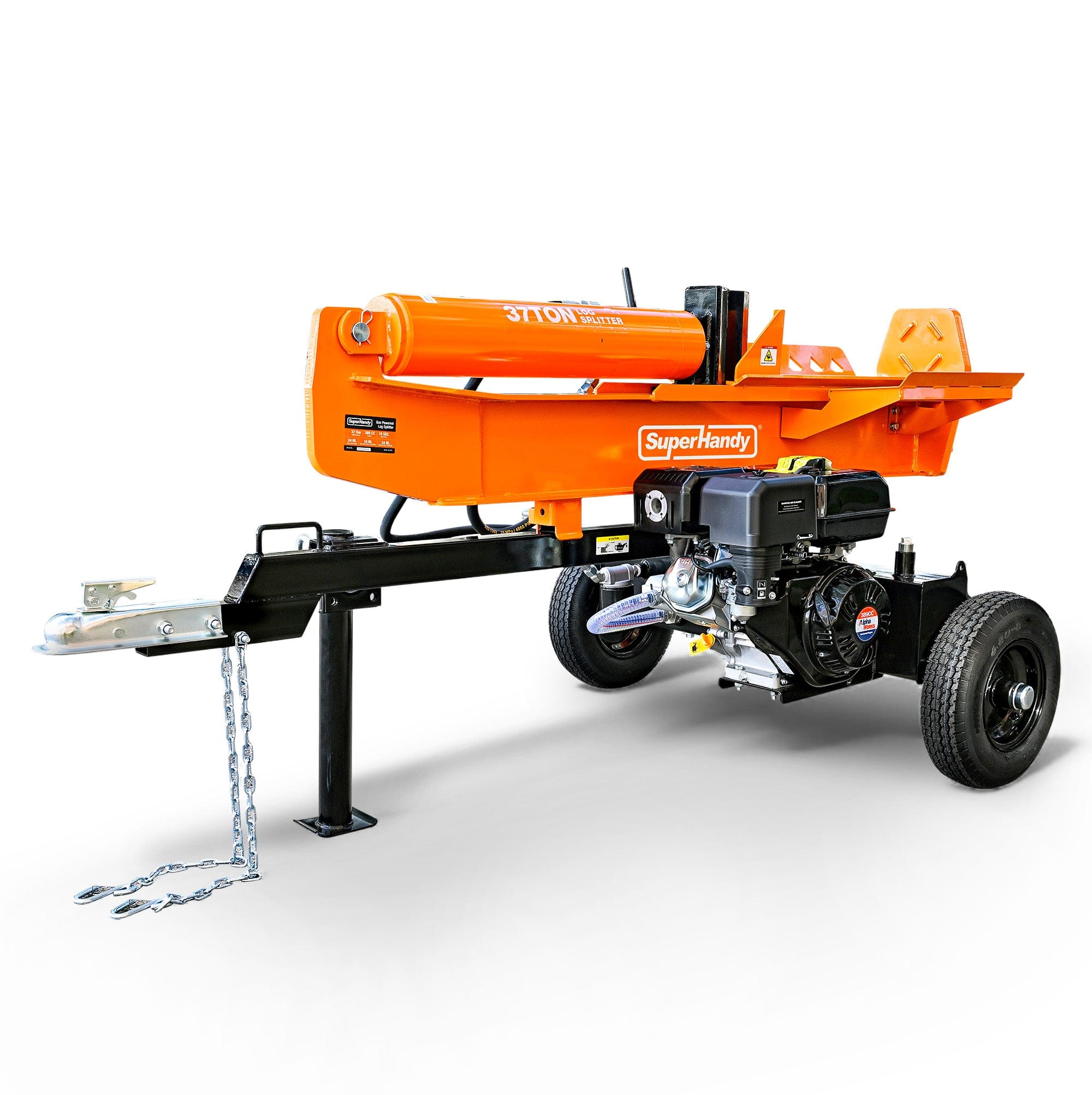
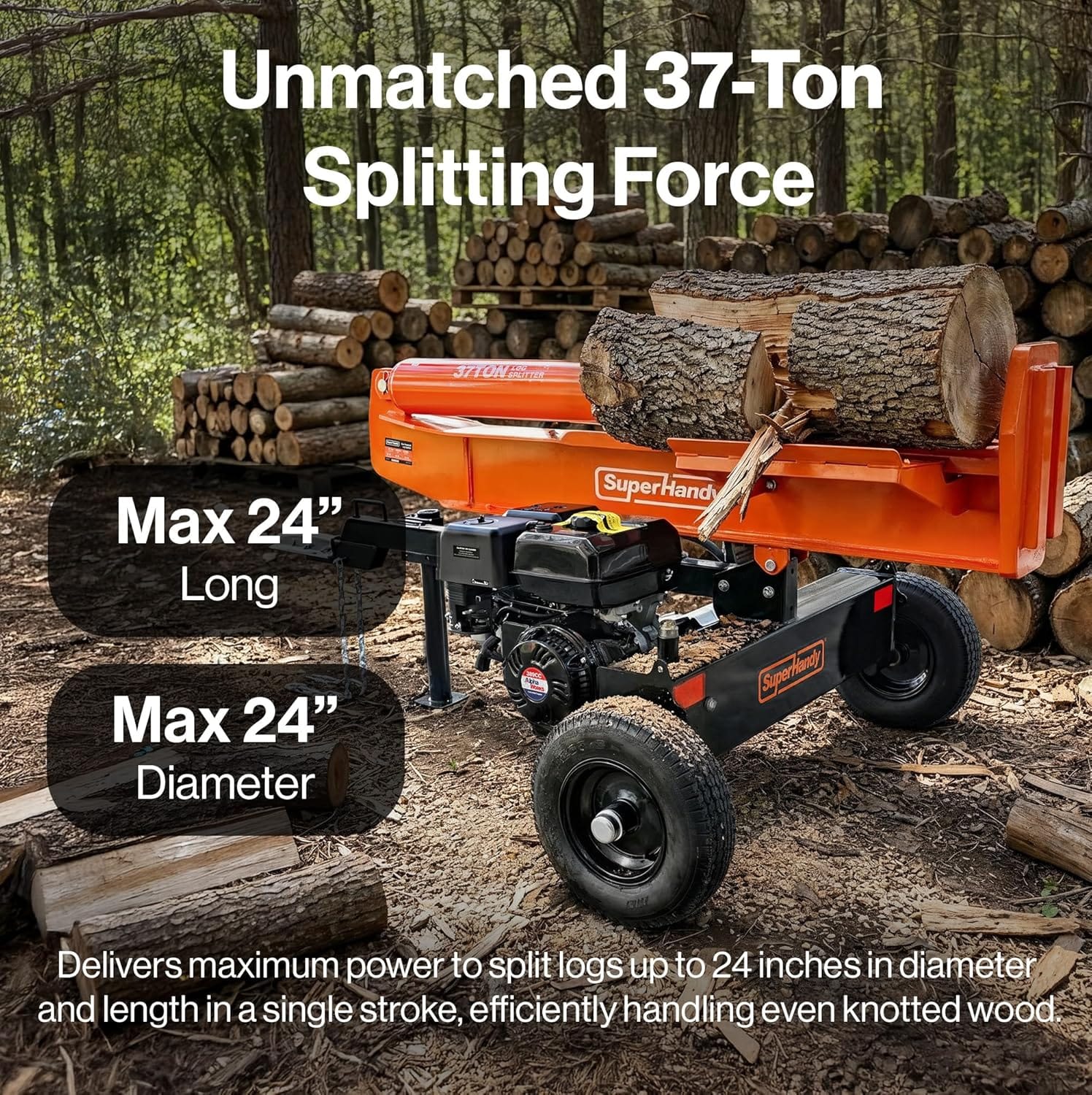
- Appropriate Tonnage: Tonnage is the measure of splitting force. While massive 37-ton splitters exist, they are overkill for most tiny home needs. A compact 25 Ton Gas Log Splitter provides ample power for difficult logs without the excessive bulk.
- Portability Features: Look for large, sturdy wheels that can handle uneven terrain and a well-balanced design that makes it easy to move by hand. Some models may even be towable at low speeds around your property.
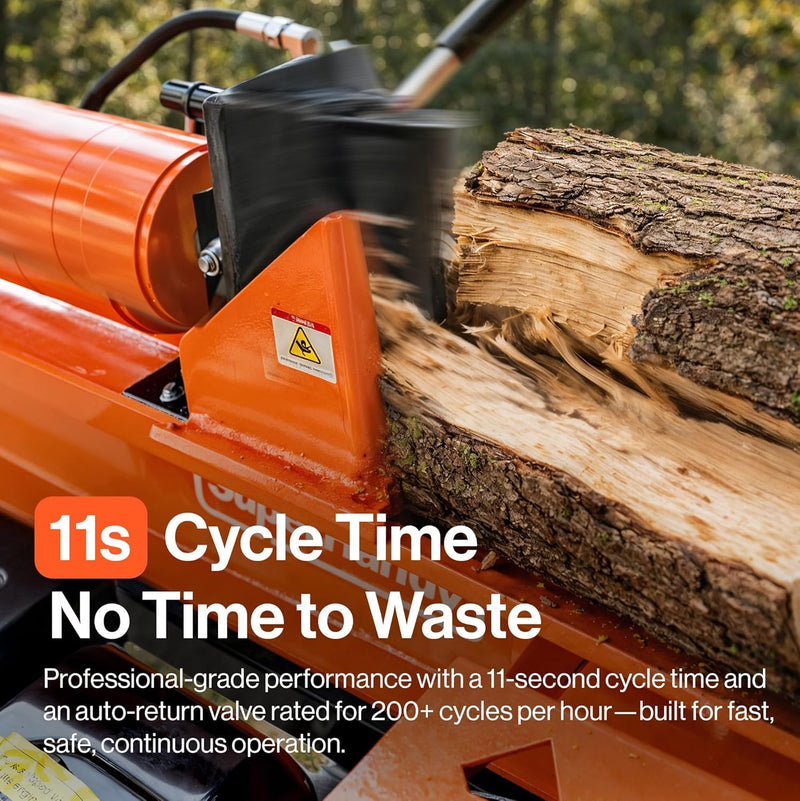
- Fast Cycle Time: This is the time it takes for the ram to split a log and return to its starting position. A cycle time of 15 seconds or less will dramatically increase your productivity.
Gas vs. Electric Log Splitters: Which is Right for Your Tiny Home?
The choice between a gas and an electric Log Splitter comes down to your specific location and power needs.
Gas Log Splitters:
- Pros: Unmatched power, complete portability (no cord), ideal for hardwoods and off-grid living.
- Cons: Louder operation, produce exhaust fumes (must be used outdoors), and require more engine maintenance (gas, oil changes).
Electric Log Splitters:
- Pros: Much quieter, produce no emissions (can be used in a garage or barn), and require very little maintenance.
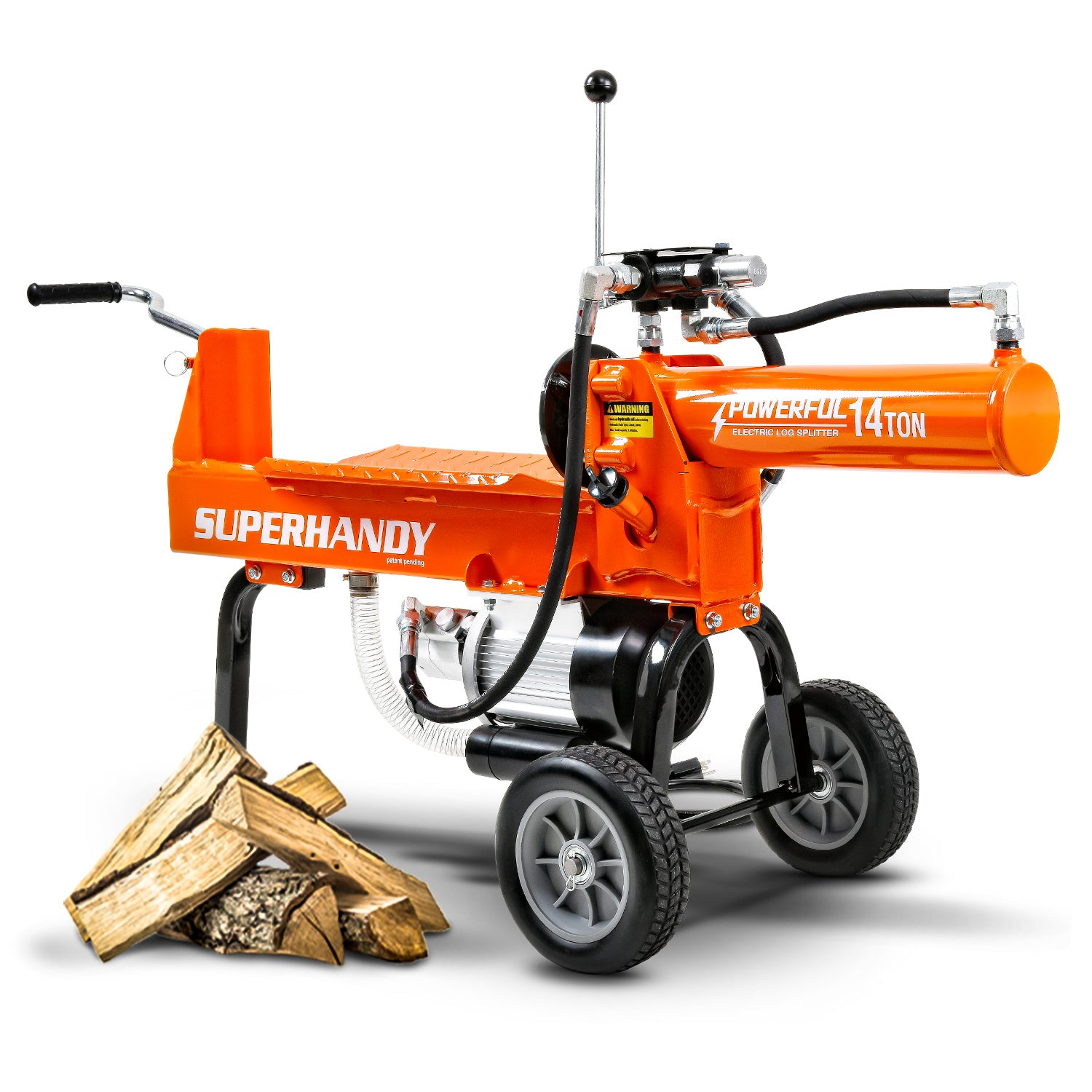
- Cons: Less powerful, tethered to an electrical outlet (or a large generator), and may struggle with larger or denser logs. A powerful model like a 14 Ton Electric Log Splitter can be a great option if you have reliable power.
For the quintessential tiny home owner—especially one living off-grid or processing their own varied hardwood—the compact gas log splitter is the clear winner. Its combination of raw power and untethered freedom aligns perfectly with the core principles of self-reliance and efficiency.
Top Compact Gas Log Splitter Models for Small Spaces
When your living space is measured in square feet, every tool needs to justify its footprint. A compact gas log splitter strikes the perfect balance between robust power and a manageable size. Unlike massive commercial units, these models are designed for portability and easier storage, making them ideal for the tiny home homesteader.
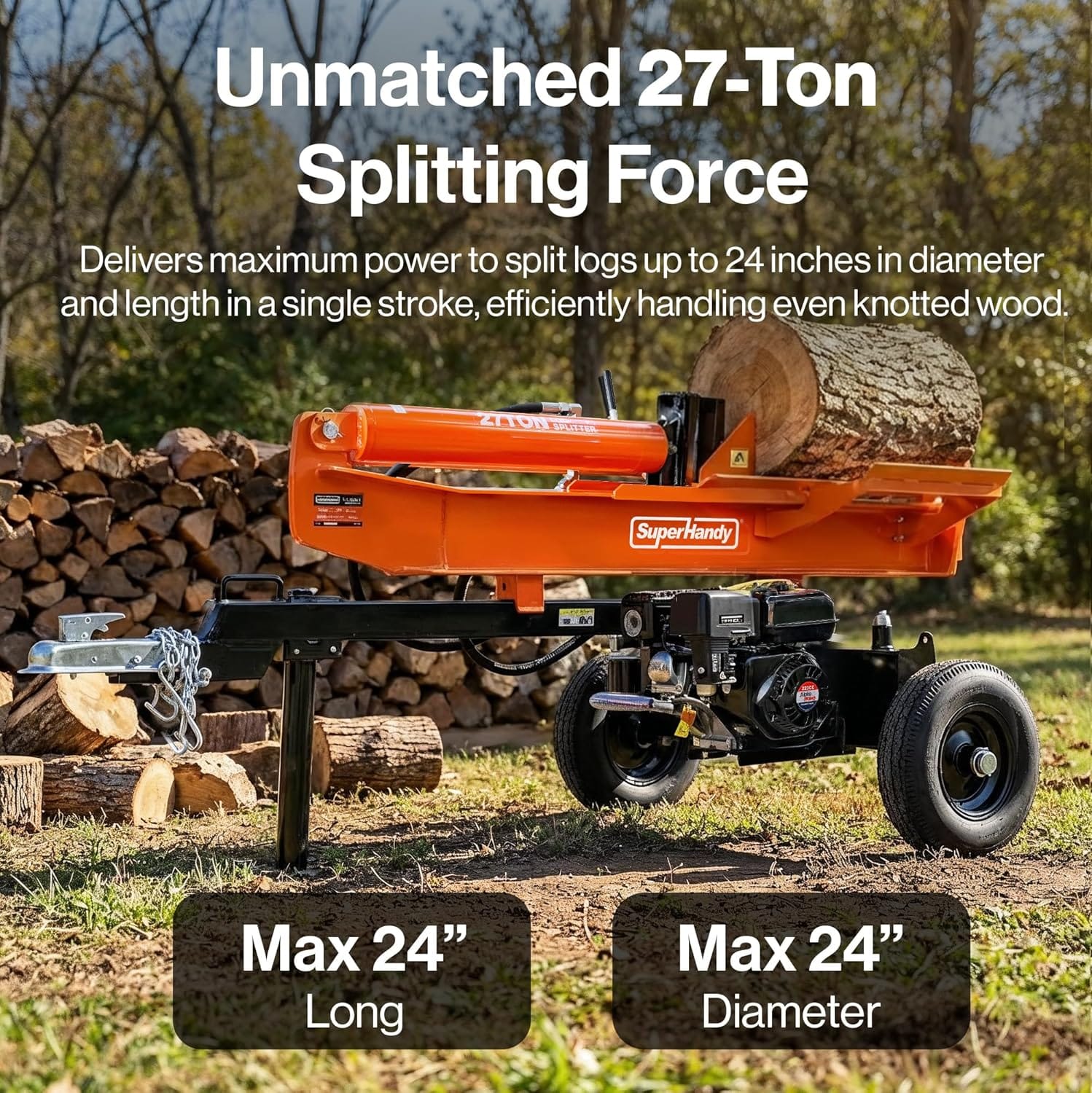
Look for models in the 7-ton to 25-ton range. The tonnage you need depends on the type of wood you’ll be splitting—lower tonnage works for softer woods like pine, while hardwoods like oak and maple require more force. For example, a powerful unit like the 25 Ton Gas Log Splitter can handle nearly any wood you throw at it while remaining portable enough to tow by hand around your property.
Key features for tiny living include a compact vertical storage profile, durable wheels for easy maneuvering, and a tow-hitch for repositioning with a small vehicle. While gas models offer unparalleled freedom from cords, it's worth noting that for those with reliable outdoor power, an electric model like the 14 Ton Electric Log Splitter can also be a viable, quieter alternative. Ultimately, exploring a full range of Log Splitter options will help you find the perfect fit for your specific needs.
Setting Up Your Gas Log Splitter: Safety First for Tiny Home Dwellers
Operating powerful machinery near your small-footprint home requires a strict commitment to safety. Proper setup is the first and most critical step in preventing accidents. Before you even pull the start cord, follow this checklist.
- Find a Safe Zone: Choose a location that is flat, level, and clear of debris. Position the splitter at least 15-20 feet away from your tiny home, any outbuildings, or flammable materials. This creates a safe buffer from both the machine and flying wood chips.
- Ensure Proper Ventilation: A gas engine produces carbon monoxide. Never operate a gas log splitter in a garage, shed, or any enclosed area. Keep it far from your home’s windows, doors, and air intake vents to prevent dangerous fumes from entering your living space.
- Conduct a Pre-Operation Inspection: Always check the engine oil and fuel levels before starting. Give the machine a quick once-over, looking for loose bolts, damaged hydraulic hoses, or low tire pressure. Ensure all safety guards are securely in place.
- Wear Your Personal Protective Equipment (PPE): Non-negotiable gear includes safety glasses to protect from wood shards, heavy-duty gloves to prevent splinters, and sturdy, closed-toe boots (preferably steel-toed) to guard against falling logs.
Efficient Splitting Techniques for Small-Scale Firewood Needs
For a tiny home, you’re not clear-cutting a forest; you’re processing a modest, sustainable supply of wood. Efficiency is about working smarter, not harder.
- Batch Your Work: Instead of splitting one log at a time as needed, dedicate a session to processing a larger batch. This conserves fuel and streamlines your workflow. Cut all your rounds to the appropriate length for your wood stove first.
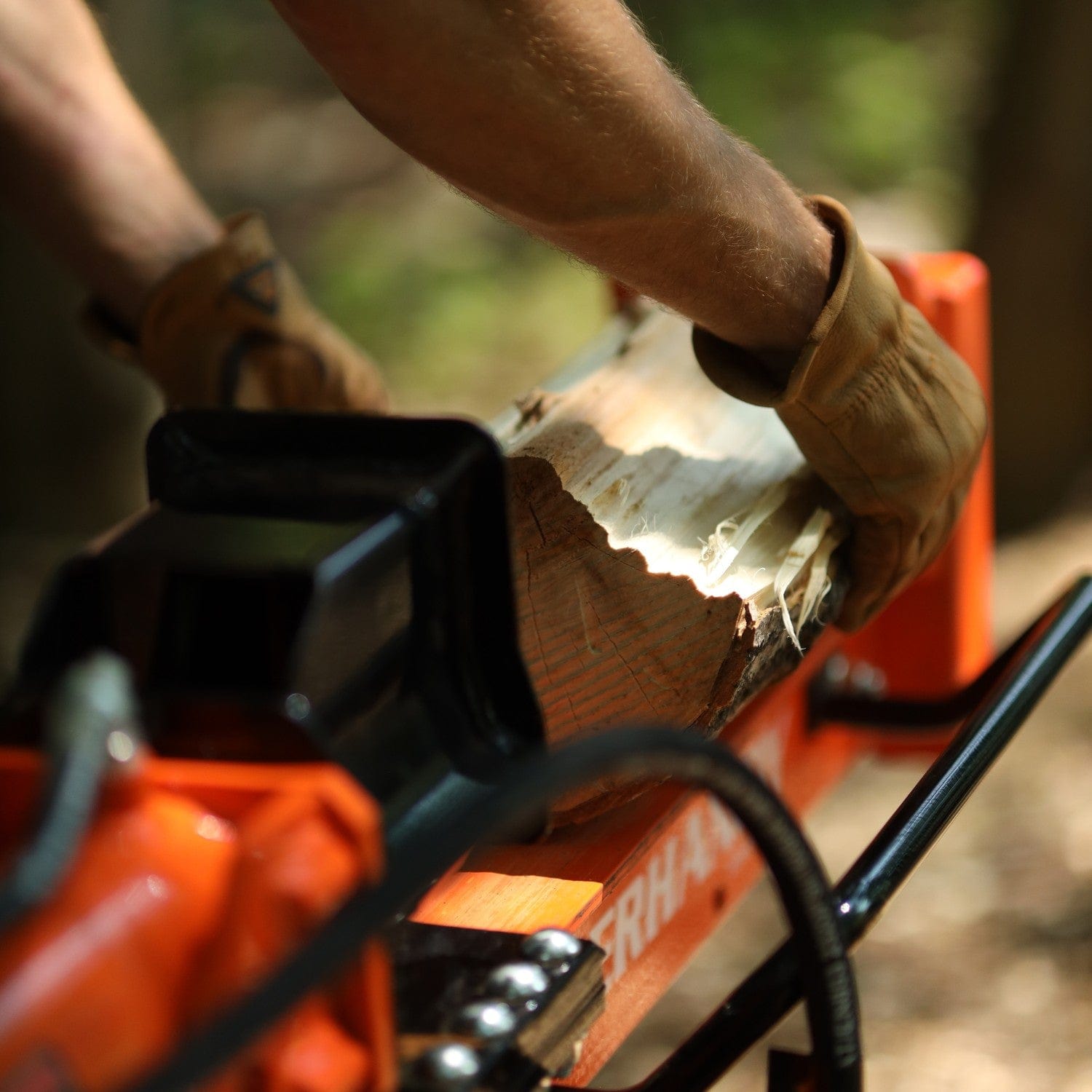
- Position Logs Correctly: Place the round securely on the splitter’s footplate. Ensure it’s stable and centered. Always split with the grain of the wood. If you see existing cracks, align the wedge with them for an easier split.
- Create a Flow: Position your unsplit rounds on one side of the splitter and create a designated "toss pile" on the other. As you split each piece, simply toss it onto the pile. This minimizes bending and handling, making the process faster and less strenuous.
- Tackle Tough Wood Strategically: For knotty or irregular logs, you may need to reposition the wood and try splitting from a different angle. Sometimes, splitting from the wider end of the round is more effective.
Maintaining Your Compact Gas Log Splitter for Longevity
A compact gas log splitter is a significant investment, and proper maintenance is key to ensuring it provides reliable service for years to come. Given the limited storage options in a tiny home environment, protecting your machine from the elements is especially important.
- Post-Use Cleanup: After each splitting session, wipe down the beam, wedge, and engine to remove sawdust, sap, and debris. This prevents rust and keeps moving parts clear.
- Engine Care: Follow the manufacturer's recommendations for routine engine maintenance. This typically includes regular oil changes, cleaning the air filter, and inspecting or replacing the spark plug annually.
- Hydraulic System Health: Periodically check the hydraulic fluid level and top it off as needed with the recommended fluid type. Regularly inspect all hoses and fittings for signs of leaks or wear.
- Keep the Wedge Sharp: A dull wedge crushes wood rather than splitting it, which puts unnecessary strain on the engine and hydraulic system. Sharpen the wedge with a file as needed to maintain a clean, efficient cutting edge.
- Proper Off-Season Storage: Before storing the splitter for an extended period, either drain the fuel tank or add a fuel stabilizer to prevent the gasoline from degrading. Cover the machine with a waterproof tarp and store it in a dry, protected location to shield it from rain and sun.
Storing Your Log Splitter Safely in a Tiny Home Environment
Space is the ultimate luxury in a tiny home, and every square foot counts. Storing a piece of equipment like a Gas Log Splitter requires some planning. Because you'll be storing it outdoors, your primary goals are to protect it from the elements, prevent fuel-related issues, and keep it secure.
- Find a Designated Spot: The ideal storage location is a dry, covered area like a small lean-to, a dedicated utility shed, or even a sturdy, waterproof tarp securely fastened over the machine. Avoid leaving your splitter completely exposed to rain and snow, which can lead to rust and engine problems.
- Prepare for Storage: If you won't be using the splitter for more than a month, it's crucial to prepare the engine. Either drain the fuel tank and carburetor completely or add a quality fuel stabilizer. Old fuel can gum up the carburetor, leading to frustrating starting issues next season.
- Clean and Cover: Before tucking it away, give your Log Splitter a good cleaning. Remove wood debris, dirt, and any hydraulic fluid drips. A clean machine is easier to inspect for maintenance needs later. Once clean and dry, cover it to keep dust and moisture out.
- Secure Your Investment: Position the splitter in a spot that is not easily visible from the road. For added security, you can run a heavy-duty chain through the frame and lock it to a fixed object.
A compact gas log splitter neatly stored under a small, custom-built lean-to next to a tiny home, covered with a heavy-duty tarp.
Troubleshooting Common Issues with Compact Gas Log Splitters
Even the most reliable equipment can have an off day. Fortunately, most common log splitter issues are easy to diagnose and fix yourself.
-
Engine Won't Start: This is the most frequent complaint. Before you panic, run through the simple checklist:
- Fuel: Is there fresh, clean gasoline in the tank?
- Choke: Is the choke in the correct position for a cold or warm start?
- Spark Plug: Is the spark plug wire securely connected? The plug itself may need cleaning or replacing.
- On/Off Switch: It sounds silly, but make sure the engine switch is in the "On" position.
- Ram Moves Slowly or Not at All: If the engine is running but the splitting wedge isn't moving with force, the problem is likely hydraulic. Check the hydraulic fluid level first; it may be low. Also, inspect all hoses and connections for leaks. A loose cap or a small crack in a hose can cause a loss of pressure.
- Log Gets Stuck on the Wedge: This often happens with green or particularly knotty wood. Most splitters have a design that allows the ram to retract, freeing the log. Never try to force it by hand while the machine is running. If it's truly stuck, turn off the engine completely before attempting to safely dislodge the log with a sledgehammer and another wedge.
The Environmental Impact: Using Sustainable Firewood with Your Splitter
Part of the appeal of tiny living is a reduced environmental footprint. Processing your own firewood with a splitter fits perfectly into this ethos, as it gives you direct control over your fuel source. A Gas Log Splitter is a powerful tool, but its environmental impact is largely determined by the wood you feed it.
To keep your heating sustainable, focus on sourcing wood responsibly. This means avoiding wood from clear-cut forests. Instead, look for:
- Local Deadfall: Use wood from trees on your own property or a neighbor's that have fallen naturally.
- Arborist Wood: Connect with local tree-trimming services. They often have to pay to dispose of hardwood logs and may be happy to give them to you for free or a small fee.
- Storm Cleanup: After a major storm, there is often an abundance of downed trees that need to be cleared.
By using these sources, you are diverting wood from the waste stream and turning it into a valuable heating resource. While a gas engine has emissions, its use is brief compared to the long-term benefit of heating your home with carbon-neutral, sustainably sourced wood. For those with access to reliable power, a powerful 14 Ton Electric Log Splitter is another excellent option for eco-conscious processing.
Cost-Benefit Analysis: Is a Compact Gas Log Splitter Worth the Investment?
A compact gas log splitter is a significant purchase, so it's fair to ask: is it worth the money for a tiny home? The answer lies in comparing the upfront cost to the long-term savings and convenience.
Let's break it down. The price of pre-split, delivered firewood can range from $150 to over $400 per cord, depending on your location and the type of wood. A tiny home might only require 1-3 cords per winter, but this cost adds up quickly year after year.
Now, consider the cost of sourcing your own wood. Often, you can get logs for free or a very low price. Your main expenses become the fuel and maintenance for your splitter and chainsaw. The initial investment in a quality machine like a 25 Ton Gas Log Splitter might be recouped in just a few seasons of not buying pre-split cords.
While your goal isn't to run a business, commercial operations demonstrate the value inherent in split wood. A sample analysis from the University of Maryland Extension shows that a firewood business can achieve a profit of nearly $50 per cord after all costs, including labor and equipment depreciation, are factored in. For a tiny home owner, that "profit" translates directly into savings in your pocket. Beyond the money, you gain self-sufficiency and the security of knowing you have a ready supply of fuel for the winter, processed on your own schedule.
Frequently Asked Questions
How much firewood do I realistically need for a tiny home?
This is one of the most common questions for new tiny home dwellers, and the answer is: it depends. Several key factors influence your firewood consumption, and understanding them will help you prepare adequately for the cold season.
- Climate and Winter Severity: Your geographic location is the biggest variable. A tiny home in a mild Pacific Northwest winter might only need one cord of wood, while a home in the Northeast or Midwest could easily require two to three cords to stay comfortable.
- Insulation Quality: The R-value of your walls, ceiling, and floor plays a massive role. A well-insulated tiny home will retain heat far more effectively, significantly reducing the amount of wood you need to burn.
- Primary vs. Secondary Heat Source: Is your wood stove the sole source of heat, or is it supplemented by a propane heater or electric system? If it's your primary heat, you'll naturally need more wood.
- Home Size and Layout: A 150-square-foot home will require less fuel than a 400-square-foot model. Open layouts are also easier to heat with a single stove than compartmentalized designs.
- Personal Preference: Do you like to keep your space toasty warm at 72°F (22°C), or are you comfortable with a cooler 65°F (18°C) while wearing a sweater?
As a general rule of thumb, most tiny homes will use between 1 and 3 cords of wood for a full heating season. A standard cord of wood is a stacked pile measuring 4 feet high, 4 feet deep, and 8 feet long. Processing even one full cord of wood by hand is a monumental task. This is where investing in a quality Log Splitter becomes a game-changer for minimalist living, saving you time, energy, and significant physical strain. For on-grid tiny homes with smaller needs, a model like the 14 Ton Electric Log Splitter can be a great, low-maintenance option.
What are the safety considerations when operating a log splitter near a tiny home?
Safety is paramount when operating powerful machinery, especially when your home and property are in close proximity. A gas log splitter is an incredible tool, but it demands respect and careful operation.
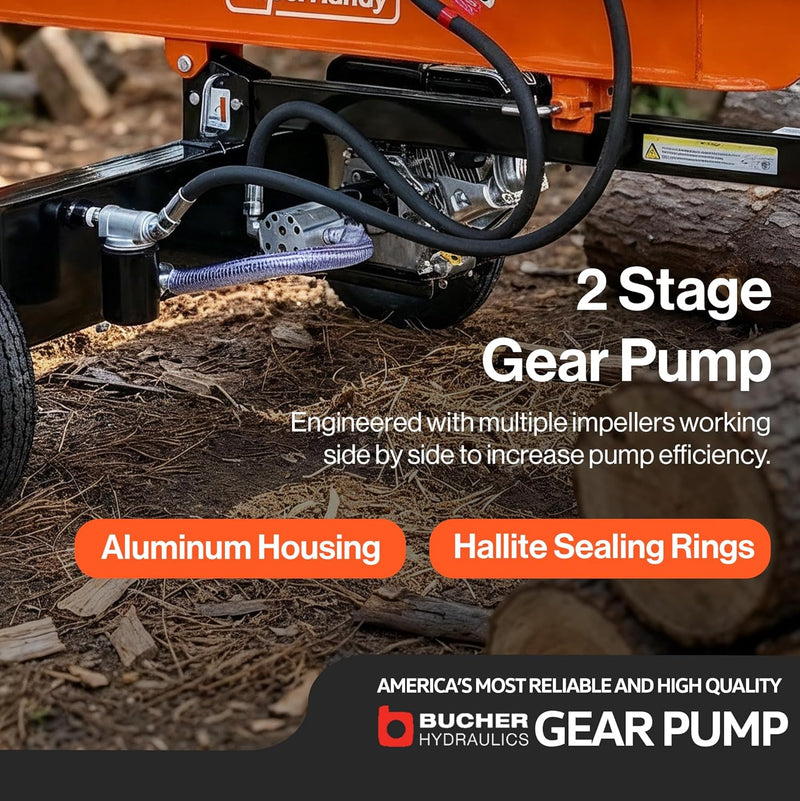
1. Establish a Safe Operating Zone: Never operate a gas log splitter indoors, in a garage, or directly next to your tiny home. Gas engines produce carbon monoxide (CO), a colorless, odorless, and deadly gas. Set up your splitter on a flat, stable surface at least 20-30 feet away from any doors, windows, or air intakes to prevent exhaust from entering your living space. This distance also provides a buffer from noise and potential flying wood debris.
2. Wear Appropriate Personal Protective Equipment (PPE): This is non-negotiable. Before you start the engine, make sure you are wearing:
- Safety Glasses or Goggles: To protect your eyes from wood chips and debris.
- Heavy-Duty Gloves: To protect your hands from splinters and pinching.
- Hearing Protection: Gas engines are loud; protect your hearing with earplugs or earmuffs.
- Steel-Toed Boots: To protect your feet from falling logs or equipment.
- Close-Fitting Clothing: Avoid loose clothes, jewelry, or anything that could get caught in the machinery.
3. Follow Proper Operating Procedures: Always read and understand the owner's manual for your specific model, whether it's a compact unit or a powerful 25 Ton Gas Log Splitter.
- One Operator Only: Log splitters are designed for a single operator. Never have a second person loading or catching wood while another operates the controls.
- Clear the Area: Ensure children, pets, and any bystanders are far away from the operating zone.
- Inspect Before Use: Before each session, check the fuel and hydraulic fluid levels, and inspect hoses for any cracks or leaks.
- Position Logs Correctly: Place logs securely on the beam against the endplate. Never attempt to split a log at an angle or hold it with your hand or foot while the ram is in motion.
4. Be Mindful of Fire Hazards: You are working with a hot engine, flammable fuel, and combustible wood. Keep a multi-purpose fire extinguisher (rated for Class B and C fires) nearby and accessible at all times. Allow the engine to cool completely before refueling to prevent accidental ignition from spilled gasoline on a hot surface.
Related Products


Leave a comment
All comments are moderated before being published.
This site is protected by hCaptcha and the hCaptcha Privacy Policy and Terms of Service apply.