













Choosing the Right Gas Log Splitter for Your Needs
The first step in maximizing your firewood production is selecting a gas log splitter that matches your specific workload. The "best" machine is the one that fits your needs, so consider the type, size, and quantity of wood you'll be splitting. Are you primarily working with softer woods like pine and fir, or tough, dense hardwoods like oak, hickory, and maple? Will you be splitting freshly cut (green) wood or well-seasoned logs?
For many homeowners who need to prepare firewood for the winter, a machine with moderate power is more than enough. If you're mainly splitting seasoned softwoods and smaller hardwoods, a capable and compact model like a 20Ton log splitter offers the perfect balance of power and efficiency for typical residential use.
Understanding Log Splitter Power: Tons of Force Explained
When you see a log splitter advertised with a certain "tonnage," this number refers to the maximum amount of splitting force the hydraulic ram can exert on a log. The higher the tonnage, the more power the machine has to force a log into the splitting wedge. This rating is the single most important factor in determining what kind of wood the splitter can handle.
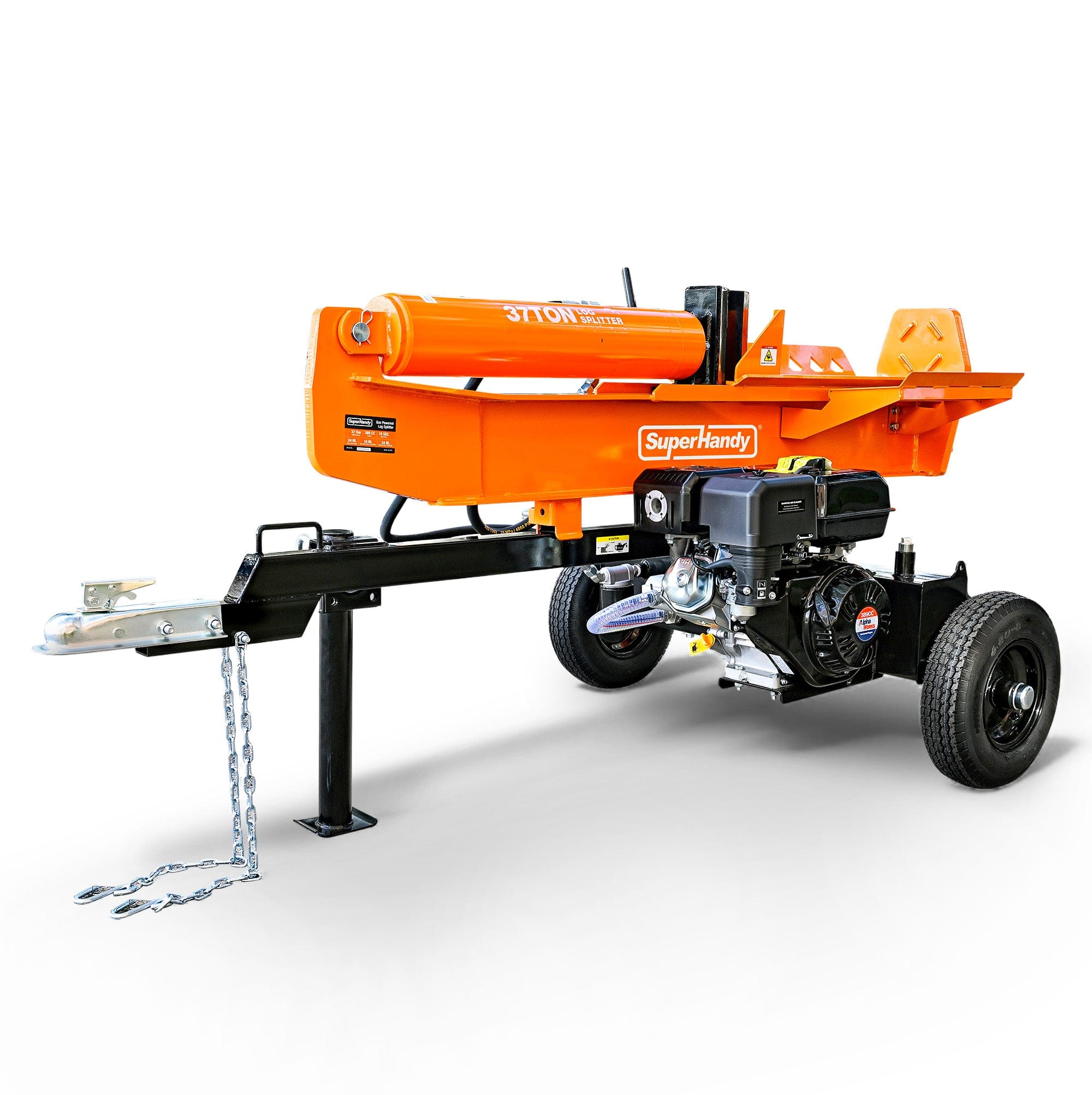
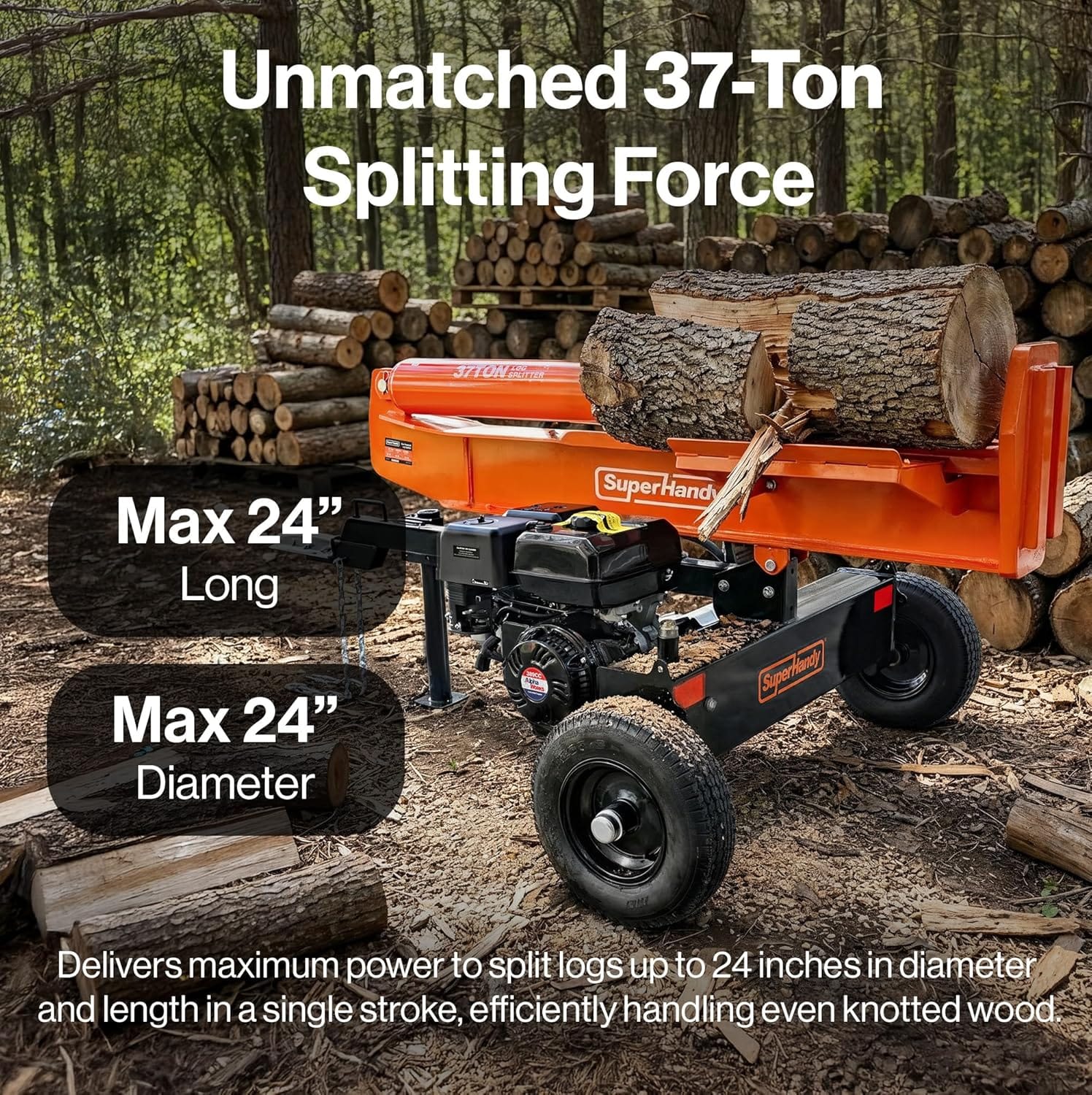
As a general rule, your power requirements increase with the diameter and density of the wood. While a 20-ton splitter is great for general use, you’ll need more force for larger rounds or stringy hardwoods. A versatile 25Ton log splitter can serve as an excellent all-around option for those who tackle a wide variety of wood types. For the most demanding jobs—like splitting large-diameter, knotty, or unseasoned hardwoods—you'll want to invest in a high-tonnage machine. A powerful unit like a 37Ton log splitter ensures you have the raw force to bust through even the toughest rounds without hesitation.

Key Features to Look for in a Gas Log Splitter
Beyond raw tonnage, several key features separate a good log splitter from a great one. Cycle time—the time it takes for the ram to split a log and return to its starting position—is crucial for efficiency. A shorter cycle time means more wood split per hour.
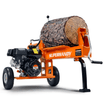
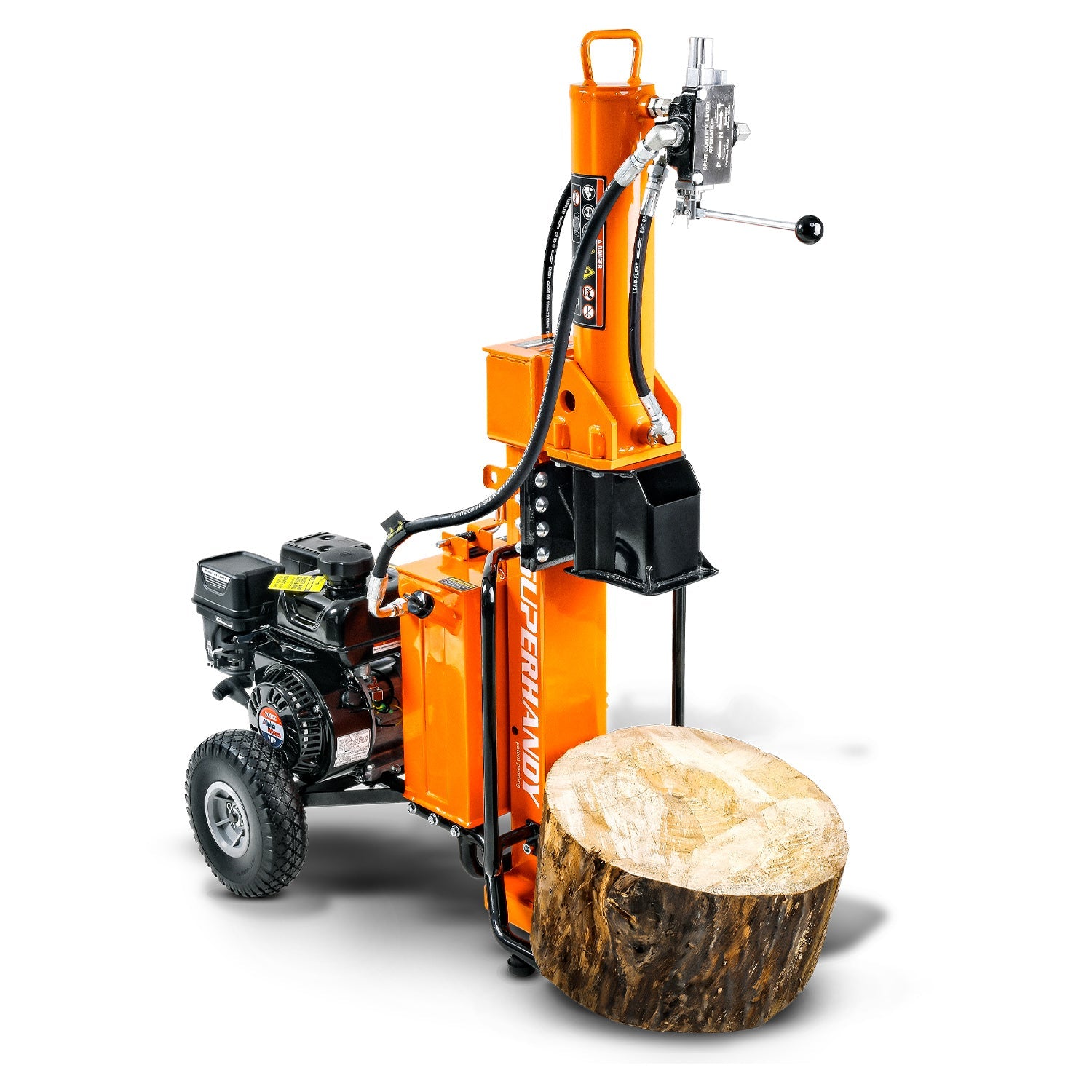
One of the most valuable features for versatility is the ability to operate in both horizontal and vertical positions. A horizontal setup is ergonomic for lifting and splitting average-sized logs. However, for massive rounds that are too heavy or awkward to lift onto the beam, a vertical configuration is a back-saver. This allows you to roll the log into place and split it on the ground. Models like our 27Ton log splitter that offer both orientations provide the ultimate flexibility. Also, look for an auto-return valve, which automatically retracts the ram after splitting, and a tow-hitch for easy transport around your property.
Setting Up Your Gas Log Splitter for Optimal Performance
Proper setup is essential for both safety and performance. Always begin by placing your gas log splitter on a flat, level, and stable surface. Operating on uneven ground can cause the machine to become unstable, "walk" during operation, or tip over, creating a serious safety hazard. A level base also ensures the engine receives proper lubrication.
Before you fire up the engine for the first time, perform a pre-start check. This is the most important step in ensuring your machine's longevity. Carefully check the engine oil and hydraulic fluid levels, topping them off as needed according to the manufacturer's recommendations. Running the engine with low oil or the hydraulic pump with low fluid can cause catastrophic damage. Finally, give the entire splitter a quick inspection. Make sure all hoses are securely connected, the wedge is tight, and the tires are properly inflated for safe towing and positioning. A few minutes of preparation will ensure your splitter runs smoothly and safely from day one.
Mastering the Art of Splitting: Techniques for Different Wood Types
Not all wood splits the same. Understanding the characteristics of different wood types will help you work more efficiently and safely. Your approach, and sometimes your equipment, will need to adapt to the log on the beam.
- Softwoods (Pine, Fir, Spruce): Generally, these woods are a dream to split. They have straight grain and are less dense than hardwoods. For most softwoods, you can place the round directly in the center of the beam and split it with ease. They can be split when green or seasoned, though green pine can be sappy.
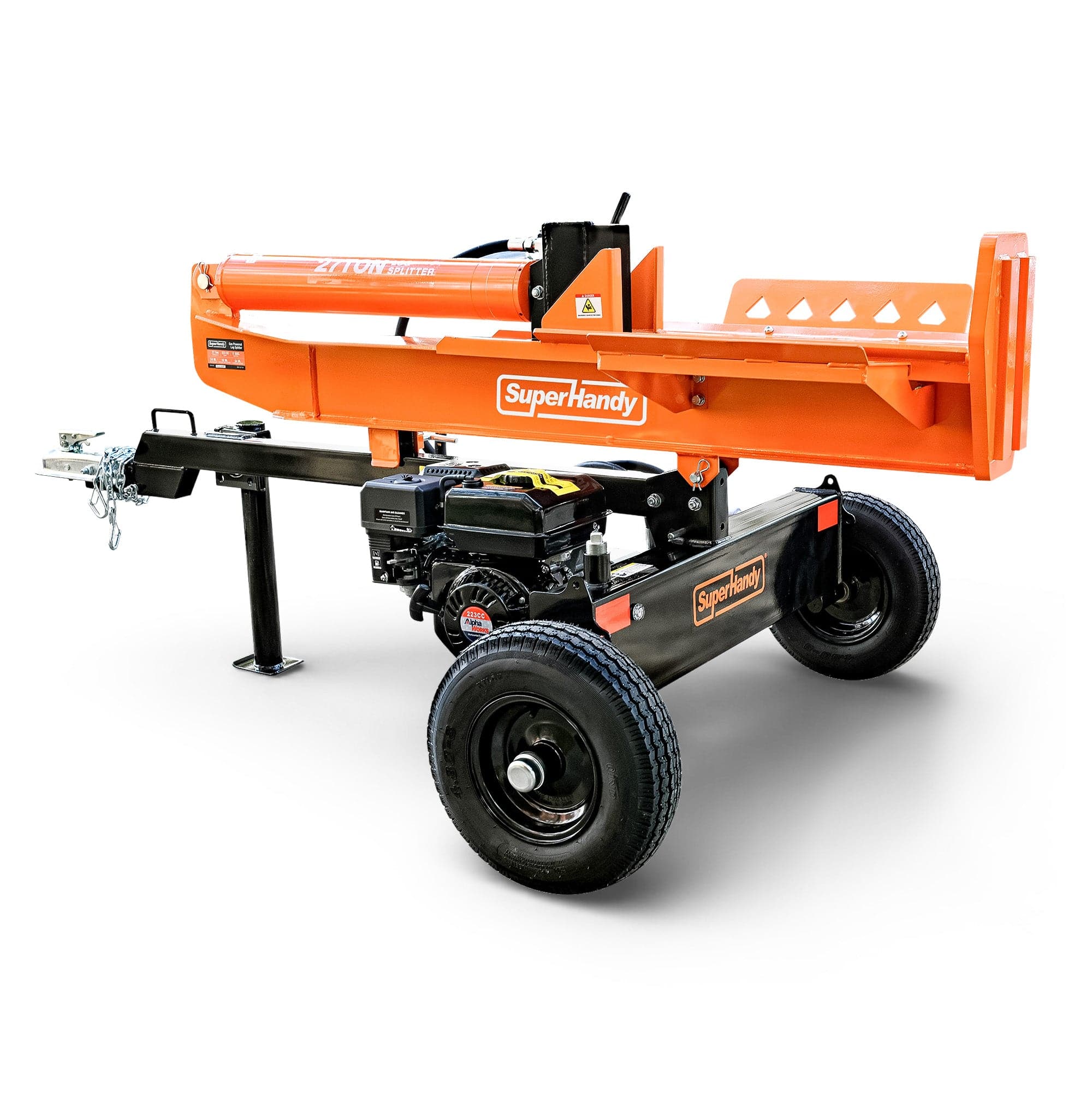
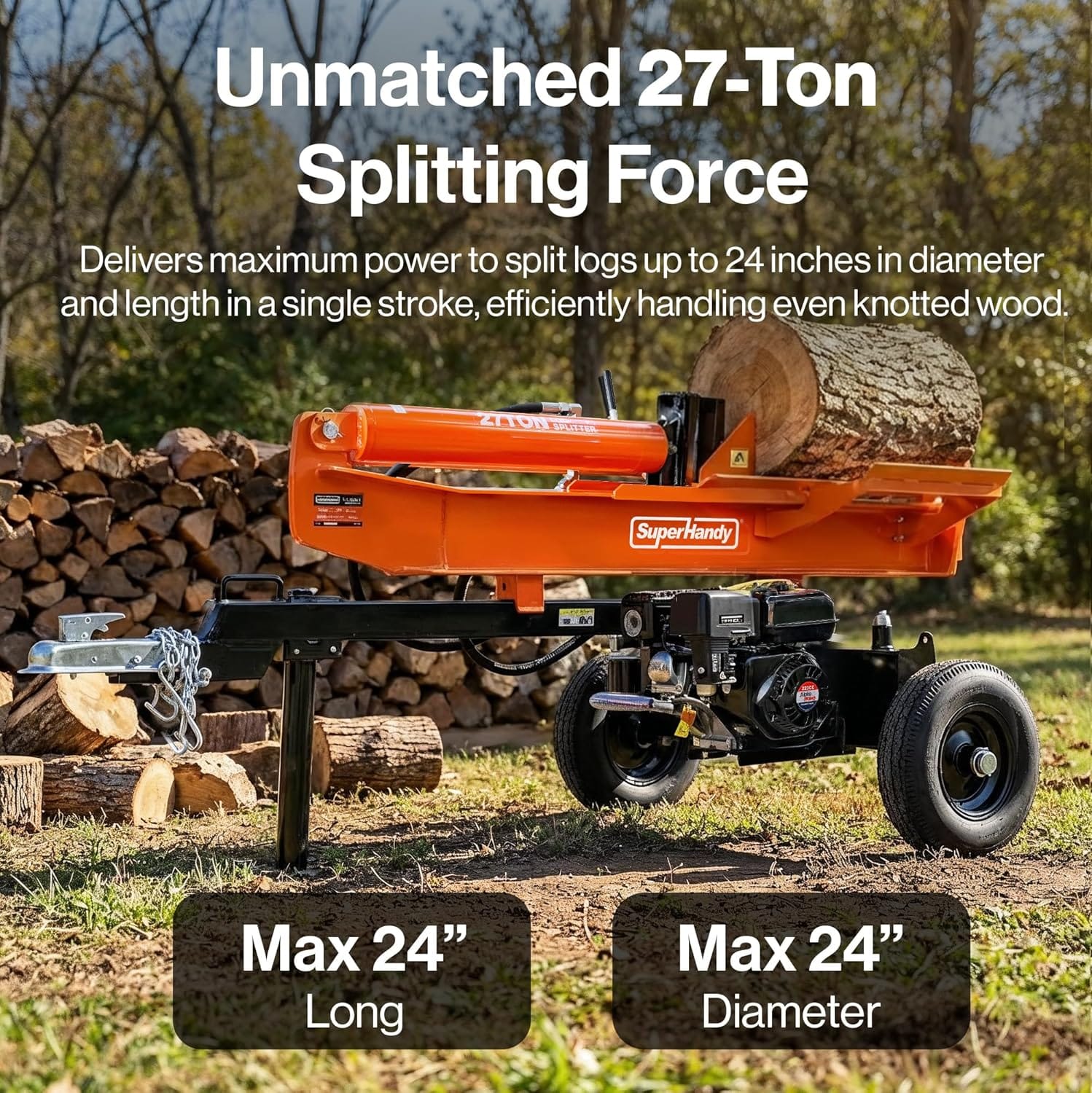
- Hardwoods (Oak, Maple, Hickory): Dense and often stringy, hardwoods present a greater challenge. Splitting seasoned hardwood is usually easier than splitting it green (with some exceptions, like ash). For tough, large-diameter oak or maple, you'll appreciate the power of a high-tonnage machine. A 27Ton log splitter provides ample force for most residential needs.
- Knotty and Crooked Wood: This is where technique truly matters. Avoid trying to split directly through a large knot, as this can stall the splitter or even damage the wedge. Instead, position the log so the wedge enters along an existing crack or check line. If the log is full of knots, try to split between them or "peel" sections off the side. For massive, unwieldy logs, a splitter with vertical operation, like our 37Ton log splitter, is a back-saver, allowing you to split them without lifting them onto the beam.
Safety First: Essential Precautions When Operating a Gas Log Splitter
A gas log splitter is a powerful tool that makes quick work of a woodpile, but it demands your full respect and attention. Never become complacent. Following essential safety protocols is non-negotiable to prevent serious injury.
Before you even start the engine, gear up. Personal Protective Equipment (PPE) is your first line of defense. This includes:
- Safety Glasses or Goggles: To protect your eyes from flying wood chips and debris.
- Heavy-Duty Gloves: To protect your hands from splinters and pinching.
- Steel-Toed Boots: To guard your feet against falling logs.
- Hearing Protection: Gas engines are loud; protect your hearing during long splitting sessions.
Your work environment is just as important as your personal gear. Always operate your log splitter on level, stable ground to prevent it from tipping. Keep your work area clear of clutter, and ensure children and pets are kept at a safe distance. According to OSHA hand and power tool safety guidance, maintaining a clean and orderly work area is a key principle in preventing accidents. Always operate the controls with your hands as intended by the manufacturer; never use your foot, knee, or any other method to free up a hand. A log splitter is a one-person operation—never have a second person holding or positioning the log while the ram is in motion.

Routine Maintenance for Longevity: Keeping Your Splitter Running Smoothly
Proper maintenance is the best way to ensure your gas log splitter provides years of reliable service. A few minutes of inspection before and after each use can prevent costly repairs and dangerous malfunctions down the road.
Before Each Use:
- Check Fluid Levels: Verify the engine oil and hydraulic fluid are at the recommended levels.
- Inspect Hoses: Look for any cracks, abrasions, or leaks in the hydraulic hoses.
- Check Hardware: Ensure all nuts, bolts, and fittings are tight.
- Tire Pressure: If your model is towable, check the tire pressure.
The hydraulic system is the heart of your splitter. The hydraulic fluid should be clear; if it appears milky or cloudy, it may be contaminated with water and should be changed. The engine on your splitter, whether it's on a compact 20Ton log splitter or a larger unit, requires the same care as any small engine: regular oil changes, air filter cleaning, and spark plug checks as outlined in your owner's manual. Finally, keep the wedge sharp. A dull wedge crushes wood rather than splitting it, which strains the hydraulic system and produces poor results.
Troubleshooting Common Gas Log Splitter Issues
Even with perfect maintenance, you might occasionally run into a problem. Here’s a quick guide to diagnosing and fixing the most common issues.
- Engine Won't Start: Go back to basics. Is the ignition switch on? Is there fresh fuel in the tank? Is the fuel shut-off valve open? Is the choke in the correct position for a cold or warm start? If these are all correct, check for a fouled or disconnected spark plug.
- Splitter Lacks Power or Moves Slowly: This is almost always a hydraulic issue. The first thing to check is the hydraulic fluid level; low fluid is the number one cause of poor performance. If the level is good, you may have air in the system. To purge the air, extend and retract the cylinder several times without a log on the beam.
- Ram Won't Retract: Check that the control handle is returning to the neutral position correctly. On models with an auto-return feature, like our 25Ton log splitter, ensure the detent mechanism that holds the valve open is clean and functioning properly. A stuck log can also prevent retraction.
- Leaking Hydraulic Fluid: Shut down the splitter immediately. A hydraulic fluid leak is a serious issue. High-pressure fluid can be injected into the skin, causing severe injury. Locate the source of the leak—it could be a loose fitting or a damaged hose. Do not operate the machine until the leak is repaired.
Maximizing Efficiency: Tips to Split More Wood in Less Time
A powerful gas log splitter is only as efficient as the process you build around it. To get the most out of your machine and process cords of wood faster, focus on your workflow. Instead of randomly grabbing logs, create a system. Start by setting up a "staging zone" where you pile all your unsplit rounds within easy reach of the operator. On the other side of the machine, designate a "drop zone" for the split pieces—ideally a wheelbarrow, utility cart, or a trailer—to minimize handling and eliminate the need to pick up split wood from the ground.
Another game-changing tip is to work with a partner. A two-person team can nearly double your output. One person can load the rounds onto the log splitter while the other operates the controls and clears the split wood. This assembly-line approach creates a steady rhythm that maximizes the machine's cycle time. For particularly large or knotty logs that can slow you down, having a high-tonnage machine like a 37Ton log splitter ensures you can power through without interruption, maintaining your efficient pace.

The Environmental Impact of Using Gas Log Splitters
It's important to acknowledge that gas-powered equipment has an environmental footprint. Gas log splitters use fossil fuels and produce exhaust emissions, including carbon dioxide. However, the context matters. Modern 4-stroke engines, like those found in today's quality splitters, are engineered to be far more efficient and produce fewer emissions than older 2-stroke models. Furthermore, by processing your own firewood from local sources, you are utilizing a renewable energy source and avoiding the transportation emissions associated with purchasing pre-split, trucked-in firewood. Proper and regular maintenance—such as keeping the air filter clean and changing the oil—ensures your engine runs as cleanly and efficiently as designed, minimizing its impact.
Comparing Gas Log Splitters to Electric and Manual Options
When choosing how to split your wood, you have three main options, each with distinct advantages and disadvantages.
-
Manual Splitting: Using a splitting maul or wedge is the traditional method. It’s emission-free, quiet, and provides a great workout. However, it is incredibly labor-intensive and slow, making it impractical for anyone needing to process more than a small handful of logs.
-
Electric Log Splitters: These are a great middle-ground option for suburban homeowners with smaller splitting needs. They are quieter than gas models, produce no direct emissions, and require less maintenance. Their main drawbacks are power and portability. Most electric models are less powerful than their gas counterparts and must be tethered to an electrical outlet, limiting where you can work. While cordless models exist, it's important to follow the U.S. Department of Energy's tips for extending the lifetime of lithium-ion batteries to ensure their longevity.
-
Gas Log Splitters: For power, speed, and portability, nothing beats a gas log splitter. From a capable 20Ton log splitter for general use to a robust 25Ton log splitter or even a commercial-grade 27Ton log splitter, these machines can handle large volumes of hardwood, green wood, and knotty rounds with ease. Their main trade-offs are noise, emissions, and the need for regular engine maintenance.
Storing Your Gas Log Splitter Safely and Effectively
Proper storage, especially during the off-season, is crucial for protecting your investment and ensuring your gas log splitter starts right up next season. The most important step is addressing the fuel system. You have two choices for long-term storage: either run the engine until the tank and carburetor are completely empty, or fill the tank and add a quality fuel stabilizer. The stabilizer prevents fuel from degrading and gumming up the carburetor, which is a common cause of starting issues.
Beyond the fuel, perform a few other key tasks. Clean the entire machine, removing all wood chips, dirt, and sap. This prevents rust and keeps moving parts clear. Check the hydraulic fluid level and inspect the hoses for any cracks or wear. Finally, store your log splitter in a dry, protected location like a shed or garage. Covering it with a tarp adds an extra layer of protection against dust and moisture, keeping it in prime condition for your next splitting session.

Frequently Asked Questions About Gas Log Splitters
Have questions about getting the most out of your gas log splitter? You're not alone. Below, we answer some of the most common queries we receive from firewood producers, from beginners to seasoned pros.
How much tonnage do I really need?
The tonnage, or splitting force, you need depends primarily on the type and size of wood you'll be splitting. For softer woods like pine and fir, or for smaller diameter logs (under 12 inches), a machine like a 20Ton log splitter is often sufficient. However, if your wood pile consists of dense hardwoods like oak, hickory, or maple, or you frequently deal with large, knotty, or unseasoned rounds, you’ll need more power. A 25Ton log splitter provides a significant step up in capability for these tougher jobs. For maximum efficiency and the ability to handle virtually any log you can throw at it, investing in a high-tonnage model like a 27Ton log splitter or even a commercial-grade 37Ton log splitter can save you time and frustration. A good rule of thumb: it’s always better to have more power than you need than not enough.
What kind of maintenance does a gas log splitter require?
Routine maintenance is key to keeping your gas log splitter running safely and efficiently for years. The main areas to focus on are the engine and the hydraulic system. For the engine, this means performing regular oil changes, cleaning or replacing the air filter, and checking the spark plug's condition. For the hydraulic system, you should regularly check the hydraulic fluid level and inspect all hoses and fittings for leaks. The hydraulic fluid will also need to be changed periodically, typically after every 100-150 hours of use, but always consult your owner's manual for specific intervals. Finally, keep the splitting wedge sharp and the beam clean of wood debris to ensure clean splits and smooth operation.
Related Products


Leave a comment
All comments are moderated before being published.
This site is protected by hCaptcha and the hCaptcha Privacy Policy and Terms of Service apply.