














Transform Your Garden with Mulch: The Ultimate Guide to Wood Chipper Debris
The most popular use for wood chipper debris is creating organic mulch, and for good reason. A 2-4 inch layer of wood chips spread around trees, shrubs, and in garden beds works wonders. It acts as a protective blanket, helping the soil retain moisture by slowing evaporation, which means you'll need to water less often. This layer also suppresses weed growth by blocking sunlight, saving you hours of back-breaking work.
Furthermore, wood chip mulch insulates the soil, keeping it cooler in the summer and warmer in the winter, which protects plant roots from extreme temperature swings. By turning your own yard waste into mulch with a versatile 3 In 1 wood chipper, you create a free, nutrient-rich soil amendment that commercial bagged mulches can't match.
Boost Soil Health: How Wood Chips Improve Your Garden Beds
Beyond just sitting on top of the soil, wood chips actively improve its structure and fertility as they decompose. This process invites beneficial fungi, bacteria, and earthworms, which are all essential components of a healthy soil food web. As these microorganisms break down the wood, they create a network of mycelium that helps bind soil particles together, improving aeration and water infiltration.

Over time, the decomposed chips add rich organic matter, or humus, to your garden beds. This humus increases the soil's ability to hold both water and nutrients, making them more available to your plants. While some gardeners worry about wood chips "robbing" nitrogen from the soil, this effect is temporary and only occurs at the surface where the soil and chips meet. For established plants, it's not a concern, and for annual beds, you can easily offset it by adding a nitrogen-rich supplement like compost. Even a mini wood chipper can produce enough material to significantly boost the health of a small vegetable garden over a season.
Create Natural Pathways: Durable and Eco-Friendly Walkways with Wood Chips
If you want to create beautiful, rustic pathways through your garden or wooded areas, wood chips are an excellent choice. They provide a soft, quiet surface to walk on that blends seamlessly into the natural landscape. Unlike stone or pavers, wood chip paths are permeable, allowing rainwater to soak into the ground instead of creating runoff.
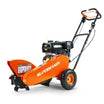
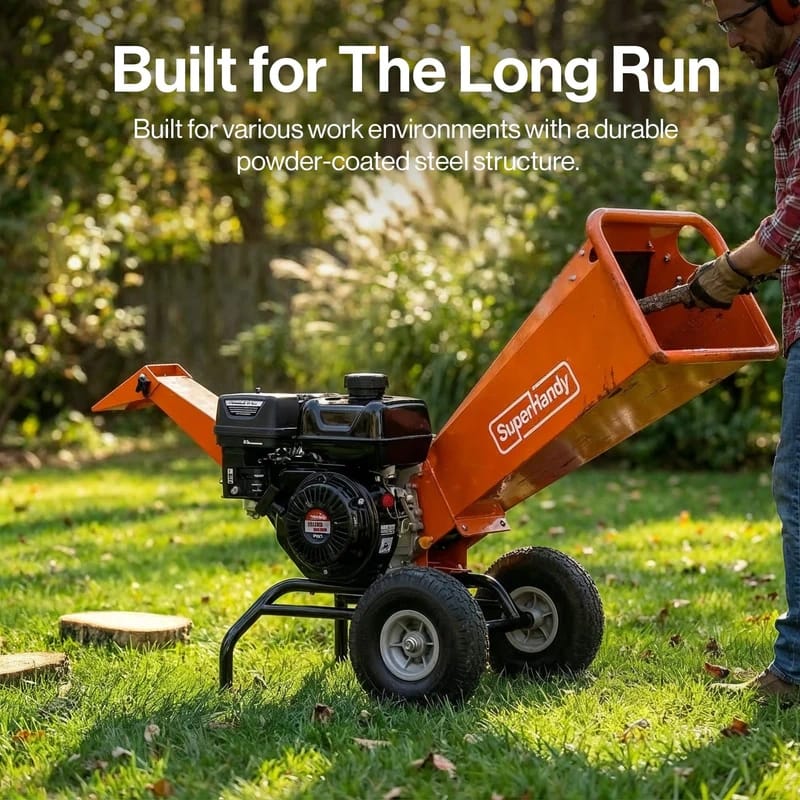
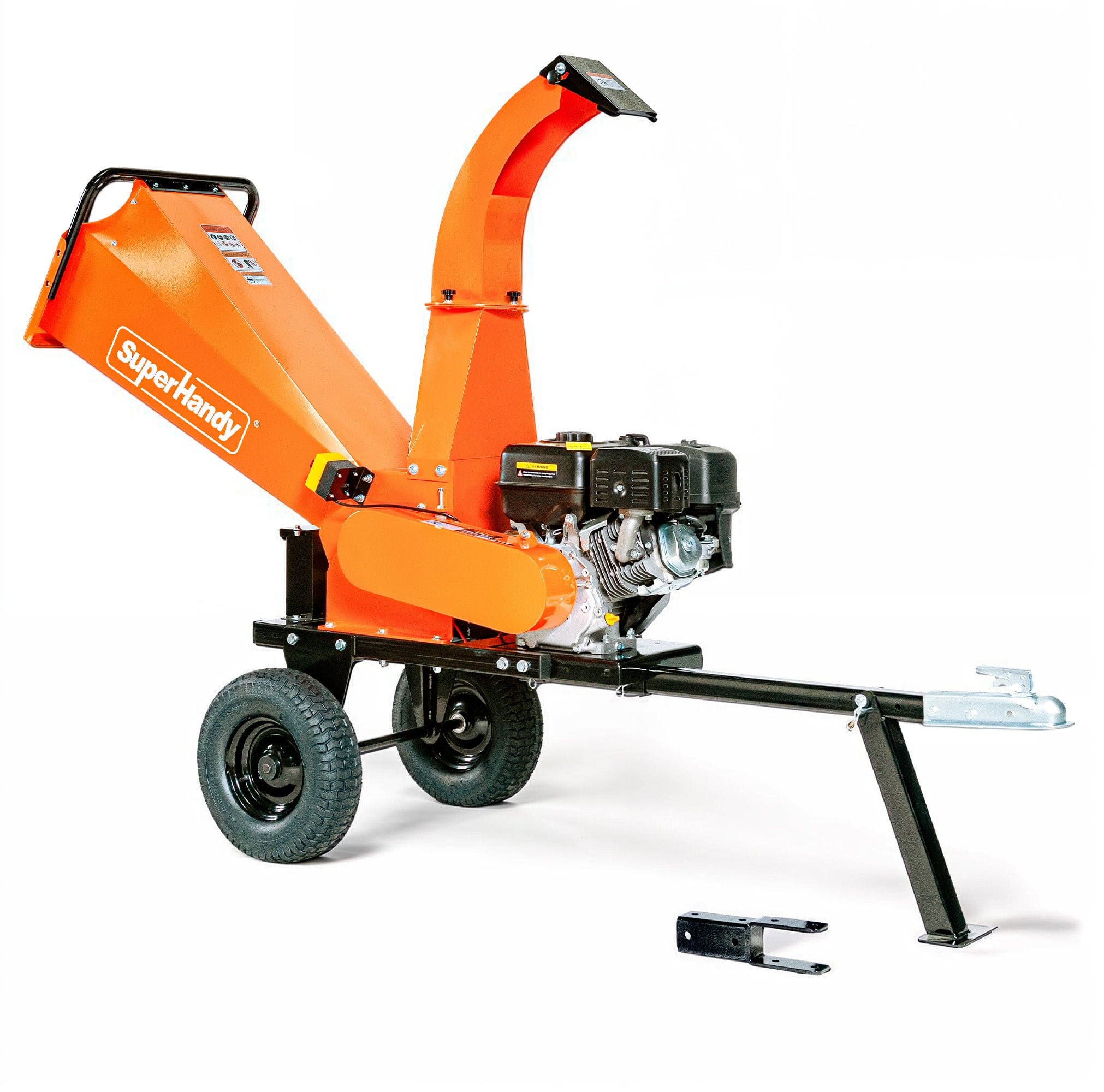
Creating a path is simple. First, clear the desired route of any existing vegetation. For extra weed control, lay down a layer of plain cardboard before spreading the chips. Apply a thick layer of wood chips, at least 4-6 inches deep, to create a durable and comfortable walkway that will suppress weeds for years. For large properties with extensive path networks, a towable wood chipper can generate the large volume of chips needed to complete the project in a single afternoon.
Build Raised Garden Beds: Using Wood Chips as a Sustainable Filling Material
Filling deep raised garden beds entirely with high-quality soil can be incredibly expensive. Wood chipper debris offers a sustainable and cost-effective solution based on a German gardening method called Hügelkultur. By using bulky organic material to fill the bottom half of your beds, you save money and create a long-lasting, nutrient-rich environment for your plants.
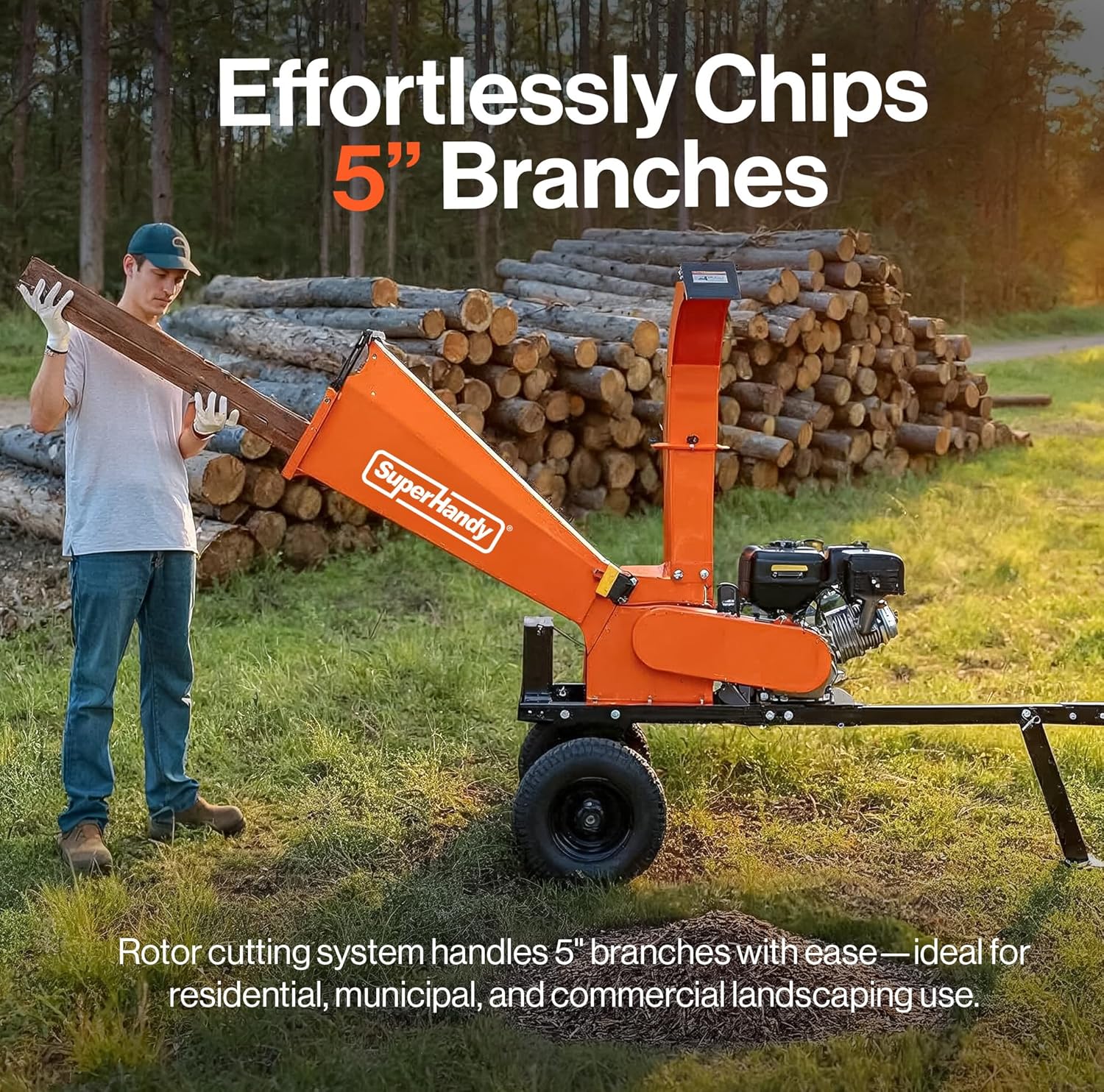
Start by lining the bottom of your raised bed with larger branches and logs. On top of that, add a thick layer of wood chips and other debris from your chipper. Whether you're using a powerful 4 inch wood chipper for thick limbs or a specialized Rotor wood chipper for varied material, this layer will act as a sponge. It will soak up water and slowly release it back to the plants above. As the wood and chips decompose over several years, they will provide a steady stream of nutrients to the soil, reducing the need for fertilizers. Finish by topping the bed with a mix of compost and topsoil, and you're ready to plant.
Enhance Your Landscape: Decorative Uses for Wood Chipper Debris
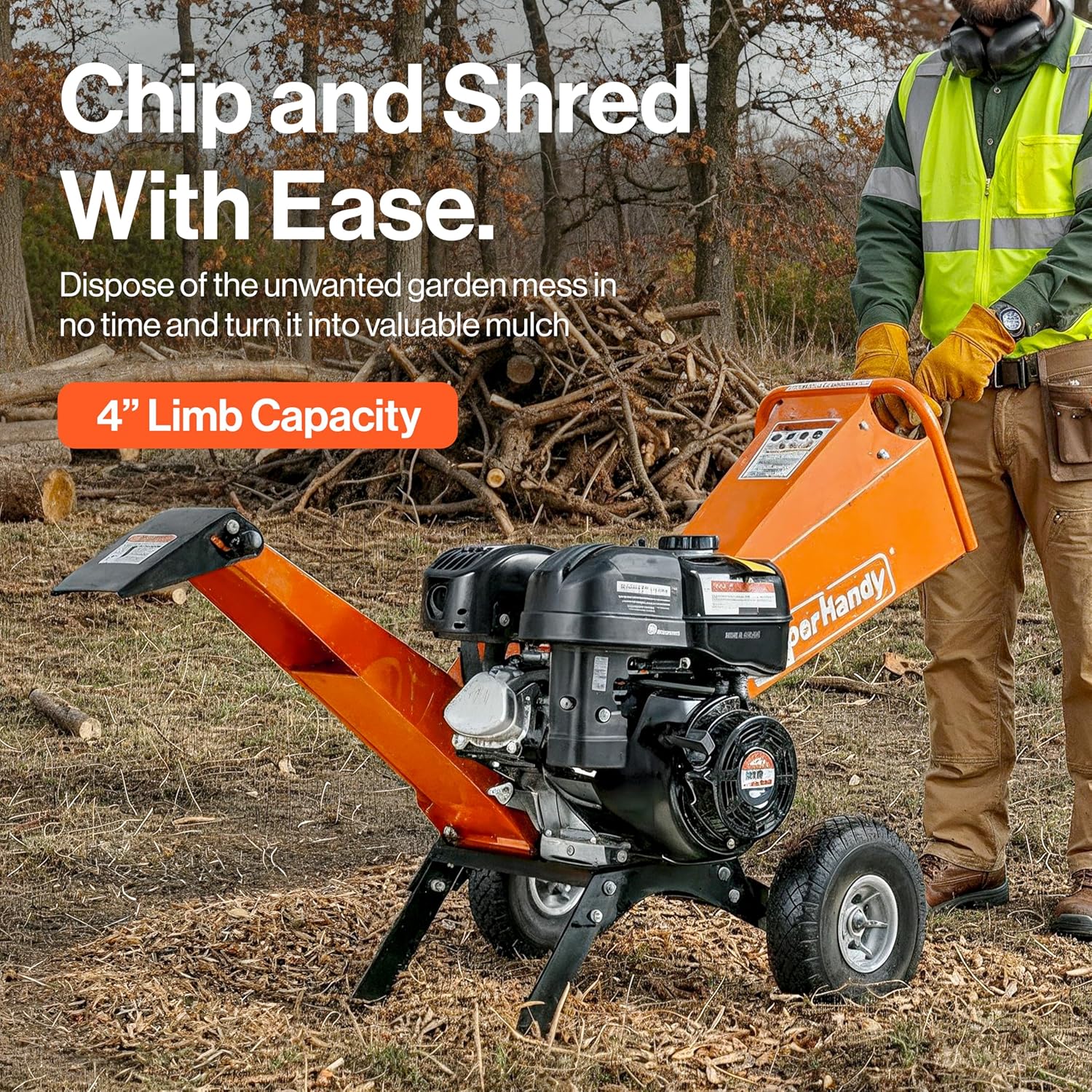
Beyond their practical benefits, the wood chips you create are a fantastic, low-cost way to beautify your property. The rich, earthy tones and varied textures of fresh wood chips can add a professional, polished look to any landscape design. Use them to create clean borders along flower beds, define the edges of a driveway, or create a neat, uniform surface under large trees where grass struggles to grow. This not only looks great but also helps protect the surface roots of your trees from lawnmower damage. For large-scale aesthetic projects, a powerful 4 inch wood chipper can turn a sizable brush pile into a mountain of decorative mulch in no time. The natural look of wood chips complements everything from rustic country gardens to modern, minimalist landscapes.
DIY Weed Control: Natural Barrier Against Unwanted Growth
Are you tired of spending hours pulling weeds from your garden beds? Your gas wood chipper provides the perfect solution. A thick layer of wood chip mulch is one of the most effective, chemical-free methods for suppressing unwanted growth. By applying a 3-4 inch layer of chips around your plants and over bare soil, you create a physical barrier that blocks sunlight from reaching dormant weed seeds, preventing them from germinating. This simple act saves you time and back-breaking labor throughout the growing season. As an added bonus, the mulch layer helps the soil retain moisture, reducing your need to water as frequently. A versatile 3 In 1 wood chipper is excellent for this task, as it can process a mix of branches and leaves to create a dense, interlocking mat that is particularly effective at smothering weeds.

Composting Powerhouse: Accelerate Decomposition with Wood Chips
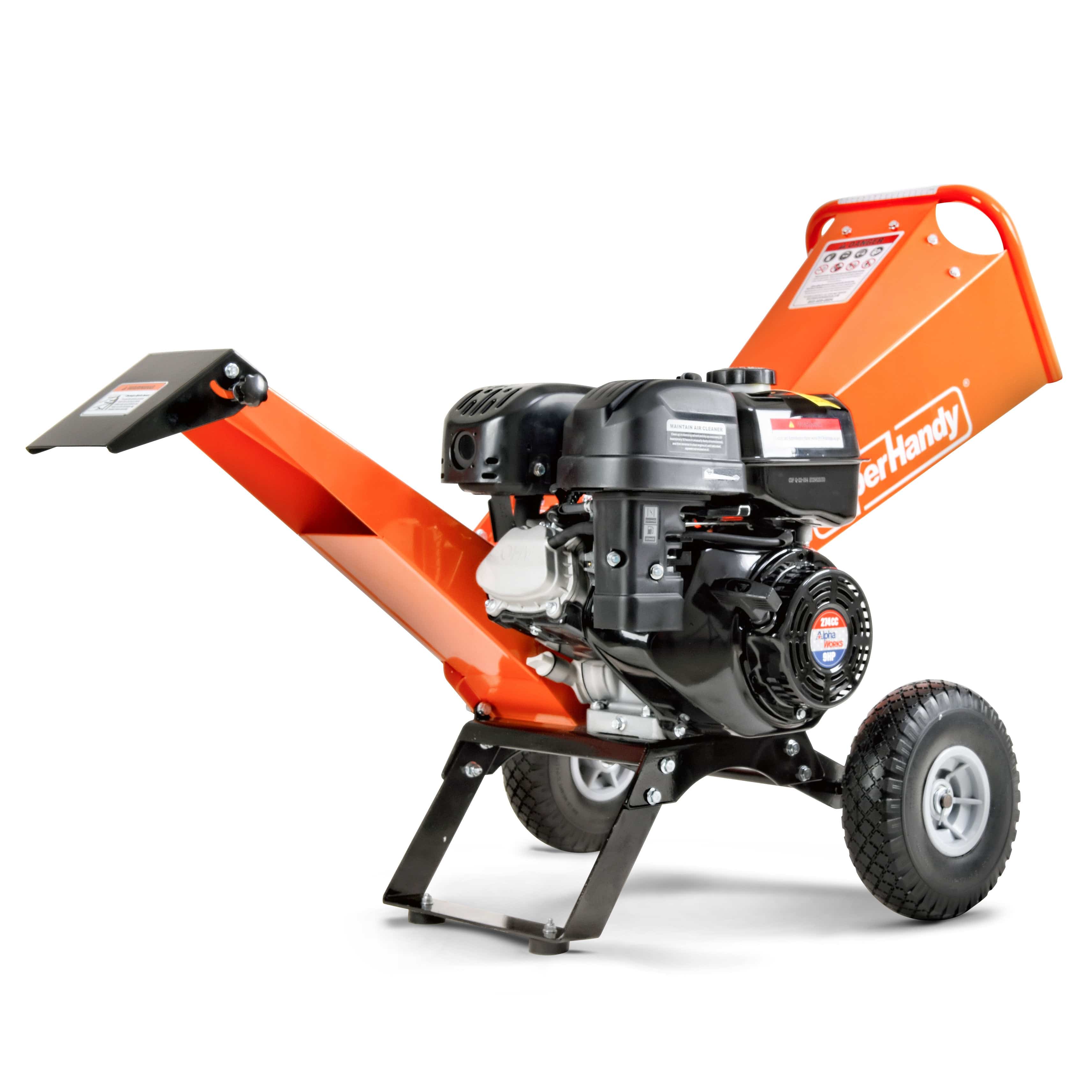
A healthy compost pile requires a careful balance of "green" (nitrogen-rich) and "brown" (carbon-rich) materials. While you might have plenty of green materials like grass clippings and kitchen scraps, finding enough brown material can be a challenge. This is where your wood chipper becomes a composter's best friend. Wood chips are a fantastic source of carbon. Adding them to your compost pile balances the nitrogen from your greens, fueling the microorganisms that drive decomposition. The coarse structure of the chips also improves aeration within the pile, preventing it from becoming a dense, smelly, and anaerobic mess. This airflow is crucial for fast, efficient, and odor-free composting. For those with smaller yards and compost bins, a compact Mini wood chipper is suitable for turning twigs and small branches into the ideal carbon-rich compost ingredient.
Animal Bedding Benefits: Safe and Absorbent Options for Your Livestock
If you have chickens, rabbits, goats, or other small livestock, you can use wood chipper debris to create safe, absorbent, and cost-effective bedding. Fresh wood chips, particularly from softwoods like pine, do an excellent job of absorbing moisture and controlling odors in coops and stalls. This method, often called the "deep litter method," can create a healthier environment for your animals and produce a rich, composted material for your garden at the end of its lifecycle. For larger properties and small farms, a Towable wood chipper makes it easy to process fallen limbs from around your property into bedding right where you need it. Crucially, always ensure you are using wood from non-toxic trees. Avoid using chips from black walnut, as it is highly toxic to horses and can affect other animals. A reliable Rotor wood chipper can consistently produce uniform chips, which are ideal for creating comfortable and effective animal bedding.
Erosion Control Solutions: Stabilize Slopes and Prevent Soil Loss
If your property has steep banks or slopes, you know how quickly heavy rain can wash away valuable topsoil. This erosion not only depletes your landscape but can also cause muddy runoff and destabilize the area. Wood chipper debris offers a fantastic, low-cost solution. Applying a thick, 4- to 6-inch layer of wood chips over a vulnerable slope acts as a protective, interlocking blanket.
Instead of running off, rainwater is slowed down by the chips, giving it time to soak gently into the ground. This hydrates the soil and recharges groundwater without carrying soil particles away. The irregular shapes and sizes of chips from a powerful 3 In 1 wood chipper help them knit together, creating a stable mat that resists being washed or blown away. For large-scale projects on big properties, a towable wood chipper can help you produce a massive volume of chips right where you need them, saving you time and effort.

Firewood Preparation: Drying and Storing Wood Chips for Future Use
While you won’t be heating your home with wood chips, they make excellent kindling for starting fires in your wood stove or fireplace. They can also be used in certain types of smokers to add a woody, aromatic flavor to food. To be effective, the wood chips must be thoroughly dry. Using wet chips will create a smoky, smoldering fire that produces little heat.
To dry your wood chips, spread them in a thin layer on a tarp in a sunny and breezy location. Turn them over with a rake every day or two to expose all sides to the air and sun. Depending on the humidity and sunshine, they can dry out completely in just a few days—much faster than logs. Once dry, store them in breathable containers like burlap sacks or ventilated crates. Avoid sealed plastic bins, which can trap residual moisture and lead to mold. This is a perfect way to process small twigs and branches from yard cleanup using a compact mini wood chipper.
When is Wood Chipper Debris Safe to Use?
Not all wood chipper debris is created equal. The type of wood you chip and how you plan to use the debris are critical for the health of your soil and plants.
- Fresh vs. Aged Chips: Fresh, or "green," wood chips are high in carbon. When mixed directly into soil, they can temporarily "tie up" nitrogen as microorganisms work to break them down, making it unavailable to your plants. Therefore, fresh chips are best used as a top dressing for mulch, on pathways, or for erosion control. Aged or composted chips have already gone through this process and are suitable for amending garden soil.
- Problematic Wood Types: Never use chips from Black Walnut trees in or near vegetable gardens or around sensitive plants like azaleas, rhododendrons, and apple trees. Black Walnut contains a natural chemical called juglone, which is toxic to many other plants.
- Diseased Wood: Chipping branches with fungal diseases or insect infestations can potentially spread the problem around your property. If you must chip diseased wood, let the chips age in a hot compost pile
Can I Use Treated Wood in My Chipper for Debris?
The short and definitive answer is no. You should never run pressure-treated, painted, stained, or otherwise chemically altered wood through your wood chipper.
Treated wood is saturated with chemicals designed to prevent rot and insect damage. These chemicals, which can include arsenic, chromium, and copper, are hazardous. When you chip this wood, the resulting debris contains these toxic substances. Using these chips as mulch or compost will leach chemicals into your soil, potentially harming or killing your plants and contaminating your vegetable garden. Furthermore, the dust created during chipping can be toxic if inhaled, and burning the chips releases these toxins into the air, which is dangerous for you, your family, and your neighbors. Stick to natural, untreated branches and limbs to create safe, beneficial debris for your property.
What Types of Wood Are Best for Mulch?
Once you've sorted out the treated wood, you might wonder what kind of natural wood makes the best mulch. The good news is that almost any type of untreated wood from tree trimming and pruning can be beneficial. Different woods, however, do have slightly different properties.
- Hardwoods: Woods like oak, maple, and hickory are dense and break down slowly. This makes them an excellent choice for creating durable pathways or for mulching areas where you want long-lasting coverage. Their slow decomposition means they provide a steady, long-term improvement to soil structure.
- Softwoods: Pine, fir, and spruce chips decompose more quickly than hardwoods, releasing their nutrients into the soil faster. They can be slightly more acidic, which makes them a fantastic mulch for acid-loving plants like blueberries, azaleas, and rhododendrons.
- Aromatic Woods: Cedar and cypress are prized for their pleasant smell and natural ability to repel insects. Using chips from these trees can help deter pests from your garden beds.
One type of wood to be cautious with is Black Walnut. It contains a chemical called juglone, which is toxic to many common garden plants, including tomatoes, peppers, and potatoes. If you have a Black Walnut tree, it's best to age or "compost" the chips for at least a year before using them in the garden to allow the juglone to break down. For most homeowners, a mix of whatever wood is on your property is suitable for creating a general-purpose mulch with your gas wood chipper.

Frequently Asked Questions About Wood Chipper Debris Uses
Getting started with wood chips can bring up a few questions. Here are answers to some of the most common ones.
Is it okay to use fresh wood chips in my garden?
Yes, but it’s best to use them as a top dressing of mulch rather than mixing them directly into the soil. As fresh wood chips decompose, they can temporarily "borrow" nitrogen from the top layer of soil, a process called nitrogen immobilization. By keeping them on the surface, you get all the benefits of weed suppression and moisture retention without affecting the nitrogen available to your plants' roots. For non-plant areas like pathways, fresh chips are perfect right away.
How thick should I apply wood chip mulch?
For effective weed control and moisture retention, a layer of 3 to 6 inches is ideal. This is deep enough to block sunlight from reaching weed seeds but not so deep that it prevents water and air from reaching the soil. Always remember to keep the mulch a few inches away from the base of tree trunks and plant stems to prevent rot and discourage pests.
Will wood chips attract termites to my house?
This is a common concern, but largely a myth. While termites do eat wood, a layer of wood chips in your garden doesn't create the concentrated, moist environment they need to establish a colony. They are more attracted to water-damaged wood and direct wood-to-ground contact on a structure. To be extra safe, simply maintain a gap of at least 6-12 inches between your home's foundation and any mulched areas.
Can I chip leaves and small green branches?
Absolutely! In fact, mixing "greens" (leafy material, rich in nitrogen) with "browns" (woody material, rich in carbon) creates a more balanced material. This mixture, often called "ramial chipped wood," breaks down efficiently and creates an incredibly rich compost or mulch. A versatile 3 In 1 wood chipper is specifically designed to handle this mix of yard waste, turning it all into a valuable resource.
Related Products




Leave a comment
All comments are moderated before being published.
This site is protected by hCaptcha and the hCaptcha Privacy Policy and Terms of Service apply.