



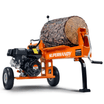





Understanding Your Log Splitter Needs: Size, Power, and Type
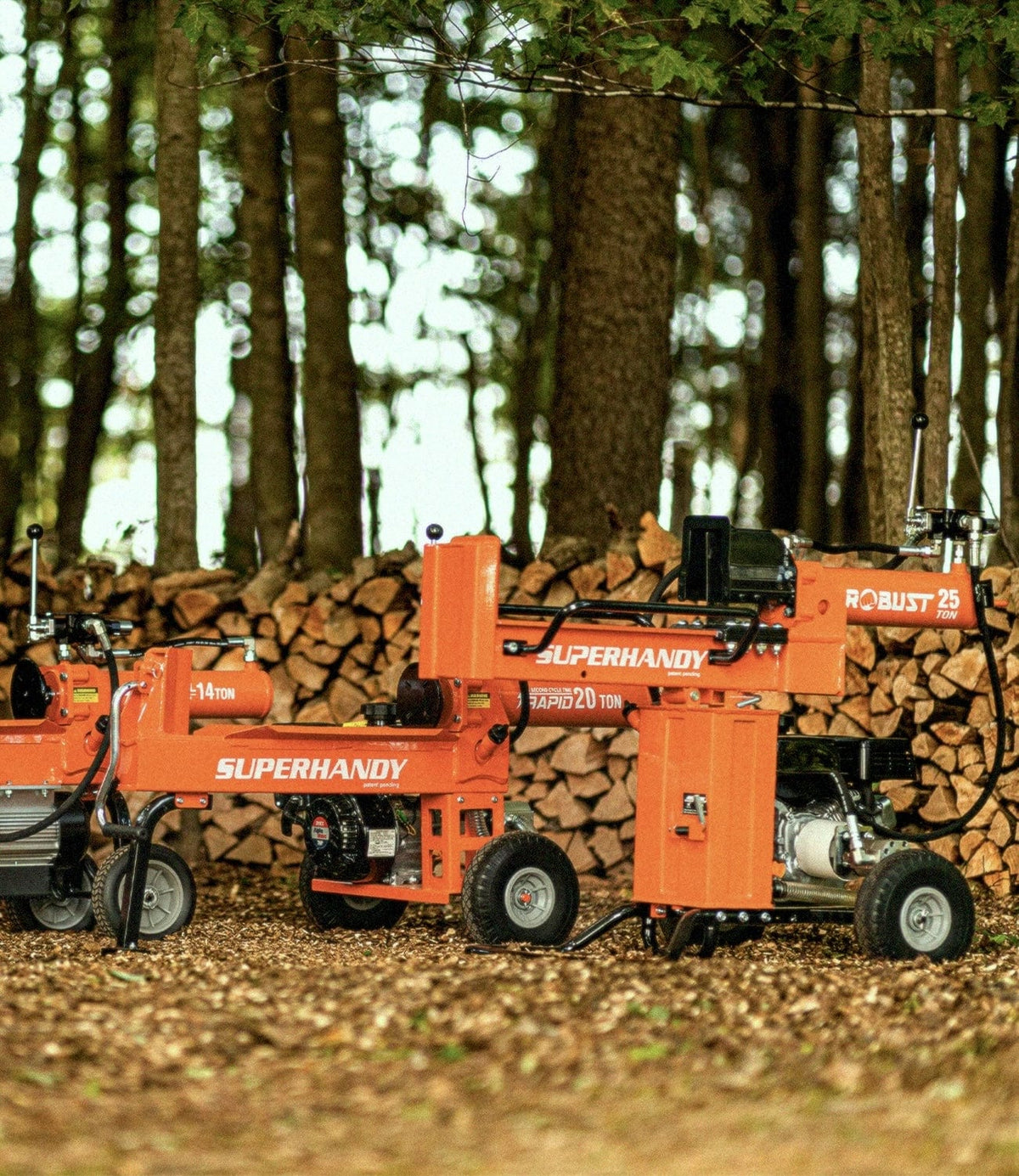
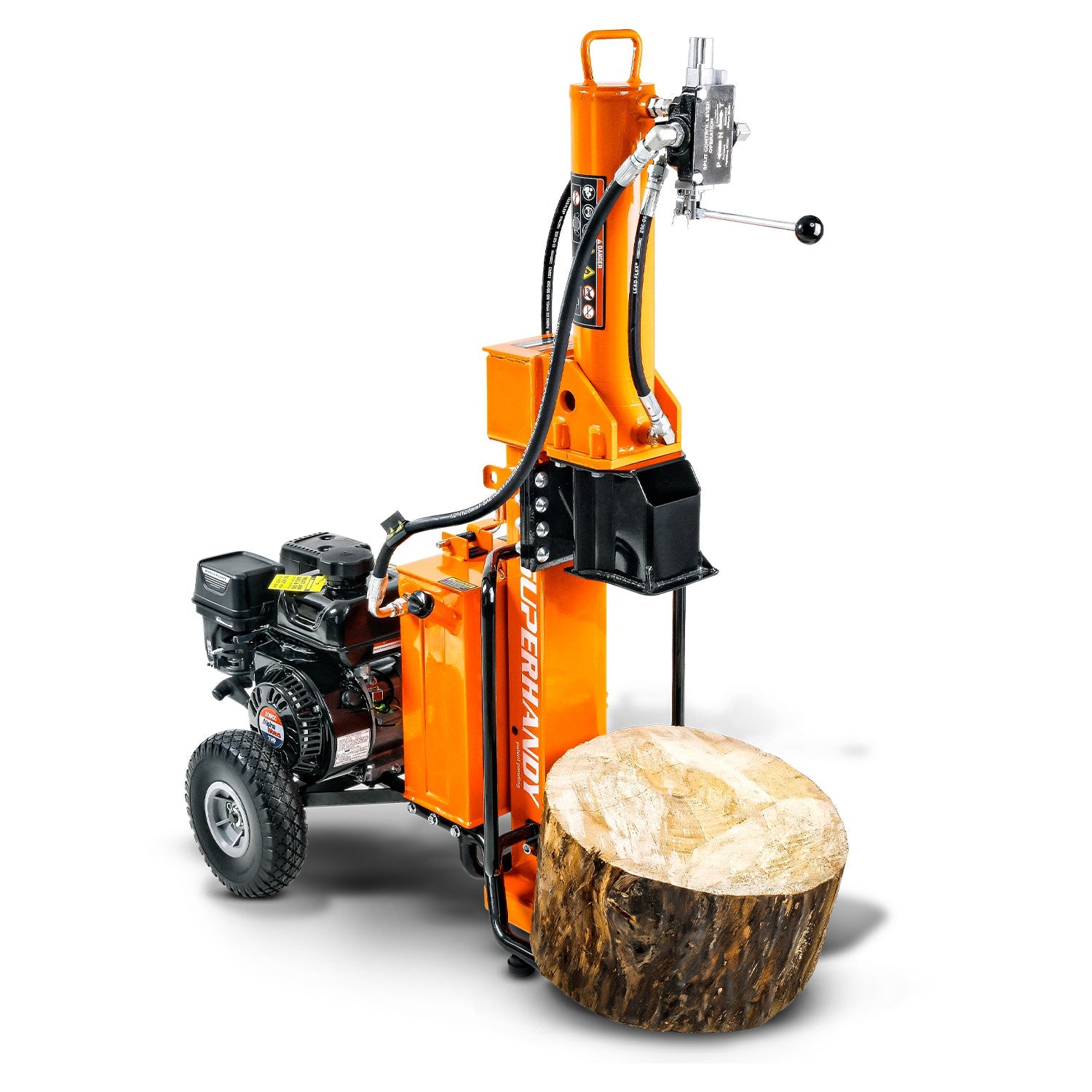
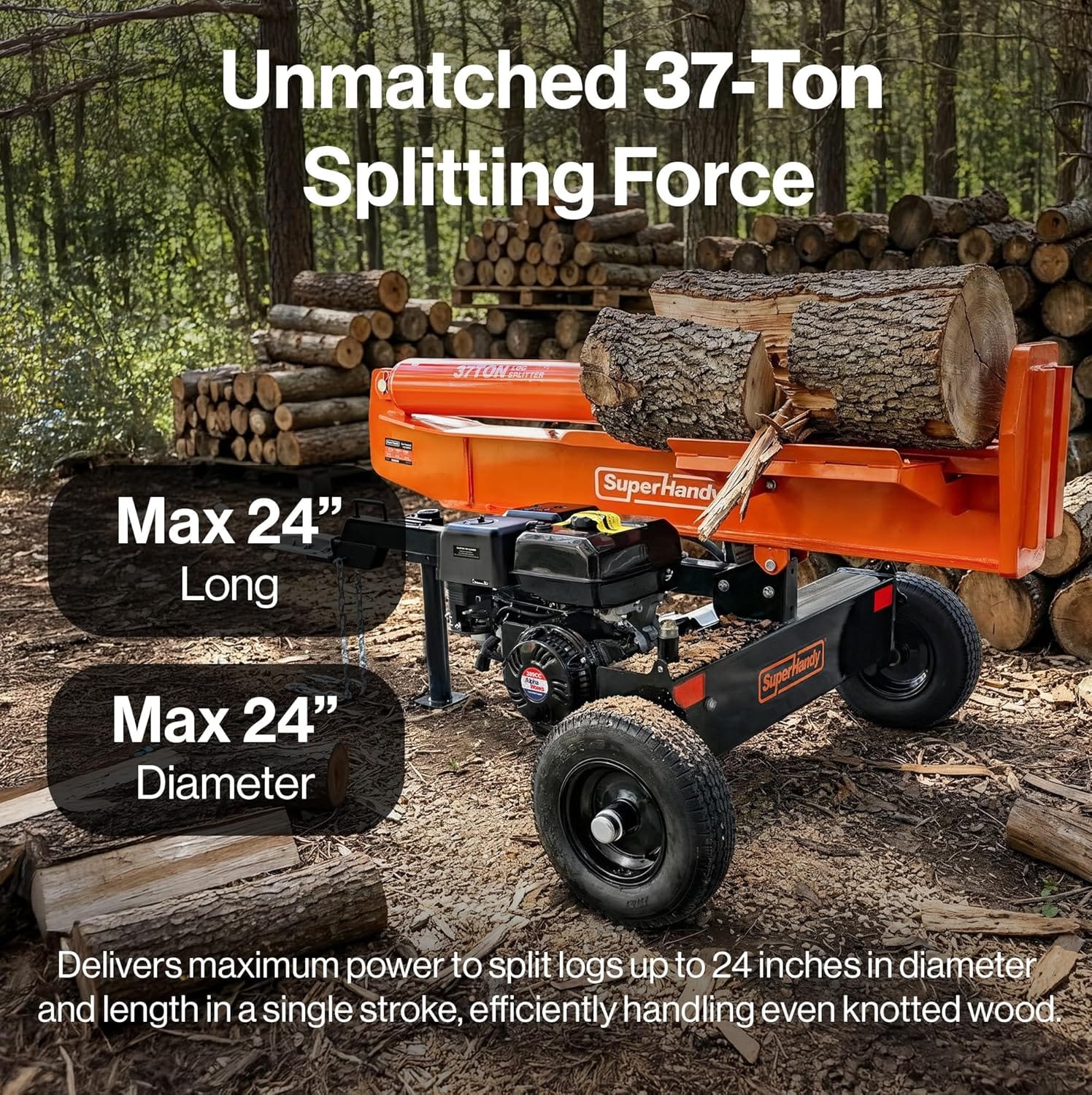
Before buying a wood splitter, assess your workload. The machine's power is measured in tonnage. For smaller, softer woods like pine or fir under 12 inches in diameter, a 4- to 7-ton model is sufficient. For larger, tougher hardwoods like oak or maple, you’ll need 20 tons or more. Also, consider the orientation: horizontal splitters are great for smaller logs you can lift, while vertical/horizontal models can handle heavy rounds you’d rather not lift onto the beam.
Electric vs. Gas Log Splitters: Which is Right for You?
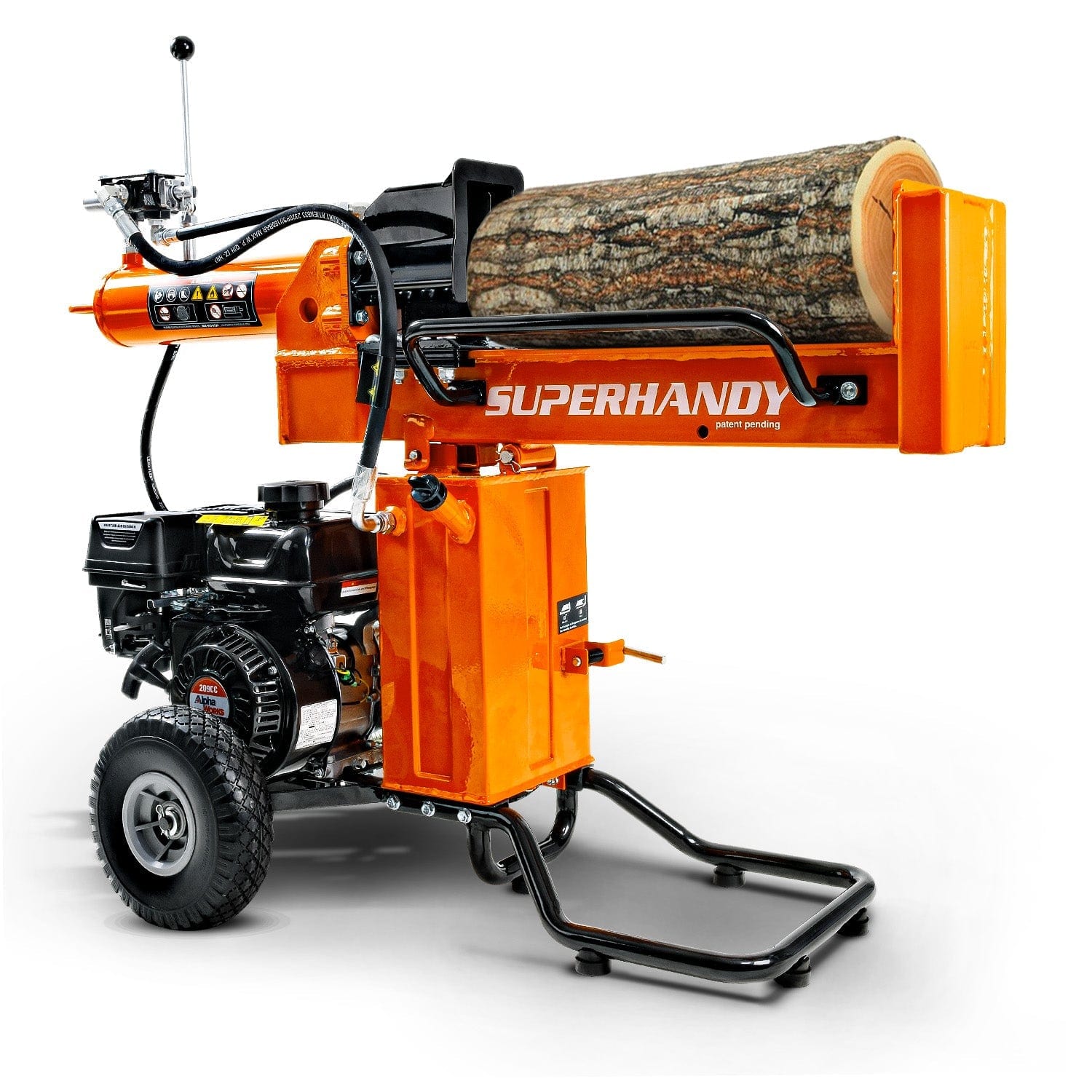
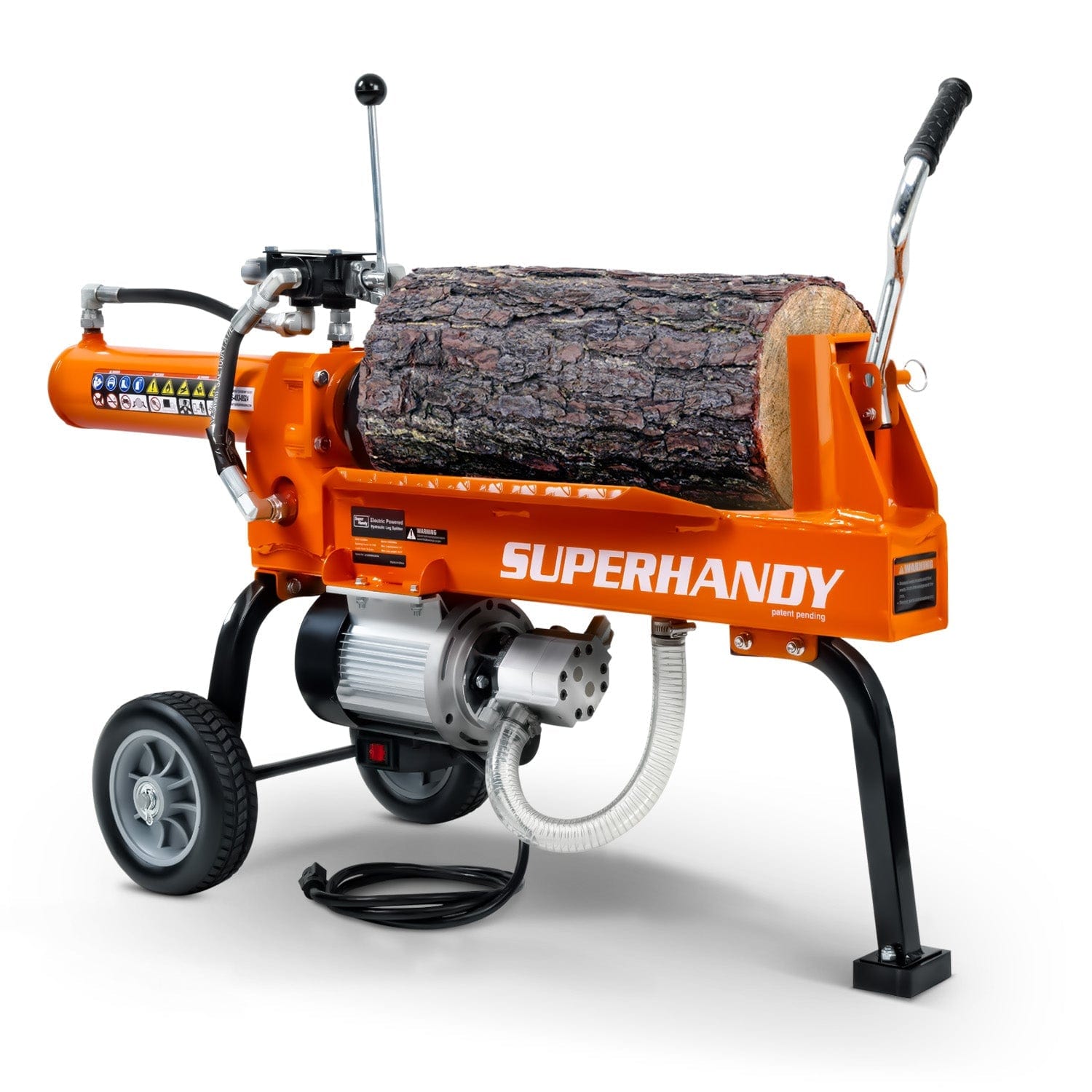
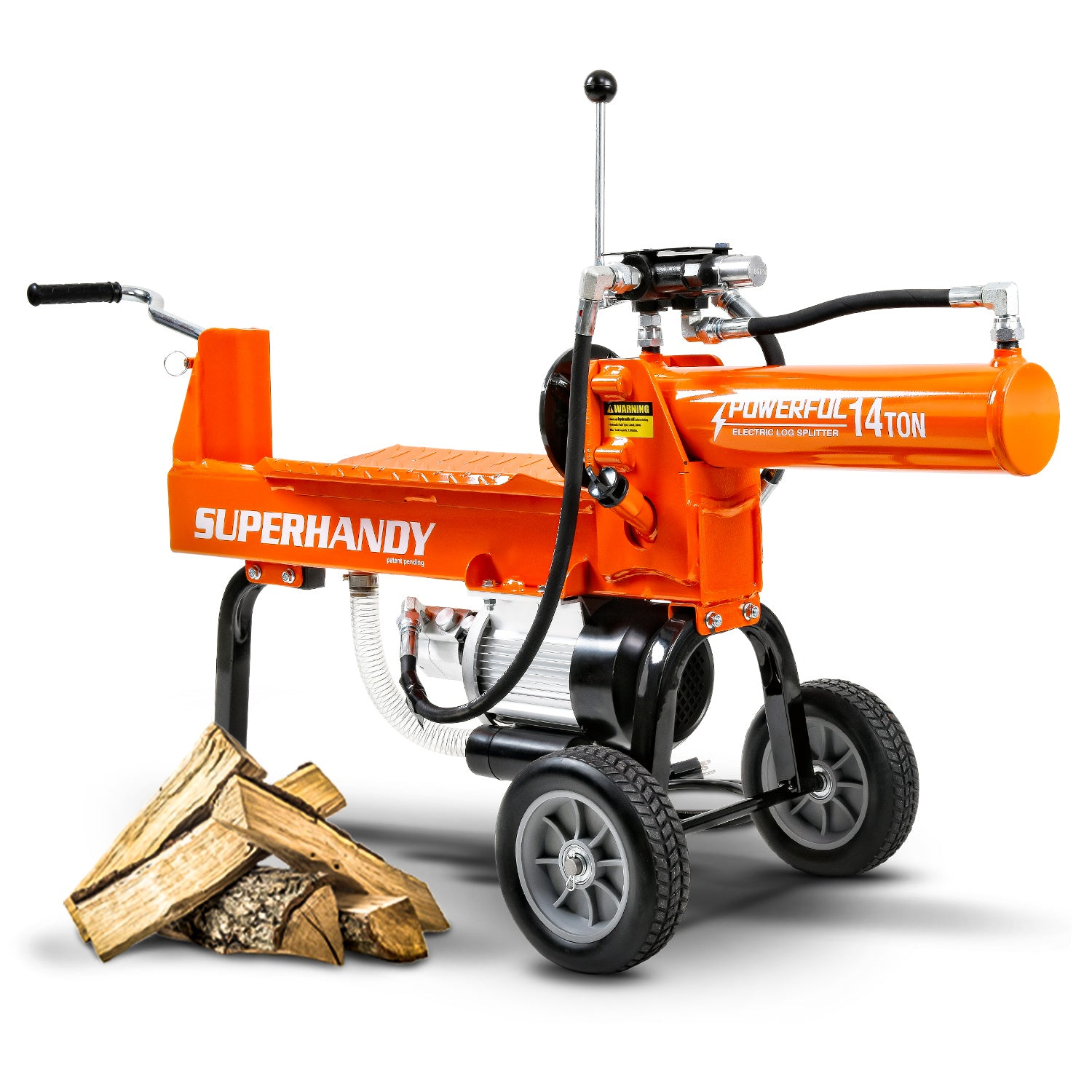
Choosing between electric and gas power depends on your environment and wood volume. Electric log splitters are quieter, produce no fumes, and require less maintenance, making them ideal for use in a garage or near your home. Gas-powered log splitters offer superior power and portability, allowing you to work in remote areas without access to an outlet. They are the go-to for tackling large quantities of tough, dense wood.
Key Features to Look For in Your First Log Splitter
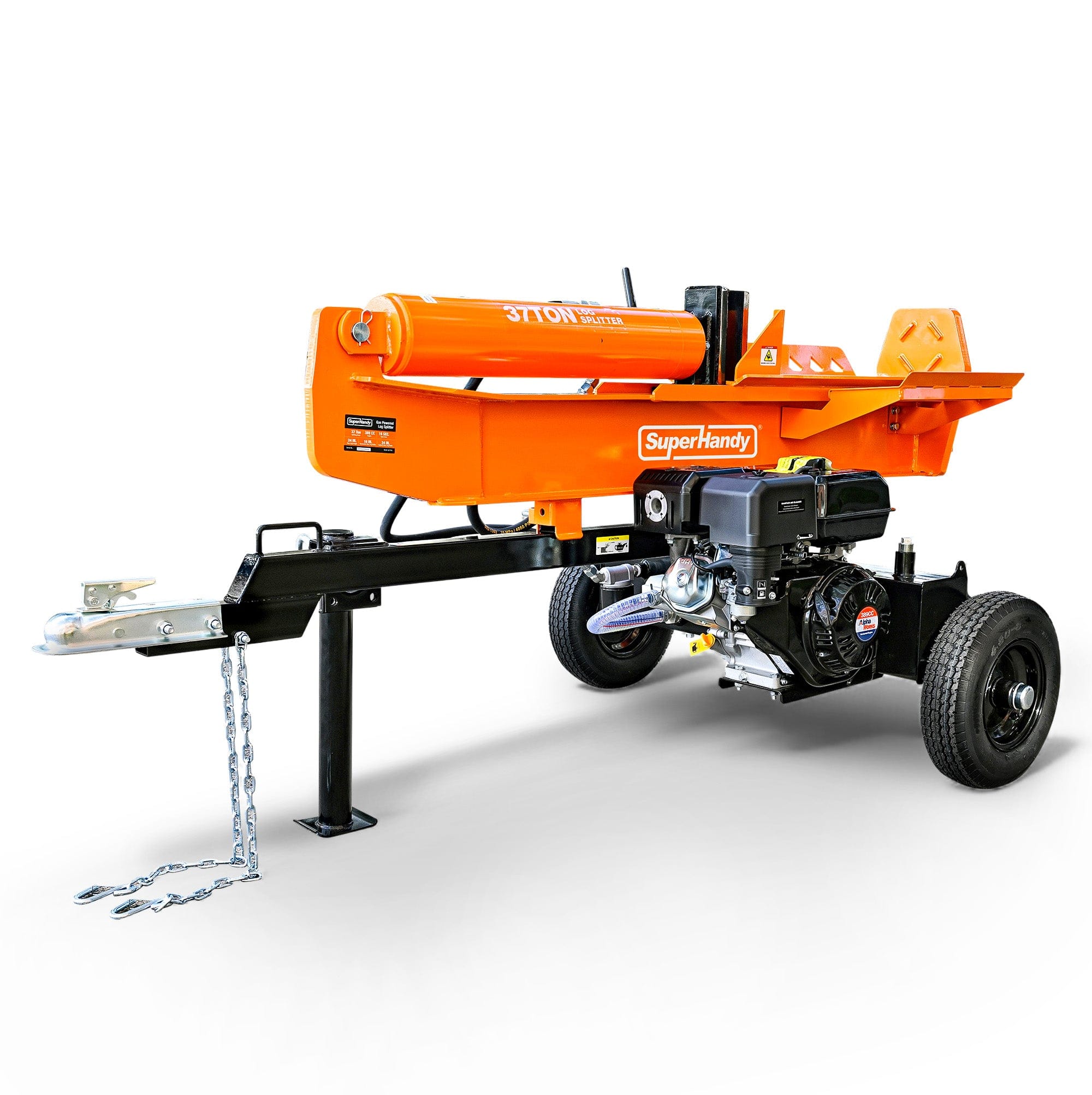
Look for features that enhance efficiency and convenience. A fast cycle time (the time it takes the ram to split a log and return) means you can process more wood in less time. An automatic ram return is a crucial time-saver that brings the wedge back to the starting position for you. For moving the machine around your property, check for durable tires, a comfortable grip handle, and, for larger models, a tow hitch.
Safety First: Essential Protective Gear for Log Splitting
Operating a log splitter is not without risks. Always wear the proper personal protective equipment (PPE). This includes steel-toed boots to protect against falling logs, heavy-duty gloves for a secure grip and splinter prevention, and hearing protection when using a loud gas engine. Most importantly, shield your eyes from flying debris. As the University of Maryland Extension advises, eye or face protection shall be provided for use where chips and sawdust or flying particles are present.
Setting Up Your New Log Splitter: A Step-by-Step Guide
Once unboxed, your owner's manual is the most critical tool. Start by attaching any wheels and handles according to the instructions. Before the first start, verify all fluid levels, including hydraulic fluid and engine oil for gas-powered models. Most importantly, position your wood splitter on a flat, stable, and clear surface, well away from any buildings or foot traffic. This ensures the machine won’t shift or tip during operation.
How to Safely and Effectively Operate Your Log Splitter
With your protective gear on, place a single log securely on the splitter's beam, making sure it sits flush against the end plate. Activate the controls—most modern log splitters require two-handed operation as a safety feature to keep your hands clear of the wedge. Allow the hydraulic ram to do the work; never try to force a log that is too large or knotty. Once a piece is split, move it to a separate pile to maintain a clear and safe workspace.
Choosing the Right Kind of Wood for Splitting
For the best results, focus on splitting seasoned (dried) wood, as it's less dense and splits more cleanly than green, wet wood. While hardwoods like oak and maple burn longer, they are tougher to split than softwoods like pine or fir. Whenever possible, select logs with a straight grain. Wood that is twisted, knotty, or has large branches will be significantly more challenging for any log splitter to process.
Maintaining Your Log Splitter for Longevity
Proper maintenance ensures your investment lasts for many winters. Before each session, perform a quick check of the hydraulic oil level and inspect hoses for any leaks. A sharp splitting wedge is crucial for clean, efficient cuts, so sharpen it as needed. After you're finished, clean off wood chips and debris, and for gas models, follow the manual's schedule for engine oil changes and air filter cleaning.
Troubleshooting Common Log Splitter Issues
Even the most reliable log splitter can encounter a hiccup. If your gas engine won’t start, first check the fuel and oil levels, and ensure the spark plug is clean and connected. For issues with the splitting wedge, such as slow operation or failure to retract, low hydraulic fluid is a common culprit. Always disconnect the power source and consult your owner's manual before attempting any repairs for your specific model.
Storing Your Log Splitter During the Off-Season
Proper off-season storage is key to ensuring your wood splitter is ready for the next winter. Start by cleaning off all wood debris and dirt. For gas models, either drain the fuel tank or add a fuel stabilizer to prevent engine problems. Check the hydraulic fluid level, inspect hoses for wear, and lubricate the beam and wedge. Finally, store your log splitter in a dry, covered location like a garage or shed to protect it from the elements.

Budgeting for Your Log Splitter Purchase and Ongoing Costs
Your initial investment will be the largest expense, but don't forget to budget for ongoing costs. Beyond the purchase price of the log splitter itself, factor in expenses for hydraulic fluid, engine oil, fuel (for gas models), and essential safety gear. Occasional replacement parts like filters or spark plugs are also part of long-term ownership. Investing in a quality machine from the start can help minimize future repair costs.
Where to Buy Your First Log Splitter: Online vs. Local Retailers
When you're ready to buy, you have two main options: online stores or local retailers. Local big-box or specialty stores allow you to see the machine in person. However, online retailers often provide a wider selection, competitive pricing, and the convenience of home delivery. Reputable online stores, like us here at SuperHandy, offer detailed product specifications, customer reviews, and direct support to help you make an informed decision from the comfort of your home.
Frequently Asked Questions About Log Splitters
How much splitting force (tonnage) do I really need?
The tonnage you need depends directly on the type and diameter of the wood you plan to split. For most homeowners dealing with softer woods like pine or fir under 12 inches in diameter, an electric log splitter with 5 to 10 tons of force is usually sufficient. However, if you're tackling larger rounds or dense hardwoods like oak, hickory, or maple, you’ll benefit from the power of a gas-powered wood splitter with 20 tons of force or more. When in doubt, it's better to have slightly more power than not enough.
Can I use a log splitter on green, unseasoned wood?
While a powerful log splitter can force its way through green wood, it's not ideal. Green wood is wet and fibrous, making it resist splitting and often resulting in stringy, incomplete cuts. This puts unnecessary strain on your machine's engine and hydraulic system. For the cleanest splits and the longevity of your equipment, it's best to split wood that has been properly seasoned (dried) for at least six to twelve months.
What does "cycle time" mean and why is it important?
Cycle time refers to the total time it takes for the splitter's ram to push through a log and then retract to its starting position. This spec directly impacts your productivity. A shorter cycle time means you can process more wood in a shorter period. A cycle time around 15 seconds is great for typical residential use, while high-volume users might look for models with cycle times closer to 10 seconds to maximize their efficiency.
Related Products

Leave a comment
All comments are moderated before being published.
This site is protected by hCaptcha and the hCaptcha Privacy Policy and Terms of Service apply.