








Why Shredded Leaves are a Gardener's Best Friend for Balconies
Fallen leaves are a free, sustainable resource that can transform your balcony garden. Instead of bagging them, you can turn them into a valuable soil amendment. As experts from Penn State Extension note, fallen leaves are a tremendous resource for the gardener, not something to be discarded. Shredding them with a leaf mulcher makes them lightweight and easy to store, which is perfect for small urban spaces with weight restrictions. This process also kickstarts decomposition, making nutrients available to your plants sooner.
Assessing Your Balcony Space: Sunlight, Wind, and Size
Before you start planting, take a day to observe your balcony. Note how many hours of direct sunlight it receives and at what time of day. Is it a windy spot? High winds can dry out and damage plants. Also, consider the physical dimensions and, most importantly, your building's weight-bearing capacity. This assessment will guide your plant and container choices, setting you up for a successful growing season.
Choosing the Right Containers for Your Urban Oasis
The right container is crucial for a healthy balcony garden. Lightweight options like fabric grow bags or recycled plastic pots are often ideal to manage weight. Whatever material you choose, ensure every pot has adequate drainage holes at the bottom. Proper drainage prevents waterlogged soil and root rot, one of the most common issues in container gardening.
Understanding the Benefits of Leaf Mold for Container Gardening
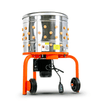
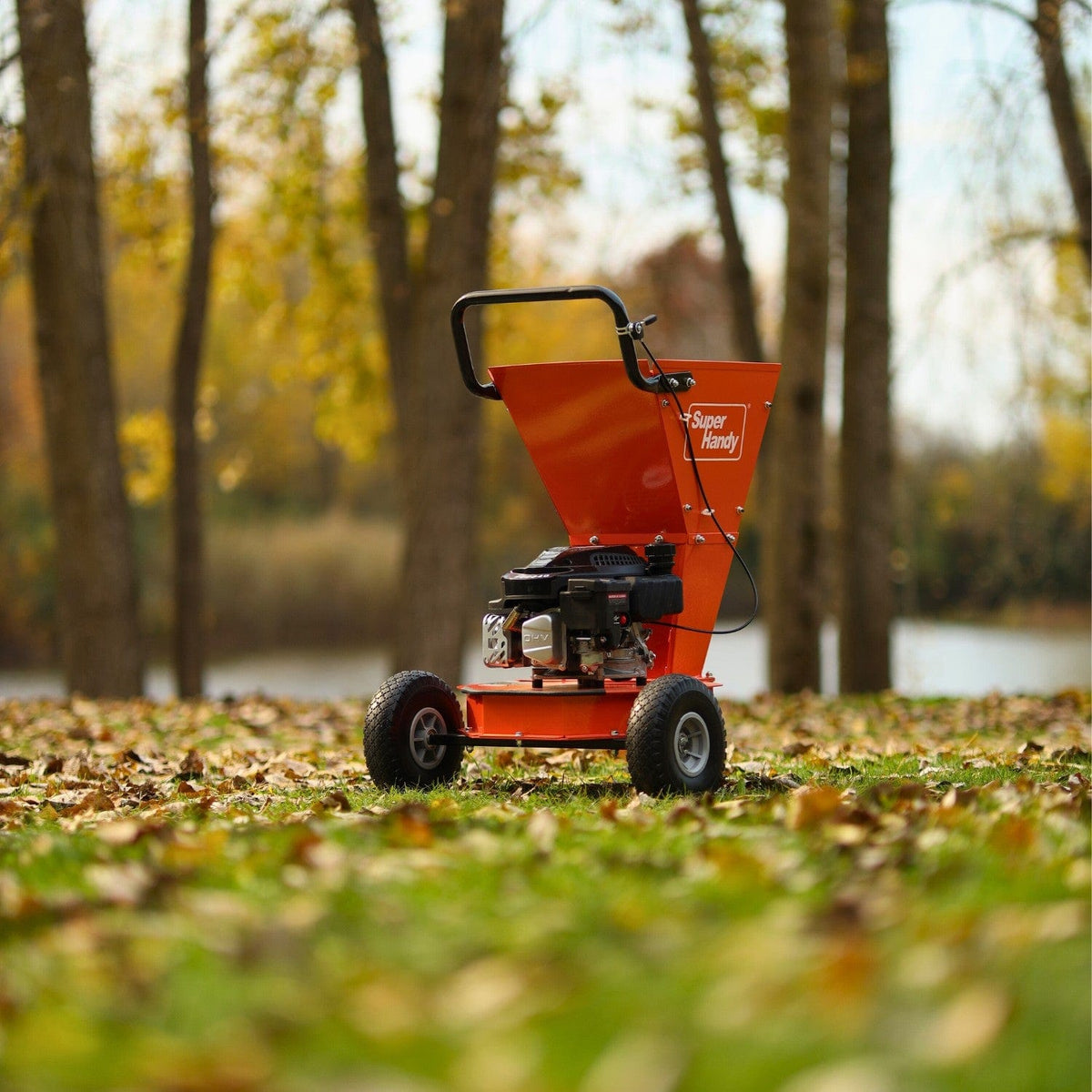
Leaf mold is simply what you get when leaves decompose. The University of Massachusetts defines leaf mold as essentially partially decomposed hardwood tree leaves. While not a fertilizer, it's a superior soil conditioner. It dramatically improves soil structure, increases water retention by up to 50%, and provides a fantastic habitat for beneficial microorganisms. Using a leaf mulcher shredder like those from SuperHandy accelerates this process, giving you rich, crumbly leaf mold much faster.
Sourcing and Preparing Your Shredded Leaves
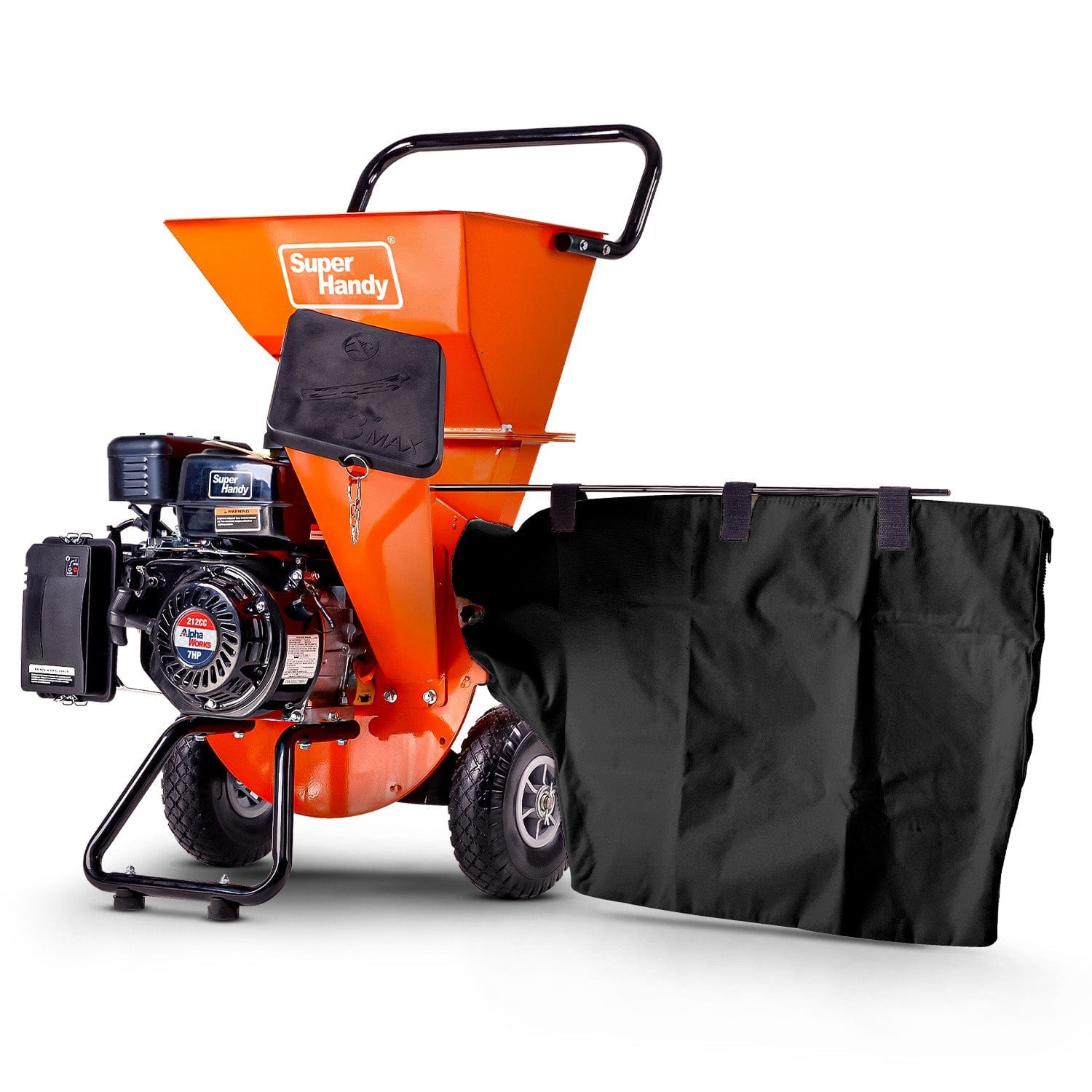
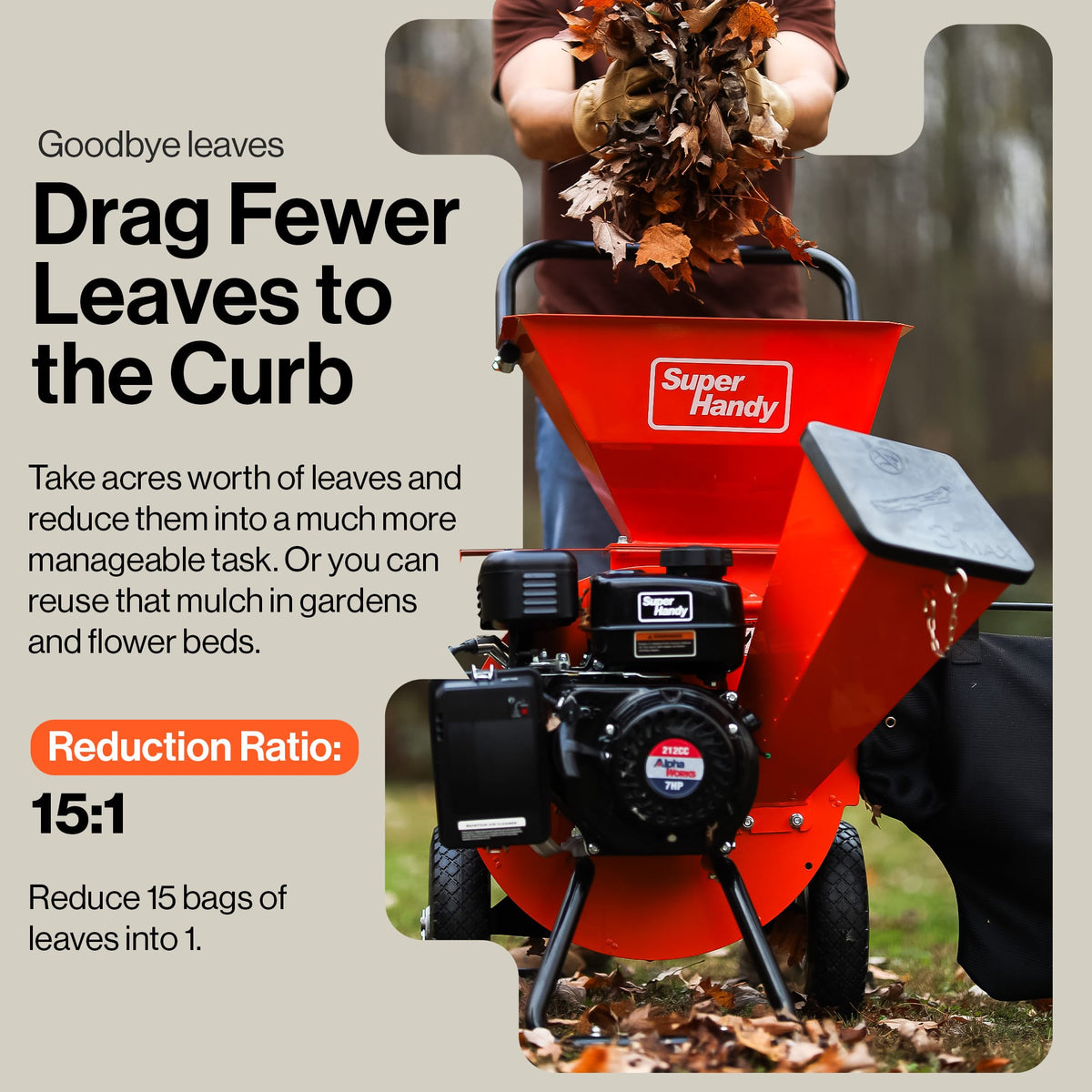
Gathering leaves is the easy part—check your own small yard, a local park (where permitted), or ask a neighbor. The key is to use dry leaves, as wet ones can clog equipment. For balcony gardeners, a powerful and compact leaf mulcher shredder is essential. It transforms bulky bags of leaves into a fine, uniform material that breaks down quickly and integrates perfectly into container soil, a task a simple lawn mower can't handle for this application.
How to Create Your Leaf Mold Mixture: The Perfect Ratio
For a lightweight and moisture-retentive blend perfect for containers, you don’t need a complex recipe. A great starting point is a simple ratio of one part finely shredded leaves to two parts quality potting mix. Combine them thoroughly in a large bucket or on a tarp before filling your pots. This ensures an even distribution of the organic matter, providing consistent benefits to your plant's roots.

Layering Your Container: Building a Healthy Soil Foundation
Proper layering prevents waterlogged soil and promotes healthy roots. Follow these simple steps for a successful setup:
- Drainage: Place a one-inch layer of small gravel, broken terracotta, or screen mesh over the container's drainage holes.
- Fill: Add your prepared leaf mold and potting soil mixture until it's about two inches from the container's rim.
- Settle: Lightly press the soil down to eliminate large air pockets, but avoid compacting it.
Best Plants for Small Balcony Gardens with Leaf Mold Soil
Leaf mold helps soil retain moisture, making it ideal for thirsty plants. Excellent choices for your balcony oasis include a variety of herbs (like basil, mint, and parsley), leafy greens (lettuce, spinach, and arugula), and cheerful annuals such as marigolds, petunias, and pansies.
Watering and Drainage: Keeping Your Balcony Plants Happy
Leaf mold excels at retaining moisture, reducing how often you need to water. However, proper drainage is non-negotiable in containers. Always ensure your pots have drainage holes. Before watering, stick your finger an inch into the soil; if it feels dry, it's time to water. If it's damp, wait another day. This prevents overwatering and root rot, a common issue in container gardening.
Feeding Your Plants: Supplementing Leaf Mold Rich Soil
While leaf mold provides a fantastic, nutrient-rich foundation, it releases these nutrients slowly. For heavy-feeding plants like tomatoes or flowering annuals, you'll need to supplement. Apply a balanced, all-purpose liquid fertilizer every 2-4 weeks during the peak growing season to ensure they have the energy to produce abundant blooms and fruit.

Pest and Disease Management in a Balcony Setting
Healthy soil leads to healthy plants, which are naturally more resistant to pests. Regularly inspect the undersides of leaves for common culprits like aphids and spider mites. Good air circulation is your best defense. If you spot pests, a simple spray of insecticidal soap is often enough to manage the problem without harsh chemicals.
Seasonal Care for Your Leaf Mold Balcony Garden
In spring, top-dress your containers with a fresh layer of your leaf mold mix. As autumn arrives, it's the perfect opportunity to gather a new supply of leaves. Using a powerful leaf mulcher shredder makes quick work of preparing them for your next batch of "black gold." For winter, protect perennial plants from frost or bring tender varieties indoors.
Troubleshooting Common Balcony Gardening Issues
Even with the perfect setup, challenges can arise in a balcony garden. Here are solutions to some common hurdles. If your container soil seems overly soggy or compacted, your leaf mold-to-soil ratio may be off, or your drainage holes could be blocked. Try gently aerating the soil with a small hand fork and ensure water can escape freely.
Is your leaf mixture breaking down too slowly or forming a dense mat? This often happens when leaves aren't chopped finely enough. Using a powerful leaf mulcher is crucial for creating a uniform, fine-textured material that integrates seamlessly into your soil. A high-quality leaf mulcher shredder prevents clumping, improves aeration, and accelerates the creation of nutrient-rich humus. If you notice yellowing leaves, remember that leaf mold is a long-term soil conditioner, not a fast-acting fertilizer. You may need to supplement with a balanced liquid feed, especially for heavy-feeding vegetables and flowers.
Frequently Asked Questions about Balcony Leaf Mold Gardens
Will using shredded leaves make my balcony smell bad?
No, properly prepared leaf mold should not have an unpleasant odor. Unlike hot composting, which can sometimes produce strong smells, the slow, cool decomposition of leaves results in a rich, earthy scent similar to a forest floor. If you notice a sour or foul smell, it may indicate the mixture is too wet and lacks oxygen. Simply fluff the leaves to aerate them and improve airflow.
Do I need a special machine to shred the leaves?
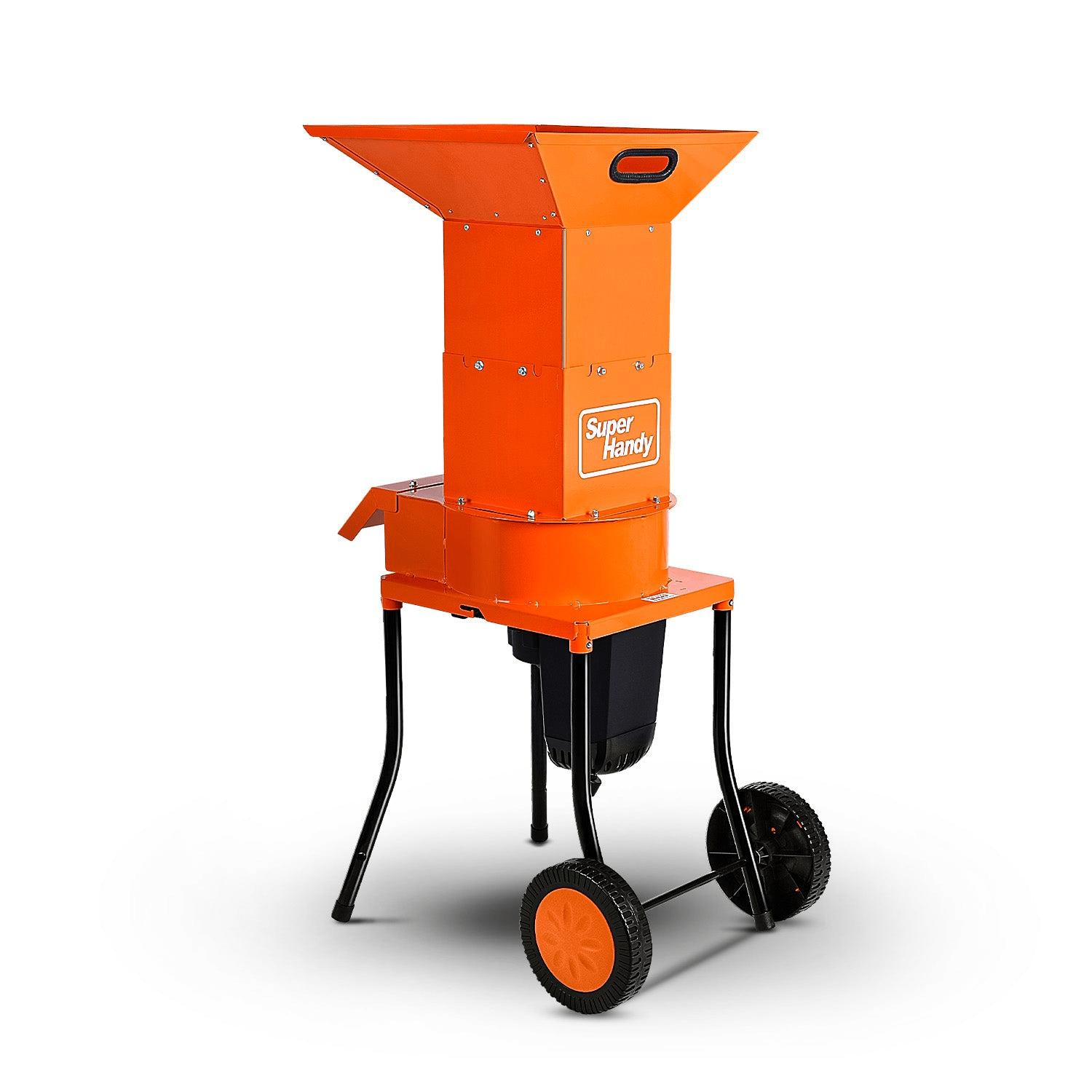
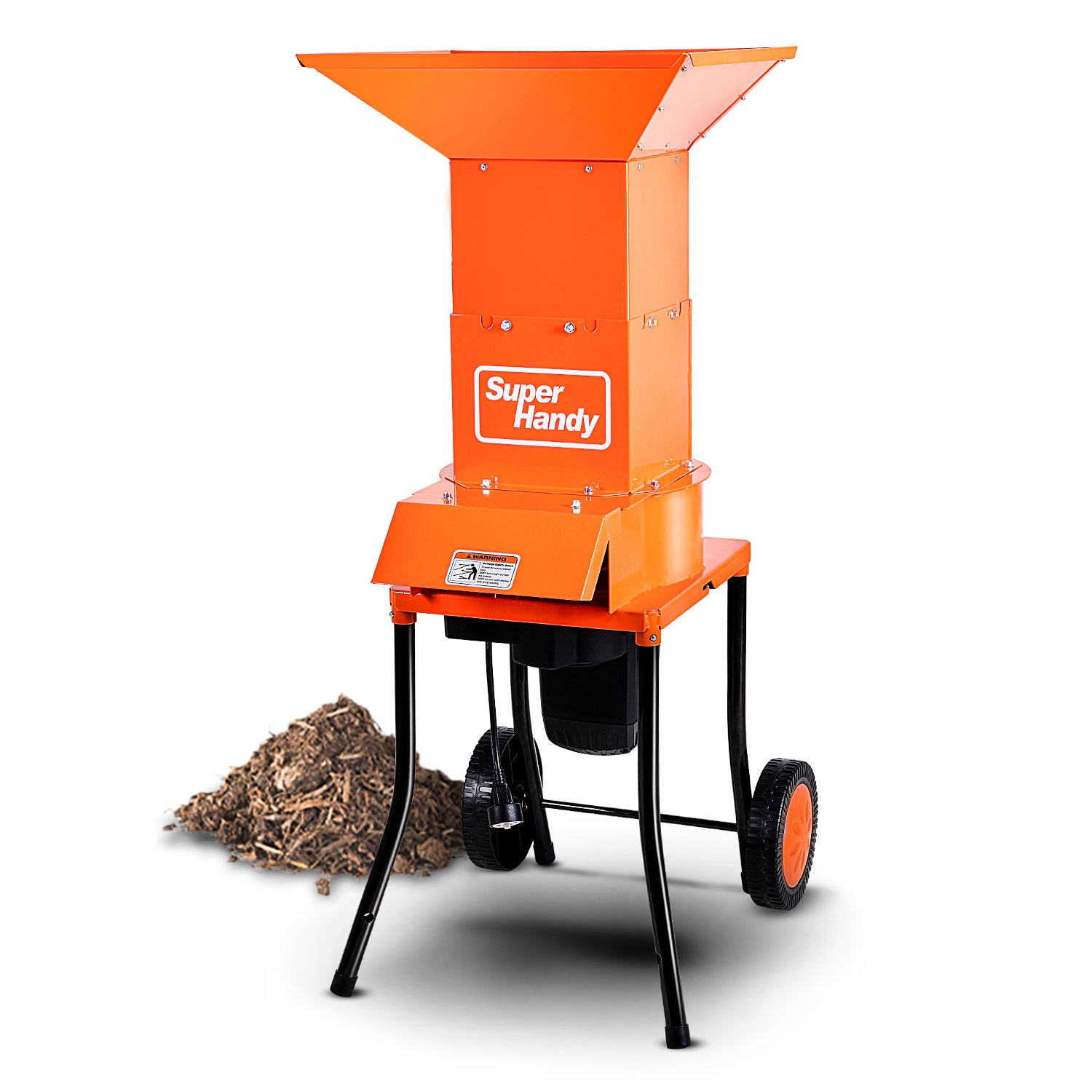
While you can crush dry leaves by hand, a dedicated leaf mulcher shredder makes the process significantly faster and more efficient. A good mulcher creates a uniform, fine texture that decomposes more quickly and blends seamlessly into your potting mixes. For balcony gardeners, a compact electric model is often the perfect solution for processing small batches of leaves without taking up too much space.
Will leaf mold attract pests to my balcony?
Leaf mold itself is unlikely to attract pests. The fungal decomposition process doesn't create the same environment that attracts flies or rodents like food-scrap composting can. However, it's always wise to use leaves from a trusted source to avoid introducing unwanted insects or their eggs. Keeping your containers tidy and ensuring good drainage will also help maintain a pest-free balcony garden.
Related Products

Leave a comment
All comments are moderated before being published.
This site is protected by hCaptcha and the hCaptcha Privacy Policy and Terms of Service apply.