











Understanding the Core Differences: Gas vs. Electric Log Splitters
When you’re ready to invest in a quality fire wood splitter, the first and most important decision you'll make is choosing the power source. The fundamental choice between a gas-powered or an electric-powered log splitter will influence nearly every aspect of its performance, from raw splitting force to where you can operate it.
The core difference lies in how each machine generates power. A gas log splitter uses an internal combustion engine, while an electric log splitter relies on an electric motor powered by a standard household outlet or, in some cases, a battery. This single distinction dictates the machine's power (measured in tonnage), portability, noise level, and maintenance requirements. While convenient electric models like a 7-ton splitter are perfect for many homeowners, understanding the capabilities of a gas-powered unit is key to making the right choice for heavy-duty needs.
Gas Log Splitters: Unpacking the Powerhouse
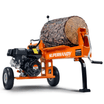
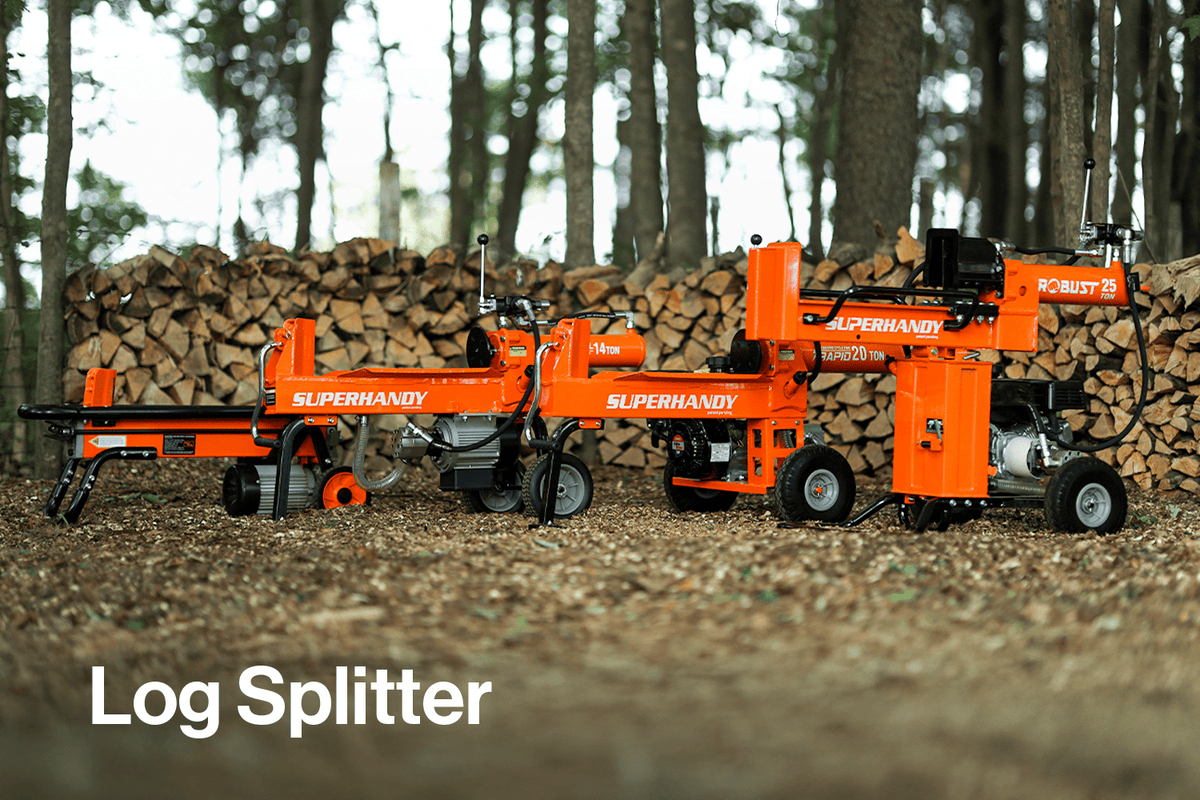
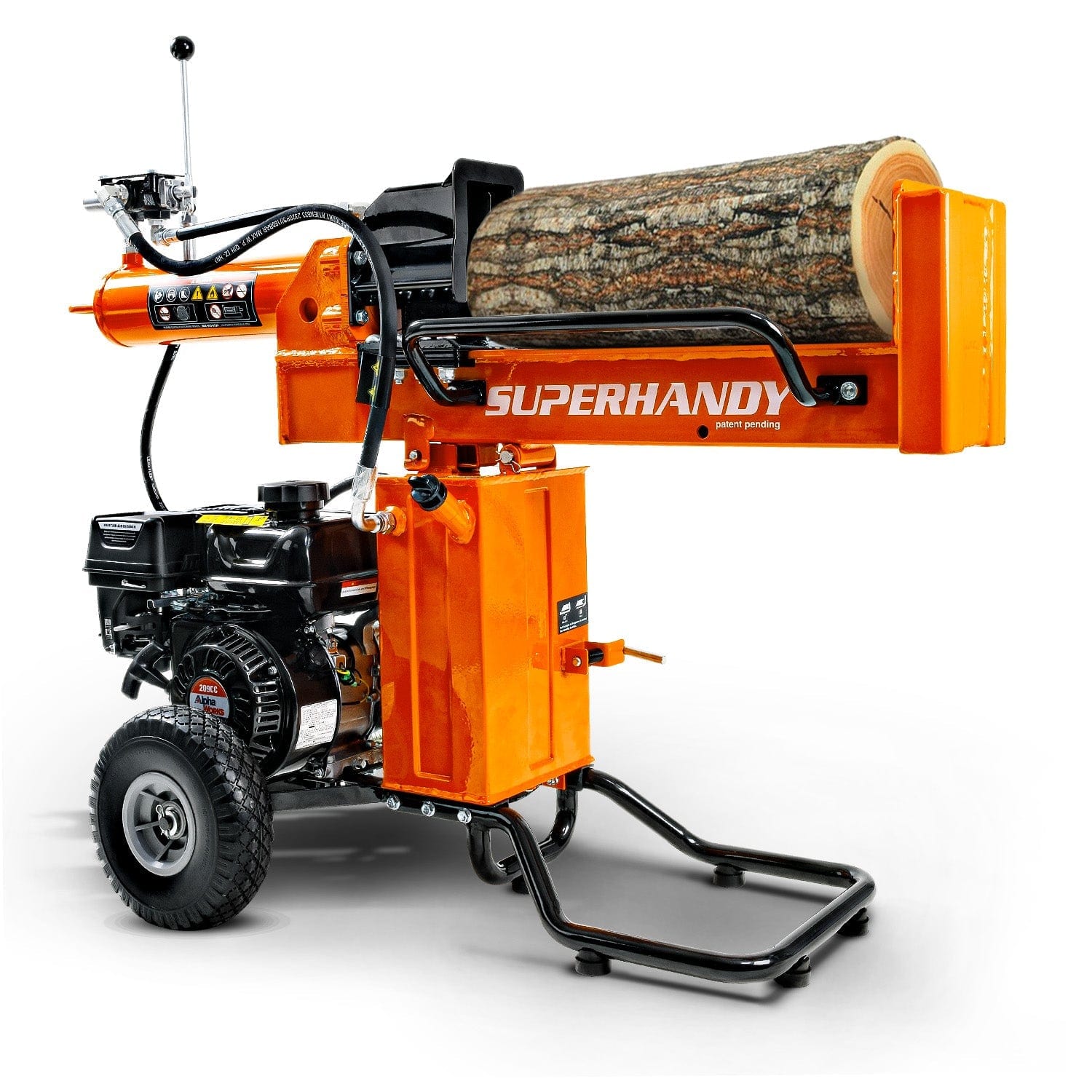
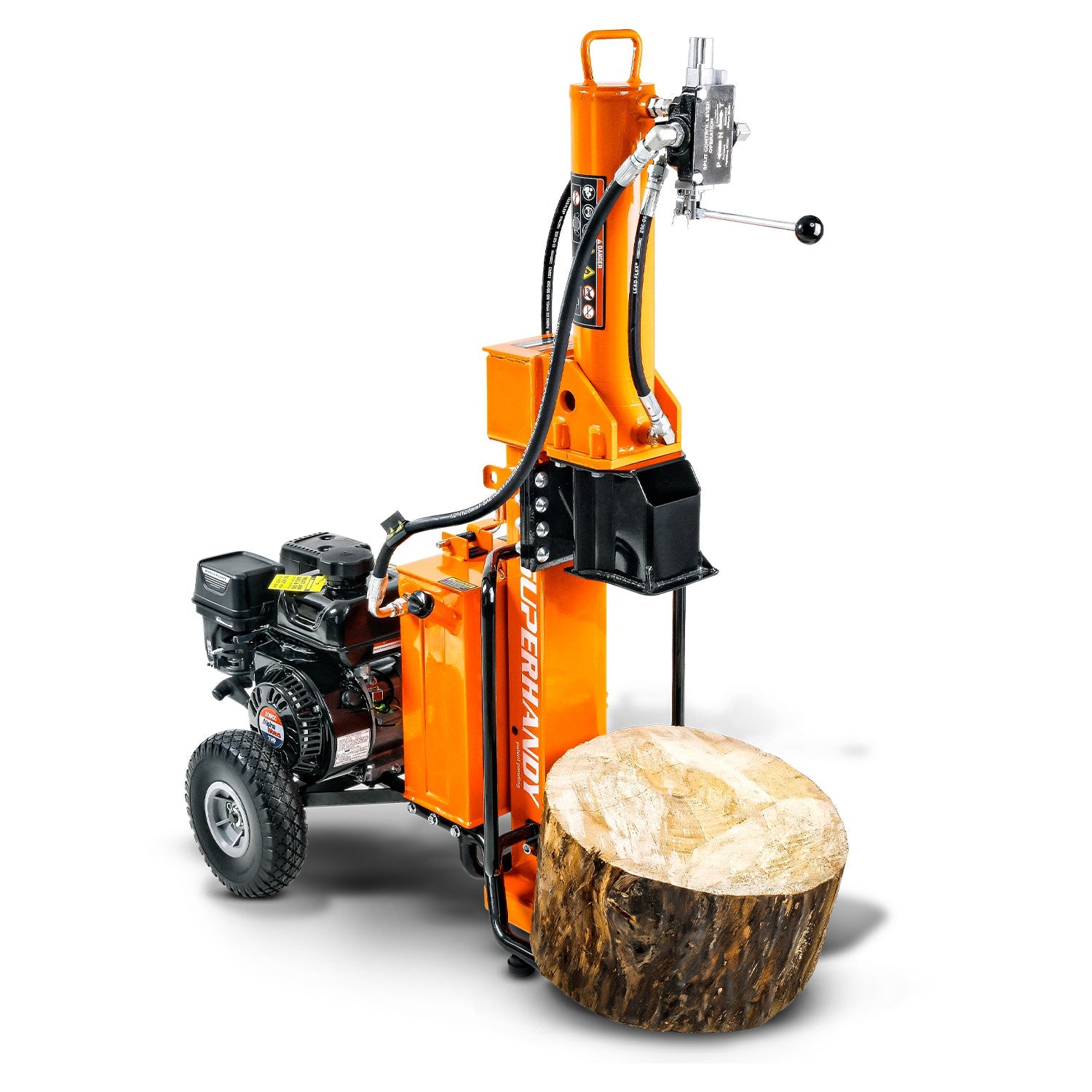
A gas log splitter is the workhorse of the wood-splitting world. At its heart is a small gasoline engine that drives a hydraulic pump. This system creates immense pressure, forcing a steel wedge through logs with thousands of pounds of force. This power, or tonnage, is what allows gas models to tackle jobs that smaller electric splitters simply can't handle.

These machines are designed for high-volume, demanding work. A robust model like a 20-ton gas-powered log splitter can effortlessly slice through large-diameter logs, dense hardwoods like oak and hickory, and even green, unseasoned wood. They are the go-to choice for anyone with a large property, a significant amount of wood to process, or the need to work far from a power source.
Pros of Gas Log Splitters: Where They Shine
Gas-powered models excel in situations where power and freedom are top priorities. Their primary advantages include:
- Superior Splitting Power: Gas engines generate significantly more hydraulic force than most electric models. This higher tonnage means you can split larger, tougher, and knottier logs without hesitation.
- Complete Portability: Because they aren't tethered to an electrical outlet, you can tow or wheel a gas splitter anywhere on your property. This is ideal for splitting wood right where it's felled, saving you the effort of hauling heavy rounds back to the house.
- Speed and Efficiency: Gas splitters often feature faster cycle times (the time it takes for the ram to split a log and return). This allows you to process a large cord of wood much more quickly, making them perfect for stocking up for the entire winter season.
Cons of Gas Log Splitters: Potential Drawbacks to Consider
While powerful, gas log splitters come with a few trade-offs that are important to be aware of:
- Noise and Fumes: The gasoline engine is loud and produces exhaust fumes. For this reason, gas splitters must always be operated outdoors in a well-ventilated area, and wearing hearing protection is highly recommended.
- More Involved Maintenance: Like any gas-powered equipment, the engine requires regular maintenance. This includes oil changes, spark plug replacements, air filter cleaning, and properly winterizing the fuel system for off-season storage.
- Larger and Heavier: The engine and robust frame make gas splitters heavier and bulkier than their electric counterparts, which can make them more challenging to move and store.
Electric Log Splitters: Exploring the Convenient Option
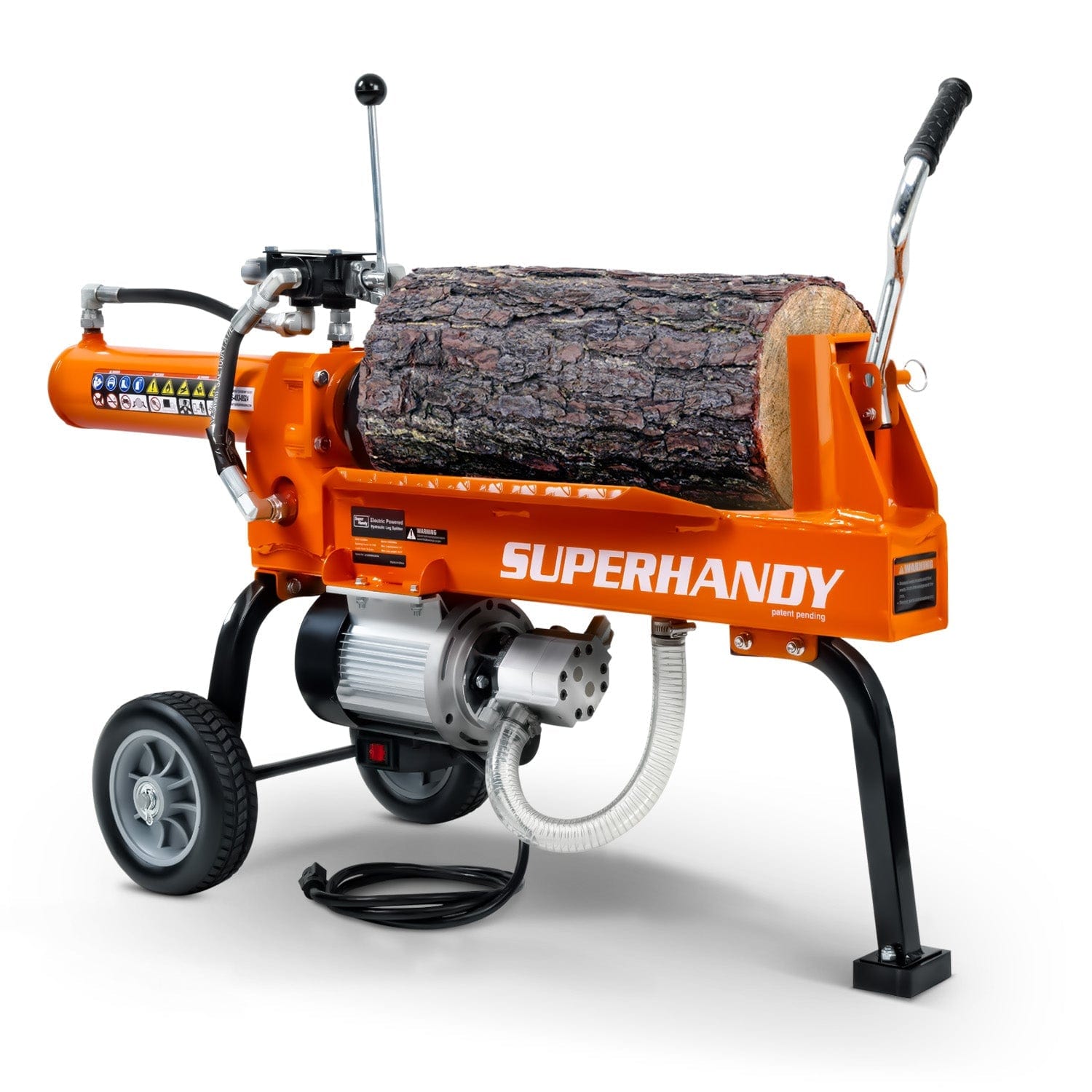
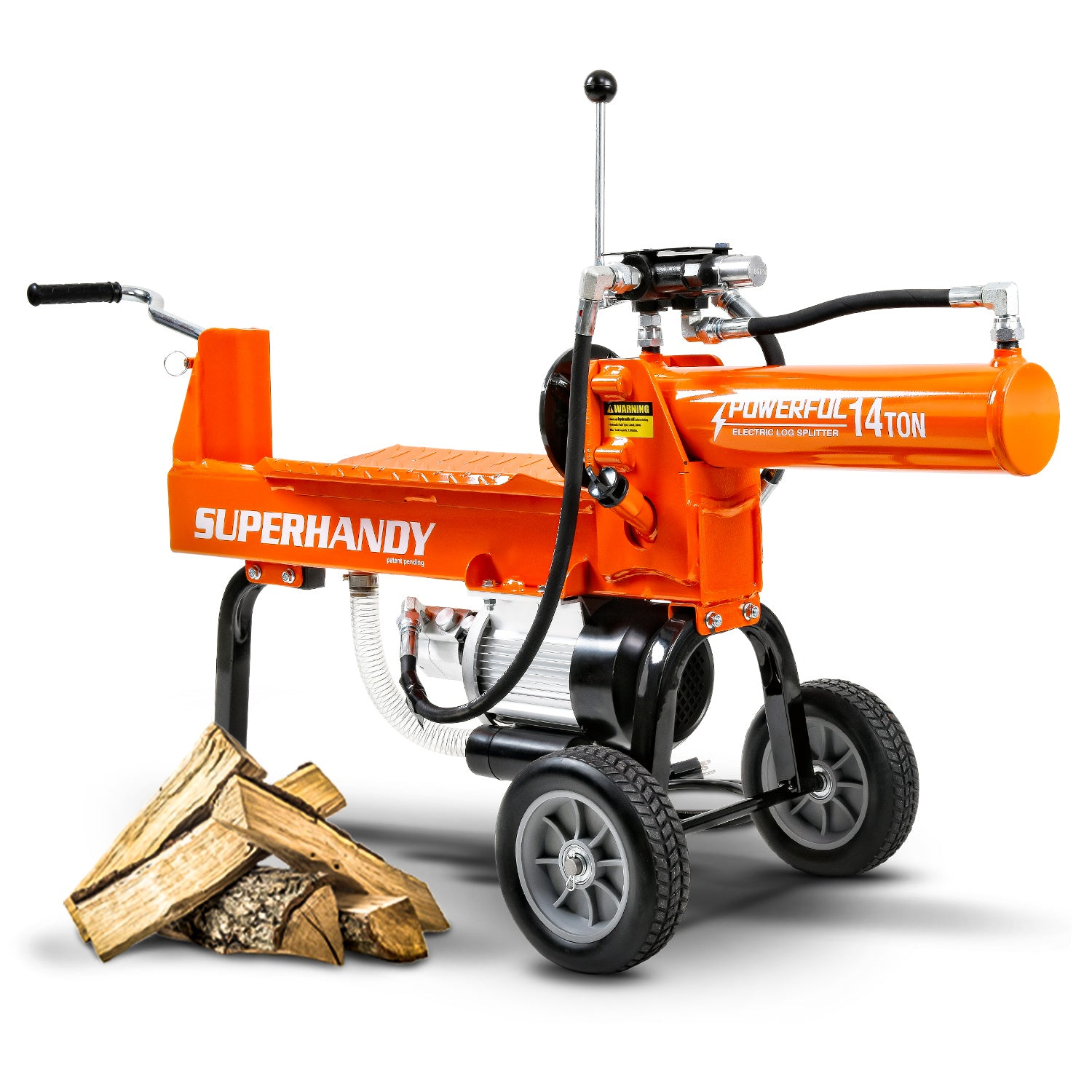
If the roar of a gas engine isn't for you, an electric log splitter offers a quiet, convenient, and user-friendly alternative. Designed primarily for residential use, these machines are perfect for homeowners who need to process a season's worth of firewood without the noise, fumes, and maintenance of a gas-powered unit. An electric fire wood splitter plugs into a standard household outlet, making it incredibly easy to start—just press a button and you're ready to go. Models like the SuperHandy 14-Ton Electric Log Splitter provide substantial power for common splitting tasks in a compact, easy-to-manage package.
Pros of Electric Log Splitters: Why They Might Be Right for You
Electric models shine in suburban and small-property settings where convenience and consideration for neighbors are key.
- Quiet Operation: They produce minimal noise, comparable to a shop vacuum rather than a lawnmower. You can split wood without disturbing your family or neighbors.
- Zero Emissions: Since they don't burn fuel, electric splitters produce no toxic fumes. This major advantage allows you to safely operate them in a garage or workshop during bad weather.
- Low Maintenance: Forget about oil changes, carburetor cleaning, and stale fuel. Electric log splitter maintenance is simple: keep the machine clean, check the hydraulic fluid, and sharpen the wedge as needed.
- Lighter and More Portable: Generally smaller and lighter than gas units, electric splitters are easier to move around your property and store in a garage or shed.
- Lower Upfront Cost: Electric models are typically more affordable to purchase than their gas-powered counterparts.
Cons of Electric Log Splitters: Limitations to Be Aware Of
While convenient, electric splitters have limitations that make them unsuitable for heavy-duty or remote applications.
- Limited Power: Electric models usually top out around 14 tons of splitting force. While this is ample for most seasoned pine, birch, and oak logs up to 12 inches in diameter, they can struggle with larger, knotty, or green hardwood.
- Tethered to an Outlet: Your work area is defined by the length of your extension cord. You must have access to a power source, making them impractical for use in the back of a large property or deep in the woods.
- Slower Cycle Times: The time it takes for the ram to split a log and return to its starting position is often longer on electric models. This can slow down your workflow if you need to process a large volume of wood quickly.
Key Factors for Choosing Your Log Splitter Power Source
Deciding between gas and electric ultimately comes down to matching the machine’s capabilities to your specific needs. Before you choose, ask yourself these critical questions:
- How much wood will you process? If you’re splitting a few cords per year for your fireplace, an electric model like the compact SuperHandy 6-Ton Electric Log Splitter is often sufficient. If you’re processing ten cords or more, a gas model's speed and power become essential.
- What size and type of wood are you splitting? For smaller logs and softer woods, an electric splitter is a great fit. For large-diameter, dense hardwoods like hickory or green, unseasoned rounds, the higher tonnage of a gas splitter is necessary.
- Where will you be working? If you have a dedicated space near an outlet in your garage, yard, or workshop, an electric splitter is perfect. If you need to split wood far from a power source, a gas model is your only option.
- What is your tolerance for noise and maintenance? If you value quiet operation and want to avoid engine upkeep, an electric fire wood splitter is the clear winner. If you don't mind the noise and are comfortable with small engine maintenance, a gas model’s power may be worth it.
Splitting Volume: How many logs do you need to process?
The sheer amount of wood you plan to split is one of the most significant factors in choosing between a gas and an electric log splitter. Your needs will differ drastically if you’re a casual user preparing for a few cozy winter fires versus someone who heats their home primarily with wood.
To quantify your needs, it helps to understand how firewood is measured. Firewood is generally not sold by the ton, but by the cord—a stack of wood that is four feet high, eight feet long, and four feet in width. If you only need to process a single cord or less per year for occasional use, a reliable electric log splitter is often the perfect match. They are efficient for smaller batches and make quick work of a weekend splitting session.
However, if you are processing multiple cords of wood to last through the entire heating season, the relentless power and speed of a gas-powered fire wood splitter become essential. A heavy-duty 20-ton gas splitter can handle continuous, high-volume work without bogging down, turning a mountain of logs into a neat stack of firewood in a fraction of the time.
Log Size and Hardness: Tackling Tougher Wood
Beyond volume, consider the type of wood you'll be splitting. A 12-inch diameter log of soft pine is vastly different from a 20-inch, knotty round of oak. The power needed to split wood cleanly is determined by its diameter, age (seasoned vs. green), and species.
Wood is broadly categorized as softwood (like pine and fir) or hardwood (like oak, hickory, and maple). Hardwood is denser because it has incredibly compact fibers, which is why it burns longer and hotter. According to Kansas State University, this density means it takes longer for fire to cut through, resulting in the wood burning hotter. That same density makes it significantly tougher to split.
- Electric Splitters: These are ideal for softwoods and smaller-diameter hardwoods (typically up to 12 inches). For those who need a bit more muscle without moving to gas, a powerful 14-ton electric model can be an excellent compromise.
- Gas Splitters: If your woodpile is full of large, dense, or knotty hardwoods, a gas splitter is non-negotiable. Their higher tonnage ratings (20 tons and up) provide the raw force needed to power through the toughest logs without hesitation.
Portability and Location: Where Will You Be Splitting?
Think about the journey from log to woodpile. Where will you do the actual splitting?
Electric log splitters require a standard electrical outlet. This makes them perfectly suited for use in a garage, workshop, or right in the backyard. They are typically lighter and more compact, making them easy to wheel around a property as long as you have a heavy-duty extension cord.
Gas log splitters, on the other hand, offer true freedom. Since they carry their own power source, you can take them anywhere. This is a game-changer for owners of large properties who need to split wood far from the house, or for those who want to process logs right where the tree was felled. Most high-tonnage gas splitters are built on a towable chassis, allowing you to easily transport them behind a truck or ATV to any location.
Budget Considerations: Initial Cost vs. Long-Term Savings
Your budget plays a crucial role, but it’s important to look beyond the initial price tag.
- Initial Cost: Electric log splitters almost always have a lower upfront cost, making them a more accessible entry point for homeowners with moderate needs.
- Long-Term Costs: This is where electric models shine. The cost of electricity is significantly lower than the price of gasoline. Furthermore, electric splitters have very few maintenance needs—no oil changes, spark plugs, or carburetor cleanings.
Gas splitters have a higher initial investment and require ongoing spending for fuel, oil, and routine engine maintenance. However, for those with heavy-duty requirements, this higher cost is an investment in superior power, efficiency, and untethered portability that pays for itself in time and labor saved.
Related Products

Leave a comment
All comments are moderated before being published.
This site is protected by hCaptcha and the hCaptcha Privacy Policy and Terms of Service apply.