








Assessing the Damage: Identifying and Prioritizing Storm-Fallen Branches
After a storm, the first step is to take a calm, careful walk around your backyard. Before touching anything, look up and around for any immediate dangers, such as branches tangled in power lines or caught precariously on your roof or other trees. If you see any of these high-risk situations, do not attempt to handle them yourself—call a professional.
Once the area is deemed safe to enter, begin sorting the debris. Create separate piles for small twigs, medium-sized branches, and any logs that are too large for a compact chipper. Prioritize clearing pathways, patios, and areas around your home's foundation first. This initial assessment helps you understand the scale of the job and organize the cleanup process efficiently.
Safety First: Essential Gear and Precautions for Backyard Branch Cleanup
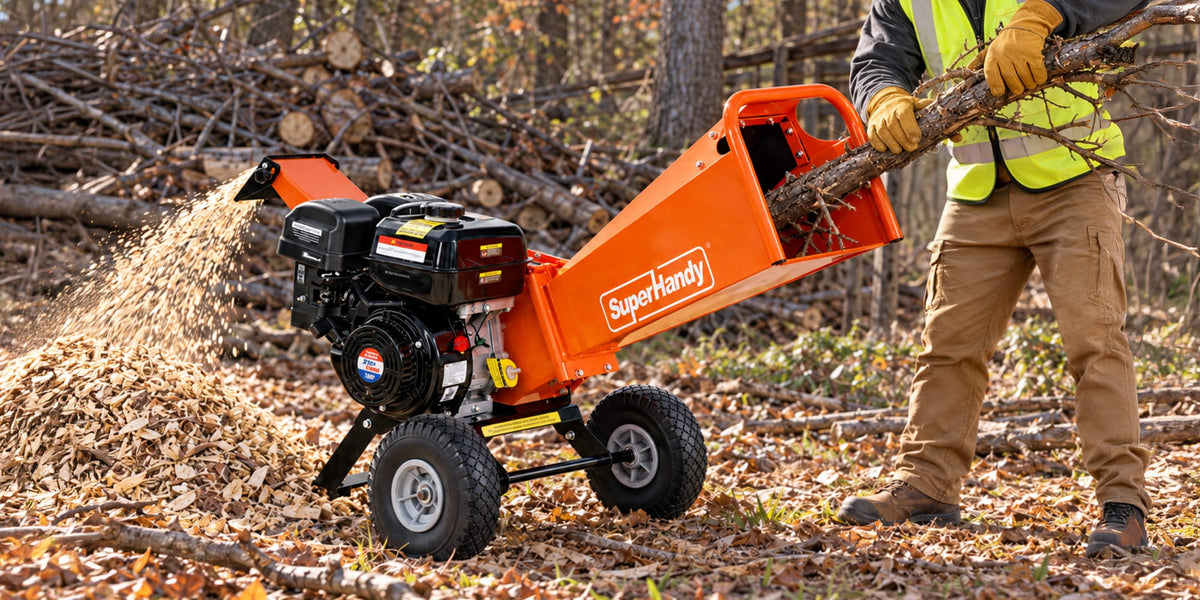
Operating any power equipment requires a commitment to safety, and a chipper for wood is no exception. Always use personal protective equipment (PPE) when operating a chipper or shredder. According to safety experts, your essential gear should include a hard hat, sturdy slip-resistant footwear, eye protection, hearing protection, gloves without cuffs, and pants without cuffs. Loose clothing, jewelry, or cuffed items can get caught in the machine, so ensure your attire is snug-fitting. Before you start the engine, clear your work zone of any tripping hazards, pets, and bystanders to create a safe, focused environment.
Choosing the Right Compact Wood Chipper for Urban Spaces
For a small urban yard, a massive, commercial-grade machine isn't necessary. You need a compact, efficient, and easy-to-store solution. Consider these factors when selecting your Wood Chipper:
- Power Source: Electric chippers are quieter, lighter, and produce no emissions, making them ideal for residential areas. Gas-powered models offer more power and portability if you need to work far from an outlet.
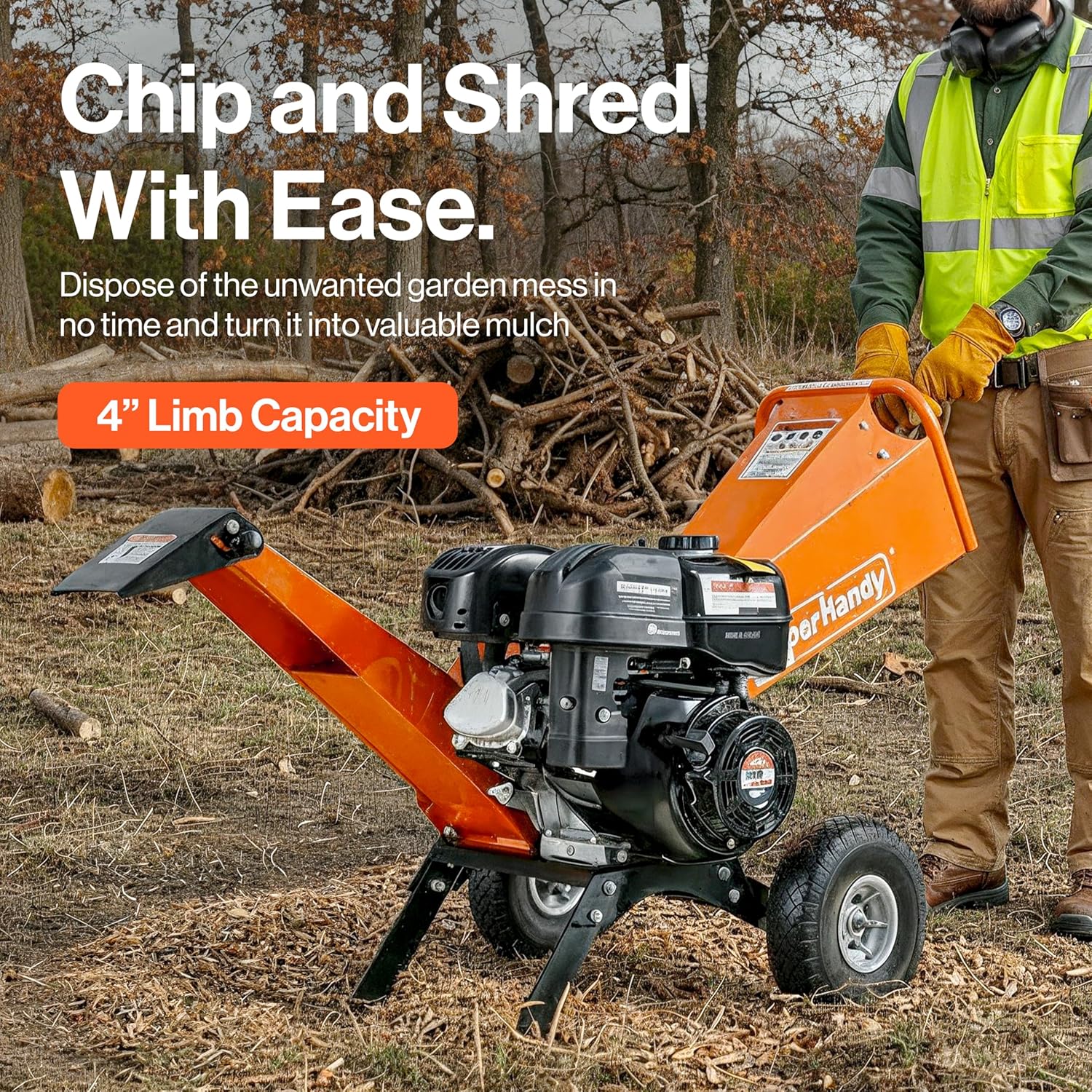
- Chipping Capacity: Check the maximum branch diameter the chipper can handle. A model that accepts branches up to 3 inches in diameter is typically sufficient for post-storm cleanup in a small yard.
- Portability: Look for a chipper shredder with sturdy wheels and a manageable weight, allowing you to easily move it around your property and into storage.
Understanding Your Chipper: Key Features and Operation Basics
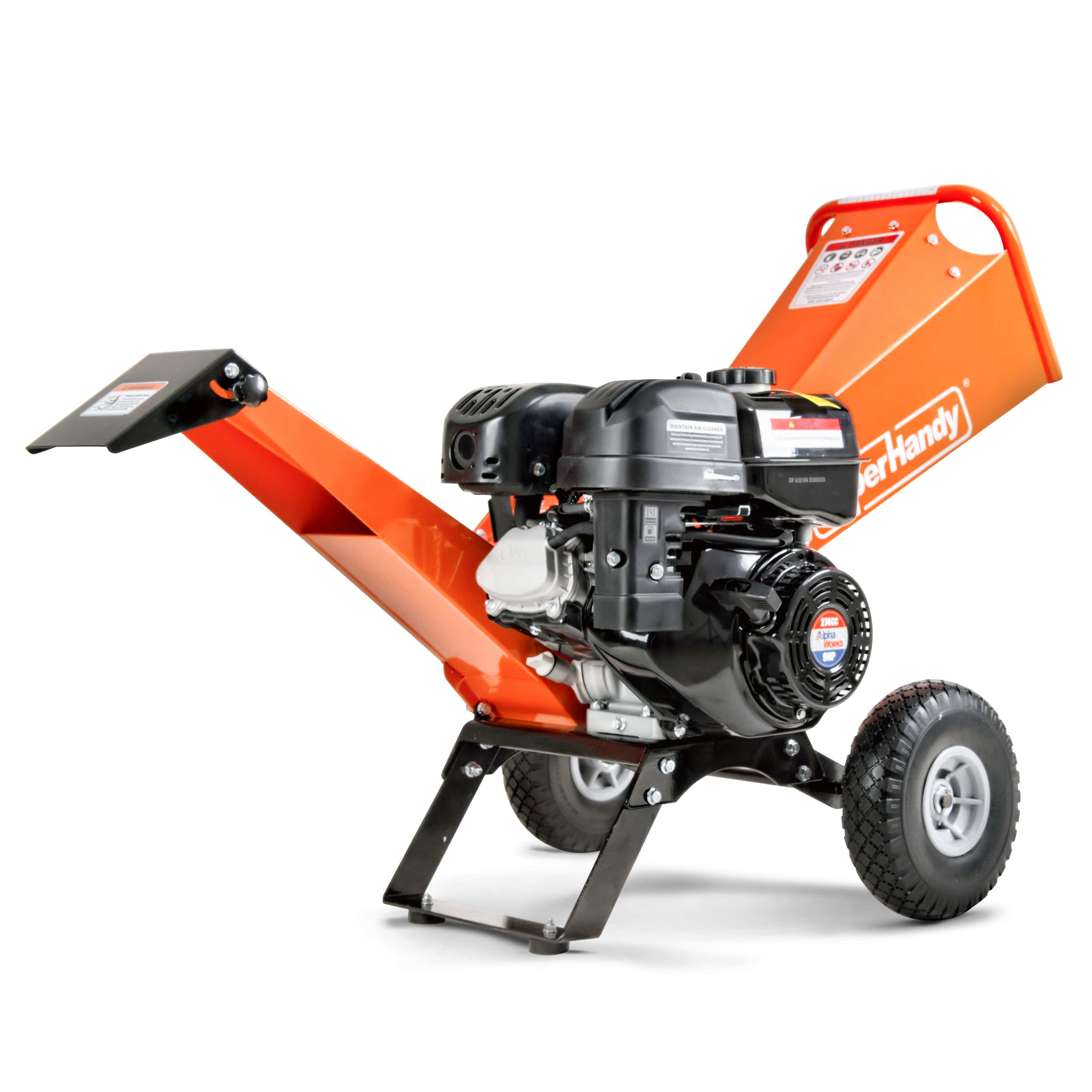
Before your first use, familiarize yourself with your machine by reading the owner's manual thoroughly. Key components generally include the infeed hopper (where you feed branches), the chipping mechanism (the internal blades or hammers that do the work), and the discharge chute (where the wood chips exit). Take note of all safety features, such as the emergency shut-off switch or bar. Understanding how these parts function together is crucial for both effective operation and your personal safety.
Step-by-Step: Safely Feeding Branches into Your Compact Chipper
With your chipper on level ground and your safety gear on, you’re ready to start.
- Start the Engine: Turn on your Wood Chipper and allow it to reach full operating speed before feeding any material.
- Feed Thick End First: Introduce branches into the infeed hopper with the thicker, cut end first. This gives the machine a solid piece to grab onto.
- Let the Chipper Do the Work: The machine is designed to self-feed, pulling the branch in. Guide the branch, but never force or shove it. Stand to the side of the hopper, not directly in front of it.
- Keep Hands Clear: Never place your hands or arms inside the infeed hopper while the machine is running.
- Use a Push Paddle: For the last few inches of a branch or for smaller debris, use a wooden push paddle or another sturdy piece of wood to safely guide the material in.
Handling Different Branch Types: Softwood vs. Hardwood and Twigs
Not all wood is the same, and your approach may need to change slightly. A good chipper for wood can handle variety, but knowing the material helps.
- Softwoods: Pine, fir, and other conifers chip easily. However, they can be sappy, which may lead to blade buildup. It’s a good practice to alternate sappy softwoods with drier hardwood branches to help clean the blades.
- Hardwoods: Oak, maple, and other hardwoods are dense. Feed them steadily, ensuring they are well within your machine’s maximum diameter capacity. Freshly cut hardwood is often easier to chip than old, dry, hardened wood.
- Twigs and Leaves: A chipper shredder is ideal for this mix. If you only have a chipping chute, bundle a handful of small twigs together to feed them as a single unit. Avoid feeding large, wet piles of leaves by themselves, as they can clog the machine; mix them with woody branches instead.

Optimizing Chipper Performance: Tips for Efficient Chipping
To get the most out of your cleanup session, keep your machine running smoothly.
- Alternate Materials: Mix green, freshly cut branches with dry, brittle ones. The moisture from green wood helps lubricate the blades, while the harder dry wood helps scour away sap and residue.
- Listen to the Motor: Pay attention to the sound of the engine. If it starts to bog down or labor, pause feeding and allow it to get back to full speed before continuing.
- Prune for Smooth Feeding: Trim awkward side branches from the main limb to prevent them from snagging on the hopper’s opening. A straighter piece feeds much more easily.
- Check the Discharge Chute: Periodically ensure the output chute is clear. A clog can back up material into the blade assembly, reducing performance and creating a potential hazard.
Managing the Wood Chips: Creative Uses for Your Backyard Mulch
Don’t just bag up that "black gold"—put it to work! The output from your wood chipper is a valuable resource.
- Garden & Landscape Mulch: Spread a 2-3 inch layer of wood chips around trees, shrubs, and in garden beds. This helps retain soil moisture, suppress weeds, and insulate plant roots from temperature extremes.
- Natural Pathways: Create attractive, soft-surfaced paths through your garden or yard. The chips will gradually break down, enriching the soil beneath.
- Compost Booster: Wood chips are an excellent carbon-rich "brown" material for your compost pile. They balance nitrogen-rich "green" materials like grass clippings and kitchen scraps, creating a healthier compost.
- Playground & Patio Base: Use a deep layer of wood chips to create a soft, natural surface for a play area or a rustic outdoor seating spot.
Disposal Options: What to Do with Unchipped Debris
Even the most efficient compact Wood Chipper has a maximum branch diameter it can handle. For any logs or limbs that are too thick, you have several options. You can cut them into manageable lengths for a backyard fire pit, if local ordinances permit. Another popular choice is bundling them according to your municipal guidelines for curbside yard waste collection. Alternatively, you can transport the larger pieces to a local green waste facility. For a more creative approach, oversized branches can be used to create rustic, natural-looking borders for garden beds or as a base for a hugelkultur raised bed.
Maintaining Your Chipper: Essential Cleaning and Storage Practices
Proper maintenance is the key to ensuring your chipper shredder operates safely and effectively for years. After each use, and only after disconnecting the power source or spark plug, thoroughly clean the machine.
- Clear Debris: Remove all wood fragments and plant matter from the hopper, chipping chamber, and discharge chute. A stiff brush or a leaf blower can make this task easier.
- Wipe Down: Clean the exterior of the machine to prevent sap and dirt from building up.
- Check Blades: Periodically inspect the blades for dullness or damage. Sharp blades are crucial for smooth, efficient operation.
For long-term storage, keep your chipper in a dry, sheltered location like a shed or garage. If you have a gas model, either drain the fuel tank or add a fuel stabilizer to prevent engine problems. Covering the unit will protect it from dust and moisture.
Troubleshooting Common Chipper Issues
Even with perfect maintenance, you might encounter an occasional issue. Here’s how to handle the most common ones:
- Jams: If the machine clogs, turn it off immediately and wait for all moving parts to stop. Never reach into the hopper or chute with your hands. Use a long, sturdy piece of wood to safely clear the obstruction.
- Failure to Start: For gas models, check the fuel and oil levels and ensure the spark plug is securely connected. For electric models, verify your power source, check the extension cord for damage, and make sure you haven't tripped a circuit breaker.
- Reduced Performance: If your chipper is struggling to process branches it once handled easily, the blades are likely dull and need to be sharpened or replaced.
When to Call a Professional: Recognizing Limits of DIY Cleanup
A compact chipper for wood is a fantastic tool, but it’s vital to know your limits. Your safety is the top priority. It's time to call a professional arborist or tree service if:
- Branches are tangled in or near power lines.
- Large limbs are still attached to the tree but are cracked and unstable.
- The volume of debris is too large to manage safely or efficiently.
- The work requires climbing a ladder or working at height.
Frequently Asked Questions about Clearing Backyard Branches
What's the maximum branch diameter my compact chipper can handle?
This is one of the most important specifications to know before you start. The maximum diameter varies significantly between models. Most compact electric chippers are designed for branches up to 1.5 inches in diameter, while more powerful compact gas units might handle up to 3 inches. Always check your machine’s user manual for the exact capacity. Forcing a branch that is too large into the hopper is a major safety risk and can damage the blades, motor, and internal components of your wood chipper.
Can I put wet or green wood through a chipper shredder?
Generally, yes. Most modern chippers are capable of processing green, freshly cut wood. However, it behaves differently than dry, brittle wood. Green wood is more fibrous and has a higher moisture content, which can sometimes lead to stringy output that may clog the blades or the discharge chute. For best results, try alternating between feeding green branches and drier, more brittle ones. The dry material can help clear out any sticky residue left by the green wood, keeping your chipper shredder running smoothly.

What materials should I absolutely not put in my wood chipper?
A chipper for wood is designed for one primary purpose: processing natural, untreated wood and yard foliage. Feeding it the wrong materials can destroy the machine and cause dangerous projectiles. Never attempt to chip:
- Rocks, stones, or soil
- Metal of any kind (including nails, screws, or wire)
- Plastics, glass, or rubber
- Pressure-treated, painted, or stained lumber
- Bamboo or fibrous palm fronds (they can wrap around the cutting mechanism)
- Construction debris or trash
Is an electric or gas-powered chipper better for an urban backyard?
For most small urban backyards, an electric Wood Chipper is the ideal choice. They are significantly quieter than gas models, which is a huge benefit when you have close neighbors. They are also lighter, easier to store, require less maintenance, and produce no emissions. A gas-powered chipper offers more power and portability (no cord), making it suitable for larger properties or consistently thick hardwood branches. However, for the typical post-storm cleanup in a city yard, an electric model provides more than enough power without the extra noise and upkeep.
Related Products

Leave a comment
All comments are moderated before being published.
This site is protected by hCaptcha and the hCaptcha Privacy Policy and Terms of Service apply.