










Understanding Your Wood Splitting Needs: How Much Wood Do You Really Need to Split?
Before buying, assess your workload. Are you splitting a few logs for a backyard fire pit or processing multiple cords of wood to heat your home all winter? Also consider the type of wood—softwoods like pine split easily, while dense hardwoods like oak or hickory require significantly more force from your log splitter.
Gas vs. Electric Log Splitters: Which is Right for Your Space and Power Needs?
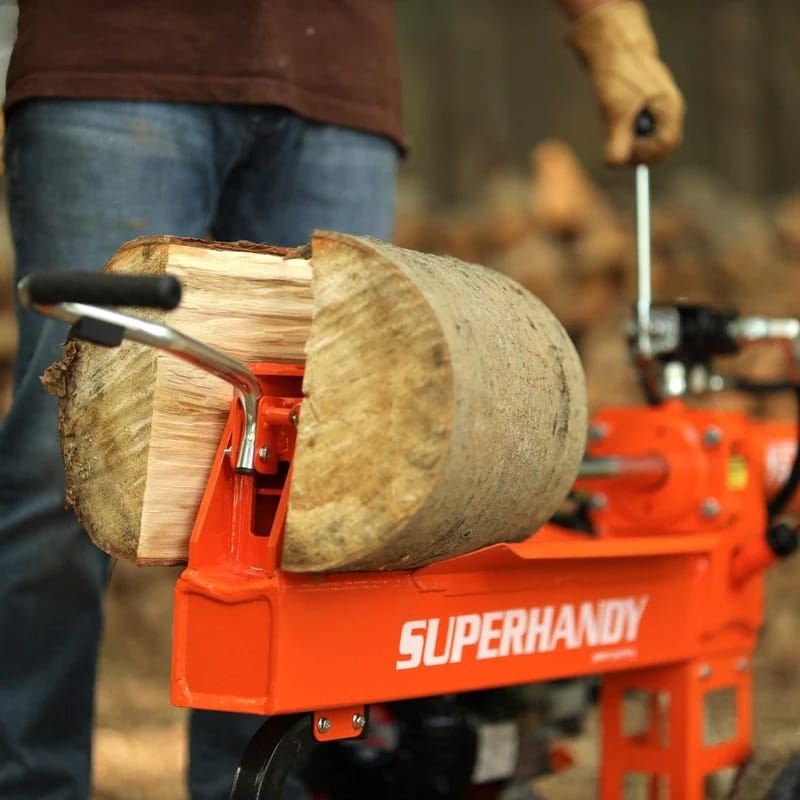
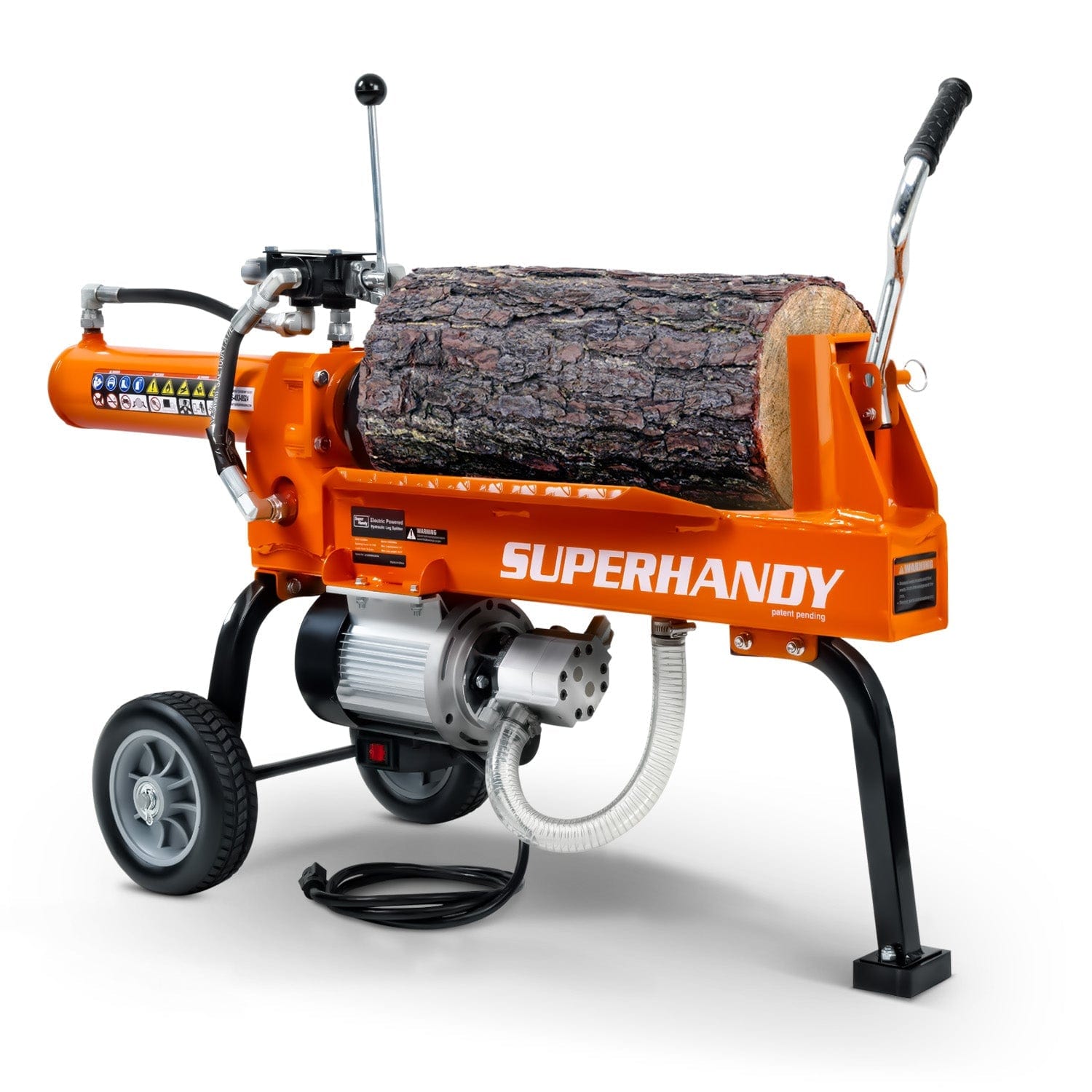
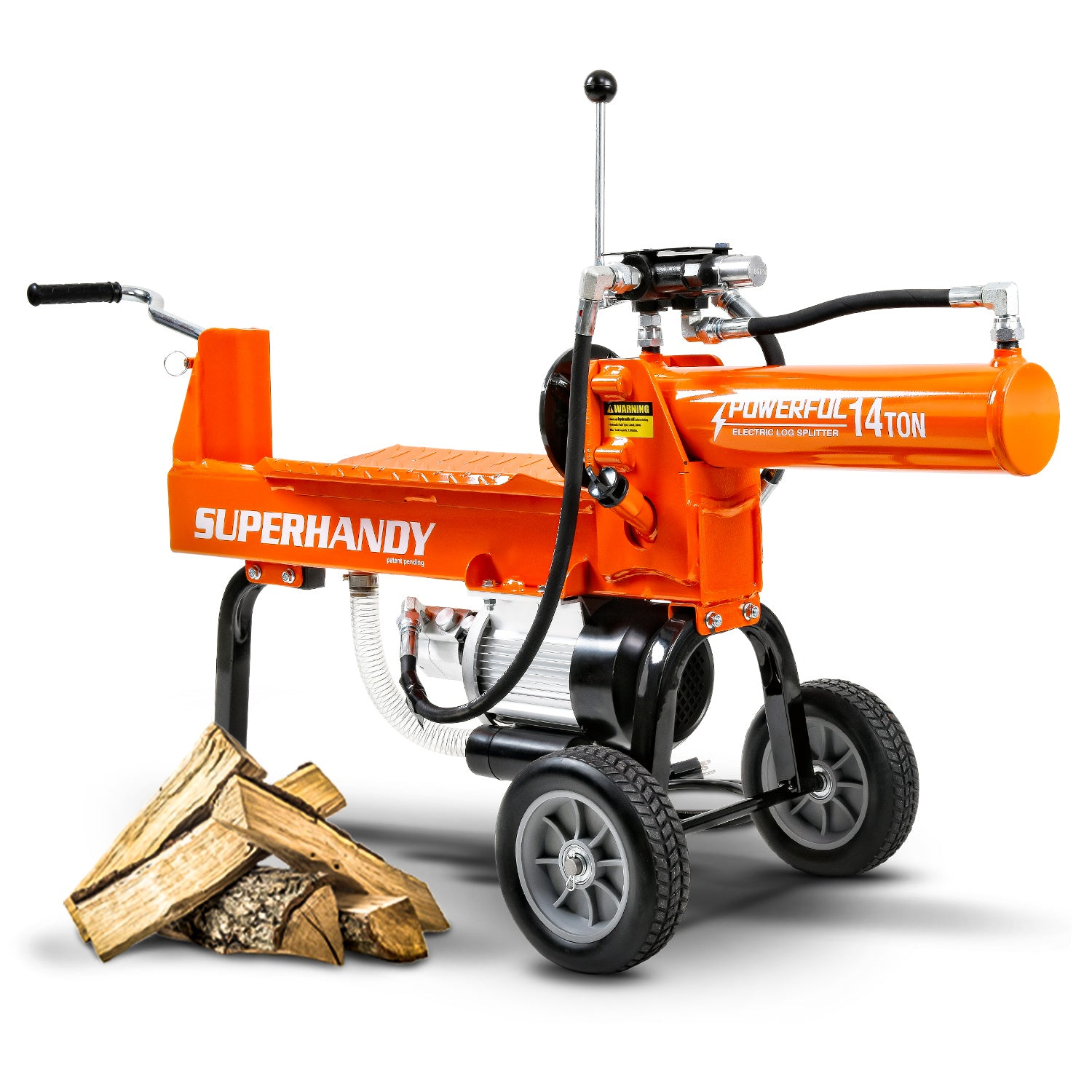
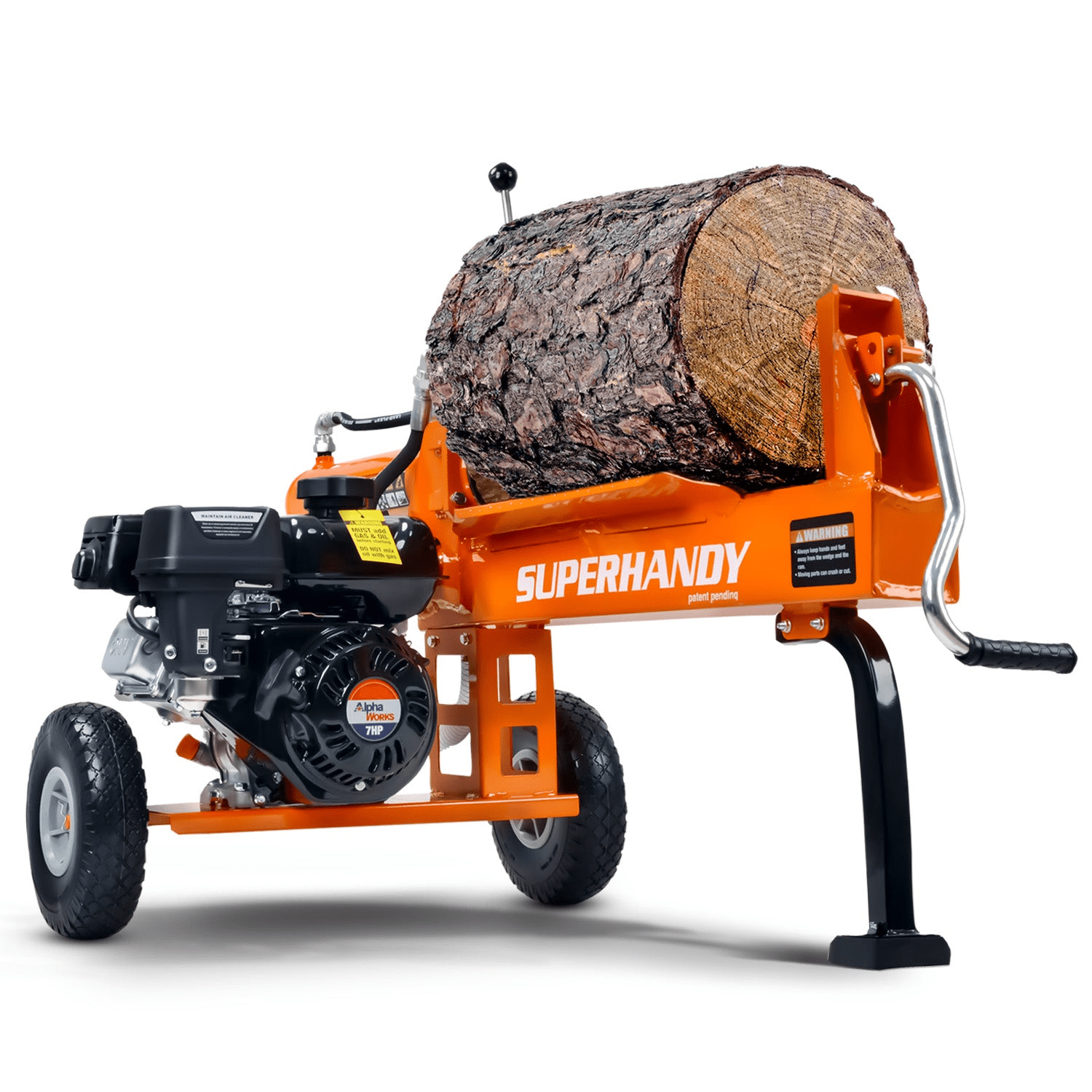
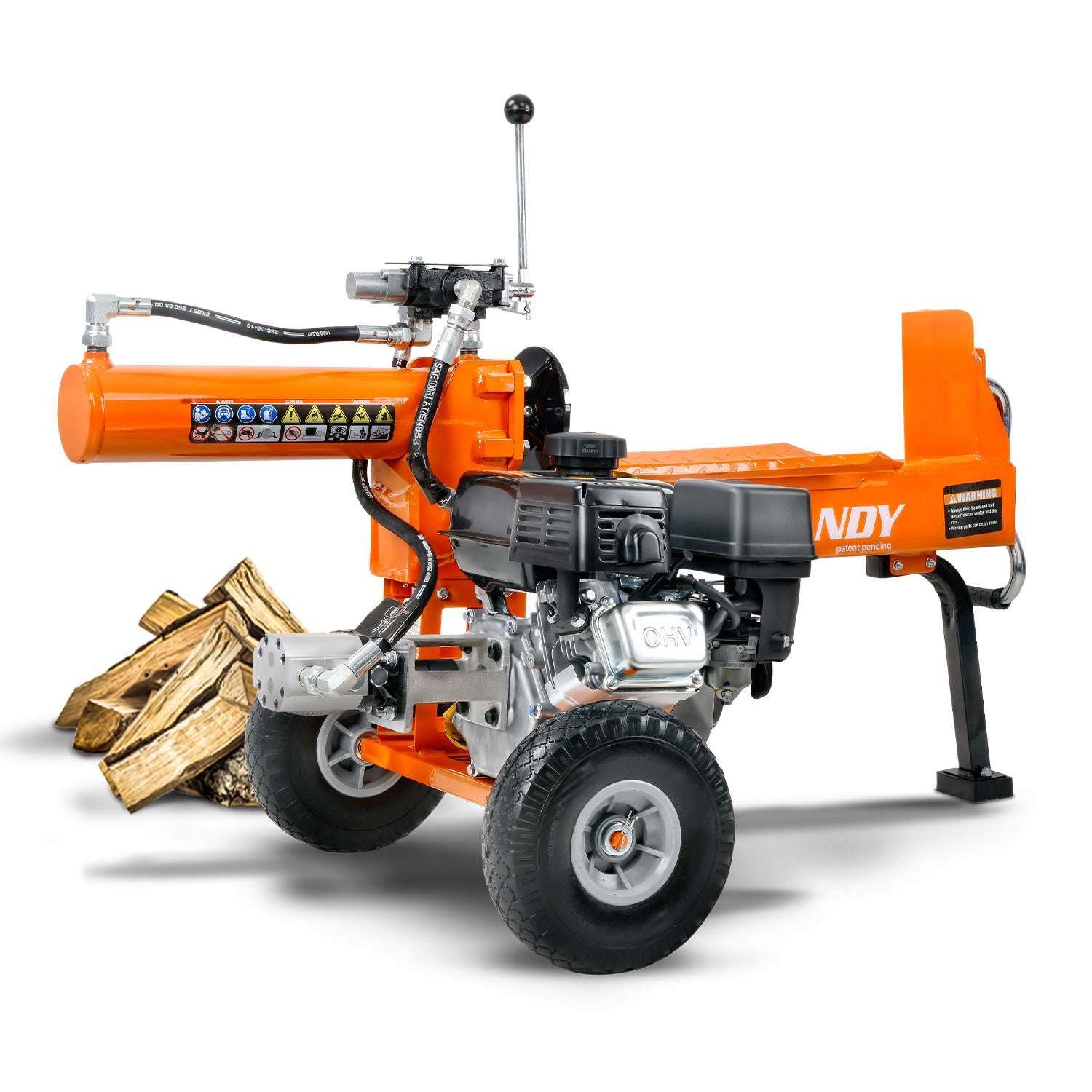
The primary choice is between gas and electric power. Electric models are quiet and low-maintenance but are tethered to an outlet and offer less power. A gas-powered Log Splitter
Vertical vs. Horizontal Gas Log Splitters: Maximizing Your Limited Storage
When floor space is at a premium, the orientation of your log splitter matters. Horizontal log splitters are common, but they often require a dedicated, lengthy footprint. For those with tight storage, a vertical or convertible model is a game-changer.
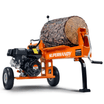
- Vertical Splitters: These operate upright, allowing you to roll heavy, large-diameter logs into place without lifting them. Crucially, many can be stored in their vertical position, occupying far less floor space in a garage or shed.
- Convertible Splitters: Offering the best of both worlds, these machines can switch between horizontal and vertical operation, adapting to the job and your storage needs.
Durability and Build Quality: Investing in a Long-Lasting Machine
A gas log splitter is a significant investment, so build quality is paramount. Look for a machine constructed from heavy-gauge, welded steel rather than one held together with bolts, as welded frames offer superior rigidity and longevity. The beam, which endures immense pressure, should be especially robust. Pay attention to the quality of the engine and hydraulic components. A reputable engine brand and well-protected hoses are signs of a durable machine that will withstand years of use.
Safety First: Essential Safety Features for Gas Log Splitters
Operating a gas log splitter requires your full attention, and modern safety features are non-negotiable. The most important feature is two-handed operation, which forces you to keep both hands on the controls and away from the splitting wedge. Also, look for log cradles or trays that prevent the log from falling off mid-split. An automatic ram return is another key feature that brings the wedge back to the starting position on its own, saving you time and effort while preparing the next log.
Maintenance Essentials: Keeping Your Gas Log Splitter in Top Shape
Proper maintenance ensures your gas log splitter operates safely and efficiently for years. The routine is straightforward. Before each use, check the engine oil and hydraulic fluid levels. Periodically, you will need to clean or replace the air filter and spark plug, just like any small gas engine. Keep the splitting wedge sharp for clean, easy cuts. After use, clean off wood debris and store the machine in a dry, covered area to protect it from the elements.
Budgeting for Your First Gas Log Splitter: Understanding Costs and Hidden Fees
When budgeting for a compact gas Log Splitter, the initial price is just the starting point. Entry-level models suitable for smaller spaces typically range from a few hundred to over a thousand dollars. However, be prepared for additional costs. "Hidden fees" can include shipping and handling, especially for heavy equipment. You will also need to purchase hydraulic fluid and engine oil, as most machines are shipped dry. Don't forget essential personal protective equipment (PPE) like safety glasses, gloves, and steel-toed boots, which are crucial for safe operation. Factoring these items into your initial budget ensures a smoother, safer start.
Where to Buy: Retailers, Online Stores, and Used Market Considerations
You have several options when purchasing your first gas log splitter. Big-box home improvement stores allow you to see models in person but may have a limited selection of compact units. Specialized online retailers often provide a wider variety of models, competitive pricing, and direct shipping. The used market can offer significant savings, but it requires caution. If you consider a used machine, thoroughly inspect the engine, hydraulic system, and frame for wear or damage, and ask for maintenance records if possible. For new buyers, purchasing from a reputable online store often provides the best balance of selection, support, and warranty protection.

Transporting Your Log Splitter: Options for Limited Space and Mobility
For owners with limited storage, portability is key. Look for a gas log splitter designed with mobility in mind. Features like sturdy, well-placed handles and large, rugged wheels are essential for moving the machine from a garage or shed to your work area. Pay close attention to the unit's overall weight and dimensions. A compact, relatively lightweight design will be much easier for one person to maneuver around obstacles and into tight storage spots. Some models are balanced to be easily tilted and rolled like a hand truck, making transport significantly less strenuous.
Frequently Asked Questions About Gas Log Splitters for Small Spaces
How much space do I really need to store a compact gas log splitter?
Most compact horizontal log splitters require a footprint of about 5-6 feet in length and 2-3 feet in width. Vertical/horizontal models are an excellent choice for tight spaces as they can be stored upright, reducing their footprint to a small 2x3 foot area in a garage corner or shed. Always measure your available space and compare it to the machine's listed storage dimensions.

Are smaller gas log splitters powerful enough for hardwood?
Absolutely. A machine's power is measured in tonnage, not physical size. Many compact gas models offer between 7 and 12 tons of splitting force, which is more than sufficient for handling common hardwoods like oak, maple, and ash, particularly if the wood is seasoned (dried). For tougher, green hardwood, aim for a model at the higher end of that tonnage range.
Can I store my gas log splitter outside?
While possible, it's not ideal for the machine's longevity. Rain, snow, and direct sun can lead to rust, fuel system issues, and premature wear on the engine and hydraulic parts. If you must store it outdoors, use a heavy-duty, waterproof cover. The best practice is always to keep it in a dry, covered location like a shed, garage, or under a well-protected lean-to.
Is a gas log splitter noisy?
Yes, gas engines are comparable in noise level to a lawnmower or pressure washer. It's essential to wear hearing protection while operating one. To be considerate of neighbors, try to run your splitter during standard daytime hours, avoiding early mornings or late evenings. The full range of Log Splitter options includes various models to fit different power needs and property sizes.
Related Products


Leave a comment
All comments are moderated before being published.
This site is protected by hCaptcha and the hCaptcha Privacy Policy and Terms of Service apply.