















Understanding Your Post-Surgery Needs: Why a Floor Lift is Essential
Recovering from surgery often means a temporary, or sometimes long-term, reduction in mobility. Simple movements like getting out of bed, moving to a chair, or using the restroom can become significant challenges. This not only impacts the patient's independence but also places a heavy physical burden on caregivers. Manually lifting a person is strenuous and risky; in fact, transferring a loved one from bed to wheelchair without the right equipment is one of the fastest ways to injure your back.
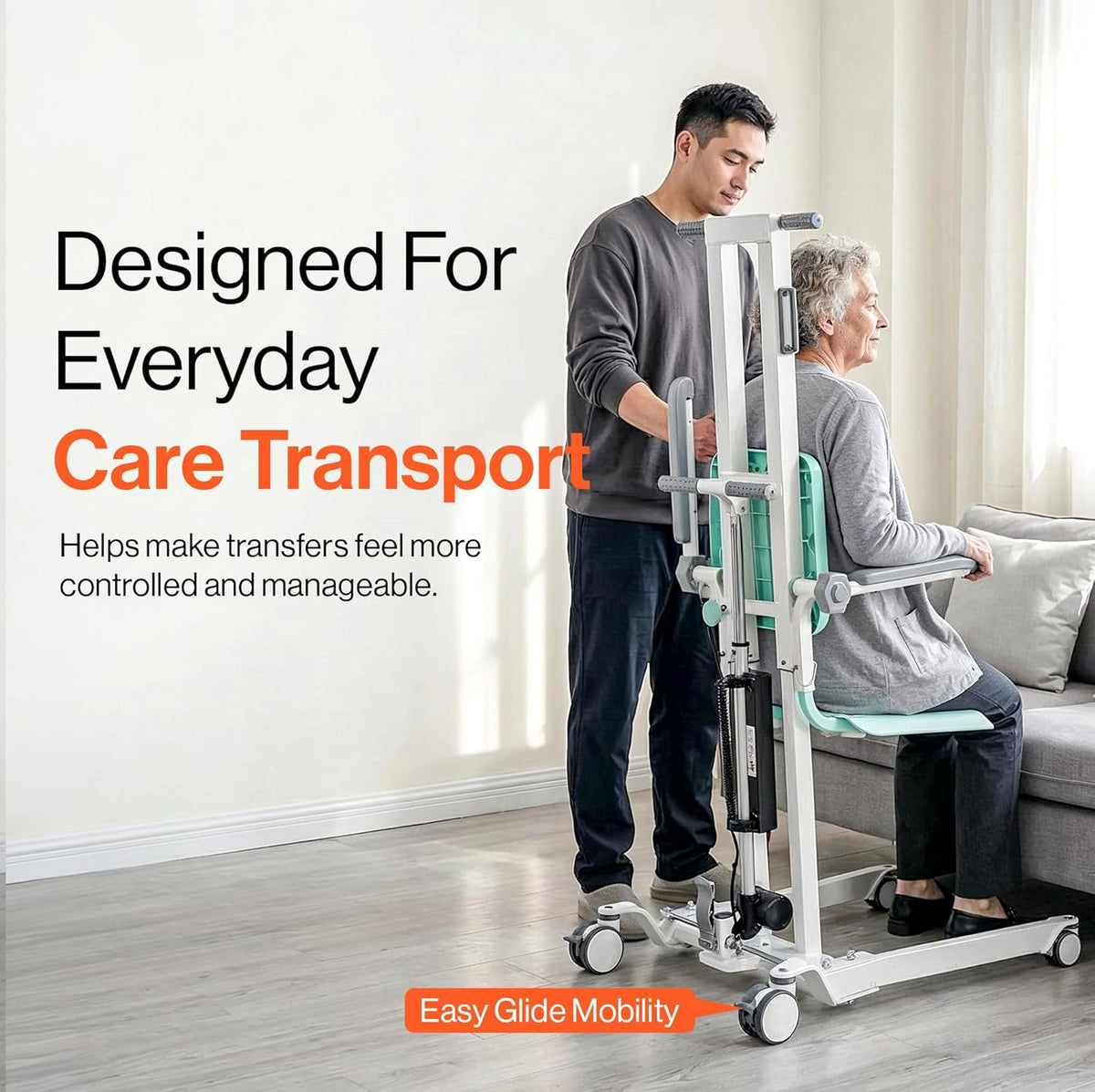
A floor lift is an essential piece of medical equipment designed to solve this problem. It mechanically lifts and transfers a person, virtually eliminating the risk of injury for both the patient and the caregiver. By using a floor lift, you ensure transfers are smooth, secure, and dignified. It removes the physical strain from the equation, allowing the focus to remain on comfort and recovery. This device is not just a convenience—it's a cornerstone of a safe home recovery plan.
Choosing the Right Floor Lift: Features to Look For
Not all floor lifts are created equal. Selecting the right one depends on the patient's specific needs and the home environment. Here are the key features to consider:
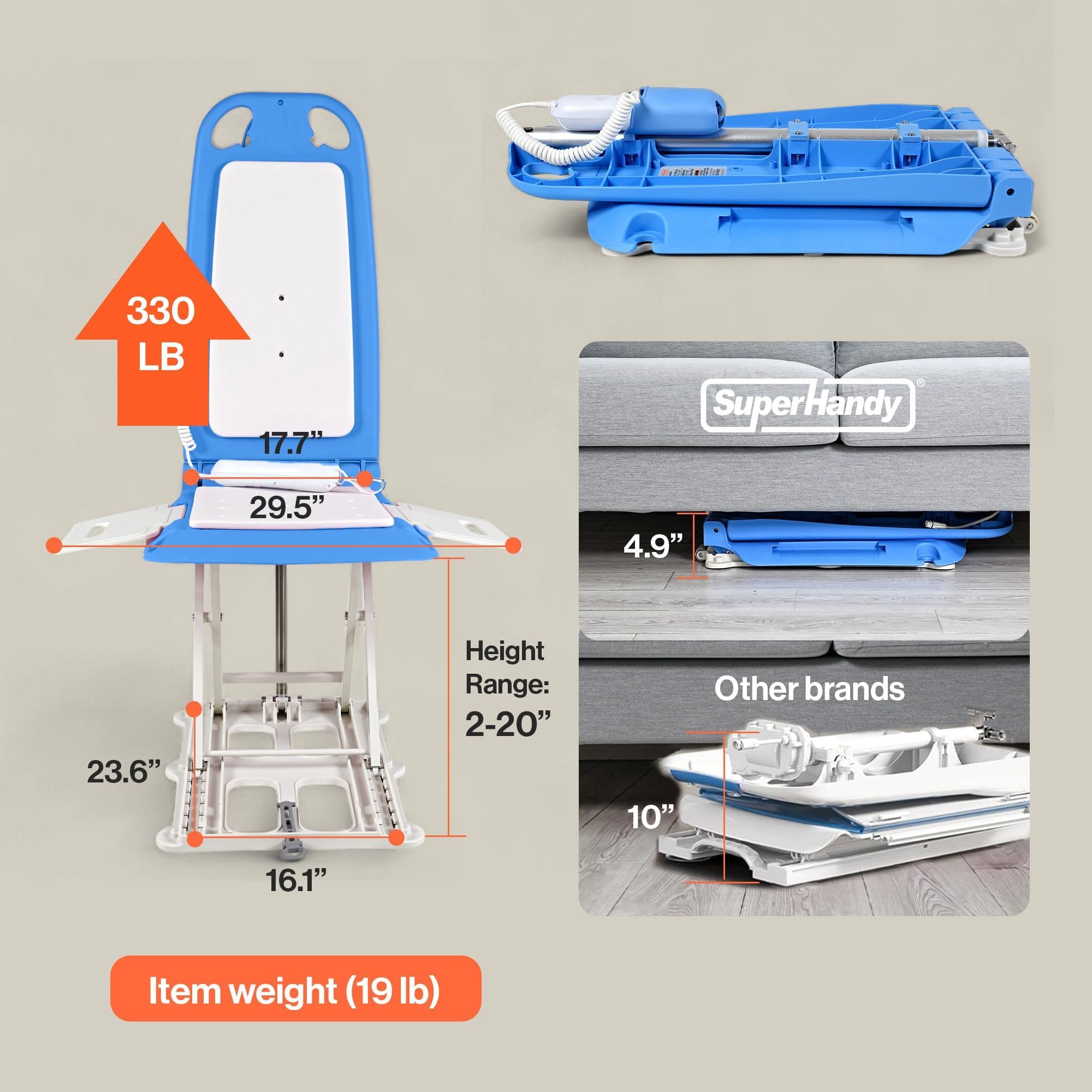
- Weight Capacity: Always choose a lift with a weight capacity that safely exceeds the patient's weight. We offer a range of options, from a lightweight 330lb floor lift to more robust 500lb floor lift models for complete peace of mind.
-
Lift Type:
- Full-Body Lifts: These use a sling to fully support a patient who has limited or no ability to bear weight. They are ideal for transfers from a bed or even from the floor. A model like this 500lb transfer floor lift is a versatile choice.
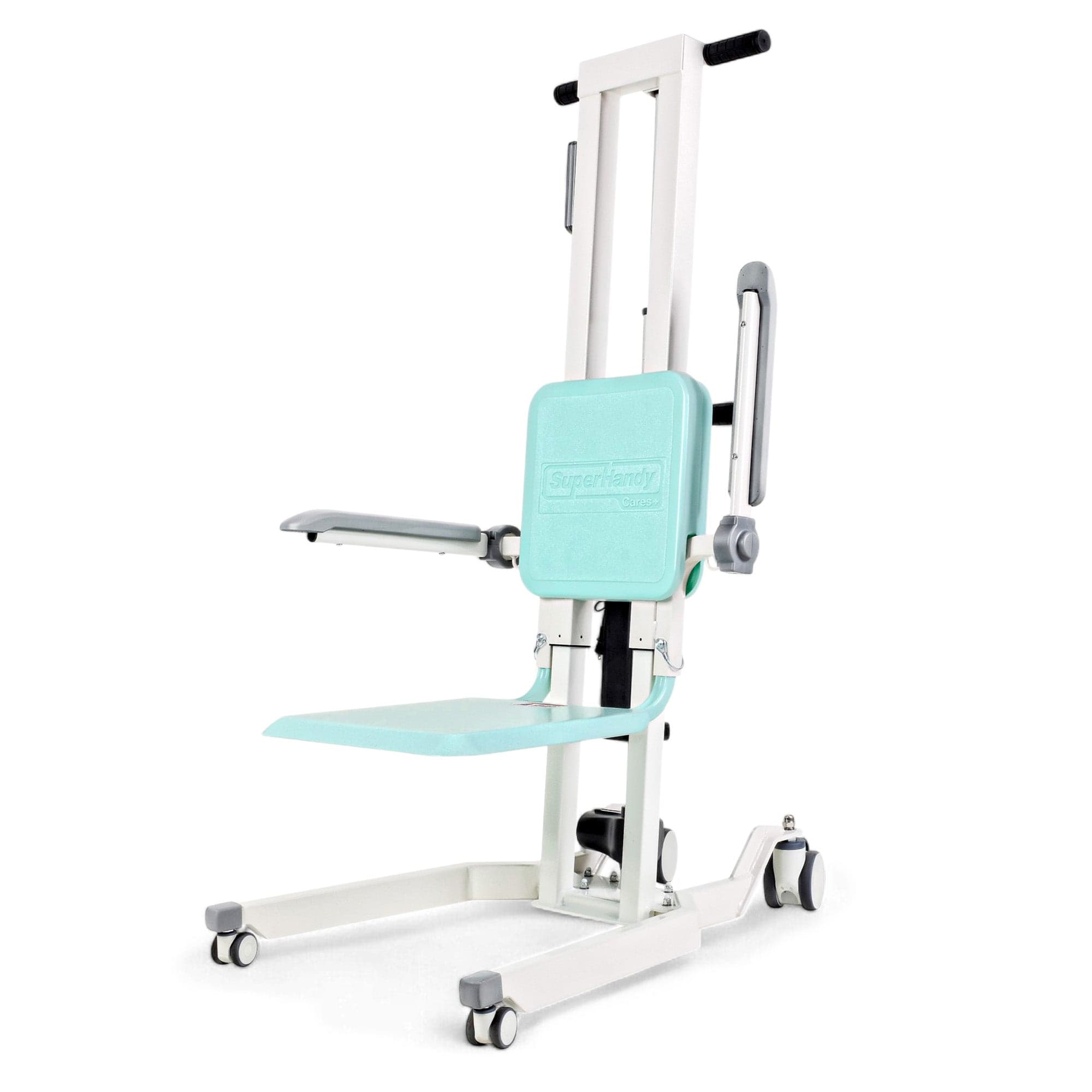
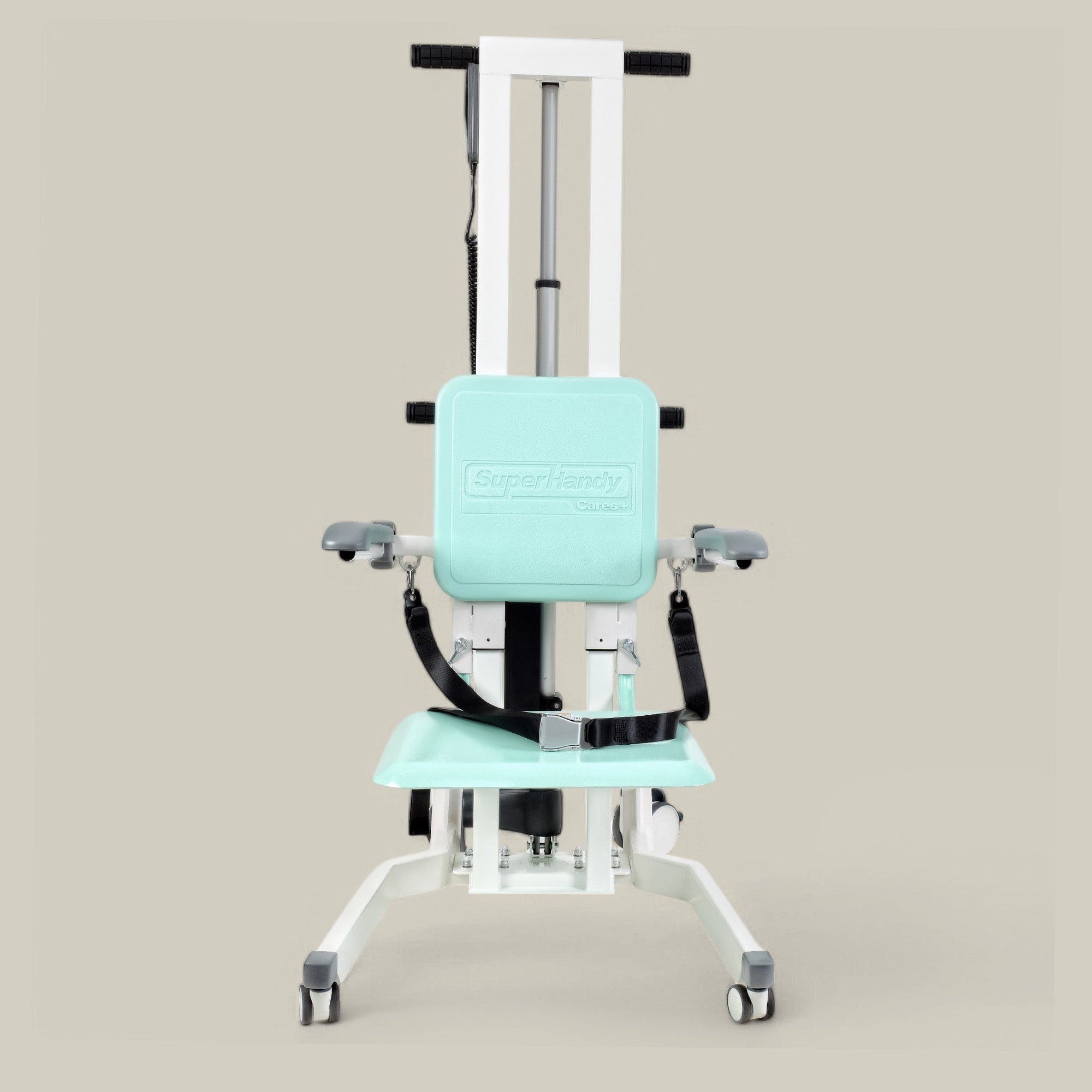
- Sit-to-Stand Lifts: For patients who can bear some of their own weight and have upper body strength, an electric standing lift can be a great tool for building strength and independence.
- Power Source: Electric lifts, powered by rechargeable batteries, are the most common and easiest to operate. They allow for smooth, controlled movements with the push of a button. Manual hydraulic lifts are a budget-friendly alternative but require more physical effort from the caregiver.
- Base and Maneuverability: Look for a lift with an adjustable-width base. This allows the legs to spread apart to fit around wide wheelchairs or armchairs, making positioning much easier.

Setting Up Your Floor Lift: A Step-by-Step Guide
Proper assembly is critical for safe operation. While you should always follow the manufacturer's instruction manual precisely, here is a general overview of the setup process for an electric floor lift:
- Unpack and Inspect: Carefully unbox your lift and lay out all the components. Check them against the parts list in your manual to ensure nothing is missing or damaged.
- Assemble the Main Frame: Typically, this involves attaching the mast (the main vertical column) to the base. Secure it with the provided hardware, ensuring all bolts are tightened correctly.
- Attach the Boom and Actuator: Fasten the boom (the lifting arm) to the top of the mast. Then, connect the electric actuator, which is the motor that powers the lifting motion.
- Install Electronics: Connect the control box and hand pendant. Charge the battery pack completely before the first use—this may take several hours.
- Test All Functions: Before using the lift with a person, test every function. Raise and lower the boom, and if your model has an adjustable base, test its open and close mechanism.
Preparing Your Home Environment for Safe Floor Lift Use
Creating a safe operating area is just as important as choosing the right lift. Before the first transfer, take time to prepare your home.
- Clear the Way: Remove any and all obstacles from the pathways where the lift will travel. This includes loose rugs, extension cords, clutter, and small pieces of furniture.
- Check Your Flooring: Floor lifts roll most easily on hard, smooth surfaces like tile, wood, or low-pile carpet. Thick, plush carpeting can make it very difficult to push the lift, especially with a person in it.
-
Create Space: Ensure there is ample room to maneuver the lift around the bed, chairs, and in the bathroom. You need enough space for the lift's base to slide under the bed and to turn around without bumping into walls or furniture. While a dedicated
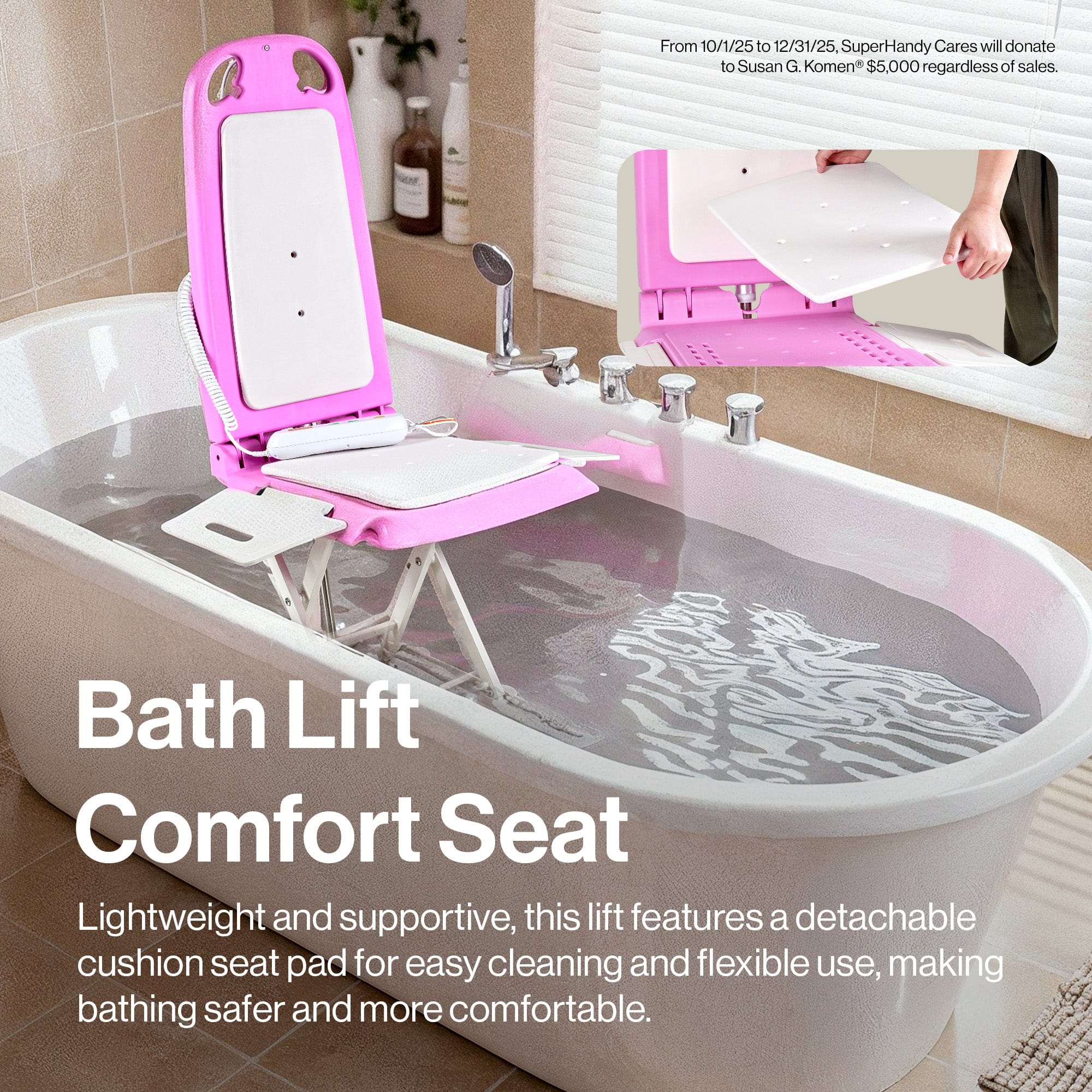
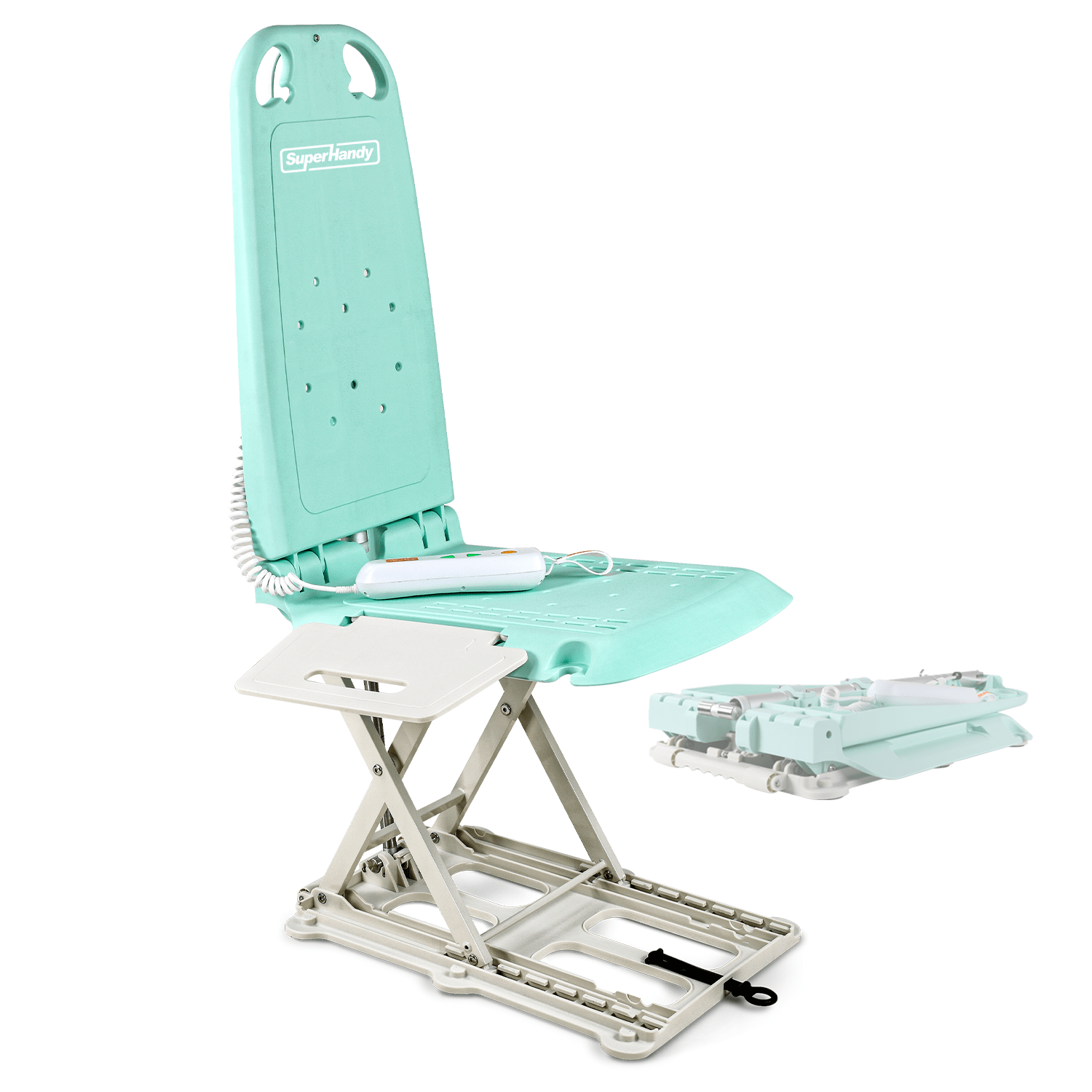
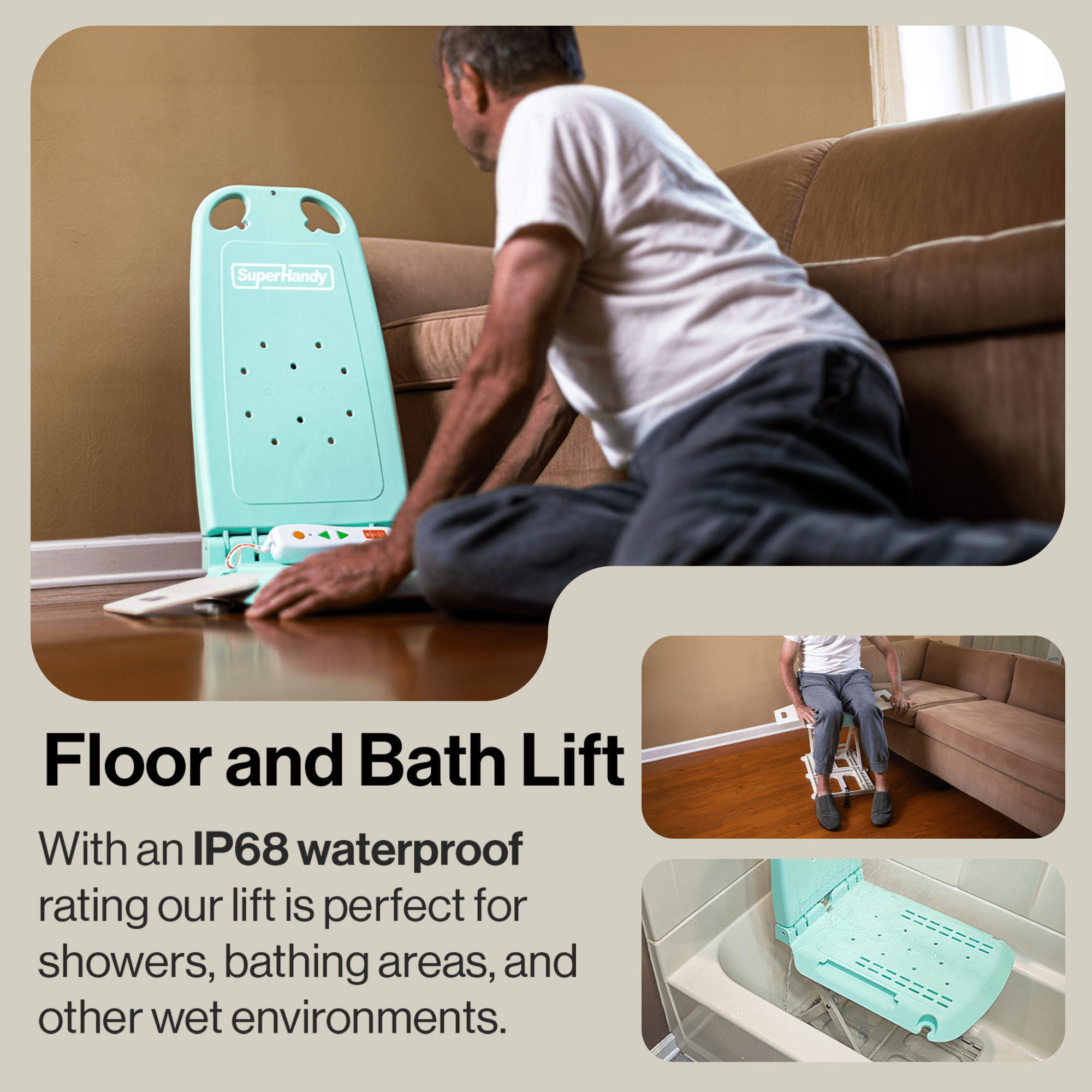
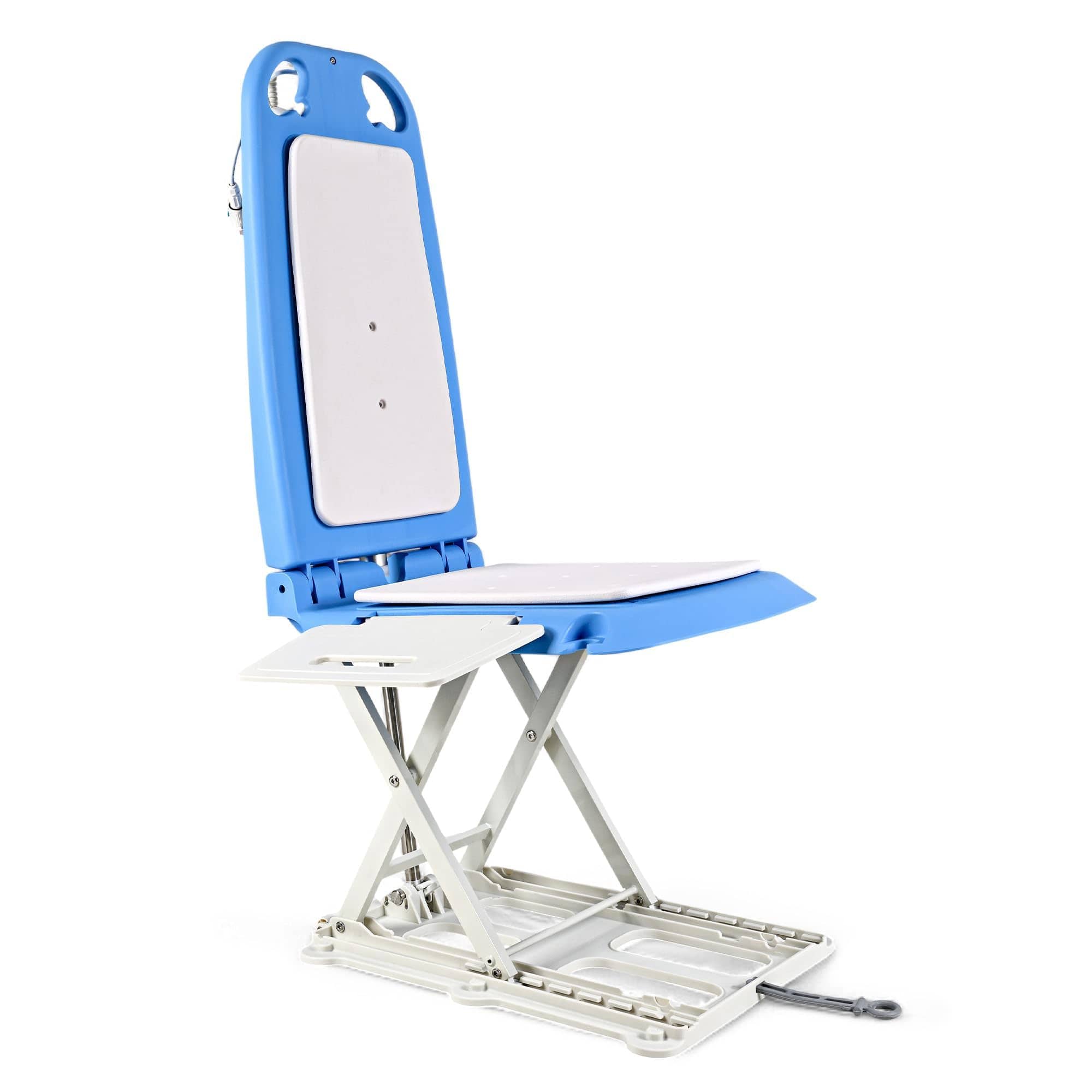
bath liftis designed for wet environments, a floor lift can help transfer a person to a shower chair or commode if there is adequate space.
Mastering the Transfer: Safely Moving from Floor to Bed
A fall or a situation requiring a transfer from the floor can be stressful, but with a floor lift, it becomes a manageable and safe procedure. The key is a slow, methodical approach. First, position the sling correctly under the person on the floor. This often involves gently rolling them from side to side to slide the sling into place.
Once the sling is secure, roll the floor lift into position. Widen the base legs to create a stable foundation around the patient. Lower the lift’s boom and securely attach the sling’s straps to the cradle, ensuring they are not twisted and are hooked correctly. Double-check that all clips are fully engaged. Using the remote control, begin the lift, pausing after a few inches to ensure the patient feels secure and the sling is holding properly. Continue lifting until they are high enough to clear the edge of the bed. Many lifts have an excellent range of motion; for instance, some models have an electric lifting range that starts low to the ground and rises high enough to cover the entire floor-to-bed transfer arc, as noted in some expert reviews. Maneuver the lift to position the patient directly over the mattress, then slowly lower them onto the bed.
Mastering the Transfer: Safely Moving from Bed to Floor
Occasionally, a transfer from the bed to the floor may be necessary for specific exercises or activities during recovery. This process is essentially the reverse of a floor-to-bed transfer.
Start by placing the sling under the person while they are in bed. Roll the lift to the bedside, ensuring the base legs slide under the bed frame if possible. Attach the sling straps to the cradle, then slowly lift the person until they are fully supported and clear of the mattress. Carefully maneuver the lift away from the bed into an open space. With clear communication and a steady hand on the controls, gently lower the person all the way to the floor. A lightweight, 330lb floor lift can be particularly useful for these transfers in smaller rooms.

Mastering the Transfer: Navigating Other Surfaces (Chair, Toilet)
The versatility of a floor lift extends beyond the bedroom. The same fundamental principles apply when transferring to a wheelchair, armchair, or toilet. For a chair, you’ll position the person just as you would for a bed transfer, lowering them gently into the seat. A model like this 400lb floor lift is well-suited for these everyday moves.
Toileting requires a special commode sling with an opening that allows for hygiene and clothing adjustment. The process is the same: lift, position over the toilet, and lower. This provides a safe and dignified solution, eliminating one of the most challenging transfers for caregivers. For bathing, a dedicated bath lift is often the safest option, as most floor lifts are not designed for use in wet environments.
Essential Safety Precautions When Operating a Floor Lift
Safety is paramount. Rushing or cutting corners can lead to injury for both the caregiver and the person being transferred. Always adhere to these essential precautions:
- Read the Manual: Every lift is different. The operating instructions for a powerful 500lb floor lift will differ from those for an electric standing lift.
- Check the Battery: Ensure the lift is fully charged before starting a transfer. A lift losing power mid-transfer can create a dangerous situation.
- Lock and Unlock Wheels: Lock the caster brakes when lifting or lowering the patient. Unlock them only when you are ready to move the lift.
- Respect the Weight Limit: Never exceed the maximum weight capacity specified for your floor lift and sling.
- Maintain a Clear Path: Ensure the floor is free of clutter, rugs, and cords that could obstruct the lift’s wheels.
- Communicate Clearly: Talk the person through every step of the transfer so they know what to expect.
- Use the Right Sling: Make sure the sling is the correct size, is in good condition, and is appropriate for the type of transfer.
- Move Smoothly: Avoid sudden starts or stops. Gentle, steady movements are safer and more comfortable.
Troubleshooting Common Floor Lift Issues
Even the most reliable patient lift can encounter an occasional hiccup. Before calling for service, try these simple troubleshooting steps:
- Lift is unresponsive: The most common issue is a lack of power. First, check that the battery is fully charged and securely connected to the lift. Many models have a red emergency stop button; ensure it hasn't been accidentally pressed. If it is, twist or pull it to release.
- Jerky or slow movement: If the lift moves unevenly, check that the patient is properly centered in the sling and that their weight is distributed evenly. Inspect the floor for any obstructions or uneven surfaces that might be impeding the wheels. Also, ensure the battery has an adequate charge, as low power can sometimes cause sluggish operation.
- Battery won't hold a charge: Lift batteries have a finite lifespan. If you find the battery drains much faster than it used to, it may be time for a replacement. Always follow the manufacturer’s instructions for charging cycles to maximize battery life.
Maintaining Your Floor Lift for Optimal Performance
Regular maintenance is key to ensuring your floor lift operates safely and lasts for years. A consistent routine will give you peace of mind with every transfer.
- Before Each Use: Perform a quick visual check. Inspect the sling and its straps for any signs of fraying, tears, or worn stitching. Do not use a sling that appears damaged.
- Weekly Checks: Wipe down the entire frame with a soft, damp cloth to remove dust and debris. Test the remote control functions, including the up/down motion and the leg-spreading mechanism. Roll the lift a short distance to check that the caster wheels move freely and that the wheel locks engage properly.
- Monthly Checks: Take a few moments to inspect all visible nuts, bolts, and connection points to ensure they are secure. Refer to your user manual for any specific lubrication points or maintenance tasks.
Whether you are using a portable 330lb floor lift or a heavy-duty 500lb floor lift, consistent care is non-negotiable for safety.

When to Seek Professional Help: Recognizing Limitations
A floor lift is a powerful aid, but it’s crucial to know when a situation requires professional intervention. Never compromise on safety. Stop using the lift and seek help if you notice:
- Mechanical Concerns: Any unusual grinding or clicking noises, visible cracks in the frame, or a failure of the lift’s safety features (like the emergency lowering function) are red flags. Contact the manufacturer or your equipment provider immediately.
- Changes in the Patient's Condition: If the person being lifted experiences new or increased pain during transfers, has had a significant change in weight, or is less able to cooperate with the process, it's time to re-evaluate. Consult with their doctor, physical therapist, or occupational therapist for guidance.
- Caregiver Strain or Uncertainty: If you, as the caregiver, feel physically strained, anxious, or unsure about performing a transfer safely, do not proceed. It is better to ask for assistance from another trained person or a healthcare professional than to risk an accident.
Integrating Floor Lift Use into Your Daily Routine
Making the floor lift a natural part of your day can dramatically reduce physical strain and improve your post-surgery recovery experience. The key is to be proactive and organized.
- Plan Your Transfers: Think about the day's main events—getting out of bed, using the toilet, moving to a favorite chair, and returning to bed. Prepare for these transfers in advance so you aren't rushing.
- Create "Transfer-Ready" Zones: Keep the areas around the bed, toilet, and primary seating clear of clutter, rugs, and electrical cords. This ensures you have ample room to maneuver the lift's base.
- Keep Supplies Accessible: Store the lift in a convenient location where it’s easy to retrieve but not a tripping hazard. Keep the clean, appropriate sling folded and ready nearby.
- Communicate Clearly: Make every transfer a team effort. Talk the person through each step before and during the lift. This builds confidence and ensures they can assist by positioning their body as needed. A versatile 500lb transfer floor lift can make this daily integration seamless, adapting to various surfaces and needs throughout the home.
Maximizing Comfort and Independence During Recovery
Post-surgery recovery is more than just physical healing; it's a journey toward reclaiming your daily life, comfort, and sense of independence. While a floor lift is a critical tool for safety, its true value lies in how it enhances your quality of life. By enabling movement beyond the bed, a floor lift empowers you to participate more fully in your own recovery and home life.
The psychological benefits of mobility cannot be overstated. Being confined to one room can lead to feelings of isolation and frustration. A floor lift breaks down these barriers, allowing you to move to the living room to watch a movie with family, sit by a window to read, or join others at the dinner table. This change of scenery and social interaction is a powerful mood booster that can positively impact your healing process. Furthermore, the smooth, controlled motion of an electric lift minimizes the pain and jarring associated with manual repositioning, allowing your body to rest and recover without added stress or risk of re-injury.
To truly maximize independence, think about how the lift can help you create an accessible and engaging home environment. Set up comfortable "stations" in different rooms. With a versatile and easy-to-maneuver device like a portable 330lb floor lift, you can easily transfer to a favorite armchair, a desk to use a computer, or a patio chair to get some fresh air. This ability to choose where you spend your time restores a crucial sense of control over your day.
A floor lift also works best as part of a complete system of assistive devices. For instance, while a powerful 400lb floor lift can safely transport you to the bathroom, a dedicated bath lift can then help you get into the tub, preserving your dignity and independence with personal hygiene. Simple tools like long-handled reachers and grabbers can further empower you to access items without assistance once you are safely seated.
By integrating lift transfers into a predictable daily routine, both you and your caregiver can build confidence and reduce anxiety. Knowing you have a reliable method for moving from bed for meals, hygiene, and leisure activities transforms the recovery period from a passive waiting game into an active, engaged process. A robust 500lb transfer floor lift provides the peace of mind needed to establish this routine. Ultimately, a floor lift is an investment not just in safety, but in a more comfortable, dignified, and independent recovery.

Frequently Asked Questions About Floor Lift Transfers
Can a floor lift be operated by just one person?
While many modern floor lifts are designed for ease of use, we strongly recommend that two trained individuals perform transfers, especially in the beginning. This ensures the utmost safety for both the patient and the caregiver. One person can focus on operating the lift controls while the other guides and reassures the patient, checking sling placement and ensuring a smooth, secure movement. Once both parties are confident and experienced, a single caregiver may be able to manage transfers, but only if deemed safe by a healthcare professional.
How do I choose the right sling for my floor lift?
The sling is just as important as the lift itself. The correct sling depends on the patient's specific medical condition, weight, body shape, and the type of transfer being performed. Universal or "U-slings" are common and versatile for transfers to a bed or chair. Full-body slings offer more support for patients with limited head and trunk control. Always ensure the sling's weight capacity exceeds the patient's weight and that it is compatible with your specific lift model, whether it's a portable 330lb floor lift or a more robust 500lb transfer floor lift. Consult with an occupational or physical therapist to determine the best sling type for your situation.
Can a floor lift also be used as a bath lift?
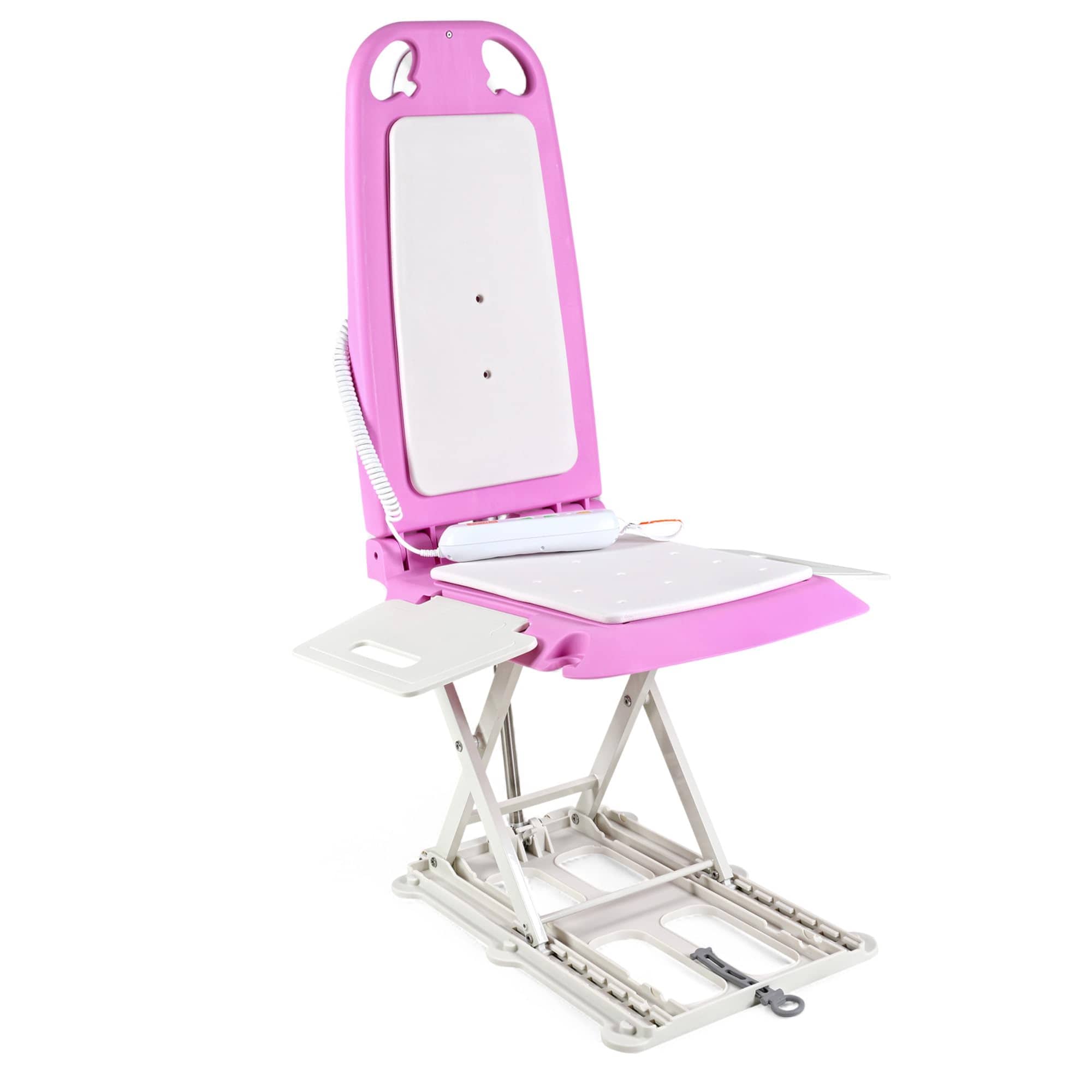
No, a standard electric floor lift should never be used as a bath lift. These devices contain electrical components that are not designed for wet environments, creating a serious risk of electrocution and damage to the lift. Furthermore, the casters and frame are not typically designed for the slippery, uneven surfaces of a bathtub or shower. For bathing, you must use a dedicated bath lift or shower chair specifically designed for safe use in water.
What happens if the power goes out while using an electric floor lift?
This is a common and valid concern. Reputable electric floor lifts, including models like our 400lb floor lift, are equipped with a manual emergency lowering feature. This mechanism allows you to safely lower the patient without power, preventing them from being stuck in a suspended position. Always familiarize yourself with your lift's emergency procedures before you need to use them.
Finding Support and Resources for Post-Surgery Recovery
Recovering from surgery is a journey, and you don't have to navigate it alone. Building a strong support system is crucial for both your physical and emotional well-being.
- Your Healthcare Team: Your primary resource is your team of doctors, nurses, physical therapists (PTs), and occupational therapists (OTs). They provide essential guidance on your specific recovery plan, including how to use equipment like a 500lb floor lift safely. Don't hesitate to ask them questions and voice your concerns.
- Caregiver Support: Being a caregiver is a demanding role. Look for local or online caregiver support groups where you can share experiences, exchange tips, and find emotional encouragement from others in similar situations.
- Online Communities and Forums: Websites and social media groups dedicated to specific surgeries or conditions can be a wealth of information and peer support. Hearing from others who have successfully been through the recovery process can be incredibly motivating.
- Family and Friends: Communicate your needs clearly to your loved ones. Assigning specific tasks—from grocery shopping to simply providing company—can lighten the load and help them feel involved in your recovery.
Remember, using tools like a floor lift is about more than just movement; it's about reclaiming your independence and ensuring a safe, comfortable recovery at home. By leveraging the right equipment and a strong support network, you can confidently face the challenges of post-surgery life.
Related Products




Leave a comment
All comments are moderated before being published.
This site is protected by hCaptcha and the hCaptcha Privacy Policy and Terms of Service apply.