



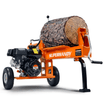







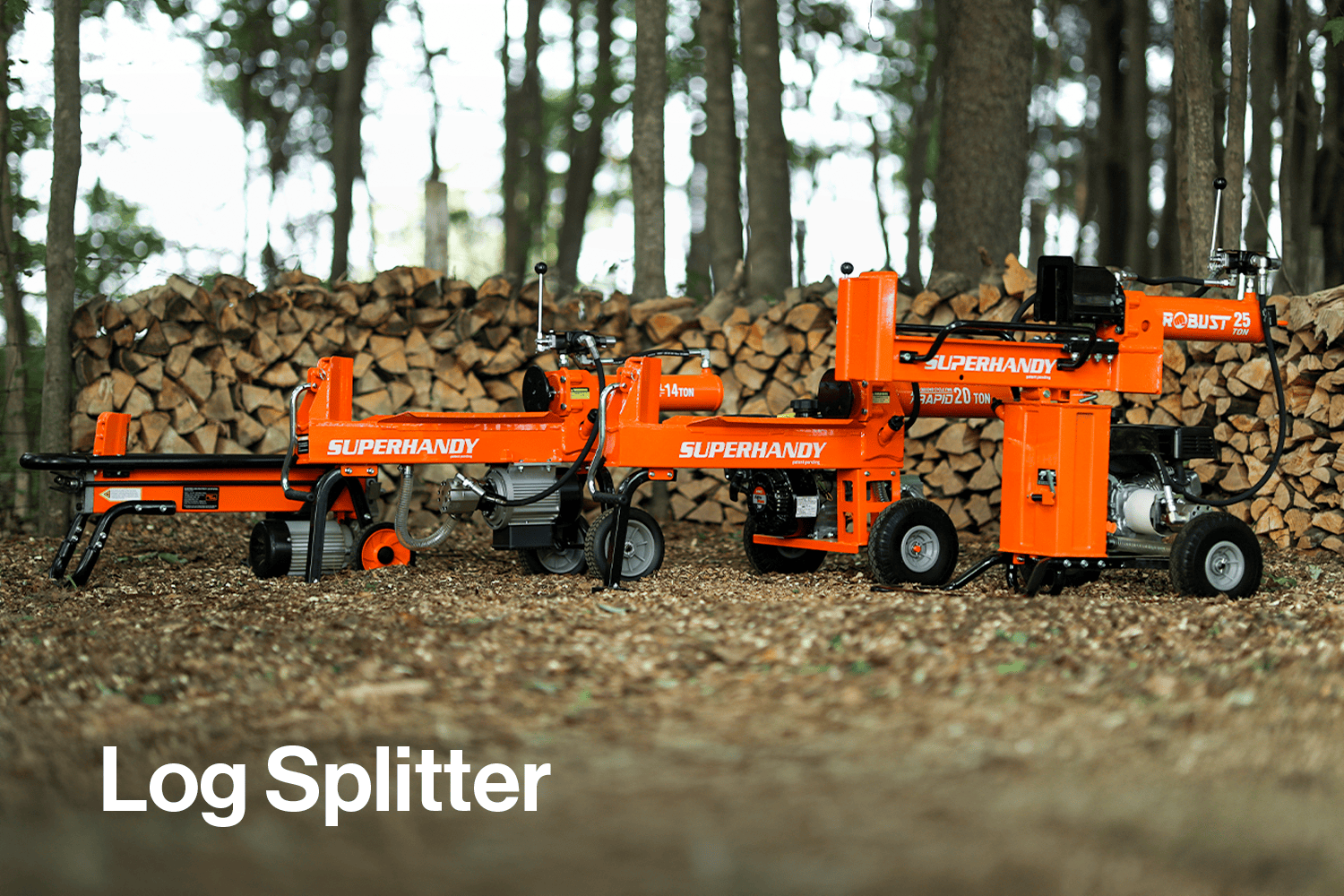
Owning a log splitter or firewood splitter transforms the arduous task of splitting wood into a manageable chore. However, the true potential of your log wood splitter isn't fully realized with the machine alone. To elevate your firewood splitting experience from merely functional to exceptionally efficient, safe, and sustainable, investing in the right accessories is paramount. In 2026, with an increasing focus on DIY projects and self-sufficiency, understanding these essential tools and practices is more critical than ever for every wood splitter owner.

Why Investing in Firewood Splitter Accessories is Crucial for Unrivaled Efficiency, Enhanced Safety, and Equipment Longevity
Many firewood splitter owners focus solely on the horsepower and tonnage of their machine, overlooking the ecosystem of accessories that truly dictate performance, safety, and the lifespan of their investment. Think of it like a race car – the engine is powerful, but without the right tires, brakes, and pit crew tools, it can't achieve its full potential or ensure driver safety. Similarly, for your log splitter, accessories are the unsung heroes that optimize every aspect of your wood-splitting operation.
Understanding the Hidden Costs of Neglecting Proper Firewood Splitting Gear
The initial cost of a log wood splitter can be substantial, leading some owners to cut corners on additional gear. However, this often results in a false economy. Neglecting proper personal protective equipment (PPE) can lead to serious injuries, incurring medical costs and lost time. Skipping essential maintenance items can cause premature wear and tear on your wood splitter, leading to expensive repairs or even complete replacement. Moreover, inefficient processes due to a lack of handling accessories mean more physical strain, longer work hours, and less overall output. These hidden costs quickly dwarf the investment in quality accessories.
How Smart Accessory Choices Transform a Basic Splitter into a Professional Workstation
Imagine transforming a standard firewood splitter into a high-throughput, ergonomic workstation. This isn't a pipe dream; it's the reality achievable with intelligent accessory choices. A simple log splitter can become safer with eye and ear protection, more efficient with log cradles and lifters, and more durable with proper maintenance kits and weatherproof covers. These additions don't just enhance convenience; they fundamentally upgrade the machine's operational capability, allowing you to process more wood faster, with less fatigue, and with greater peace of mind. Investing in the right accessories is an investment in your productivity, safety, and the longevity of your valuable equipment.
The First Line of Defense: Indispensable Personal Protective Equipment (PPE) for Every Firewood Splitting Session
Safety is not an accessory; it's a foundational requirement for operating any log splitter. The inherent risks of splitting wood – flying debris, loud machinery, heavy logs, and sharp edges – demand a comprehensive approach to personal protection. Proper PPE is your first and most critical line of defense against potential injuries, ensuring that every wood-splitting session is productive and safe. Never operate your firewood splitter without donning the appropriate gear, regardless of the size or type of wood you're processing.

How to Select the Optimal Eye Protection: Are Safety Glasses or Goggles Better for Debris?
When operating a wood splitter, wood chips, splinters, and other debris can fly at high speeds. Eye protection is non-negotiable. While safety glasses offer good frontal protection, full-seal safety goggles generally provide superior protection by creating a barrier around the entire eye area, preventing particles from entering from the sides, top, or bottom. Look for ANSI Z87.1-2020 certified options, ensuring impact resistance. For optimal clarity, consider anti-fog and scratch-resistant coatings. The choice between glasses and goggles often comes down to personal comfort and the specific risk level, but for maximum safety, goggles are often preferred, especially when dealing with knotty or unpredictable wood.
Why Hearing Protection is Non-Negotiable: Preventing Permanent Damage from Engine Noise
The engines of log splitters, especially gas-powered models, can produce significant noise levels, often exceeding 100 decibels (dB). Prolonged exposure to such noise can lead to permanent hearing loss. Hearing protection is therefore absolutely essential. Over-ear earmuffs (with a Noise Reduction Rating, or NRR, of 25dB or higher) offer excellent protection and are easy to put on and take off. Foam earplugs are also effective, especially when paired with earmuffs for even greater protection in extremely noisy environments. Always check the NRR rating and choose protection that fits comfortably for extended use. The investment in quality hearing protection is minimal compared to the irreversible damage caused by neglecting it.
Choosing Cut-Resistant Gloves: What Materials Offer the Best Hand Protection from Splinters and Nicks?
Handling rough, splintery logs and operating heavy machinery puts your hands at constant risk. Cut-resistant gloves are crucial for protecting against splinters, abrasions, and minor cuts. Look for gloves made from materials like leather, synthetic leather, or blends incorporating Kevlar® or HPPE (High-Performance Polyethylene) fibers. These materials offer varying degrees of cut and puncture resistance while still allowing for dexterity. Padded palms can also reduce vibration, offering additional comfort during long splitting sessions with your firewood splitter. Ensure the gloves fit snugly but allow for full hand movement, as ill-fitting gloves can be a safety hazard.
Durable Footwear: The Role of Steel-Toe Boots in Preventing Injuries and Ensuring Stability
Working around heavy logs and machinery like a log wood splitter necessitates robust footwear. Steel-toe boots or composite-toe boots provide critical protection against falling logs or accidental impacts from the splitter's wedge. Beyond impact protection, look for boots with excellent ankle support to prevent twists and sprains, and slip-resistant soles to maintain stability on uneven ground or in damp conditions. A solid, stable stance is crucial for safe operation, and durable, protective boots are a cornerstone of this stability.
The Importance of High-Visibility Clothing: Staying Seen and Safe in Wooded or Low-Light Conditions
Especially when operating a wood splitter in wooded areas, near roadways, or during dawn, dusk, or overcast conditions, high-visibility clothing can be a lifesaver. Bright colors like neon green or orange, often with reflective strips, make you easily visible to others, whether they are fellow workers, family members, or passing vehicles. This is particularly important if you're working alone and need to be easily spotted in case of an emergency. A high-vis vest or jacket is a simple yet incredibly effective addition to your PPE arsenal, enhancing overall safety awareness around your firewood splitter setup.
Boosting Throughput and Extending Lifespan: Essential Operational and Maintenance Tools for Your Firewood Splitter
Beyond personal safety, maximizing the performance and extending the life of your log splitter requires a proactive approach to operations and maintenance. The right tools can significantly reduce physical labor, increase splitting speed, and protect your investment from premature wear. Think of these accessories as the performance enhancers and preventative medicine for your powerful machine. For a comprehensive range of options, consider exploring available Log Splitters and their compatible accessories.
Log Cradles and Splitter Tables: How Do They Improve Stability and Reduce Operator Strain?
Many standard log splitters have basic log cradles or none at all, requiring you to hold logs in place manually. Log cradles and splitter tables are invaluable accessories that provide a stable, elevated platform for logs before, during, and after splitting. A robust log cradle securely holds the log in position, preventing it from rolling or falling, which dramatically improves safety and reduces the need for constant repositioning. Splitter tables, often attachable to the side of the machine, provide a convenient surface to place split pieces, eliminating bending and reaching, thus reducing operator strain and fatigue over prolonged periods. This makes your firewood splitter much more ergonomic and efficient.
Log Lifters and Carriages: Maximizing Productivity and Minimizing Physical Exertion
Handling heavy, cumbersome logs is often the most physically demanding part of the splitting process. Log lifters and carriages are game-changers for large-scale operations or for individuals who want to minimize physical exertion. A hydraulic log lifter can effortlessly raise heavy logs from the ground directly onto the log splitter beam, saving your back and increasing your processing speed. Integrated log carriages, often seen on professional-grade log wood splitters, provide a rolling platform that makes moving large logs along the beam incredibly easy. These accessories are crucial for maximizing productivity, especially when dealing with oversized or difficult-to-handle timber, allowing you to process more wood with less strain.
The Right Hydraulic Fluid and Filters: Crucial for Maintaining Peak Splitting Performance and Preventing Wear
The hydraulic system is the heart of your hydraulic log splitter. Using the correct hydraulic fluid and regularly changing filters is non-negotiable for peak performance and longevity. Consult your wood splitter manual for the specific fluid type and viscosity recommendations. High-quality hydraulic fluid ensures smooth operation, proper lubrication, and heat dissipation, preventing damage to the pump and cylinders. Hydraulic filters remove contaminants that can abrade internal components and cause system failure. Skipping fluid changes or using improper fluid can lead to sluggish operation, overheating, and costly repairs. Think of it as the lifeblood of your machine. For more detailed insights into hydraulic systems, reference reputable sources like Wikipedia's article on Hydraulic fluid.
Routine Engine Maintenance Kits: Why Spark Plugs and Air Filters Are Key to Reliable Starts
For gas-powered firewood splitters, the engine is the driving force. Routine engine maintenance kits typically include replacement spark plugs, air filters, and sometimes fuel filters. A clean air filter is essential for preventing dust and debris from entering the engine, which can cause significant internal damage and reduce efficiency. A fresh spark plug ensures reliable ignition and efficient fuel combustion, leading to easier starts and optimal engine performance.
Related Products

Leave a comment
All comments are moderated before being published.
This site is protected by hCaptcha and the hCaptcha Privacy Policy and Terms of Service apply.