









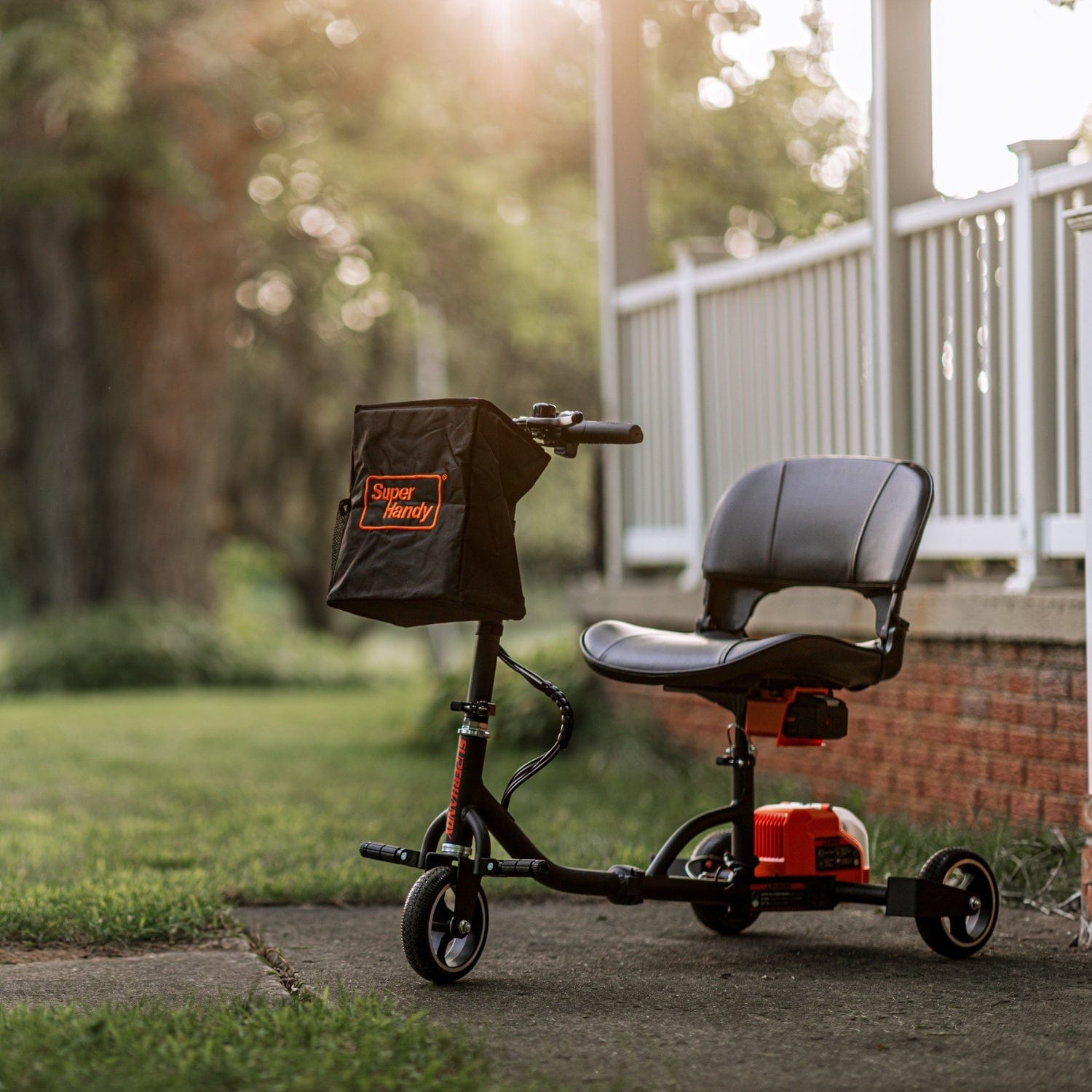
Embarking on the journey to purchase your first mobility scooter is a significant step towards regaining or enhancing your personal independence. In 2026, the market for electric mobility scooters offers an impressive array of options, making the initial choice both exciting and, at times, a little overwhelming. This comprehensive guide aims to simplify that process, empowering you with the knowledge needed to select the perfect ride that aligns with your lifestyle, needs, and budget.
Empowering Your Independence: Why a Mobility Scooter Might Be Your Next Best Investment
For many, a mobility scooter represents more than just a mode of transport; it's a gateway to renewed freedom and an enriched quality of life. As physical mobility changes, daily tasks that once seemed simple can become challenging. An electric mobility scooter provides the support needed to navigate these challenges, transforming limitations into opportunities. It's an investment in your well-being, allowing you to maintain an active social life, run errands independently, and explore your community with confidence.
Imagine no longer relying on others for rides to appointments or missing out on family outings due simply to walking fatigue or difficulty. A mobility scooter makes these scenarios a thing of the past, opening up a world of possibilities and helping you stay connected. It's about taking control and living life on your own terms.
Rediscovering Freedom: How a Mobility Scooter Enhances Daily Life and Mobility
The impact of an electric mobility scooter on daily life is profound. It can dramatically improve your ability to participate in activities, both inside and outside your home. From simple tasks like retrieving mail or gardening to more involved outings like shopping trips or visiting friends, a scooter provides the necessary assistance.
Enhanced mobility translates directly into increased independence. Users often report a significant boost in confidence and a reduction in feelings of isolation. The ability to move freely, without pain or excessive effort, can reinvigorate your spirit and encourage greater engagement with your surroundings. It allows you to conserve energy for enjoying activities, rather than expending it on basic movement. This can lead to a more active lifestyle, better mental health, and overall improved well-being.
Understanding the Shift: When is the Right Time to Seriously Consider a Mobility Scooter?
Deciding when to get an electric mobility scooter is a personal journey, often prompted by a gradual shift in physical capabilities or lifestyle needs. It's not about giving up independence but rather about preserving it. Common indicators that it might be time include:
- Difficulty walking long distances: Experiencing pain, fatigue, or breathlessness after short walks.
- Risk of falls: Feeling unsteady or having concerns about tripping, especially on uneven surfaces.
- Reliance on others: Finding yourself increasingly dependent on family or friends for transportation and errands.
- Missing out on activities: Opting out of social events, hobbies, or community participation due to mobility challenges.
- Desire for greater independence: A strong wish to manage your own movements and schedule without assistance.
Don't wait until mobility becomes a significant hindrance. Proactive consideration allows you to make an informed decision and integrate a mobility scooter into your life smoothly, rather than as a last resort. Early adoption can often prevent further decline in physical activity and improve overall health outcomes.
Before You Shop: How to Assess Your Personal Mobility Needs for the Perfect Scooter
Before diving into the vast selection of electric mobility scooters, taking the time to assess your specific needs is crucial. A thorough self-evaluation will guide you towards a scooter that perfectly matches your lifestyle, rather than one that falls short or offers unnecessary features. Consider the following key areas:
Daily Activities and Lifestyle: Where Will You Primarily Use Your Mobility Scooter?
Think about your typical day and week. Will your mobility scooter be used primarily for quick trips to the grocery store, daily walks in a park, or extensive travel? Do you frequent indoor spaces like malls or museums, or are your primary needs outdoors? Your lifestyle dictates the scooter's required features, such as range, maneuverability, and durability.
- Short errands: A compact, portable scooter might suffice.
- Daily outings: A mid-range 3- or 4-wheel scooter offers a good balance.
- Extensive outdoor use or varied terrain: A heavy-duty or all-terrain model will be necessary.
Indoor vs. Outdoor Use: Navigating Different Spaces and Terrain Types
The environments you'll traverse play a significant role. Indoor use demands excellent maneuverability, a tighter turning radius, and often a more compact design. Think about navigating hallways, doorways, and around furniture. For outdoor use, consider factors like ground clearance, wheel size, and suspension to handle uneven pavements, grassy areas, or slight inclines. If you plan to use your mobility scooter for both, a versatile model that performs well in varied conditions is key.

Your Physical Capabilities: Ensuring Comfort, Dexterity, and Ease of Scooter Operation
Your physical condition directly influences the type of electric mobility scooter that will be most comfortable and safe for you. Consider:
- Dexterity: Can you easily operate controls like throttles, switches, and steering? Some scooters have simpler controls than others.
- Strength: Can you get on and off the scooter easily? Do you need a seat that swivels or adjusts significantly?
- Vision and hearing: Are the dashboard displays clear, and are safety features like horns easily audible?
- Comfort: Will you be sitting for extended periods? Seat comfort, adjustability, and back support are paramount.
It's vital that the scooter not only transports you but also supports your physical comfort and allows for effortless operation to prevent strain or fatigue.
Budgeting for Your Mobility: Understanding Scooter Costs, Warranties, and Financing Options
Mobility scooter prices vary widely, from around $800 for basic, portable models to over $5,000 for high-performance, heavy-duty options. Beyond the initial purchase price, consider:
- Battery replacement: Batteries typically need replacing every 1-3 years and can cost several hundred dollars.
- Maintenance: Regular servicing, though often minimal, may incur costs.
- Accessories: Baskets, covers, and other add-ons are extra expenses.
Investigate warranties thoroughly. A good warranty covers major components like the frame, motor, and electronics for a reasonable period. Explore financing options offered by retailers or consider government programs and charitable organizations that might provide assistance. Learn more about financial assistance for mobility aids here.
Transportation Needs: How Will You Transport and Store Your Mobility Scooter?
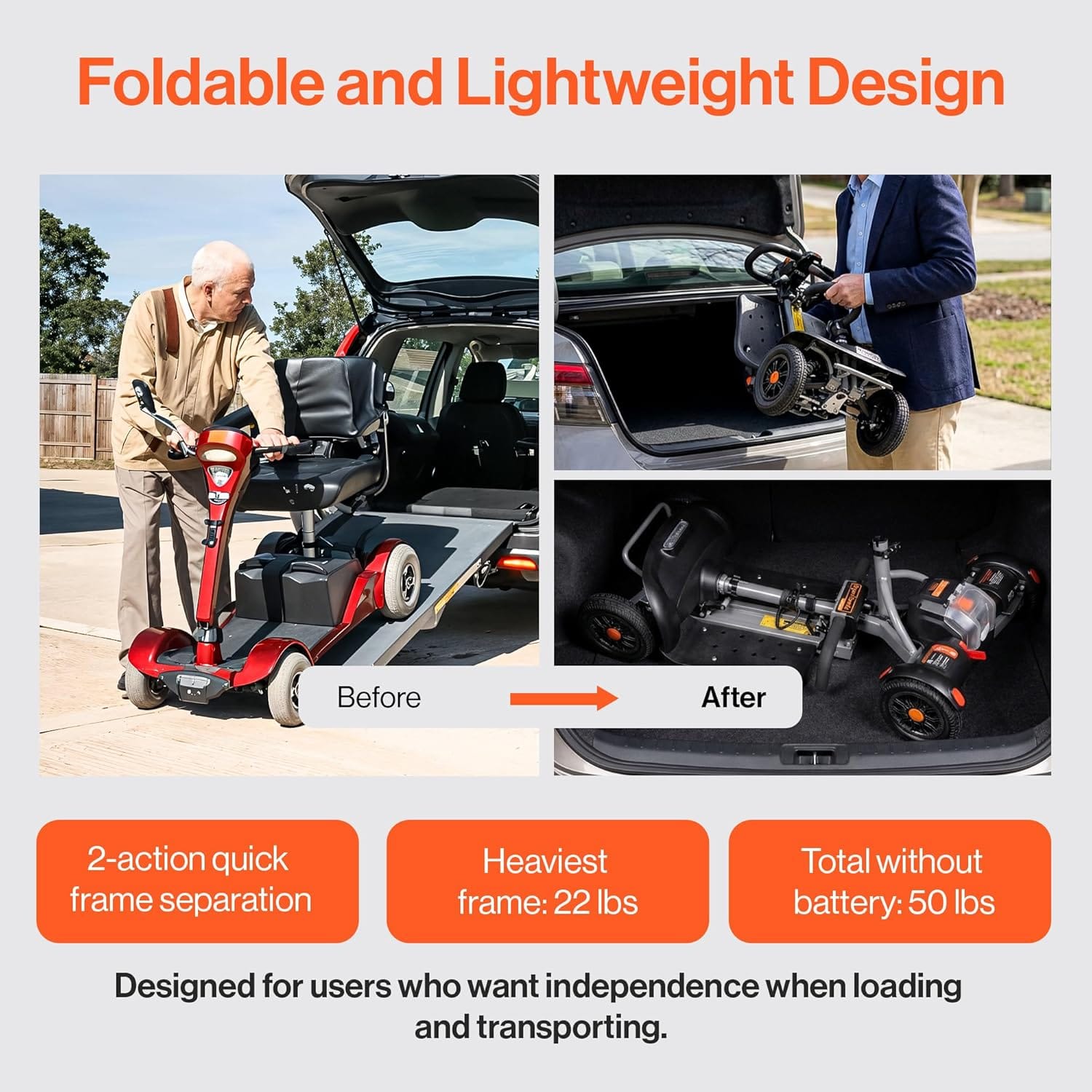
If you plan to travel with your electric mobility scooter, its portability is a crucial factor. Will you need to disassemble it and fit it into a car trunk? Do you require a lift system for your vehicle? Consider the weight of individual disassembled parts if you'll be lifting them yourself. For storage, do you have adequate space indoors or a secure outdoor area? Ensure the scooter's dimensions fit through doorways and into elevators if applicable. For larger scooters, you may need a vehicle ramp or lift. Check out SuperHandy's collection of portable mobility scooters for travel-friendly options.
Exploring Your Options: What Are the Different Types of Mobility Scooters Available?
The market for mobility scooters offers diverse designs, each catering to specific needs and preferences. Understanding these categories is essential for making an informed choice.
Compact and Portable Mobility Scooters: Ideal for Travel, Errands, and Tight Spaces
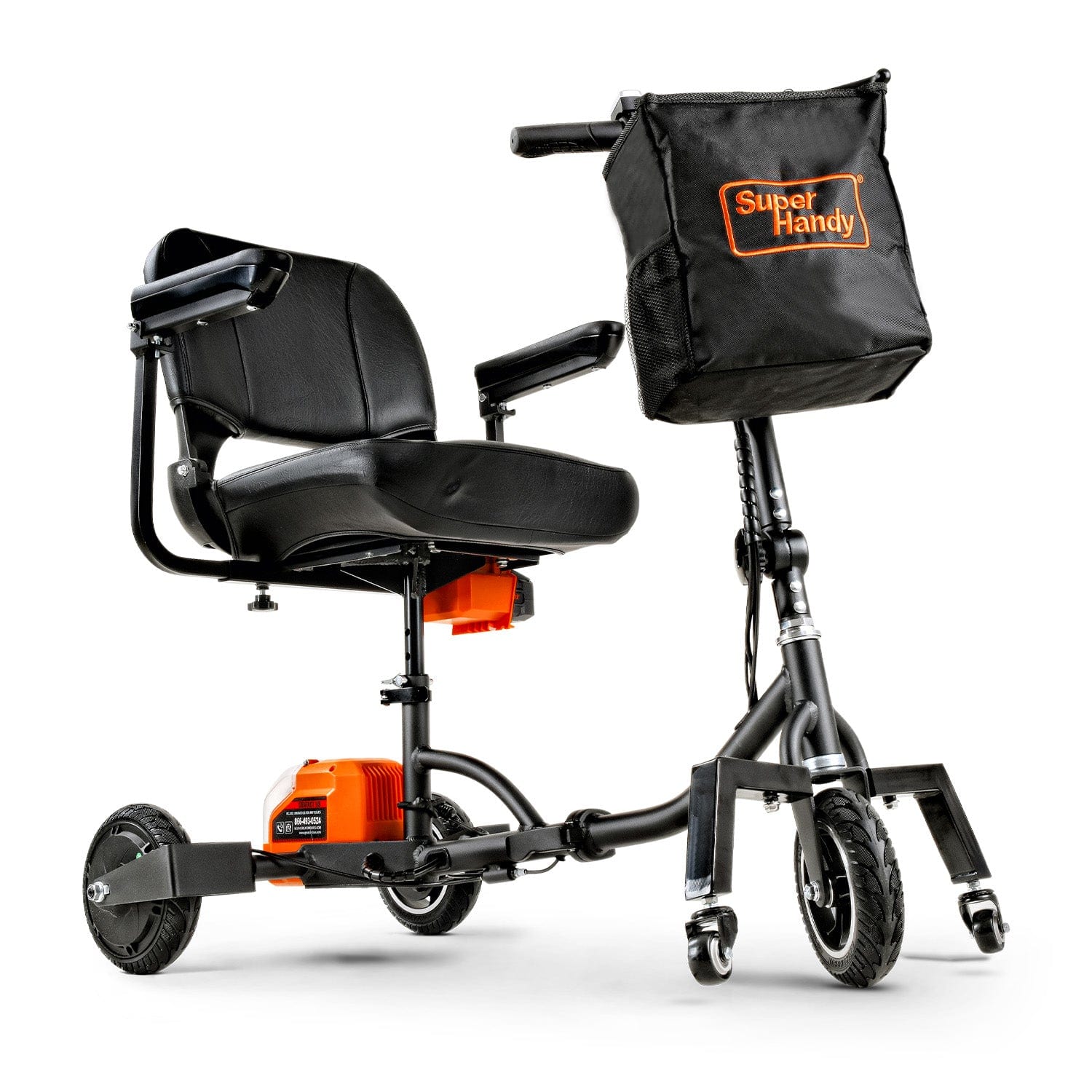
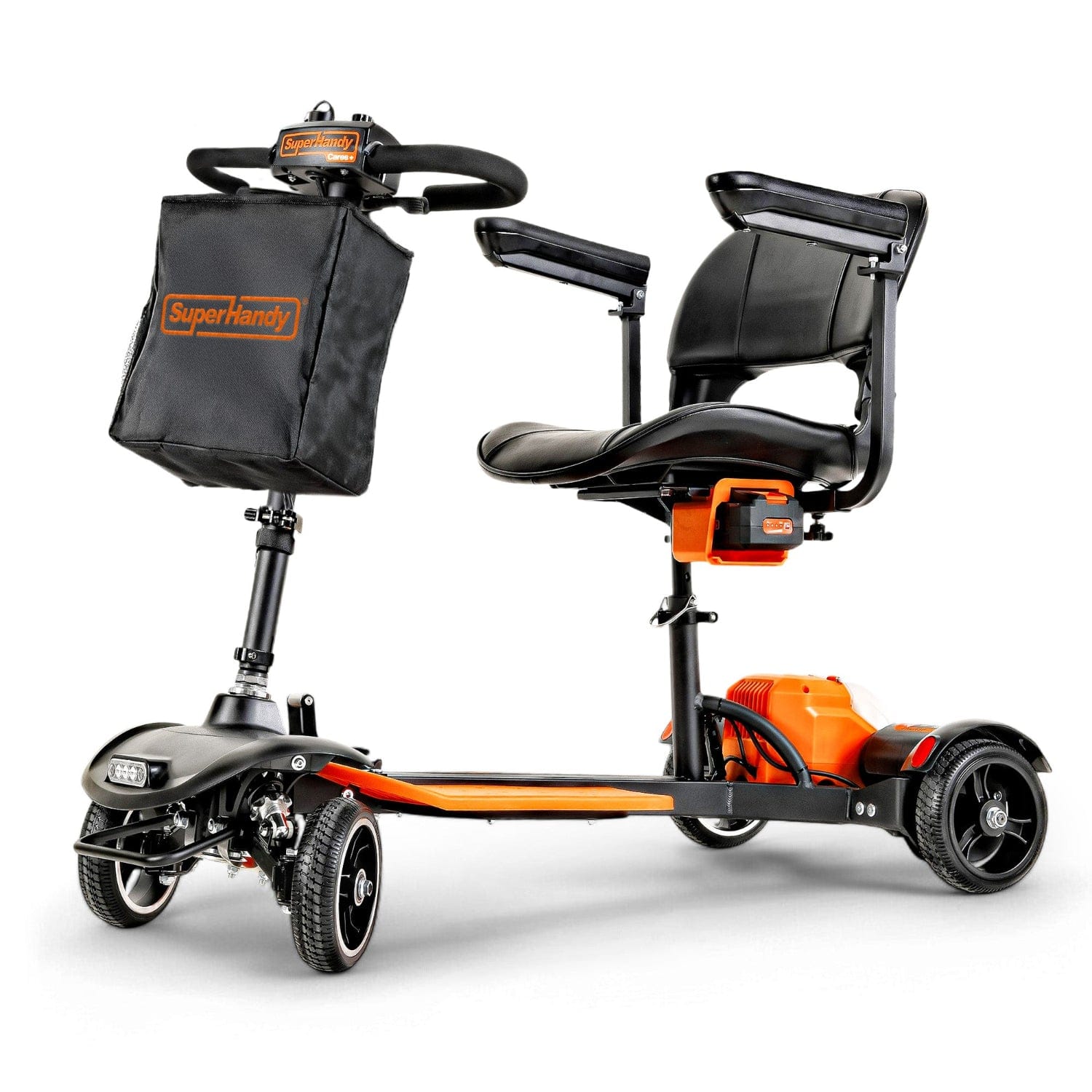
Compact and portable mobility scooters, often referred to as travel scooters, are designed for ease of transport and maneuverability in confined spaces. They typically disassemble into lightweight pieces or fold down for storage in a car trunk or airplane overhead compartment. While offering less power and range than larger models, their convenience for shopping trips, vacations, and indoor use is unmatched. These are usually 3-wheel or lightweight 4-wheel designs.
Versatile 3-Wheel Mobility Scooters: Maximizing Maneuverability and Indoor Comfort
3-wheel mobility scooters excel in maneuverability, boasting a tighter turning radius compared to their 4-wheel counterparts. This makes them an excellent choice for navigating crowded indoor environments like supermarkets, museums, and homes. They generally offer sufficient stability for paved outdoor surfaces. However, their three-point stance can make them feel less stable on uneven terrain or steep inclines, especially for new users.
Stable 4-Wheel Mobility Scooters: Enhanced Support and Stability for Outdoor Adventures
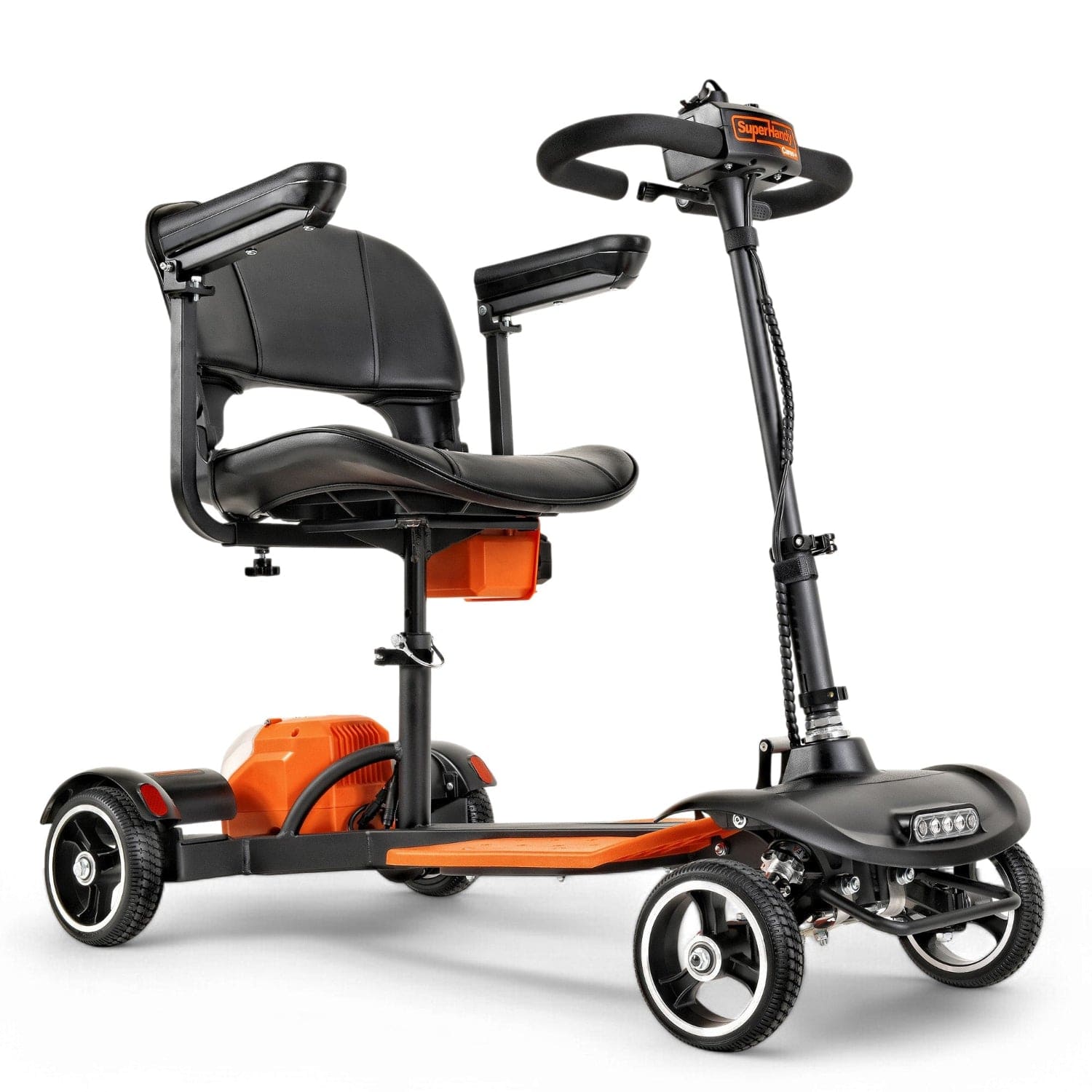
For users prioritizing stability and outdoor performance, 4-wheel mobility scooters are often the preferred choice. Their wider base and four-point contact with the ground provide superior balance and support, making them ideal for navigating uneven pavements, grassy parks, and inclines with greater confidence. While generally less maneuverable indoors than 3-wheel models, advancements in design mean many offer surprisingly good indoor performance. They typically have higher weight capacities and larger battery ranges, perfect for longer outings.

Heavy-Duty and All-Terrain Scooters: Power and Performance for Larger Users or Challenging Environments
Heavy-duty and all-terrain mobility scooters are the powerhouses of the scooter world. Built with robust frames, powerful motors, larger wheels, and enhanced suspension systems, these scooters are designed to handle challenging environments and higher weight capacities. They are perfect for larger individuals, those needing extended range, or users who frequently encounter rough terrain like gravel paths, inclines, or unpaved areas. These models often sacrifice some portability for their superior performance and durability.
Comparing Scooter Types: Which Design Best Suits Your Specific Lifestyle and Requirements?
Choosing between these types boils down to prioritizing your needs:
- Portability/Travel: Compact/Portable (often 3-wheel or lightweight 4-wheel).
- Indoor Maneuverability: 3-Wheel.
- Outdoor Stability/Range: 4-Wheel.
- Weight Capacity/Rough Terrain: Heavy-Duty/All-Terrain.
Consider your primary usage and the trade-offs associated with each design. A detailed comparison will help you narrow down your choices to find the electric mobility scooter that truly enhances your daily life. Visit SuperHandy's full range of mobility scooters to see specific models in each category.
Making the Smart Choice: Essential Features to Look for in a First Mobility Scooter
Once you've identified the general type of mobility scooter that fits your needs, it's time to delve into the specific features that will optimize your experience. Focusing on these details ensures long-term satisfaction and safety.
Powering Your Ride: Understanding Battery Types, Range Expectations, and Charging Best Practices
The battery is the heart of your electric mobility scooter. Most scooters use sealed lead-acid (SLA) or lithium-ion batteries. Lithium-ion batteries are lighter, offer a longer range, and charge faster, but typically come at a higher cost. SLA batteries are heavier and have a shorter lifespan but are more affordable.
- Range: This indicates how far the scooter can travel on a single charge. Match the range to your daily needs, adding a buffer for unexpected detours. A typical range might be 10-25 miles.
- Charging: Understand the charging time (usually 6-12 hours) and the best practices for battery longevity (e.g., charging regularly, avoiding deep discharges). Always use the charger supplied with your scooter.
Comfort is Key: Seat Design, Adjustability, and Ergonomics for Extended Use
Since you'll spend significant time on your mobility scooter, comfort is paramount. Look for:
- Seat width and depth: Ensure it accommodates your body comfortably.
- Padding: Adequate cushioning prevents discomfort.
- Backrest height: Good lumbar support is essential.
- Adjustability: A seat that swivels, slides forward/backward, and adjusts in height can significantly improve access and riding posture. Adjustable armrests are also beneficial.
- Ergonomics: The overall design should promote a natural, relaxed posture, reducing strain during operation.
Smooth Journeys: Wheel Size, Tire Types, and Suspension Systems for Varied Terrain
These features dictate how smoothly your electric mobility scooter handles different surfaces:
- Wheel Size: Larger wheels generally provide a smoother ride over bumps and offer better ground clearance. Smaller wheels are common on portable models for compactness.
-
Tire Types:
- Solid tires: Puncture-proof, maintenance-free, but offer a firmer ride.
- Pneumatic (air-filled) tires: Provide better shock absorption for a smoother ride but can puncture.
- Foam-filled tires: A good compromise, offering a softer ride than solid tires without the risk of flats.
- Suspension: A good suspension system (front, rear, or full) absorbs shocks and vibrations, significantly enhancing comfort, especially on uneven terrain. This is a critical feature for outdoor or all-terrain mobility scooters.
Intuitive Control: Tiller Styles, Dashboards, and User-Friendly Operating Systems
Ease of operation is crucial for a positive experience. Consider:
- Tiller Style: Most scooters have a Delta tiller (wrap-around handle), which is excellent for those with limited dexterity, or a traditional bicycle-style handlebar. Choose what feels most natural.
- Dashboard: Look for clear, easy-to-read displays showing battery life, speed, and other essential information.
- Controls: Ensure accelerator levers, horn buttons, and light switches are within easy reach and simple to understand and operate without confusion.
Prioritizing Safety: Lighting, Horns, Anti-Tip Wheels, and Reliable Braking Systems
Safety features are non-negotiable for any electric mobility scooter:
- Lighting: Headlights, taillights, and turn signals are essential for visibility, especially during dawn, dusk, or in low-light conditions.
- Horn: A clear, audible horn is vital for alerting pedestrians and other vehicles.
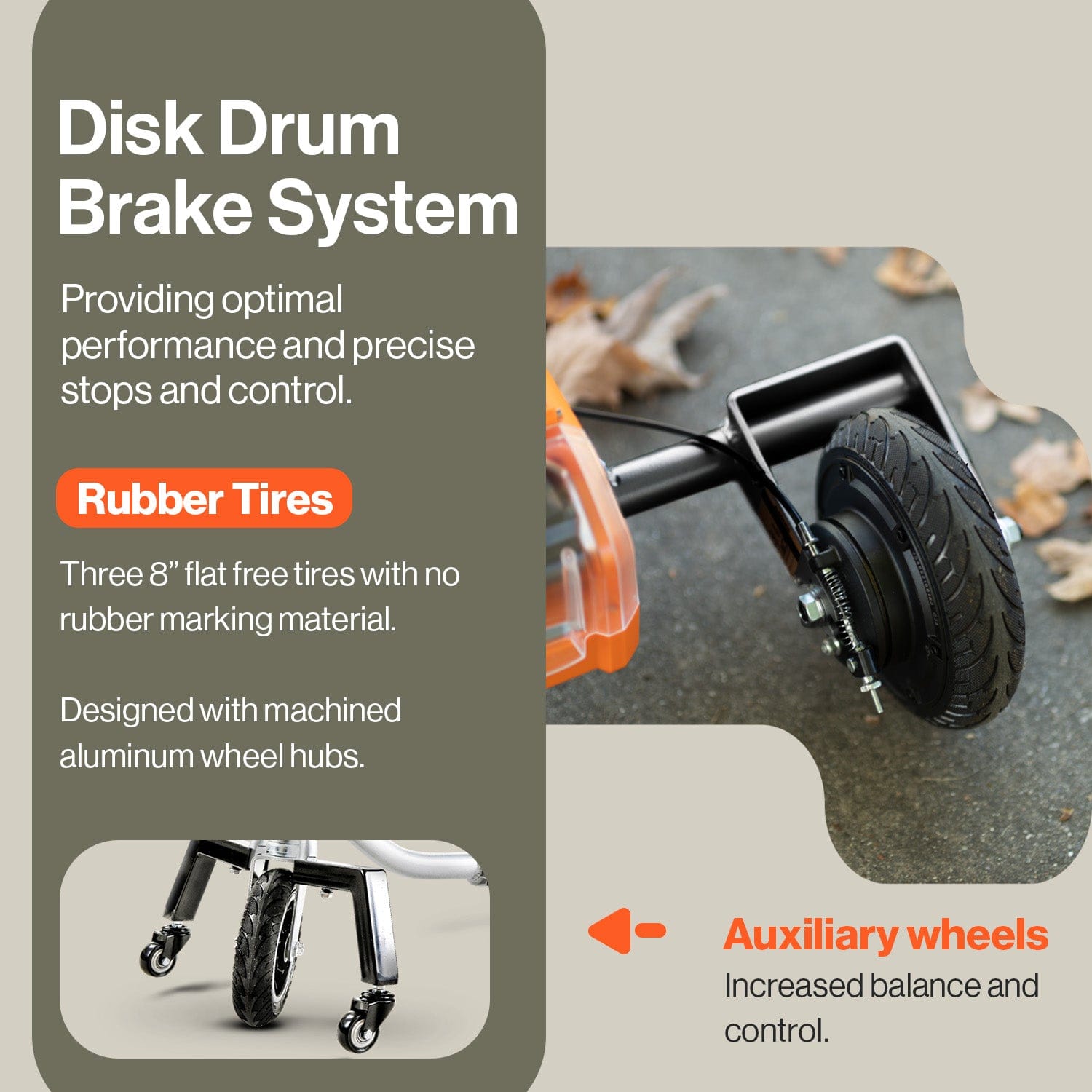
- Anti-Tip Wheels: These small wheels located on the rear of the scooter prevent it from tipping backward on inclines or during rapid acceleration.
- Braking System: Most scooters have electromagnetic brakes that engage automatically when the throttle is released. Ensure they are responsive and reliable. Some models also include a manual handbrake.
Practical Considerations: Weight Capacity, Ground Clearance, and Turning Radius
- Weight Capacity: Always choose a scooter that comfortably exceeds your body weight to ensure safety, optimal performance, and longevity. Overloading a scooter can damage its motor and components.
- Ground Clearance: This refers to the distance between the bottom of the scooter and the ground. Higher ground clearance allows you to navigate bumps, thresholds, and uneven terrain without scraping the underside.
- Turning Radius: A smaller turning radius indicates better maneuverability, especially important for indoor use or navigating tight spaces. Test this during a test ride.
Portability and Disassembly: Is Easy Transport a Priority for Your Mobility Scooter?
If you plan to transport your mobility scooter frequently in a car, train, or airplane, its ease of disassembly or folding mechanism is critical. Look for models that break down into manageable, lightweight pieces without requiring tools. The heaviest component should be something you or a helper can comfortably lift. For full portability, consider SuperHandy's lightweight folding mobility scooters.
Your Purchase Journey: A Step-by-Step Guide to Buying Your Mobility Scooter Confidently
Buying an electric mobility scooter is a significant decision. A structured approach can help you navigate the process confidently and avoid common pitfalls.
Where to Buy: Online Retailers vs. Local Dealerships – Understanding the Pros and Cons
Both online retailers and local dealerships offer distinct advantages:
-
Online Retailers (e.g., superhandyus.com):
- Pros: Often offer competitive pricing, a wider selection, and convenient delivery. SuperHandy provides extensive product information and customer support.
- Cons: Lack of in-person test drives, potential for complex returns, and less personalized setup assistance.
-
Local Dealerships:
- Pros: Opportunity for test drives, personalized advice, professional setup and fitting, and readily available service and repairs.
- Cons: Generally higher prices, smaller selection, and geographical limitations.
Consider your comfort level with online purchases versus the value of hands-on experience and local support.
The Importance of a Test Ride: Experiencing Your Potential Scooter Firsthand Before Purchase
Whenever possible, take a mobility scooter for a test ride. This is arguably the most crucial step. A test ride allows you to:
- Assess comfort and ergonomics.
- Evaluate controls and ease of operation.
- Gauge maneuverability and turning radius in real-world conditions.
- Feel the stability and suspension.
- Simulate your typical usage scenarios (e.g., navigating tight corners, going up a ramp).
If buying online, check for generous return policies that allow you to test the scooter at home.
Understanding Warranties and Return Policies: Protecting Your Mobility Scooter Investment
Always review the warranty and return policy before finalizing your purchase. A comprehensive warranty typically covers the frame for several years, the drive train for 1-2 years, and electronics for 1 year. Understand what voids the warranty (e.g., improper use, unauthorized modifications). A fair return policy (e.g., 30-day money-back guarantee) provides peace of mind, especially when purchasing an electric mobility scooter without a prior test ride.
Essential Accessories: Baskets, Holders, and Covers to Enhance Your Scooter Experience
Many accessories can significantly enhance your mobility scooter experience:
- Baskets/Bags: Front or rear baskets provide convenient storage for groceries, personal items, or oxygen tanks.
- Cup Holders: Keep beverages within easy reach.
- Device Holders: Safely secure your phone or GPS device.
- Covers: Protect your scooter from weather elements when stored outdoors.
- Ramps: Essential for loading and unloading into vehicles or for navigating home thresholds.
Factor these into your budget, as they can add considerable functionality.
Navigating Insurance and Funding: Exploring Coverage Options and Financial Assistance Programs
Mobility scooter costs can sometimes be partially covered by insurance or funding programs. In the U.S., Medicare Part B may cover a portion if deemed medically necessary by a doctor. Medicaid and private insurance plans also have varying coverage policies. Additionally, veterans' benefits, state assistance programs, and non-profit organizations often provide grants or financial aid. Researching these options can significantly reduce your out-of-pocket expenses. Consult Medicare's official guidelines for DME coverage.
Beyond the Purchase: Maximizing Your Mobility Scooter Experience and Longevity
Your journey with an electric mobility scooter doesn't end with the purchase. Proper care and smart usage will ensure it serves you well for many years.
Regular Maintenance Tips: Keeping Your Scooter in Top Condition for Years to Come
While mobility scooters are generally low-maintenance, regular checks can prevent major issues:
- Cleanliness: Keep your scooter clean, wiping down surfaces and ensuring no debris interferes with moving parts.
- Tire Pressure: If you have pneumatic tires, check and maintain correct pressure regularly.
- Battery Terminals: Ensure they are clean and free of corrosion.
- Connections: Periodically check that all electrical connections are secure.
- Professional Service: Consider an annual professional service check, similar to a car tune-up, to inspect brakes, motor, and electrical systems. For detailed advice, refer to SuperHandy's Mobility Scooter Maintenance Guide.
Battery Care Best Practices: Extending Battery Life and Ensuring Reliable Performance
Batteries are the most common component requiring replacement. Maximize their lifespan with these tips:
- Charge Regularly: Charge your electric mobility scooter battery after every use, even if only used for a short time. Avoid letting it fully discharge.
- Overnight Charging: It's generally safe to leave modern scooter batteries charging overnight, as most chargers have an auto shut-off.
- Storage: If storing for an extended period, ensure the battery is fully charged and then charge it briefly every few weeks.
- Temperature: Store and charge batteries in a moderate temperature environment. Extreme heat or cold can degrade battery performance.
Safe Driving Practices: Rules of the Road, Pedestrian Etiquette, and Awareness Tips
Operating your mobility scooter safely is paramount:
- Know Your Scooter: Understand its speed, braking distance, and turning radius.
- Follow Traffic Laws: Treat your scooter like a pedestrian when on sidewalks or like a slow-moving vehicle when allowed on roads (check local regulations).
- Be Visible: Use lights and wear reflective clothing, especially at night.
- Be Aware: Always pay attention to your surroundings, pedestrians, and traffic. Avoid distractions.
- Respect Pedestrians: Yield to pedestrians, use your horn courteously, and maintain a safe speed in crowded areas. For more safety information, review the World Health Organization's guidelines on road safety.
Traveling with Your Scooter: Navigating Airplanes, Cars, and Public Transportation Systems
Traveling with an electric mobility scooter requires some planning:
- Airplanes: Contact your airline in advance to understand their specific policies regarding batteries (especially lithium-ion) and scooter dimensions. Most airlines allow scooters as checked baggage. Provide battery type information.
- Cars: Utilize vehicle lifts, ramps, or disassembling portable scooters for car trunk transport.
- Public Transportation: Check with local bus or train services for their accessibility policies and whether your scooter can be accommodated.
Always carry your scooter's manual and battery specification sheet when traveling.
Adapting Your Home Environment: Ensuring Accessibility and Convenience for Your Scooter
Making minor adjustments to your home can significantly improve your mobility scooter experience:
- Ramps: Install small threshold ramps for seamless transitions between rooms or entryways.
- Clear Pathways: Ensure hallways and rooms are clear of clutter to allow easy maneuvering.
- Charging Station: Designate a convenient and safe charging spot near an outlet.
- Storage: Plan for a secure and accessible storage location when the scooter is not in use.
Frequently Asked Questions About Choosing and Using Mobility Scooters
How fast do mobility scooters typically go?
Most electric mobility scooters have a top speed ranging from 4 to 8 miles per hour (6.5 to 13 kilometers per hour). Portable and compact models are typically on the lower end, while larger, heavy-duty scooters can reach the higher speeds. Some high-performance models might exceed 8 mph, but these are less common for general personal mobility.
What is the average battery range of a mobility scooter?
The average battery range for a mobility scooter is between 10 to 25 miles on a single charge. This can vary significantly based on battery type (SLA vs. lithium-ion), battery capacity, terrain, user weight, and driving speed. Smaller, portable scooters may offer less, while heavy-duty models can provide ranges exceeding 30-40 miles.
Can I take my mobility scooter on a plane or cruise ship?
Yes, in most cases, you can take your electric mobility scooter on a plane or cruise ship. However, it's crucial to contact the airline or cruise line well in advance to understand their specific policies, especially regarding battery types (lithium-ion batteries have strict regulations for air travel). You will likely need to provide battery specifications.
Do I need a license or special training to operate a mobility scooter?
In most countries and regions, you do not need a driver's license or special training to operate a mobility scooter. They are generally classified as medical devices or pedestrian aids. However, it is highly recommended to practice operating your scooter in a safe, open area until you are fully comfortable with its controls, turning radius, and braking system.
What is the key difference between a mobility scooter and a power wheelchair?
The key difference lies in their design and user interface. A mobility scooter typically has a tiller for steering, a seat that resembles a chair, and is operated with hand controls. They are often better for outdoor use and individuals with some upper body strength and trunk control. A power wheelchair, conversely, is usually operated with a joystick, offers more advanced seating options for complex positioning needs, and is designed for users who require greater support or have limited upper body strength, making them highly maneuverable indoors and often more customizable for clinical needs.
How much do mobility scooters typically cost, and are there budget options?
Mobility scooter costs generally range from approximately $800 to $5,000+. Basic, portable models are at the lower end of this spectrum, while heavy-duty or all-terrain models with advanced features can cost significantly more. Yes, there are budget options available, especially in the portable and entry-level 3-wheel categories, but it's important to balance cost with features, durability, and warranty.
What is the most common reason for a mobility scooter breaking down?
The most common reason for a mobility scooter breaking down is battery-related issues, including a dead battery, a battery that no longer holds a charge effectively, or issues with the charging system. Other common problems can include tire punctures (for pneumatic tires), motor brushes wearing out, or electrical connection faults. Regular maintenance and proper battery care can significantly reduce these occurrences.
Are there any grants or financial assistance programs available for buying a scooter?
Yes, various grants and financial assistance programs are available. These can include coverage from Medicare Part B (if medically necessary), Medicaid, private health insurance, Veterans Affairs benefits, state-specific programs for individuals with disabilities, and non-profit organizations or charities dedicated to providing mobility aids. Researching options specific to your location and situation is recommended.
How often should I service my mobility scooter to ensure its longevity?
While mobility scooters require minimal maintenance, an annual professional service check is highly recommended to ensure longevity and optimal performance. This service typically includes checking the brakes, motor, tires, electrical connections, and battery health. Between professional services, regular user checks (like tire pressure and cleaning) are important.
Related Products


Leave a comment
All comments are moderated before being published.
This site is protected by hCaptcha and the hCaptcha Privacy Policy and Terms of Service apply.