









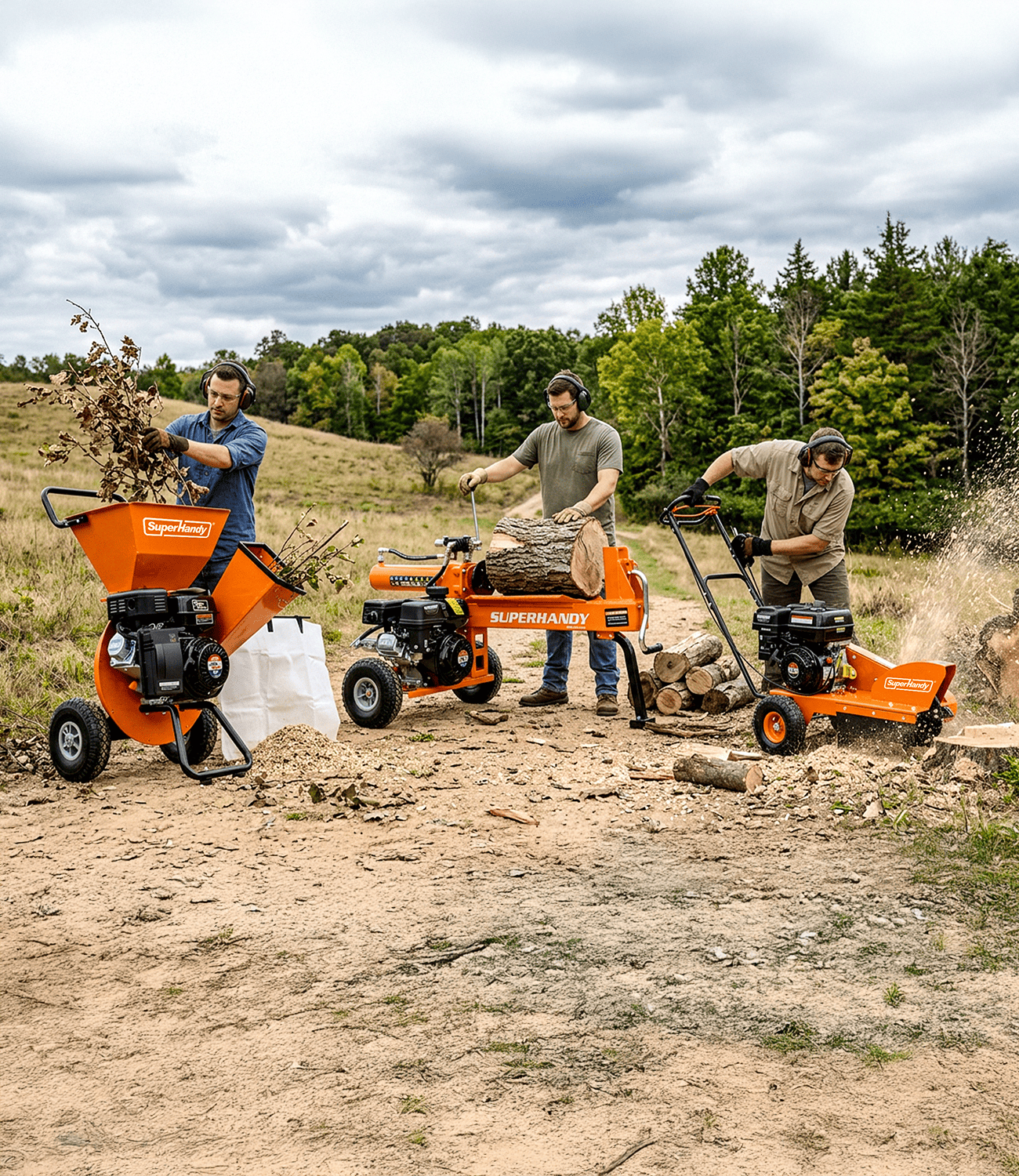
Taming a yard full of fallen branches, twigs, and leaves can feel like a never-ending battle. You can spend hours bundling debris for curbside pickup or pay hefty fees for professional removal. But what if you could transform that pile of yard waste into a valuable resource? A quality wood chipper turns this chore into an opportunity, but choosing the right one—electric or gas—is the key to unlocking its full potential. This guide will break down the crucial differences, helping you find the perfect chipper for your needs.
Why a Wood Chipper is an Essential Tool for Homeowners
A wood chipper is more than just a power tool; it’s a complete yard management system. Instead of letting organic waste occupy space in a landfill, a chipper efficiently shreds it into small, uniform wood chips. This process offers several significant advantages for any homeowner.
First, it dramatically reduces the volume of your yard waste. A massive pile of unruly branches can be condensed into a manageable mound of chips, often reducing the original volume by a ratio of 10:1 or more. This saves you space, time, and the physical effort of bagging or bundling.
Second, it creates a free, high-quality resource for your garden and landscape: mulch. According to the University of New Hampshire Extension, wood chip mulch helps retain soil moisture, suppresses weeds, and regulates soil temperature. By recycling your own yard debris, you’re creating organic material that enriches your soil and promotes healthier plants, all while saving money you would have spent at the garden center.

Electric Wood Chippers: Understanding Their Advantages and Limitations
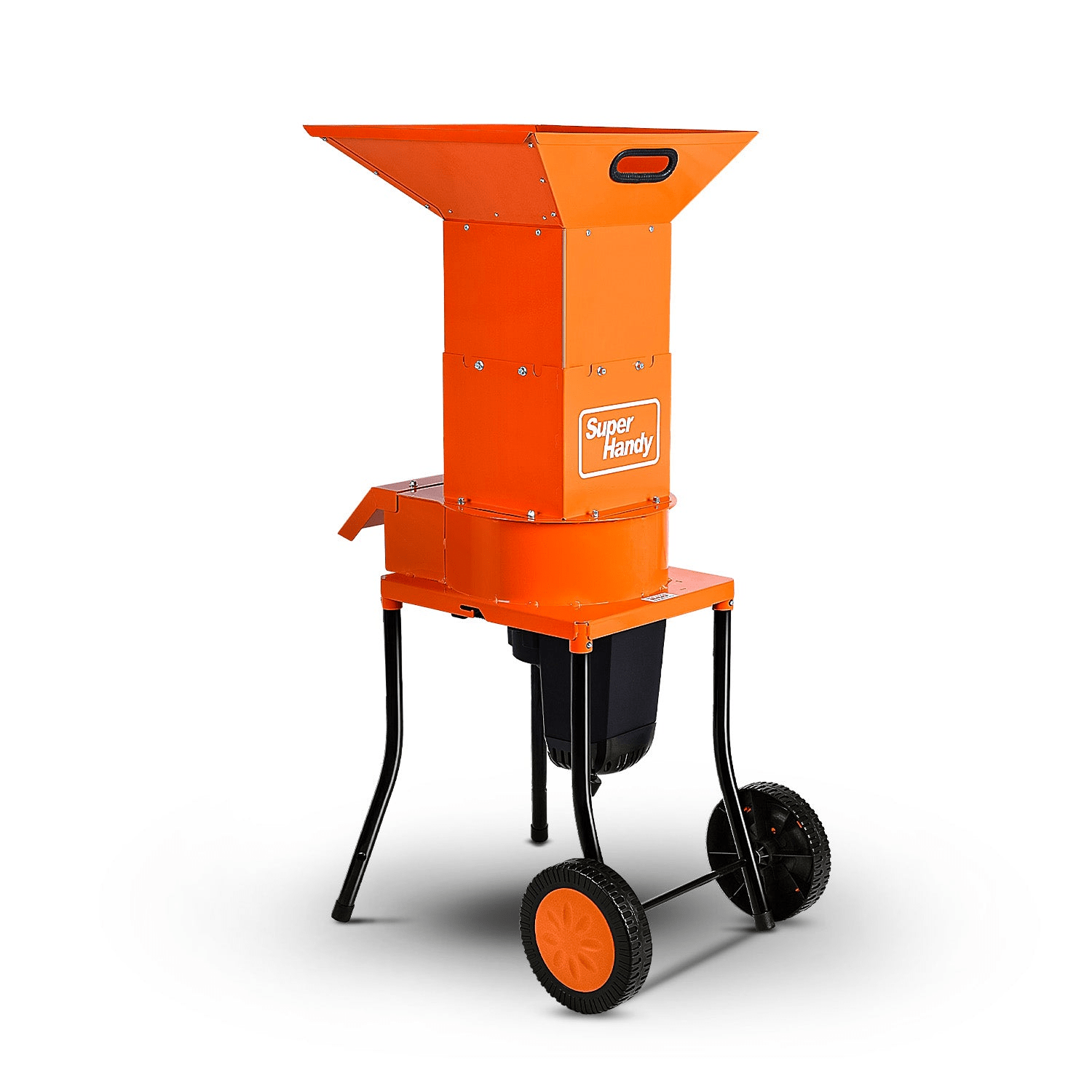
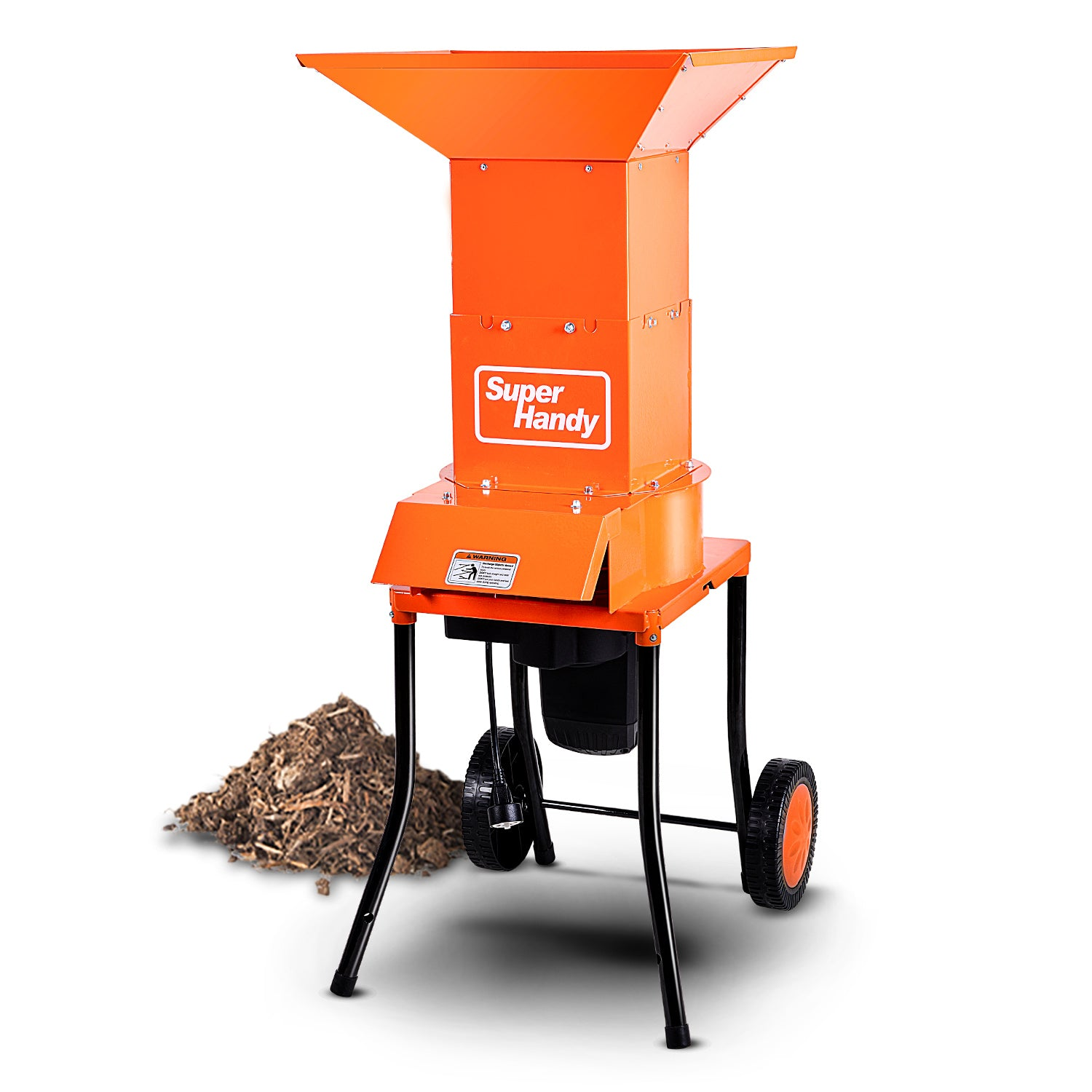
For homeowners with small-to-medium-sized yards, the electric wood chipper has become a go-to solution. These machines offer a compelling blend of convenience and efficiency, designed specifically for the typical suburban landscape. They operate using standard household outlets, eliminating the need for gasoline, oil, and the complex maintenance routines associated with internal combustion engines.
An electric wood chipper is the perfect ally for cleaning up after seasonal pruning or storm-related debris, easily handling twigs and branches up to about 1.5 inches in diameter. While they don't possess the raw, brute force of their gas-powered cousins, they excel in their intended environment. Their primary limitations are tied to power cord length, which dictates their operational range, and a lower capacity for chipping thick, hardwood limbs.
Key Benefits of Electric Models: Quiet Operation and Low Maintenance
Two of the most celebrated features of electric chippers are their user-friendly nature and neighborhood-friendly performance.
Quiet Operation: Unlike the roar of a gas engine, an electric motor produces a much lower, more tolerable level of noise, often comparable to a household vacuum cleaner. This means you can work early in the morning or on a quiet weekend without disturbing your family or neighbors. It’s a significant quality-of-life benefit that makes the chore of chipping far more pleasant.
Low Maintenance: This is where electric models truly shine. Forget about oil changes, spark plug replacements, air filters, and winterizing your fuel. With an electric chipper, maintenance is as simple as keeping the blades sharp and wiping the machine down after use. This "plug-and-go" simplicity makes them incredibly accessible for users who want powerful results without the hassle of engine upkeep. The ease of use across a wide variety of electric Wood Chippers & Leaf Mulchers makes them an attractive option for the modern homeowner.
What Are the Drawbacks of Electric Chippers? Power and Portability Constraints
While electric wood chippers are convenient and easy to use, they come with two significant limitations: power and portability.
First, their power is capped by what a standard household electrical circuit can provide. This means an electric chipper for wood is generally best suited for small, soft-wood branches, typically under 1.5 to 2 inches in diameter. If you try to feed it larger or harder wood, you risk jamming the machine or tripping a circuit breaker. For homeowners with only light pruning and small yard cleanup, this is often sufficient. However, for anything more substantial, you'll quickly find its power ceiling.
Second, their portability is tethered to a power cord. You are always limited by the length of your extension cord and the location of your outdoor electrical outlets. This can be cumbersome when you need to work in a far corner of your property or clear brush away from the house. Managing a long cord to avoid tripping hazards or accidentally running over it adds an extra layer of complexity to your yard work.
Gas-Powered Wood Chippers: Exploring Their Strengths and Weaknesses
For those who need more muscle and freedom, gas-powered models represent a significant step up in capability. A gas wood chipper is the workhorse of yard maintenance, designed for larger properties, tougher debris, and higher volume workloads. You can explore a full range of these powerful machines in our collection of Wood Chippers & Leaf Mulchers. But like any tool, they have a distinct set of pros and cons that define where they truly shine.
Why Gas Chippers Excel: Superior Power and Unrestricted Mobility
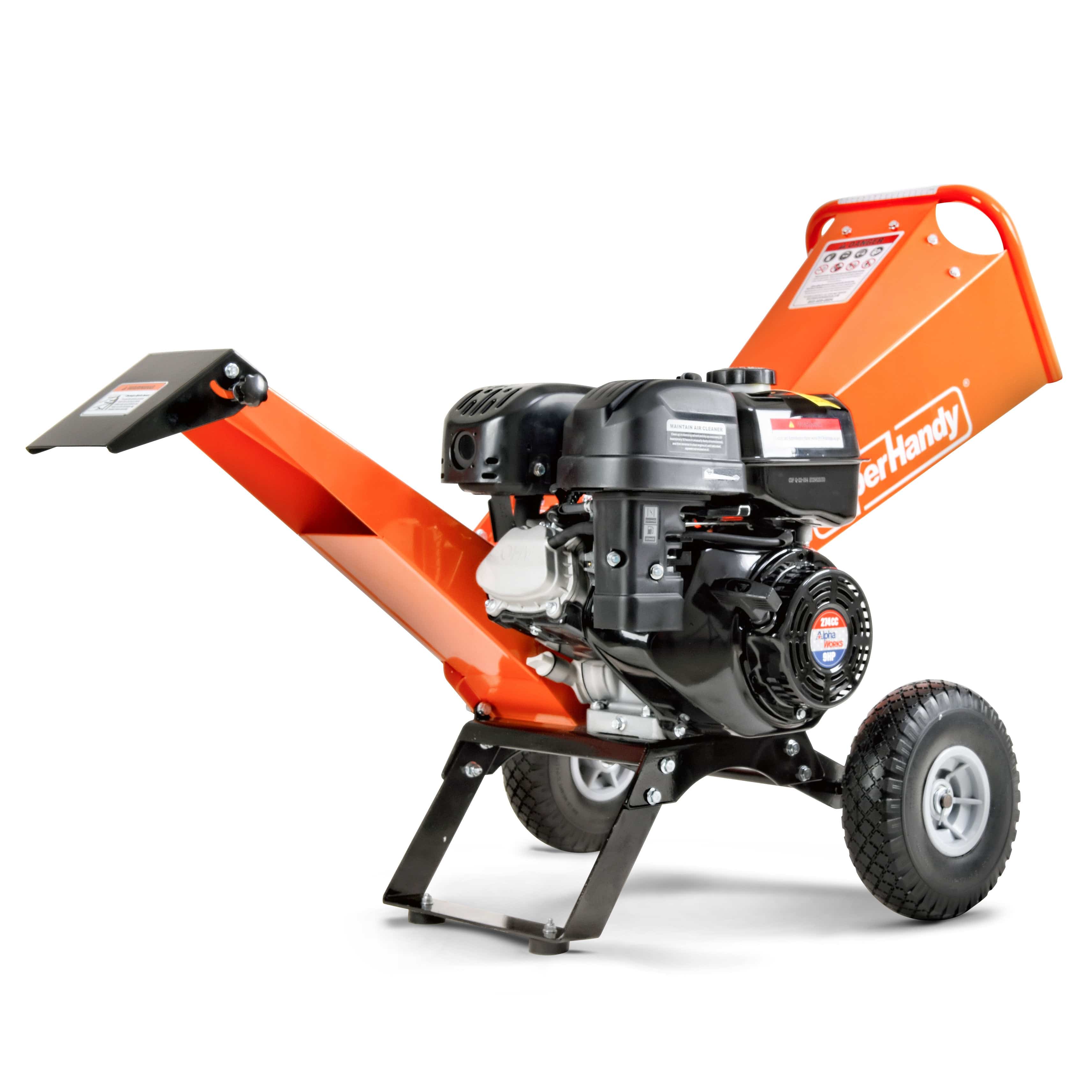
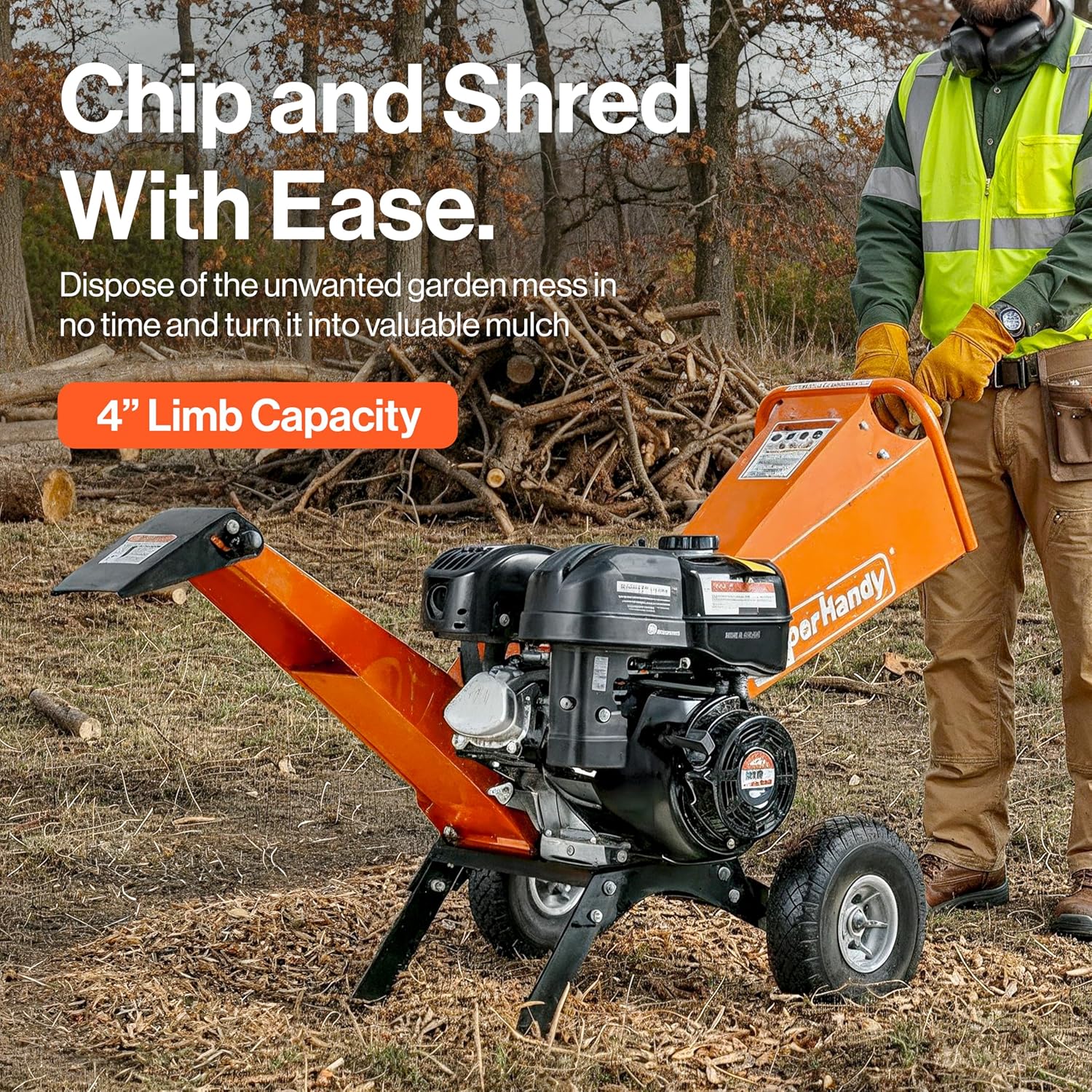
The primary advantage of a gas chipper is raw, uncompromising power. Fueled by robust 4-stroke engines, these machines generate significantly more torque than their electric counterparts. This power allows them to shred thicker, tougher branches with ease—many models can handle limbs 3 inches in diameter or more. If your property has mature hardwood trees or you frequently deal with debris from storms, the performance of a gas chipper is indispensable. They can process large piles of yard waste quickly, turning cumbersome branches into a neat pile of mulch in a fraction of the time.
Their second major strength is complete, unrestricted mobility. With no cord to hold you back, you can take a gas chipper anywhere your yard work takes you. Whether you’re clearing a fence line at the edge of your property, tackling an overgrown area far from the house, or working on a large multi-acre lot, a gas model goes where you need it to. This freedom makes them the ideal choice for landowners, hobby farmers, and anyone with serious landscaping projects.
Potential Downsides of Gas Models: Noise, Emissions, and Maintenance Needs
The power of a gas engine comes with trade-offs. The most noticeable is the noise. Gas chippers are loud, often producing noise levels well over 100 decibels, similar to a chainsaw. This necessitates the use of proper hearing protection to comply with safety recommendations from organizations like OSHA. The noise can also be a nuisance to neighbors, potentially limiting when you can operate the machine.
Gas engines also produce exhaust fumes. While modern engines are more efficient than older models, they still release emissions into the atmosphere. This environmental impact is a key consideration for eco-conscious users. Finally, gas chippers require more maintenance than electric models. Regular upkeep includes changing the oil, cleaning the air filter, replacing the spark plug, and properly storing or stabilizing fuel during the off-season. While not overly complex, this maintenance routine is an essential part of ownership to ensure the chipper runs reliably for years to come.
Direct Comparison: Electric vs. Gas Chipper Performance Metrics
When you're ready to buy a wood chipper, the decision often boils down to performance. While both electric and gas models turn branches into mulch, how they get there is vastly different. Let's break down the core metrics—power, noise, environmental impact, and cost—to see how they stack up head-to-head.
Debris Capacity and Chipping Power: Small Branches vs. Heavier Limbs
The single biggest difference between an electric and gas wood chipper is raw power, which directly impacts the size and volume of debris you can process.
-
Electric Wood Chippers: These machines are the champions of light-duty yard work. Powered by motors typically rated between 14 and 15 amps, they excel at shredding leaves, twigs, and small branches up to about 1.75 inches in diameter. They are perfect for the routine cleanup of flower beds, garden waste, and pruning smaller shrubs and trees. However, feeding them material near their maximum capacity can slow them down, and they will struggle with or jam on larger, denser hardwoods.
-
Gas-Powered Wood Chippers: If you’re tackling anything more substantial, a gas chipper is your workhorse. Equipped with powerful 4-stroke engines, these units can effortlessly chew through branches 3 inches in diameter or even larger, depending on the model. This makes them indispensable for clearing fallen limbs after a storm, managing waste from mature trees, or handling large volumes of brush on bigger properties. Their superior torque and horsepower mean less bogging down and faster processing of heavy material.

Noise Levels, Environmental Impact, and Operating Costs Compared
Beyond pure power, the daily experience of using and owning a chipper varies greatly.
-
Noise: There's no contest here. Electric chippers are significantly quieter, operating at around 80-90 decibels—similar to a lawnmower or garbage disposal. Gas chippers are notoriously loud, often roaring at 100-110 decibels or more. This level of noise is loud enough to require hearing protection for safe operation, as recommended by OSHA, and may be a nuisance in quiet suburban neighborhoods.
-
Environmental Impact: An electric chipper is the clear winner for eco-conscious users. It produces zero direct emissions, running cleanly on household electricity. In contrast, gas engines release exhaust containing carbon monoxide and other pollutants. While modern engines are more efficient, they still have a tangible carbon footprint.
-
Operating & Maintenance Costs: Electric models have a very low cost of operation; you only pay for the electricity you use. They are also virtually maintenance-free, requiring little more than blade sharpening and regular cleaning. Gas chippers incur ongoing costs for fuel and oil. They also demand a more involved maintenance schedule, including oil changes, spark plug replacements, and air filter cleanings to keep the engine in peak condition.
Which Wood Chipper is Right for Your Yard? Tailoring Your Choice to Specific Needs
The "better" machine is the one that best fits your property, your typical debris, and your personal priorities. The decision becomes simple when you match the tool to the task.
Choose an electric wood chipper if:
- You have a small-to-medium-sized yard (under half an acre).
- Your cleanup mainly consists of leaves, twigs, and branches under 2 inches thick.
- You value quiet operation and want to be considerate of your neighbors.
- You prefer a low-maintenance, plug-and-play tool with no emissions.
- You have easy access to an outdoor power outlet.
Opt for a gas-powered wood chipper if:
- You own a large property, homestead, or have a lot of mature trees.
- You frequently need to process branches that are 3 inches or thicker.
- You need the freedom to work far from a power source.
- Maximum power and processing speed are your top priorities.
- You don't mind the noise and are comfortable with routine engine maintenance.
By evaluating these factors, you can confidently select the right machine for your landscape. Explore a complete range of Wood Chippers & Leaf Mulchers to find the perfect model that meets your specific yard maintenance demands.
Ideal Scenarios for Electric Wood Chippers: Small Yards and Light-Duty Tasks
An electric wood chipper is the perfect partner for homeowners with typical suburban or urban yards. If your regular yard maintenance involves light cleanup rather than clearing a forest, an electric model will serve you well. Think of it as the ideal tool for managing the aftermath of seasonal pruning and trimming.
Choose an electric chipper if your tasks include:
- Processing small branches and twigs: Most electric models excel at chipping branches up to 1.5 inches in diameter, perfect for cleaning up after trimming crepe myrtles, rose bushes, and other small ornamental trees.
- Mulching leaves and pine needles: These machines are excellent for reducing piles of fallen leaves into nutrient-rich mulch for your garden beds.
- Maintaining a clean property with minimal noise: If you have neighbors close by, the significantly quieter operation of an electric wood chipper is a major benefit, allowing you to work without causing a disturbance.
- Prioritizing ease of use and storage: With no gas to mix or engines to service, electric chippers are virtually plug-and-play. Their lighter weight also makes them easy to move around the patio and store in the garage.
If these tasks sound like your typical yard work, exploring a range of electric Wood Chippers & Leaf Mulchers is a great next step.

When to Opt for a Gas Wood Chipper: Large Properties and Demanding Jobs
A gas-powered wood chipper is a heavy-duty workhorse built for properties where the work is bigger, tougher, and further from a power outlet. If you manage a large lot, a homestead, or a property with mature trees, the power and freedom of a gas model are essential.
You should opt for a gas chipper for these situations:
- Chipping large, woody limbs: Gas models have the torque and horsepower to handle branches of 3 inches in diameter or more, making quick work of substantial debris.
- Clearing large volumes of yard waste: When you’re dealing with major storm cleanup or clearing a significant area, a gas chipper’s larger hopper and superior processing speed are invaluable.
- Working away from power sources: The biggest advantage is mobility. You can take a gas chipper to the far corners of your property to process debris on-site, saving you the effort of dragging everything back to the house.
- Needing maximum durability and performance: Gas-powered engines are built for sustained, demanding use. They are the go-to choice for anyone who needs reliable power for frequent, heavy-duty chipping jobs.
Frequently Asked Questions About Wood Chippers (Q&A)
What's the thickest branch an electric wood chipper can handle?
Most consumer-grade electric wood chippers can handle branches with a diameter of 1.5 to 1.75 inches. However, this capacity can vary by model and depends on the hardness of the wood. Always check the manufacturer's specifications for the exact capacity of the chipper you are considering. Forcing branches that are too large can strain the motor and damage the blades.
Can I chip wet or green wood?
Yes, you can chip both, but it’s important to know the difference. Green, freshly cut wood is often easier for a chipper to process because its moisture content makes it softer. However, very wet wood or sappy pine can sometimes lead to clogs in the machine. Dry, hardened wood requires more power to chip. Many experts, like those at the University of New Hampshire Extension, note that a mix of green and brown materials is ideal for composting the resulting wood chips.
Is a wood chipper worth it for a small yard?
Absolutely. Even in a small yard, a chipper offers significant benefits. It can reduce a large pile of branches and leaves into a small, manageable mound of mulch in minutes. This not only eliminates the need to bag yard waste for disposal but also provides you with free, organic mulch to enrich your soil, suppress weeds, and retain moisture in your garden beds.
Related Products




Leave a comment
All comments are moderated before being published.
This site is protected by hCaptcha and the hCaptcha Privacy Policy and Terms of Service apply.