












Whether you're a seasoned mechanic, a dedicated car enthusiast with a project in the garage, or a DIY mover, you know that moving a vehicle without starting the engine can be a monumental challenge. This is where the right equipment makes all the difference. An automotive car dolly isn't just a tool; it's a solution that provides safety, efficiency, and control for a variety of dolly moving tasks. Let's dive into why you might need one and explore the different types available.
Why Do I Need a Car Dolly? Understanding Their Purpose and Benefits
At its core, a car dolly is designed to make the immovable, movable. Trying to push a vehicle—especially one that's disabled, in neutral, or parked in a tight space—can lead to property damage or, worse, serious personal injury. A car dolly mitigates these risks by placing the vehicle on a wheeled platform, drastically reducing the friction and force required for movement.
The key benefits include:
- Enhanced Safety: Reduces the risk of strains, sprains, and other injuries associated with trying to manually push a multi-ton vehicle.
- Increased Efficiency: Turns a multi-person struggle into a manageable one-person job, saving you time and manpower.
- Vehicle Protection: Prevents flat spots on tires during long-term storage and protects the transmission and drivetrain of the vehicle being moved or towed.
- Superior Maneuverability: Allows for precise, 360-degree movement in confined spaces like a workshop, showroom, or crowded garage.
What Specific Tasks Can a Car Dolly Help Me Accomplish?
The versatility of automotive car dollies makes them indispensable for a wide range of applications. They are the go-to solution for professionals and hobbyists alike when faced with common vehicle repositioning challenges.

Here are just a few specific tasks where a car dolly excels:
- Garage and Workshop Maneuvering: Effortlessly move a project car out of the way or reposition a vehicle for better access during repairs.
- Showroom Display: Easily rearrange cars on a showroom floor without starting their engines and creating exhaust fumes.
- Towing and Transport: Load a disabled vehicle onto a flatbed or tow truck, or tow it behind an RV for a cross-country trip.
- Emergency Repositioning: Move a car that's blocked in, has a dead battery, or is stuck in park.
- Long-Term Storage: Place a classic car on dollies to easily move it for cleaning and prevent tire damage.
What Are the Main Types of Car Dollies Available for Vehicle Moving?
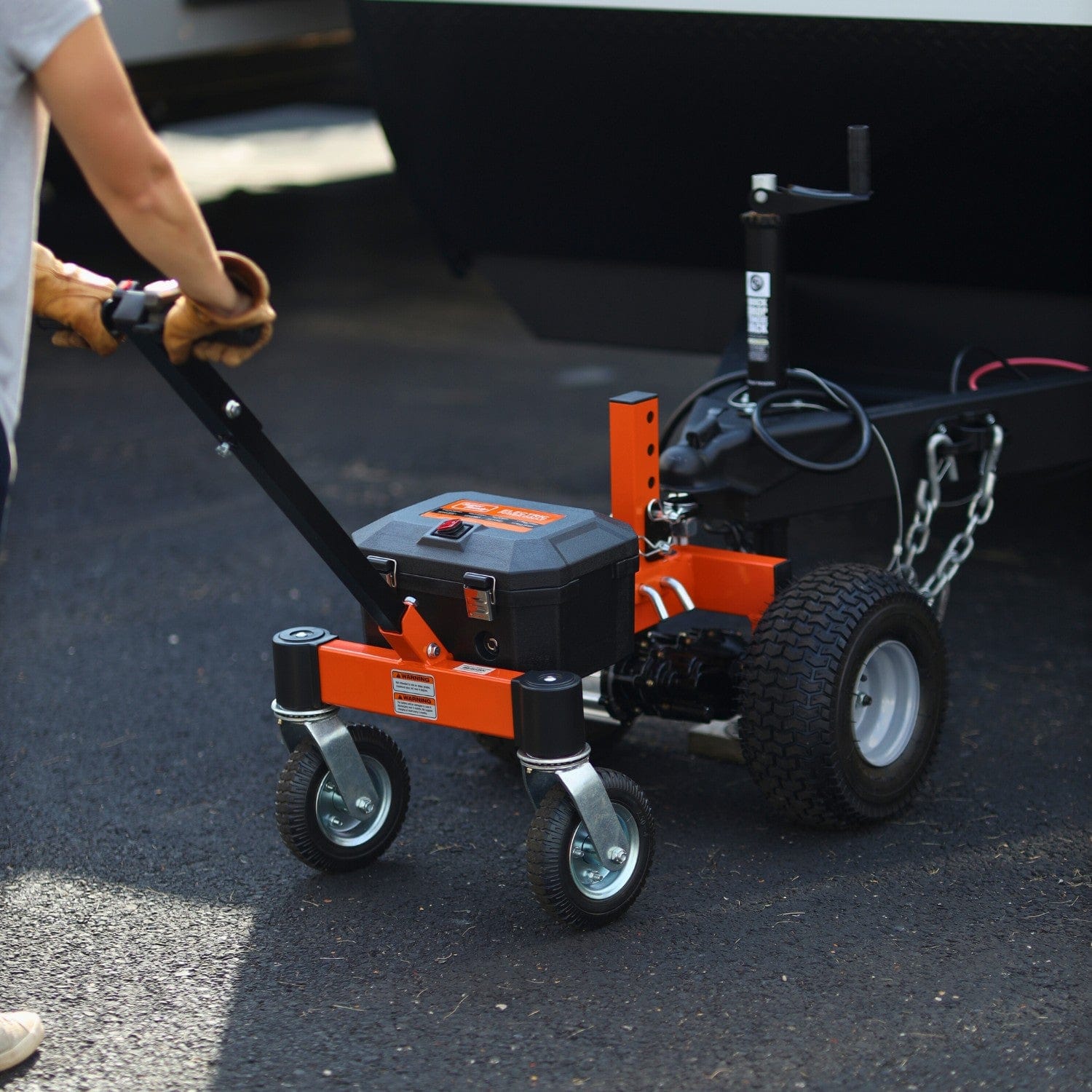
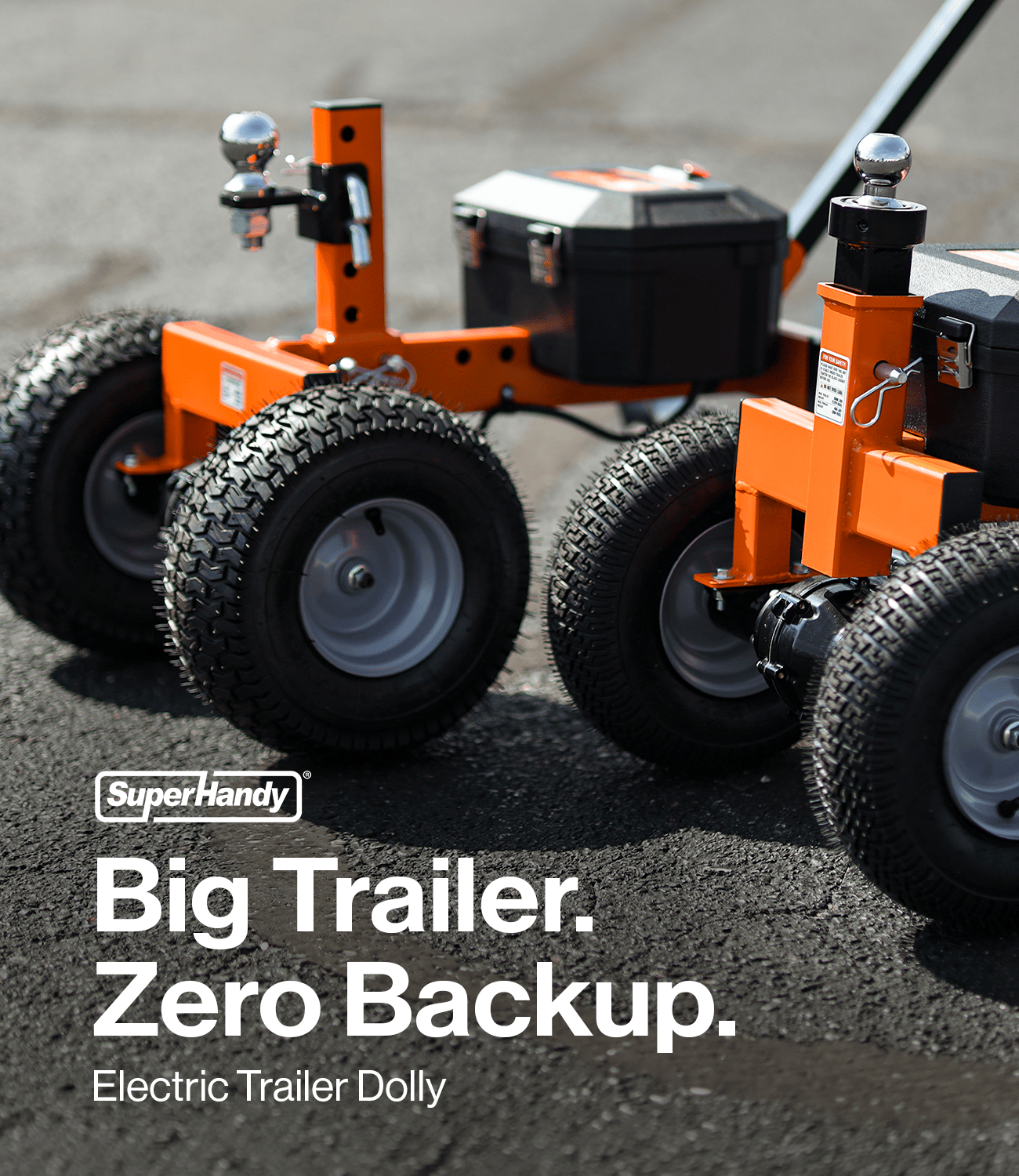
The term "car dolly" can refer to several different tools, each designed for specific dolly moving scenarios. Broadly, they fall into two primary categories for vehicles. While these are distinct from specialized equipment like electric Trailer Dollies used for boats and campers, they cover most automotive needs.
- Tow Dollies: These are two-wheeled trailers designed for towing a vehicle behind another, like a truck or RV. The front wheels of the car being towed are secured onto the dolly, while its rear wheels remain on the ground.
- Wheel Dollies (or Car Skates): These are individual platforms, typically sold in sets of two or four, that are placed under each tire. They are perfect for repositioning a vehicle within a confined space like a garage, as they allow for movement in any direction.
Exploring Tow Dollies: When Are They the Best Choice?
A tow dolly is your best bet when you need to transport a vehicle over a significant distance. They are a popular and cost-effective alternative to using a full flatbed trailer.
A tow dolly is the ideal choice for:
- Long-Distance Moves: If you're moving across the state or country and need to bring your car along with a moving truck or RV, a tow dolly is an efficient solution.
- Towing Front-Wheel-Drive Vehicles: Since the front wheels are lifted off the ground, there is no wear and tear on the transmission of a FWD car during towing. According to experts at U-Haul, this is a critical consideration to prevent drivetrain damage.
- Cost-Effective Transport: Renting or buying a tow dolly is often significantly cheaper than hiring a professional vehicle transport service or using a heavier, more cumbersome flatbed trailer.
Understanding Wheel Dollies and Go-Jacks: Ideal for Shop and Garage Use?
While tow dollies are built for the open road, a different class of automotive car dollies shines in confined spaces. Wheel dollies, often sold in sets of two or four, are individual platforms with heavy-duty casters that you place under each tire of a vehicle. Their purpose isn't long-distance hauling but precise, short-distance repositioning.

These are the workhorses of auto repair shops, body shops, and showrooms. Imagine needing to move a non-running project car from one corner of your garage to another or slide a vehicle sideways into a tight parking spot. This is where wheel dollies excel. By lifting the car off the ground, they provide 360-degree mobility, allowing one person to effortlessly maneuver a vehicle weighing thousands of pounds.
The key takeaway is their application:
- Ideal For: Garages, workshops, showrooms, and any situation requiring multi-directional movement in a tight area.
- Not For: On-road use or towing. They lack the suspension, braking systems, and secure attachments required for safe highway travel.
For any task involving dolly moving within a building or on a paved lot, wheel dollies offer unmatched maneuverability.
How Do I Choose the Right Car Dolly: Key Considerations for Your Vehicle
Selecting the right car dolly isn’t just about the dolly itself; it’s about creating a safe and compatible system with your vehicle and your towing setup. Getting this match right is critical for preventing damage and ensuring safety. Let's break down the essential factors.
Matching Dolly Capacity to Your Vehicle's Weight and Dimensions
The single most important specification is the dolly's weight capacity. Overloading a dolly is a recipe for catastrophic failure. You need to know your vehicle’s “curb weight”—the weight of the vehicle without any passengers or cargo.
You can typically find your car’s curb weight:
- On the sticker inside the driver’s side door jamb.
- In your vehicle’s owner’s manual.
- Through a quick online search on a reputable automotive site like the NHTSA's VIN Decoder.
Rule of Thumb: Always choose a car dolly with a maximum weight capacity that exceeds your vehicle's curb weight. If your car weighs 3,500 lbs, a dolly rated for 4,000 lbs provides a safe margin. For tow dollies, pay close attention to the maximum axle weight, as it will only be supporting the front half of the car. Also, ensure the dolly’s ramps and tire straps can accommodate your vehicle's tire width.
Assessing Your Towing Vehicle's Capabilities and Hitch Requirements
Your tow vehicle must be up to the task. Consult its owner's manual to find the maximum towing capacity. This number must be higher than the combined weight of the car dolly plus the curb weight of the vehicle you are towing.
Equally important is the trailer hitch. Hitches are rated in classes (Class I, II, III, etc.), each with a specific weight limit. Ensure your hitch and ball mount are rated for the load you intend to pull. You'll also need a functioning wiring harness to connect the dolly’s brake lights and turn signals to your tow vehicle. While your primary concern here is the car dolly, managing the entire rig can be challenging. For precision maneuvering of heavy equipment in tight spaces without constantly hitching up your main vehicle, specialized Trailer Dollies offer a powerful, compact solution.
Considering Moving Frequency, Distance, and Storage Needs
Choosing the right car dolly isn’t just about your vehicle; it’s also about how, how often, and where you’ll be using it. Your answers to these questions will guide you toward the most practical and cost-effective solution for your dolly moving needs.
-
Frequency of Use: Are you a professional mechanic who moves vehicles daily, or do you need a dolly for a one-time cross-country move? For frequent, short-distance use within a shop, a set of heavy-duty wheel dollies is a wise investment. For occasional long-haul towing, a high-quality tow dolly is essential, though renting might be an option for a single trip. If you regularly move disabled vehicles or project cars, owning a durable tow dolly will pay for itself over time.
-
Moving Distance: The distance you plan to travel is a critical factor. Wheel dollies (or go-jacks) are designed exclusively for flat, smooth surfaces over very short distances, like maneuvering a car around a garage or showroom. For towing on public roads, you need a tow dolly. Look for models with features like integrated brakes, suspension, and road-worthy tires for long-distance trips to ensure safety and stability.
-
Storage Space: Once the job is done, where will you keep your dolly? Tow dollies can be cumbersome. If you have limited garage or shed space, consider models designed for compact storage, such as those that can be stored upright to minimize their footprint.
Ensuring Safe Operation: Essential Tips for Using Your Car Dolly
Safety should always be your top priority when using automotive car dollies. An improperly used dolly can lead to vehicle damage, personal injury, or a serious accident. Before you even begin loading a vehicle, internalize these fundamental safety practices.
First and foremost, read the manufacturer’s manual. Every dolly is slightly different, and the manual contains critical information on weight limits, proper attachment procedures, and specific safety warnings. Always inspect the dolly before each use. Check for:
- Proper tire inflation
- Cracks in the frame or welds
- Functioning lights (on tow dollies)
- Secure pins and couplers
- Straps and winches free of fraying or damage
Always work on a level, solid surface to prevent the vehicle or dolly from rolling unexpectedly. Wear appropriate personal protective equipment, including sturdy gloves and steel-toed boots. Finally, never exceed the dolly’s Gross Vehicle Weight Rating (GVWR). Overloading is a primary cause of equipment failure and dangerous towing situations.

Proper Loading, Securing, and Towing Techniques
Correctly loading and securing the vehicle is the most critical phase of using a car dolly.
-
Loading: Align the car dolly and the vehicle to be towed on level ground. Drive the vehicle slowly and straight onto the dolly ramps until the front tires are settled firmly against the stops in the wheel cradles. It’s highly recommended to have a spotter guide you to ensure the vehicle is perfectly centered. An off-center load can cause dangerous swaying and instability on the road.
-
Securing: Once the vehicle is in place, engage the parking brake. Use high-quality tire straps or nets to secure the front wheels to the dolly. Loop the straps over the top of the tires—never through the suspension or frame components—and tighten them with the provided ratchets. Double-check that the straps are tight and the vehicle cannot shift. For tow dollies, ensure the steering wheel is locked or secured according to the dolly manufacturer's instructions.
-
Towing: Driving with a tow dolly requires extra care. Make wider turns than usual to prevent the dolly’s wheels from hitting curbs. Allow for significantly more stopping distance and avoid sudden braking or acceleration. Check your mirrors frequently and re-check the security of your straps at every stop. Crucially, never attempt to back up while using a tow dolly, as this can easily cause the setup to jackknife.
Maintaining Your Car Dolly for Longevity and Reliable Performance
Proper maintenance ensures your car dolly is safe and ready to perform whenever you need it. A simple post-use inspection can prevent future breakdowns and costly repairs.
After each use, clean any mud, grease, or road salt off the dolly to prevent corrosion. Store it in a dry, covered area if possible. Regularly check and maintain the tire pressure at the recommended PSI. Just as you would maintain specialized equipment like electric Trailer Dollies for moving heavy campers, your automotive car dollies require consistent care.
Periodically, you should grease the wheel bearings and any pivot points to ensure smooth operation. Inspect all wiring and lights on a tow dolly to confirm they are working correctly. Finally, examine your straps and ratchets for any signs of wear, fraying, or sun damage, and replace them immediately if they are compromised. A well-maintained dolly is a reliable and safe tool.
Frequently Asked Questions About Car Dollies (Q&A)
Navigating the world of automotive car dollies can bring up a lot of questions. Whether you're a first-time user or just need a refresher, this section addresses the most common inquiries to help you use your equipment safely and effectively.
What's the difference between a tow dolly and a full car trailer?
The primary difference lies in how the vehicle is transported. A tow dolly is a two-wheeled trailer that lifts only the front wheels of the towed vehicle off the ground, allowing the rear wheels to roll freely. In contrast, a car hauler or flatbed trailer is a four-wheeled platform that carries the entire vehicle, keeping all four of its wheels off the ground. Tow dollies are generally lighter, less expensive, and easier to store, making them ideal for front-wheel-drive cars. Car trailers are necessary for all-wheel-drive or rear-wheel-drive vehicles that cannot be towed with wheels on the ground and are better for very long-distance hauling.
How fast can I safely drive when using a tow dolly?
Safety should always be your top priority. While specific speed limits can vary by state and the dolly manufacturer's recommendations, a general rule of thumb is to not exceed 55 mph. Towing adds significant weight and length to your setup, which affects braking distance, stability, and handling, especially in windy conditions or on uneven roads. Always check the speed rating on the dolly’s tires and consult your owner's manual. Driving slower and leaving extra space between you and the vehicle ahead is the safest approach for any dolly moving task.
Can any type of car be put on a tow dolly?
No, not all vehicles are suitable for a tow dolly. The key factor is the vehicle's drivetrain. Front-wheel-drive (FWD) cars are perfect for tow dollies because the front (drive) wheels are on the dolly, and the rear (non-drive) wheels can spin freely on the road. For rear-wheel-drive (RWD) or all-wheel-drive (AWD) vehicles, towing with the drive wheels on the ground can cause severe transmission damage. While some RWD vehicles can be towed by disconnecting the driveshaft, this is a complex step. Always consult your vehicle’s owner's manual for specific instructions on recreational towing.
Is it difficult to back up with a car dolly?
Yes, backing up with a tow dolly attached is extremely difficult and is not recommended. The dolly has its own pivot point at the hitch, and the towed vehicle has a second pivot point with its steering wheels (even when secured). This dual-pivot action makes the dolly's movement unpredictable and can easily lead to a jackknife situation, potentially damaging both vehicles and the dolly. If you need to reverse, it is far safer to find a place to pull through or to unhook the towed vehicle first.
Are there dollies for moving other heavy items, like boats or RVs?
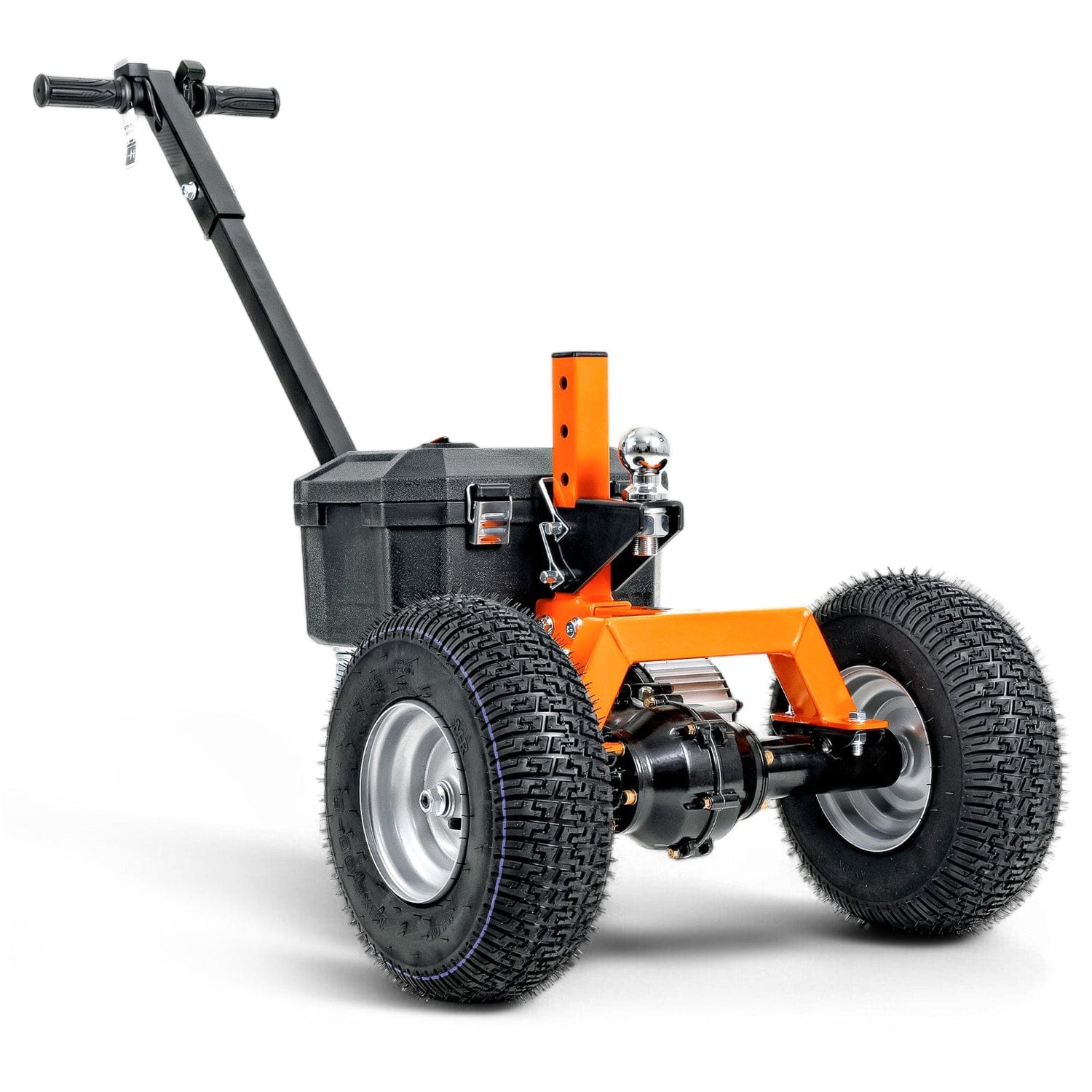
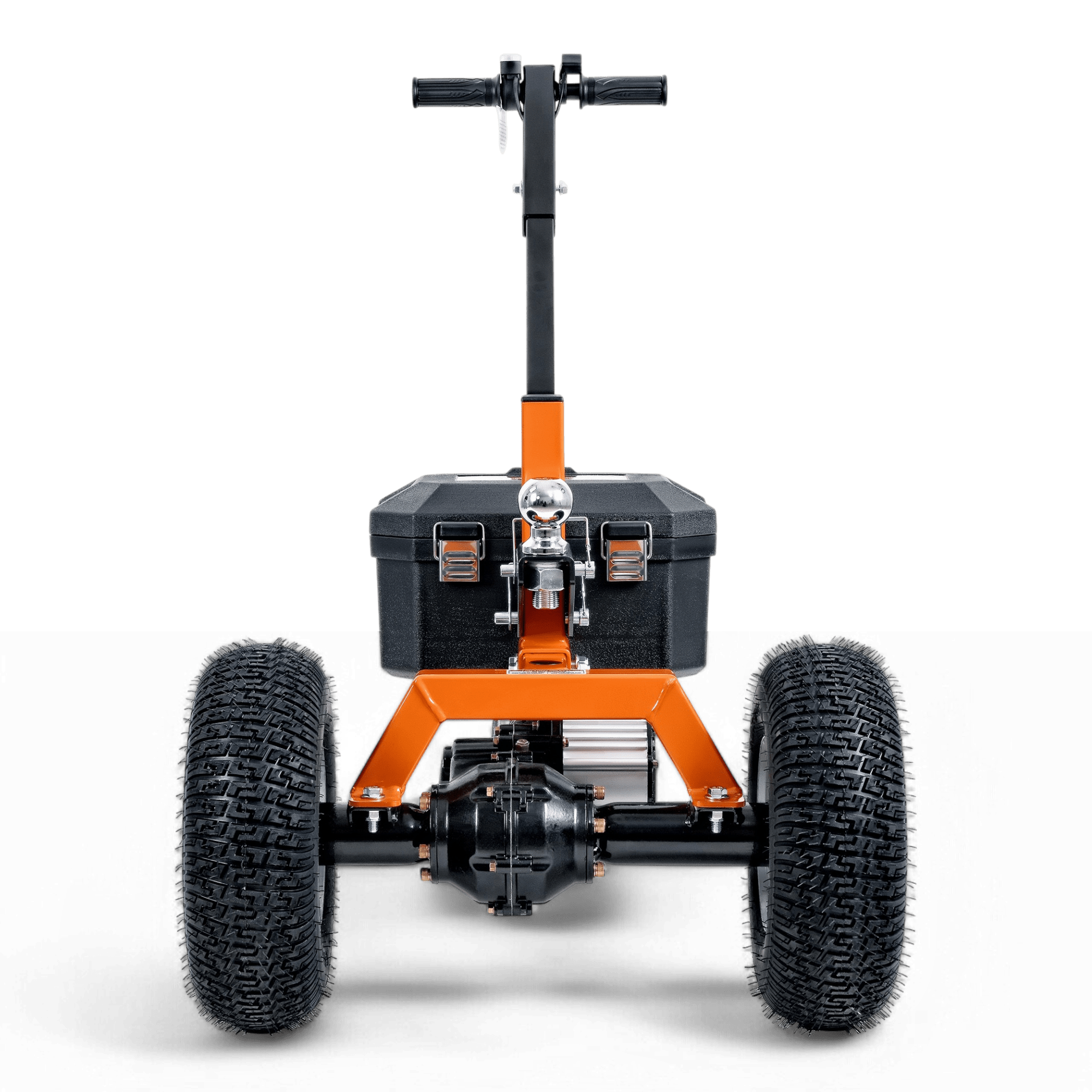
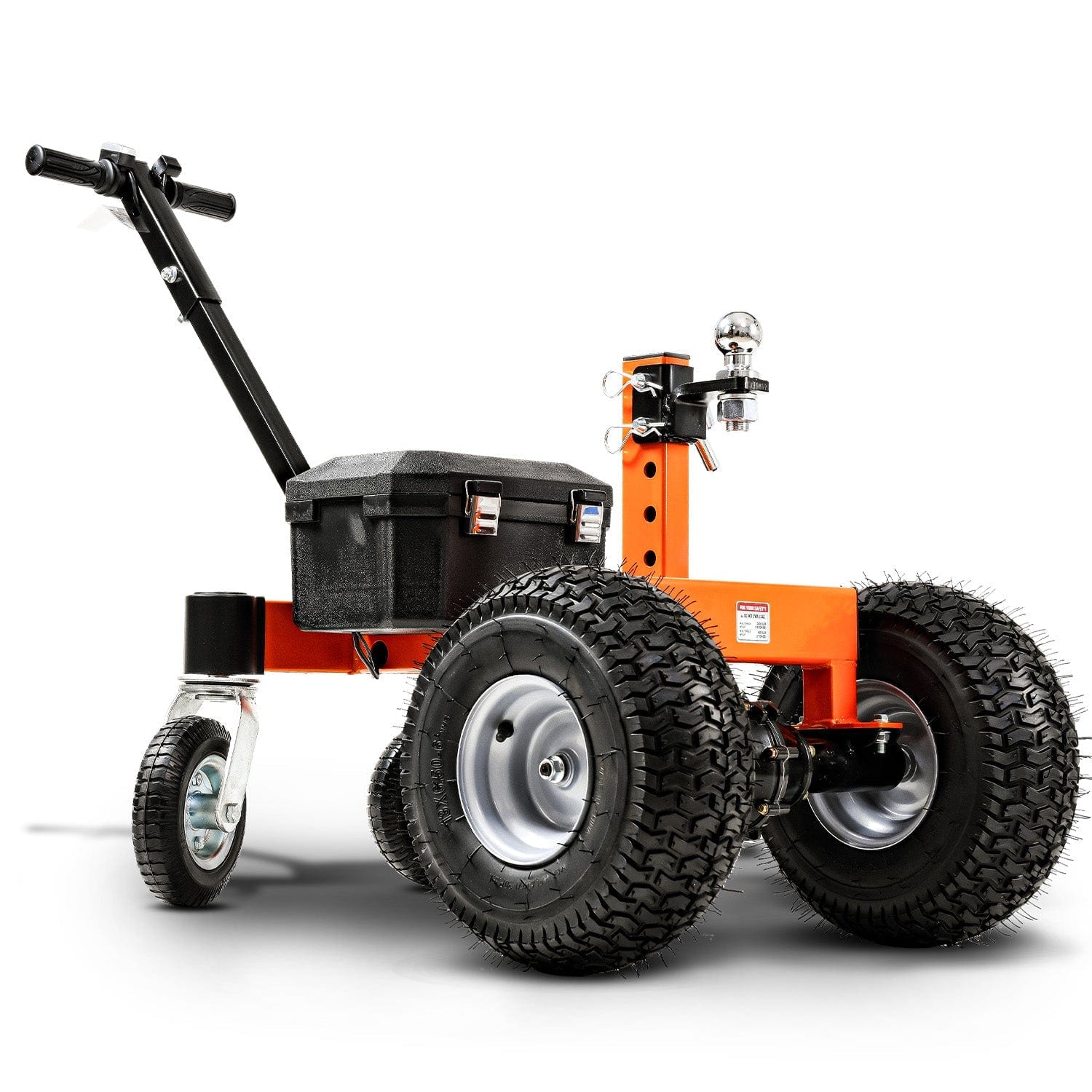
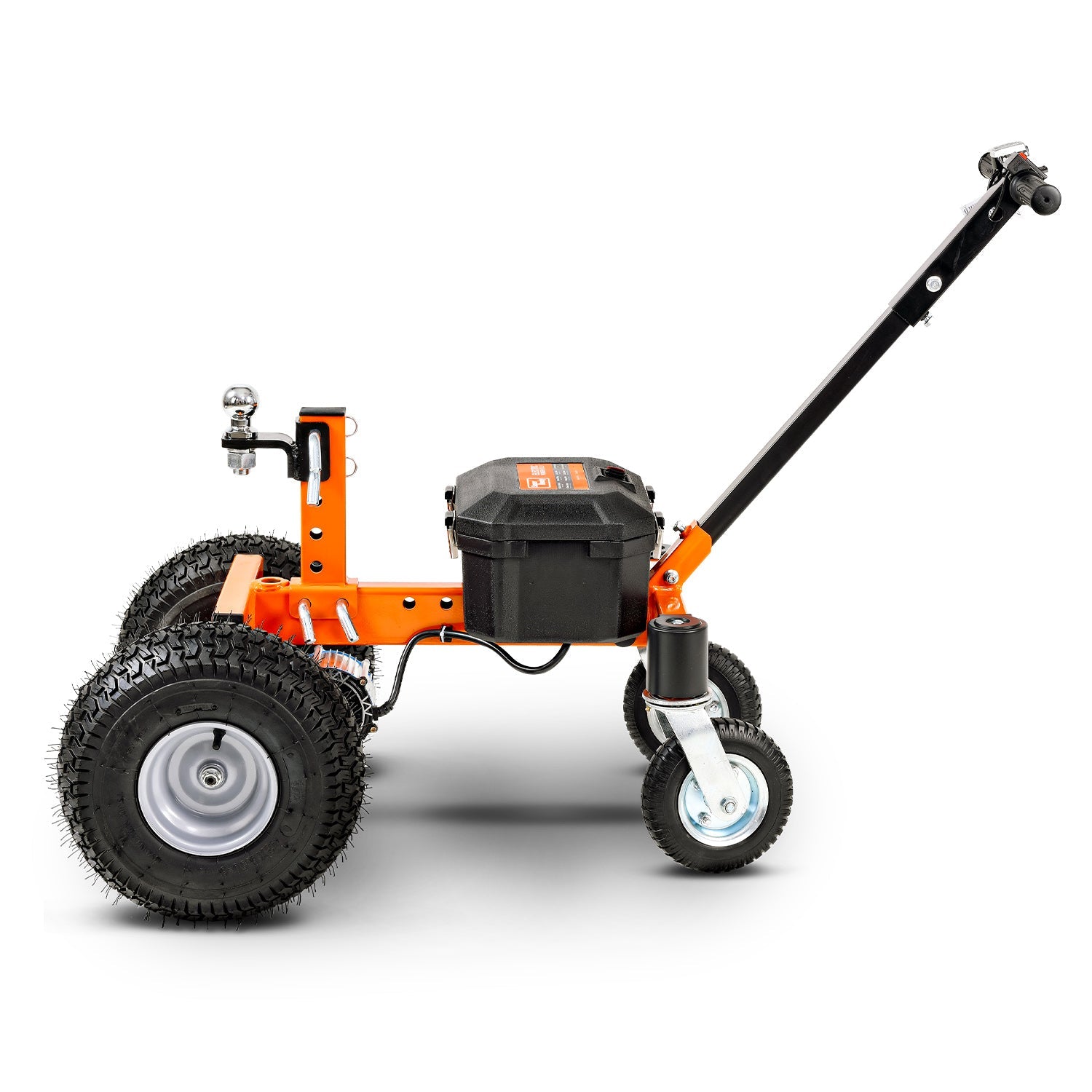
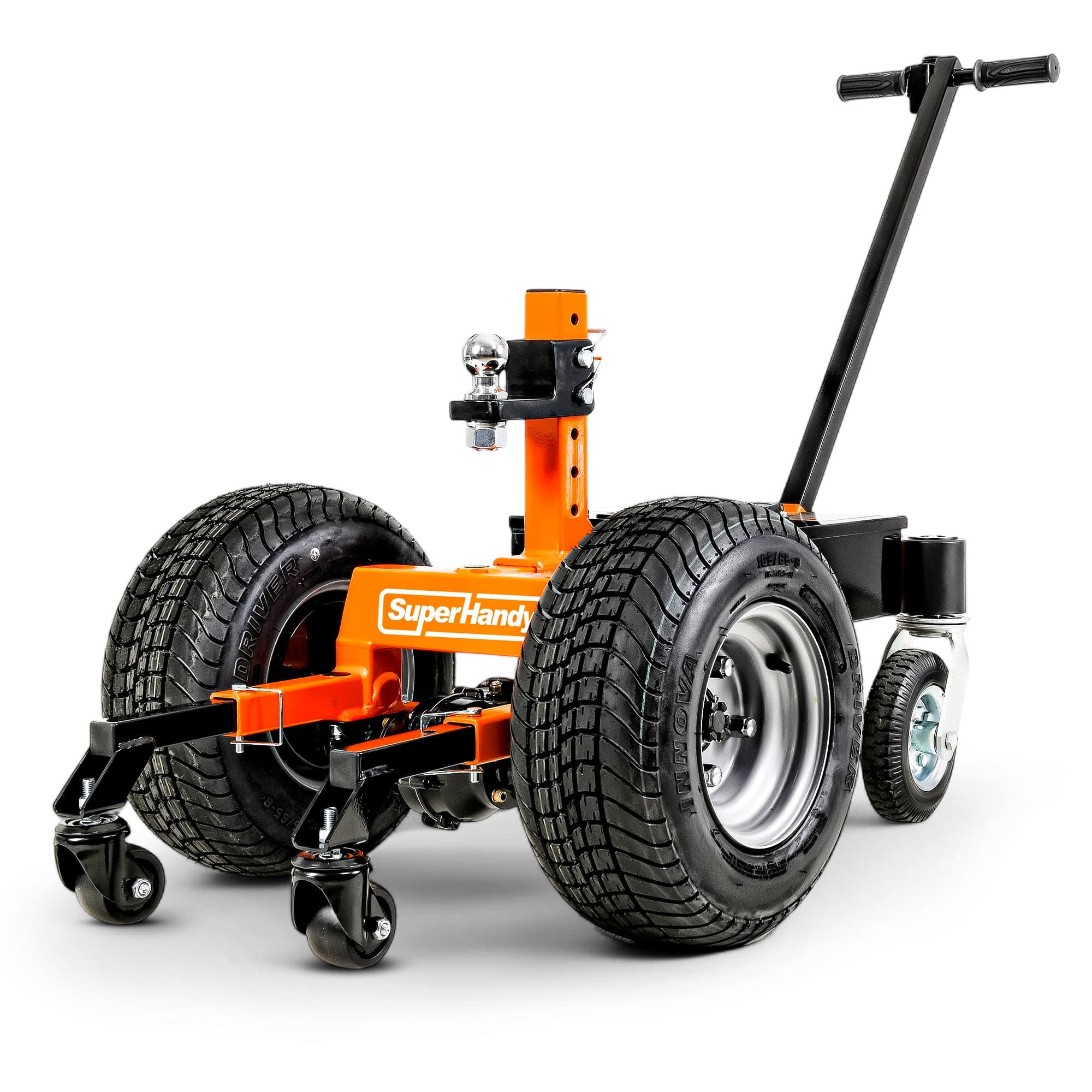
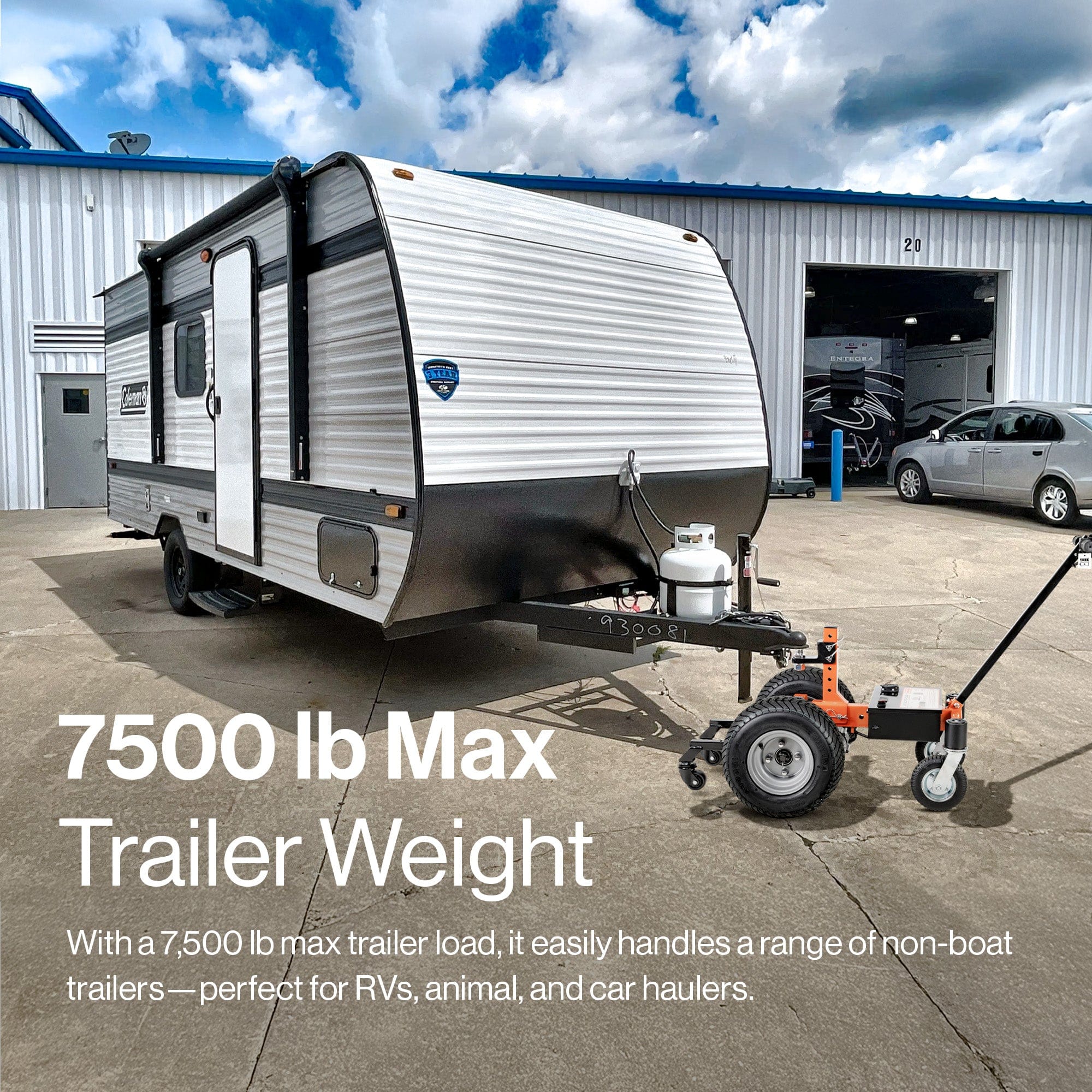
Absolutely. While automotive car dollies are specifically designed for vehicles, the dolly concept extends to many other heavy-duty moving tasks. For maneuvering boats, RVs, campers, or heavy equipment trailers in tight spaces like a driveway or garage, standard car dollies are not the right tool. Instead, specialized powered movers are used. These powerful, compact units are designed to handle heavy trailer tongue weights, giving you precise control without the need for a tow vehicle. For these types of jobs, electric Trailer Dollies are the ideal solution.
Do I need to register a car dolly with the DMV?
Registration requirements for tow dollies vary significantly from state to state. Some states classify them as trailers and require them to have a license plate and official registration, while other states have exemptions for equipment under a certain weight limit. Before purchasing or using a car dolly, it's essential to check the specific regulations with your local Department of Motor Vehicles (DMV) or a resource like AAA's digest of motor laws to ensure you are fully compliant.
Related Products

Leave a comment
All comments are moderated before being published.
This site is protected by hCaptcha and the hCaptcha Privacy Policy and Terms of Service apply.