










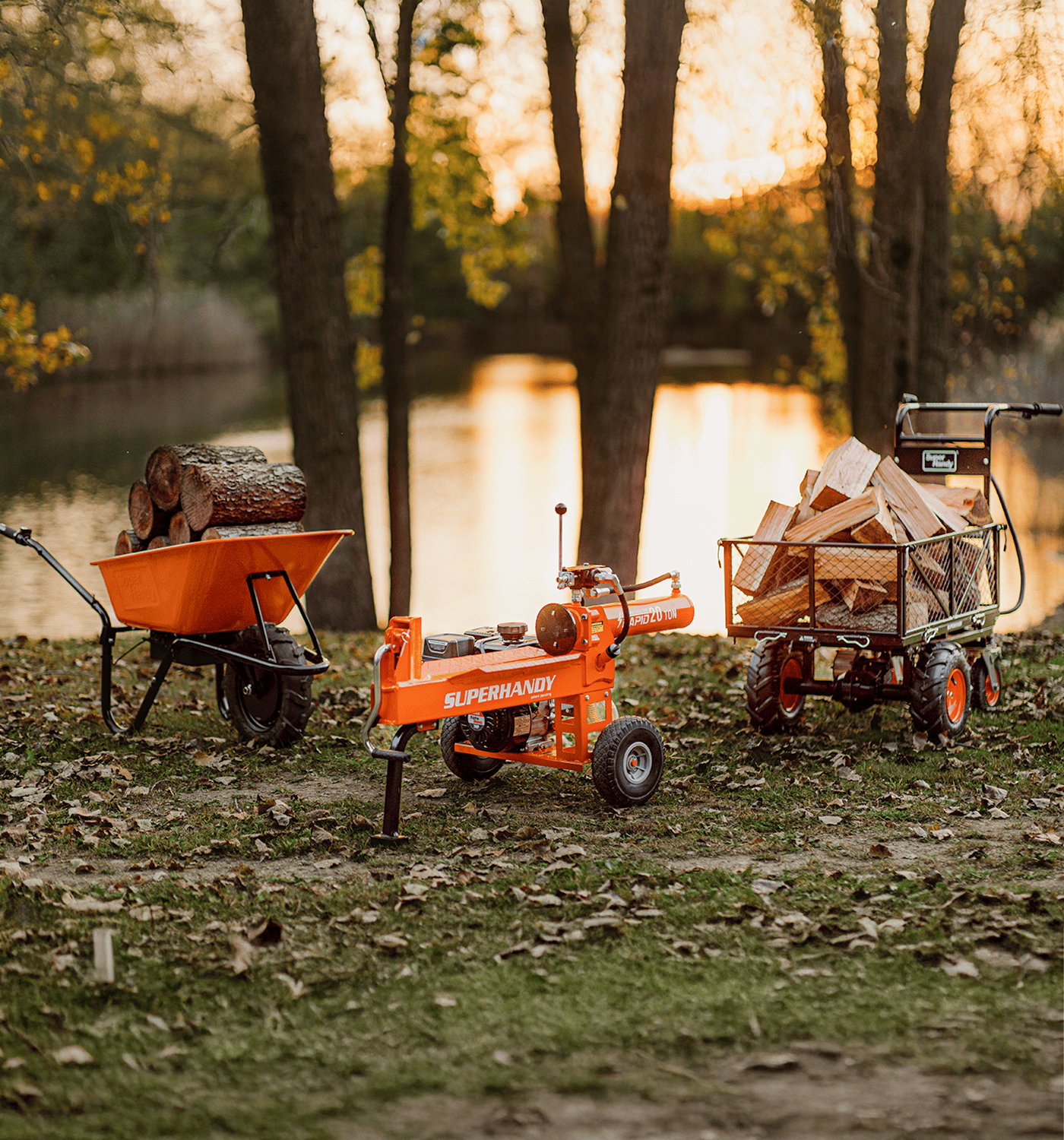
As seasons change, ensuring you have an adequate supply of firewood is a top priority for countless homeowners. When preparing firewood for the winter season, choosing the right machinery is critical. The core decision often comes down to selecting an Electric Log Splitter or a traditional gas Log Splitter. Both types of machines achieve the exact same goal—turning large tree rounds into manageable pieces of firewood—but they utilize vastly different power sources and mechanical designs. Electric models rely on clean, standard household currents to drive their internal hydraulic pumps. Gas models, on the other hand, use internal combustion engines to generate maximum, untethered force. Knowing exactly how these two types operate will guide your final purchase. It is incredibly important to evaluate your property size, your typical wood types, and your overall wood processing volume. By the end of this comprehensive guide, you will know exactly which machine fits your residential needs and budget.
Understanding the Fundamental Differences Between Electric and Gas Log Splitters
When you invest in a Log Splitter, you are making a long-term commitment to property maintenance and seasonal preparation. The primary distinction between electric and gas models lies in their power generation. Electric models utilize a dedicated electric motor that requires a constant power source, typically a standard 120V outlet. This limits their range but provides quiet, consistent power. Gas splitters utilize engines powered by gasoline, allowing them to operate anywhere on your property or deep in the woods. Both machines utilize hydraulic pressure to force a heavy-duty steel wedge through dense wood fibers, but the scale of that pressure varies. Understanding these foundational differences is the first step in ensuring you do not under-buy or over-buy for your specific backyard requirements.
How Electric Log Splitters Deliver Power for Residential Backyard Tasks
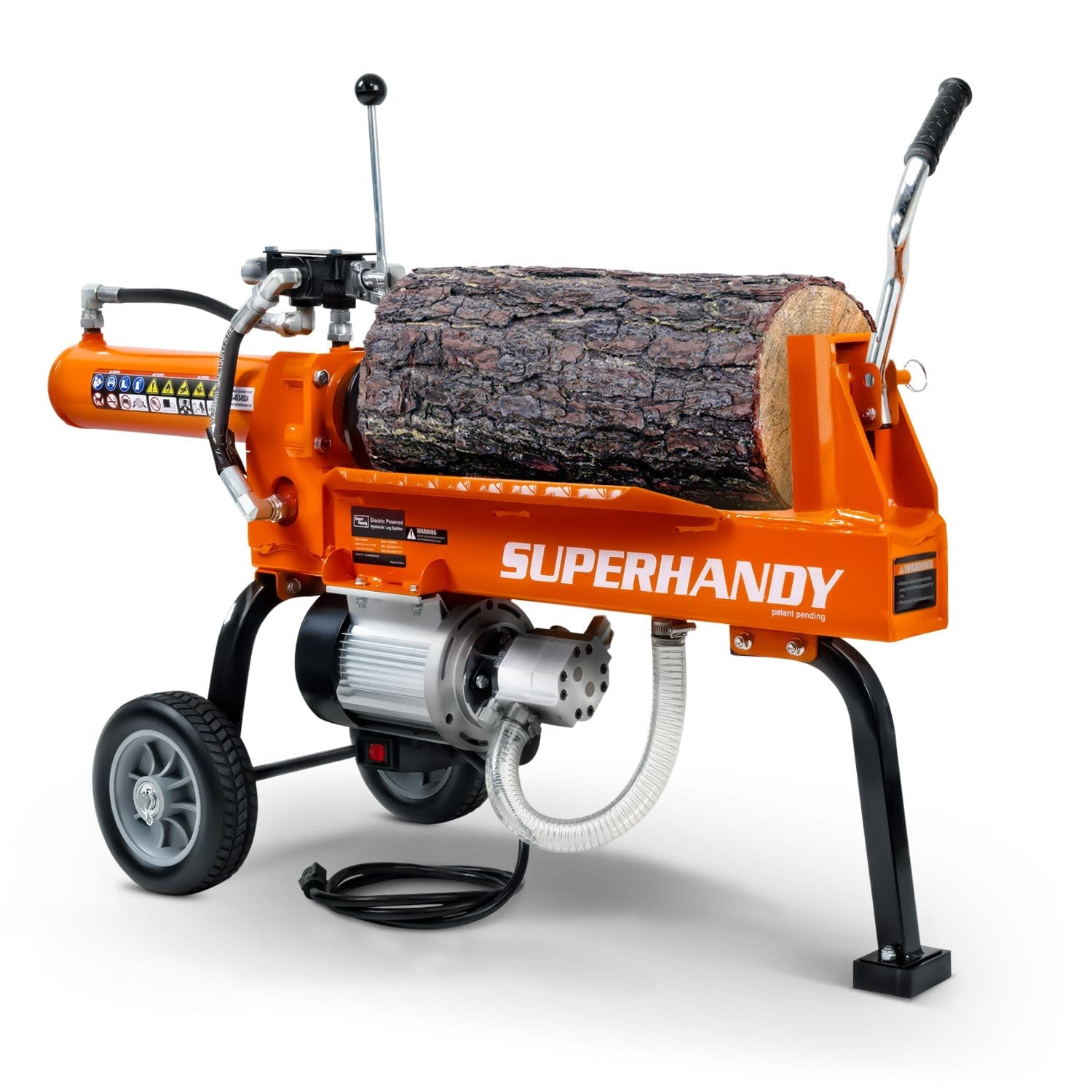
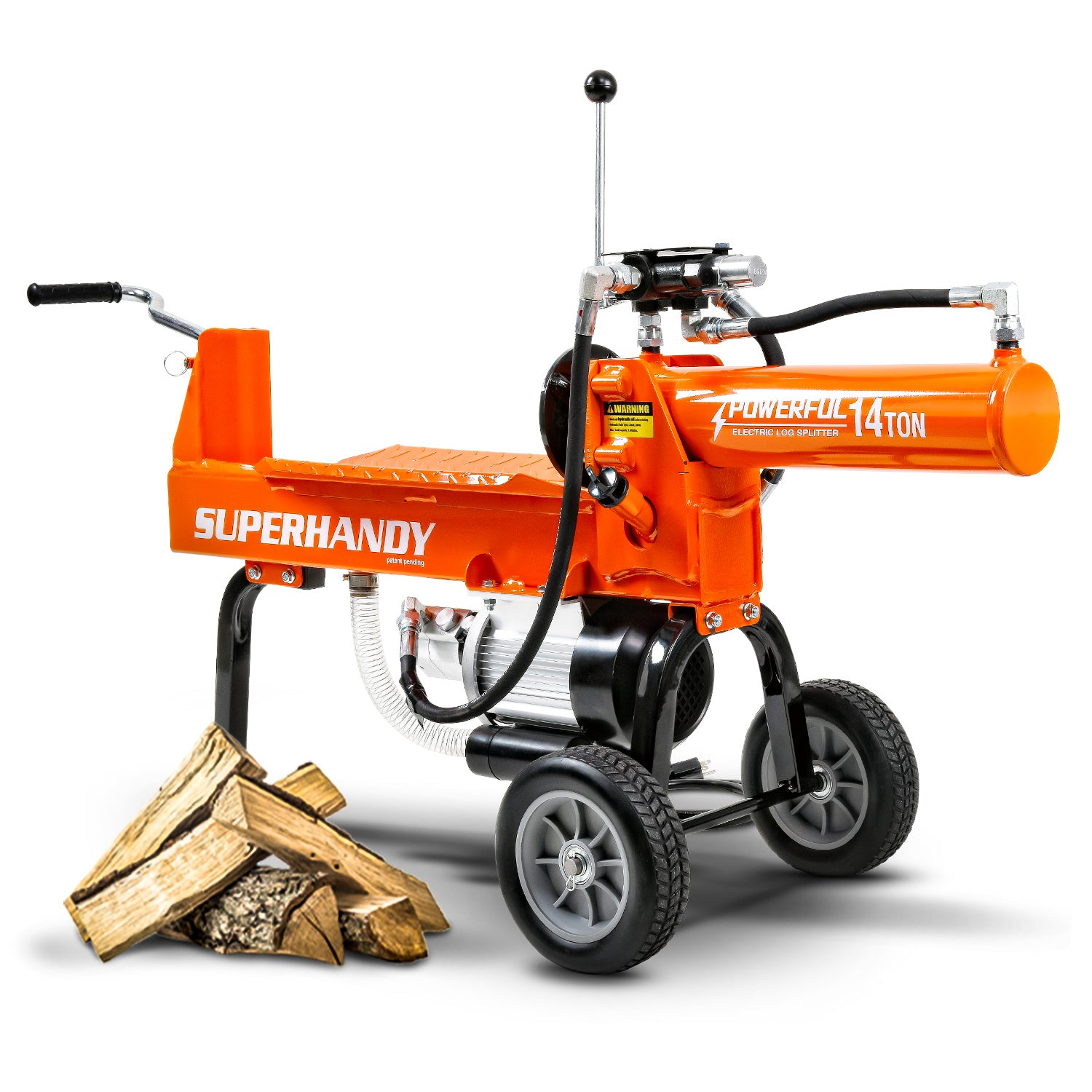
An Electric Log Splitter is engineered specifically for modern convenience and streamlined efficiency. These machines typically utilize robust 15-amp electric motors that plug directly into standard household outlets. When activated, the electric motor drives a hydraulic gear pump, transferring high-pressure hydraulic fluid into a reinforced steel cylinder. The result is a smooth, quiet, and highly consistent splitting force that is perfect for typical residential backyard tasks. Homeowners appreciate the absolute simplicity of this design: there are no pull cords to violently yank, no spark plugs to clean, and no choke valves to adjust on cold mornings. You simply push the start button and engage the operating lever. Advanced and highly efficient models like the 14 Ton Electric Log Splitter integrate heavy-duty steel frames with compact motor housings, providing robust power without the intimidating footprint of agricultural machinery.
The Heavy-Duty Mechanics Behind Commercial-Grade Gas Log Splitters
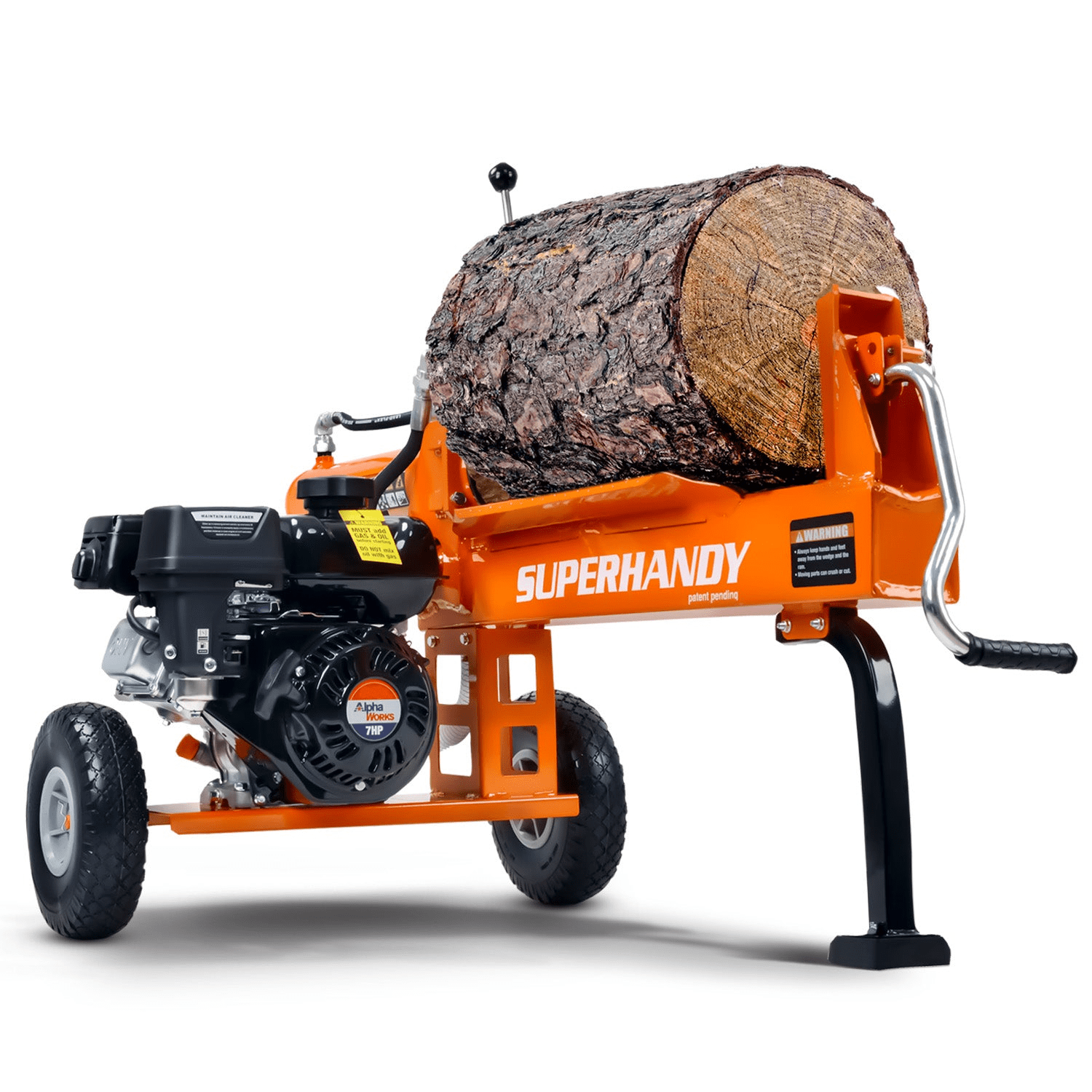
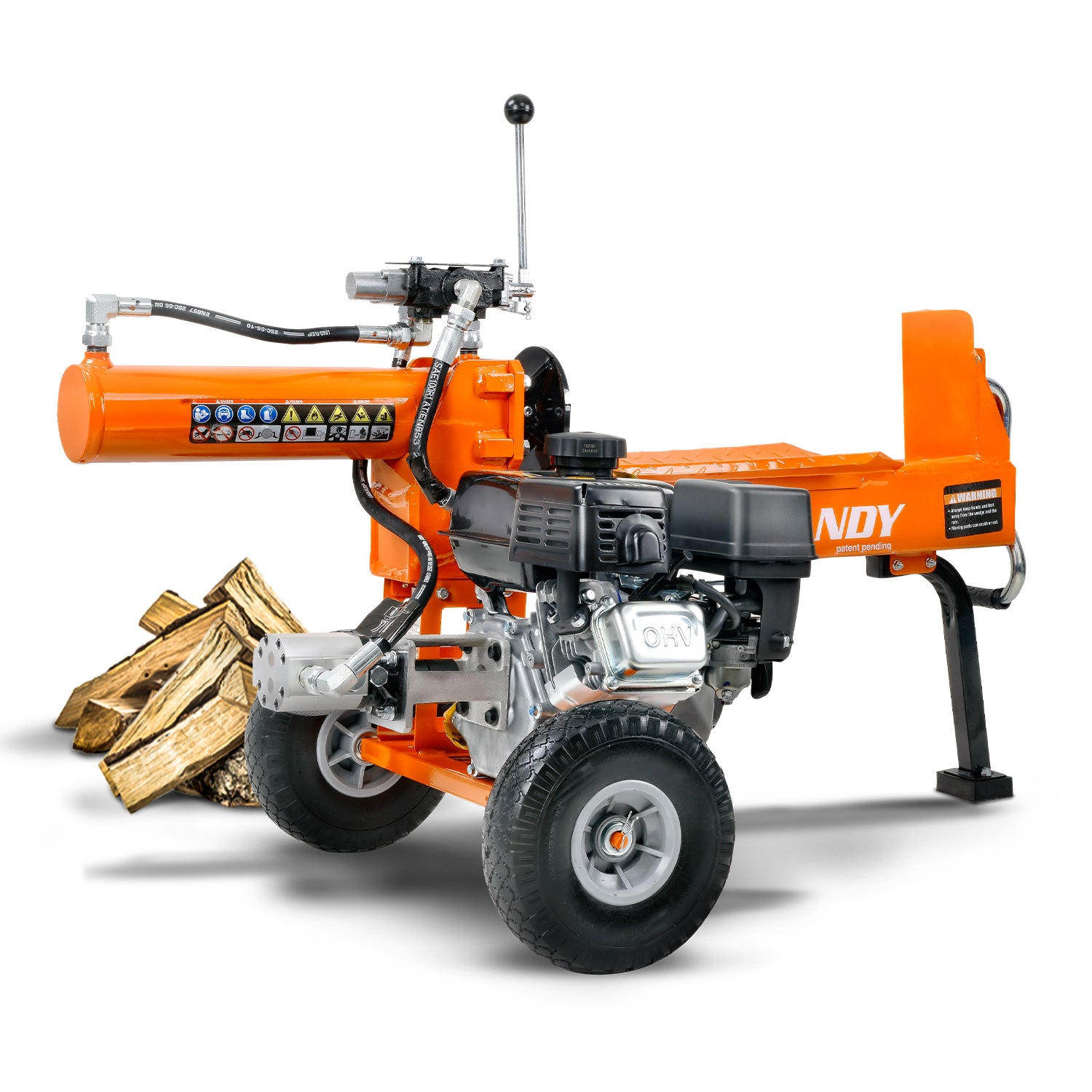
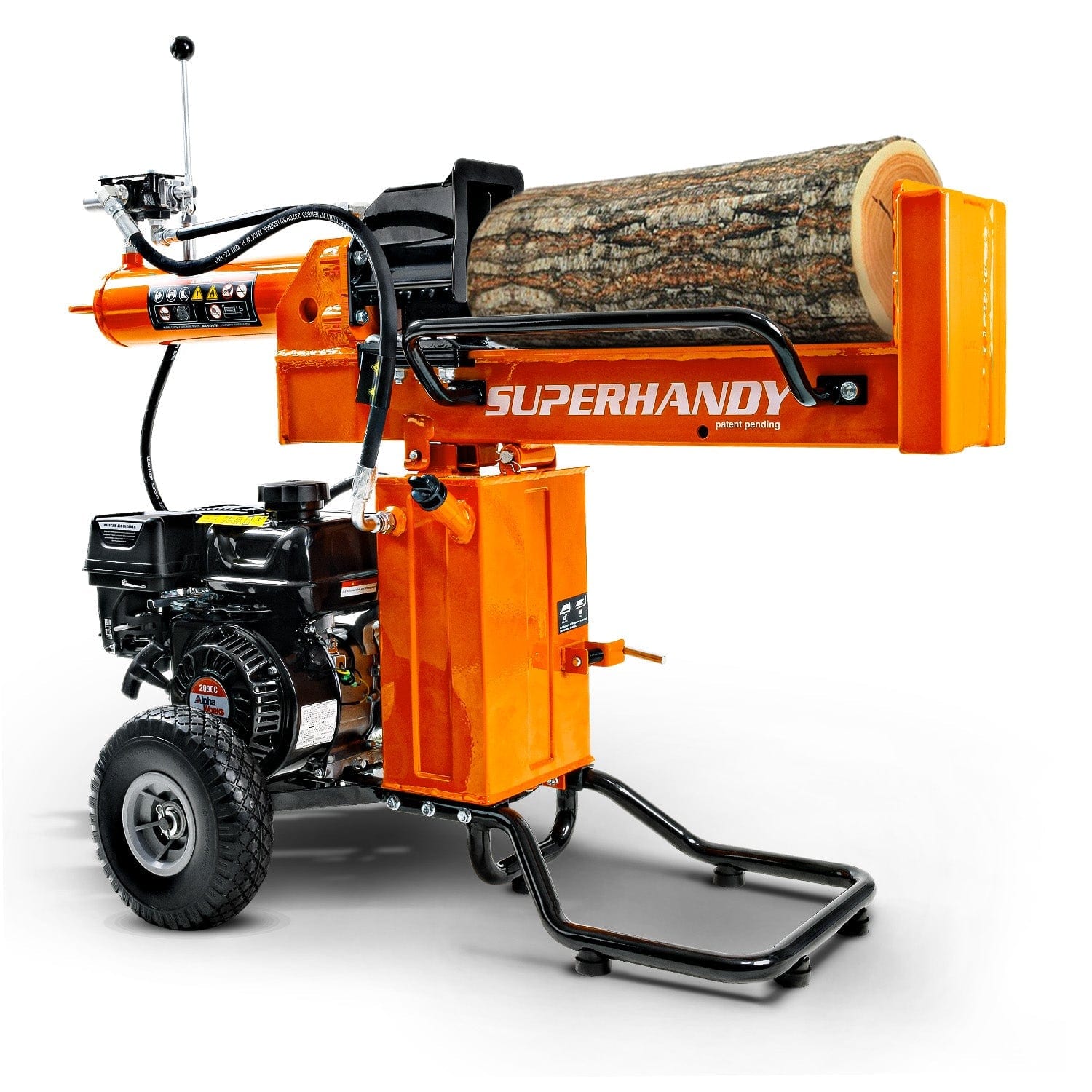
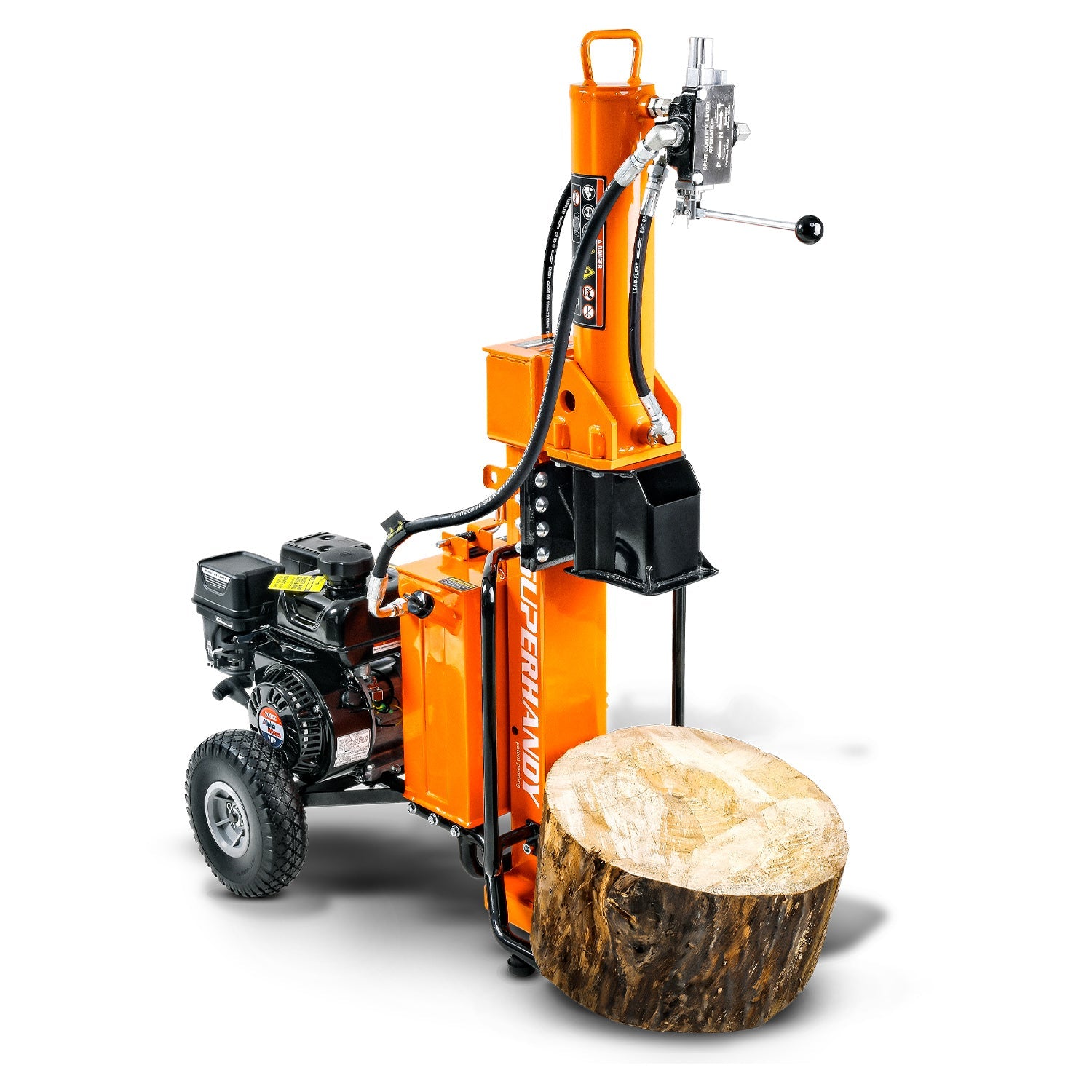
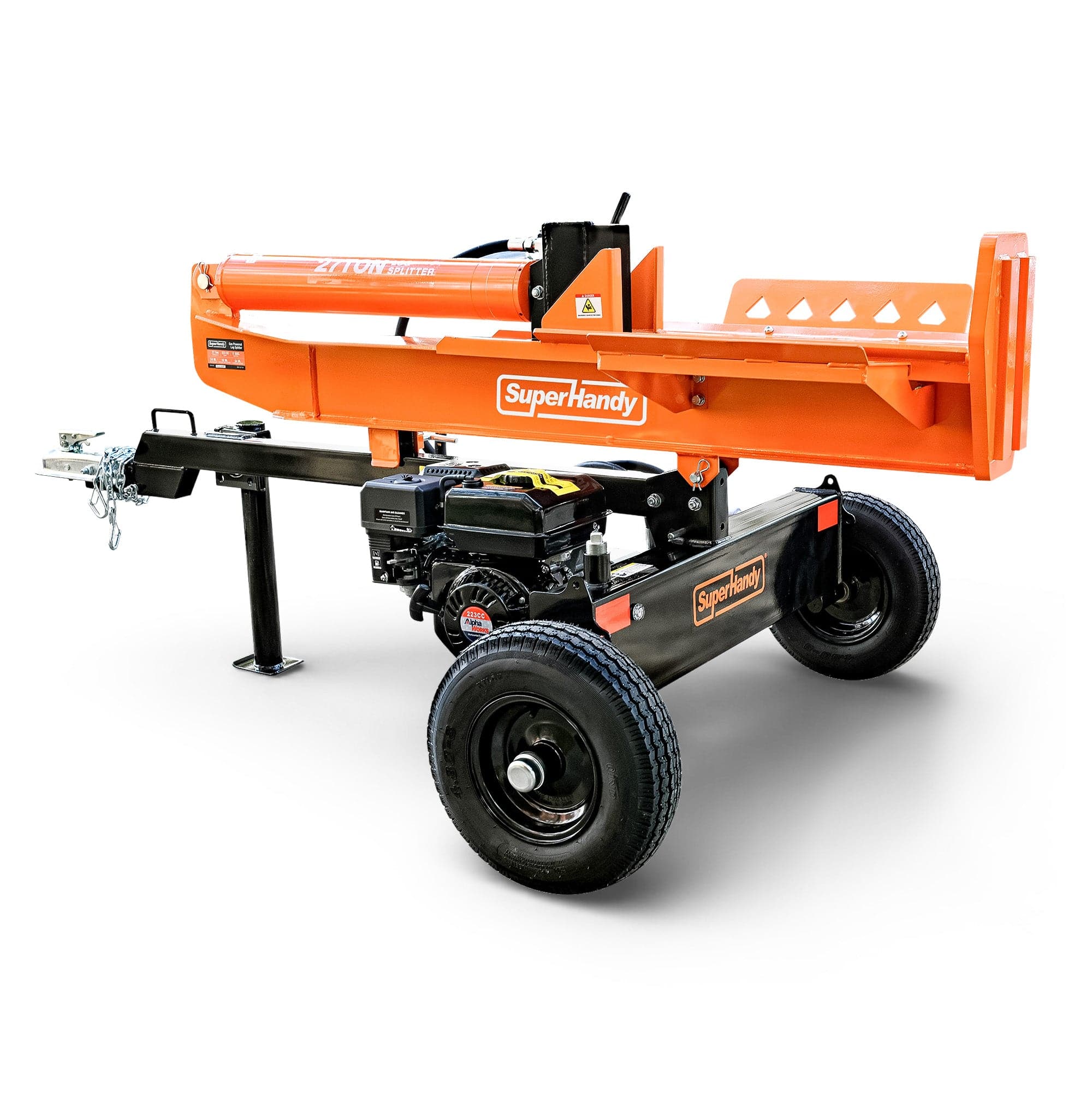
In stark contrast to electric models, a gas Log Splitter harness es the raw, explosive power of an internal combustion engine. These engines, often ranging from 200cc to over 400cc, generate massive amounts of torque. This torque drives a two-stage hydraulic pump, which allows the machine to operate at a lower pressure for fast cylinder movement and automatically switch to high pressure when the wedge meets heavy resistance. This two-stage system is the secret behind the incredible force generated by gas splitters. The heavy-duty mechanics include larger hydraulic fluid reservoirs, thicker hoses, and heavily reinforced I-beams capable of withstanding forces exceeding 30 tons. These machines are built for commercial-grade workloads, land clearing, and processing massive, freshly cut tree trunks that would stall a smaller electric machine.
Benefits of Choosing an Electric Log Splitter for Suburban Homeowners
For the vast majority of suburban homeowners, an Electric Log Splitter offers unparalleled advantages. The primary benefit is absolute convenience. Suburban properties often have strict noise ordinances and limited storage space, making large gas-powered machinery impractical. Electric models are inherently more compact and drastically lighter, allowing them to be wheeled around a standard driveway or patio with minimal effort. Furthermore, they provide more than enough splitting force to process cordwood delivered by local tree services. If your primary goal is to split a few cords of wood per year to fuel a backyard fire pit or a living room wood stove, an electric model provides the perfect balance of capable power and domestic practicality.
Low-Maintenance Operation and the Elimination of Fuel Storage
One of the most celebrated advantages of an Electric Log Splitter is its exceptionally low-maintenance operation. Internal combustion engines require constant upkeep: oil changes, air filter replacements, spark plug gapping, and carburetor cleaning. Additionally, storing gasoline on your property presents safety hazards and requires the use of fuel stabilizers to prevent the gas from varnishing over the winter. Electric models completely eliminate these headaches. Because the electric motor is a sealed unit, the only routine maintenance required is occasionally checking the hydraulic fluid levels and keeping the steel beam lubricated. This plug-and-play reliability ensures that your machine is ready to work the moment you need it, even if it has been sitting idle in your shed for eight months.
Indoor and Garage Usage: The Advantage of Zero Emissions
Safety and environmental impact are major considerations for modern homeowners. According to EPA burn guidelines, indoor air quality and safe equipment operation are paramount. Because electric models do not burn fossil fuels, they produce absolutely zero exhaust emissions or harmful carbon monoxide. This incredible advantage means you can safely operate an Electric Log Splitter completely indoors. Whether you are working inside a closed garage during a freezing rainstorm, in a well-ventilated basement, or under a covered patio, you never have to worry about toxic fumes. This drastically extends your wood-splitting season, allowing you to process firewood comfortably regardless of the harsh winter weather conditions outside.
Portability Limitations and Cord Management in Modern Electric Designs
While electric units offer incredible convenience, they do possess inherent portability limitations. By design, you are physically tethered to an electrical outlet. Modern electric designs attempt to mitigate this by featuring built-in wheels and ergonomic transport handles, but you still must manage a heavy-duty extension cord. Using the wrong gauge of extension cord can cause voltage drops, which may permanently damage the electric motor. It is crucial to use a thick, low-gauge outdoor extension cord and keep the total cord length as short as possible. If your firewood pile is located far at the back of a large acre lot, managing long cords can become a tedious chore, making cord management the primary drawback of electric operation.
Why Gas-Powered Log Splitters Remain the King of High-Volume Wood Processing
Despite the rise of efficient electric models, the gas Log Splitter remains the undisputed king of high-volume, heavy-duty wood processing. When you are dealing with massive rural properties, commercial firewood sales, or extensive land clearing operations, electricity is simply not an option. Gas models offer completely unrestricted mobility. You can hitch a large gas splitter to the back of an ATV, tractor, or pickup truck, and tow it directly to the felled tree. This eliminates the back-breaking labor of manually hauling massive, unsplit tree rounds out of the woods and back to a power source. For sheer volume and unstoppable force, gas models are an absolute necessity.
Unmatched Tonnage: Splitting Oak, Hickory, and Knotted Hardwoods
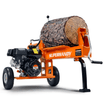
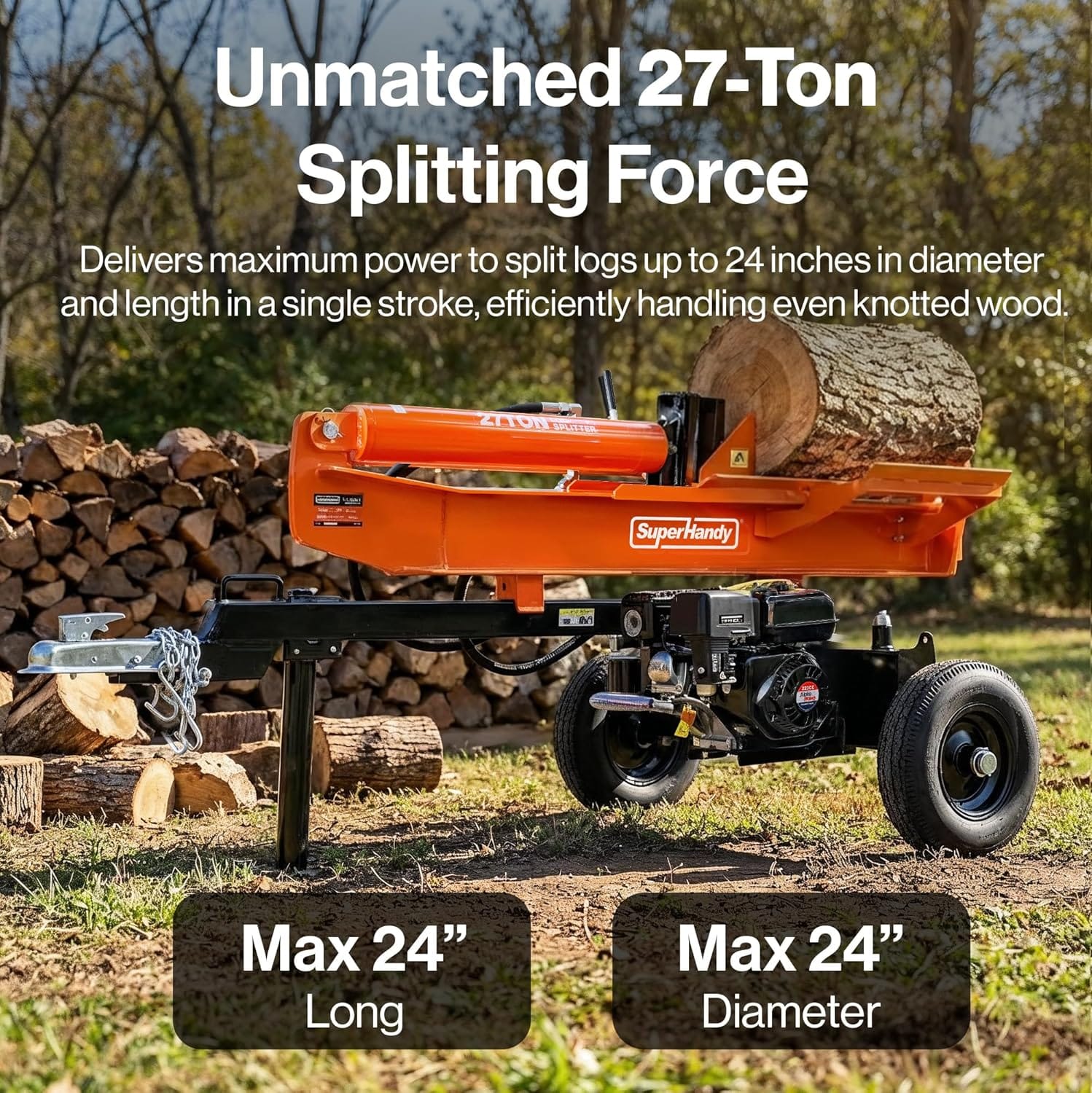
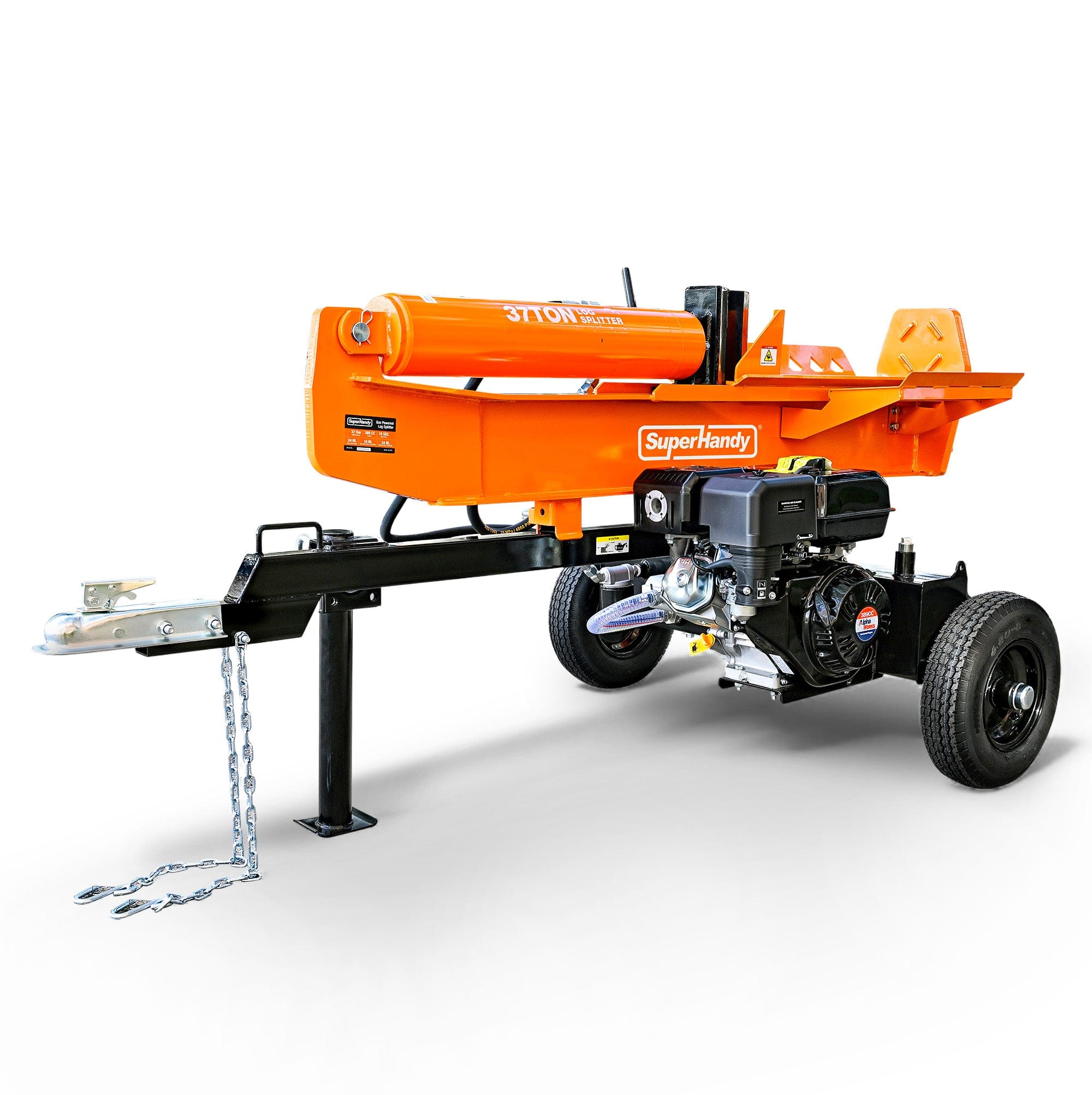
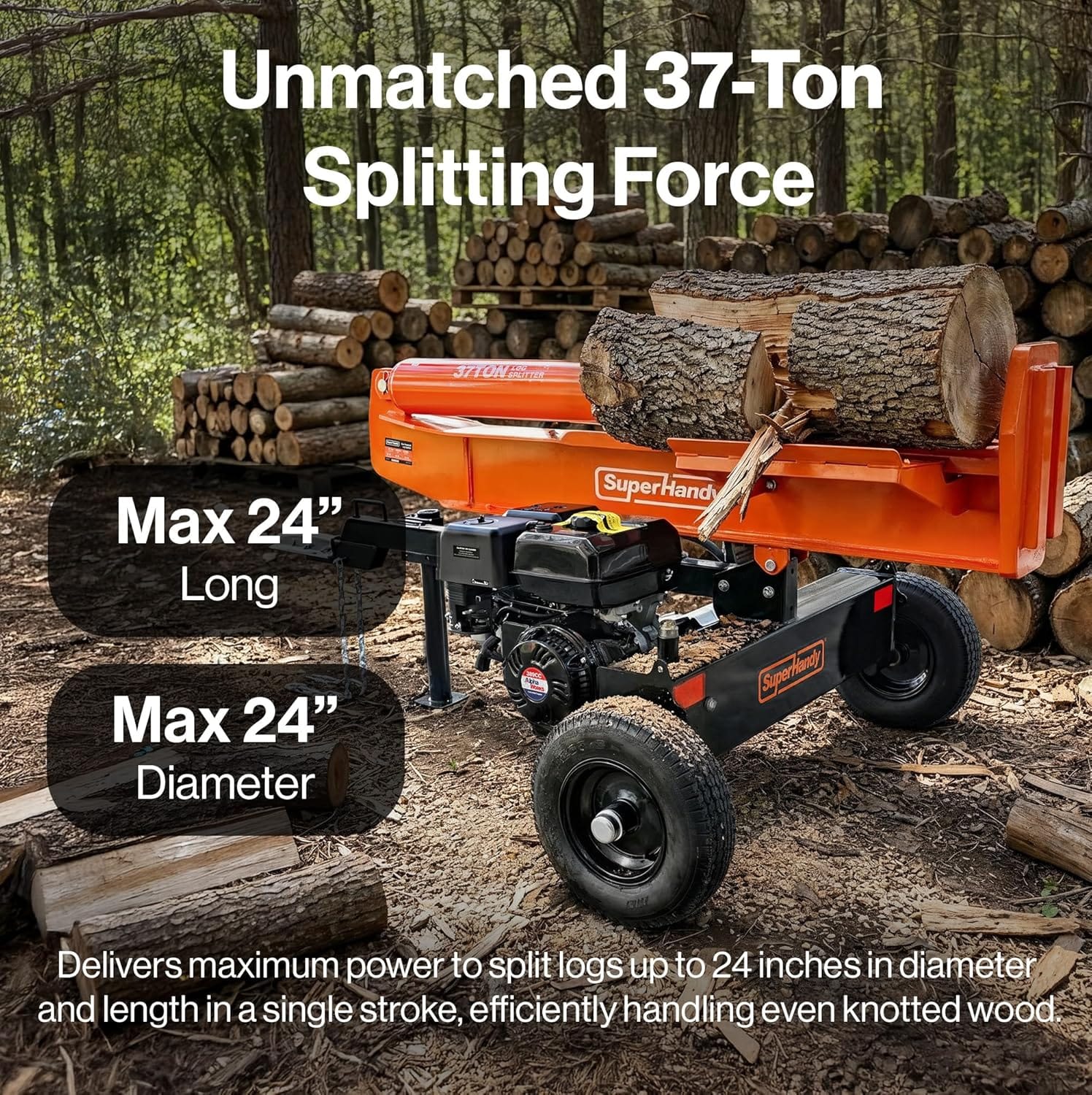
Wood density plays a massive role in firewood processing. The Janka Hardness Scale measures the resistance of wood species, with hardwoods like oak, hickory, and locust ranking exceptionally high. If you regularly harvest these incredibly dense, knotted hardwoods, you need unmatched tonnage. While electric models max out around 14 to 20 tons, gas models easily push past 30 tons of force. For these demanding tasks, the 37 Ton - Log Splitter is a premier choice. This machine effortlessly powers through the most stubborn, stringy, and heavily knotted tree rounds without stalling, ensuring you can process any wood species native to your region.
Remote Versatility: Working in the Woods Without Power Constraints
The ability to operate remotely is a game-changer for serious firewood harvesters. A heavy-duty gas Log Splitter allows you to bring the machine directly to the fallen timber. Instead of lifting 150-pound green oak rounds into a truck bed to transport them to your garage, you can split them on-site. Once the wood is split, it is significantly lighter and much easier to stack and transport. Many modern gas splitters feature DOT-approved tires and standard ball hitches, making them fully towable at highway speeds. This remote versatility is exactly why rural property owners and forestry professionals exclusively rely on gas-powered machinery to maintain their acreage and process their seasonal fuel.
Understanding the Mechanical Complexity of Internal Combustion Engines
With great power comes greater mechanical complexity. Operating a gas-powered unit means you must become familiar with small engine maintenance. You must monitor the engine oil, ensure the carburetor is not clogged by stale ethanol-blended gasoline, and regularly replace air filters exposed to heavy sawdust. In colder climates, starting a gas engine requires a specific sequence of priming the fuel, setting the choke, and aggressively pulling the recoil starter. While modern engines are incredibly reliable, this inherent mechanical complexity means the machine demands more of your time and attention than a simple electric motor. Ignoring this maintenance will lead to hard starts, decreased splitting power, and eventually, costly repair bills.
Direct Comparison: Tonnage Requirements and Cycle Speed Efficiency
When evaluating a Log Splitter, the two most critical operational specifications you must analyze are tonnage and cycle time. Tonnage refers to the absolute maximum hydraulic force the machine's ram can exert on a log. Cycle time dictates how many seconds it takes for the hydraulic cylinder to fully extend, split the wood, and automatically retract back to its starting position. Understanding the delicate balance between these two metrics will ultimately determine how efficiently and safely you can process your winter wood supply. High tonnage allows you to crack massive rounds, while a rapid cycle time ensures you are not standing idle waiting for the machine to reset.
How Much Tonnage Do You Actually Need for Seasoned vs. Green Wood?
The amount of force required to split a log heavily depends on whether the wood is seasoned or green. Green wood has been freshly cut, retaining a high moisture content that makes its fibers incredibly resilient, sticky, and spongy. You generally need significantly higher tonnage to tear through green logs. Seasoned wood, which has been properly dried over several months, is much more brittle and tends to aggressively pop open with much less effort. If you only split seasoned softwoods, a 5-ton to 14-ton machine is perfectly adequate. However, if you are tackling large rounds of green oak or elm, you will absolutely need the sheer brute power of a 25-ton to 37-ton gas machine to avoid constant stalling.
Comparing Cycle Times: How Machine Speed Impacts Your Total Workday
Cycle time dramatically impacts the overall efficiency of your wood processing workflow. A cycle time of 15 seconds might sound remarkably fast on paper, but when you are processing three full cords of wood, those seconds quickly add up to hours of standing around. Electric units generally feature consistent, moderate cycle times around 10 to 14 seconds. Gas models, equipped with high-flow two-stage hydraulic pumps, can achieve lightning-fast cycle times under 10 seconds even while delivering massive tonnage. If you are working with a partner—where one person operates the lever and the other stages the wood—a fast cycle time ensures the machine never becomes the bottleneck of your operation.
Financial Breakdown: Upfront Costs vs. Long-Term Operational Expenses
Purchasing a Log Splitter is a significant financial investment, and the sticker price is only one part of the equation. You must consider both the initial upfront capital required to acquire the machine and the long-term operational expenses required to keep it running smoothly over the next decade. Electric machines typically win in the budget category, offering much lower entry prices and negligible operational costs. Gas machines require a larger initial investment and ongoing purchases of fuel, oil, and engine parts. A proper financial breakdown will help you determine the true total cost of ownership for your chosen machine.
Initial Investment Ranges for Portable Electric vs. High-Performance Gas Units
The initial investment for an Electric Log Splitter is highly attractive for budget-conscious homeowners. High-quality residential electric models typically range from $300 to $800, depending on their tonnage and build quality. This makes them highly accessible for the average suburbanite. In contrast, a robust gas Log Splitter requires a much higher initial outlay. Entry-level gas models start around $1,000, while commercial-grade units boasting 30+ tons of force can easily range from $1,500 to over $3,000. While the gas models cost significantly more upfront, their heavy-duty construction and high resale value often justify the investment for users who process massive amounts of timber annually.
The Hidden Costs of Maintenance: Hydraulic Fluid, Filters, and Fuel Stability
Beyond the purchase price, you must factor in the hidden costs of ongoing maintenance. Both types of splitters require specialized hydraulic fluid, which must be topped off and occasionally replaced to ensure peak pump performance. However, gas models carry additional recurring costs. You must regularly purchase premium unleaded gasoline, high-quality engine oil, replacement air filters, and spark plugs. Furthermore, to protect the carburetor during the off-season, you must invest in fuel stabilizers. Over a ten-year lifespan, these small maintenance costs for a gas unit can easily add up to hundreds of dollars, making the electric model the clear winner in long-term financial efficiency.
Evaluating Noise Levels and Neighborhood Compatibility for Your Backyard
Noise pollution is a critical, yet often overlooked, factor when selecting property maintenance equipment. The decibel output of your machine dictates when and where you can operate it without infuriating your neighbors. An Electric Log Splitter is remarkably quiet. The electric motor only hums when the lever is engaged, producing a noise level similar to a standard washing machine. This allows you to split wood early in the morning or late into the evening without violating neighborhood noise ordinances. Conversely, a gas Log Splitter generates continuous, roaring engine noise often exceeding 90 decibels. Operating a gas model typically requires heavy-duty hearing protection and limits your operational hours to midday to maintain positive neighborhood compatibility.
Essential Safety Features and Operator Protection in 2026 Models
Operating hydraulic machinery carries inherent physical risks. Fortunately, following strict OSHA safety standards, manufacturers have significantly upgraded operator protection in recent years. In 2026, premium models feature advanced safety mechanisms designed to prevent catastrophic injuries. These include mandatory two-handed operation systems, which physically require the user to keep both hands on the controls away from the splitting wedge. Additionally, modern splitters incorporate automatic return valves, heavy-duty log cradles to prevent split wood from crushing the operator's feet, and shielded hydraulic hoses to prevent high-pressure fluid injections. Whether you choose gas or electric, ensuring your chosen machine features these modern safety innovations is absolutely non-negotiable for backyard operation.
Selecting the Best Splitter Based on Your Yearly Firewood Consumption
Ultimately, the absolute best way to decide between an electric and gas model is to accurately calculate your yearly firewood consumption. A
Related Products


Leave a comment
All comments are moderated before being published.
This site is protected by hCaptcha and the hCaptcha Privacy Policy and Terms of Service apply.