










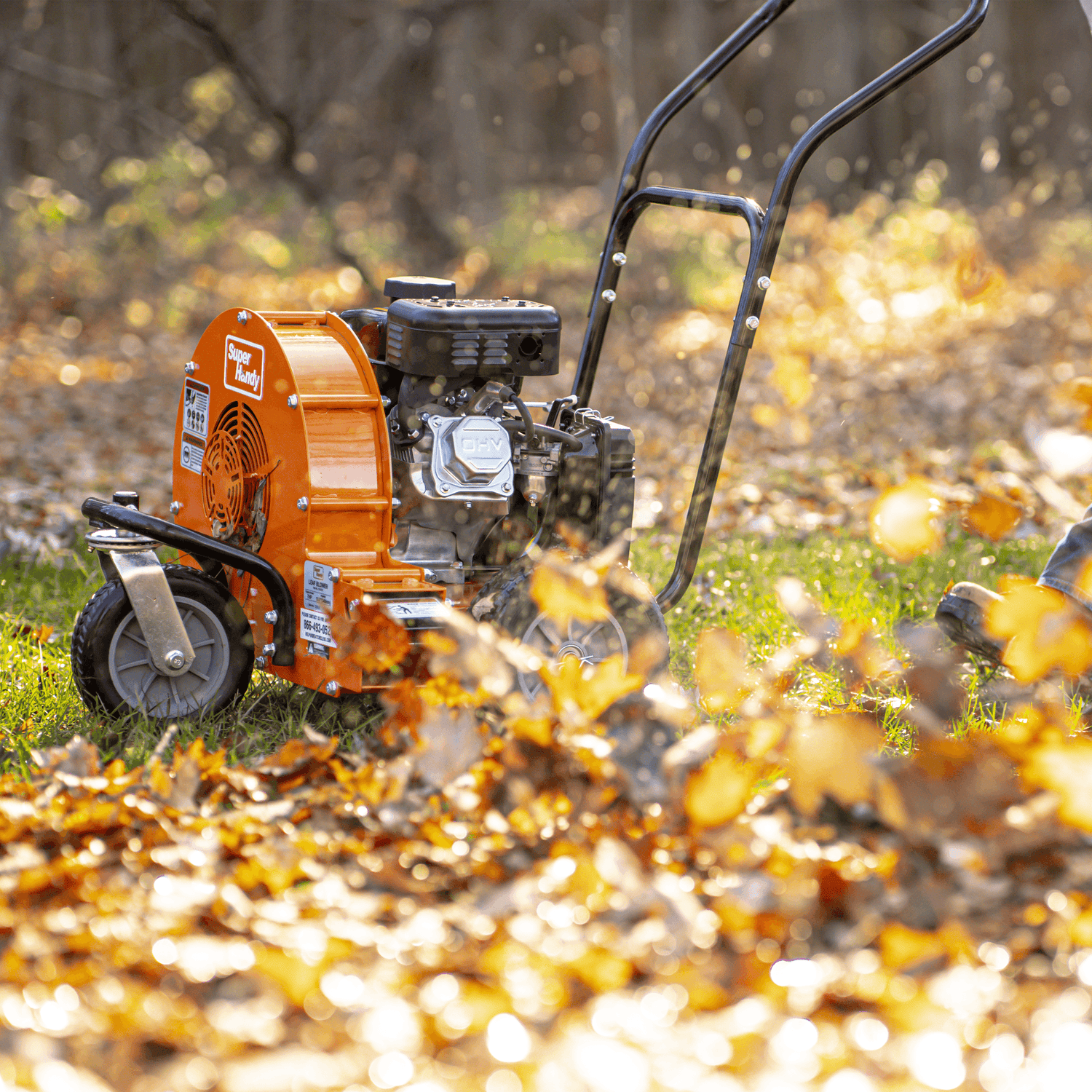
For many homeowners, the leaf blower mulcher is synonymous with autumn, a trusty companion against the relentless tide of falling leaves. Yet, this powerful, versatile tool harbors far greater potential than mere seasonal tidying. In 2026, forward-thinking gardeners and DIY enthusiasts are redefining its role, transforming it into a year-round powerhouse that streamlines tasks, enhances garden health, and saves precious time.

Unlocking the Full Potential of Your Leaf Blower Mulcher: More Than Just Autumn's Helper
Gone are the days when your leaf vacuum mulcher sat idle for three-quarters of the year. Modern advancements in design and functionality mean these machines are built for more than just a single season. Embracing its full capabilities can revolutionize your approach to property maintenance.
Why Your Leaf Blower Mulcher Deserves Year-Round Attention
Investing in a high-quality leaf blower vacuum mulcher means acquiring a multifaceted tool. Its dual-action blower and vacuum functions, coupled with its mulching capabilities, make it incredibly adaptable. By understanding its true potential, you unlock efficiencies you never thought possible, making garden chores less arduous and more effective. This year-round utility extends the value of your investment significantly.
Moving Beyond Seasonal Thinking: A Paradigm Shift for Garden Tools
The traditional view of garden tools often pigeonholes them into specific seasonal tasks. However, contemporary landscaping demands smarter, more versatile solutions. Shifting your mindset to see your leaf blower mulcher as an all-season workhorse is the first step. This paradigm shift not only maximizes tool usage but also encourages a more holistic approach to garden and property upkeep, optimizing every chore from spring prep to winter tidying.
Spring Cleaning Revolutionized: Early Season Tasks for Your Mulcher
As winter's chill recedes, spring brings a fresh set of outdoor tasks. Your leaf blower mulcher is uniquely equipped to tackle these early season challenges, setting the stage for a pristine and productive year.
Clearing Winter Debris: Quick Removal of Twigs, Pine Needles, and Small Branches
Winter often leaves behind a messy legacy of fallen twigs, scattered pine needles, and small broken branches. Instead of tedious raking, use the powerful blower function of your mulcher to quickly clear pathways, garden beds, and lawns. For larger accumulations, the vacuum mode can collect and shred smaller debris, reducing volume and preparing it for composting. This saves back-breaking effort and time, especially in areas with dense tree cover. For more general clearing, consider exploring options at Leaf Blowers.

Preparing Garden Beds for Planting: Efficiently Breaking Down Organic Matter
Before spring planting, garden beds often need a refresh. Your leaf vacuum mulcher can be invaluable here. Use it to vacuum up old plant matter, spent leaves, and other organic debris. The mulching feature will shred these materials into a finer texture, perfect for adding to your compost pile or directly incorporating into the soil, enriching it naturally. This process helps create an ideal environment for new growth without introducing large, slow-decomposing chunks.
Spreading Mulch and Topsoil Evenly: Achieving Professional-Looking Landscapes
While not its primary design, the blower function can assist in lighter tasks like gently spreading fine mulch or topsoil in garden beds or around new plantings. By using a low-speed setting, you can distribute materials more evenly than by hand, creating a polished, professional finish. This technique is particularly useful for delicate areas where precise application is needed, avoiding heavy dumping and subsequent uneven distribution.
Drying Surfaces After Rain: Speeding Up Patio and Driveway Cleanup
A common spring nuisance is lingering moisture after rain, especially on patios, decks, and driveways, which can lead to slippery surfaces or mildew. Your leaf blower mulcher can quickly dry these areas, preventing water stains and accelerating outdoor activities. This is particularly useful for preparing outdoor spaces for immediate use or before applying sealants or stains, ensuring optimal adhesion and finish.
Summer Efficiency Boosters: How Your Mulcher Saves Time in Warmer Months
Summer landscaping is often about maintenance and quick cleanups. Your leaf blower mulcher continues to be a crucial tool, making short work of tasks that would otherwise consume valuable time.
Quick Cleanup After Mowing: Gathering Grass Clippings with Ease
After mowing, grass clippings can scatter across driveways, paths, and flowerbeds. The blower function makes quick work of gathering these clippings into neat piles for easy disposal or composting. This is far more efficient than sweeping and ensures a clean, tidy appearance without extensive manual labor. Furthermore, if your mower doesn't bag, the vacuum mulcher can collect and finely chop these clippings for direct use as a nitrogen-rich lawn top dressing.

Managing Weeds and Garden Trimmings: Turning Green Waste into Valuable Mulch
Summer is prime time for weeding and pruning. Instead of hauling away piles of green waste, use your leaf blower vacuum mulcher to process smaller trimmings and weeds. The mulched material can then be used as nutrient-rich compost accelerator or applied directly around plants to suppress future weed growth and retain soil moisture. This sustainable approach reduces waste and enriches your garden simultaneously.
Cleaning Workshop and Garage Floors: Blowing Away Sawdust and Debris
The utility of your mulcher extends indoors to your workshop or garage. After a DIY project, sawdust, wood shavings, and small debris can accumulate rapidly. The blower function is excellent for quickly clearing these spaces, pushing debris into a manageable pile for easy vacuuming or sweeping. This keeps your workspace clean and safe, preventing slips and reducing airborne dust.
Drying Outdoor Furniture and Vehicles: Speeding Up Maintenance Tasks
After washing outdoor furniture, grills, or even your vehicle, the blower function can significantly speed up the drying process. This prevents water spots on car finishes and rust on metal furniture, ensuring items are ready for use or storage much faster. It's a gentle yet powerful way to remove excess moisture without streaks or damage, especially on intricate surfaces.
Autumn's Advanced Arsenal: Mastering Leaf & Organic Matter Management
While autumn is the traditional domain of the leaf blower mulcher, its advanced capabilities can elevate your fall cleanup from a chore to an art form, maximizing resourcefulness.
Beyond Simple Leaf Piles: Maximizing Mulch for Compost and Garden Beds
Instead of bagging leaves for disposal, your mulcher allows you to transform them into valuable organic matter. By vacuuming and shredding leaves, you create a fine mulch perfect for enriching compost piles, insulating garden beds over winter, or creating pathways. This process significantly reduces the volume of leaves, making them easier to manage and more beneficial for your landscape. According to Purdue University Extension, shredded leaves decompose faster and offer superior soil amendment benefits compared to whole leaves (Source: Purdue University Extension on Leaf Mulch).
Preparing Vegetable Gardens for Winter: Incorporating Shredded Plant Material
After harvesting, vegetable gardens can benefit from a layer of shredded plant material. Your leaf blower mulcher can process spent annuals, small stalks, and other garden waste into a protective and nourishing layer. This organic matter will break down over winter, adding nutrients and improving soil structure for the next growing season, fostering a healthier, more productive garden cycle.
Clearing Gutters and Downspouts: Safe and Efficient Debris Removal
Clogged gutters can lead to serious water damage to your home. With appropriate attachments (often sold separately), the blower function can safely and efficiently clear leaves and debris from gutters and downspouts from the ground, eliminating the need for precarious ladder work. Always ensure you follow safety guidelines and wear protective eyewear when performing this task.
Blowing Away Acorns, Nuts, and Small Fruits: Preventing Slip Hazards
Autumn can also bring a deluge of acorns, nuts, and small fallen fruits, creating trip hazards on driveways and walkways. Your leaf blower vacuum mulcher is perfect for quickly clearing these small, hard objects, preventing potential slips and maintaining a neat appearance. This is particularly important for homes with children or elderly residents, significantly enhancing safety.
Winter Wonders: Unexpected Uses for Your Mulcher in Colder Seasons
Even in winter, when many outdoor tools are stored away, your leaf blower mulcher can still find unexpected utility, proving its true year-round versatility.
Light Snow Removal from Decks and Walkways: When Shoveling is Overkill
For light, powdery snow (typically a few inches or less), your leaf blower mulcher can be surprisingly effective. Use the blower setting to clear decks, pathways, and vehicle windshields without the heavy effort of shoveling. This is ideal for quick cleanups and prevents snow from accumulating and compacting, making subsequent removal easier if a heavier snowfall occurs. Always ensure the snow is dry and light to prevent clogging.

Clearing Dust and Debris from Workshops and Garages: Indoor Utility
Just as in summer, the blower function is excellent for maintaining clean indoor workspaces during winter months. It quickly removes accumulated dust, sawdust, and small debris from floors, workbenches, and equipment, creating a healthier and safer environment for indoor projects. Regular use helps prevent dust buildup, which can be a fire hazard and an irritant.
Drying Equipment and Tools: Protecting Against Rust and Wear
After cleaning garden tools or outdoor equipment that might be used briefly in winter, thoroughly drying them is crucial to prevent rust and extend their lifespan. The blower can quickly and effectively remove moisture from metal surfaces, joints, and crevices, offering superior protection compared to air drying alone. This simple step can save money on replacements and repairs.
Preparing Firewood Storage Areas: Blowing Away Bark and Sawdust
If you store firewood, the area can quickly accumulate bark pieces, sawdust, and small splinters. Before stacking new wood or during general cleanup, use your leaf blower mulcher to clear the storage space. This creates a tidier, cleaner area and reduces the potential for pests attracted to decaying wood debris, maintaining a more organized and hygienic woodpile.
Maximizing Your Mulcher's Lifespan and Performance: Essential Tips and Safety
Year-round use means your leaf blower vacuum mulcher will see more action. Proper care and safe operation are paramount to ensuring its longevity and consistent performance.
Choosing the Right Settings: Understanding Blower, Vacuum, and Mulch Ratios
Modern leaf mulchers often feature variable speed controls and easily switch between blower and vacuum modes. Understanding the optimal settings for each task is crucial. Use lower speeds for delicate drying or spreading, and higher speeds for heavy blowing or vacuuming dense debris. For mulching, ensure the vacuum is set to maximum power to effectively draw in and shred materials. Refer to your owner's manual for specific ratio recommendations for different types of organic matter.
Essential Maintenance Practices for Year-Round Reliability
Regular maintenance is key to extending the life of your tool. For leaf blower mulcher units, this includes:
- Cleaning: Regularly clear debris from the intake and exhaust ports, impeller, and fan housing. Clogs reduce efficiency and can overheat the motor.
- Filter Checks: Inspect and clean or replace air filters (for gas models) or screens (for electric/battery models) regularly.
- Impeller Inspection: Check the mulching impeller for damage or excessive wear, especially if you frequently process tougher materials. A damaged impeller reduces mulching effectiveness and can cause vibrations.
- Spark Plug/Battery Care: For gas models, inspect and replace the spark plug as needed. For battery models, follow manufacturer guidelines for battery charging and storage to maximize lifespan (Source: Consumer Reports on Battery Tool Care).
- Lubrication: For models with moving parts requiring lubrication, follow the manufacturer's recommendations.
Safety First: Protecting Yourself and Your Property During Operation
Safety should always be your top priority. When using your leaf blower mulcher for any task:
- Eye and Ear Protection: Always wear safety glasses or goggles and hearing protection, especially with gas-powered models or during prolonged use.
- Gloves: Wear sturdy gloves to protect your hands.
- Footwear: Wear closed-toe shoes or boots.
- Clear Area: Ensure the area is clear of people, pets, and fragile objects before starting, especially when blowing.
- Avoid Obstructions: Never point the blower at people or animals. Be mindful of loose gravel or small objects that can become projectiles.
- Electrical Safety: For electric models, use only outdoor-rated extension cords and never operate in wet conditions. For battery models, ensure batteries are charged in a dry, safe place.
- Gas Safety: For gas models, refuel in a well-ventilated area away from open flames, and allow the engine to cool before refueling.
Smart Storage Solutions: Keeping Your Tool Ready for Any Season
Proper storage ensures your leaf blower mulcher is ready when you need it. Clean the unit thoroughly before storing. Store it in a dry, protected area, away from extreme temperatures. If storing for an extended period, especially gas models, drain the fuel or use a fuel stabilizer. For battery models, store batteries at a partial charge (typically 50-60%) in a cool, dry place to prolong their life (Source: Ryobi on Battery Storage). Hang wall-mounted storage solutions can keep it organized and off the floor, preventing accidental damage and freeing up space.
Selecting the Ideal Leaf Blower Mulcher for Diverse Tasks: Features That Matter
When choosing a leaf blower mulcher for year-round versatility, certain features stand out. Consider these aspects to make an informed decision that meets your diverse needs.
Electric vs. Gas vs. Battery: Which Power Source Suits Your Needs Best?
- Electric (Corded): Lightweight, quieter, no emissions, and consistent power. Best for smaller yards or areas with easy access to outdoor outlets. Limited by cord length.
- Battery-Powered: Excellent maneuverability, no emissions, quieter than gas, and increasingly powerful. Ideal for medium to large yards where cord freedom is essential. Battery life and charging time are key considerations.
- Gas-Powered: Most powerful, best for large properties and heavy-duty tasks like wet leaves or stubborn debris. Requires more maintenance, is louder, and produces emissions. Consider 2-stroke vs. 4-stroke engines for specific power and maintenance needs.
Vacuum Kit and Mulching Impeller Quality: What to Look For
For effective mulching, the quality of the vacuum kit and impeller is critical. Look for:
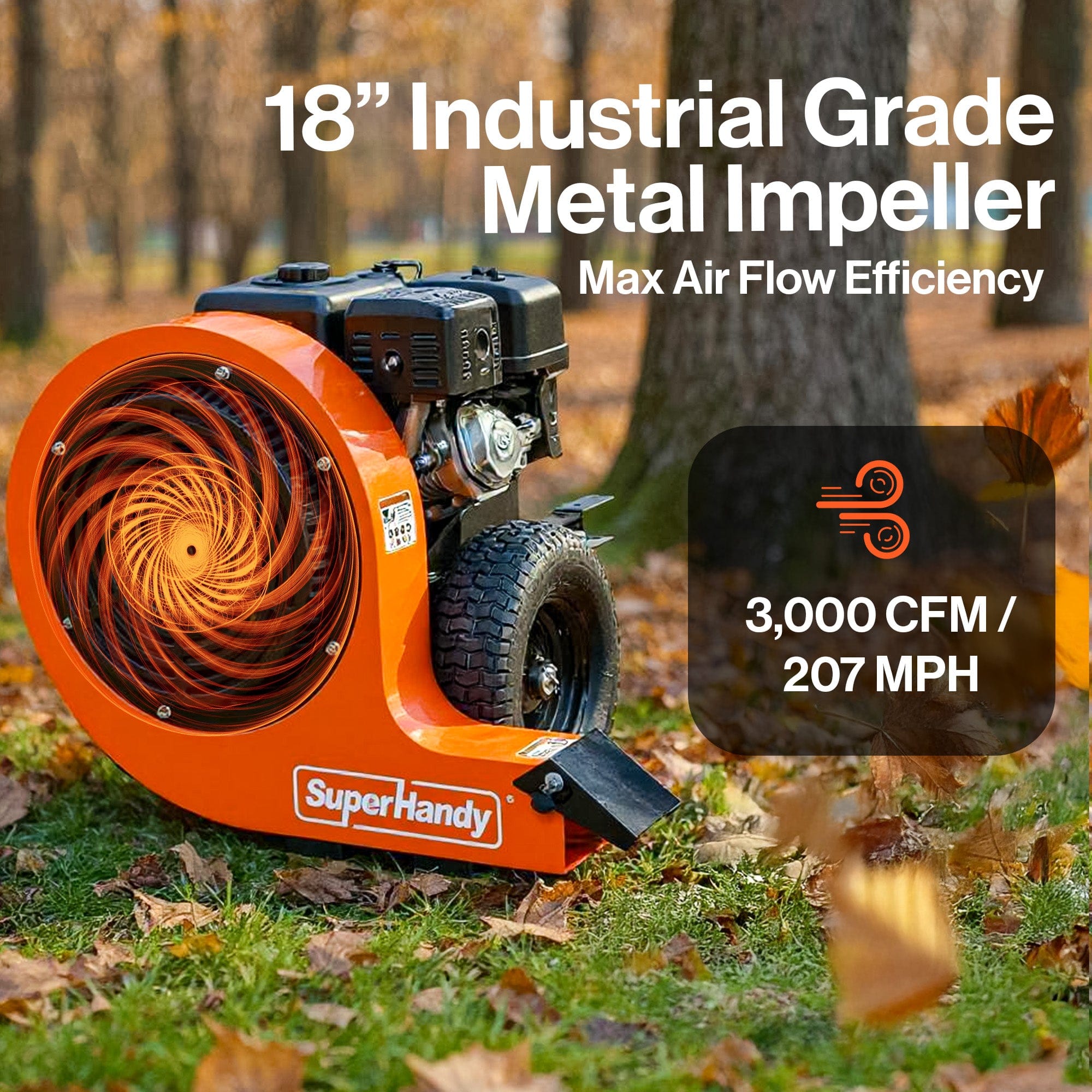
- Metal Impeller: Generally more durable and effective at shredding tough debris than plastic impellers, resulting in a finer mulch. This is particularly important for year-round use that may involve tougher materials than just dry leaves.
- Mulch Ratio: A higher mulch ratio (e.g., 16:1 or 18:1) indicates a more efficient shredding process, reducing debris volume significantly. This directly impacts how much material you can process and store.
- Large Vacuum Inlet: A wider opening makes it easier to vacuum a variety of debris, from leaves to small twigs, without constant clogging.
Variable Speed Control and Ergonomics: Enhancing Usability
Variable speed control is crucial for versatility, allowing you to switch between powerful blowing and gentle drying or spreading tasks. Ergonomic design, including comfortable handles, balanced weight distribution, and reduced vibration, minimizes user fatigue during prolonged use, which is common with year-round tasks. Look for features like shoulder straps for vacuum mode to distribute weight evenly and make the tool easier to carry.
Attachments and Accessories: Expanding Your Tool's Versatility
Many leaf blower mulcher models offer a range of attachments that further expand their utility:
- Gutter Cleaning Kits: For safe and efficient gutter clearing.
- Nozzle Extensions/Concentrators: For focused blowing or reaching tight spaces.
- Vacuum Collection Bags: Durable, easy-to-empty bags are essential, with larger capacities reducing the frequency of emptying.
- Wheel Kits: For some heavier models, wheel kits can make ground-level vacuuming easier and less strenuous.
Frequently Asked Questions About Year-Round Leaf Blower Mulcher Use
Can I really use my leaf blower mulcher to clear light snow without damage?
Yes, for light, powdery snow (typically up to a few inches), the blower function can be quite effective. However, avoid using it on wet, heavy, or icy snow, as this can clog the fan, strain the motor, and potentially damage the unit. Always ensure the snow is dry and light, and operate with caution, wearing appropriate safety gear.
Is mulched material from a leaf blower good for compost or garden beds?
Absolutely! The fine consistency of mulched leaves, grass clippings, and small garden trimmings makes them excellent additions to compost piles, accelerating decomposition. They also serve as valuable organic matter for garden beds, improving soil structure, retaining moisture, suppressing weeds, and slowly releasing nutrients as they break down. This is a highly sustainable and beneficial practice for any garden.
What safety precautions should I take when using my mulcher for non-leaf tasks?
Always adhere to general safety guidelines: wear eye and ear protection, sturdy footwear, and gloves. Be mindful of potential projectiles when blowing any debris. When clearing areas like workshops or garages, ensure proper ventilation. For tasks involving moisture, exercise extreme caution with electric models, and avoid using them in wet conditions entirely. Always refer to your specific mulcher's manual for any task-specific warnings or recommendations.
How often should I perform maintenance on my leaf mulcher for year-round use?
For year-round use, maintenance should be performed more frequently than if only used seasonally. Regular cleaning after each significant use is recommended. Impeller and filter checks should be done monthly or every 10-20 hours of operation, whichever comes first. Annual major service, including spark plug inspection/replacement (gas models) and general lubrication, is advisable to ensure optimal performance and longevity. Follow your manufacturer's specific maintenance schedule.
Related Products




Leave a comment
All comments are moderated before being published.
This site is protected by hCaptcha and the hCaptcha Privacy Policy and Terms of Service apply.